


Key Insights
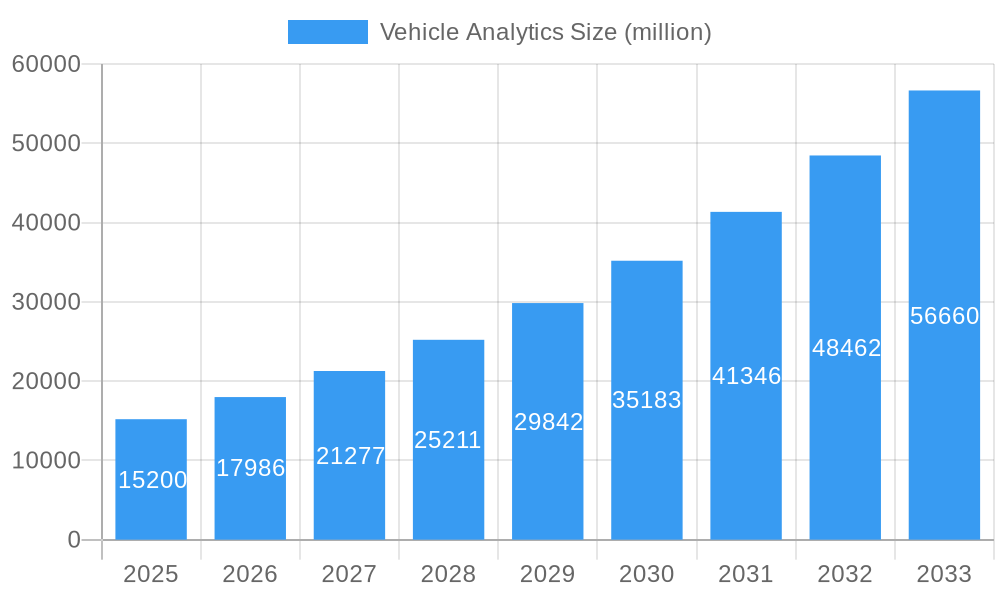
The global Vehicle Analytics market is poised for significant expansion, projected to reach an estimated USD 15,200 million by 2025, with a robust Compound Annual Growth Rate (CAGR) of 18.5% anticipated between 2025 and 2033. This impressive growth trajectory is underpinned by a confluence of evolving technological advancements and escalating demand for data-driven insights across the automotive ecosystem. Key drivers include the rapid proliferation of connected vehicles equipped with advanced sensors and telematics, coupled with an increasing need for sophisticated fleet management solutions. The desire for enhanced operational efficiency, proactive maintenance, improved driver safety, and optimized fuel consumption is compelling various stakeholders, from OEMs and service providers to regulatory bodies and insurers, to invest heavily in vehicle analytics platforms. The market is segmented into Software Platforms and Professional Services, with the former expected to dominate due to the scalable nature and continuous innovation in AI and machine learning capabilities for data interpretation.
Vehicle Analytics Market Size (In Billion)

The burgeoning adoption of Vehicle Analytics is further fueled by emerging trends such as the integration of Artificial Intelligence (AI) and Machine Learning (ML) for predictive maintenance and anomaly detection, the growing emphasis on data security and privacy, and the development of advanced driver-assistance systems (ADAS) that generate vast amounts of real-time data. Geographically, North America and Europe currently lead the market, driven by early adoption of connected car technologies and stringent regulatory frameworks. However, the Asia Pacific region is set to witness the fastest growth, propelled by increasing vehicle production, a burgeoning middle class, and government initiatives promoting smart city development and digitalization of transportation. Despite the promising outlook, certain restraints such as the high cost of initial implementation, data privacy concerns, and the need for skilled personnel to manage and interpret complex data sets may pose challenges. Nevertheless, the overarching benefits of improved vehicle performance, enhanced customer experience, and the emergence of new business models in the automotive industry are expected to outweigh these limitations, ensuring sustained market expansion.
Vehicle Analytics Company Market Share
This comprehensive report, "Vehicle Analytics Market: Global Opportunity Analysis and Industry Forecast, 2019–2033," provides an in-depth examination of the rapidly evolving vehicle analytics sector. Leveraging advanced data analytics and extensive market research, this report offers critical insights into market size, growth trajectory, and key influential factors. With a base year of 2025 and a forecast period extending to 2033, it dissects the market's structure, identifies dominant trends, analyzes product innovations, and profiles leading players. Our analysis covers diverse segments, including OEMs, service providers, fleet owners, insurers, and regulatory bodies, across software platforms, professional services, and managed services. Discover strategic market outlooks, key growth drivers, and significant challenges shaping the future of vehicle analytics. This report is essential for stakeholders seeking to understand and capitalize on the multi-million dollar opportunities within the global vehicle data insights ecosystem.
Vehicle Analytics Market Structure & Competitive Dynamics
The global vehicle analytics market is characterized by a dynamic and evolving competitive landscape, exhibiting moderate to high market concentration driven by significant investments in research and development and strategic mergers and acquisitions (M&A). Major technology giants and specialized automotive data analytics firms are actively shaping the innovation ecosystem, introducing advanced solutions for connected vehicles, predictive maintenance, driver behavior analysis, and fleet optimization. Regulatory frameworks, while varied across regions, are increasingly influencing data privacy and security standards, pushing companies towards robust compliance measures. Product substitutes, such as traditional telematics systems or manual data collection methods, are gradually being displaced by more sophisticated AI-powered and cloud-based vehicle analytics platforms, which offer superior insights and operational efficiencies. End-user trends indicate a growing demand for real-time data, predictive capabilities, and personalized services across all segments, from OEMs seeking to enhance vehicle performance and customer experience to fleet owners aiming to reduce operational costs and improve safety. M&A activities are prevalent, with deal values often running into the millions, as larger players acquire innovative startups to expand their service portfolios and technological prowess. For instance, recent M&A activities in the sector have seen significant capital injections, often in the hundreds of millions, demonstrating the high strategic value placed on vehicle data and analytics capabilities.
- Market Concentration: Moderate to High, with key players investing heavily in R&D and strategic partnerships.
- Innovation Ecosystem: Driven by advancements in AI, IoT, big data analytics, and cloud computing.
- Regulatory Frameworks: Growing influence of data privacy (e.g., GDPR, CCPA) and cybersecurity standards.
- Product Substitutes: Declining relevance of traditional telematics in favor of advanced analytics platforms.
- End-User Trends: Strong demand for real-time insights, predictive maintenance, and fleet optimization solutions.
- M&A Activities: Active, with deal values reaching millions, consolidating market share and acquiring specialized technologies.
Vehicle Analytics Industry Trends & Insights
The vehicle analytics market is experiencing robust growth, fueled by the escalating adoption of connected vehicle technology and the burgeoning Internet of Things (IoT) ecosystem. The compound annual growth rate (CAGR) for this sector is projected to be in the high teens, driven by the increasing volume of data generated by vehicles and the subsequent need for sophisticated analytical tools. Market penetration is rapidly expanding across diverse automotive segments, with advanced driver-assistance systems (ADAS), autonomous driving technologies, and electric vehicle (EV) infrastructure further accelerating data generation and the demand for actionable insights. Key market growth drivers include the automotive industry's push towards enhancing customer experience through personalized services and proactive maintenance, as well as the imperative for fleet owners to optimize operational efficiency, reduce fuel consumption, and improve safety. Technological disruptions are at the forefront, with advancements in artificial intelligence (AI), machine learning (ML), and big data analytics enabling more precise predictive maintenance, real-time risk assessment, and sophisticated driver behavior profiling. Consumer preferences are shifting towards vehicles that offer intelligent features, enhanced safety, and seamless connectivity, compelling OEMs to invest heavily in vehicle analytics. Competitive dynamics are intensifying, with established automotive manufacturers, technology giants, and specialized data analytics firms vying for market leadership. The integration of vehicle data with other data sources, such as urban infrastructure and mobility services, is creating new opportunities for value-added services. Furthermore, the growing emphasis on sustainability and emissions reduction is driving demand for analytics that can optimize vehicle performance and fleet management for environmental benefits. The total addressable market for vehicle analytics is estimated to be in the tens of millions in the base year, with substantial projected growth throughout the forecast period. The insights derived from vehicle data are crucial for optimizing supply chains, managing insurance risk, and informing regulatory bodies about road safety and traffic patterns. The continuous innovation in sensor technology and data transmission capabilities further solidifies the upward trajectory of this market. The global market size is projected to reach hundreds of millions by the end of the forecast period.
Dominant Markets & Segments in Vehicle Analytics
The vehicle analytics market exhibits distinct regional dominance and segment leadership, driven by specific economic, technological, and regulatory factors. Globally, North America and Europe are currently leading the market due to high vehicle penetration, advanced technological infrastructure, and supportive regulatory environments for data utilization. However, the Asia-Pacific region is emerging as a significant growth hotspot, driven by rapid vehicle sales, increasing adoption of connected car technologies, and government initiatives promoting smart mobility solutions.
Within the application segments, Fleet Owners represent a dominant force. Their imperative to optimize operational costs, enhance driver safety, improve fuel efficiency, and ensure regulatory compliance makes vehicle analytics a critical tool. The potential for cost savings, estimated in the millions for large fleets, and the ability to proactively manage vehicle health are key drivers. The market size for fleet owner applications is substantial, projected to be in the tens of millions, with consistent growth throughout the forecast period.
The OEMs segment also holds significant sway, leveraging vehicle analytics to enhance product development, personalize customer experiences, and offer connected services. Predictive maintenance offerings, remote diagnostics, and in-car infotainment systems powered by analytics contribute to increased vehicle sales and customer loyalty, with investment in these areas reaching hundreds of millions.
The Insurers segment is rapidly expanding its use of vehicle analytics for risk assessment, fraud detection, and the development of usage-based insurance (UBI) programs. By analyzing driving behavior and vehicle performance, insurers can offer more personalized policies, leading to potential savings for policyholders and reduced claims costs, with the market size for insurance analytics in the tens of millions.
In terms of Types, the Vehicle Analytics Software Platform segment is the largest and most influential. These platforms provide the core technology for data ingestion, processing, analysis, and visualization, forming the backbone of most vehicle analytics solutions. Their market size is in the hundreds of millions, driven by continuous innovation and widespread adoption across all application segments.
Professional & Consulting Services play a crucial role in helping organizations implement and leverage vehicle analytics effectively. This segment, valued in the tens of millions, is essential for custom solution development, data integration, and strategic guidance, particularly for smaller enterprises or those new to the field.
Managed Services are also gaining traction, offering outsourced management of vehicle analytics operations, data security, and ongoing maintenance. This segment, with a market size in the tens of millions, appeals to organizations seeking to reduce internal IT burdens and ensure continuous access to expert analytics support.
- Leading Regions: North America, Europe, with Asia-Pacific as a rapidly growing market.
- Dominant Application Segment: Fleet Owners, followed closely by OEMs and Insurers.
- Fleet Owners: Driven by cost optimization, safety enhancement, and operational efficiency (market size in tens of millions).
- OEMs: Driven by product development, customer experience, and connected services (investment in hundreds of millions).
- Insurers: Driven by risk assessment, UBI, and fraud detection (market size in tens of millions).
- Dominant Type Segment: Vehicle Analytics Software Platform, supported by Professional & Consulting Services and Managed Services.
- Vehicle Analytics Software Platform: Core technology, largest market share (market size in hundreds of millions).
- Professional & Consulting Services: Implementation support and strategic guidance (market size in tens of millions).
- Managed Services: Outsourced operations and maintenance (market size in tens of millions).
Vehicle Analytics Product Innovations
Recent product innovations in vehicle analytics are transforming the automotive landscape, focusing on enhanced AI-driven predictive capabilities, real-time anomaly detection, and seamless integration with broader mobility ecosystems. Companies are developing advanced algorithms for predicting component failures, optimizing battery performance in EVs, and identifying potential safety hazards before they occur. The application of machine learning to analyze vast datasets from connected vehicles enables personalized driver coaching, proactive maintenance alerts, and optimized route planning, leading to significant operational efficiencies and improved customer satisfaction. Competitive advantages are being built on the accuracy of these predictions, the scalability of the platforms, and the ease of integration with existing automotive systems and third-party applications. These innovations are not only improving vehicle performance and safety but also paving the way for new revenue streams through value-added services, with individual product development investments often in the millions.
Report Segmentation & Scope
This report comprehensively segments the vehicle analytics market to provide granular insights into its diverse landscape. The segmentation is categorized by application and by type.
Application Segments:
- OEMs (Original Equipment Manufacturers): This segment analyzes how vehicle manufacturers utilize analytics for product development, R&D, and enhancing in-vehicle experiences. Growth projections for OEM-focused analytics are strong, with market sizes in the hundreds of millions, driven by the increasing complexity of modern vehicles and the demand for connected services.
- Service Providers: This includes companies offering fleet management, maintenance, and telematics services, leveraging analytics to optimize their offerings. This segment's market size is in the tens of millions, with steady growth driven by the demand for efficient service delivery.
- Automotive Dealers: Analyzing how dealerships use vehicle data for sales, after-sales service, and customer relationship management. Their market size is smaller, in the millions, but growing as data-driven sales strategies become more prevalent.
- Fleet Owners: Focusing on the application of analytics for operational efficiency, cost reduction, and safety management in commercial and private fleets. This segment represents a significant portion of the market, with projected sizes in the tens of millions.
- Regulatory Bodies: Examining the use of vehicle data for compliance, safety standards, and traffic management. The market size here is in the millions, driven by evolving regulatory demands.
- Insurers: Analyzing the application of vehicle analytics for risk assessment, underwriting, and usage-based insurance (UBI) programs. This segment is growing rapidly, with market sizes in the tens of millions.
- Other: Encompassing various niche applications and emerging use cases within the vehicle analytics domain, with a market size in the millions.
Types Segments:
- Vehicle Analytics Software Platform: This core segment comprises the technologies and tools used for data collection, processing, and analysis. It is the largest segment, with projected market sizes in the hundreds of millions, driven by continuous innovation and adoption.
- Professional & Consulting Services: This segment includes the expertise and support offered for implementing and optimizing vehicle analytics solutions. Its market size is in the tens of millions, essential for tailored deployments.
- Managed Services: This segment covers outsourced management of vehicle analytics infrastructure and operations. With a market size in the tens of millions, it caters to organizations seeking operational efficiency and reduced IT burden.
Key Drivers of Vehicle Analytics Growth
The significant growth in the vehicle analytics market is propelled by a confluence of technological advancements, economic imperatives, and evolving regulatory landscapes.
- Technological Advancements: The proliferation of connected vehicle technology, equipped with sensors and communication modules, generates massive amounts of real-time data. Advancements in Artificial Intelligence (AI), Machine Learning (ML), and Big Data analytics are enabling organizations to extract actionable insights from this data, leading to enhanced predictive maintenance, improved safety features, and optimized operational efficiency. The widespread adoption of IoT devices within vehicles is a primary enabler.
- Economic Imperatives: Businesses are increasingly recognizing the economic benefits of vehicle analytics, including significant cost savings through predictive maintenance, optimized fuel consumption, and reduced insurance premiums. For fleet owners, improved route planning and driver behavior monitoring translate directly into millions in annual savings. OEMs are leveraging analytics to create new revenue streams through value-added connected services.
- Regulatory Drivers: Growing government initiatives focused on road safety, emissions reduction, and traffic management are indirectly driving the adoption of vehicle analytics. For example, regulations mandating certain safety features or emissions monitoring encourage the use of data analytics to ensure compliance and performance.
Challenges in the Vehicle Analytics Sector
Despite its promising growth, the vehicle analytics sector faces several significant challenges that could hinder its widespread adoption and impact.
- Data Privacy and Security Concerns: The sensitive nature of vehicle data, including location, driving habits, and personal information, raises substantial privacy and security concerns. Ensuring robust data protection measures and compliance with evolving regulations like GDPR and CCPA is paramount, requiring significant investment in cybersecurity infrastructure and protocols. The risk of data breaches can lead to reputational damage and substantial financial penalties, potentially in the millions.
- Data Integration and Standardization: The automotive industry involves a complex ecosystem of disparate systems and data formats. Integrating data from various sources—OEMs, aftermarket devices, third-party applications—and standardizing it for effective analysis remains a considerable technical hurdle. The lack of universal data standards can lead to fragmented insights and impede comprehensive analysis.
- High Implementation Costs and ROI Uncertainty: Implementing advanced vehicle analytics solutions can involve substantial upfront investment in hardware, software, and specialized talent. For some organizations, particularly smaller ones, demonstrating a clear and timely Return on Investment (ROI) can be challenging, leading to hesitancy in adoption. The complexity of the technology and the need for skilled personnel contribute to these costs.
- Talent Shortage: There is a notable shortage of skilled professionals with expertise in data science, AI, and automotive engineering, capable of developing, deploying, and managing sophisticated vehicle analytics solutions. This talent gap can slow down innovation and implementation efforts.
Leading Players in the Vehicle Analytics Market
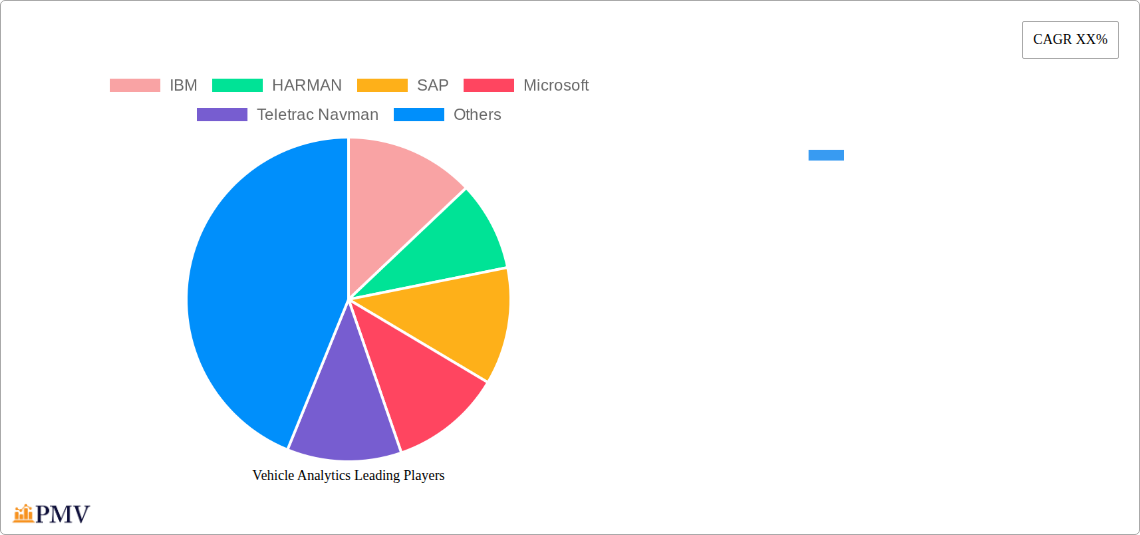
The vehicle analytics market is populated by a diverse set of industry leaders, including major technology providers, established automotive players, and specialized data analytics firms. These companies are at the forefront of innovation, offering a wide range of solutions that cater to various segments of the automotive industry. Key players actively shaping the market include:
- IBM
- HARMAN
- SAP
- Microsoft
- Teletrac Navman
- INRIX
- Automotive Rentals
- WEX
- Inseego
- Genetec
- IMS
- Noregon
- Xevo
- Azuga
- Procon Analytics
- Infinova
- KEDACOM
- Pivotal Software
- Acerta Analytics Solutions
- CloudMade
- Agnik
- Amodo
- Digital Recognition Network
- EngineCAL
- Inquiron
- Plotly
Key Developments in Vehicle Analytics Sector
- 2023/04: Launch of AI-powered predictive maintenance modules by several leading software providers, enabling proactive identification of vehicle component failures with millions in projected savings for fleet operators.
- 2023/10: Major OEM announces the integration of advanced driver behavior analytics into their in-car infotainment systems, offering personalized safety tips and insurance premium optimization opportunities, potentially saving customers millions.
- 2024/01: Strategic partnership formed between a telematics provider and a cybersecurity firm to enhance data protection for connected vehicle fleets, addressing millions in potential breach costs.
- 2024/03: Introduction of a new cloud-based platform for real-time traffic flow analysis and urban mobility optimization, demonstrating significant potential for smart city initiatives, with an estimated market impact in the tens of millions.
- 2024/07: Acquirer company X acquires startup Y for hundreds of millions, expanding its portfolio in connected car data monetization and analytics services.
Strategic Vehicle Analytics Market Outlook
The strategic outlook for the vehicle analytics market remains exceptionally strong, driven by the continuous expansion of connected vehicle technology and the ever-increasing value placed on data-driven insights. Future growth will be accelerated by the widespread adoption of electric and autonomous vehicles, which will generate even more complex data streams requiring advanced analytical capabilities. Strategic opportunities lie in the development of end-to-end solutions that seamlessly integrate vehicle data with other mobility services, supply chain logistics, and urban infrastructure. The increasing demand for personalized mobility experiences, enhanced safety features, and sustainable transportation solutions will further fuel innovation and investment. Companies that can effectively leverage AI and ML to provide predictive, prescriptive, and real-time analytics will be well-positioned to capture significant market share and drive substantial revenue growth, estimated to be in the hundreds of millions in the coming years. The market is ripe for further consolidation and specialized innovation as stakeholders seek to unlock the full potential of automotive data.
Vehicle Analytics Segmentation
-
1. Application
- 1.1. OEMs
- 1.2. Service Providers
- 1.3. Automotive Dealers
- 1.4. Fleet Owners
- 1.5. Regulatory Bodies
- 1.6. Insurers
- 1.7. Other
-
2. Types
- 2.1. Vehicle Analytics Software Platform
- 2.2. Professional & Consulting Services
- 2.3. Managed Services
Vehicle Analytics Segmentation By Geography
-
1. North America
- 1.1. United States
- 1.2. Canada
- 1.3. Mexico
-
2. South America
- 2.1. Brazil
- 2.2. Argentina
- 2.3. Rest of South America
-
3. Europe
- 3.1. United Kingdom
- 3.2. Germany
- 3.3. France
- 3.4. Italy
- 3.5. Spain
- 3.6. Russia
- 3.7. Benelux
- 3.8. Nordics
- 3.9. Rest of Europe
-
4. Middle East & Africa
- 4.1. Turkey
- 4.2. Israel
- 4.3. GCC
- 4.4. North Africa
- 4.5. South Africa
- 4.6. Rest of Middle East & Africa
-
5. Asia Pacific
- 5.1. China
- 5.2. India
- 5.3. Japan
- 5.4. South Korea
- 5.5. ASEAN
- 5.6. Oceania
- 5.7. Rest of Asia Pacific
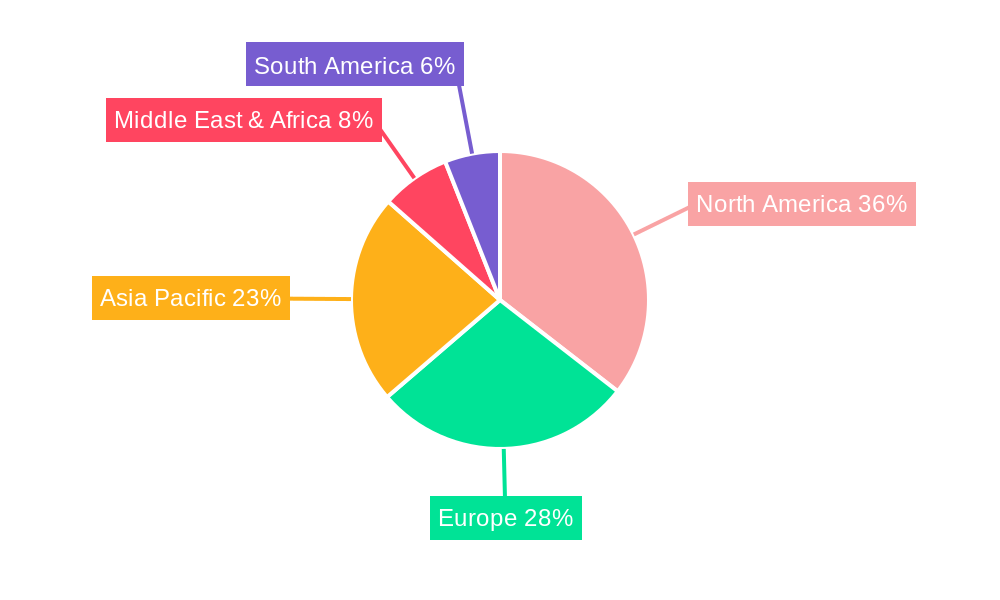
Vehicle Analytics Regional Market Share
Geographic Coverage of Vehicle Analytics
Vehicle Analytics REPORT HIGHLIGHTS
| Aspects | Details |
|---|---|
| Study Period | 2020-2034 |
| Base Year | 2025 |
| Estimated Year | 2026 |
| Forecast Period | 2026-2034 |
| Historical Period | 2020-2025 |
| Growth Rate | CAGR of XX% from 2020-2034 |
| Segmentation |
|
Table of Contents
- 1. Introduction
- 1.1. Research Scope
- 1.2. Market Segmentation
- 1.3. Research Methodology
- 1.4. Definitions and Assumptions
- 2. Executive Summary
- 2.1. Introduction
- 3. Market Dynamics
- 3.1. Introduction
- 3.2. Market Drivers
- 3.3. Market Restrains
- 3.4. Market Trends
- 4. Market Factor Analysis
- 4.1. Porters Five Forces
- 4.2. Supply/Value Chain
- 4.3. PESTEL analysis
- 4.4. Market Entropy
- 4.5. Patent/Trademark Analysis
- 5. Global Vehicle Analytics Analysis, Insights and Forecast, 2020-2032
- 5.1. Market Analysis, Insights and Forecast - by Application
- 5.1.1. OEMs
- 5.1.2. Service Providers
- 5.1.3. Automotive Dealers
- 5.1.4. Fleet Owners
- 5.1.5. Regulatory Bodies
- 5.1.6. Insurers
- 5.1.7. Other
- 5.2. Market Analysis, Insights and Forecast - by Types
- 5.2.1. Vehicle Analytics Software Platform
- 5.2.2. Professional & Consulting Services
- 5.2.3. Managed Services
- 5.3. Market Analysis, Insights and Forecast - by Region
- 5.3.1. North America
- 5.3.2. South America
- 5.3.3. Europe
- 5.3.4. Middle East & Africa
- 5.3.5. Asia Pacific
- 5.1. Market Analysis, Insights and Forecast - by Application
- 6. North America Vehicle Analytics Analysis, Insights and Forecast, 2020-2032
- 6.1. Market Analysis, Insights and Forecast - by Application
- 6.1.1. OEMs
- 6.1.2. Service Providers
- 6.1.3. Automotive Dealers
- 6.1.4. Fleet Owners
- 6.1.5. Regulatory Bodies
- 6.1.6. Insurers
- 6.1.7. Other
- 6.2. Market Analysis, Insights and Forecast - by Types
- 6.2.1. Vehicle Analytics Software Platform
- 6.2.2. Professional & Consulting Services
- 6.2.3. Managed Services
- 6.1. Market Analysis, Insights and Forecast - by Application
- 7. South America Vehicle Analytics Analysis, Insights and Forecast, 2020-2032
- 7.1. Market Analysis, Insights and Forecast - by Application
- 7.1.1. OEMs
- 7.1.2. Service Providers
- 7.1.3. Automotive Dealers
- 7.1.4. Fleet Owners
- 7.1.5. Regulatory Bodies
- 7.1.6. Insurers
- 7.1.7. Other
- 7.2. Market Analysis, Insights and Forecast - by Types
- 7.2.1. Vehicle Analytics Software Platform
- 7.2.2. Professional & Consulting Services
- 7.2.3. Managed Services
- 7.1. Market Analysis, Insights and Forecast - by Application
- 8. Europe Vehicle Analytics Analysis, Insights and Forecast, 2020-2032
- 8.1. Market Analysis, Insights and Forecast - by Application
- 8.1.1. OEMs
- 8.1.2. Service Providers
- 8.1.3. Automotive Dealers
- 8.1.4. Fleet Owners
- 8.1.5. Regulatory Bodies
- 8.1.6. Insurers
- 8.1.7. Other
- 8.2. Market Analysis, Insights and Forecast - by Types
- 8.2.1. Vehicle Analytics Software Platform
- 8.2.2. Professional & Consulting Services
- 8.2.3. Managed Services
- 8.1. Market Analysis, Insights and Forecast - by Application
- 9. Middle East & Africa Vehicle Analytics Analysis, Insights and Forecast, 2020-2032
- 9.1. Market Analysis, Insights and Forecast - by Application
- 9.1.1. OEMs
- 9.1.2. Service Providers
- 9.1.3. Automotive Dealers
- 9.1.4. Fleet Owners
- 9.1.5. Regulatory Bodies
- 9.1.6. Insurers
- 9.1.7. Other
- 9.2. Market Analysis, Insights and Forecast - by Types
- 9.2.1. Vehicle Analytics Software Platform
- 9.2.2. Professional & Consulting Services
- 9.2.3. Managed Services
- 9.1. Market Analysis, Insights and Forecast - by Application
- 10. Asia Pacific Vehicle Analytics Analysis, Insights and Forecast, 2020-2032
- 10.1. Market Analysis, Insights and Forecast - by Application
- 10.1.1. OEMs
- 10.1.2. Service Providers
- 10.1.3. Automotive Dealers
- 10.1.4. Fleet Owners
- 10.1.5. Regulatory Bodies
- 10.1.6. Insurers
- 10.1.7. Other
- 10.2. Market Analysis, Insights and Forecast - by Types
- 10.2.1. Vehicle Analytics Software Platform
- 10.2.2. Professional & Consulting Services
- 10.2.3. Managed Services
- 10.1. Market Analysis, Insights and Forecast - by Application
- 11. Competitive Analysis
- 11.1. Global Market Share Analysis 2025
- 11.2. Company Profiles
- 11.2.1 IBM
- 11.2.1.1. Overview
- 11.2.1.2. Products
- 11.2.1.3. SWOT Analysis
- 11.2.1.4. Recent Developments
- 11.2.1.5. Financials (Based on Availability)
- 11.2.2 HARMAN
- 11.2.2.1. Overview
- 11.2.2.2. Products
- 11.2.2.3. SWOT Analysis
- 11.2.2.4. Recent Developments
- 11.2.2.5. Financials (Based on Availability)
- 11.2.3 SAP
- 11.2.3.1. Overview
- 11.2.3.2. Products
- 11.2.3.3. SWOT Analysis
- 11.2.3.4. Recent Developments
- 11.2.3.5. Financials (Based on Availability)
- 11.2.4 Microsoft
- 11.2.4.1. Overview
- 11.2.4.2. Products
- 11.2.4.3. SWOT Analysis
- 11.2.4.4. Recent Developments
- 11.2.4.5. Financials (Based on Availability)
- 11.2.5 Teletrac Navman
- 11.2.5.1. Overview
- 11.2.5.2. Products
- 11.2.5.3. SWOT Analysis
- 11.2.5.4. Recent Developments
- 11.2.5.5. Financials (Based on Availability)
- 11.2.6 INRIX
- 11.2.6.1. Overview
- 11.2.6.2. Products
- 11.2.6.3. SWOT Analysis
- 11.2.6.4. Recent Developments
- 11.2.6.5. Financials (Based on Availability)
- 11.2.7 Automotive Rentals
- 11.2.7.1. Overview
- 11.2.7.2. Products
- 11.2.7.3. SWOT Analysis
- 11.2.7.4. Recent Developments
- 11.2.7.5. Financials (Based on Availability)
- 11.2.8 WEX
- 11.2.8.1. Overview
- 11.2.8.2. Products
- 11.2.8.3. SWOT Analysis
- 11.2.8.4. Recent Developments
- 11.2.8.5. Financials (Based on Availability)
- 11.2.9 Inseego
- 11.2.9.1. Overview
- 11.2.9.2. Products
- 11.2.9.3. SWOT Analysis
- 11.2.9.4. Recent Developments
- 11.2.9.5. Financials (Based on Availability)
- 11.2.10 Genetec
- 11.2.10.1. Overview
- 11.2.10.2. Products
- 11.2.10.3. SWOT Analysis
- 11.2.10.4. Recent Developments
- 11.2.10.5. Financials (Based on Availability)
- 11.2.11 IMS
- 11.2.11.1. Overview
- 11.2.11.2. Products
- 11.2.11.3. SWOT Analysis
- 11.2.11.4. Recent Developments
- 11.2.11.5. Financials (Based on Availability)
- 11.2.12 Noregon
- 11.2.12.1. Overview
- 11.2.12.2. Products
- 11.2.12.3. SWOT Analysis
- 11.2.12.4. Recent Developments
- 11.2.12.5. Financials (Based on Availability)
- 11.2.13 Xevo
- 11.2.13.1. Overview
- 11.2.13.2. Products
- 11.2.13.3. SWOT Analysis
- 11.2.13.4. Recent Developments
- 11.2.13.5. Financials (Based on Availability)
- 11.2.14 Azuga
- 11.2.14.1. Overview
- 11.2.14.2. Products
- 11.2.14.3. SWOT Analysis
- 11.2.14.4. Recent Developments
- 11.2.14.5. Financials (Based on Availability)
- 11.2.15 Procon Analytics
- 11.2.15.1. Overview
- 11.2.15.2. Products
- 11.2.15.3. SWOT Analysis
- 11.2.15.4. Recent Developments
- 11.2.15.5. Financials (Based on Availability)
- 11.2.16 Infinova
- 11.2.16.1. Overview
- 11.2.16.2. Products
- 11.2.16.3. SWOT Analysis
- 11.2.16.4. Recent Developments
- 11.2.16.5. Financials (Based on Availability)
- 11.2.17 KEDACOM
- 11.2.17.1. Overview
- 11.2.17.2. Products
- 11.2.17.3. SWOT Analysis
- 11.2.17.4. Recent Developments
- 11.2.17.5. Financials (Based on Availability)
- 11.2.18 Pivotal Software
- 11.2.18.1. Overview
- 11.2.18.2. Products
- 11.2.18.3. SWOT Analysis
- 11.2.18.4. Recent Developments
- 11.2.18.5. Financials (Based on Availability)
- 11.2.19 Acerta Analytics Solutions
- 11.2.19.1. Overview
- 11.2.19.2. Products
- 11.2.19.3. SWOT Analysis
- 11.2.19.4. Recent Developments
- 11.2.19.5. Financials (Based on Availability)
- 11.2.20 CloudMade
- 11.2.20.1. Overview
- 11.2.20.2. Products
- 11.2.20.3. SWOT Analysis
- 11.2.20.4. Recent Developments
- 11.2.20.5. Financials (Based on Availability)
- 11.2.21 Agnik
- 11.2.21.1. Overview
- 11.2.21.2. Products
- 11.2.21.3. SWOT Analysis
- 11.2.21.4. Recent Developments
- 11.2.21.5. Financials (Based on Availability)
- 11.2.22 Amodo
- 11.2.22.1. Overview
- 11.2.22.2. Products
- 11.2.22.3. SWOT Analysis
- 11.2.22.4. Recent Developments
- 11.2.22.5. Financials (Based on Availability)
- 11.2.23 Digital Recognition Network
- 11.2.23.1. Overview
- 11.2.23.2. Products
- 11.2.23.3. SWOT Analysis
- 11.2.23.4. Recent Developments
- 11.2.23.5. Financials (Based on Availability)
- 11.2.24 EngineCAL
- 11.2.24.1. Overview
- 11.2.24.2. Products
- 11.2.24.3. SWOT Analysis
- 11.2.24.4. Recent Developments
- 11.2.24.5. Financials (Based on Availability)
- 11.2.25 Inquiron
- 11.2.25.1. Overview
- 11.2.25.2. Products
- 11.2.25.3. SWOT Analysis
- 11.2.25.4. Recent Developments
- 11.2.25.5. Financials (Based on Availability)
- 11.2.26 Plotly
- 11.2.26.1. Overview
- 11.2.26.2. Products
- 11.2.26.3. SWOT Analysis
- 11.2.26.4. Recent Developments
- 11.2.26.5. Financials (Based on Availability)
- 11.2.1 IBM
List of Figures
- Figure 1: Global Vehicle Analytics Revenue Breakdown (million, %) by Region 2025 & 2033
- Figure 2: North America Vehicle Analytics Revenue (million), by Application 2025 & 2033
- Figure 3: North America Vehicle Analytics Revenue Share (%), by Application 2025 & 2033
- Figure 4: North America Vehicle Analytics Revenue (million), by Types 2025 & 2033
- Figure 5: North America Vehicle Analytics Revenue Share (%), by Types 2025 & 2033
- Figure 6: North America Vehicle Analytics Revenue (million), by Country 2025 & 2033
- Figure 7: North America Vehicle Analytics Revenue Share (%), by Country 2025 & 2033
- Figure 8: South America Vehicle Analytics Revenue (million), by Application 2025 & 2033
- Figure 9: South America Vehicle Analytics Revenue Share (%), by Application 2025 & 2033
- Figure 10: South America Vehicle Analytics Revenue (million), by Types 2025 & 2033
- Figure 11: South America Vehicle Analytics Revenue Share (%), by Types 2025 & 2033
- Figure 12: South America Vehicle Analytics Revenue (million), by Country 2025 & 2033
- Figure 13: South America Vehicle Analytics Revenue Share (%), by Country 2025 & 2033
- Figure 14: Europe Vehicle Analytics Revenue (million), by Application 2025 & 2033
- Figure 15: Europe Vehicle Analytics Revenue Share (%), by Application 2025 & 2033
- Figure 16: Europe Vehicle Analytics Revenue (million), by Types 2025 & 2033
- Figure 17: Europe Vehicle Analytics Revenue Share (%), by Types 2025 & 2033
- Figure 18: Europe Vehicle Analytics Revenue (million), by Country 2025 & 2033
- Figure 19: Europe Vehicle Analytics Revenue Share (%), by Country 2025 & 2033
- Figure 20: Middle East & Africa Vehicle Analytics Revenue (million), by Application 2025 & 2033
- Figure 21: Middle East & Africa Vehicle Analytics Revenue Share (%), by Application 2025 & 2033
- Figure 22: Middle East & Africa Vehicle Analytics Revenue (million), by Types 2025 & 2033
- Figure 23: Middle East & Africa Vehicle Analytics Revenue Share (%), by Types 2025 & 2033
- Figure 24: Middle East & Africa Vehicle Analytics Revenue (million), by Country 2025 & 2033
- Figure 25: Middle East & Africa Vehicle Analytics Revenue Share (%), by Country 2025 & 2033
- Figure 26: Asia Pacific Vehicle Analytics Revenue (million), by Application 2025 & 2033
- Figure 27: Asia Pacific Vehicle Analytics Revenue Share (%), by Application 2025 & 2033
- Figure 28: Asia Pacific Vehicle Analytics Revenue (million), by Types 2025 & 2033
- Figure 29: Asia Pacific Vehicle Analytics Revenue Share (%), by Types 2025 & 2033
- Figure 30: Asia Pacific Vehicle Analytics Revenue (million), by Country 2025 & 2033
- Figure 31: Asia Pacific Vehicle Analytics Revenue Share (%), by Country 2025 & 2033
List of Tables
- Table 1: Global Vehicle Analytics Revenue million Forecast, by Application 2020 & 2033
- Table 2: Global Vehicle Analytics Revenue million Forecast, by Types 2020 & 2033
- Table 3: Global Vehicle Analytics Revenue million Forecast, by Region 2020 & 2033
- Table 4: Global Vehicle Analytics Revenue million Forecast, by Application 2020 & 2033
- Table 5: Global Vehicle Analytics Revenue million Forecast, by Types 2020 & 2033
- Table 6: Global Vehicle Analytics Revenue million Forecast, by Country 2020 & 2033
- Table 7: United States Vehicle Analytics Revenue (million) Forecast, by Application 2020 & 2033
- Table 8: Canada Vehicle Analytics Revenue (million) Forecast, by Application 2020 & 2033
- Table 9: Mexico Vehicle Analytics Revenue (million) Forecast, by Application 2020 & 2033
- Table 10: Global Vehicle Analytics Revenue million Forecast, by Application 2020 & 2033
- Table 11: Global Vehicle Analytics Revenue million Forecast, by Types 2020 & 2033
- Table 12: Global Vehicle Analytics Revenue million Forecast, by Country 2020 & 2033
- Table 13: Brazil Vehicle Analytics Revenue (million) Forecast, by Application 2020 & 2033
- Table 14: Argentina Vehicle Analytics Revenue (million) Forecast, by Application 2020 & 2033
- Table 15: Rest of South America Vehicle Analytics Revenue (million) Forecast, by Application 2020 & 2033
- Table 16: Global Vehicle Analytics Revenue million Forecast, by Application 2020 & 2033
- Table 17: Global Vehicle Analytics Revenue million Forecast, by Types 2020 & 2033
- Table 18: Global Vehicle Analytics Revenue million Forecast, by Country 2020 & 2033
- Table 19: United Kingdom Vehicle Analytics Revenue (million) Forecast, by Application 2020 & 2033
- Table 20: Germany Vehicle Analytics Revenue (million) Forecast, by Application 2020 & 2033
- Table 21: France Vehicle Analytics Revenue (million) Forecast, by Application 2020 & 2033
- Table 22: Italy Vehicle Analytics Revenue (million) Forecast, by Application 2020 & 2033
- Table 23: Spain Vehicle Analytics Revenue (million) Forecast, by Application 2020 & 2033
- Table 24: Russia Vehicle Analytics Revenue (million) Forecast, by Application 2020 & 2033
- Table 25: Benelux Vehicle Analytics Revenue (million) Forecast, by Application 2020 & 2033
- Table 26: Nordics Vehicle Analytics Revenue (million) Forecast, by Application 2020 & 2033
- Table 27: Rest of Europe Vehicle Analytics Revenue (million) Forecast, by Application 2020 & 2033
- Table 28: Global Vehicle Analytics Revenue million Forecast, by Application 2020 & 2033
- Table 29: Global Vehicle Analytics Revenue million Forecast, by Types 2020 & 2033
- Table 30: Global Vehicle Analytics Revenue million Forecast, by Country 2020 & 2033
- Table 31: Turkey Vehicle Analytics Revenue (million) Forecast, by Application 2020 & 2033
- Table 32: Israel Vehicle Analytics Revenue (million) Forecast, by Application 2020 & 2033
- Table 33: GCC Vehicle Analytics Revenue (million) Forecast, by Application 2020 & 2033
- Table 34: North Africa Vehicle Analytics Revenue (million) Forecast, by Application 2020 & 2033
- Table 35: South Africa Vehicle Analytics Revenue (million) Forecast, by Application 2020 & 2033
- Table 36: Rest of Middle East & Africa Vehicle Analytics Revenue (million) Forecast, by Application 2020 & 2033
- Table 37: Global Vehicle Analytics Revenue million Forecast, by Application 2020 & 2033
- Table 38: Global Vehicle Analytics Revenue million Forecast, by Types 2020 & 2033
- Table 39: Global Vehicle Analytics Revenue million Forecast, by Country 2020 & 2033
- Table 40: China Vehicle Analytics Revenue (million) Forecast, by Application 2020 & 2033
- Table 41: India Vehicle Analytics Revenue (million) Forecast, by Application 2020 & 2033
- Table 42: Japan Vehicle Analytics Revenue (million) Forecast, by Application 2020 & 2033
- Table 43: South Korea Vehicle Analytics Revenue (million) Forecast, by Application 2020 & 2033
- Table 44: ASEAN Vehicle Analytics Revenue (million) Forecast, by Application 2020 & 2033
- Table 45: Oceania Vehicle Analytics Revenue (million) Forecast, by Application 2020 & 2033
- Table 46: Rest of Asia Pacific Vehicle Analytics Revenue (million) Forecast, by Application 2020 & 2033
Frequently Asked Questions
1. What is the projected Compound Annual Growth Rate (CAGR) of the Vehicle Analytics?
The projected CAGR is approximately XX%.
2. Which companies are prominent players in the Vehicle Analytics?
Key companies in the market include IBM, HARMAN, SAP, Microsoft, Teletrac Navman, INRIX, Automotive Rentals, WEX, Inseego, Genetec, IMS, Noregon, Xevo, Azuga, Procon Analytics, Infinova, KEDACOM, Pivotal Software, Acerta Analytics Solutions, CloudMade, Agnik, Amodo, Digital Recognition Network, EngineCAL, Inquiron, Plotly.
3. What are the main segments of the Vehicle Analytics?
The market segments include Application, Types.
4. Can you provide details about the market size?
The market size is estimated to be USD XXX million as of 2022.
5. What are some drivers contributing to market growth?
N/A
6. What are the notable trends driving market growth?
N/A
7. Are there any restraints impacting market growth?
N/A
8. Can you provide examples of recent developments in the market?
N/A
9. What pricing options are available for accessing the report?
Pricing options include single-user, multi-user, and enterprise licenses priced at USD 3350.00, USD 5025.00, and USD 6700.00 respectively.
10. Is the market size provided in terms of value or volume?
The market size is provided in terms of value, measured in million.
11. Are there any specific market keywords associated with the report?
Yes, the market keyword associated with the report is "Vehicle Analytics," which aids in identifying and referencing the specific market segment covered.
12. How do I determine which pricing option suits my needs best?
The pricing options vary based on user requirements and access needs. Individual users may opt for single-user licenses, while businesses requiring broader access may choose multi-user or enterprise licenses for cost-effective access to the report.
13. Are there any additional resources or data provided in the Vehicle Analytics report?
While the report offers comprehensive insights, it's advisable to review the specific contents or supplementary materials provided to ascertain if additional resources or data are available.
14. How can I stay updated on further developments or reports in the Vehicle Analytics?
To stay informed about further developments, trends, and reports in the Vehicle Analytics, consider subscribing to industry newsletters, following relevant companies and organizations, or regularly checking reputable industry news sources and publications.
Methodology
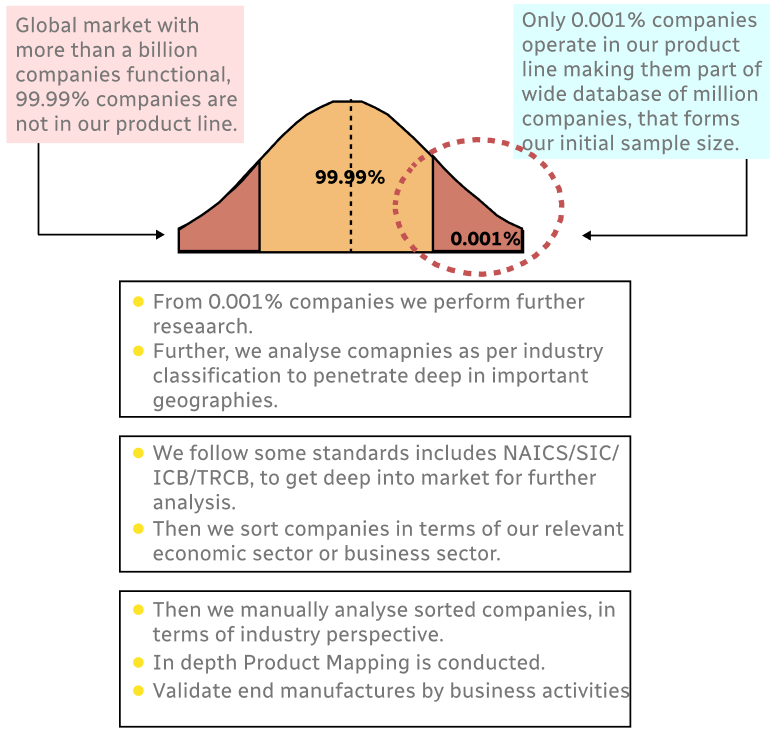
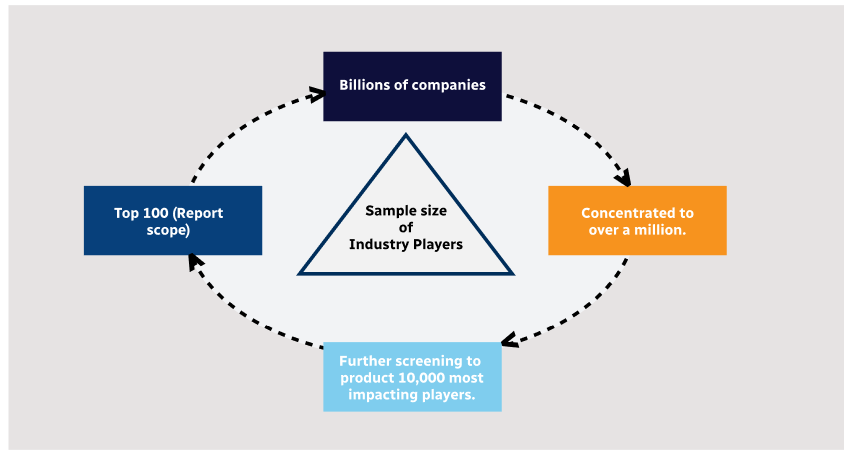
Step 1 - Identification of Relevant Samples Size from Population Database
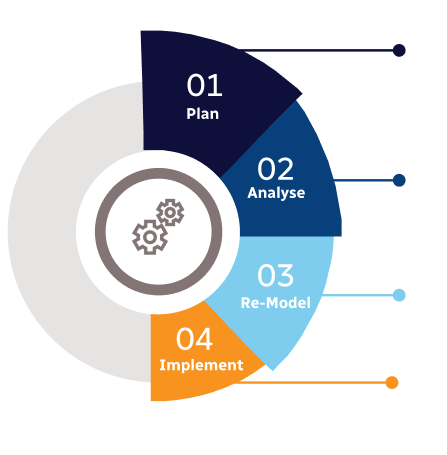
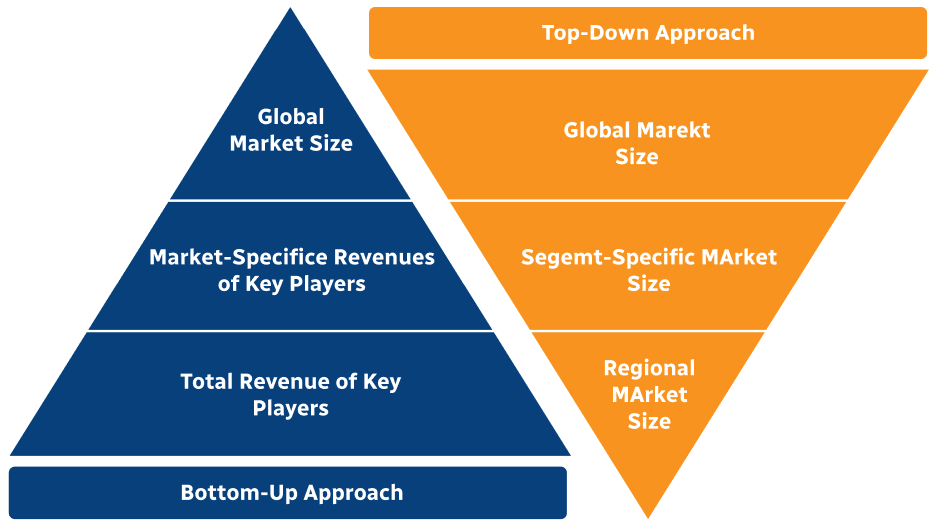
Step 2 - Approaches for Defining Global Market Size (Value, Volume* & Price*)
Note*: In applicable scenarios
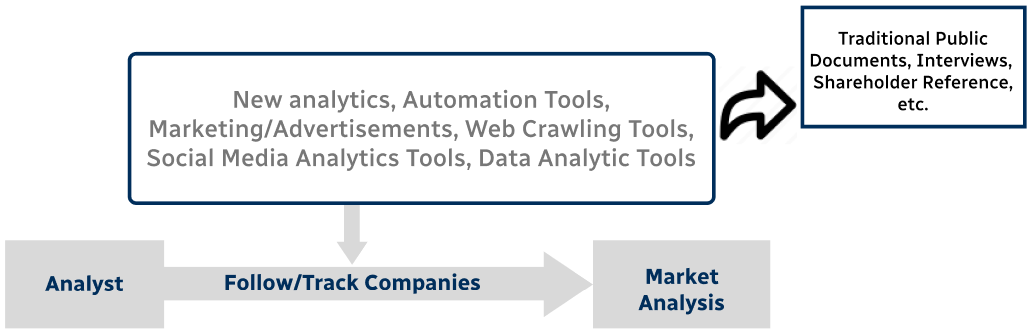
Step 3 - Data Sources
Primary Research
- Web Analytics
- Survey Reports
- Research Institute
- Latest Research Reports
- Opinion Leaders
Secondary Research
- Annual Reports
- White Paper
- Latest Press Release
- Industry Association
- Paid Database
- Investor Presentations
Step 4 - Data Triangulation
Involves using different sources of information in order to increase the validity of a study
These sources are likely to be stakeholders in a program - participants, other researchers, program staff, other community members, and so on.
Then we put all data in single framework & apply various statistical tools to find out the dynamic on the market.
During the analysis stage, feedback from the stakeholder groups would be compared to determine areas of agreement as well as areas of divergence