


Key Insights
The global Transportation Aggregators market is projected to experience robust growth, driven by increasing urbanization, the proliferation of smartphones, and the growing demand for convenient and on-demand mobility solutions. The market, currently valued at an estimated $150,000 million in 2025, is anticipated to expand at a Compound Annual Growth Rate (CAGR) of 12% through 2033. This expansion is largely fueled by the increasing adoption of online payment methods and mobile money, which streamline transactions and enhance user experience. The convenience offered by these platforms, enabling users to book various modes of transport – from ride-sharing services like Uber and Lyft to logistics solutions like BlackBuck – is a significant growth catalyst. Furthermore, evolving consumer lifestyles and the need for efficient last-mile connectivity are bolstering the market's upward trajectory. Emerging economies, in particular, present significant opportunities due to their rapidly developing infrastructure and a growing middle class embracing digital services.

Transportation Aggregators Market Size (In Billion)

Key segments within the transportation aggregator market include roadways, railways, airways, and seaways, with roadways currently dominating due to the widespread availability of ride-sharing and taxi-hailing services. The shift towards cashless transactions and the increasing comfort with mobile money and bank card payments are reshaping the payment landscape within this sector. However, challenges such as regulatory hurdles in certain regions, intense competition among existing players, and concerns regarding driver welfare and platform reliability could temper the market's growth. Despite these restraints, the overarching trend of digital transformation in the transportation industry, coupled with continuous innovation in service offerings and technology integration, positions the Transportation Aggregators market for sustained and substantial expansion in the coming years. Asia Pacific, driven by the burgeoning economies of China and India, is expected to be a major growth region.

Transportation Aggregators Company Market Share
Transportation Aggregators Market Report: Comprehensive Analysis 2025-2033
This in-depth report provides a definitive analysis of the global Transportation Aggregators market, covering the forecast period of 2025-2033, with a base year of 2025 and historical data from 2019-2024. We delve into the intricate market structure, competitive landscape, industry trends, dominant segments, product innovations, growth drivers, challenges, leading players, and strategic outlook. This report is essential for stakeholders seeking to understand and capitalize on the burgeoning digital transportation solutions market, expected to reach over $1,000 million by 2033, with a projected CAGR of 15%.
Transportation Aggregators Market Structure & Competitive Dynamics
The transportation aggregators industry exhibits a moderately concentrated market structure, characterized by the significant presence of global players and emerging regional specialists. Key companies like Uber Technologies, ANI Technologies, Lyft, Gett, Shippr, Grab Holdings, Bla Bla, Fehr & Peers, and BlackBuck are actively shaping the competitive landscape through strategic partnerships and aggressive market penetration. The innovation ecosystem thrives on advancements in AI-powered routing, real-time tracking, and integrated payment solutions, creating a dynamic environment. Regulatory frameworks, particularly concerning ride-sharing and logistics, continue to evolve, influencing market access and operational strategies. Product substitutes, while present in traditional transportation methods, are increasingly being challenged by the convenience and efficiency offered by aggregator platforms. End-user trends highlight a growing preference for on-demand services, seamless booking experiences, and diversified payment options, including Cash, Online Payment, Mobile Money, Cash on Delivery, and Bank Card Payment. Mergers and acquisitions (M&A) activities are pivotal, with estimated deal values in the hundreds of millions of dollars, as companies seek to expand their service offerings and geographical reach. For instance, the $100 million acquisition of a regional logistics aggregator by a major player in 2023 significantly altered market share dynamics.
Transportation Aggregators Industry Trends & Insights
The global transportation aggregators market is on an unprecedented growth trajectory, propelled by a confluence of powerful market growth drivers and transformative technological disruptions. The widespread adoption of smartphones and the increasing reliance on digital platforms for everyday services have fundamentally reshaped consumer behavior, creating a strong demand for convenient and accessible transportation solutions. This shift is evident in the projected 15% CAGR for the forecast period. Market penetration is expanding rapidly across both urban and rural areas, as aggregators develop tailored solutions for diverse logistical needs. Technological advancements are at the forefront, with AI and machine learning optimizing route planning, reducing travel times, and enhancing operational efficiency for millions of users daily. The integration of real-time data analytics provides invaluable insights into traffic patterns, demand fluctuations, and customer preferences, enabling aggregators to deliver personalized and cost-effective services.
Consumer preferences are increasingly leaning towards multimodal transportation options, fostering the growth of platforms that can seamlessly integrate roadways, railways, airways, and seaways. The demand for transparent pricing, flexible payment methods (including Cash, Online Payment, Mobile Money, Cash on Delivery, and Bank Card Payment), and improved safety features further fuels market expansion. The competitive dynamics are characterized by intense price wars, service differentiation, and strategic alliances aimed at capturing market share and building brand loyalty. Furthermore, the growing emphasis on sustainability is driving innovation in electric vehicle integration and eco-friendly logistics solutions within aggregator platforms, appealing to an environmentally conscious consumer base. The economic impact of efficient transportation facilitated by these aggregators is substantial, contributing to increased productivity and reduced logistical costs across various industries, reaching an estimated $500 million in indirect economic benefits.
Dominant Markets & Segments in Transportation Aggregators
The transportation aggregators market is experiencing robust growth across all applications and payment types, with Roadways emerging as the dominant segment. This dominance is underpinned by several key drivers, including the widespread availability of road infrastructure, the inherent flexibility of road-based logistics, and the pervasive adoption of ride-sharing and delivery services that heavily rely on road networks. Economically, the lower initial investment and operational costs for road transport compared to other modes contribute significantly to its widespread use. Government policies promoting urban mobility, deregulation in the ride-sharing sector, and investments in smart city initiatives further bolster the dominance of roadways.
Within the Types segmentation, Online Payment and Mobile Money are experiencing the most significant growth, reflecting the global shift towards digital transactions and the increasing penetration of mobile banking. The convenience, security, and speed offered by these payment methods are highly appealing to both consumers and service providers. However, Cash on Delivery and Bank Card Payment continue to hold substantial market share, particularly in emerging economies and for specific customer demographics. The projected market size for roadway aggregators is estimated to be over $800 million by 2033, with online and mobile money payments accounting for a projected 70% of this value. This dominance is further amplified by the strong penetration of smartphones, essential for accessing aggregator applications and facilitating cashless transactions. Regional dominance is currently observed in North America and Asia-Pacific, driven by high internet penetration, technological adoption, and favorable regulatory environments for digital platforms. For instance, the Asia-Pacific region alone is projected to contribute over $300 million to the overall market by 2033, propelled by the rapid growth of ride-hailing and last-mile delivery services.
Transportation Aggregators Product Innovations
The transportation aggregators market is characterized by continuous product innovation, driven by the need to enhance user experience, optimize operations, and gain a competitive edge. Companies are actively developing and integrating advanced features such as AI-powered personalized recommendations, predictive analytics for demand forecasting, and blockchain-based solutions for enhanced transparency and security in transactions. Innovations in real-time dynamic pricing, carbon footprint tracking for sustainable mobility, and integrated loyalty programs are further differentiating service offerings. The competitive advantages lie in the ability to provide seamless, end-to-end solutions that cater to diverse customer needs, from individual mobility to complex freight logistics, fostering greater market fit and customer retention.
Report Segmentation & Scope
This report meticulously segments the transportation aggregators market by application and payment type.
Application Segmentation:
- Roadways: This segment is projected to reach over $800 million by 2033, driven by the growth of ride-hailing, ride-sharing, and logistics services. Key drivers include urbanization and the demand for last-mile delivery.
- Railways: While a smaller segment, railway aggregators are expected to grow as integration with intermodal transportation solutions increases, potentially reaching $50 million by 2033.
- Airways: Airline aggregators are vital for travel bookings, with market growth influenced by travel trends and the demand for bundled travel services, projected to reach $100 million by 2033.
- Seaways: Maritime logistics aggregators are crucial for global trade, with growth tied to international commerce and the efficiency of port operations, estimated at $50 million by 2033.
Types Segmentation:
- Cash: This segment continues to be relevant in specific markets, projected to hold a 20% market share by 2033.
- Online Payment: Dominating the market, this segment is expected to account for over 40% of transactions by 2033.
- Mobile Money: Rapidly growing, especially in emerging markets, projected to capture 25% of the market by 2033.
- Cash on Delivery: Primarily for logistics and e-commerce, expected to maintain a 5% share.
- Bank Card Payment: A stable segment, projected to represent 10% of the market by 2033.
Key Drivers of Transportation Aggregators Growth
The remarkable growth of the transportation aggregators market is propelled by several interconnected factors. Technologically, the widespread adoption of smartphones, coupled with advancements in AI, IoT, and big data analytics, enables efficient platform development and service delivery. Economically, increasing disposable incomes, urbanization, and the rise of the gig economy fuel the demand for flexible and on-demand transportation services. Furthermore, government initiatives promoting digital transformation, smart city development, and deregulation in the mobility sector create a conducive environment for market expansion. The convenience, cost-effectiveness, and personalized experiences offered by these platforms are critical in attracting and retaining a growing user base, with the overall market expected to see a $1,000 million valuation.
Challenges in the Transportation Aggregators Sector
Despite its robust growth, the transportation aggregators sector faces several significant challenges. Regulatory hurdles, including varying local regulations on ride-sharing, pricing, and driver classification, can impede market expansion and create operational complexities. Intense competition among existing players, often leading to price wars, can squeeze profit margins. Supply chain issues, particularly in logistics aggregation, can arise from network inefficiencies, driver shortages, and fluctuating fuel prices. Furthermore, ensuring consistent service quality and maintaining customer trust in the face of potential service disruptions or safety concerns remain ongoing challenges. The cost of acquiring new customers and retaining existing ones in a highly competitive landscape requires substantial marketing investments, impacting profitability, estimated at $200 million in annual marketing spend.
Leading Players in the Transportation Aggregators Market
- Uber Technologies
- ANI Technologies
- Lyft
- Gett
- Shippr
- Grab Holdings
- Bla Bla
- Fehr & Peers
- BlackBuck
Key Developments in Transportation Aggregators Sector
- January 2024: Uber Technologies launched an integrated multimodal transport planning feature, allowing users to compare and book options across ride-sharing, public transport, and micro-mobility.
- November 2023: Grab Holdings expanded its grocery delivery service integration with its ride-hailing platform, enhancing its super-app ecosystem.
- July 2023: Lyft introduced a new subscription service offering discounted rides and food delivery, aiming to boost customer loyalty.
- April 2023: ANI Technologies (Ola) announced significant investments in electric vehicle infrastructure to support its EV-first strategy.
- February 2023: Gett secured new funding of $150 million to expand its corporate travel solutions and technological capabilities.
Strategic Transportation Aggregators Market Outlook
The future outlook for the transportation aggregators market is exceptionally bright, driven by continuous technological innovation and evolving consumer demands. Strategic opportunities lie in the expansion of multimodal offerings, integrating a wider array of transportation services to provide comprehensive mobility solutions. The increasing focus on sustainability will drive demand for electric vehicle integration and eco-friendly logistics. Furthermore, strategic partnerships with businesses, governments, and technology providers will be crucial for unlocking new markets and enhancing service capabilities. The growing adoption of AI and data analytics will enable more personalized services and optimized operations, solidifying the position of aggregators as essential components of modern transportation ecosystems, with a projected market valuation exceeding $1,000 million.
Transportation Aggregators Segmentation
-
1. Application
- 1.1. Roadways
- 1.2. Railways
- 1.3. Airways
- 1.4. Seaways
-
2. Types
- 2.1. Cash
- 2.2. Online Payment
- 2.3. Mobile Money
- 2.4. Cash on Delivery
- 2.5. Bank Card Payment
Transportation Aggregators Segmentation By Geography
-
1. North America
- 1.1. United States
- 1.2. Canada
- 1.3. Mexico
-
2. South America
- 2.1. Brazil
- 2.2. Argentina
- 2.3. Rest of South America
-
3. Europe
- 3.1. United Kingdom
- 3.2. Germany
- 3.3. France
- 3.4. Italy
- 3.5. Spain
- 3.6. Russia
- 3.7. Benelux
- 3.8. Nordics
- 3.9. Rest of Europe
-
4. Middle East & Africa
- 4.1. Turkey
- 4.2. Israel
- 4.3. GCC
- 4.4. North Africa
- 4.5. South Africa
- 4.6. Rest of Middle East & Africa
-
5. Asia Pacific
- 5.1. China
- 5.2. India
- 5.3. Japan
- 5.4. South Korea
- 5.5. ASEAN
- 5.6. Oceania
- 5.7. Rest of Asia Pacific
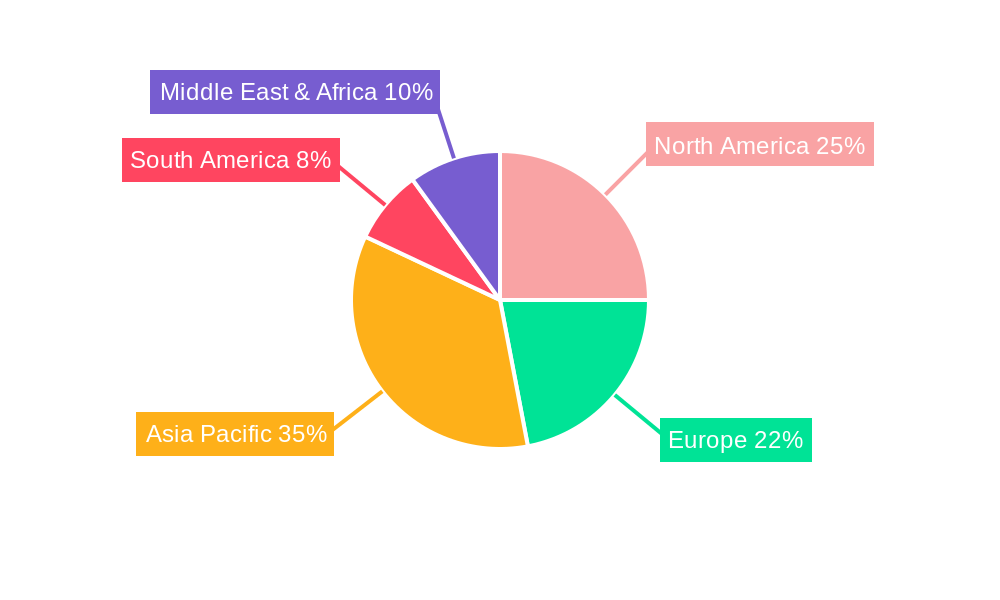
Transportation Aggregators Regional Market Share
Geographic Coverage of Transportation Aggregators
Transportation Aggregators REPORT HIGHLIGHTS
| Aspects | Details |
|---|---|
| Study Period | 2020-2034 |
| Base Year | 2025 |
| Estimated Year | 2026 |
| Forecast Period | 2026-2034 |
| Historical Period | 2020-2025 |
| Growth Rate | CAGR of XX% from 2020-2034 |
| Segmentation |
|
Table of Contents
- 1. Introduction
- 1.1. Research Scope
- 1.2. Market Segmentation
- 1.3. Research Methodology
- 1.4. Definitions and Assumptions
- 2. Executive Summary
- 2.1. Introduction
- 3. Market Dynamics
- 3.1. Introduction
- 3.2. Market Drivers
- 3.3. Market Restrains
- 3.4. Market Trends
- 4. Market Factor Analysis
- 4.1. Porters Five Forces
- 4.2. Supply/Value Chain
- 4.3. PESTEL analysis
- 4.4. Market Entropy
- 4.5. Patent/Trademark Analysis
- 5. Global Transportation Aggregators Analysis, Insights and Forecast, 2020-2032
- 5.1. Market Analysis, Insights and Forecast - by Application
- 5.1.1. Roadways
- 5.1.2. Railways
- 5.1.3. Airways
- 5.1.4. Seaways
- 5.2. Market Analysis, Insights and Forecast - by Types
- 5.2.1. Cash
- 5.2.2. Online Payment
- 5.2.3. Mobile Money
- 5.2.4. Cash on Delivery
- 5.2.5. Bank Card Payment
- 5.3. Market Analysis, Insights and Forecast - by Region
- 5.3.1. North America
- 5.3.2. South America
- 5.3.3. Europe
- 5.3.4. Middle East & Africa
- 5.3.5. Asia Pacific
- 5.1. Market Analysis, Insights and Forecast - by Application
- 6. North America Transportation Aggregators Analysis, Insights and Forecast, 2020-2032
- 6.1. Market Analysis, Insights and Forecast - by Application
- 6.1.1. Roadways
- 6.1.2. Railways
- 6.1.3. Airways
- 6.1.4. Seaways
- 6.2. Market Analysis, Insights and Forecast - by Types
- 6.2.1. Cash
- 6.2.2. Online Payment
- 6.2.3. Mobile Money
- 6.2.4. Cash on Delivery
- 6.2.5. Bank Card Payment
- 6.1. Market Analysis, Insights and Forecast - by Application
- 7. South America Transportation Aggregators Analysis, Insights and Forecast, 2020-2032
- 7.1. Market Analysis, Insights and Forecast - by Application
- 7.1.1. Roadways
- 7.1.2. Railways
- 7.1.3. Airways
- 7.1.4. Seaways
- 7.2. Market Analysis, Insights and Forecast - by Types
- 7.2.1. Cash
- 7.2.2. Online Payment
- 7.2.3. Mobile Money
- 7.2.4. Cash on Delivery
- 7.2.5. Bank Card Payment
- 7.1. Market Analysis, Insights and Forecast - by Application
- 8. Europe Transportation Aggregators Analysis, Insights and Forecast, 2020-2032
- 8.1. Market Analysis, Insights and Forecast - by Application
- 8.1.1. Roadways
- 8.1.2. Railways
- 8.1.3. Airways
- 8.1.4. Seaways
- 8.2. Market Analysis, Insights and Forecast - by Types
- 8.2.1. Cash
- 8.2.2. Online Payment
- 8.2.3. Mobile Money
- 8.2.4. Cash on Delivery
- 8.2.5. Bank Card Payment
- 8.1. Market Analysis, Insights and Forecast - by Application
- 9. Middle East & Africa Transportation Aggregators Analysis, Insights and Forecast, 2020-2032
- 9.1. Market Analysis, Insights and Forecast - by Application
- 9.1.1. Roadways
- 9.1.2. Railways
- 9.1.3. Airways
- 9.1.4. Seaways
- 9.2. Market Analysis, Insights and Forecast - by Types
- 9.2.1. Cash
- 9.2.2. Online Payment
- 9.2.3. Mobile Money
- 9.2.4. Cash on Delivery
- 9.2.5. Bank Card Payment
- 9.1. Market Analysis, Insights and Forecast - by Application
- 10. Asia Pacific Transportation Aggregators Analysis, Insights and Forecast, 2020-2032
- 10.1. Market Analysis, Insights and Forecast - by Application
- 10.1.1. Roadways
- 10.1.2. Railways
- 10.1.3. Airways
- 10.1.4. Seaways
- 10.2. Market Analysis, Insights and Forecast - by Types
- 10.2.1. Cash
- 10.2.2. Online Payment
- 10.2.3. Mobile Money
- 10.2.4. Cash on Delivery
- 10.2.5. Bank Card Payment
- 10.1. Market Analysis, Insights and Forecast - by Application
- 11. Competitive Analysis
- 11.1. Global Market Share Analysis 2025
- 11.2. Company Profiles
- 11.2.1 Uber Technologies
- 11.2.1.1. Overview
- 11.2.1.2. Products
- 11.2.1.3. SWOT Analysis
- 11.2.1.4. Recent Developments
- 11.2.1.5. Financials (Based on Availability)
- 11.2.2 ANI Technologies
- 11.2.2.1. Overview
- 11.2.2.2. Products
- 11.2.2.3. SWOT Analysis
- 11.2.2.4. Recent Developments
- 11.2.2.5. Financials (Based on Availability)
- 11.2.3 Lyft
- 11.2.3.1. Overview
- 11.2.3.2. Products
- 11.2.3.3. SWOT Analysis
- 11.2.3.4. Recent Developments
- 11.2.3.5. Financials (Based on Availability)
- 11.2.4 Gett
- 11.2.4.1. Overview
- 11.2.4.2. Products
- 11.2.4.3. SWOT Analysis
- 11.2.4.4. Recent Developments
- 11.2.4.5. Financials (Based on Availability)
- 11.2.5 Shippr
- 11.2.5.1. Overview
- 11.2.5.2. Products
- 11.2.5.3. SWOT Analysis
- 11.2.5.4. Recent Developments
- 11.2.5.5. Financials (Based on Availability)
- 11.2.6 Grab Holdings
- 11.2.6.1. Overview
- 11.2.6.2. Products
- 11.2.6.3. SWOT Analysis
- 11.2.6.4. Recent Developments
- 11.2.6.5. Financials (Based on Availability)
- 11.2.7 Bla Bla
- 11.2.7.1. Overview
- 11.2.7.2. Products
- 11.2.7.3. SWOT Analysis
- 11.2.7.4. Recent Developments
- 11.2.7.5. Financials (Based on Availability)
- 11.2.8 Fehr&Peers
- 11.2.8.1. Overview
- 11.2.8.2. Products
- 11.2.8.3. SWOT Analysis
- 11.2.8.4. Recent Developments
- 11.2.8.5. Financials (Based on Availability)
- 11.2.9 BlackBuck
- 11.2.9.1. Overview
- 11.2.9.2. Products
- 11.2.9.3. SWOT Analysis
- 11.2.9.4. Recent Developments
- 11.2.9.5. Financials (Based on Availability)
- 11.2.1 Uber Technologies
List of Figures
- Figure 1: Global Transportation Aggregators Revenue Breakdown (million, %) by Region 2025 & 2033
- Figure 2: North America Transportation Aggregators Revenue (million), by Application 2025 & 2033
- Figure 3: North America Transportation Aggregators Revenue Share (%), by Application 2025 & 2033
- Figure 4: North America Transportation Aggregators Revenue (million), by Types 2025 & 2033
- Figure 5: North America Transportation Aggregators Revenue Share (%), by Types 2025 & 2033
- Figure 6: North America Transportation Aggregators Revenue (million), by Country 2025 & 2033
- Figure 7: North America Transportation Aggregators Revenue Share (%), by Country 2025 & 2033
- Figure 8: South America Transportation Aggregators Revenue (million), by Application 2025 & 2033
- Figure 9: South America Transportation Aggregators Revenue Share (%), by Application 2025 & 2033
- Figure 10: South America Transportation Aggregators Revenue (million), by Types 2025 & 2033
- Figure 11: South America Transportation Aggregators Revenue Share (%), by Types 2025 & 2033
- Figure 12: South America Transportation Aggregators Revenue (million), by Country 2025 & 2033
- Figure 13: South America Transportation Aggregators Revenue Share (%), by Country 2025 & 2033
- Figure 14: Europe Transportation Aggregators Revenue (million), by Application 2025 & 2033
- Figure 15: Europe Transportation Aggregators Revenue Share (%), by Application 2025 & 2033
- Figure 16: Europe Transportation Aggregators Revenue (million), by Types 2025 & 2033
- Figure 17: Europe Transportation Aggregators Revenue Share (%), by Types 2025 & 2033
- Figure 18: Europe Transportation Aggregators Revenue (million), by Country 2025 & 2033
- Figure 19: Europe Transportation Aggregators Revenue Share (%), by Country 2025 & 2033
- Figure 20: Middle East & Africa Transportation Aggregators Revenue (million), by Application 2025 & 2033
- Figure 21: Middle East & Africa Transportation Aggregators Revenue Share (%), by Application 2025 & 2033
- Figure 22: Middle East & Africa Transportation Aggregators Revenue (million), by Types 2025 & 2033
- Figure 23: Middle East & Africa Transportation Aggregators Revenue Share (%), by Types 2025 & 2033
- Figure 24: Middle East & Africa Transportation Aggregators Revenue (million), by Country 2025 & 2033
- Figure 25: Middle East & Africa Transportation Aggregators Revenue Share (%), by Country 2025 & 2033
- Figure 26: Asia Pacific Transportation Aggregators Revenue (million), by Application 2025 & 2033
- Figure 27: Asia Pacific Transportation Aggregators Revenue Share (%), by Application 2025 & 2033
- Figure 28: Asia Pacific Transportation Aggregators Revenue (million), by Types 2025 & 2033
- Figure 29: Asia Pacific Transportation Aggregators Revenue Share (%), by Types 2025 & 2033
- Figure 30: Asia Pacific Transportation Aggregators Revenue (million), by Country 2025 & 2033
- Figure 31: Asia Pacific Transportation Aggregators Revenue Share (%), by Country 2025 & 2033
List of Tables
- Table 1: Global Transportation Aggregators Revenue million Forecast, by Application 2020 & 2033
- Table 2: Global Transportation Aggregators Revenue million Forecast, by Types 2020 & 2033
- Table 3: Global Transportation Aggregators Revenue million Forecast, by Region 2020 & 2033
- Table 4: Global Transportation Aggregators Revenue million Forecast, by Application 2020 & 2033
- Table 5: Global Transportation Aggregators Revenue million Forecast, by Types 2020 & 2033
- Table 6: Global Transportation Aggregators Revenue million Forecast, by Country 2020 & 2033
- Table 7: United States Transportation Aggregators Revenue (million) Forecast, by Application 2020 & 2033
- Table 8: Canada Transportation Aggregators Revenue (million) Forecast, by Application 2020 & 2033
- Table 9: Mexico Transportation Aggregators Revenue (million) Forecast, by Application 2020 & 2033
- Table 10: Global Transportation Aggregators Revenue million Forecast, by Application 2020 & 2033
- Table 11: Global Transportation Aggregators Revenue million Forecast, by Types 2020 & 2033
- Table 12: Global Transportation Aggregators Revenue million Forecast, by Country 2020 & 2033
- Table 13: Brazil Transportation Aggregators Revenue (million) Forecast, by Application 2020 & 2033
- Table 14: Argentina Transportation Aggregators Revenue (million) Forecast, by Application 2020 & 2033
- Table 15: Rest of South America Transportation Aggregators Revenue (million) Forecast, by Application 2020 & 2033
- Table 16: Global Transportation Aggregators Revenue million Forecast, by Application 2020 & 2033
- Table 17: Global Transportation Aggregators Revenue million Forecast, by Types 2020 & 2033
- Table 18: Global Transportation Aggregators Revenue million Forecast, by Country 2020 & 2033
- Table 19: United Kingdom Transportation Aggregators Revenue (million) Forecast, by Application 2020 & 2033
- Table 20: Germany Transportation Aggregators Revenue (million) Forecast, by Application 2020 & 2033
- Table 21: France Transportation Aggregators Revenue (million) Forecast, by Application 2020 & 2033
- Table 22: Italy Transportation Aggregators Revenue (million) Forecast, by Application 2020 & 2033
- Table 23: Spain Transportation Aggregators Revenue (million) Forecast, by Application 2020 & 2033
- Table 24: Russia Transportation Aggregators Revenue (million) Forecast, by Application 2020 & 2033
- Table 25: Benelux Transportation Aggregators Revenue (million) Forecast, by Application 2020 & 2033
- Table 26: Nordics Transportation Aggregators Revenue (million) Forecast, by Application 2020 & 2033
- Table 27: Rest of Europe Transportation Aggregators Revenue (million) Forecast, by Application 2020 & 2033
- Table 28: Global Transportation Aggregators Revenue million Forecast, by Application 2020 & 2033
- Table 29: Global Transportation Aggregators Revenue million Forecast, by Types 2020 & 2033
- Table 30: Global Transportation Aggregators Revenue million Forecast, by Country 2020 & 2033
- Table 31: Turkey Transportation Aggregators Revenue (million) Forecast, by Application 2020 & 2033
- Table 32: Israel Transportation Aggregators Revenue (million) Forecast, by Application 2020 & 2033
- Table 33: GCC Transportation Aggregators Revenue (million) Forecast, by Application 2020 & 2033
- Table 34: North Africa Transportation Aggregators Revenue (million) Forecast, by Application 2020 & 2033
- Table 35: South Africa Transportation Aggregators Revenue (million) Forecast, by Application 2020 & 2033
- Table 36: Rest of Middle East & Africa Transportation Aggregators Revenue (million) Forecast, by Application 2020 & 2033
- Table 37: Global Transportation Aggregators Revenue million Forecast, by Application 2020 & 2033
- Table 38: Global Transportation Aggregators Revenue million Forecast, by Types 2020 & 2033
- Table 39: Global Transportation Aggregators Revenue million Forecast, by Country 2020 & 2033
- Table 40: China Transportation Aggregators Revenue (million) Forecast, by Application 2020 & 2033
- Table 41: India Transportation Aggregators Revenue (million) Forecast, by Application 2020 & 2033
- Table 42: Japan Transportation Aggregators Revenue (million) Forecast, by Application 2020 & 2033
- Table 43: South Korea Transportation Aggregators Revenue (million) Forecast, by Application 2020 & 2033
- Table 44: ASEAN Transportation Aggregators Revenue (million) Forecast, by Application 2020 & 2033
- Table 45: Oceania Transportation Aggregators Revenue (million) Forecast, by Application 2020 & 2033
- Table 46: Rest of Asia Pacific Transportation Aggregators Revenue (million) Forecast, by Application 2020 & 2033
Frequently Asked Questions
1. What is the projected Compound Annual Growth Rate (CAGR) of the Transportation Aggregators?
The projected CAGR is approximately XX%.
2. Which companies are prominent players in the Transportation Aggregators?
Key companies in the market include Uber Technologies, ANI Technologies, Lyft, Gett, Shippr, Grab Holdings, Bla Bla, Fehr&Peers, BlackBuck.
3. What are the main segments of the Transportation Aggregators?
The market segments include Application, Types.
4. Can you provide details about the market size?
The market size is estimated to be USD XXX million as of 2022.
5. What are some drivers contributing to market growth?
N/A
6. What are the notable trends driving market growth?
N/A
7. Are there any restraints impacting market growth?
N/A
8. Can you provide examples of recent developments in the market?
N/A
9. What pricing options are available for accessing the report?
Pricing options include single-user, multi-user, and enterprise licenses priced at USD 4900.00, USD 7350.00, and USD 9800.00 respectively.
10. Is the market size provided in terms of value or volume?
The market size is provided in terms of value, measured in million.
11. Are there any specific market keywords associated with the report?
Yes, the market keyword associated with the report is "Transportation Aggregators," which aids in identifying and referencing the specific market segment covered.
12. How do I determine which pricing option suits my needs best?
The pricing options vary based on user requirements and access needs. Individual users may opt for single-user licenses, while businesses requiring broader access may choose multi-user or enterprise licenses for cost-effective access to the report.
13. Are there any additional resources or data provided in the Transportation Aggregators report?
While the report offers comprehensive insights, it's advisable to review the specific contents or supplementary materials provided to ascertain if additional resources or data are available.
14. How can I stay updated on further developments or reports in the Transportation Aggregators?
To stay informed about further developments, trends, and reports in the Transportation Aggregators, consider subscribing to industry newsletters, following relevant companies and organizations, or regularly checking reputable industry news sources and publications.
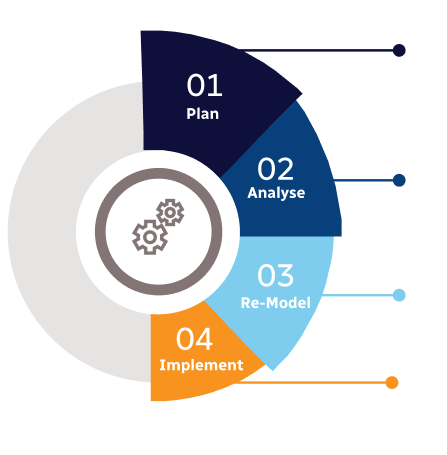
Methodology
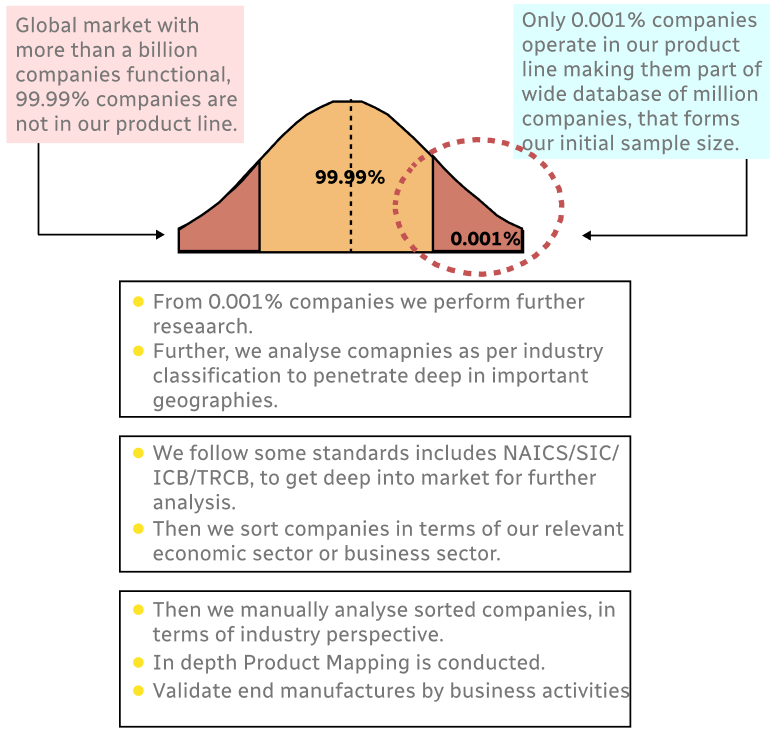
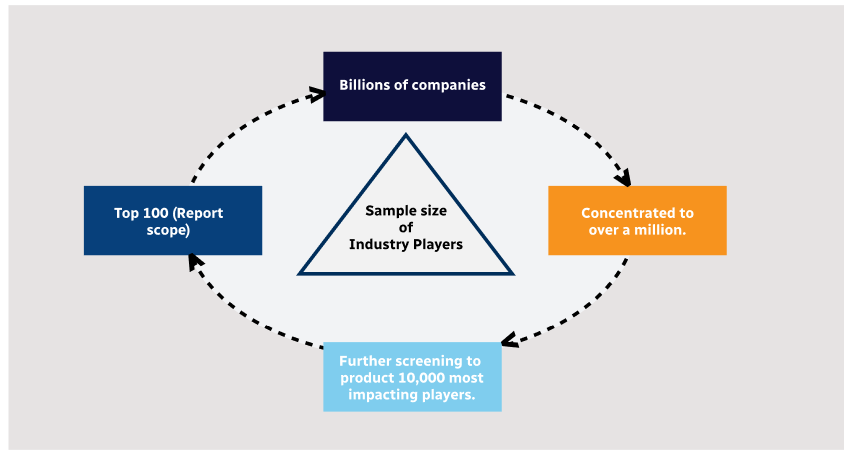
Step 1 - Identification of Relevant Samples Size from Population Database
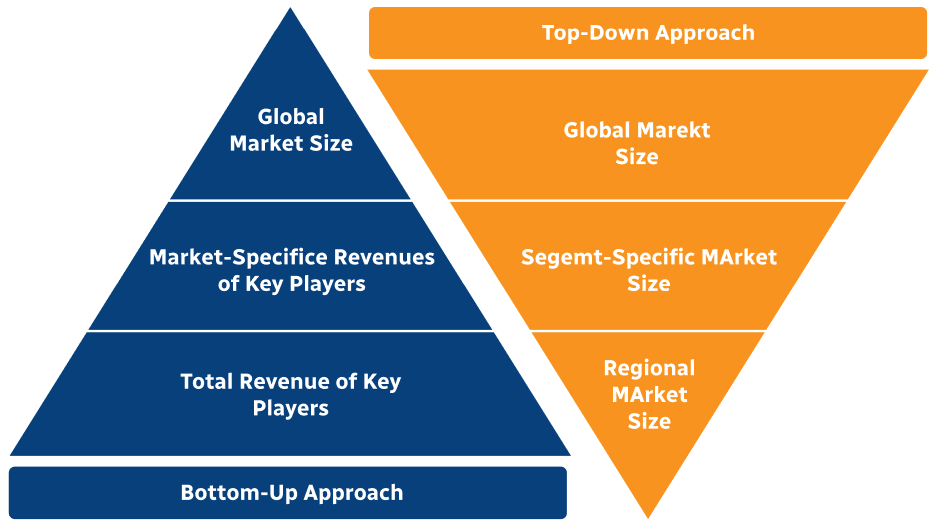
Step 2 - Approaches for Defining Global Market Size (Value, Volume* & Price*)
Note*: In applicable scenarios
Step 3 - Data Sources
Primary Research
- Web Analytics
- Survey Reports
- Research Institute
- Latest Research Reports
- Opinion Leaders
Secondary Research
- Annual Reports
- White Paper
- Latest Press Release
- Industry Association
- Paid Database
- Investor Presentations
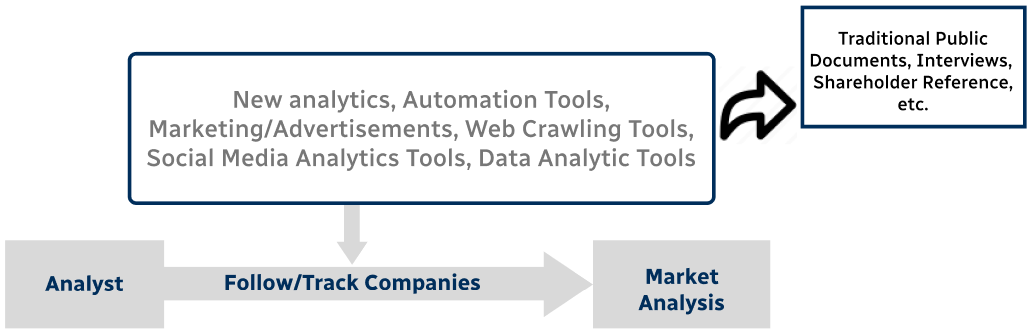
Step 4 - Data Triangulation
Involves using different sources of information in order to increase the validity of a study
These sources are likely to be stakeholders in a program - participants, other researchers, program staff, other community members, and so on.
Then we put all data in single framework & apply various statistical tools to find out the dynamic on the market.
During the analysis stage, feedback from the stakeholder groups would be compared to determine areas of agreement as well as areas of divergence