



Key Insights
The South Korean renewable energy market is poised for substantial expansion, driven by a strong commitment to decarbonization and energy independence. With a market size of 47.48 billion USD in 2025, the industry is projected to grow at a robust CAGR of 9.6% through 2033. This growth is fueled by governmental policies supporting clean energy adoption, increasing investment in renewable technologies, and a growing awareness of climate change impacts. Key drivers include the government's ambitious targets for renewable energy integration into the national grid, coupled with incentives for businesses and individuals to adopt solar, wind, and other sustainable power sources. Furthermore, South Korea's technological prowess in manufacturing and innovation positions it as a key player in developing advanced renewable energy solutions, including efficient solar panels and next-generation battery storage systems.

South Korea Renewable Energy Industry Market Size (In Billion)

The market is diversifying across various renewable energy segments, with solar power leading the charge due to abundant sunlight and declining technology costs. Wind energy, both onshore and offshore, is also gaining traction, supported by strategic investments and technological advancements, particularly in offshore wind farms capitalizing on South Korea's extensive coastline. While hydro and other renewable sources contribute, the primary growth momentum is expected from solar and wind. Challenges such as land availability for large-scale installations and initial capital investment remain, but ongoing technological innovations and supportive regulatory frameworks are steadily mitigating these restraints. Major companies are actively involved in developing and deploying these technologies, indicating a competitive and dynamic market landscape focused on achieving ambitious sustainability goals.

South Korea Renewable Energy Industry Company Market Share

This comprehensive report provides an in-depth analysis of the South Korea renewable energy industry, offering a detailed market structure, competitive dynamics, and a forward-looking forecast for the period 2019–2033. With a base year of 2025 and a forecast period from 2025–2033, this study delves into the country's burgeoning green energy sector, examining key segments including wind energy, solar power, hydroelectric power, and other renewable energy types. Discover market growth drivers, technological innovations, consumer preferences, and the strategic landscape of major players. This report is essential for stakeholders seeking to understand the evolving South Korean energy market, investment opportunities in clean energy solutions, and the nation's commitment to achieving its sustainable energy targets.
South Korea Renewable Energy Industry Market Structure & Competitive Dynamics
The South Korean renewable energy industry is characterized by a moderately concentrated market structure, driven by government incentives and increasing private sector investment. Key players are actively involved in expanding their portfolios across various renewable energy sources, aiming to meet the nation's ambitious decarbonization goals. Innovation ecosystems are flourishing, with significant investments in research and development for advanced solar PV technologies, offshore wind solutions, and energy storage systems. The regulatory framework, spearheaded by initiatives from the Ministry of Trade, Industry and Energy (MOTIE), actively promotes the adoption of renewable energy through feed-in tariffs, renewable portfolio standards, and direct subsidies. Product substitutes, primarily from traditional fossil fuel sources, are gradually being displaced by the growing cost-competitiveness and environmental benefits of renewables. End-user trends indicate a strong preference for cleaner energy options, driven by corporate sustainability mandates and increasing public awareness. Mergers and acquisitions (M&A) activities are on the rise, with significant deal values reflecting the strategic importance of this sector. For instance, SK D&D's acquisition of Siemens Gamesa turbines signifies a growing trend of strategic partnerships to accelerate project development.
- Market Concentration: Moderately concentrated, with leading companies expanding their market share through strategic investments and project acquisitions.
- Innovation Ecosystems: Flourishing, with a focus on advanced solar, offshore wind, and energy storage solutions.
- Regulatory Frameworks: Supportive policies, including feed-in tariffs and renewable portfolio standards, are crucial drivers.
- Product Substitutes: Fossil fuels are gradually being replaced by cleaner, more cost-effective renewable alternatives.
- End-User Trends: Growing demand for sustainable energy solutions from both corporate and residential sectors.
- M&A Activities: Increasing deal values and strategic partnerships to accelerate market growth and technological integration.
South Korea Renewable Energy Industry Industry Trends & Insights
The South Korean renewable energy industry is experiencing robust growth, propelled by a confluence of supportive government policies, technological advancements, and a strong commitment to climate action. The nation's push towards achieving its 20% renewable energy generation target by 2030 is a significant market growth driver, fostering substantial investment across the sector. Technological disruptions are playing a pivotal role, with advancements in solar photovoltaic (PV) efficiency, the development of large-scale offshore wind farms, and the integration of advanced battery energy storage systems (BESS) enhancing the reliability and accessibility of renewable power. Consumer preferences are increasingly leaning towards green energy solutions, influenced by heightened environmental awareness and corporate social responsibility initiatives. Major companies are strategically positioning themselves to capitalize on these trends.
The industry is witnessing a substantial compound annual growth rate (CAGR), driven by aggressive project pipelines and ongoing policy support. Market penetration of renewable energy sources is steadily increasing, diversifying the national energy mix away from traditional fossil fuels. For example, the government's commitment to contracting 2 GW of solar PV capacity through tenders demonstrates a proactive approach to scaling up renewable deployment. The focus on solar PV modules with a lower carbon footprint highlights a growing emphasis on the sustainability of the entire value chain. Furthermore, the development of smart grid technologies and the increasing adoption of electric vehicles are creating synergistic opportunities for the renewable energy sector. South Korea's strong manufacturing base also provides a competitive advantage in producing key components for renewable energy systems, fostering domestic industry growth. The anticipated completion of projects like the Gunwi wind farm, set to generate enough electricity for 64,000 households, exemplifies the tangible impact of these developments. The market's trajectory suggests a continued expansion, driven by ongoing technological innovation, favorable economic policies, and a societal shift towards a sustainable future. The country’s strategic investments in hydrogen energy and other emerging clean technologies further bolster the long-term growth prospects of its renewable energy landscape.
Dominant Markets & Segments in South Korea Renewable Energy Industry
The South Korean renewable energy industry exhibits dominance across several key segments, with solar power and wind energy leading the charge in terms of installed capacity and investment. The nation's geographical landscape and its commitment to diversified energy sources contribute to the varied performance of these segments.
Solar Power: Solar energy represents a dominant segment within South Korea's renewable energy landscape. Favorable government policies, including the aforementioned tender for 2 GW of solar PV capacity, alongside attractive feed-in tariffs and tax incentives, have significantly propelled its growth. The technological advancements in solar PV modules, leading to higher efficiency and lower costs, have made solar power an economically viable and increasingly widespread energy solution. The preference for solar PV modules with a lower carbon footprint further stimulates innovation and investment in sustainable manufacturing practices. The widespread adoption of rooftop solar installations by both residential and commercial entities, coupled with the development of large-scale solar farms, underscores its leading position.
- Key Drivers:
- Strong government support through tenders and incentives.
- Declining solar panel costs and increasing efficiency.
- Corporate and residential demand for clean energy.
- Technological advancements in PV technology.
Wind Energy: Wind energy, particularly offshore wind, is emerging as a rapidly growing and strategically important segment. The government's ambitious targets and the successful development of early-stage projects are paving the way for larger-scale deployments. The acquisition of advanced wind turbines, such as Siemens Gamesa's SG 5.0-145 units for the Gunwi wind farm, signifies a commitment to harnessing offshore wind potential. South Korea's extensive coastline offers significant opportunities for offshore wind development, contributing to a diversified renewable energy portfolio. While facing some initial infrastructure and regulatory challenges, the segment is poised for substantial expansion in the coming years.
- Key Drivers:
- Government targets for renewable energy generation.
- Significant offshore wind potential along the coast.
- Technological advancements in turbine efficiency and offshore installation.
- Strategic partnerships and investment in large-scale projects.
Hydroelectric Power: While historically a significant contributor to South Korea's energy mix, the growth potential for new large-scale hydroelectric power projects is limited due to geographical constraints. However, existing hydroelectric facilities continue to provide a stable and reliable source of renewable energy. The focus in this segment is often on modernizing existing infrastructure and optimizing operational efficiency.
- Key Drivers:
- Established infrastructure and reliable energy generation.
- Contribution to grid stability.
Other Types: This category encompasses emerging renewable energy technologies such as waste-to-energy, geothermal, and potentially future hydrogen-based solutions. While currently smaller in scale compared to solar and wind, these segments represent areas of significant future growth and diversification for the South Korean renewable energy industry. Government initiatives and private sector investment are crucial for unlocking the potential of these alternative clean energy sources.
- Key Drivers:
- Government support for diversification of renewable sources.
- Technological advancements in waste-to-energy and geothermal.
- Emerging potential of hydrogen energy.
South Korea Renewable Energy Industry Product Innovations
Product innovations in the South Korean renewable energy industry are primarily focused on enhancing efficiency, reducing costs, and improving the integration of renewable sources into the national grid. Advancements in solar PV technology include higher-efficiency solar cells, bifacial solar panels, and integrated solar solutions for buildings. For wind energy, innovations center on larger, more powerful, and reliable wind turbines designed for diverse offshore conditions, alongside improved foundation technologies. Energy storage solutions, particularly advanced battery chemistries and smart grid integration, are crucial for managing the intermittency of renewables. These innovations provide competitive advantages by increasing energy yield, reducing the levelized cost of electricity (LCOE), and enhancing grid stability, making renewable energy more attractive and accessible.
Report Segmentation & Scope
This report segments the South Korea renewable energy industry based on energy type, providing a detailed analysis of each component. The primary segments analyzed include:
Wind Energy: This segment covers onshore and offshore wind power generation. It examines the installed capacity, project pipelines, technological advancements in turbines, and the regulatory landscape governing wind farm development. Projections indicate significant growth, particularly in offshore wind, driven by government targets and investment.
Solar Power: This segment focuses on solar photovoltaic (PV) and solar thermal energy. It includes rooftop solar installations, utility-scale solar farms, and advancements in PV module technology. The segment is expected to witness substantial market size expansion due to strong policy support and declining costs.
Hydroelectric Power: This segment analyzes existing hydroelectric power generation facilities. While new large-scale project development is limited, this segment contributes to the overall renewable energy mix through consistent and reliable power generation.
Other Types: This segment encompasses emerging renewable energy technologies such as waste-to-energy, geothermal energy, and future potential in hydrogen energy. It explores the growth prospects and investment trends in these nascent but promising sectors of the South Korean renewable energy market.
Key Drivers of South Korea Renewable Energy Industry Growth
The growth of the South Korea renewable energy industry is underpinned by several key factors:
- Government Policies and Targets: Ambitious national targets for renewable energy adoption, such as the 20% goal by 2030, are driving significant investment and policy support, including feed-in tariffs and renewable portfolio standards.
- Technological Advancements: Continuous innovation in solar PV efficiency, wind turbine technology (especially offshore), and energy storage solutions are making renewable energy more cost-competitive and reliable.
- Economic Competitiveness: The declining costs of renewable energy technologies are increasingly making them economically attractive compared to traditional fossil fuels, fostering market adoption.
- Environmental Concerns and Sustainability Initiatives: Growing awareness of climate change and the desire for energy independence are pushing both the government and private sector towards cleaner energy alternatives.
- Corporate Demand: A rising number of corporations are setting their own sustainability goals and actively seeking renewable energy procurement options.
Challenges in the South Korea Renewable Energy Industry Sector
Despite the positive outlook, the South Korea renewable energy industry faces several challenges:
- Grid Integration and Infrastructure: Integrating large-scale, intermittent renewable sources into the existing grid infrastructure requires significant upgrades and smart grid solutions.
- Land Use and Permitting: Securing suitable land for large-scale solar and wind projects can be challenging due to land scarcity and complex permitting processes.
- Supply Chain Dependencies: Reliance on imported components for certain renewable technologies can expose the industry to global supply chain disruptions and price volatility.
- Public Acceptance and NIMBYism: While growing, public acceptance for some renewable energy projects, particularly wind farms, can still face local opposition.
- Policy Continuity and Stability: Long-term investment confidence relies on consistent and stable policy frameworks, which can be subject to political shifts.
Leading Players in the South Korea Renewable Energy Industry Market
- JinkoSolar Holding Co Ltd
- Korea Electric Power Corporation
- Engie SA
- POSCO Energy Co Ltd
- Korea Hydro and Nuclear Power Company Ltd
- Gridwiz Inc
- Canadian Solar Inc
- Ocean Wind Energy Inc
- Hanwha Corp
- S-Energy Co Ltd
Key Developments in South Korea Renewable Energy Industry Sector
- July 2022: SK D&D acquired 15 units of Siemens Gamesa's SG 5.0-145 wind turbines for South Korea's third-largest wind farm. The Gunwi wind farm, upon completion in 2024, will power 64,000 households and contribute to the nation's goal of reducing fossil fuel reliance and increasing renewable energy generation to 20% by 2030.
- June 2022: The South Korean government announced a tender to contract 2 GW of solar PV capacity through the Korean New and Renewable Energy Center (KNREC). The tender categories range from less than 100 kW to exceeding 3 MW, with a preference for projects utilizing solar PV modules with a lower carbon footprint.
Strategic South Korea Renewable Energy Industry Market Outlook
The strategic outlook for the South Korea renewable energy industry is exceptionally strong, characterized by sustained growth and significant expansion. The government's unwavering commitment to decarbonization, coupled with increasing private sector investment, creates a fertile ground for innovation and deployment. Key growth accelerators include the continued push for offshore wind development, leveraging the nation's extensive coastline, and the ongoing advancements in solar PV technology, making solar power more efficient and cost-effective. Strategic opportunities lie in the integration of advanced energy storage solutions to enhance grid stability, the development of smart grid technologies to optimize energy distribution, and the exploration of emerging clean energy sources like hydrogen. These factors collectively position South Korea to not only meet its renewable energy targets but also to emerge as a regional leader in sustainable energy solutions. The projected market trajectory indicates a robust future, driven by policy support, technological innovation, and a growing demand for clean, reliable energy.
South Korea Renewable Energy Industry Segmentation
-
1. Type
- 1.1. Wind
- 1.2. Solar
- 1.3. Hydro
- 1.4. Other Types
South Korea Renewable Energy Industry Segmentation By Geography
- 1. South Korea

South Korea Renewable Energy Industry Regional Market Share

Geographic Coverage of South Korea Renewable Energy Industry
South Korea Renewable Energy Industry REPORT HIGHLIGHTS
| Aspects | Details |
|---|---|
| Study Period | 2020-2034 |
| Base Year | 2025 |
| Estimated Year | 2026 |
| Forecast Period | 2026-2034 |
| Historical Period | 2020-2025 |
| Growth Rate | CAGR of 9.6% from 2020-2034 |
| Segmentation |
|
Table of Contents
- 1. Introduction
- 1.1. Research Scope
- 1.2. Market Segmentation
- 1.3. Research Methodology
- 1.4. Definitions and Assumptions
- 2. Executive Summary
- 2.1. Introduction
- 3. Market Dynamics
- 3.1. Introduction
- 3.2. Market Drivers
- 3.2.1. 4.; Increasing Power Demand across Industrial Sector4.; Remote Location of Several Industries and the Unreliability of the Power Supply
- 3.3. Market Restrains
- 3.3.1. 4.; High Capital and Operational Expenditures
- 3.4. Market Trends
- 3.4.1. Solar Energy Segment Expected to Witness Significant Growth
- 4. Market Factor Analysis
- 4.1. Porters Five Forces
- 4.2. Supply/Value Chain
- 4.3. PESTEL analysis
- 4.4. Market Entropy
- 4.5. Patent/Trademark Analysis
- 5. South Korea Renewable Energy Industry Analysis, Insights and Forecast, 2020-2032
- 5.1. Market Analysis, Insights and Forecast - by Type
- 5.1.1. Wind
- 5.1.2. Solar
- 5.1.3. Hydro
- 5.1.4. Other Types
- 5.2. Market Analysis, Insights and Forecast - by Region
- 5.2.1. South Korea
- 5.1. Market Analysis, Insights and Forecast - by Type
- 6. Competitive Analysis
- 6.1. Market Share Analysis 2025
- 6.2. Company Profiles
- 6.2.1 JinkoSolar Holding Co Ltd
- 6.2.1.1. Overview
- 6.2.1.2. Products
- 6.2.1.3. SWOT Analysis
- 6.2.1.4. Recent Developments
- 6.2.1.5. Financials (Based on Availability)
- 6.2.2 Korea Electric Power Corporation
- 6.2.2.1. Overview
- 6.2.2.2. Products
- 6.2.2.3. SWOT Analysis
- 6.2.2.4. Recent Developments
- 6.2.2.5. Financials (Based on Availability)
- 6.2.3 Engie SA
- 6.2.3.1. Overview
- 6.2.3.2. Products
- 6.2.3.3. SWOT Analysis
- 6.2.3.4. Recent Developments
- 6.2.3.5. Financials (Based on Availability)
- 6.2.4 POSCO Energy Co Ltd
- 6.2.4.1. Overview
- 6.2.4.2. Products
- 6.2.4.3. SWOT Analysis
- 6.2.4.4. Recent Developments
- 6.2.4.5. Financials (Based on Availability)
- 6.2.5 Korea Hydro and Nuclear Power Company Ltd
- 6.2.5.1. Overview
- 6.2.5.2. Products
- 6.2.5.3. SWOT Analysis
- 6.2.5.4. Recent Developments
- 6.2.5.5. Financials (Based on Availability)
- 6.2.6 Gridwiz Inc
- 6.2.6.1. Overview
- 6.2.6.2. Products
- 6.2.6.3. SWOT Analysis
- 6.2.6.4. Recent Developments
- 6.2.6.5. Financials (Based on Availability)
- 6.2.7 Canadian Solar Inc
- 6.2.7.1. Overview
- 6.2.7.2. Products
- 6.2.7.3. SWOT Analysis
- 6.2.7.4. Recent Developments
- 6.2.7.5. Financials (Based on Availability)
- 6.2.8 Ocean Wind Energy Inc
- 6.2.8.1. Overview
- 6.2.8.2. Products
- 6.2.8.3. SWOT Analysis
- 6.2.8.4. Recent Developments
- 6.2.8.5. Financials (Based on Availability)
- 6.2.9 Hanwha Corp
- 6.2.9.1. Overview
- 6.2.9.2. Products
- 6.2.9.3. SWOT Analysis
- 6.2.9.4. Recent Developments
- 6.2.9.5. Financials (Based on Availability)
- 6.2.10 S-Energy Co Ltd
- 6.2.10.1. Overview
- 6.2.10.2. Products
- 6.2.10.3. SWOT Analysis
- 6.2.10.4. Recent Developments
- 6.2.10.5. Financials (Based on Availability)
- 6.2.1 JinkoSolar Holding Co Ltd
List of Figures
- Figure 1: South Korea Renewable Energy Industry Revenue Breakdown (undefined, %) by Product 2025 & 2033
- Figure 2: South Korea Renewable Energy Industry Share (%) by Company 2025
List of Tables
- Table 1: South Korea Renewable Energy Industry Revenue undefined Forecast, by Type 2020 & 2033
- Table 2: South Korea Renewable Energy Industry Volume Gigawatt Forecast, by Type 2020 & 2033
- Table 3: South Korea Renewable Energy Industry Revenue undefined Forecast, by Region 2020 & 2033
- Table 4: South Korea Renewable Energy Industry Volume Gigawatt Forecast, by Region 2020 & 2033
- Table 5: South Korea Renewable Energy Industry Revenue undefined Forecast, by Type 2020 & 2033
- Table 6: South Korea Renewable Energy Industry Volume Gigawatt Forecast, by Type 2020 & 2033
- Table 7: South Korea Renewable Energy Industry Revenue undefined Forecast, by Country 2020 & 2033
- Table 8: South Korea Renewable Energy Industry Volume Gigawatt Forecast, by Country 2020 & 2033
Frequently Asked Questions
1. What is the projected Compound Annual Growth Rate (CAGR) of the South Korea Renewable Energy Industry?
The projected CAGR is approximately 9.6%.
2. Which companies are prominent players in the South Korea Renewable Energy Industry?
Key companies in the market include JinkoSolar Holding Co Ltd, Korea Electric Power Corporation, Engie SA, POSCO Energy Co Ltd, Korea Hydro and Nuclear Power Company Ltd, Gridwiz Inc, Canadian Solar Inc, Ocean Wind Energy Inc, Hanwha Corp, S-Energy Co Ltd.
3. What are the main segments of the South Korea Renewable Energy Industry?
The market segments include Type.
4. Can you provide details about the market size?
The market size is estimated to be USD XXX N/A as of 2022.
5. What are some drivers contributing to market growth?
4.; Increasing Power Demand across Industrial Sector4.; Remote Location of Several Industries and the Unreliability of the Power Supply.
6. What are the notable trends driving market growth?
Solar Energy Segment Expected to Witness Significant Growth.
7. Are there any restraints impacting market growth?
4.; High Capital and Operational Expenditures.
8. Can you provide examples of recent developments in the market?
July 2022: SK D&D acquired 15 units of Siemens Gamesa's SG 5.0-145 wind turbines for South Korea's third-largest wind farm. As soon as it is completed in 2024, the Gunwi wind farm will produce enough electricity for 64,000 local households, forming part of the country's efforts to reduce reliance on fossil fuels and increase renewable energy generation to 20% by 2030.
9. What pricing options are available for accessing the report?
Pricing options include single-user, multi-user, and enterprise licenses priced at USD 3800, USD 4500, and USD 5800 respectively.
10. Is the market size provided in terms of value or volume?
The market size is provided in terms of value, measured in N/A and volume, measured in Gigawatt.
11. Are there any specific market keywords associated with the report?
Yes, the market keyword associated with the report is "South Korea Renewable Energy Industry," which aids in identifying and referencing the specific market segment covered.
12. How do I determine which pricing option suits my needs best?
The pricing options vary based on user requirements and access needs. Individual users may opt for single-user licenses, while businesses requiring broader access may choose multi-user or enterprise licenses for cost-effective access to the report.
13. Are there any additional resources or data provided in the South Korea Renewable Energy Industry report?
While the report offers comprehensive insights, it's advisable to review the specific contents or supplementary materials provided to ascertain if additional resources or data are available.
14. How can I stay updated on further developments or reports in the South Korea Renewable Energy Industry?
To stay informed about further developments, trends, and reports in the South Korea Renewable Energy Industry, consider subscribing to industry newsletters, following relevant companies and organizations, or regularly checking reputable industry news sources and publications.
Methodology
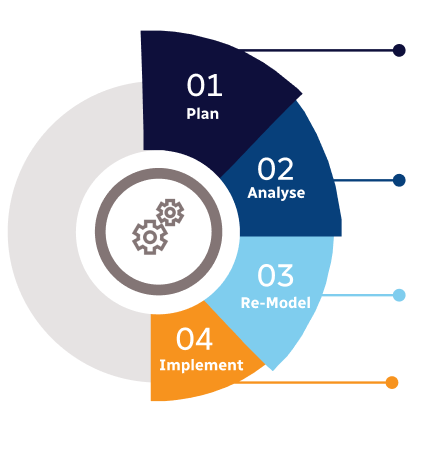
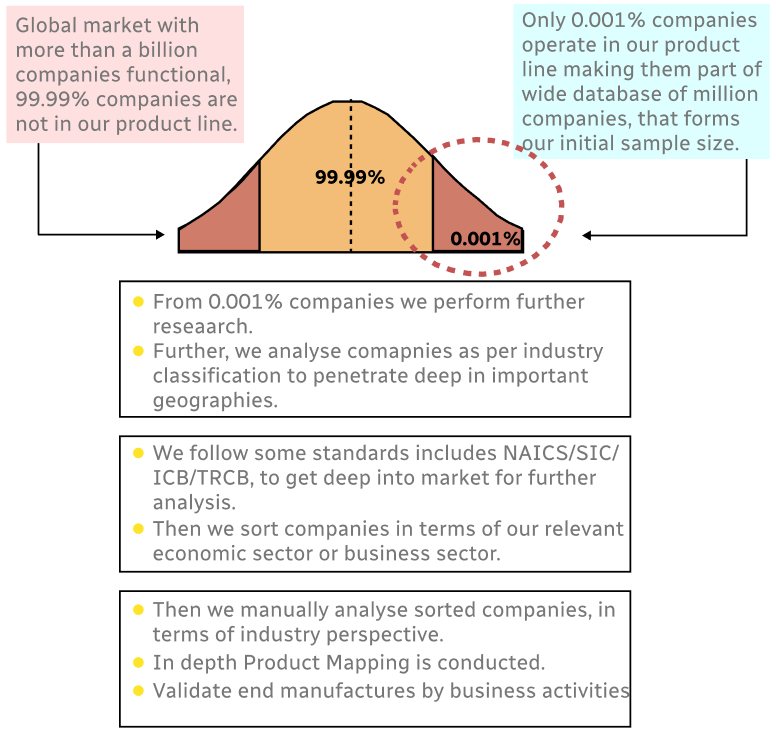
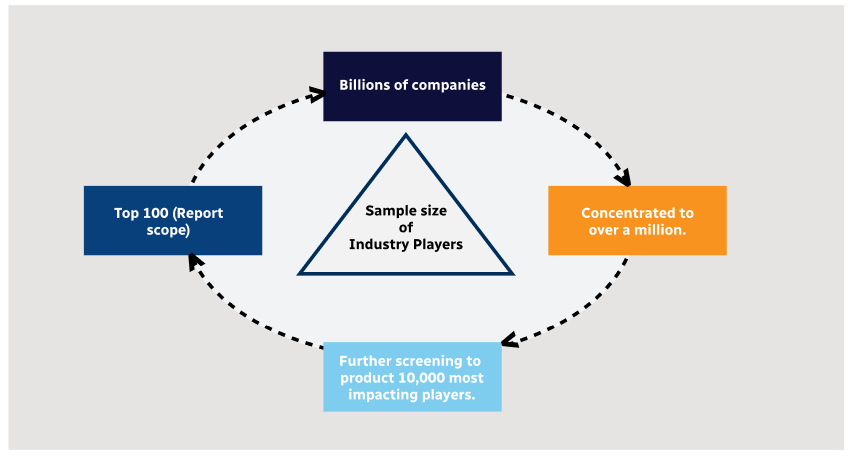
Step 1 - Identification of Relevant Samples Size from Population Database
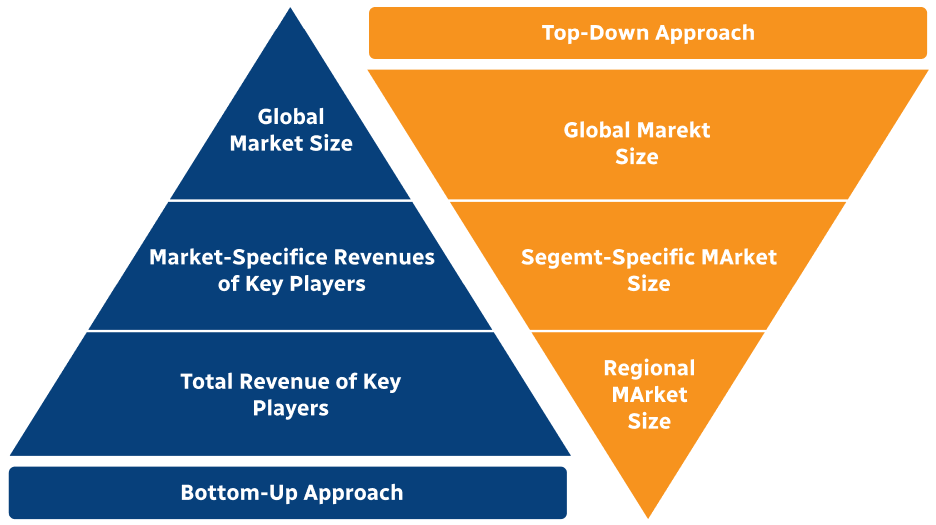
Step 2 - Approaches for Defining Global Market Size (Value, Volume* & Price*)
Note*: In applicable scenarios
Step 3 - Data Sources
Primary Research
- Web Analytics
- Survey Reports
- Research Institute
- Latest Research Reports
- Opinion Leaders
Secondary Research
- Annual Reports
- White Paper
- Latest Press Release
- Industry Association
- Paid Database
- Investor Presentations
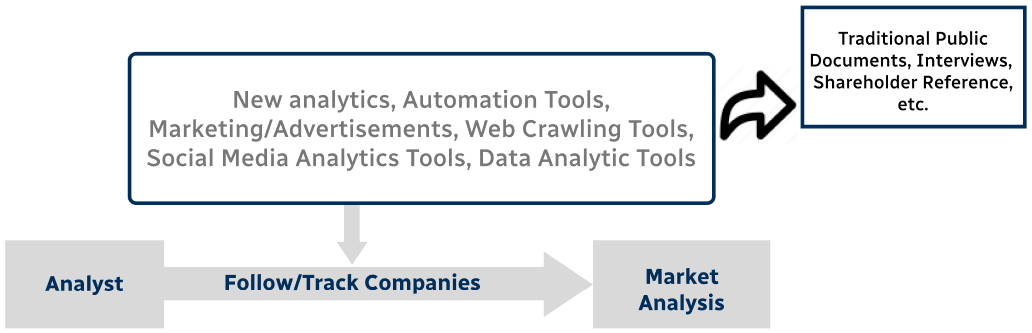
Step 4 - Data Triangulation
Involves using different sources of information in order to increase the validity of a study
These sources are likely to be stakeholders in a program - participants, other researchers, program staff, other community members, and so on.
Then we put all data in single framework & apply various statistical tools to find out the dynamic on the market.
During the analysis stage, feedback from the stakeholder groups would be compared to determine areas of agreement as well as areas of divergence


