


Smart Kitchen Appliances Industry Growth Projections: Trends to Watch

Smart Kitchen Appliances Industry by Product Type (Smart Ovens, Smart Dishwashers, Smart Refrigerators, Smart Cookware and Cooktops, Smart Scale and Thermometers, Other Product Types), by Distribution Channel (Multi-brand Stores, Exclusive Stores, Online, Other Distribution Channels), by End User (Residential, Commercial), by North America, by Europe, by Asia Pacific, by South America, by Middle East Forecast 2026-2034

Jan 25 2026
Base Year: 2025

234 Pages
Main Logo

Smart Kitchen Appliances Industry Growth Projections: Trends to Watch


Home
Industries
Home and Property Improvement

About Precision Market View

Precision Market View offers precise market research, industry intelligence, and data analysis for healthcare, manufacturing, technology, and energy. Our reports provide the clarity you need to make informed decisions and drive growth.

Our team combines primary research, advanced analytics, and industry expertise to deliver actionable intelligence. We offer syndicated reports, custom research, and consulting services tailored to your business needs.

At Precision Market View, we are committed to quality, transparency, and client satisfaction. Every report is rigorously validated to ensure accuracy and relevance. Our global perspective and local expertise help you understand both the big picture and the finer details of your market.

Stay informed with Precision Market View. Subscribe to our newsletter for the latest updates and research highlights, and follow us on social media for real-time insights.

Precision Market View – Clarity for Your Strategic Decisions.

Business Address

Head Office

Ansec House 3 rd floor Tank Road, Yerwada, Pune, Maharashtra 411014

Contact Information

Craig Francis

Business Development Head

+17162654855

[email protected]

Secure Payment Partners

payment image
RetailLogisticsPackagingHealthcareAutomotiveAgricultureEnergy & PowerFood & BeverageAerospace & DefenseChemicals & MaterialsHospitality and TourismConsumer Goods and ServicesAnimal Nutrition & WellnessReal Estate and ConstructionTechnology, Media and TelecomHome and Property ImprovementManufacturing Products and ServicesFinancial Services and Investment Intelligence

© 2026 PRDUA Research & Media Private Limited, All rights reserved

Privacy Policy
Terms and Conditions
FAQ

Tailored for you

  • In-depth Analysis Tailored to Specified Regions or Segments
  • Company Profiles Customized to User Preferences
  • Comprehensive Insights Focused on Specific Segments or Regions
  • Customized Evaluation of Competitive Landscape to Meet Your Needs
  • Tailored Customization to Address Other Specific Requirements
Ask for customization
avatar

Analyst at Providence Strategic Partners at Petaling Jaya

Jared Wan

I have received the report already. Thanks you for your help.it has been a pleasure working with you. Thank you againg for a good quality report

avatar

US TPS Business Development Manager at Thermon

Erik Perison

The response was good, and I got what I was looking for as far as the report. Thank you for that.

avatar

Global Product, Quality & Strategy Executive- Principal Innovator at Donaldson

Shankar Godavarti

As requested- presale engagement was good, your perseverance, support and prompt responses were noted. Your follow up with vm’s were much appreciated. Happy with the final report and post sales by your team.

  • Home
  • About Us
  • Industries
    • Retail
    • Hospitality and Tourism
    • Agriculture
    • Manufacturing Products and Services
    • Healthcare
    • Logistics
    • Aerospace & Defense
    • Professional and Commercial Services
    • Financial Services and Investment Intelligence
    • Consumer Goods and Services
    • Animal Nutrition & Wellness
    • Technology, Media and Telecom
    • Automotive
    • Home and Property Improvement
    • Real Estate and Construction
    • Packaging
    • Chemicals & Materials
    • Energy & Power
    • Food & Beverage
  • Services
  • Contact
Main Logo
  • Home
  • About Us
  • Industries
    • Retail
    • Hospitality and Tourism
    • Agriculture
    • Manufacturing Products and Services
    • Healthcare
    • Logistics
    • Aerospace & Defense
    • Professional and Commercial Services
    • Financial Services and Investment Intelligence
    • Consumer Goods and Services
    • Animal Nutrition & Wellness
    • Technology, Media and Telecom
    • Automotive
    • Home and Property Improvement
    • Real Estate and Construction
    • Packaging
    • Chemicals & Materials
    • Energy & Power
    • Food & Beverage
  • Services
  • Contact
+17162654855
[email protected]

+17162654855

[email protected]

artwork spiralartwork spiralRelated Reports
artwork underline

Smart Kitchen Appliances Industry Growth Projections: Trends to Watch

The size of the Smart Kitchen Appliances Industry market was valued at USD 20.44 Million in 2024 and is projected to reach USD 60.72 Million by 2033, with an expected CAGR of 16.83% during the forecast period.

January 2026
Base Year: 2025
No Of Pages: 234
Price: $4750

Kitchen Appliances Market Innovations Shaping Market Growth 2026-2034

Explore the thriving Kitchen Appliances Market with a projected **USD 245.45 million** valuation by 2025 and a strong **5.53% CAGR**. Discover key growth drivers, emerging trends in smart appliances, and dominant regional markets.

January 2026
Base Year: 2025
No Of Pages: 234
Price: $4750

Germany Mattress Market Industry’s Growth Dynamics and Insights

Explore the Germany Mattress Market from 2025-2033, driven by a **USD 43.31 billion market size** and **7.5% CAGR**. Discover key growth drivers, emerging trends like memory foam and latex, and insights into leading companies and market segments.

January 2026
Base Year: 2025
No Of Pages: 197
Price: $3800

Strategic Insights for Canada Office Furniture Industry Market Growth

Explore the booming Canadian office furniture market, projected for significant growth fueled by hybrid work trends, ergonomic demand, and evolving workspace designs. Discover key insights, drivers, and market size for 2025 and beyond.

January 2026
Base Year: 2025
No Of Pages: 197
Price: $3800

Coffee Machine Market Strategic Market Opportunities: Trends 2026-2034

Explore the global coffee machine market's projected growth to $10.22 billion by 2025, driven by evolving coffee trends, technological advancements, and booming demand in North America and Europe. Discover key drivers, restraints, and regional dynamics shaping the future of your coffee brewing experience.

January 2026
Base Year: 2025
No Of Pages: 234
Price: $4750

Strategic Analysis of India Home Textile Market Industry Opportunities

The size of the India Home Textile Market market was valued at USD 9.60 Million in 2024 and is projected to reach USD 18.52 Million by 2033, with an expected CAGR of 9.84% during the forecast period.

January 2026
Base Year: 2025
No Of Pages: 197
Price: $3800

Key Insights

The global Smart Kitchen Appliances Industry is poised for significant expansion, currently valued at approximately 20.44 Million and projected to grow at a robust Compound Annual Growth Rate (CAGR) of 16.83% through 2033. This dynamic market is propelled by a confluence of factors, including increasing consumer demand for convenience and efficiency, the growing adoption of smart home ecosystems, and advancements in IoT technology that enable seamless connectivity and enhanced functionalities in kitchen devices. The proliferation of internet-connected appliances, from intelligent ovens and dishwashers to sophisticated refrigerators and smart cookware, is transforming the modern kitchen into a more intuitive and responsive environment. The residential sector, in particular, is a key driver of this growth, with consumers seeking to optimize their daily routines and leverage technology for better meal preparation, food storage, and overall kitchen management.

Smart Kitchen Appliances Industry Research Report - Market Overview and Key Insights

Smart Kitchen Appliances Industry Market Size (In Million)

50.0M
40.0M
30.0M
20.0M
10.0M
0
17.00 M
2024
20.44 M
2025
24.15 M
2026
28.50 M
2027
33.60 M
2028
39.55 M
2029
46.50 M
2030
Main Logo

The market's upward trajectory is further supported by key trends such as the integration of AI and machine learning for personalized cooking experiences, voice control capabilities for hands-free operation, and the development of energy-efficient smart appliances that appeal to environmentally conscious consumers. Major players like Whirlpool Corporation, AB Electrolux, BSH Home Appliances Corporation, LG Electronics Inc., Samsung Electronics Co Ltd., and Haier Group are actively investing in research and development, introducing innovative products that cater to evolving consumer preferences. While the market benefits from strong demand, certain restraints, such as the higher initial cost of smart appliances and concerns around data privacy and cybersecurity, need to be addressed to ensure widespread adoption. The distribution landscape is also evolving, with a notable shift towards online channels alongside traditional multi-brand and exclusive stores. Geographically, North America and Europe are anticipated to lead the market, with the Asia Pacific region demonstrating substantial growth potential due to increasing disposable incomes and rapid urbanization.

Smart Kitchen Appliances Industry Market Size and Forecast (2024-2030)

Smart Kitchen Appliances Industry Company Market Share

Loading chart...
Main Logo

This comprehensive report delves into the Smart Kitchen Appliances Industry, providing an in-depth analysis of market dynamics, trends, and future outlook from 2019 to 2033. With the base year at 2025 and a forecast period extending from 2025–2033, this study offers invaluable insights for stakeholders navigating the rapidly evolving landscape of connected home devices. Our research covers key segments including Smart Ovens, Smart Dishwashers, Smart Refrigerators, Smart Cookware and Cooktops, Smart Scale and Thermometers, and Other Product Types. We also analyze distribution channels such as Multi-brand Stores, Exclusive Stores, and Online, alongside end-user segments like Residential and Commercial. This report is essential for understanding market penetration, growth drivers, competitive strategies, and emerging opportunities within this multi-million dollar industry.

Smart Kitchen Appliances Industry Market Structure & Competitive Dynamics

The Smart Kitchen Appliances Industry exhibits a moderately concentrated market structure, with major players like Whirlpool Corporation, AB Electrolux, BSH Home Appliances Corporation, LG Electronics Inc, Breville Group Limited, Miele, Samsung Electronics Co Ltd, Haier Group, Philips, and Panasonic Corporation holding significant market share. Innovation ecosystems are rapidly developing, driven by substantial investments in research and development aimed at integrating AI, IoT, and advanced connectivity features. Regulatory frameworks are evolving to address data privacy and security concerns associated with connected devices, influencing product development and market access. Product substitutes, while present in traditional kitchenware, are increasingly being displaced by the convenience and enhanced functionality offered by smart appliances, leading to a significant shift in consumer preferences. End-user trends are strongly leaning towards greater personalization and energy efficiency. Merger and acquisition (M&A) activities are anticipated to increase as larger companies seek to acquire innovative startups and expand their product portfolios, further consolidating market positions. M&A deal values are expected to grow as strategic acquisitions become crucial for maintaining competitive advantage.

Smart Kitchen Appliances Industry Industry Trends & Insights

The Smart Kitchen Appliances Industry is experiencing robust growth, driven by an increasing consumer demand for convenience, automation, and enhanced kitchen experiences. Technological disruptions, particularly in the realm of Artificial Intelligence (AI) and the Internet of Things (IoT), are fundamentally reshaping product design and functionality. AI-powered features, such as predictive maintenance, personalized recipe suggestions, and automated cooking processes, are becoming standard offerings. The integration of voice control and mobile app connectivity enhances user interaction, allowing for remote operation and monitoring of appliances. Consumer preferences are increasingly influenced by a desire for greater personalization, energy efficiency, and sustainable kitchen practices. This is evident in the growing popularity of customizable appliance lines and energy-saving modes. Market penetration is accelerating across both developed and emerging economies, fueled by rising disposable incomes and a growing awareness of the benefits of smart home technology. The compound annual growth rate (CAGR) for the Smart Kitchen Appliances Industry is projected to remain strong throughout the forecast period, indicating sustained expansion. Competitive dynamics are intensifying, with companies focusing on differentiation through unique features, ecosystem integration, and user experience. The focus is shifting from basic connectivity to intelligent solutions that simplify daily tasks and improve culinary outcomes. The market is witnessing a rise in integrated kitchen systems where appliances communicate with each other to optimize performance and user convenience.

Dominant Markets & Segments in Smart Kitchen Appliances Industry

The Smart Kitchen Appliances Industry showcases distinct regional dominance and segment leadership. North America and Europe currently represent the leading regions, driven by high consumer adoption rates, robust technological infrastructure, and a strong emphasis on connected living. Within these regions, countries like the United States and Germany are at the forefront of smart kitchen appliance adoption.

  • Product Type Dominance:

    • Smart Refrigerators are currently the dominant segment, accounting for a substantial market share. This is due to advanced features like inventory management, temperature control, and integrated touchscreens, catering to the growing demand for food preservation and convenience.
    • Smart Ovens are experiencing rapid growth, driven by AI-powered cooking modes, precise temperature control, and remote preheating capabilities, appealing to both novice and experienced cooks.
    • Smart Dishwashers are gaining traction with features like automated cycle selection, enhanced energy efficiency, and quieter operation, aligning with consumer interest in convenience and sustainability.
    • Smart Cookware and Cooktops are emerging segments with significant potential, offering precise temperature management and integrated recipe guidance.
    • Smart Scale and Thermometers are also crucial components of the smart kitchen ecosystem, providing accurate measurements for enhanced cooking and baking.
  • Distribution Channel Dominance:

    • The Online distribution channel is rapidly becoming the most dominant, fueled by the convenience of e-commerce, wider product selection, and competitive pricing. This channel allows for direct engagement with consumers and efficient logistics.
    • Multi-brand Stores continue to hold a significant market share, offering consumers the ability to compare various brands and models in person, providing a tangible experience with smart appliances.
    • Exclusive Stores are important for premium brands, allowing for a curated customer experience and brand storytelling, particularly for high-end smart kitchen solutions.
  • End User Dominance:

    • The Residential end-user segment is the primary driver of the Smart Kitchen Appliances Industry. The increasing desire for convenience, home automation, and enhanced living spaces in households significantly boosts demand.
    • The Commercial segment, including restaurants and hospitality businesses, represents a growing opportunity. Smart appliances in this sector offer benefits like improved efficiency, precise cooking control, and enhanced food safety compliance, leading to operational cost savings.

Smart Kitchen Appliances Industry Product Innovations

Product innovations in the Smart Kitchen Appliances Industry are primarily focused on enhancing user experience through AI integration, connectivity, and personalization. For example, appliances are now equipped with sensors that can detect food items, suggest recipes, and even automatically adjust cooking parameters. The development of voice-activated controls and seamless integration with smart home ecosystems provides unparalleled convenience. Competitive advantages are being built on intuitive interfaces, energy-saving technologies, and features that cater to specific dietary needs or culinary preferences. The trend towards modular and customizable appliance designs, such as Samsung's Bespoke line, offers consumers greater aesthetic control and adaptability within their kitchens, further differentiating products and appealing to a wider market.

Report Segmentation & Scope

This report meticulously segments the Smart Kitchen Appliances Industry to provide granular insights. The Product Type segmentation includes Smart Ovens, Smart Dishwashers, Smart Refrigerators, Smart Cookware and Cooktops, Smart Scale and Thermometers, and Other Product Types. The Distribution Channel segmentation encompasses Multi-brand Stores, Exclusive Stores, and Online. Furthermore, the End User segmentation covers Residential and Commercial markets. Each segment is analyzed for its current market size, projected growth rates, and key competitive dynamics, offering a comprehensive view of market opportunities and challenges.

Key Drivers of Smart Kitchen Appliances Industry Growth

The Smart Kitchen Appliances Industry is propelled by several key growth drivers. Technologically, the rapid advancement and miniaturization of sensors, coupled with widespread adoption of AI and IoT, enable more sophisticated functionalities and intuitive user interfaces. Economically, rising disposable incomes and a growing middle class in developing nations are increasing affordability and demand for premium home appliances. Regulatory factors, while sometimes posing challenges, also drive innovation towards energy efficiency and safety standards, which are often inherent in smart appliance design. The increasing consumer desire for convenience, time-saving solutions, and personalized experiences in their homes is a significant overarching driver, pushing the adoption of smart kitchen technology across all segments.

Challenges in the Smart Kitchen Appliances Industry Sector

Despite its promising growth, the Smart Kitchen Appliances Industry Sector faces several challenges. High initial costs of smart appliances can be a barrier to entry for some consumers, limiting market penetration in price-sensitive segments. Cybersecurity concerns related to connected devices pose a significant risk, requiring robust security measures and consumer education. Supply chain disruptions, particularly for electronic components, can impact production and lead times, affecting product availability. Furthermore, the complexity of some smart appliance features may present a learning curve for less tech-savvy consumers, potentially hindering adoption. The need for interoperability between different smart home ecosystems also presents a technical challenge for manufacturers aiming for broad compatibility.

Leading Players in the Smart Kitchen Appliances Industry Market

  • Whirlpool Corporation
  • AB Electrolux
  • BSH Home Appliances Corporation
  • LG Electronics Inc
  • Breville Group Limited
  • Miele
  • Samsung Electronics Co Ltd
  • Haier Group
  • Philips
  • Panasonic Corporation

Key Developments in Smart Kitchen Appliances Industry Sector

  • May 2023: LG Electronics released the InstaView refrigerator featuring door panels that can change colors, offering enhanced customization. Users can alter the colors according to their mood, with the LED panels providing access to an impressive selection of up to 190,0001 color combinations.
  • January 2023: Samsung Electronics introduced the latest enhancements to its customizable Bespoke Home series. The new home appliances and services were crafted to cater to the increasing desire for personalization and to offer enhanced connectivity that enables users to adopt more sustainable practices. Among the updates are a broader range of Bespoke refrigerator models and advanced AI Pro Cooking capabilities for the Bespoke AI Oven, which streamline and support meal preparation.

Strategic Smart Kitchen Appliances Industry Market Outlook

The strategic outlook for the Smart Kitchen Appliances Industry is highly optimistic, fueled by continuous innovation and evolving consumer expectations. Growth accelerators include the increasing integration of AI for predictive maintenance and personalized cooking experiences, making appliances smarter and more user-friendly. The expansion of the smart home ecosystem, with seamless connectivity between various devices, will further drive demand for integrated kitchen solutions. Opportunities lie in developing more affordable, energy-efficient models and addressing emerging market needs, such as sustainability and advanced health-focused cooking features. Strategic partnerships and collaborations will be crucial for expanding market reach and developing comprehensive smart kitchen solutions that cater to a diverse consumer base, ensuring sustained growth and market leadership.

Smart Kitchen Appliances Industry Segmentation

  • 1. Product Type
    • 1.1. Smart Ovens
    • 1.2. Smart Dishwashers
    • 1.3. Smart Refrigerators
    • 1.4. Smart Cookware and Cooktops
    • 1.5. Smart Scale and Thermometers
    • 1.6. Other Product Types
  • 2. Distribution Channel
    • 2.1. Multi-brand Stores
    • 2.2. Exclusive Stores
    • 2.3. Online
    • 2.4. Other Distribution Channels
  • 3. End User
    • 3.1. Residential
    • 3.2. Commercial

Smart Kitchen Appliances Industry Segmentation By Geography

  • 1. North America
  • 2. Europe
  • 3. Asia Pacific
  • 4. South America
  • 5. Middle East
Smart Kitchen Appliances Industry Market Share by Region - Global Geographic Distribution

Smart Kitchen Appliances Industry Regional Market Share

Loading chart...
Main Logo

Geographic Coverage of Smart Kitchen Appliances Industry

Higher Coverage
Lower Coverage
No Coverage

Smart Kitchen Appliances Industry REPORT HIGHLIGHTS

AspectsDetails
Study Period 2020-2034
Base Year 2025
Estimated Year 2026
Forecast Period2026-2034
Historical Period2020-2025
Growth RateCAGR of 16.83% from 2020-2034
Segmentation
    • By Product Type
      • Smart Ovens
      • Smart Dishwashers
      • Smart Refrigerators
      • Smart Cookware and Cooktops
      • Smart Scale and Thermometers
      • Other Product Types
    • By Distribution Channel
      • Multi-brand Stores
      • Exclusive Stores
      • Online
      • Other Distribution Channels
    • By End User
      • Residential
      • Commercial
  • By Geography
    • North America
    • Europe
    • Asia Pacific
    • South America
    • Middle East

Table of Contents

  1. 1. Introduction
    • 1.1. Research Scope
    • 1.2. Market Segmentation
    • 1.3. Research Methodology
    • 1.4. Definitions and Assumptions
  2. 2. Executive Summary
    • 2.1. Introduction
  3. 3. Market Dynamics
    • 3.1. Introduction
      • 3.2. Market Drivers
        • 3.2.1. The Growth in the Hospitality Sector is Shifting to Commercial Smart Kitchen Appliances; Surge in Urban Population and Rise in Expenditure on Home Renovations Driving Market Growth
      • 3.3. Market Restrains
        • 3.3.1. Concerns About Data Privacy Among End Users Can Impedes Market Growth; High Cost of Maintenance and Upkeep
      • 3.4. Market Trends
        • 3.4.1. The Rising Adoption of Artificial Intelligence in Smart Kitchen Appliances
  4. 4. Market Factor Analysis
    • 4.1. Porters Five Forces
    • 4.2. Supply/Value Chain
    • 4.3. PESTEL analysis
    • 4.4. Market Entropy
    • 4.5. Patent/Trademark Analysis
  5. 5. Global Smart Kitchen Appliances Industry Analysis, Insights and Forecast, 2020-2032
    • 5.1. Market Analysis, Insights and Forecast - by Product Type
      • 5.1.1. Smart Ovens
      • 5.1.2. Smart Dishwashers
      • 5.1.3. Smart Refrigerators
      • 5.1.4. Smart Cookware and Cooktops
      • 5.1.5. Smart Scale and Thermometers
      • 5.1.6. Other Product Types
    • 5.2. Market Analysis, Insights and Forecast - by Distribution Channel
      • 5.2.1. Multi-brand Stores
      • 5.2.2. Exclusive Stores
      • 5.2.3. Online
      • 5.2.4. Other Distribution Channels
    • 5.3. Market Analysis, Insights and Forecast - by End User
      • 5.3.1. Residential
      • 5.3.2. Commercial
    • 5.4. Market Analysis, Insights and Forecast - by Region
      • 5.4.1. North America
      • 5.4.2. Europe
      • 5.4.3. Asia Pacific
      • 5.4.4. South America
      • 5.4.5. Middle East
  6. 6. North America Smart Kitchen Appliances Industry Analysis, Insights and Forecast, 2020-2032
    • 6.1. Market Analysis, Insights and Forecast - by Product Type
      • 6.1.1. Smart Ovens
      • 6.1.2. Smart Dishwashers
      • 6.1.3. Smart Refrigerators
      • 6.1.4. Smart Cookware and Cooktops
      • 6.1.5. Smart Scale and Thermometers
      • 6.1.6. Other Product Types
    • 6.2. Market Analysis, Insights and Forecast - by Distribution Channel
      • 6.2.1. Multi-brand Stores
      • 6.2.2. Exclusive Stores
      • 6.2.3. Online
      • 6.2.4. Other Distribution Channels
    • 6.3. Market Analysis, Insights and Forecast - by End User
      • 6.3.1. Residential
      • 6.3.2. Commercial
  7. 7. Europe Smart Kitchen Appliances Industry Analysis, Insights and Forecast, 2020-2032
    • 7.1. Market Analysis, Insights and Forecast - by Product Type
      • 7.1.1. Smart Ovens
      • 7.1.2. Smart Dishwashers
      • 7.1.3. Smart Refrigerators
      • 7.1.4. Smart Cookware and Cooktops
      • 7.1.5. Smart Scale and Thermometers
      • 7.1.6. Other Product Types
    • 7.2. Market Analysis, Insights and Forecast - by Distribution Channel
      • 7.2.1. Multi-brand Stores
      • 7.2.2. Exclusive Stores
      • 7.2.3. Online
      • 7.2.4. Other Distribution Channels
    • 7.3. Market Analysis, Insights and Forecast - by End User
      • 7.3.1. Residential
      • 7.3.2. Commercial
  8. 8. Asia Pacific Smart Kitchen Appliances Industry Analysis, Insights and Forecast, 2020-2032
    • 8.1. Market Analysis, Insights and Forecast - by Product Type
      • 8.1.1. Smart Ovens
      • 8.1.2. Smart Dishwashers
      • 8.1.3. Smart Refrigerators
      • 8.1.4. Smart Cookware and Cooktops
      • 8.1.5. Smart Scale and Thermometers
      • 8.1.6. Other Product Types
    • 8.2. Market Analysis, Insights and Forecast - by Distribution Channel
      • 8.2.1. Multi-brand Stores
      • 8.2.2. Exclusive Stores
      • 8.2.3. Online
      • 8.2.4. Other Distribution Channels
    • 8.3. Market Analysis, Insights and Forecast - by End User
      • 8.3.1. Residential
      • 8.3.2. Commercial
  9. 9. South America Smart Kitchen Appliances Industry Analysis, Insights and Forecast, 2020-2032
    • 9.1. Market Analysis, Insights and Forecast - by Product Type
      • 9.1.1. Smart Ovens
      • 9.1.2. Smart Dishwashers
      • 9.1.3. Smart Refrigerators
      • 9.1.4. Smart Cookware and Cooktops
      • 9.1.5. Smart Scale and Thermometers
      • 9.1.6. Other Product Types
    • 9.2. Market Analysis, Insights and Forecast - by Distribution Channel
      • 9.2.1. Multi-brand Stores
      • 9.2.2. Exclusive Stores
      • 9.2.3. Online
      • 9.2.4. Other Distribution Channels
    • 9.3. Market Analysis, Insights and Forecast - by End User
      • 9.3.1. Residential
      • 9.3.2. Commercial
  10. 10. Middle East Smart Kitchen Appliances Industry Analysis, Insights and Forecast, 2020-2032
    • 10.1. Market Analysis, Insights and Forecast - by Product Type
      • 10.1.1. Smart Ovens
      • 10.1.2. Smart Dishwashers
      • 10.1.3. Smart Refrigerators
      • 10.1.4. Smart Cookware and Cooktops
      • 10.1.5. Smart Scale and Thermometers
      • 10.1.6. Other Product Types
    • 10.2. Market Analysis, Insights and Forecast - by Distribution Channel
      • 10.2.1. Multi-brand Stores
      • 10.2.2. Exclusive Stores
      • 10.2.3. Online
      • 10.2.4. Other Distribution Channels
    • 10.3. Market Analysis, Insights and Forecast - by End User
      • 10.3.1. Residential
      • 10.3.2. Commercial
  11. 11. Competitive Analysis
    • 11.1. Global Market Share Analysis 2025
      • 11.2. Company Profiles
        • 11.2.1 Whirlpool Corporation
          • 11.2.1.1. Overview
          • 11.2.1.2. Products
          • 11.2.1.3. SWOT Analysis
          • 11.2.1.4. Recent Developments
          • 11.2.1.5. Financials (Based on Availability)
        • 11.2.2 AB Electrolux
          • 11.2.2.1. Overview
          • 11.2.2.2. Products
          • 11.2.2.3. SWOT Analysis
          • 11.2.2.4. Recent Developments
          • 11.2.2.5. Financials (Based on Availability)
        • 11.2.3 BSH Home Appliances Corporation
          • 11.2.3.1. Overview
          • 11.2.3.2. Products
          • 11.2.3.3. SWOT Analysis
          • 11.2.3.4. Recent Developments
          • 11.2.3.5. Financials (Based on Availability)
        • 11.2.4 LG Electronics Inc
          • 11.2.4.1. Overview
          • 11.2.4.2. Products
          • 11.2.4.3. SWOT Analysis
          • 11.2.4.4. Recent Developments
          • 11.2.4.5. Financials (Based on Availability)
        • 11.2.5 Breville Group Limited
          • 11.2.5.1. Overview
          • 11.2.5.2. Products
          • 11.2.5.3. SWOT Analysis
          • 11.2.5.4. Recent Developments
          • 11.2.5.5. Financials (Based on Availability)
        • 11.2.6 Miele
          • 11.2.6.1. Overview
          • 11.2.6.2. Products
          • 11.2.6.3. SWOT Analysis
          • 11.2.6.4. Recent Developments
          • 11.2.6.5. Financials (Based on Availability)
        • 11.2.7 Samsung Electronics Co Ltd
          • 11.2.7.1. Overview
          • 11.2.7.2. Products
          • 11.2.7.3. SWOT Analysis
          • 11.2.7.4. Recent Developments
          • 11.2.7.5. Financials (Based on Availability)
        • 11.2.8 Haier Group
          • 11.2.8.1. Overview
          • 11.2.8.2. Products
          • 11.2.8.3. SWOT Analysis
          • 11.2.8.4. Recent Developments
          • 11.2.8.5. Financials (Based on Availability)
        • 11.2.9 Philips
          • 11.2.9.1. Overview
          • 11.2.9.2. Products
          • 11.2.9.3. SWOT Analysis
          • 11.2.9.4. Recent Developments
          • 11.2.9.5. Financials (Based on Availability)
        • 11.2.10 Panasonic Corporation
          • 11.2.10.1. Overview
          • 11.2.10.2. Products
          • 11.2.10.3. SWOT Analysis
          • 11.2.10.4. Recent Developments
          • 11.2.10.5. Financials (Based on Availability)

List of Figures

  1. Figure 1: Global Smart Kitchen Appliances Industry Revenue Breakdown (Million, %) by Region 2025 & 2033
  2. Figure 2: North America Smart Kitchen Appliances Industry Revenue (Million), by Product Type 2025 & 2033
  3. Figure 3: North America Smart Kitchen Appliances Industry Revenue Share (%), by Product Type 2025 & 2033
  4. Figure 4: North America Smart Kitchen Appliances Industry Revenue (Million), by Distribution Channel 2025 & 2033
  5. Figure 5: North America Smart Kitchen Appliances Industry Revenue Share (%), by Distribution Channel 2025 & 2033
  6. Figure 6: North America Smart Kitchen Appliances Industry Revenue (Million), by End User 2025 & 2033
  7. Figure 7: North America Smart Kitchen Appliances Industry Revenue Share (%), by End User 2025 & 2033
  8. Figure 8: North America Smart Kitchen Appliances Industry Revenue (Million), by Country 2025 & 2033
  9. Figure 9: North America Smart Kitchen Appliances Industry Revenue Share (%), by Country 2025 & 2033
  10. Figure 10: Europe Smart Kitchen Appliances Industry Revenue (Million), by Product Type 2025 & 2033
  11. Figure 11: Europe Smart Kitchen Appliances Industry Revenue Share (%), by Product Type 2025 & 2033
  12. Figure 12: Europe Smart Kitchen Appliances Industry Revenue (Million), by Distribution Channel 2025 & 2033
  13. Figure 13: Europe Smart Kitchen Appliances Industry Revenue Share (%), by Distribution Channel 2025 & 2033
  14. Figure 14: Europe Smart Kitchen Appliances Industry Revenue (Million), by End User 2025 & 2033
  15. Figure 15: Europe Smart Kitchen Appliances Industry Revenue Share (%), by End User 2025 & 2033
  16. Figure 16: Europe Smart Kitchen Appliances Industry Revenue (Million), by Country 2025 & 2033
  17. Figure 17: Europe Smart Kitchen Appliances Industry Revenue Share (%), by Country 2025 & 2033
  18. Figure 18: Asia Pacific Smart Kitchen Appliances Industry Revenue (Million), by Product Type 2025 & 2033
  19. Figure 19: Asia Pacific Smart Kitchen Appliances Industry Revenue Share (%), by Product Type 2025 & 2033
  20. Figure 20: Asia Pacific Smart Kitchen Appliances Industry Revenue (Million), by Distribution Channel 2025 & 2033
  21. Figure 21: Asia Pacific Smart Kitchen Appliances Industry Revenue Share (%), by Distribution Channel 2025 & 2033
  22. Figure 22: Asia Pacific Smart Kitchen Appliances Industry Revenue (Million), by End User 2025 & 2033
  23. Figure 23: Asia Pacific Smart Kitchen Appliances Industry Revenue Share (%), by End User 2025 & 2033
  24. Figure 24: Asia Pacific Smart Kitchen Appliances Industry Revenue (Million), by Country 2025 & 2033
  25. Figure 25: Asia Pacific Smart Kitchen Appliances Industry Revenue Share (%), by Country 2025 & 2033
  26. Figure 26: South America Smart Kitchen Appliances Industry Revenue (Million), by Product Type 2025 & 2033
  27. Figure 27: South America Smart Kitchen Appliances Industry Revenue Share (%), by Product Type 2025 & 2033
  28. Figure 28: South America Smart Kitchen Appliances Industry Revenue (Million), by Distribution Channel 2025 & 2033
  29. Figure 29: South America Smart Kitchen Appliances Industry Revenue Share (%), by Distribution Channel 2025 & 2033
  30. Figure 30: South America Smart Kitchen Appliances Industry Revenue (Million), by End User 2025 & 2033
  31. Figure 31: South America Smart Kitchen Appliances Industry Revenue Share (%), by End User 2025 & 2033
  32. Figure 32: South America Smart Kitchen Appliances Industry Revenue (Million), by Country 2025 & 2033
  33. Figure 33: South America Smart Kitchen Appliances Industry Revenue Share (%), by Country 2025 & 2033
  34. Figure 34: Middle East Smart Kitchen Appliances Industry Revenue (Million), by Product Type 2025 & 2033
  35. Figure 35: Middle East Smart Kitchen Appliances Industry Revenue Share (%), by Product Type 2025 & 2033
  36. Figure 36: Middle East Smart Kitchen Appliances Industry Revenue (Million), by Distribution Channel 2025 & 2033
  37. Figure 37: Middle East Smart Kitchen Appliances Industry Revenue Share (%), by Distribution Channel 2025 & 2033
  38. Figure 38: Middle East Smart Kitchen Appliances Industry Revenue (Million), by End User 2025 & 2033
  39. Figure 39: Middle East Smart Kitchen Appliances Industry Revenue Share (%), by End User 2025 & 2033
  40. Figure 40: Middle East Smart Kitchen Appliances Industry Revenue (Million), by Country 2025 & 2033
  41. Figure 41: Middle East Smart Kitchen Appliances Industry Revenue Share (%), by Country 2025 & 2033

List of Tables

  1. Table 1: Global Smart Kitchen Appliances Industry Revenue Million Forecast, by Product Type 2020 & 2033
  2. Table 2: Global Smart Kitchen Appliances Industry Revenue Million Forecast, by Distribution Channel 2020 & 2033
  3. Table 3: Global Smart Kitchen Appliances Industry Revenue Million Forecast, by End User 2020 & 2033
  4. Table 4: Global Smart Kitchen Appliances Industry Revenue Million Forecast, by Region 2020 & 2033
  5. Table 5: Global Smart Kitchen Appliances Industry Revenue Million Forecast, by Product Type 2020 & 2033
  6. Table 6: Global Smart Kitchen Appliances Industry Revenue Million Forecast, by Distribution Channel 2020 & 2033
  7. Table 7: Global Smart Kitchen Appliances Industry Revenue Million Forecast, by End User 2020 & 2033
  8. Table 8: Global Smart Kitchen Appliances Industry Revenue Million Forecast, by Country 2020 & 2033
  9. Table 9: Global Smart Kitchen Appliances Industry Revenue Million Forecast, by Product Type 2020 & 2033
  10. Table 10: Global Smart Kitchen Appliances Industry Revenue Million Forecast, by Distribution Channel 2020 & 2033
  11. Table 11: Global Smart Kitchen Appliances Industry Revenue Million Forecast, by End User 2020 & 2033
  12. Table 12: Global Smart Kitchen Appliances Industry Revenue Million Forecast, by Country 2020 & 2033
  13. Table 13: Global Smart Kitchen Appliances Industry Revenue Million Forecast, by Product Type 2020 & 2033
  14. Table 14: Global Smart Kitchen Appliances Industry Revenue Million Forecast, by Distribution Channel 2020 & 2033
  15. Table 15: Global Smart Kitchen Appliances Industry Revenue Million Forecast, by End User 2020 & 2033
  16. Table 16: Global Smart Kitchen Appliances Industry Revenue Million Forecast, by Country 2020 & 2033
  17. Table 17: Global Smart Kitchen Appliances Industry Revenue Million Forecast, by Product Type 2020 & 2033
  18. Table 18: Global Smart Kitchen Appliances Industry Revenue Million Forecast, by Distribution Channel 2020 & 2033
  19. Table 19: Global Smart Kitchen Appliances Industry Revenue Million Forecast, by End User 2020 & 2033
  20. Table 20: Global Smart Kitchen Appliances Industry Revenue Million Forecast, by Country 2020 & 2033
  21. Table 21: Global Smart Kitchen Appliances Industry Revenue Million Forecast, by Product Type 2020 & 2033
  22. Table 22: Global Smart Kitchen Appliances Industry Revenue Million Forecast, by Distribution Channel 2020 & 2033
  23. Table 23: Global Smart Kitchen Appliances Industry Revenue Million Forecast, by End User 2020 & 2033
  24. Table 24: Global Smart Kitchen Appliances Industry Revenue Million Forecast, by Country 2020 & 2033

Frequently Asked Questions

1. What is the projected Compound Annual Growth Rate (CAGR) of the Smart Kitchen Appliances Industry?

The projected CAGR is approximately 16.83%.

2. Which companies are prominent players in the Smart Kitchen Appliances Industry?

Key companies in the market include Whirlpool Corporation, AB Electrolux, BSH Home Appliances Corporation, LG Electronics Inc, Breville Group Limited, Miele, Samsung Electronics Co Ltd, Haier Group, Philips, Panasonic Corporation.

3. What are the main segments of the Smart Kitchen Appliances Industry?

The market segments include Product Type, Distribution Channel, End User.

4. Can you provide details about the market size?

The market size is estimated to be USD 20.44 Million as of 2022.

5. What are some drivers contributing to market growth?

The Growth in the Hospitality Sector is Shifting to Commercial Smart Kitchen Appliances; Surge in Urban Population and Rise in Expenditure on Home Renovations Driving Market Growth.

6. What are the notable trends driving market growth?

The Rising Adoption of Artificial Intelligence in Smart Kitchen Appliances.

7. Are there any restraints impacting market growth?

Concerns About Data Privacy Among End Users Can Impedes Market Growth; High Cost of Maintenance and Upkeep.

8. Can you provide examples of recent developments in the market?

May 2023: LG Electronics released the InstaView refrigerator featuring door panels that can change colors, offering enhanced customization. Users can alter the colors according to their mood, with the LED panels providing access to an impressive selection of up to 190,0001 color combinations.

9. What pricing options are available for accessing the report?

Pricing options include single-user, multi-user, and enterprise licenses priced at USD 4750, USD 5250, and USD 8750 respectively.

10. Is the market size provided in terms of value or volume?

The market size is provided in terms of value, measured in Million.

11. Are there any specific market keywords associated with the report?

Yes, the market keyword associated with the report is "Smart Kitchen Appliances Industry," which aids in identifying and referencing the specific market segment covered.

12. How do I determine which pricing option suits my needs best?

The pricing options vary based on user requirements and access needs. Individual users may opt for single-user licenses, while businesses requiring broader access may choose multi-user or enterprise licenses for cost-effective access to the report.

13. Are there any additional resources or data provided in the Smart Kitchen Appliances Industry report?

While the report offers comprehensive insights, it's advisable to review the specific contents or supplementary materials provided to ascertain if additional resources or data are available.

14. How can I stay updated on further developments or reports in the Smart Kitchen Appliances Industry?

To stay informed about further developments, trends, and reports in the Smart Kitchen Appliances Industry, consider subscribing to industry newsletters, following relevant companies and organizations, or regularly checking reputable industry news sources and publications.

Methodology

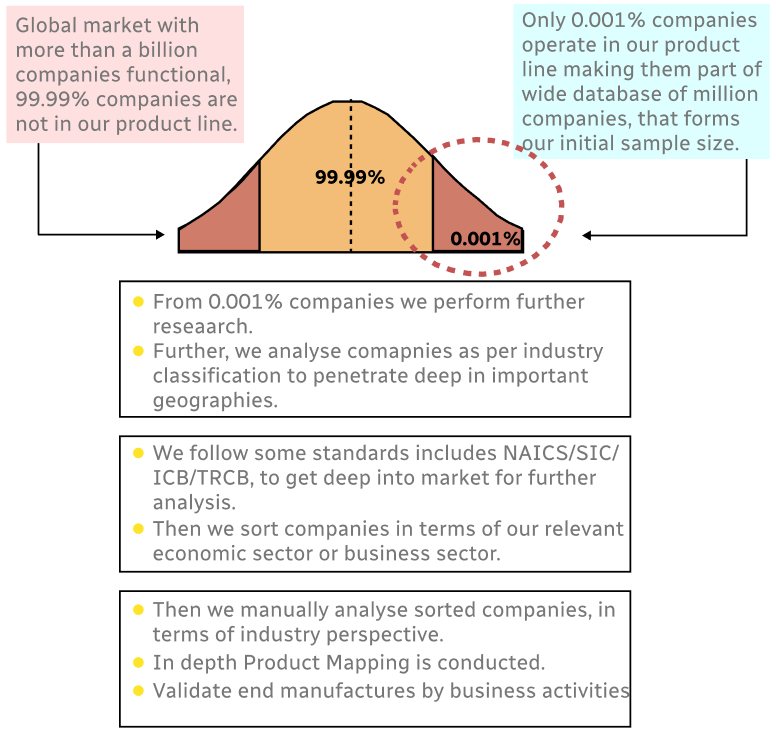
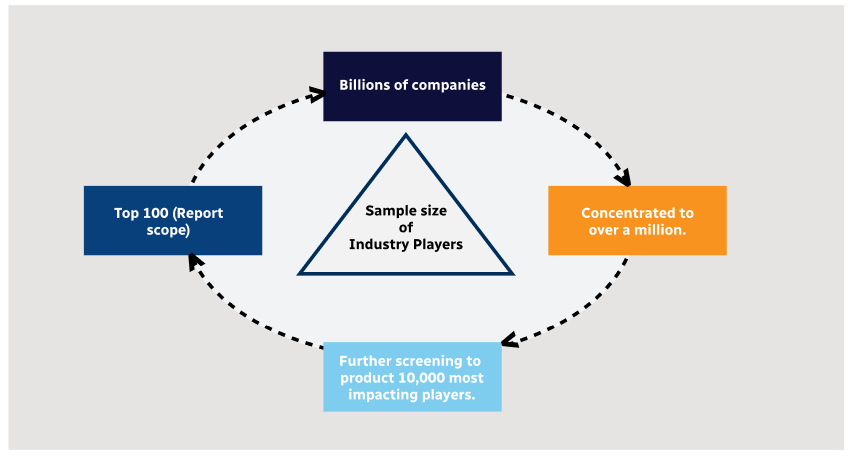
Step 1 - Identification of Relevant Samples Size from Population Database
Step Chart
Bar Chart
Method Chart

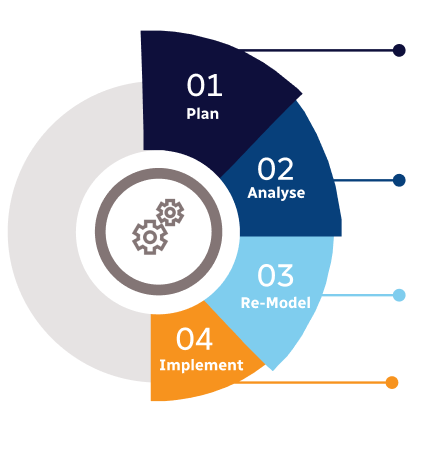
Step 2 - Approaches for Defining Global Market Size (Value, Volume* & Price*)
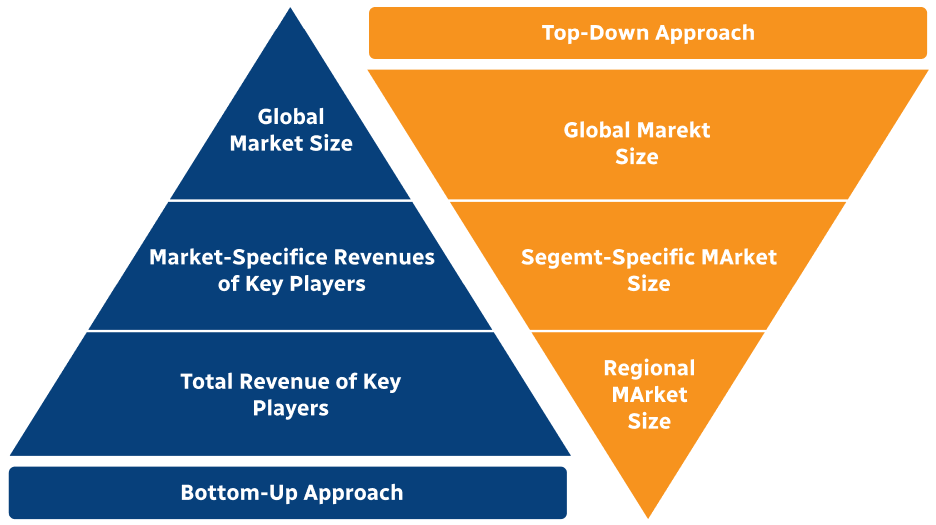
Approach Chart
Top-down and bottom-up approaches are used to validate the global market size and estimate the market size for manufactures, regional segments, product, and application.

Note*: In applicable scenarios

Step 3 - Data Sources

Primary Research

  • Web Analytics
  • Survey Reports
  • Research Institute
  • Latest Research Reports
  • Opinion Leaders

Secondary Research

  • Annual Reports
  • White Paper
  • Latest Press Release
  • Industry Association
  • Paid Database
  • Investor Presentations
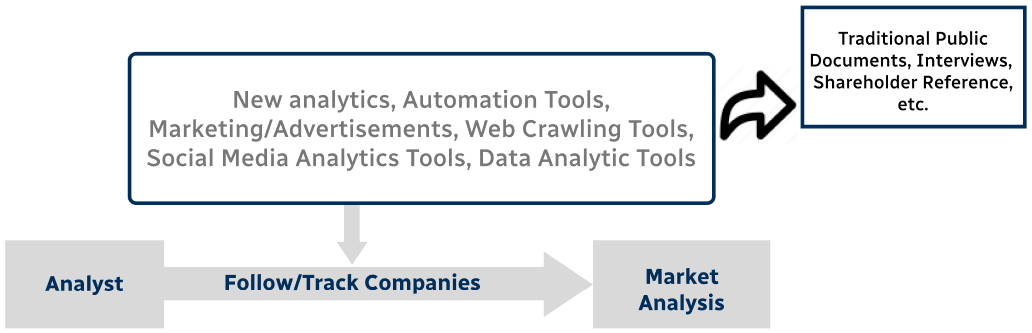
Analyst Chart

Step 4 - Data Triangulation

Involves using different sources of information in order to increase the validity of a study

These sources are likely to be stakeholders in a program - participants, other researchers, program staff, other community members, and so on.

Then we put all data in single framework & apply various statistical tools to find out the dynamic on the market.

During the analysis stage, feedback from the stakeholder groups would be compared to determine areas of agreement as well as areas of divergence

Additionally, after gathering mixed and scattered data from a wide range of sources, data is triangulated and correlated to come up with estimated figures which are further validated through primary mediums or industry experts, opinion leaders.