


Key Insights
The global ship recycling market is poised for significant expansion, projected to reach USD 11.04 billion in 2025 and grow at a robust CAGR of 11.57% through 2033. This substantial growth is driven by several critical factors. Increasing global trade necessitates the continuous renewal of shipping fleets, leading to a greater volume of older vessels reaching their end-of-life. Furthermore, stringent international regulations, such as the Hong Kong Convention, are compelling ship owners to adopt more environmentally responsible recycling practices, thereby fueling demand for certified and sustainable recycling facilities. Geopolitical shifts and evolving trade routes also contribute to fleet modernization, indirectly impacting the recycling sector. The demand is segmented across various applications, with the Military and Business segments showing particular strength due to the specialized requirements and large-scale operations involved in defense and commercial shipping.
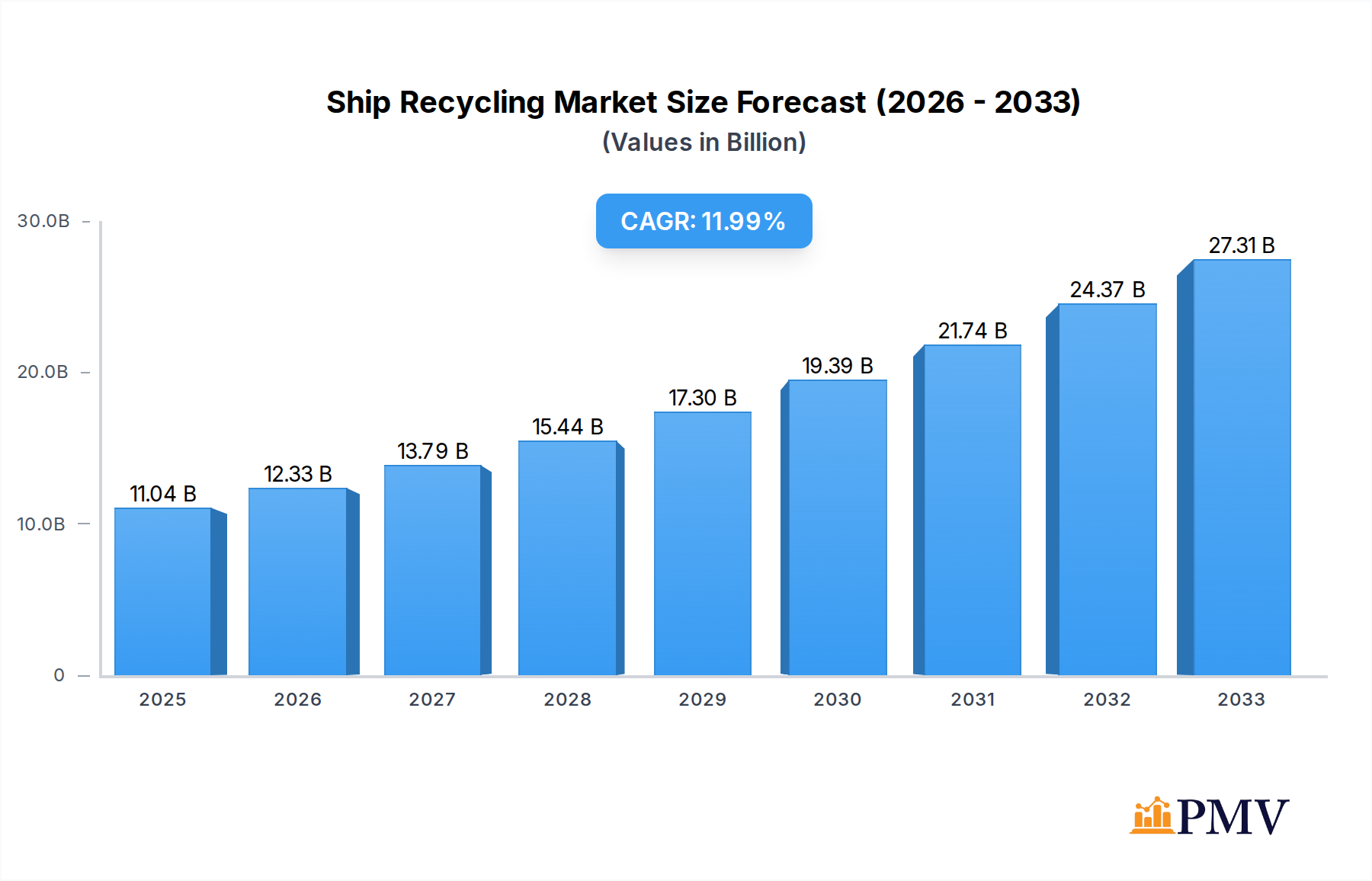
Ship Recycling Market Size (In Billion)

The market is characterized by a growing emphasis on sustainable and ethical recycling. While the volume of end-of-life vessels represents a substantial opportunity, certain restraints, such as the availability of skilled labor, compliance with evolving environmental standards, and the logistical complexities of dismantling large vessels, require strategic attention. However, technological advancements in recycling processes and a greater focus on circular economy principles within the maritime industry are expected to mitigate these challenges. Innovations in deconstruction techniques and the recovery of valuable materials are enhancing the economic viability of ship recycling. The Small and Medium Ship segment is expected to witness consistent demand, while the Large Ship segment offers significant growth potential due to the increasing size of modern cargo vessels. Leading companies are investing in advanced facilities and expanding their global footprint to capitalize on this burgeoning market.
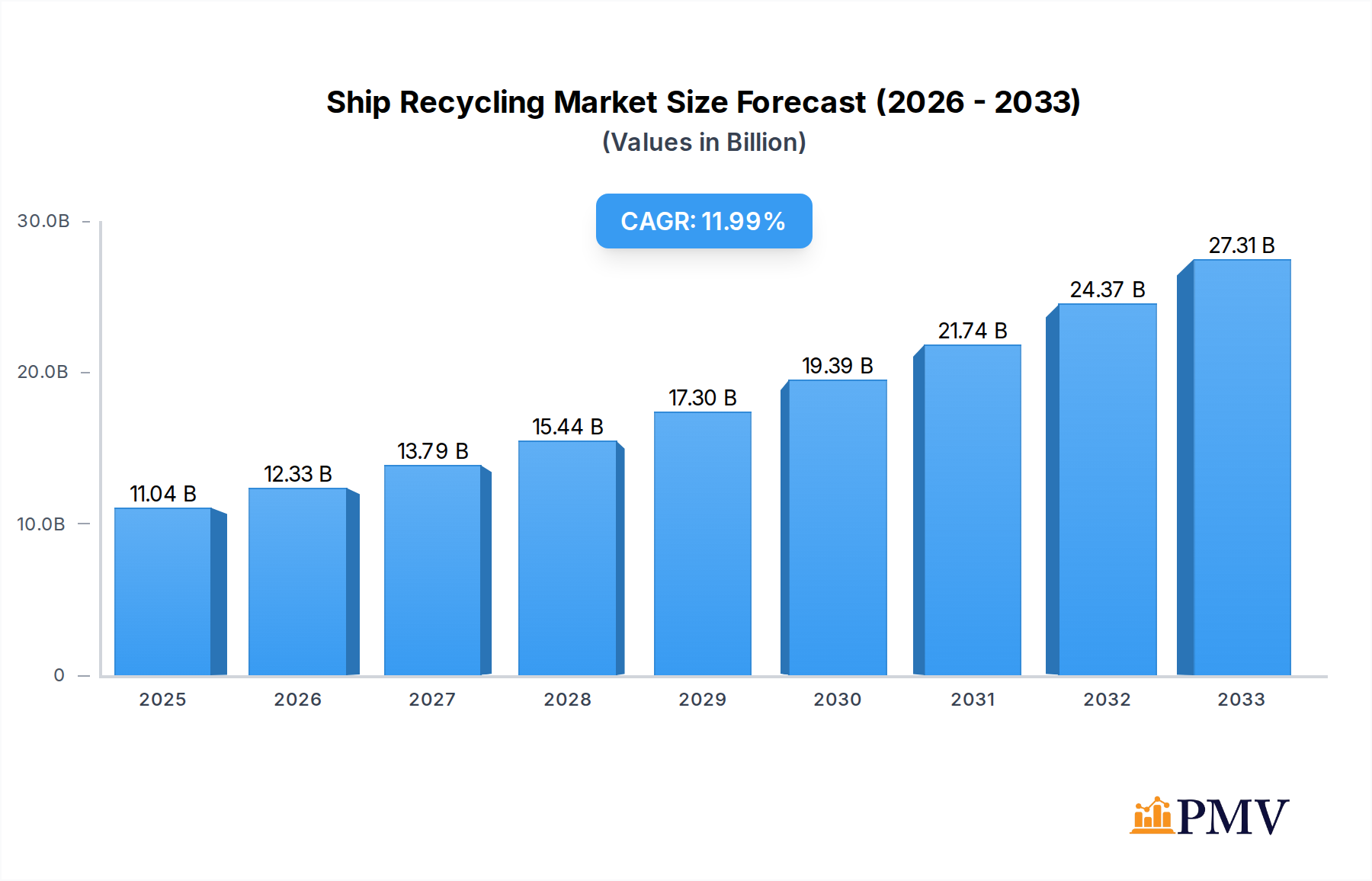
Ship Recycling Company Market Share
This in-depth report provides a strategic analysis of the global ship recycling market, encompassing historical performance, current trends, and future projections. The study covers the period from 2019 to 2033, with a base year of 2025 and a forecast period of 2025–2033. This report is essential for stakeholders seeking to understand market dynamics, identify growth opportunities, and navigate the evolving landscape of sustainable maritime asset disposal.
Ship Recycling Market Structure & Competitive Dynamics
The global ship recycling market is characterized by a moderate level of concentration, with key players investing heavily in sustainable practices and advanced dismantling technologies. The innovation ecosystem is driven by increasing environmental regulations and the demand for circular economy principles within the maritime industry. Major regulatory frameworks, including the Hong Kong Convention and the EU Ship Recycling Regulation, are shaping operational standards and market entry barriers. Product substitutes, such as the repurposing of ship components and the extended operational life of vessels through advanced maintenance, are emerging but do not significantly detract from the core recycling market. End-user trends are heavily influenced by the aging global fleet and stricter environmental compliance demands. Mergers and acquisitions (M&A) activities are on the rise as larger entities seek to consolidate market share and acquire specialized recycling capabilities. For instance, significant M&A deals, valued in the billions, are consolidating expertise and infrastructure. Market share estimations indicate a fragmented yet consolidating sector. The competitive landscape is evolving towards companies that can offer comprehensive, compliant, and environmentally responsible recycling solutions, distinguishing themselves through safety records and advanced recycling technologies. This strategic consolidation aims to optimize operational efficiency and cater to the growing demand for certified green recycling services, further influencing market share distribution.
Ship Recycling Industry Trends & Insights
The ship recycling industry is experiencing robust growth, driven by a confluence of factors that underscore its increasing importance in the global maritime economy. The market is projected to witness a Compound Annual Growth Rate (CAGR) of approximately xx% over the forecast period, a testament to its expanding significance. Market penetration is accelerating as more shipping companies prioritize environmentally sound vessel end-of-life solutions, driven by both regulatory pressures and a growing corporate social responsibility ethos. Technological disruptions are a major theme, with advancements in dismantling techniques, waste management, and material recovery significantly enhancing efficiency and reducing environmental impact. The development of specialized tools and platforms for safe hazardous material handling, such as asbestos and oils, is paramount. Furthermore, the integration of digital technologies for tracking and managing the recycling process ensures greater transparency and accountability. Consumer preferences, in this context, refer to the choices made by ship owners and operators regarding recycling facilities. There is a clear shift towards yards that adhere to international standards, possess certifications like ISO 14001, and demonstrate a commitment to worker safety and environmental protection. This preference is fueled by increasing scrutiny from environmental organizations and the public. Competitive dynamics are intensifying, with a notable trend of companies expanding their global footprint and investing in state-of-the-art recycling yards. Companies are differentiating themselves through their ability to handle complex vessel types and their capacity to recover a higher percentage of recyclable materials. The focus is shifting from mere scrapping to sophisticated material reprocessing, adding value to the recycling chain. The economic viability of ship recycling is also influenced by the fluctuating prices of scrap metals, making strategic planning and efficient operations crucial for profitability. The increasing volume of older vessels slated for retirement, particularly in the tanker and bulk carrier segments, provides a consistent supply of feedstock for recycling facilities. This surge in decommissioning, coupled with the drive for sustainability, creates a compelling market for advanced ship recycling solutions. The industry's evolution is also shaped by geopolitical factors, affecting trade routes and shipbuilding, which indirectly influence vessel lifecycles and recycling demands. The global push for decarbonization in shipping, while encouraging the development of new, greener vessels, also means that older, less efficient ships will reach their end-of-life sooner, necessitating their responsible recycling. This creates a cyclical yet ever-growing demand for specialized recycling services.
Dominant Markets & Segments in Ship Recycling
The ship recycling market exhibits significant regional dominance, with South Asia, particularly India, Bangladesh, and Pakistan, historically being the largest recycling hubs due to cost-effectiveness and readily available labor. However, the regulatory landscape is shifting this dynamic, with increasing emphasis on compliant and environmentally responsible practices, potentially leading to a more even distribution. The Large Ship segment commands the largest share within the market. This is primarily driven by the sheer volume of end-of-life large commercial vessels, such as bulk carriers, tankers, and container ships, reaching their retirement age.
Key drivers for the dominance of the Large Ship segment include:
- Aging Global Fleet: A substantial portion of the world's large commercial fleet is nearing its operational lifespan, necessitating decommissioning and recycling.
- Economic Policies: Favorable scrap metal prices and government incentives in certain regions have historically attracted the dismantling of large vessels.
- Infrastructure Requirements: Specialized port facilities and larger dismantling yards are crucial for handling the scale of large ships, a characteristic of leading recycling nations.
- Regulatory Compliance: The increasing global demand for compliant recycling, particularly for large commercial vessels, is driving investment in advanced yards capable of meeting stringent environmental and safety standards.
The Business application segment also holds a significant market share, reflecting the vast number of commercial vessels that require recycling. This includes cargo ships, ferries, and offshore support vessels.
Key drivers for the dominance of the Business segment include:
- Global Trade Volumes: Fluctuations in global trade directly impact the demand for shipping services, influencing fleet expansion and subsequent retirement cycles.
- Technological Obsolescence: Newer, more efficient vessel designs and propulsion systems often render older commercial vessels economically unviable, accelerating their recycling.
- Safety Regulations: Stringent safety regulations for commercial shipping necessitate the decommissioning of vessels that cannot be upgraded to meet current standards.
While the Small and Medium Ship segment is smaller in terms of individual vessel size and material volume, it represents a significant number of recycling opportunities, particularly in niche maritime sectors and from governmental or private fleets. The Military application segment, though smaller in volume, often involves specialized recycling processes due to the unique materials and potential hazardous components of decommissioned warships. Personal applications, such as yachts and smaller recreational vessels, form the smallest segment, with recycling often localized and less industrialized.
The ongoing development of stricter environmental regulations, such as the IMO's Ballast Water Management Convention and MARPOL Annex VI, indirectly influences ship recycling by encouraging the phasing out of older, non-compliant vessels. This creates a sustained demand for recycling services across various vessel types, with a strong emphasis on compliance and responsible practices. The geographical concentration of recycling yards, while historically in Asia, is seeing growth in Europe and North America as companies invest in compliance-driven, higher-value recycling operations.
Ship Recycling Product Innovations
Innovations in ship recycling are primarily focused on enhancing safety, environmental sustainability, and material recovery. Advanced dismantling techniques, including robotic cutting and specialized hazardous material containment, are reducing risks and improving efficiency. The development of comprehensive material tracking systems ensures that recycled components meet quality standards for reuse or proper disposal, thereby increasing the value proposition of recycling services. Competitive advantages are being gained by recycling yards that can demonstrate their adherence to international green recycling standards and their ability to recover a wider spectrum of valuable materials, contributing to a circular economy.
Report Segmentation & Scope
This report segments the ship recycling market by Application, including Military, Business, and Personal uses. The Military segment involves the recycling of decommissioned naval vessels, often requiring specialized handling of advanced materials and potentially hazardous substances. The Business segment encompasses the vast majority of commercial vessels, such as cargo ships, tankers, and ferries, which constitute the largest volume of recycling activities. The Personal segment pertains to smaller vessels like yachts and recreational boats. Additionally, the market is segmented by Types, including Small and Medium Ship and Large Ship. The Small and Medium Ship segment covers vessels up to a certain tonnage, while the Large Ship segment focuses on major commercial and naval vessels. Growth projections and market sizes are detailed for each segment, with competitive dynamics analyzed within these defined scopes.
Key Drivers of Ship Recycling Growth
The ship recycling market is propelled by a combination of powerful drivers. Regulatory Compliance is a paramount factor, with international conventions like the Hong Kong Convention and national legislation mandating safer and more environmentally friendly dismantling practices. Environmental Consciousness is also on the rise, pushing shipping companies to adopt responsible end-of-life management for their fleets. Technological Advancements in dismantling and material recovery are making recycling more efficient and profitable. Economically, the aging global fleet of vessels reaching their operational lifespan provides a consistent supply of feedstock. Furthermore, favorable scrap metal prices can incentivize recycling operations. The growing emphasis on the circular economy encourages the recovery and reuse of valuable materials from retired vessels.
Challenges in the Ship Recycling Sector
Despite robust growth, the ship recycling sector faces significant challenges. Regulatory Hurdles persist, with inconsistent enforcement and varying standards across different regions creating an uneven playing field. Supply Chain Issues, including the availability of suitable vessels and logistical complexities in transporting them to recycling yards, can impact operational efficiency. Environmental Concerns remain a key challenge, with the safe handling of hazardous materials and the prevention of pollution requiring continuous investment and stringent protocols. Competitive Pressures are intense, particularly from yards operating with lower overheads and potentially less stringent environmental controls. The fluctuation in global commodity prices for scrap metals can also impact the economic viability of recycling operations, creating uncertainty.
Leading Players in the Ship Recycling Market
- ALBA Group
- Boskalis
- Veolia
- Zhejiang Huahang Industrial Co., Ltd.
- Changjiang Ship-breaking Yard
- Leyal
- EMR Global
- BLRT Grupp
- San Giorgio del Porto S.p.A.
- Modern American Recycling Services, Inc.
Key Developments in Ship Recycling Sector
- 2023 Q4: Implementation of enhanced hazardous material inventory reporting requirements under the EU Ship Recycling Regulation.
- 2023 Q3: Launch of a new green recycling facility in Southeast Asia by a major industry player, focusing on advanced waste management.
- 2023 Q2: Significant M&A activity, with a leading European recycling conglomerate acquiring a specialized North American dismantling company, valued in the billions.
- 2023 Q1: Increased demand for recycling of older LNG carriers due to the energy market dynamics.
- 2022 Q4: Release of updated guidelines for the safe dismantling of offshore wind farm structures, impacting specialized recycling services.
- 2022 Q3: Introduction of advanced robotic cutting technology by several key players, improving safety and efficiency.
- 2022 Q2: Growing focus on the recovery of rare earth metals from electronic components within decommissioned vessels.
- 2022 Q1: Enhanced regulatory oversight in key South Asian recycling hubs leading to improved safety and environmental standards.
- 2021 Q4: Major shipping lines announcing ambitious ESG targets, including commitments to responsible ship recycling.
- 2021 Q3: Development of new certification schemes for environmentally sound ship recycling facilities.
Strategic Ship Recycling Market Outlook
The strategic outlook for the ship recycling market is exceptionally positive, driven by an unwavering global commitment to sustainability and responsible maritime asset management. Growth accelerators include the continued aging of the global fleet, the ongoing stringent enforcement of environmental regulations such as the Hong Kong Convention, and the increasing demand for circular economy solutions within the maritime industry. Future opportunities lie in the development of advanced recycling technologies, the expansion of certified green recycling facilities in emerging markets, and the provision of comprehensive end-of-life solutions that encompass not just dismantling but also material valorization. Stakeholders who invest in innovation, compliance, and robust supply chain management will be best positioned to capitalize on the substantial growth potential and contribute to a more sustainable maritime future, with market potential expected to reach billions.
Ship Recycling Segmentation
-
1. Application
- 1.1. Military
- 1.2. Business
- 1.3. Personal
-
2. Types
- 2.1. Small and Medium Ship
- 2.2. Large Ship
Ship Recycling Segmentation By Geography
-
1. North America
- 1.1. United States
- 1.2. Canada
- 1.3. Mexico
-
2. South America
- 2.1. Brazil
- 2.2. Argentina
- 2.3. Rest of South America
-
3. Europe
- 3.1. United Kingdom
- 3.2. Germany
- 3.3. France
- 3.4. Italy
- 3.5. Spain
- 3.6. Russia
- 3.7. Benelux
- 3.8. Nordics
- 3.9. Rest of Europe
-
4. Middle East & Africa
- 4.1. Turkey
- 4.2. Israel
- 4.3. GCC
- 4.4. North Africa
- 4.5. South Africa
- 4.6. Rest of Middle East & Africa
-
5. Asia Pacific
- 5.1. China
- 5.2. India
- 5.3. Japan
- 5.4. South Korea
- 5.5. ASEAN
- 5.6. Oceania
- 5.7. Rest of Asia Pacific
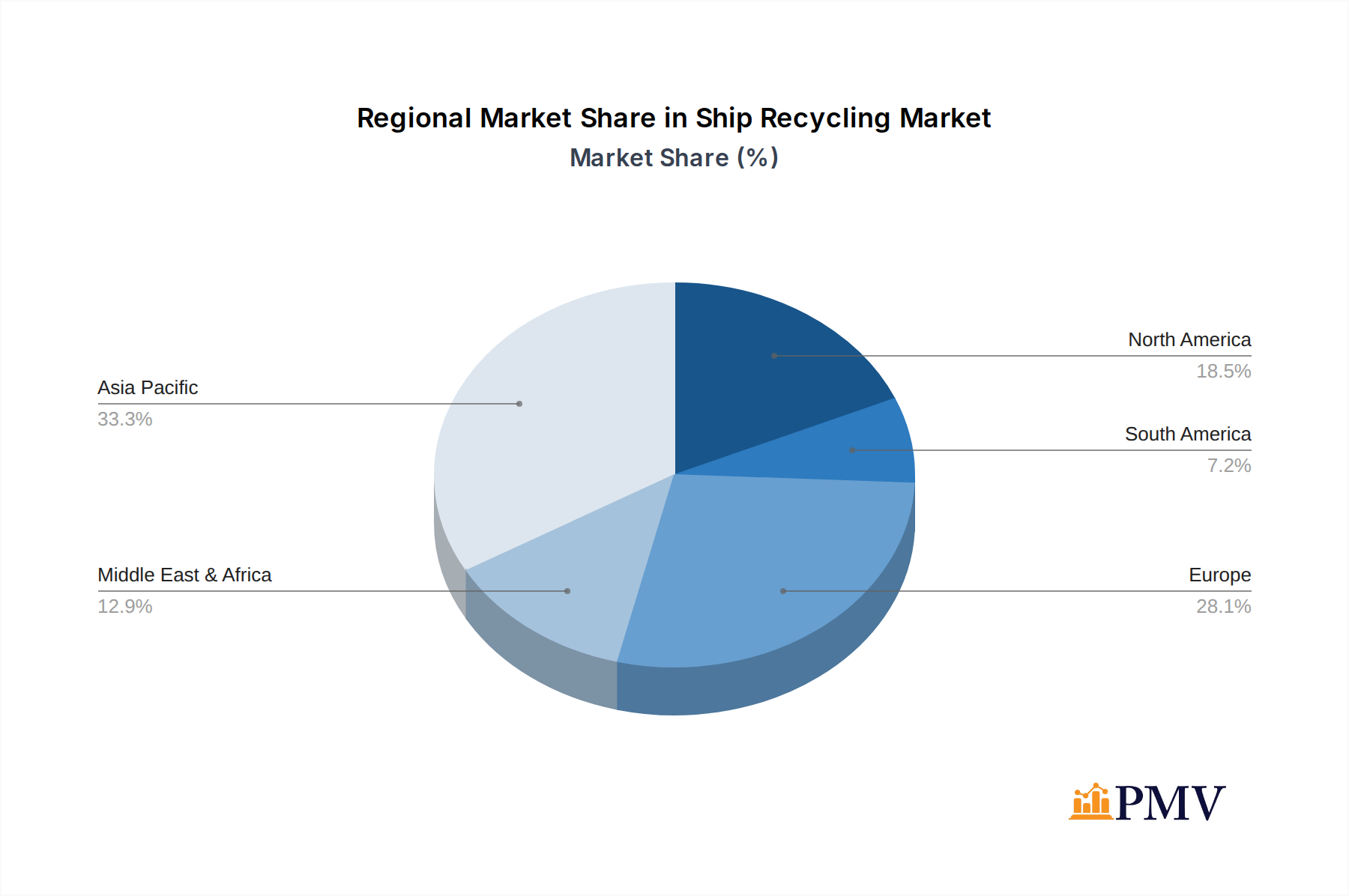
Ship Recycling Regional Market Share
Geographic Coverage of Ship Recycling
Ship Recycling REPORT HIGHLIGHTS
| Aspects | Details |
|---|---|
| Study Period | 2020-2034 |
| Base Year | 2025 |
| Estimated Year | 2026 |
| Forecast Period | 2026-2034 |
| Historical Period | 2020-2025 |
| Growth Rate | CAGR of 11.57% from 2020-2034 |
| Segmentation |
|
Table of Contents
- 1. Introduction
- 1.1. Research Scope
- 1.2. Market Segmentation
- 1.3. Research Methodology
- 1.4. Definitions and Assumptions
- 2. Executive Summary
- 2.1. Introduction
- 3. Market Dynamics
- 3.1. Introduction
- 3.2. Market Drivers
- 3.3. Market Restrains
- 3.4. Market Trends
- 4. Market Factor Analysis
- 4.1. Porters Five Forces
- 4.2. Supply/Value Chain
- 4.3. PESTEL analysis
- 4.4. Market Entropy
- 4.5. Patent/Trademark Analysis
- 5. Global Ship Recycling Analysis, Insights and Forecast, 2020-2032
- 5.1. Market Analysis, Insights and Forecast - by Application
- 5.1.1. Military
- 5.1.2. Business
- 5.1.3. Personal
- 5.2. Market Analysis, Insights and Forecast - by Types
- 5.2.1. Small and Medium Ship
- 5.2.2. Large Ship
- 5.3. Market Analysis, Insights and Forecast - by Region
- 5.3.1. North America
- 5.3.2. South America
- 5.3.3. Europe
- 5.3.4. Middle East & Africa
- 5.3.5. Asia Pacific
- 5.1. Market Analysis, Insights and Forecast - by Application
- 6. North America Ship Recycling Analysis, Insights and Forecast, 2020-2032
- 6.1. Market Analysis, Insights and Forecast - by Application
- 6.1.1. Military
- 6.1.2. Business
- 6.1.3. Personal
- 6.2. Market Analysis, Insights and Forecast - by Types
- 6.2.1. Small and Medium Ship
- 6.2.2. Large Ship
- 6.1. Market Analysis, Insights and Forecast - by Application
- 7. South America Ship Recycling Analysis, Insights and Forecast, 2020-2032
- 7.1. Market Analysis, Insights and Forecast - by Application
- 7.1.1. Military
- 7.1.2. Business
- 7.1.3. Personal
- 7.2. Market Analysis, Insights and Forecast - by Types
- 7.2.1. Small and Medium Ship
- 7.2.2. Large Ship
- 7.1. Market Analysis, Insights and Forecast - by Application
- 8. Europe Ship Recycling Analysis, Insights and Forecast, 2020-2032
- 8.1. Market Analysis, Insights and Forecast - by Application
- 8.1.1. Military
- 8.1.2. Business
- 8.1.3. Personal
- 8.2. Market Analysis, Insights and Forecast - by Types
- 8.2.1. Small and Medium Ship
- 8.2.2. Large Ship
- 8.1. Market Analysis, Insights and Forecast - by Application
- 9. Middle East & Africa Ship Recycling Analysis, Insights and Forecast, 2020-2032
- 9.1. Market Analysis, Insights and Forecast - by Application
- 9.1.1. Military
- 9.1.2. Business
- 9.1.3. Personal
- 9.2. Market Analysis, Insights and Forecast - by Types
- 9.2.1. Small and Medium Ship
- 9.2.2. Large Ship
- 9.1. Market Analysis, Insights and Forecast - by Application
- 10. Asia Pacific Ship Recycling Analysis, Insights and Forecast, 2020-2032
- 10.1. Market Analysis, Insights and Forecast - by Application
- 10.1.1. Military
- 10.1.2. Business
- 10.1.3. Personal
- 10.2. Market Analysis, Insights and Forecast - by Types
- 10.2.1. Small and Medium Ship
- 10.2.2. Large Ship
- 10.1. Market Analysis, Insights and Forecast - by Application
- 11. Competitive Analysis
- 11.1. Global Market Share Analysis 2025
- 11.2. Company Profiles
- 11.2.1 ALBA Group
- 11.2.1.1. Overview
- 11.2.1.2. Products
- 11.2.1.3. SWOT Analysis
- 11.2.1.4. Recent Developments
- 11.2.1.5. Financials (Based on Availability)
- 11.2.2 Boskalis
- 11.2.2.1. Overview
- 11.2.2.2. Products
- 11.2.2.3. SWOT Analysis
- 11.2.2.4. Recent Developments
- 11.2.2.5. Financials (Based on Availability)
- 11.2.3 Veolia
- 11.2.3.1. Overview
- 11.2.3.2. Products
- 11.2.3.3. SWOT Analysis
- 11.2.3.4. Recent Developments
- 11.2.3.5. Financials (Based on Availability)
- 11.2.4 Zhejiang Huahang Industrial Co.
- 11.2.4.1. Overview
- 11.2.4.2. Products
- 11.2.4.3. SWOT Analysis
- 11.2.4.4. Recent Developments
- 11.2.4.5. Financials (Based on Availability)
- 11.2.5 Ltd.
- 11.2.5.1. Overview
- 11.2.5.2. Products
- 11.2.5.3. SWOT Analysis
- 11.2.5.4. Recent Developments
- 11.2.5.5. Financials (Based on Availability)
- 11.2.6 Changjiang Ship-breaking Yard
- 11.2.6.1. Overview
- 11.2.6.2. Products
- 11.2.6.3. SWOT Analysis
- 11.2.6.4. Recent Developments
- 11.2.6.5. Financials (Based on Availability)
- 11.2.7 Leyal
- 11.2.7.1. Overview
- 11.2.7.2. Products
- 11.2.7.3. SWOT Analysis
- 11.2.7.4. Recent Developments
- 11.2.7.5. Financials (Based on Availability)
- 11.2.8 EMR Global
- 11.2.8.1. Overview
- 11.2.8.2. Products
- 11.2.8.3. SWOT Analysis
- 11.2.8.4. Recent Developments
- 11.2.8.5. Financials (Based on Availability)
- 11.2.9 BLRT Grupp
- 11.2.9.1. Overview
- 11.2.9.2. Products
- 11.2.9.3. SWOT Analysis
- 11.2.9.4. Recent Developments
- 11.2.9.5. Financials (Based on Availability)
- 11.2.10 San Giorgio del Porto S.p.A.
- 11.2.10.1. Overview
- 11.2.10.2. Products
- 11.2.10.3. SWOT Analysis
- 11.2.10.4. Recent Developments
- 11.2.10.5. Financials (Based on Availability)
- 11.2.11 Modern American Recycling Services
- 11.2.11.1. Overview
- 11.2.11.2. Products
- 11.2.11.3. SWOT Analysis
- 11.2.11.4. Recent Developments
- 11.2.11.5. Financials (Based on Availability)
- 11.2.12 Inc.
- 11.2.12.1. Overview
- 11.2.12.2. Products
- 11.2.12.3. SWOT Analysis
- 11.2.12.4. Recent Developments
- 11.2.12.5. Financials (Based on Availability)
- 11.2.1 ALBA Group
List of Figures
- Figure 1: Global Ship Recycling Revenue Breakdown (billion, %) by Region 2025 & 2033
- Figure 2: North America Ship Recycling Revenue (billion), by Application 2025 & 2033
- Figure 3: North America Ship Recycling Revenue Share (%), by Application 2025 & 2033
- Figure 4: North America Ship Recycling Revenue (billion), by Types 2025 & 2033
- Figure 5: North America Ship Recycling Revenue Share (%), by Types 2025 & 2033
- Figure 6: North America Ship Recycling Revenue (billion), by Country 2025 & 2033
- Figure 7: North America Ship Recycling Revenue Share (%), by Country 2025 & 2033
- Figure 8: South America Ship Recycling Revenue (billion), by Application 2025 & 2033
- Figure 9: South America Ship Recycling Revenue Share (%), by Application 2025 & 2033
- Figure 10: South America Ship Recycling Revenue (billion), by Types 2025 & 2033
- Figure 11: South America Ship Recycling Revenue Share (%), by Types 2025 & 2033
- Figure 12: South America Ship Recycling Revenue (billion), by Country 2025 & 2033
- Figure 13: South America Ship Recycling Revenue Share (%), by Country 2025 & 2033
- Figure 14: Europe Ship Recycling Revenue (billion), by Application 2025 & 2033
- Figure 15: Europe Ship Recycling Revenue Share (%), by Application 2025 & 2033
- Figure 16: Europe Ship Recycling Revenue (billion), by Types 2025 & 2033
- Figure 17: Europe Ship Recycling Revenue Share (%), by Types 2025 & 2033
- Figure 18: Europe Ship Recycling Revenue (billion), by Country 2025 & 2033
- Figure 19: Europe Ship Recycling Revenue Share (%), by Country 2025 & 2033
- Figure 20: Middle East & Africa Ship Recycling Revenue (billion), by Application 2025 & 2033
- Figure 21: Middle East & Africa Ship Recycling Revenue Share (%), by Application 2025 & 2033
- Figure 22: Middle East & Africa Ship Recycling Revenue (billion), by Types 2025 & 2033
- Figure 23: Middle East & Africa Ship Recycling Revenue Share (%), by Types 2025 & 2033
- Figure 24: Middle East & Africa Ship Recycling Revenue (billion), by Country 2025 & 2033
- Figure 25: Middle East & Africa Ship Recycling Revenue Share (%), by Country 2025 & 2033
- Figure 26: Asia Pacific Ship Recycling Revenue (billion), by Application 2025 & 2033
- Figure 27: Asia Pacific Ship Recycling Revenue Share (%), by Application 2025 & 2033
- Figure 28: Asia Pacific Ship Recycling Revenue (billion), by Types 2025 & 2033
- Figure 29: Asia Pacific Ship Recycling Revenue Share (%), by Types 2025 & 2033
- Figure 30: Asia Pacific Ship Recycling Revenue (billion), by Country 2025 & 2033
- Figure 31: Asia Pacific Ship Recycling Revenue Share (%), by Country 2025 & 2033
List of Tables
- Table 1: Global Ship Recycling Revenue billion Forecast, by Application 2020 & 2033
- Table 2: Global Ship Recycling Revenue billion Forecast, by Types 2020 & 2033
- Table 3: Global Ship Recycling Revenue billion Forecast, by Region 2020 & 2033
- Table 4: Global Ship Recycling Revenue billion Forecast, by Application 2020 & 2033
- Table 5: Global Ship Recycling Revenue billion Forecast, by Types 2020 & 2033
- Table 6: Global Ship Recycling Revenue billion Forecast, by Country 2020 & 2033
- Table 7: United States Ship Recycling Revenue (billion) Forecast, by Application 2020 & 2033
- Table 8: Canada Ship Recycling Revenue (billion) Forecast, by Application 2020 & 2033
- Table 9: Mexico Ship Recycling Revenue (billion) Forecast, by Application 2020 & 2033
- Table 10: Global Ship Recycling Revenue billion Forecast, by Application 2020 & 2033
- Table 11: Global Ship Recycling Revenue billion Forecast, by Types 2020 & 2033
- Table 12: Global Ship Recycling Revenue billion Forecast, by Country 2020 & 2033
- Table 13: Brazil Ship Recycling Revenue (billion) Forecast, by Application 2020 & 2033
- Table 14: Argentina Ship Recycling Revenue (billion) Forecast, by Application 2020 & 2033
- Table 15: Rest of South America Ship Recycling Revenue (billion) Forecast, by Application 2020 & 2033
- Table 16: Global Ship Recycling Revenue billion Forecast, by Application 2020 & 2033
- Table 17: Global Ship Recycling Revenue billion Forecast, by Types 2020 & 2033
- Table 18: Global Ship Recycling Revenue billion Forecast, by Country 2020 & 2033
- Table 19: United Kingdom Ship Recycling Revenue (billion) Forecast, by Application 2020 & 2033
- Table 20: Germany Ship Recycling Revenue (billion) Forecast, by Application 2020 & 2033
- Table 21: France Ship Recycling Revenue (billion) Forecast, by Application 2020 & 2033
- Table 22: Italy Ship Recycling Revenue (billion) Forecast, by Application 2020 & 2033
- Table 23: Spain Ship Recycling Revenue (billion) Forecast, by Application 2020 & 2033
- Table 24: Russia Ship Recycling Revenue (billion) Forecast, by Application 2020 & 2033
- Table 25: Benelux Ship Recycling Revenue (billion) Forecast, by Application 2020 & 2033
- Table 26: Nordics Ship Recycling Revenue (billion) Forecast, by Application 2020 & 2033
- Table 27: Rest of Europe Ship Recycling Revenue (billion) Forecast, by Application 2020 & 2033
- Table 28: Global Ship Recycling Revenue billion Forecast, by Application 2020 & 2033
- Table 29: Global Ship Recycling Revenue billion Forecast, by Types 2020 & 2033
- Table 30: Global Ship Recycling Revenue billion Forecast, by Country 2020 & 2033
- Table 31: Turkey Ship Recycling Revenue (billion) Forecast, by Application 2020 & 2033
- Table 32: Israel Ship Recycling Revenue (billion) Forecast, by Application 2020 & 2033
- Table 33: GCC Ship Recycling Revenue (billion) Forecast, by Application 2020 & 2033
- Table 34: North Africa Ship Recycling Revenue (billion) Forecast, by Application 2020 & 2033
- Table 35: South Africa Ship Recycling Revenue (billion) Forecast, by Application 2020 & 2033
- Table 36: Rest of Middle East & Africa Ship Recycling Revenue (billion) Forecast, by Application 2020 & 2033
- Table 37: Global Ship Recycling Revenue billion Forecast, by Application 2020 & 2033
- Table 38: Global Ship Recycling Revenue billion Forecast, by Types 2020 & 2033
- Table 39: Global Ship Recycling Revenue billion Forecast, by Country 2020 & 2033
- Table 40: China Ship Recycling Revenue (billion) Forecast, by Application 2020 & 2033
- Table 41: India Ship Recycling Revenue (billion) Forecast, by Application 2020 & 2033
- Table 42: Japan Ship Recycling Revenue (billion) Forecast, by Application 2020 & 2033
- Table 43: South Korea Ship Recycling Revenue (billion) Forecast, by Application 2020 & 2033
- Table 44: ASEAN Ship Recycling Revenue (billion) Forecast, by Application 2020 & 2033
- Table 45: Oceania Ship Recycling Revenue (billion) Forecast, by Application 2020 & 2033
- Table 46: Rest of Asia Pacific Ship Recycling Revenue (billion) Forecast, by Application 2020 & 2033
Frequently Asked Questions
1. What is the projected Compound Annual Growth Rate (CAGR) of the Ship Recycling?
The projected CAGR is approximately 11.57%.
2. Which companies are prominent players in the Ship Recycling?
Key companies in the market include ALBA Group, Boskalis, Veolia, Zhejiang Huahang Industrial Co., Ltd., Changjiang Ship-breaking Yard, Leyal, EMR Global, BLRT Grupp, San Giorgio del Porto S.p.A., Modern American Recycling Services, Inc..
3. What are the main segments of the Ship Recycling?
The market segments include Application, Types.
4. Can you provide details about the market size?
The market size is estimated to be USD 11.04 billion as of 2022.
5. What are some drivers contributing to market growth?
N/A
6. What are the notable trends driving market growth?
N/A
7. Are there any restraints impacting market growth?
N/A
8. Can you provide examples of recent developments in the market?
N/A
9. What pricing options are available for accessing the report?
Pricing options include single-user, multi-user, and enterprise licenses priced at USD 4900.00, USD 7350.00, and USD 9800.00 respectively.
10. Is the market size provided in terms of value or volume?
The market size is provided in terms of value, measured in billion.
11. Are there any specific market keywords associated with the report?
Yes, the market keyword associated with the report is "Ship Recycling," which aids in identifying and referencing the specific market segment covered.
12. How do I determine which pricing option suits my needs best?
The pricing options vary based on user requirements and access needs. Individual users may opt for single-user licenses, while businesses requiring broader access may choose multi-user or enterprise licenses for cost-effective access to the report.
13. Are there any additional resources or data provided in the Ship Recycling report?
While the report offers comprehensive insights, it's advisable to review the specific contents or supplementary materials provided to ascertain if additional resources or data are available.
14. How can I stay updated on further developments or reports in the Ship Recycling?
To stay informed about further developments, trends, and reports in the Ship Recycling, consider subscribing to industry newsletters, following relevant companies and organizations, or regularly checking reputable industry news sources and publications.
Methodology
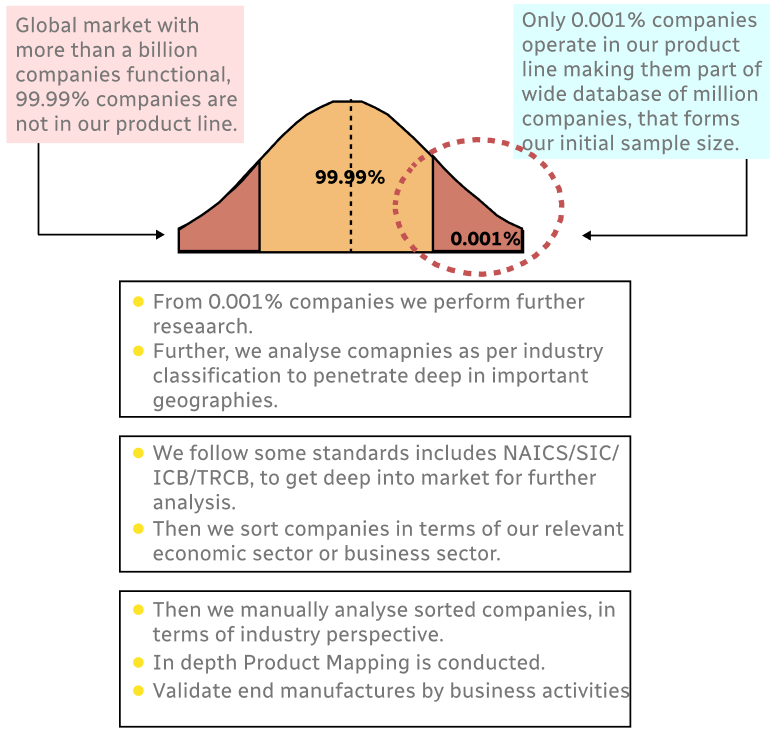
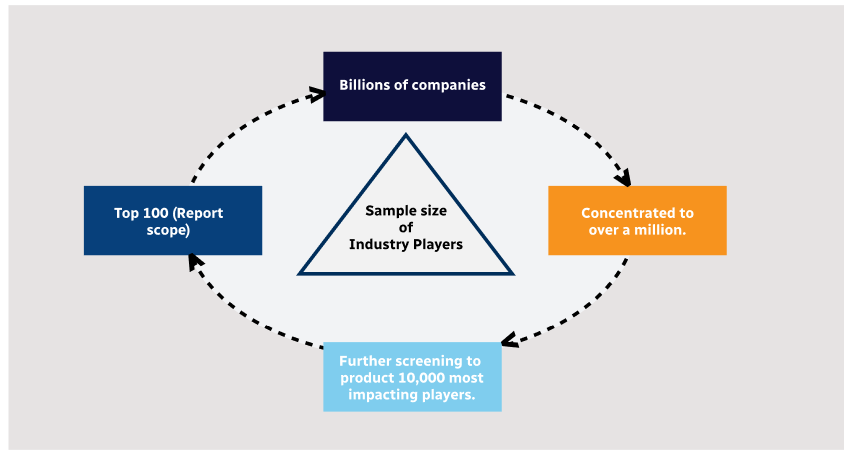
Step 1 - Identification of Relevant Samples Size from Population Database
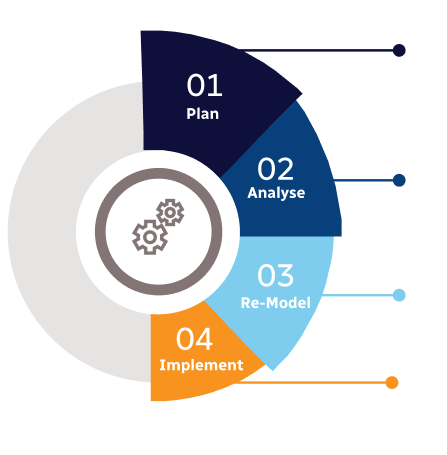
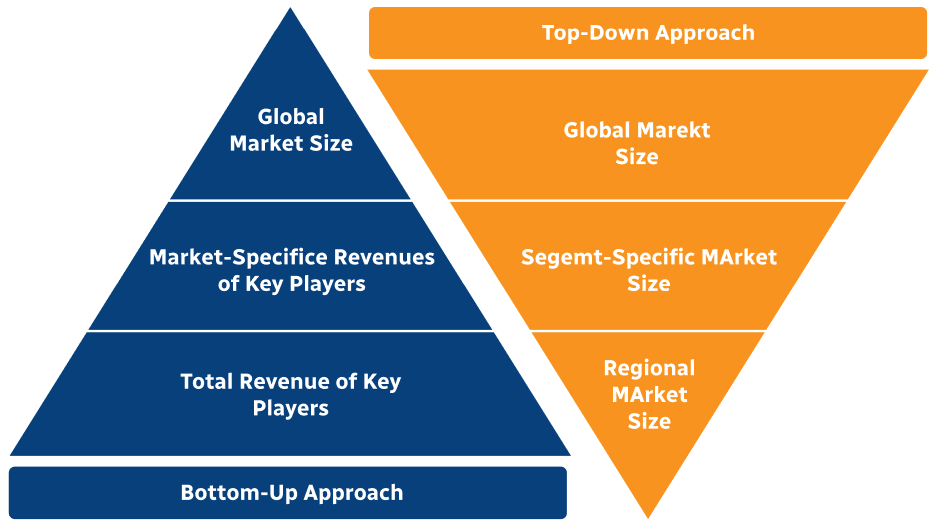
Step 2 - Approaches for Defining Global Market Size (Value, Volume* & Price*)
Note*: In applicable scenarios
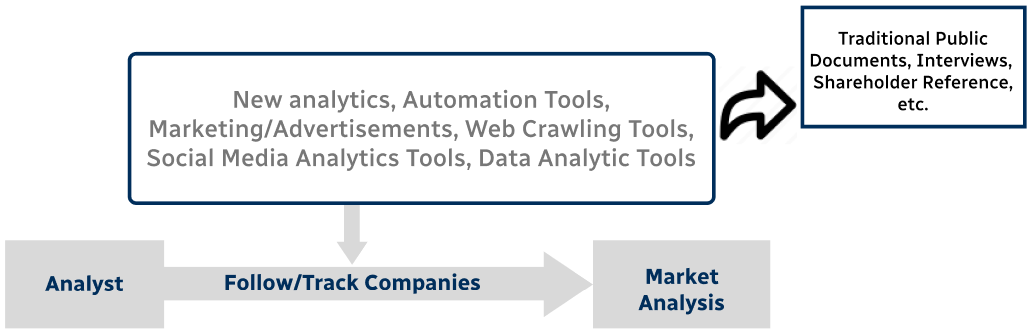
Step 3 - Data Sources
Primary Research
- Web Analytics
- Survey Reports
- Research Institute
- Latest Research Reports
- Opinion Leaders
Secondary Research
- Annual Reports
- White Paper
- Latest Press Release
- Industry Association
- Paid Database
- Investor Presentations
Step 4 - Data Triangulation
Involves using different sources of information in order to increase the validity of a study
These sources are likely to be stakeholders in a program - participants, other researchers, program staff, other community members, and so on.
Then we put all data in single framework & apply various statistical tools to find out the dynamic on the market.
During the analysis stage, feedback from the stakeholder groups would be compared to determine areas of agreement as well as areas of divergence