


Key Insights
The Runtime Application Self-Protection (RASP) Software market is poised for significant expansion, driven by the escalating complexity of cyber threats and the increasing reliance on digital applications across all business sizes. With a current market size estimated at approximately \$1.5 billion, the RASP market is projected to experience a robust Compound Annual Growth Rate (CAGR) of 22% over the forecast period of 2025-2033, reaching an estimated \$7.5 billion by 2033. This substantial growth is fueled by the growing awareness among organizations of the limitations of traditional security measures in the face of sophisticated attacks like zero-day exploits and in-memory attacks. RASP solutions offer a proactive and integrated approach to application security by embedding protection directly within the application's runtime environment, thereby detecting and mitigating threats in real-time. Key drivers include the stringent regulatory compliance landscape, such as GDPR and CCPA, which mandates robust data protection, and the burgeoning adoption of cloud-based applications, which inherently increase the attack surface. The shift towards DevSecOps practices further propels RASP adoption as it seamlessly integrates security into the software development lifecycle.
-Software.png&w=1920&q=75)
Runtime Application Self-Protection (RASP) Software Market Size (In Billion)

The market is segmenting effectively, with Large Enterprises representing a dominant share due to their extensive application portfolios and higher susceptibility to large-scale breaches. However, Small and Medium-sized Enterprises (SMEs) are rapidly increasing their adoption as RASP solutions become more accessible and cost-effective. In terms of deployment, Cloud-Based RASP solutions are witnessing accelerated growth, aligning with the overall cloud migration trend. On-premises solutions continue to hold a significant share, particularly in sectors with strict data residency requirements. Major players like Dynatrace, AppSealing, Jscrambler, and Contrast Security are actively innovating, offering advanced features and expanding their market reach. Geographically, North America, led by the United States, is anticipated to maintain its leading position due to early adoption and a mature cybersecurity ecosystem. The Asia Pacific region is expected to exhibit the highest growth rate, driven by rapid digital transformation and increasing cybersecurity investments in countries like China and India. Restraints include the perceived complexity of integration and a potential skills gap in understanding and managing RASP technologies, although ongoing vendor efforts are addressing these challenges through user-friendly interfaces and comprehensive support.
-Software.png&w=1920&q=75)
Runtime Application Self-Protection (RASP) Software Company Market Share
This comprehensive report provides an in-depth analysis of the global Runtime Application Self-Protection (RASP) Software market, a critical technology for securing modern applications against a rapidly evolving threat landscape. Covering the historical period from 2019 to 2024 and extending through a detailed forecast period of 2025 to 2033, with 2025 as the base and estimated year, this study offers invaluable insights for stakeholders seeking to understand market dynamics, identify growth opportunities, and navigate competitive challenges. We analyze market size, segmentation, key trends, regional dominance, product innovations, and the strategic outlook for this vital cybersecurity segment.
Runtime Application Self-Protection (RASP) Software Market Structure & Competitive Dynamics
The Runtime Application Self-Protection (RASP) Software market is characterized by a dynamic and evolving competitive landscape. Market concentration is moderately fragmented, with a mix of established cybersecurity giants and specialized RASP vendors vying for market share. Innovation ecosystems are thriving, driven by the continuous need to counter sophisticated application-layer attacks. Regulatory frameworks, including data privacy laws and industry-specific compliance mandates, are increasingly influencing RASP adoption. Product substitutes, such as Web Application Firewalls (WAFs) and traditional intrusion detection systems, exist but RASP offers a distinct, in-application security layer. End-user trends are leaning towards proactive, automated security solutions integrated directly into the application development lifecycle. Mergers and acquisitions (M&A) activities are notable, with larger cybersecurity firms acquiring innovative RASP startups to enhance their portfolios. For instance, M&A deal values are projected to reach an estimated $500 million by 2025, reflecting consolidation and strategic expansion. Key market players like Dynatrace, AppSealing, LIAPP, Jscrambler, Contrast Security, Micro Focus, Appdome, Imperva, Check Point, Trend Micro, Fastly, Rapid7, and Guardsquare are actively engaged in shaping market share, with leading players holding an estimated combined market share of 65%.
Runtime Application Self-Protection (RASP) Software Industry Trends & Insights
The Runtime Application Self-Protection (RASP) Software industry is poised for significant expansion, driven by several key trends. The escalating sophistication and frequency of cyberattacks targeting applications, including zero-day exploits and advanced persistent threats (APTs), are compelling organizations to adopt more robust security measures. RASP's ability to detect and block attacks in real-time, directly within the application's execution environment, provides a crucial layer of defense that traditional perimeter security often misses. The increasing adoption of microservices and cloud-native architectures further necessitates RASP, as these distributed environments present a more complex attack surface. Furthermore, the growing emphasis on DevSecOps practices, which integrate security into every stage of the software development lifecycle, aligns perfectly with RASP's intrinsic capabilities, enabling developers to build secure applications from the ground up.
Market growth drivers include stringent regulatory compliance requirements, such as GDPR and CCPA, which mandate robust data protection and application security. The rising cost of data breaches, both in financial terms and reputational damage, is also a significant impetus for RASP investment. Technological disruptions are primarily centered around advancements in artificial intelligence (AI) and machine learning (ML) integrated into RASP solutions to enhance threat detection accuracy and reduce false positives. These technologies enable RASP to learn normal application behavior and identify anomalous activities indicative of an attack. Consumer preferences are shifting towards solutions that offer minimal performance impact and seamless integration with existing IT infrastructure. The competitive dynamics are intensifying, with vendors differentiating themselves through advanced threat intelligence, broader language support, and specialized features for various application types.
The Compound Annual Growth Rate (CAGR) for the RASP software market is projected to be a robust 22.5% from 2025 to 2033, reflecting the growing demand for advanced application security. Market penetration is expected to increase significantly, moving from an estimated 30% in 2025 to over 60% by 2033. The market will witness a surge in demand from industries with high volumes of sensitive data and critical applications, such as finance, healthcare, and e-commerce. The evolution of attack vectors, including increasingly sophisticated client-side attacks and supply chain compromises, will further fuel the adoption of RASP as a necessary security control. The continuous innovation in RASP technology, focusing on low-overhead instrumentation, comprehensive language support, and intelligent threat correlation, will solidify its position as a cornerstone of modern application security strategies.
Dominant Markets & Segments in Runtime Application Self-Protection (RASP) Software
The global Runtime Application Self-Protection (RASP) Software market exhibits distinct regional and segment dominance. North America currently leads the market, driven by a strong emphasis on cybersecurity, a high concentration of large enterprises, and proactive regulatory enforcement. The United States, in particular, accounts for a significant portion of this regional dominance, fueled by substantial investments in advanced security technologies and a mature digital economy.
Application Segmentation Dominance:
- Large Enterprises: This segment is the primary driver of RASP adoption. Large enterprises, managing complex application portfolios and handling vast amounts of sensitive data, face the most significant threats and regulatory pressures. Their substantial IT budgets allow for the investment in sophisticated RASP solutions that offer comprehensive protection and integration capabilities. The need to secure mission-critical applications and comply with industry-specific regulations like PCI DSS and HIPAA makes RASP a non-negotiable security control. The market size for RASP in large enterprises is estimated to be $7,500 million by 2025, with a projected CAGR of 23.0%.
- SMEs (Small and Medium-sized Enterprises): While historically slower to adopt advanced security solutions due to budget constraints, SMEs are increasingly recognizing the value of RASP. The rising tide of cyber threats and the availability of more affordable, cloud-based RASP solutions are accelerating adoption. As SMEs handle sensitive customer data and rely heavily on digital services, the cost of a breach can be catastrophic. The projected market size for RASP in SMEs is $3,000 million by 2025, with a strong CAGR of 21.0%.
Type Segmentation Dominance:
- Cloud Based: Cloud-based RASP solutions are experiencing rapid growth and are projected to dominate the market. Their inherent scalability, flexibility, and ease of deployment align perfectly with the widespread adoption of cloud computing. Organizations leveraging public, private, or hybrid cloud environments find cloud-based RASP solutions to be cost-effective and simpler to manage, offering seamless integration with cloud-native applications and services. The market size for cloud-based RASP is estimated at $8,000 million by 2025, with a CAGR of 24.0%.
- On-premises: On-premises RASP solutions continue to be relevant for organizations with strict data residency requirements or those operating in highly regulated industries that mandate on-premises deployment for critical infrastructure. While growth is slower compared to cloud-based solutions, the demand from specific sectors, such as government and finance, ensures a stable market presence. The market size for on-premises RASP is estimated at $2,500 million by 2025, with a CAGR of 19.0%.
Key drivers for this dominance include economic policies favoring digital transformation, government initiatives promoting cybersecurity, and the continuous advancement of RASP technology making it more accessible and effective across different organizational sizes and deployment models.
Runtime Application Self-Protection (RASP) Software Product Innovations
RASP software innovations are primarily focused on enhancing real-time threat detection and mitigation capabilities directly within applications. Key developments include the integration of advanced AI and machine learning for anomaly detection, enabling RASP to identify novel and zero-day threats with greater accuracy. Further advancements are seen in broader language and framework support, ensuring comprehensive protection for diverse application stacks. Competitive advantages are being gained through lower performance overhead, simplified deployment mechanisms, and deeper integration with CI/CD pipelines for seamless DevSecOps adoption. The market is also witnessing innovation in automated incident response and intelligent policy enforcement tailored to specific application vulnerabilities.
Report Segmentation & Scope
This report segments the Runtime Application Self-Protection (RASP) Software market based on key criteria to provide granular insights. The primary segmentations include:
Application:
- Large Enterprises: This segment focuses on the needs and adoption patterns of large organizations, analyzing their RASP investment drivers and market penetration. Projections indicate a significant market size of approximately $7,500 million by 2025, with a substantial CAGR.
- SMEs (Small and Medium-sized Enterprises): This segment examines the adoption trends and growth potential within the SME sector, considering their unique challenges and evolving security needs. The estimated market size for SMEs is around $3,000 million by 2025, with robust growth projections.
Types:
- Cloud Based: This segmentation analyzes the rapidly growing market for cloud-hosted RASP solutions, highlighting their benefits and projected market share. The market size is estimated at $8,000 million by 2025, with strong competitive dynamics.
- On-premises: This segmentation details the market for RASP deployed within an organization's own data centers, focusing on industries with specific regulatory or infrastructure requirements. The estimated market size is $2,500 million by 2025.
The scope of this report encompasses the global RASP software market, providing detailed analysis across these segments for the historical period of 2019–2024 and forecasting through 2033.
Key Drivers of Runtime Application Self-Protection (RASP) Software Growth
The growth of the Runtime Application Self-Protection (RASP) Software market is propelled by several critical factors. Firstly, the escalating sophistication and frequency of cyberattacks targeting application vulnerabilities, including zero-day exploits and advanced persistent threats (APTs), necessitate proactive, in-application defenses that RASP provides. Secondly, increasingly stringent regulatory compliance mandates globally, such as GDPR, CCPA, and industry-specific regulations like HIPAA and PCI DSS, are forcing organizations to enhance their application security posture, making RASP a crucial tool for compliance. Thirdly, the rapid adoption of modern application architectures like microservices and cloud-native deployments creates a more distributed and complex attack surface, where RASP's ability to secure individual application components is invaluable. Finally, the rising cost associated with data breaches, encompassing financial losses, reputational damage, and regulatory fines, is driving significant investment in preventative security solutions like RASP.
Challenges in the Runtime Application Self-Protection (RASP) Software Sector
Despite robust growth, the Runtime Application Self-Protection (RASP) Software sector faces several challenges. One significant barrier is the complexity of integration and deployment, especially in legacy application environments or highly customized systems, which can lead to extended implementation times and increased costs. Another challenge is performance overhead, although significant advancements have been made, some RASP solutions can still introduce a noticeable impact on application performance, leading to hesitations in adoption. Lack of skilled personnel for managing and fine-tuning RASP deployments is also a concern, particularly for SMEs. Furthermore, perceived overlap with existing security solutions like WAFs can lead to confusion and delayed purchasing decisions, with an estimated 15% of potential customers delaying adoption due to this perceived redundancy. Vendor lock-in concerns and the need for continuous updates to counter evolving threats also present ongoing challenges.
Leading Players in the Runtime Application Self-Protection (RASP) Software Market
- Dynatrace
- AppSealing
- LIAPP
- Jscrambler
- Contrast Security
- Micro Focus
- Appdome
- Imperva
- Check Point
- Trend Micro
- Fastly
- Rapid7
- Guardsquare
Key Developments in Runtime Application Self-Protection (RASP) Software Sector
- 2023 Q4: Launch of AI-powered anomaly detection features by several RASP vendors, significantly improving zero-day threat identification.
- 2024 Q1: Increased focus on DevSecOps integration, with RASP solutions offering enhanced CI/CD pipeline compatibility and developer-friendly security testing.
- 2024 Q2: Major cloud providers enhancing their native security offerings to include RASP-like capabilities, driving further cloud-based adoption.
- 2024 Q3: Strategic partnerships announced between RASP vendors and application security testing (AST) tool providers to offer unified security solutions.
- 2024 Q4: Emergence of RASP solutions specifically tailored for IoT and edge computing environments, addressing their unique security vulnerabilities.
Strategic Runtime Application Self-Protection (RASP) Software Market Outlook
The future outlook for the Runtime Application Self-Protection (RASP) Software market is exceptionally strong, driven by an escalating global threat landscape and the increasing complexity of application architectures. Growth accelerators include the continued expansion of cloud computing and microservices, the persistent demand for regulatory compliance, and the growing awareness of application-level attack vectors. Strategic opportunities lie in developing more intelligent, automated, and developer-centric RASP solutions that offer seamless integration into modern software development lifecycles. Vendors focusing on specialized RASP offerings for niche industries or specific application types will also find significant market traction. The market is expected to witness continued innovation in AI/ML integration for advanced threat detection and mitigation, as well as a consolidation phase driven by strategic acquisitions.
Runtime Application Self-Protection (RASP) Software Segmentation
-
1. Application
- 1.1. Large Enterprises
- 1.2. SMEs
-
2. Types
- 2.1. Cloud Based
- 2.2. On-premises
Runtime Application Self-Protection (RASP) Software Segmentation By Geography
-
1. North America
- 1.1. United States
- 1.2. Canada
- 1.3. Mexico
-
2. South America
- 2.1. Brazil
- 2.2. Argentina
- 2.3. Rest of South America
-
3. Europe
- 3.1. United Kingdom
- 3.2. Germany
- 3.3. France
- 3.4. Italy
- 3.5. Spain
- 3.6. Russia
- 3.7. Benelux
- 3.8. Nordics
- 3.9. Rest of Europe
-
4. Middle East & Africa
- 4.1. Turkey
- 4.2. Israel
- 4.3. GCC
- 4.4. North Africa
- 4.5. South Africa
- 4.6. Rest of Middle East & Africa
-
5. Asia Pacific
- 5.1. China
- 5.2. India
- 5.3. Japan
- 5.4. South Korea
- 5.5. ASEAN
- 5.6. Oceania
- 5.7. Rest of Asia Pacific
-Software.png&w=1920&q=75)
Runtime Application Self-Protection (RASP) Software Regional Market Share
Geographic Coverage of Runtime Application Self-Protection (RASP) Software
Runtime Application Self-Protection (RASP) Software REPORT HIGHLIGHTS
| Aspects | Details |
|---|---|
| Study Period | 2020-2034 |
| Base Year | 2025 |
| Estimated Year | 2026 |
| Forecast Period | 2026-2034 |
| Historical Period | 2020-2025 |
| Growth Rate | CAGR of XX% from 2020-2034 |
| Segmentation |
|
Table of Contents
- 1. Introduction
- 1.1. Research Scope
- 1.2. Market Segmentation
- 1.3. Research Methodology
- 1.4. Definitions and Assumptions
- 2. Executive Summary
- 2.1. Introduction
- 3. Market Dynamics
- 3.1. Introduction
- 3.2. Market Drivers
- 3.3. Market Restrains
- 3.4. Market Trends
- 4. Market Factor Analysis
- 4.1. Porters Five Forces
- 4.2. Supply/Value Chain
- 4.3. PESTEL analysis
- 4.4. Market Entropy
- 4.5. Patent/Trademark Analysis
- 5. Global Runtime Application Self-Protection (RASP) Software Analysis, Insights and Forecast, 2020-2032
- 5.1. Market Analysis, Insights and Forecast - by Application
- 5.1.1. Large Enterprises
- 5.1.2. SMEs
- 5.2. Market Analysis, Insights and Forecast - by Types
- 5.2.1. Cloud Based
- 5.2.2. On-premises
- 5.3. Market Analysis, Insights and Forecast - by Region
- 5.3.1. North America
- 5.3.2. South America
- 5.3.3. Europe
- 5.3.4. Middle East & Africa
- 5.3.5. Asia Pacific
- 5.1. Market Analysis, Insights and Forecast - by Application
- 6. North America Runtime Application Self-Protection (RASP) Software Analysis, Insights and Forecast, 2020-2032
- 6.1. Market Analysis, Insights and Forecast - by Application
- 6.1.1. Large Enterprises
- 6.1.2. SMEs
- 6.2. Market Analysis, Insights and Forecast - by Types
- 6.2.1. Cloud Based
- 6.2.2. On-premises
- 6.1. Market Analysis, Insights and Forecast - by Application
- 7. South America Runtime Application Self-Protection (RASP) Software Analysis, Insights and Forecast, 2020-2032
- 7.1. Market Analysis, Insights and Forecast - by Application
- 7.1.1. Large Enterprises
- 7.1.2. SMEs
- 7.2. Market Analysis, Insights and Forecast - by Types
- 7.2.1. Cloud Based
- 7.2.2. On-premises
- 7.1. Market Analysis, Insights and Forecast - by Application
- 8. Europe Runtime Application Self-Protection (RASP) Software Analysis, Insights and Forecast, 2020-2032
- 8.1. Market Analysis, Insights and Forecast - by Application
- 8.1.1. Large Enterprises
- 8.1.2. SMEs
- 8.2. Market Analysis, Insights and Forecast - by Types
- 8.2.1. Cloud Based
- 8.2.2. On-premises
- 8.1. Market Analysis, Insights and Forecast - by Application
- 9. Middle East & Africa Runtime Application Self-Protection (RASP) Software Analysis, Insights and Forecast, 2020-2032
- 9.1. Market Analysis, Insights and Forecast - by Application
- 9.1.1. Large Enterprises
- 9.1.2. SMEs
- 9.2. Market Analysis, Insights and Forecast - by Types
- 9.2.1. Cloud Based
- 9.2.2. On-premises
- 9.1. Market Analysis, Insights and Forecast - by Application
- 10. Asia Pacific Runtime Application Self-Protection (RASP) Software Analysis, Insights and Forecast, 2020-2032
- 10.1. Market Analysis, Insights and Forecast - by Application
- 10.1.1. Large Enterprises
- 10.1.2. SMEs
- 10.2. Market Analysis, Insights and Forecast - by Types
- 10.2.1. Cloud Based
- 10.2.2. On-premises
- 10.1. Market Analysis, Insights and Forecast - by Application
- 11. Competitive Analysis
- 11.1. Global Market Share Analysis 2025
- 11.2. Company Profiles
- 11.2.1 Dynatrace
- 11.2.1.1. Overview
- 11.2.1.2. Products
- 11.2.1.3. SWOT Analysis
- 11.2.1.4. Recent Developments
- 11.2.1.5. Financials (Based on Availability)
- 11.2.2 AppSealing
- 11.2.2.1. Overview
- 11.2.2.2. Products
- 11.2.2.3. SWOT Analysis
- 11.2.2.4. Recent Developments
- 11.2.2.5. Financials (Based on Availability)
- 11.2.3 LIAPP
- 11.2.3.1. Overview
- 11.2.3.2. Products
- 11.2.3.3. SWOT Analysis
- 11.2.3.4. Recent Developments
- 11.2.3.5. Financials (Based on Availability)
- 11.2.4 Jscrambler
- 11.2.4.1. Overview
- 11.2.4.2. Products
- 11.2.4.3. SWOT Analysis
- 11.2.4.4. Recent Developments
- 11.2.4.5. Financials (Based on Availability)
- 11.2.5 Contrast Security
- 11.2.5.1. Overview
- 11.2.5.2. Products
- 11.2.5.3. SWOT Analysis
- 11.2.5.4. Recent Developments
- 11.2.5.5. Financials (Based on Availability)
- 11.2.6 Micro Focus
- 11.2.6.1. Overview
- 11.2.6.2. Products
- 11.2.6.3. SWOT Analysis
- 11.2.6.4. Recent Developments
- 11.2.6.5. Financials (Based on Availability)
- 11.2.7 Appdome
- 11.2.7.1. Overview
- 11.2.7.2. Products
- 11.2.7.3. SWOT Analysis
- 11.2.7.4. Recent Developments
- 11.2.7.5. Financials (Based on Availability)
- 11.2.8 Imperva
- 11.2.8.1. Overview
- 11.2.8.2. Products
- 11.2.8.3. SWOT Analysis
- 11.2.8.4. Recent Developments
- 11.2.8.5. Financials (Based on Availability)
- 11.2.9 Check Point
- 11.2.9.1. Overview
- 11.2.9.2. Products
- 11.2.9.3. SWOT Analysis
- 11.2.9.4. Recent Developments
- 11.2.9.5. Financials (Based on Availability)
- 11.2.10 Trend Micro
- 11.2.10.1. Overview
- 11.2.10.2. Products
- 11.2.10.3. SWOT Analysis
- 11.2.10.4. Recent Developments
- 11.2.10.5. Financials (Based on Availability)
- 11.2.11 Fastly
- 11.2.11.1. Overview
- 11.2.11.2. Products
- 11.2.11.3. SWOT Analysis
- 11.2.11.4. Recent Developments
- 11.2.11.5. Financials (Based on Availability)
- 11.2.12 Rapid7
- 11.2.12.1. Overview
- 11.2.12.2. Products
- 11.2.12.3. SWOT Analysis
- 11.2.12.4. Recent Developments
- 11.2.12.5. Financials (Based on Availability)
- 11.2.13 Guardsquare
- 11.2.13.1. Overview
- 11.2.13.2. Products
- 11.2.13.3. SWOT Analysis
- 11.2.13.4. Recent Developments
- 11.2.13.5. Financials (Based on Availability)
- 11.2.1 Dynatrace
List of Figures
- Figure 1: Global Runtime Application Self-Protection (RASP) Software Revenue Breakdown (million, %) by Region 2025 & 2033
- Figure 2: North America Runtime Application Self-Protection (RASP) Software Revenue (million), by Application 2025 & 2033
- Figure 3: North America Runtime Application Self-Protection (RASP) Software Revenue Share (%), by Application 2025 & 2033
- Figure 4: North America Runtime Application Self-Protection (RASP) Software Revenue (million), by Types 2025 & 2033
- Figure 5: North America Runtime Application Self-Protection (RASP) Software Revenue Share (%), by Types 2025 & 2033
- Figure 6: North America Runtime Application Self-Protection (RASP) Software Revenue (million), by Country 2025 & 2033
- Figure 7: North America Runtime Application Self-Protection (RASP) Software Revenue Share (%), by Country 2025 & 2033
- Figure 8: South America Runtime Application Self-Protection (RASP) Software Revenue (million), by Application 2025 & 2033
- Figure 9: South America Runtime Application Self-Protection (RASP) Software Revenue Share (%), by Application 2025 & 2033
- Figure 10: South America Runtime Application Self-Protection (RASP) Software Revenue (million), by Types 2025 & 2033
- Figure 11: South America Runtime Application Self-Protection (RASP) Software Revenue Share (%), by Types 2025 & 2033
- Figure 12: South America Runtime Application Self-Protection (RASP) Software Revenue (million), by Country 2025 & 2033
- Figure 13: South America Runtime Application Self-Protection (RASP) Software Revenue Share (%), by Country 2025 & 2033
- Figure 14: Europe Runtime Application Self-Protection (RASP) Software Revenue (million), by Application 2025 & 2033
- Figure 15: Europe Runtime Application Self-Protection (RASP) Software Revenue Share (%), by Application 2025 & 2033
- Figure 16: Europe Runtime Application Self-Protection (RASP) Software Revenue (million), by Types 2025 & 2033
- Figure 17: Europe Runtime Application Self-Protection (RASP) Software Revenue Share (%), by Types 2025 & 2033
- Figure 18: Europe Runtime Application Self-Protection (RASP) Software Revenue (million), by Country 2025 & 2033
- Figure 19: Europe Runtime Application Self-Protection (RASP) Software Revenue Share (%), by Country 2025 & 2033
- Figure 20: Middle East & Africa Runtime Application Self-Protection (RASP) Software Revenue (million), by Application 2025 & 2033
- Figure 21: Middle East & Africa Runtime Application Self-Protection (RASP) Software Revenue Share (%), by Application 2025 & 2033
- Figure 22: Middle East & Africa Runtime Application Self-Protection (RASP) Software Revenue (million), by Types 2025 & 2033
- Figure 23: Middle East & Africa Runtime Application Self-Protection (RASP) Software Revenue Share (%), by Types 2025 & 2033
- Figure 24: Middle East & Africa Runtime Application Self-Protection (RASP) Software Revenue (million), by Country 2025 & 2033
- Figure 25: Middle East & Africa Runtime Application Self-Protection (RASP) Software Revenue Share (%), by Country 2025 & 2033
- Figure 26: Asia Pacific Runtime Application Self-Protection (RASP) Software Revenue (million), by Application 2025 & 2033
- Figure 27: Asia Pacific Runtime Application Self-Protection (RASP) Software Revenue Share (%), by Application 2025 & 2033
- Figure 28: Asia Pacific Runtime Application Self-Protection (RASP) Software Revenue (million), by Types 2025 & 2033
- Figure 29: Asia Pacific Runtime Application Self-Protection (RASP) Software Revenue Share (%), by Types 2025 & 2033
- Figure 30: Asia Pacific Runtime Application Self-Protection (RASP) Software Revenue (million), by Country 2025 & 2033
- Figure 31: Asia Pacific Runtime Application Self-Protection (RASP) Software Revenue Share (%), by Country 2025 & 2033
List of Tables
- Table 1: Global Runtime Application Self-Protection (RASP) Software Revenue million Forecast, by Application 2020 & 2033
- Table 2: Global Runtime Application Self-Protection (RASP) Software Revenue million Forecast, by Types 2020 & 2033
- Table 3: Global Runtime Application Self-Protection (RASP) Software Revenue million Forecast, by Region 2020 & 2033
- Table 4: Global Runtime Application Self-Protection (RASP) Software Revenue million Forecast, by Application 2020 & 2033
- Table 5: Global Runtime Application Self-Protection (RASP) Software Revenue million Forecast, by Types 2020 & 2033
- Table 6: Global Runtime Application Self-Protection (RASP) Software Revenue million Forecast, by Country 2020 & 2033
- Table 7: United States Runtime Application Self-Protection (RASP) Software Revenue (million) Forecast, by Application 2020 & 2033
- Table 8: Canada Runtime Application Self-Protection (RASP) Software Revenue (million) Forecast, by Application 2020 & 2033
- Table 9: Mexico Runtime Application Self-Protection (RASP) Software Revenue (million) Forecast, by Application 2020 & 2033
- Table 10: Global Runtime Application Self-Protection (RASP) Software Revenue million Forecast, by Application 2020 & 2033
- Table 11: Global Runtime Application Self-Protection (RASP) Software Revenue million Forecast, by Types 2020 & 2033
- Table 12: Global Runtime Application Self-Protection (RASP) Software Revenue million Forecast, by Country 2020 & 2033
- Table 13: Brazil Runtime Application Self-Protection (RASP) Software Revenue (million) Forecast, by Application 2020 & 2033
- Table 14: Argentina Runtime Application Self-Protection (RASP) Software Revenue (million) Forecast, by Application 2020 & 2033
- Table 15: Rest of South America Runtime Application Self-Protection (RASP) Software Revenue (million) Forecast, by Application 2020 & 2033
- Table 16: Global Runtime Application Self-Protection (RASP) Software Revenue million Forecast, by Application 2020 & 2033
- Table 17: Global Runtime Application Self-Protection (RASP) Software Revenue million Forecast, by Types 2020 & 2033
- Table 18: Global Runtime Application Self-Protection (RASP) Software Revenue million Forecast, by Country 2020 & 2033
- Table 19: United Kingdom Runtime Application Self-Protection (RASP) Software Revenue (million) Forecast, by Application 2020 & 2033
- Table 20: Germany Runtime Application Self-Protection (RASP) Software Revenue (million) Forecast, by Application 2020 & 2033
- Table 21: France Runtime Application Self-Protection (RASP) Software Revenue (million) Forecast, by Application 2020 & 2033
- Table 22: Italy Runtime Application Self-Protection (RASP) Software Revenue (million) Forecast, by Application 2020 & 2033
- Table 23: Spain Runtime Application Self-Protection (RASP) Software Revenue (million) Forecast, by Application 2020 & 2033
- Table 24: Russia Runtime Application Self-Protection (RASP) Software Revenue (million) Forecast, by Application 2020 & 2033
- Table 25: Benelux Runtime Application Self-Protection (RASP) Software Revenue (million) Forecast, by Application 2020 & 2033
- Table 26: Nordics Runtime Application Self-Protection (RASP) Software Revenue (million) Forecast, by Application 2020 & 2033
- Table 27: Rest of Europe Runtime Application Self-Protection (RASP) Software Revenue (million) Forecast, by Application 2020 & 2033
- Table 28: Global Runtime Application Self-Protection (RASP) Software Revenue million Forecast, by Application 2020 & 2033
- Table 29: Global Runtime Application Self-Protection (RASP) Software Revenue million Forecast, by Types 2020 & 2033
- Table 30: Global Runtime Application Self-Protection (RASP) Software Revenue million Forecast, by Country 2020 & 2033
- Table 31: Turkey Runtime Application Self-Protection (RASP) Software Revenue (million) Forecast, by Application 2020 & 2033
- Table 32: Israel Runtime Application Self-Protection (RASP) Software Revenue (million) Forecast, by Application 2020 & 2033
- Table 33: GCC Runtime Application Self-Protection (RASP) Software Revenue (million) Forecast, by Application 2020 & 2033
- Table 34: North Africa Runtime Application Self-Protection (RASP) Software Revenue (million) Forecast, by Application 2020 & 2033
- Table 35: South Africa Runtime Application Self-Protection (RASP) Software Revenue (million) Forecast, by Application 2020 & 2033
- Table 36: Rest of Middle East & Africa Runtime Application Self-Protection (RASP) Software Revenue (million) Forecast, by Application 2020 & 2033
- Table 37: Global Runtime Application Self-Protection (RASP) Software Revenue million Forecast, by Application 2020 & 2033
- Table 38: Global Runtime Application Self-Protection (RASP) Software Revenue million Forecast, by Types 2020 & 2033
- Table 39: Global Runtime Application Self-Protection (RASP) Software Revenue million Forecast, by Country 2020 & 2033
- Table 40: China Runtime Application Self-Protection (RASP) Software Revenue (million) Forecast, by Application 2020 & 2033
- Table 41: India Runtime Application Self-Protection (RASP) Software Revenue (million) Forecast, by Application 2020 & 2033
- Table 42: Japan Runtime Application Self-Protection (RASP) Software Revenue (million) Forecast, by Application 2020 & 2033
- Table 43: South Korea Runtime Application Self-Protection (RASP) Software Revenue (million) Forecast, by Application 2020 & 2033
- Table 44: ASEAN Runtime Application Self-Protection (RASP) Software Revenue (million) Forecast, by Application 2020 & 2033
- Table 45: Oceania Runtime Application Self-Protection (RASP) Software Revenue (million) Forecast, by Application 2020 & 2033
- Table 46: Rest of Asia Pacific Runtime Application Self-Protection (RASP) Software Revenue (million) Forecast, by Application 2020 & 2033
Frequently Asked Questions
1. What is the projected Compound Annual Growth Rate (CAGR) of the Runtime Application Self-Protection (RASP) Software?
The projected CAGR is approximately XX%.
2. Which companies are prominent players in the Runtime Application Self-Protection (RASP) Software?
Key companies in the market include Dynatrace, AppSealing, LIAPP, Jscrambler, Contrast Security, Micro Focus, Appdome, Imperva, Check Point, Trend Micro, Fastly, Rapid7, Guardsquare.
3. What are the main segments of the Runtime Application Self-Protection (RASP) Software?
The market segments include Application, Types.
4. Can you provide details about the market size?
The market size is estimated to be USD XXX million as of 2022.
5. What are some drivers contributing to market growth?
N/A
6. What are the notable trends driving market growth?
N/A
7. Are there any restraints impacting market growth?
N/A
8. Can you provide examples of recent developments in the market?
N/A
9. What pricing options are available for accessing the report?
Pricing options include single-user, multi-user, and enterprise licenses priced at USD 3350.00, USD 5025.00, and USD 6700.00 respectively.
10. Is the market size provided in terms of value or volume?
The market size is provided in terms of value, measured in million.
11. Are there any specific market keywords associated with the report?
Yes, the market keyword associated with the report is "Runtime Application Self-Protection (RASP) Software," which aids in identifying and referencing the specific market segment covered.
12. How do I determine which pricing option suits my needs best?
The pricing options vary based on user requirements and access needs. Individual users may opt for single-user licenses, while businesses requiring broader access may choose multi-user or enterprise licenses for cost-effective access to the report.
13. Are there any additional resources or data provided in the Runtime Application Self-Protection (RASP) Software report?
While the report offers comprehensive insights, it's advisable to review the specific contents or supplementary materials provided to ascertain if additional resources or data are available.
14. How can I stay updated on further developments or reports in the Runtime Application Self-Protection (RASP) Software?
To stay informed about further developments, trends, and reports in the Runtime Application Self-Protection (RASP) Software, consider subscribing to industry newsletters, following relevant companies and organizations, or regularly checking reputable industry news sources and publications.
Methodology
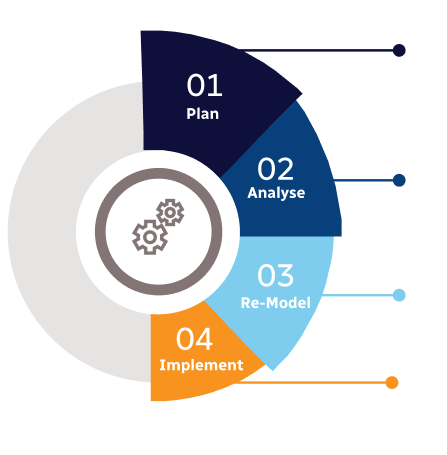
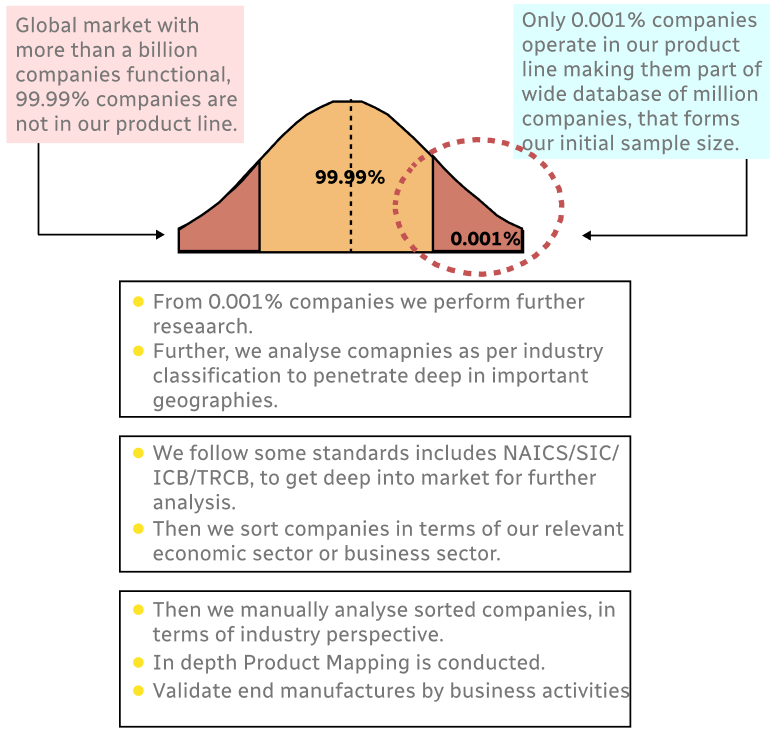
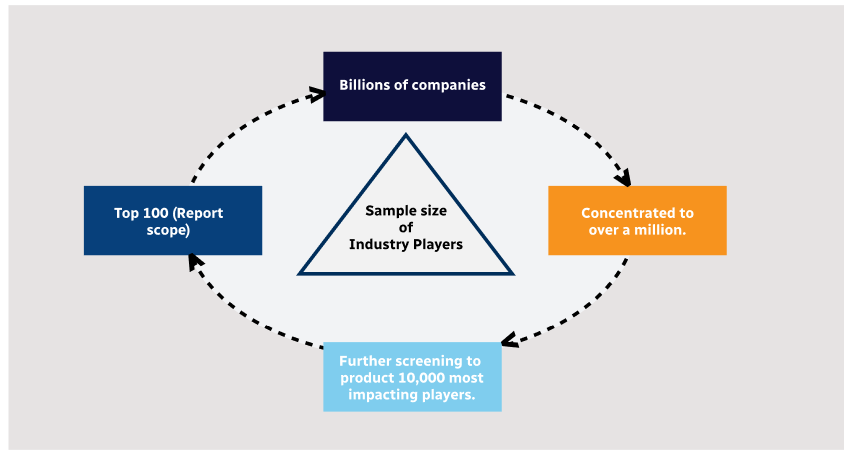
Step 1 - Identification of Relevant Samples Size from Population Database
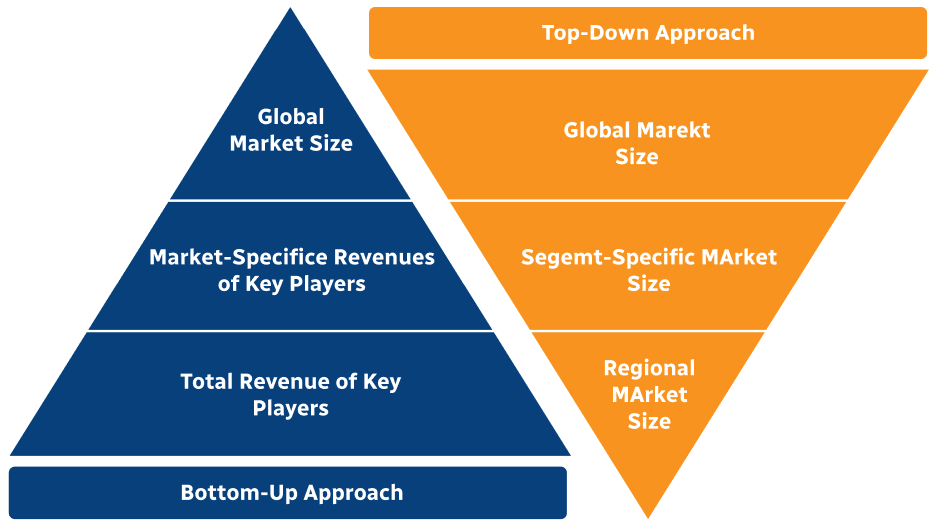
Step 2 - Approaches for Defining Global Market Size (Value, Volume* & Price*)
Note*: In applicable scenarios
Step 3 - Data Sources
Primary Research
- Web Analytics
- Survey Reports
- Research Institute
- Latest Research Reports
- Opinion Leaders
Secondary Research
- Annual Reports
- White Paper
- Latest Press Release
- Industry Association
- Paid Database
- Investor Presentations
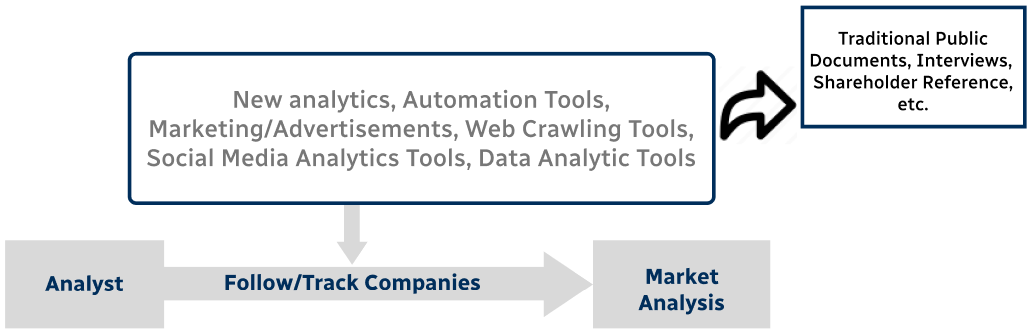
Step 4 - Data Triangulation
Involves using different sources of information in order to increase the validity of a study
These sources are likely to be stakeholders in a program - participants, other researchers, program staff, other community members, and so on.
Then we put all data in single framework & apply various statistical tools to find out the dynamic on the market.
During the analysis stage, feedback from the stakeholder groups would be compared to determine areas of agreement as well as areas of divergence