



Key Insights
The global Route Optimization Software Market is poised for significant expansion, projected to reach USD 6.99 Billion by 2025, driven by an impressive Compound Annual Growth Rate (CAGR) of 14.70% over the forecast period. This robust growth is fueled by the escalating need for operational efficiency across diverse industries. Key drivers include the burgeoning demand for on-demand food delivery services, the increasing complexity of retail and FMCG supply chains, and the growing reliance on field services for maintenance and repair. Furthermore, the ride-hailing and taxi services sector actively leverages route optimization to enhance driver productivity and customer satisfaction. The adoption of advanced algorithms and AI-powered solutions is transforming how businesses plan and execute deliveries and service calls, leading to substantial cost reductions in fuel, labor, and vehicle maintenance. The market is witnessing a strong inclination towards cloud-based deployment models due to their scalability, flexibility, and cost-effectiveness, although on-premise solutions continue to cater to specific enterprise needs for data security and control.

Route Optimization Software Market Market Size (In Million)

The market segmentation reveals a broad adoption base, with small and medium enterprises (SMEs) and large enterprises alike recognizing the strategic advantage of optimized routing. The retail and FMCG sector, along with on-demand food delivery, are emerging as dominant end-user verticals, capitalizing on the software's ability to streamline last-mile logistics. However, challenges such as the initial cost of implementation and the need for skilled personnel to manage and interpret complex routing data can act as restraints. Geographically, North America and Europe currently lead the market due to established technological infrastructure and a high concentration of businesses reliant on efficient logistics. The Asia Pacific region, with its rapidly growing e-commerce and delivery networks, presents a significant growth opportunity. As businesses across the globe continue to prioritize speed, cost savings, and enhanced customer experiences, the demand for sophisticated route optimization software is expected to accelerate, making it an indispensable tool for modern business operations.

Route Optimization Software Market Company Market Share

This in-depth report provides a panoramic view of the global Route Optimization Software Market, offering critical insights into market dynamics, growth drivers, segmentation analysis, and competitive landscapes. With a comprehensive study period from 2019 to 2033, this report leverages a base year of 2025 and a forecast period of 2025–2033, analyzing historical data from 2019–2024. Essential for fleet management software, logistics optimization, and supply chain efficiency, this analysis delves into the core components driving the adoption of advanced routing solutions. The Route Optimization Software Market is poised for significant expansion, driven by the increasing demand for efficient delivery networks and reduced operational costs across various industries.
Route Optimization Software Market Market Structure & Competitive Dynamics
The Route Optimization Software Market exhibits a moderately concentrated structure, with a blend of large, established players and a growing number of specialized, agile vendors. Innovation ecosystems are thriving, fueled by continuous advancements in AI, machine learning, and real-time data analytics that enhance dynamic route planning and delivery route optimization. Regulatory frameworks, particularly those concerning driver hours and emissions, indirectly influence the adoption of route optimization tools to ensure compliance and operational efficiency. Product substitutes, such as manual route planning or less sophisticated GPS systems, are gradually being eclipsed by the advanced capabilities offered by dedicated route optimization software. End-user trends indicate a strong preference for solutions that offer scalability, real-time visibility, and seamless integration with existing enterprise systems, driving the demand for cloud-based route optimization and mobile route optimization. Mergers and acquisitions (M&A) are active, with strategic consolidations aiming to expand product portfolios, customer reach, and technological capabilities. For instance, recent acquisitions have focused on integrating telematics, workforce management, and advanced analytics into core routing platforms. The market share of leading vendors is influenced by their ability to innovate and cater to specific industry needs, particularly in high-growth sectors like on-demand food delivery and e-commerce logistics.
Route Optimization Software Market Industry Trends & Insights
The Route Optimization Software Market is experiencing robust growth, propelled by a confluence of factors revolutionizing how businesses manage their fleets and deliveries. The escalating demand for last-mile delivery optimization across sectors like retail, e-commerce, and food services is a primary growth driver. Businesses are increasingly recognizing the critical role of efficient routing in reducing fuel costs, minimizing delivery times, and enhancing customer satisfaction, thereby boosting the adoption of sophisticated route planning software. Technological disruptions, particularly the integration of Artificial Intelligence (AI) and Machine Learning (ML), are transforming the capabilities of route optimization solutions. AI-powered algorithms can now analyze vast datasets, including traffic patterns, weather conditions, delivery windows, and vehicle capacity, to generate highly optimized routes in real-time. This facilitates dynamic route adjustments and proactive problem-solving, significantly improving operational efficiency. Consumer preferences are also shifting towards faster, more reliable deliveries, compelling companies to invest in technologies that can meet these expectations. The competitive dynamics within the market are intense, with vendors differentiating themselves through feature-rich platforms, superior user experience, and specialized solutions tailored to niche industry requirements. The rise of the gig economy and the increasing complexity of urban logistics further necessitate advanced delivery management systems and dispatch optimization tools. The market penetration of route optimization solutions is expected to deepen as more Small and Medium Enterprises (SMEs) recognize the ROI and competitive advantages offered by these technologies. The Compound Annual Growth Rate (CAGR) is projected to remain strong, reflecting the sustained demand for efficiency and cost savings in logistics operations. The increasing adoption of SaaS route optimization further democratizes access to these powerful tools.
Dominant Markets & Segments in Route Optimization Software Market
The Route Optimization Software Market is characterized by distinct dominance across various segments, driven by specific industry needs and technological adoption patterns.
End-user Vertical Dominance:
- On-Demand Food Delivery: This vertical consistently leads in the adoption of route optimization software. The sheer volume of daily deliveries, strict time windows, and the need for real-time driver tracking and dispatch make efficient routing a non-negotiable requirement. The competitive landscape in food delivery mandates speed and reliability, directly benefiting from advanced delivery route optimization.
- Retail and FMCG: With the surge in e-commerce and the demand for faster fulfillment, this segment is a significant contributor. Efficient inventory management, multi-stop delivery optimization, and the need to serve a wide geographical area necessitate sophisticated route planning to reduce operational costs and improve customer experience.
- Field Services: Industries such as plumbing, electrical, HVAC, and maintenance rely heavily on route optimization to minimize travel time between job sites. This segment benefits from solutions that can schedule appointments, dispatch technicians efficiently, and manage dynamic changes due to unforeseen circumstances, leading to increased field service management efficiency.
- Ride Hailing and Taxi Services: While often integrated into broader mobility platforms, core route optimization principles are fundamental to matching riders with drivers efficiently, minimizing wait times, and optimizing driver utilization. The focus is on real-time traffic data and dynamic re-routing to enhance service quality and driver earnings.
- Other End-user Verticals: This broad category includes logistics and transportation companies, waste management, courier services, and government agencies, all of which are increasingly adopting route optimization for enhanced efficiency and cost savings.
Size of the Organization Dominance:
- Large Enterprises: These organizations have been early adopters of route optimization software due to their extensive fleet operations and the significant cost savings achievable. They possess the resources to invest in comprehensive, integrated solutions and often drive innovation through their demanding requirements.
- Small and Medium Enterprise (SME): The increasing availability of cloud-based route optimization and subscription-based models has made these powerful tools accessible and affordable for SMEs. They are increasingly leveraging these solutions to compete with larger players by improving their delivery efficiency and customer service.
Deployment Mode Dominance:
- Cloud: The market is strongly leaning towards cloud-based route optimization. The scalability, flexibility, lower upfront costs, and ease of access offered by cloud solutions make them highly attractive for businesses of all sizes. Regular updates and maintenance handled by the vendor further reduce the burden on IT departments.
- On-Premise: While traditionally dominant, on-premise solutions are seeing a gradual decline in market share as organizations migrate to cloud-based alternatives. However, some enterprises with strict data security requirements or existing IT infrastructure may still opt for on-premise deployments.
Route Optimization Software Market Product Innovations
Key product innovations in the Route Optimization Software Market are centered around leveraging advanced technologies to provide unparalleled efficiency and user experience. The integration of AI and Machine Learning enables predictive analytics for traffic and weather, leading to more accurate real-time route planning. Developments include sophisticated algorithms for handling complex constraints like vehicle capacity, delivery time windows, and driver availability, thereby optimizing multi-stop route planning. Furthermore, innovations focus on intuitive user interfaces, mobile-first applications for drivers, and seamless integration with existing ERP, CRM, and telematics systems, creating a connected ecosystem for fleet operations management. These advancements provide a significant competitive advantage by reducing operational costs, improving delivery accuracy, and enhancing overall customer satisfaction.
Report Segmentation & Scope
This comprehensive report segments the Route Optimization Software Market across crucial parameters to provide granular insights.
- End-user Verticals: The analysis covers On-Demand Food Delivery, Retail and FMCG, Field Services, Ride Hailing and Taxi Services, and Other End-user Verticals. Each segment is examined for its unique adoption drivers, market size, and growth projections within the broader routing software landscape.
- Size of the Organization: We differentiate between Small and Medium Enterprises (SMEs) and Large Enterprises. The report details how differing operational scales and resource availability influence the adoption patterns and feature requirements for route optimization solutions.
- Deployment Mode: The market is segmented into Cloud and On-Premise deployment models. This section highlights the growing preference for cloud solutions due to their scalability and cost-effectiveness, while also acknowledging the continued relevance of on-premise options for specific enterprise needs.
Key Drivers of Route Optimization Software Market Growth
The Route Optimization Software Market is propelled by several key drivers. Economically, the continuous pressure to reduce operational costs, particularly fuel expenses and labor, is a significant catalyst for adopting efficient route planning software. Technologically, the advancements in AI, machine learning, and real-time data analytics empower more sophisticated and dynamic route optimization, leading to substantial efficiency gains. The growing adoption of e-commerce and the subsequent demand for faster and more reliable last-mile delivery further accelerate market growth. Regulatory factors, such as emissions standards and driver hour regulations, also encourage businesses to implement route optimization tools to ensure compliance and operational efficiency.
Challenges in the Route Optimization Software Market Sector
Despite its robust growth, the Route Optimization Software Market faces certain challenges. Implementing and integrating new software systems can be a hurdle for some businesses, especially SMEs with limited IT resources. The initial cost of advanced fleet management software can also be a barrier, although cloud-based models are mitigating this. Data accuracy and availability are critical for effective route optimization; incomplete or outdated information can lead to suboptimal routes. Furthermore, the dynamic nature of traffic, weather, and delivery demands requires continuous adaptation of routing algorithms, posing an ongoing development challenge for software providers. Intense competition can also lead to pricing pressures.
Leading Players in the Route Optimization Software Market Market
- WorkWave LL
- The Descartes Systems Group Inc
- Verizon Connect Solutions Inc
- Paragon Software Systems PLC
- Google LLC (Alphabet Inc )
- PTV Planung Transport Verkehr GMBH
- ESRI Global Inc
- TrackoBit (InsightGeeks Solutions Pvt Ltd)
- Routific Solutions Inc
- Microlise Group PLC
- Route4me LLC
- Omnitracs LLC
- Trimble Inc
- Caliper Corporation
- Ortec BV
Key Developments in Route Optimization Software Market Sector
- February 2024: Verizon Connect announced new customizable term options, enabling business owners and fleet managers to tailor their contracts better to match their company’s specific needs. When new customers in the US, the UK, and IE sign up for Verizon Connect Reveal fleet management solutions, they can now choose how long a commitment they want to make. In addition to introducing more flexible contracts, Verizon Connect is making it easier for customers by investing in multiple areas, such as seamless installation, training and onboarding, user experience, and customer support.
- October 2023: Google Maps launched various innovative AI-driven enhancements. These additions include an enhanced Street View experience, an augmented reality (AR) integrated lens in Maps, comprehensive search functionalities, and more. Immersive View for Places, powered by artificial intelligence, is a blend of thousands of street views and aerial images that enables users to see restaurants or landmarks ahead of their visit. In addition, with the recent introduction of photorealistic 3D tiles in Google Maps, developers can create innovative, immersive experiences. Such launches will help the company to optimize routes more efficiently.
Strategic Route Optimization Software Market Market Outlook
The strategic outlook for the Route Optimization Software Market is exceptionally positive, driven by increasing digitalization across industries and the unyielding pursuit of operational excellence. Key growth accelerators include the continued expansion of e-commerce and the demand for faster delivery services, which directly translate into higher adoption rates for route optimization solutions. The ongoing advancements in AI and IoT will enable more predictive and adaptive routing capabilities, further enhancing efficiency. As businesses increasingly recognize the tangible ROI from reduced fuel costs, improved driver productivity, and enhanced customer satisfaction, the market is set to witness sustained growth. Strategic opportunities lie in developing vertical-specific solutions, integrating with broader supply chain management platforms, and focusing on user-friendly interfaces that cater to a diverse range of technical proficiencies. The increasing penetration of cloud-based offerings will continue to democratize access to these critical technologies, fostering wider adoption across the global market.
Route Optimization Software Market Segmentation
-
1. End-user Vertical
- 1.1. On-Demand Food Delivery
- 1.2. Retail and FMCG
- 1.3. Field Services
- 1.4. Ride Hailing and Taxi Services
- 1.5. Other End-user Verticals
-
2. Size of the Organization
- 2.1. Small and Medium Enterprise
- 2.2. Large Enterprises
-
3. Deployment Mode
- 3.1. Cloud
- 3.2. On-Premise
Route Optimization Software Market Segmentation By Geography
- 1. North America
- 2. Europe
- 3. Asia Pacific
- 4. Latin America
- 5. Middle East and Africa

Route Optimization Software Market Regional Market Share

Geographic Coverage of Route Optimization Software Market
Route Optimization Software Market REPORT HIGHLIGHTS
| Aspects | Details |
|---|---|
| Study Period | 2020-2034 |
| Base Year | 2025 |
| Estimated Year | 2026 |
| Forecast Period | 2026-2034 |
| Historical Period | 2020-2025 |
| Growth Rate | CAGR of 14.70% from 2020-2034 |
| Segmentation |
|
Table of Contents
- 1. Introduction
- 1.1. Research Scope
- 1.2. Market Segmentation
- 1.3. Research Methodology
- 1.4. Definitions and Assumptions
- 2. Executive Summary
- 2.1. Introduction
- 3. Market Dynamics
- 3.1. Introduction
- 3.2. Market Drivers
- 3.2.1. Increasing Use of Logistics-Specific Solutions; Declining Hardware and Connectivity Costs
- 3.3. Market Restrains
- 3.3.1. Handling Structured and Unstructured Data
- 3.4. Market Trends
- 3.4.1. On-demand Food Delivery to Witness Significant Growth
- 4. Market Factor Analysis
- 4.1. Porters Five Forces
- 4.2. Supply/Value Chain
- 4.3. PESTEL analysis
- 4.4. Market Entropy
- 4.5. Patent/Trademark Analysis
- 5. Route Optimization Software Market Analysis, Insights and Forecast, 2020-2032
- 5.1. Market Analysis, Insights and Forecast - by End-user Vertical
- 5.1.1. On-Demand Food Delivery
- 5.1.2. Retail and FMCG
- 5.1.3. Field Services
- 5.1.4. Ride Hailing and Taxi Services
- 5.1.5. Other End-user Verticals
- 5.2. Market Analysis, Insights and Forecast - by Size of the Organization
- 5.2.1. Small and Medium Enterprise
- 5.2.2. Large Enterprises
- 5.3. Market Analysis, Insights and Forecast - by Deployment Mode
- 5.3.1. Cloud
- 5.3.2. On-Premise
- 5.4. Market Analysis, Insights and Forecast - by Region
- 5.4.1. North America
- 5.4.2. Europe
- 5.4.3. Asia Pacific
- 5.4.4. Latin America
- 5.4.5. Middle East and Africa
- 5.1. Market Analysis, Insights and Forecast - by End-user Vertical
- 6. North America Route Optimization Software Market Analysis, Insights and Forecast, 2020-2032
- 6.1. Market Analysis, Insights and Forecast - by End-user Vertical
- 6.1.1. On-Demand Food Delivery
- 6.1.2. Retail and FMCG
- 6.1.3. Field Services
- 6.1.4. Ride Hailing and Taxi Services
- 6.1.5. Other End-user Verticals
- 6.2. Market Analysis, Insights and Forecast - by Size of the Organization
- 6.2.1. Small and Medium Enterprise
- 6.2.2. Large Enterprises
- 6.3. Market Analysis, Insights and Forecast - by Deployment Mode
- 6.3.1. Cloud
- 6.3.2. On-Premise
- 6.1. Market Analysis, Insights and Forecast - by End-user Vertical
- 7. Europe Route Optimization Software Market Analysis, Insights and Forecast, 2020-2032
- 7.1. Market Analysis, Insights and Forecast - by End-user Vertical
- 7.1.1. On-Demand Food Delivery
- 7.1.2. Retail and FMCG
- 7.1.3. Field Services
- 7.1.4. Ride Hailing and Taxi Services
- 7.1.5. Other End-user Verticals
- 7.2. Market Analysis, Insights and Forecast - by Size of the Organization
- 7.2.1. Small and Medium Enterprise
- 7.2.2. Large Enterprises
- 7.3. Market Analysis, Insights and Forecast - by Deployment Mode
- 7.3.1. Cloud
- 7.3.2. On-Premise
- 7.1. Market Analysis, Insights and Forecast - by End-user Vertical
- 8. Asia Pacific Route Optimization Software Market Analysis, Insights and Forecast, 2020-2032
- 8.1. Market Analysis, Insights and Forecast - by End-user Vertical
- 8.1.1. On-Demand Food Delivery
- 8.1.2. Retail and FMCG
- 8.1.3. Field Services
- 8.1.4. Ride Hailing and Taxi Services
- 8.1.5. Other End-user Verticals
- 8.2. Market Analysis, Insights and Forecast - by Size of the Organization
- 8.2.1. Small and Medium Enterprise
- 8.2.2. Large Enterprises
- 8.3. Market Analysis, Insights and Forecast - by Deployment Mode
- 8.3.1. Cloud
- 8.3.2. On-Premise
- 8.1. Market Analysis, Insights and Forecast - by End-user Vertical
- 9. Latin America Route Optimization Software Market Analysis, Insights and Forecast, 2020-2032
- 9.1. Market Analysis, Insights and Forecast - by End-user Vertical
- 9.1.1. On-Demand Food Delivery
- 9.1.2. Retail and FMCG
- 9.1.3. Field Services
- 9.1.4. Ride Hailing and Taxi Services
- 9.1.5. Other End-user Verticals
- 9.2. Market Analysis, Insights and Forecast - by Size of the Organization
- 9.2.1. Small and Medium Enterprise
- 9.2.2. Large Enterprises
- 9.3. Market Analysis, Insights and Forecast - by Deployment Mode
- 9.3.1. Cloud
- 9.3.2. On-Premise
- 9.1. Market Analysis, Insights and Forecast - by End-user Vertical
- 10. Middle East and Africa Route Optimization Software Market Analysis, Insights and Forecast, 2020-2032
- 10.1. Market Analysis, Insights and Forecast - by End-user Vertical
- 10.1.1. On-Demand Food Delivery
- 10.1.2. Retail and FMCG
- 10.1.3. Field Services
- 10.1.4. Ride Hailing and Taxi Services
- 10.1.5. Other End-user Verticals
- 10.2. Market Analysis, Insights and Forecast - by Size of the Organization
- 10.2.1. Small and Medium Enterprise
- 10.2.2. Large Enterprises
- 10.3. Market Analysis, Insights and Forecast - by Deployment Mode
- 10.3.1. Cloud
- 10.3.2. On-Premise
- 10.1. Market Analysis, Insights and Forecast - by End-user Vertical
- 11. Competitive Analysis
- 11.1. Market Share Analysis 2025
- 11.2. Company Profiles
- 11.2.1 WorkWave LL
- 11.2.1.1. Overview
- 11.2.1.2. Products
- 11.2.1.3. SWOT Analysis
- 11.2.1.4. Recent Developments
- 11.2.1.5. Financials (Based on Availability)
- 11.2.2 The Descartes Systems Group Inc
- 11.2.2.1. Overview
- 11.2.2.2. Products
- 11.2.2.3. SWOT Analysis
- 11.2.2.4. Recent Developments
- 11.2.2.5. Financials (Based on Availability)
- 11.2.3 Verizon Connect Solutions Inc
- 11.2.3.1. Overview
- 11.2.3.2. Products
- 11.2.3.3. SWOT Analysis
- 11.2.3.4. Recent Developments
- 11.2.3.5. Financials (Based on Availability)
- 11.2.4 Paragon Software Systems PLC
- 11.2.4.1. Overview
- 11.2.4.2. Products
- 11.2.4.3. SWOT Analysis
- 11.2.4.4. Recent Developments
- 11.2.4.5. Financials (Based on Availability)
- 11.2.5 Google LLC (Alphabet Inc )
- 11.2.5.1. Overview
- 11.2.5.2. Products
- 11.2.5.3. SWOT Analysis
- 11.2.5.4. Recent Developments
- 11.2.5.5. Financials (Based on Availability)
- 11.2.6 PTV Planung Transport Verkehr GMBH
- 11.2.6.1. Overview
- 11.2.6.2. Products
- 11.2.6.3. SWOT Analysis
- 11.2.6.4. Recent Developments
- 11.2.6.5. Financials (Based on Availability)
- 11.2.7 ESRI Global Inc
- 11.2.7.1. Overview
- 11.2.7.2. Products
- 11.2.7.3. SWOT Analysis
- 11.2.7.4. Recent Developments
- 11.2.7.5. Financials (Based on Availability)
- 11.2.8 TrackoBit (InsightGeeks Solutions Pvt Ltd)
- 11.2.8.1. Overview
- 11.2.8.2. Products
- 11.2.8.3. SWOT Analysis
- 11.2.8.4. Recent Developments
- 11.2.8.5. Financials (Based on Availability)
- 11.2.9 Routific Solutions Inc
- 11.2.9.1. Overview
- 11.2.9.2. Products
- 11.2.9.3. SWOT Analysis
- 11.2.9.4. Recent Developments
- 11.2.9.5. Financials (Based on Availability)
- 11.2.10 Microlise Group PLC
- 11.2.10.1. Overview
- 11.2.10.2. Products
- 11.2.10.3. SWOT Analysis
- 11.2.10.4. Recent Developments
- 11.2.10.5. Financials (Based on Availability)
- 11.2.11 Route4me LLC
- 11.2.11.1. Overview
- 11.2.11.2. Products
- 11.2.11.3. SWOT Analysis
- 11.2.11.4. Recent Developments
- 11.2.11.5. Financials (Based on Availability)
- 11.2.12 Omnitracs LLC
- 11.2.12.1. Overview
- 11.2.12.2. Products
- 11.2.12.3. SWOT Analysis
- 11.2.12.4. Recent Developments
- 11.2.12.5. Financials (Based on Availability)
- 11.2.13 Trimble Inc
- 11.2.13.1. Overview
- 11.2.13.2. Products
- 11.2.13.3. SWOT Analysis
- 11.2.13.4. Recent Developments
- 11.2.13.5. Financials (Based on Availability)
- 11.2.14 Caliper Corporation
- 11.2.14.1. Overview
- 11.2.14.2. Products
- 11.2.14.3. SWOT Analysis
- 11.2.14.4. Recent Developments
- 11.2.14.5. Financials (Based on Availability)
- 11.2.15 Ortec BV
- 11.2.15.1. Overview
- 11.2.15.2. Products
- 11.2.15.3. SWOT Analysis
- 11.2.15.4. Recent Developments
- 11.2.15.5. Financials (Based on Availability)
- 11.2.1 WorkWave LL
List of Figures
- Figure 1: Route Optimization Software Market Revenue Breakdown (Million, %) by Product 2025 & 2033
- Figure 2: Route Optimization Software Market Share (%) by Company 2025
List of Tables
- Table 1: Route Optimization Software Market Revenue Million Forecast, by End-user Vertical 2020 & 2033
- Table 2: Route Optimization Software Market Revenue Million Forecast, by Size of the Organization 2020 & 2033
- Table 3: Route Optimization Software Market Revenue Million Forecast, by Deployment Mode 2020 & 2033
- Table 4: Route Optimization Software Market Revenue Million Forecast, by Region 2020 & 2033
- Table 5: Route Optimization Software Market Revenue Million Forecast, by End-user Vertical 2020 & 2033
- Table 6: Route Optimization Software Market Revenue Million Forecast, by Size of the Organization 2020 & 2033
- Table 7: Route Optimization Software Market Revenue Million Forecast, by Deployment Mode 2020 & 2033
- Table 8: Route Optimization Software Market Revenue Million Forecast, by Country 2020 & 2033
- Table 9: Route Optimization Software Market Revenue Million Forecast, by End-user Vertical 2020 & 2033
- Table 10: Route Optimization Software Market Revenue Million Forecast, by Size of the Organization 2020 & 2033
- Table 11: Route Optimization Software Market Revenue Million Forecast, by Deployment Mode 2020 & 2033
- Table 12: Route Optimization Software Market Revenue Million Forecast, by Country 2020 & 2033
- Table 13: Route Optimization Software Market Revenue Million Forecast, by End-user Vertical 2020 & 2033
- Table 14: Route Optimization Software Market Revenue Million Forecast, by Size of the Organization 2020 & 2033
- Table 15: Route Optimization Software Market Revenue Million Forecast, by Deployment Mode 2020 & 2033
- Table 16: Route Optimization Software Market Revenue Million Forecast, by Country 2020 & 2033
- Table 17: Route Optimization Software Market Revenue Million Forecast, by End-user Vertical 2020 & 2033
- Table 18: Route Optimization Software Market Revenue Million Forecast, by Size of the Organization 2020 & 2033
- Table 19: Route Optimization Software Market Revenue Million Forecast, by Deployment Mode 2020 & 2033
- Table 20: Route Optimization Software Market Revenue Million Forecast, by Country 2020 & 2033
- Table 21: Route Optimization Software Market Revenue Million Forecast, by End-user Vertical 2020 & 2033
- Table 22: Route Optimization Software Market Revenue Million Forecast, by Size of the Organization 2020 & 2033
- Table 23: Route Optimization Software Market Revenue Million Forecast, by Deployment Mode 2020 & 2033
- Table 24: Route Optimization Software Market Revenue Million Forecast, by Country 2020 & 2033
Frequently Asked Questions
1. What is the projected Compound Annual Growth Rate (CAGR) of the Route Optimization Software Market?
The projected CAGR is approximately 14.70%.
2. Which companies are prominent players in the Route Optimization Software Market?
Key companies in the market include WorkWave LL, The Descartes Systems Group Inc, Verizon Connect Solutions Inc, Paragon Software Systems PLC, Google LLC (Alphabet Inc ), PTV Planung Transport Verkehr GMBH, ESRI Global Inc, TrackoBit (InsightGeeks Solutions Pvt Ltd), Routific Solutions Inc, Microlise Group PLC, Route4me LLC, Omnitracs LLC, Trimble Inc, Caliper Corporation, Ortec BV.
3. What are the main segments of the Route Optimization Software Market?
The market segments include End-user Vertical, Size of the Organization, Deployment Mode.
4. Can you provide details about the market size?
The market size is estimated to be USD 6.99 Million as of 2022.
5. What are some drivers contributing to market growth?
Increasing Use of Logistics-Specific Solutions; Declining Hardware and Connectivity Costs.
6. What are the notable trends driving market growth?
On-demand Food Delivery to Witness Significant Growth.
7. Are there any restraints impacting market growth?
Handling Structured and Unstructured Data.
8. Can you provide examples of recent developments in the market?
February 2024 - Verizon Connect announced new customizable term options, enabling business owners and fleet managers to tailor their contracts better to match their company’s specific needs. When new customers in the US, the UK, and IE sign up for Verizon Connect Reveal fleet management solutions, they can now choose how long a commitment they want to make. In addition to introducing more flexible contracts, Verizon Connect is making it easier for customers by investing in multiple areas, such as seamless installation, training and onboarding, user experience, and customer support.
9. What pricing options are available for accessing the report?
Pricing options include single-user, multi-user, and enterprise licenses priced at USD 3800, USD 4500, and USD 5800 respectively.
10. Is the market size provided in terms of value or volume?
The market size is provided in terms of value, measured in Million.
11. Are there any specific market keywords associated with the report?
Yes, the market keyword associated with the report is "Route Optimization Software Market," which aids in identifying and referencing the specific market segment covered.
12. How do I determine which pricing option suits my needs best?
The pricing options vary based on user requirements and access needs. Individual users may opt for single-user licenses, while businesses requiring broader access may choose multi-user or enterprise licenses for cost-effective access to the report.
13. Are there any additional resources or data provided in the Route Optimization Software Market report?
While the report offers comprehensive insights, it's advisable to review the specific contents or supplementary materials provided to ascertain if additional resources or data are available.
14. How can I stay updated on further developments or reports in the Route Optimization Software Market?
To stay informed about further developments, trends, and reports in the Route Optimization Software Market, consider subscribing to industry newsletters, following relevant companies and organizations, or regularly checking reputable industry news sources and publications.
Methodology
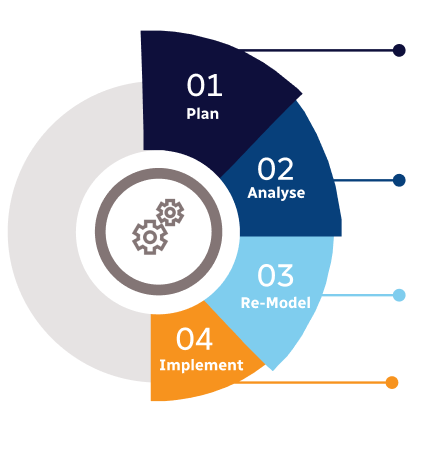
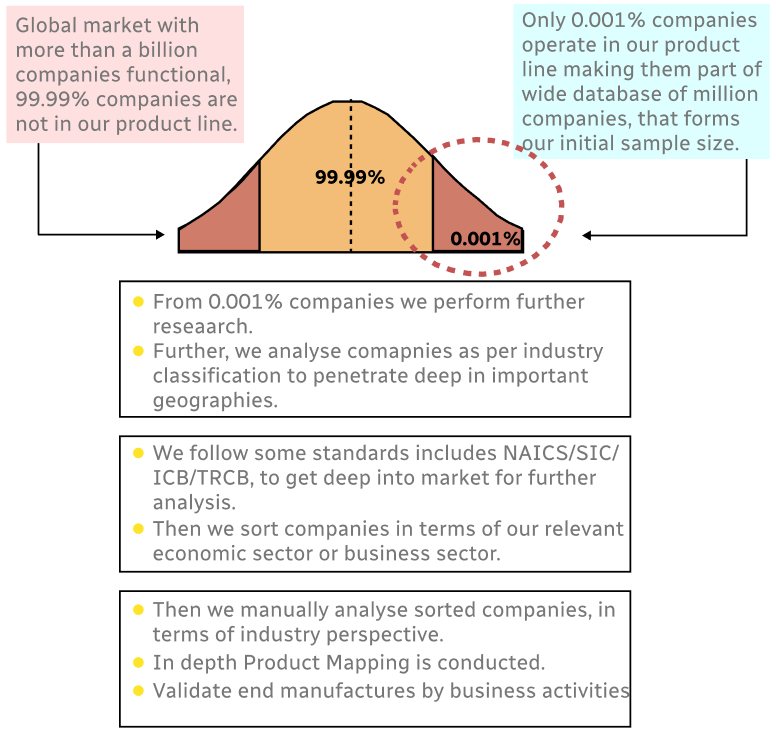
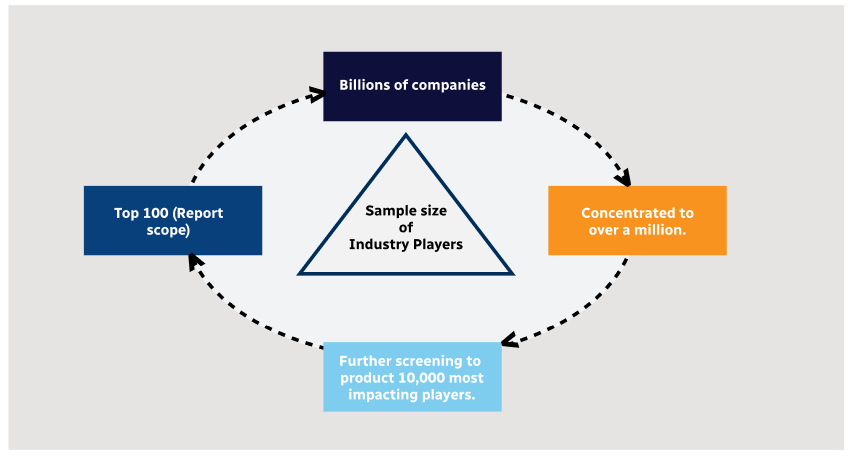
Step 1 - Identification of Relevant Samples Size from Population Database
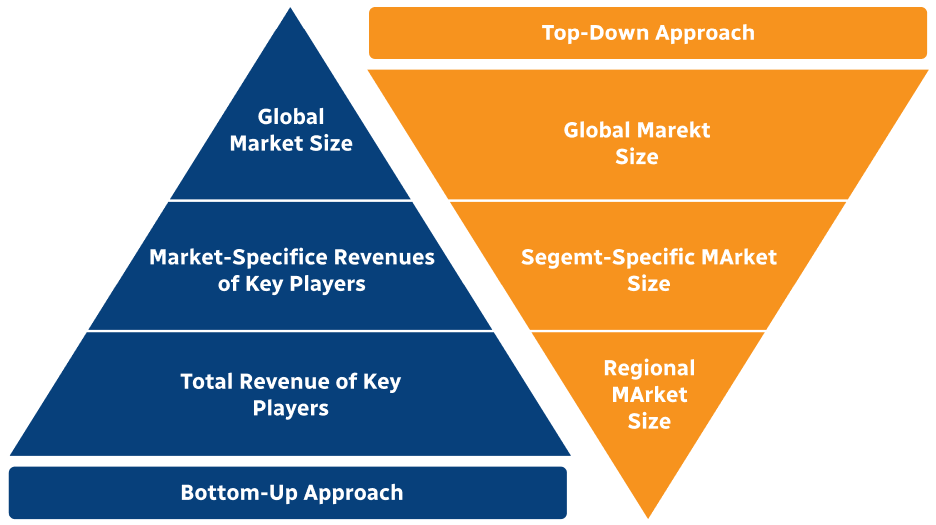
Step 2 - Approaches for Defining Global Market Size (Value, Volume* & Price*)
Note*: In applicable scenarios
Step 3 - Data Sources
Primary Research
- Web Analytics
- Survey Reports
- Research Institute
- Latest Research Reports
- Opinion Leaders
Secondary Research
- Annual Reports
- White Paper
- Latest Press Release
- Industry Association
- Paid Database
- Investor Presentations
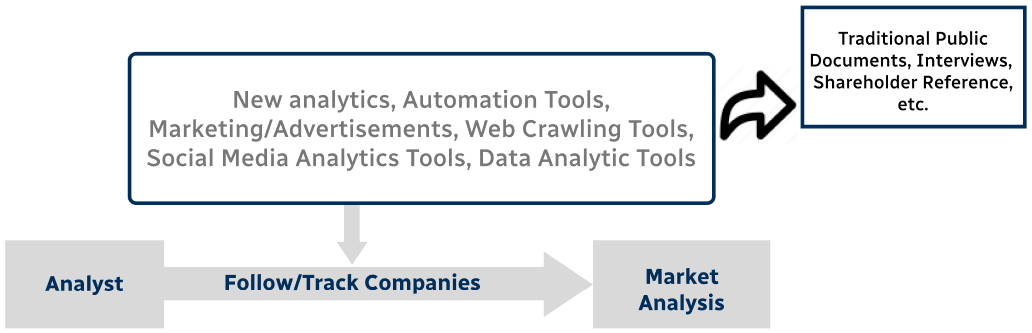
Step 4 - Data Triangulation
Involves using different sources of information in order to increase the validity of a study
These sources are likely to be stakeholders in a program - participants, other researchers, program staff, other community members, and so on.
Then we put all data in single framework & apply various statistical tools to find out the dynamic on the market.
During the analysis stage, feedback from the stakeholder groups would be compared to determine areas of agreement as well as areas of divergence


