


Key Insights
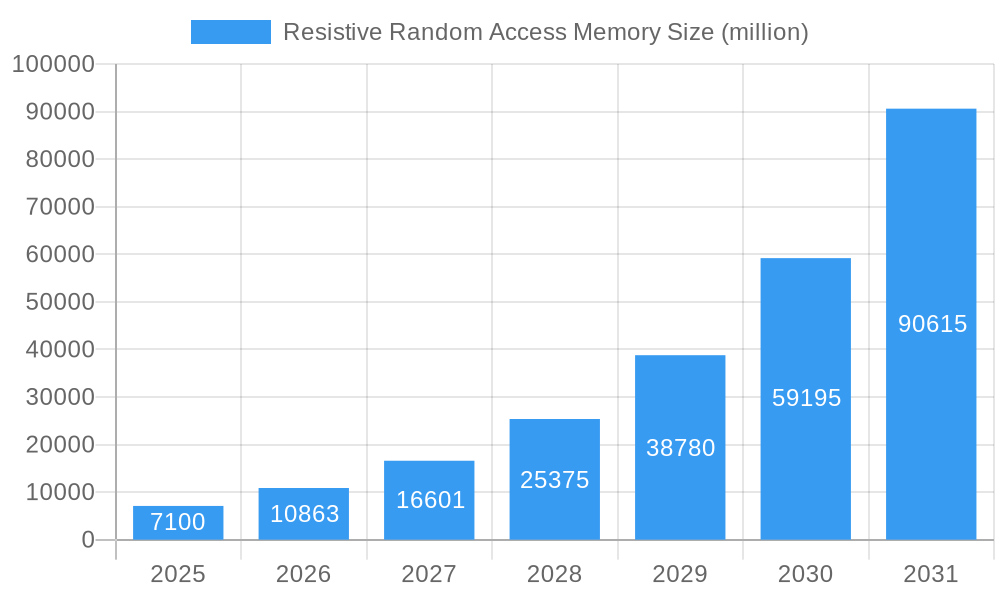
The Resistive Random Access Memory (RRAM) market is set for substantial expansion, projected to reach over $70 billion by 2031 with a compelling CAGR of 53%. This significant growth is driven by the escalating demand for superior performance, reduced power consumption, and non-volatility across diverse applications. The expanding Internet of Things (IoT) ecosystem, encompassing billions of connected devices requiring efficient data storage, is a primary growth catalyst. Advancements in consumer electronics, including mobile devices and wearables prioritizing enhanced speed and battery longevity, alongside critical medical applications for implantable devices and portable diagnostics, are further propelling this upward trend. The inherent scalability of RRAM and its potential integration into advanced computing architectures solidify its market prominence.
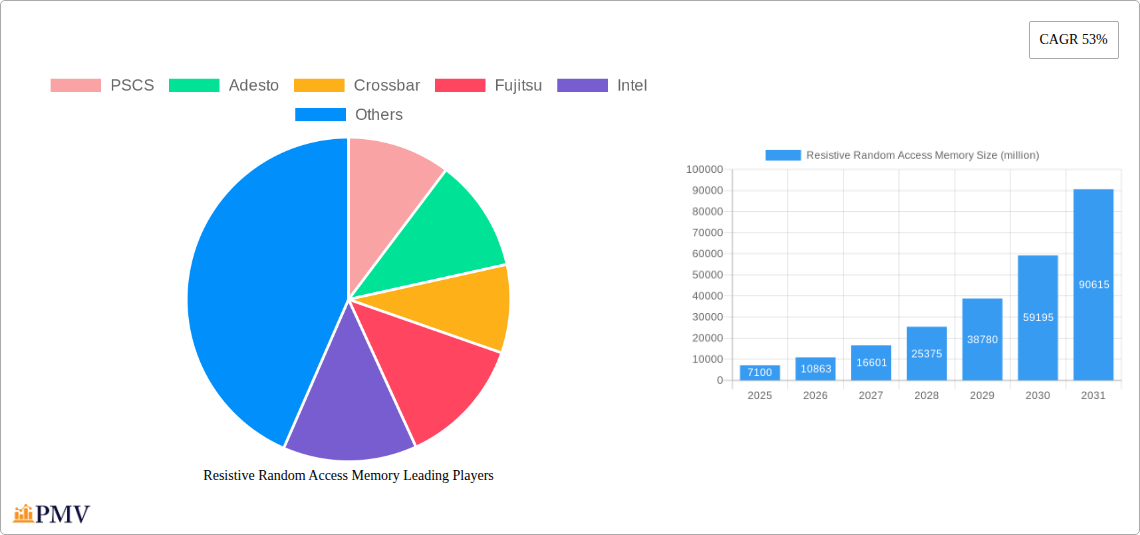
Resistive Random Access Memory Market Size (In Million)

Technological innovations in manufacturing, particularly at advanced nodes like 40nm, are enhancing RRAM density and reliability, supporting robust market growth. Major industry players, including TSMC, Samsung Electronics, Intel, and Micron, are significantly investing in RRAM research and development. While the market presents immense opportunity, challenges include the need for further standardization and competition from established memory technologies such as NAND flash and DRAM, which benefit from mature manufacturing ecosystems and economies of scale. Nevertheless, RRAM's distinct advantages in speed, endurance, and power efficiency are anticipated to secure substantial market share, especially in emerging applications where these attributes are critical differentiators. The market's dynamic segmentation by application and type, coupled with widespread regional adoption, indicates a highly competitive and rapidly evolving landscape.
Resistive Random Access Memory Company Market Share
This comprehensive Resistive Random Access Memory (ReRAM) market analysis provides an in-depth examination of the global ReRAM industry. It covers market structure, competitive dynamics, industry trends, dominant markets, product innovations, segmentation, key drivers, challenges, leading players, and strategic outlook. The report includes insights from a study period spanning 2019 to 2033, with a base year of 2025, an estimated year of 2025, and a forecast period from 2025 to 2033, drawing upon data from the historical period of 2019-2024. The projected market size for 2025 is $909.9 million.
Resistive Random Access Memory Market Structure & Competitive Dynamics
The global ReRAM market exhibits a dynamic structure characterized by a moderate level of market concentration, with key players like Samsung Electronics, Micron, SK Hynix, Intel, and TSMC leading the charge. Innovation ecosystems are flourishing, driven by significant R&D investments from established semiconductor manufacturers and emerging startups such as Adesto, Crossbar, 4DS Memory, and Weebit Nano. Regulatory frameworks, while still evolving for novel memory technologies, are increasingly supportive of advanced semiconductor development. Product substitutes, primarily NAND Flash, DRAM, and emerging MRAM, present a competitive landscape that ReRAM must continuously outmaneuver through superior performance and cost-effectiveness. End-user trends are heavily influenced by the burgeoning demand for low-power, high-density memory solutions across various applications, including IoT devices, consumer electronics, and edge computing. Mergers and acquisition (M&A) activities, though currently in their nascent stages, are anticipated to gain traction as companies seek to consolidate technological expertise and market access. The overall market share distribution will be further shaped by strategic partnerships and technological advancements. For instance, the anticipated market share of leading players is projected to be upwards of 30 million units by the forecast period. M&A deal values are expected to range from tens of millions to hundreds of millions of dollars, reflecting the strategic importance of ReRAM technology.
Resistive Random Access Memory Industry Trends & Insights
The ReRAM industry is poised for substantial growth, fueled by a confluence of technological advancements and escalating market demands. The market growth drivers for ReRAM are multifaceted, encompassing the insatiable need for energy-efficient memory solutions in power-constrained applications like the Internet of Things (IoT), mobile devices, and wearable technology. The inherent advantages of ReRAM, including non-volatility, high endurance, fast switching speeds, and scalability to sub-40nm and even smaller process nodes, are creating significant market penetration opportunities. Technological disruptions are evident in the continuous refinement of material science, fabrication processes, and device architectures, enabling higher memory densities and lower power consumption. Consumer preferences are increasingly leaning towards devices with longer battery life, faster data access, and enhanced functionality, all of which ReRAM is uniquely positioned to deliver. Competitive dynamics are intense, with established memory giants investing heavily in ReRAM research and development to diversify their product portfolios and maintain a competitive edge against emerging memory technologies. The projected Compound Annual Growth Rate (CAGR) for the ReRAM market is estimated to be in the high teens, potentially exceeding 18% from 2025 to 2033. Market penetration for ReRAM is expected to climb from an initial XX million units in 2025 to over 500 million units by 2033. The report will delve into the intricate interplay of these trends, providing actionable insights for stakeholders to navigate this evolving landscape. Furthermore, the growing adoption of AI and machine learning at the edge necessitates high-performance, low-power memory, which ReRAM can effectively provide, driving its market penetration significantly. The increasing demand for in-memory computing architectures also favors ReRAM's unique resistive switching properties.
Dominant Markets & Segments in Resistive Random Access Memory
The ReRAM market is experiencing significant growth and diversification across various regions and application segments. The Computer segment, encompassing high-performance computing, data centers, and personal computing, is a dominant force, driven by the increasing need for faster, denser, and more energy-efficient memory solutions to handle massive datasets and complex workloads. The IoT segment is another major growth engine, where ReRAM's low power consumption and non-volatility are crucial for battery-operated devices, smart sensors, and connected infrastructure, with an estimated market size exceeding 100 million units by 2028. Consumer Electronics also represent a substantial segment, including smartphones, tablets, wearables, and smart home devices, all demanding improved memory performance and power efficiency. The Medical segment, while currently smaller, is exhibiting strong potential, driven by the miniaturization of medical devices, implantable technologies, and the need for reliable, low-power data storage in healthcare applications, with projected growth of over 20% annually. The "Others" segment, encompassing automotive electronics, industrial automation, and aerospace, also contributes to market demand.
Key Drivers of Dominance:
- Economic Policies: Government incentives and investments in advanced semiconductor manufacturing facilities, particularly in Asia-Pacific regions, are fostering growth.
- Infrastructure Development: The expansion of 5G networks and the proliferation of smart cities are creating a demand for enhanced memory solutions across numerous connected devices.
- Technological Advancements: Continuous improvements in fabrication processes, particularly for nodes like 40nm and sub-180 nm, are enabling higher performance and lower costs.
- End-User Adoption: The widespread adoption of smart devices and the increasing complexity of applications are pushing the boundaries of traditional memory technologies.
Within the Type segmentation, the 40nm process node is currently a focal point for production due to its balance of performance, cost, and maturity. However, advancements in 180 nm for specific legacy or cost-sensitive applications, and the emergence of "Others" encompassing even more advanced sub-40nm nodes and novel ReRAM architectures, are shaping the future of the market. The Computer application segment alone is projected to account for over 40% of the global ReRAM market share by 2030, with a market size estimated at over 600 million units. The IoT segment is expected to witness a CAGR of approximately 22% during the forecast period.
Resistive Random Access Memory Product Innovations
Product innovations in the ReRAM sector are centered on enhancing memory density, reducing power consumption, and improving switching speeds. Companies are actively developing ReRAM solutions that offer a compelling alternative to existing non-volatile memory technologies. Key advancements include the exploration of novel materials like hafnium oxide and titanium dioxide, enabling higher endurance and faster switching times. Furthermore, the integration of ReRAM into 3D stacked memory architectures is promising significant density gains, potentially reaching gigabit-level capacities. The competitive advantage lies in ReRAM's ability to achieve a superior combination of speed, power efficiency, and endurance compared to NAND Flash and DRAM for specific applications, especially in embedded systems and edge computing. For example, new product launches are targeting embedded non-volatile memory applications with densities up to 128 megabits, a significant leap from previous generations.
Report Segmentation & Scope
This report meticulously segments the Resistive Random Access Memory market across key dimensions to provide granular insights. The Application segmentation includes:
- Computer: Covering desktops, laptops, servers, and high-performance computing systems, projected to reach a market size of over 500 million units by 2033.
- IoT: Encompassing smart sensors, wearables, connected devices, and industrial IoT, expected to grow at a CAGR of over 20%.
- Consumer Electronics: Including smartphones, tablets, smart TVs, and gaming consoles, with a projected market size of over 300 million units in 2033.
- Medical: Addressing implantable devices, diagnostic equipment, and portable medical instruments, with significant growth potential.
- Others: This broad category includes automotive electronics, aerospace, and specialized industrial applications.
The Type segmentation focuses on process nodes:
- 180 nm: Catering to specific cost-sensitive or legacy applications, with a stable market presence.
- 40nm: A mature and widely adopted node offering a balance of performance and cost, expected to dominate production in the near term.
- Others: This encompasses emerging and advanced nodes below 40nm, including those for next-generation ReRAM technologies, with substantial future growth potential.
Key Drivers of Resistive Random Access Memory Growth
The ReRAM market is propelled by several critical growth drivers. The relentless demand for low-power, high-performance non-volatile memory across various sectors, particularly in the burgeoning IoT and edge computing landscapes, is a primary catalyst. The inherent advantages of ReRAM, such as high endurance, fast switching speeds, and excellent scalability, make it an attractive alternative to existing memory technologies. Furthermore, advancements in material science and fabrication techniques are continuously improving ReRAM's capabilities and reducing manufacturing costs. Government initiatives supporting semiconductor innovation and the increasing adoption of Artificial Intelligence (AI) and Machine Learning (ML) applications at the edge, requiring efficient data storage and processing, are also significant growth accelerators. The trend towards miniaturization in electronics further necessitates compact and energy-efficient memory solutions, which ReRAM can effectively provide. The market is also benefiting from increasing R&D investments from key players like Samsung Electronics, Micron, and Intel, pushing technological boundaries.
Challenges in the Resistive Random Access Memory Sector
Despite its promising future, the ReRAM sector faces several challenges that could impede its widespread adoption. Technological maturity and standardization remain ongoing concerns, with varying performance characteristics across different material systems and device architectures. The high initial investment required for developing and scaling up ReRAM manufacturing processes can be a barrier for smaller players. Competition from established memory technologies like NAND Flash and DRAM, which benefit from mature ecosystems and economies of scale, presents a significant challenge. Supply chain complexities and the availability of specialized materials and equipment can also impact production timelines and costs. Furthermore, regulatory hurdles and the need for extensive testing and validation in critical applications, such as medical devices, can slow down market entry. For instance, the cost per bit for early ReRAM implementations can be higher than established technologies, necessitating further cost reduction strategies, potentially impacting a market share of approximately 5-8 million units in price-sensitive segments.
Leading Players in the Resistive Random Access Memory Market
- Samsung Electronics
- Micron Technology
- SK Hynix
- Intel
- TSMC
- Adesto Technologies (now Dialog Semiconductor)
- Crossbar Inc.
- Fujitsu
- PSCS Corporation
- 4DS Memory Limited
- Weebit Nano Limited
- SMIC
Key Developments in Resistive Random Access Memory Sector
- 2023: Weebit Nano announces significant progress in its embedded ReRAM technology, achieving industry-leading endurance levels for neuromorphic computing applications.
- 2023: Crossbar Inc. showcases advancements in its ReRAM technology for high-density storage solutions, targeting data center applications.
- 2022: Samsung Electronics announces further integration of ReRAM into its next-generation memory solutions, focusing on power efficiency for mobile devices.
- 2022: Intel continues its research into ReRAM for potential integration into future processor architectures, aiming for faster data access.
- 2021: Micron Technology highlights the potential of ReRAM for emerging memory applications, including in-memory computing.
- 2020: 4DS Memory demonstrates advancements in its complementary ReRAM technology, aiming for high-density storage.
- 2019: Adesto Technologies (now part of Dialog Semiconductor) continues to advance its ReRAM technology for IoT and industrial applications.
Strategic Resistive Random Access Memory Market Outlook
The strategic outlook for the ReRAM market is overwhelmingly positive, driven by its inherent advantages and the growing demand for advanced memory solutions. Key growth accelerators include the increasing adoption of edge AI, the expansion of the IoT ecosystem, and the continuous pursuit of energy-efficient electronics. Strategic opportunities lie in the development of embedded ReRAM solutions for microcontrollers and sensors, as well as high-density ReRAM for data storage applications. Partnerships and collaborations between memory manufacturers, foundries like TSMC, and semiconductor designers will be crucial for accelerating development and market penetration. The future success of ReRAM will hinge on its ability to achieve competitive pricing, demonstrate superior performance characteristics in targeted applications, and meet the stringent reliability requirements of various industries. Companies that can effectively leverage ReRAM's unique capabilities for next-generation computing architectures, including in-memory computing and neuromorphic computing, are poised for significant market success. The market is projected to witness substantial growth, with an estimated market size exceeding 1.5 billion units by 2033.
Resistive Random Access Memory Segmentation
-
1. Application
- 1.1. Computer
- 1.2. IoT
- 1.3. Consumer Electronics
- 1.4. Medical
- 1.5. Others
-
2. Type
- 2.1. 180 nm
- 2.2. 40nm
- 2.3. Others
Resistive Random Access Memory Segmentation By Geography
-
1. North America
- 1.1. United States
- 1.2. Canada
- 1.3. Mexico
-
2. South America
- 2.1. Brazil
- 2.2. Argentina
- 2.3. Rest of South America
-
3. Europe
- 3.1. United Kingdom
- 3.2. Germany
- 3.3. France
- 3.4. Italy
- 3.5. Spain
- 3.6. Russia
- 3.7. Benelux
- 3.8. Nordics
- 3.9. Rest of Europe
-
4. Middle East & Africa
- 4.1. Turkey
- 4.2. Israel
- 4.3. GCC
- 4.4. North Africa
- 4.5. South Africa
- 4.6. Rest of Middle East & Africa
-
5. Asia Pacific
- 5.1. China
- 5.2. India
- 5.3. Japan
- 5.4. South Korea
- 5.5. ASEAN
- 5.6. Oceania
- 5.7. Rest of Asia Pacific
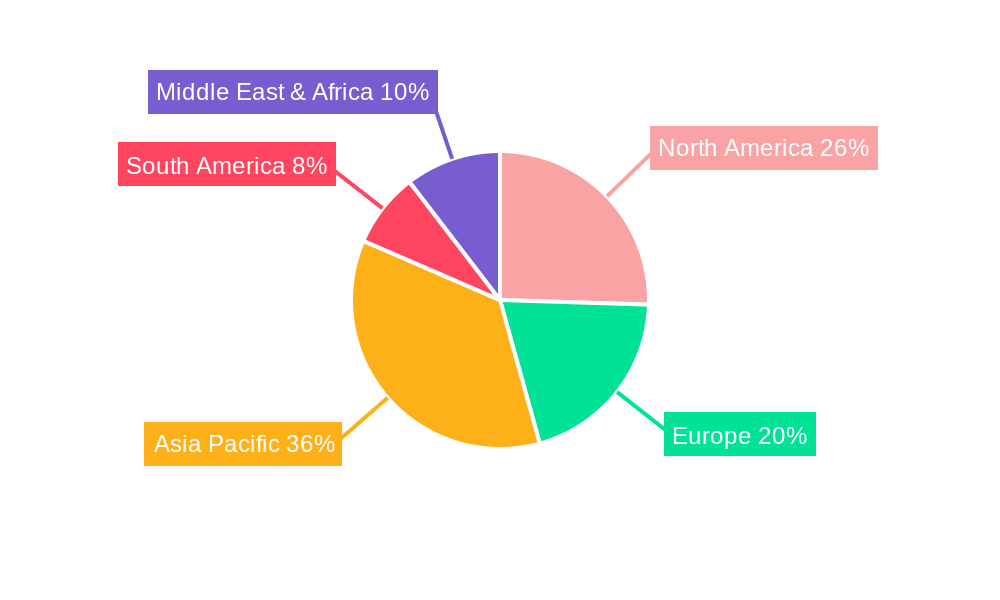
Resistive Random Access Memory Regional Market Share
Geographic Coverage of Resistive Random Access Memory
Resistive Random Access Memory REPORT HIGHLIGHTS
| Aspects | Details |
|---|---|
| Study Period | 2020-2034 |
| Base Year | 2025 |
| Estimated Year | 2026 |
| Forecast Period | 2026-2034 |
| Historical Period | 2020-2025 |
| Growth Rate | CAGR of 17.2% from 2020-2034 |
| Segmentation |
|
Table of Contents
- 1. Introduction
- 1.1. Research Scope
- 1.2. Market Segmentation
- 1.3. Research Methodology
- 1.4. Definitions and Assumptions
- 2. Executive Summary
- 2.1. Introduction
- 3. Market Dynamics
- 3.1. Introduction
- 3.2. Market Drivers
- 3.3. Market Restrains
- 3.4. Market Trends
- 4. Market Factor Analysis
- 4.1. Porters Five Forces
- 4.2. Supply/Value Chain
- 4.3. PESTEL analysis
- 4.4. Market Entropy
- 4.5. Patent/Trademark Analysis
- 5. Global Resistive Random Access Memory Analysis, Insights and Forecast, 2020-2032
- 5.1. Market Analysis, Insights and Forecast - by Application
- 5.1.1. Computer
- 5.1.2. IoT
- 5.1.3. Consumer Electronics
- 5.1.4. Medical
- 5.1.5. Others
- 5.2. Market Analysis, Insights and Forecast - by Type
- 5.2.1. 180 nm
- 5.2.2. 40nm
- 5.2.3. Others
- 5.3. Market Analysis, Insights and Forecast - by Region
- 5.3.1. North America
- 5.3.2. South America
- 5.3.3. Europe
- 5.3.4. Middle East & Africa
- 5.3.5. Asia Pacific
- 5.1. Market Analysis, Insights and Forecast - by Application
- 6. North America Resistive Random Access Memory Analysis, Insights and Forecast, 2020-2032
- 6.1. Market Analysis, Insights and Forecast - by Application
- 6.1.1. Computer
- 6.1.2. IoT
- 6.1.3. Consumer Electronics
- 6.1.4. Medical
- 6.1.5. Others
- 6.2. Market Analysis, Insights and Forecast - by Type
- 6.2.1. 180 nm
- 6.2.2. 40nm
- 6.2.3. Others
- 6.1. Market Analysis, Insights and Forecast - by Application
- 7. South America Resistive Random Access Memory Analysis, Insights and Forecast, 2020-2032
- 7.1. Market Analysis, Insights and Forecast - by Application
- 7.1.1. Computer
- 7.1.2. IoT
- 7.1.3. Consumer Electronics
- 7.1.4. Medical
- 7.1.5. Others
- 7.2. Market Analysis, Insights and Forecast - by Type
- 7.2.1. 180 nm
- 7.2.2. 40nm
- 7.2.3. Others
- 7.1. Market Analysis, Insights and Forecast - by Application
- 8. Europe Resistive Random Access Memory Analysis, Insights and Forecast, 2020-2032
- 8.1. Market Analysis, Insights and Forecast - by Application
- 8.1.1. Computer
- 8.1.2. IoT
- 8.1.3. Consumer Electronics
- 8.1.4. Medical
- 8.1.5. Others
- 8.2. Market Analysis, Insights and Forecast - by Type
- 8.2.1. 180 nm
- 8.2.2. 40nm
- 8.2.3. Others
- 8.1. Market Analysis, Insights and Forecast - by Application
- 9. Middle East & Africa Resistive Random Access Memory Analysis, Insights and Forecast, 2020-2032
- 9.1. Market Analysis, Insights and Forecast - by Application
- 9.1.1. Computer
- 9.1.2. IoT
- 9.1.3. Consumer Electronics
- 9.1.4. Medical
- 9.1.5. Others
- 9.2. Market Analysis, Insights and Forecast - by Type
- 9.2.1. 180 nm
- 9.2.2. 40nm
- 9.2.3. Others
- 9.1. Market Analysis, Insights and Forecast - by Application
- 10. Asia Pacific Resistive Random Access Memory Analysis, Insights and Forecast, 2020-2032
- 10.1. Market Analysis, Insights and Forecast - by Application
- 10.1.1. Computer
- 10.1.2. IoT
- 10.1.3. Consumer Electronics
- 10.1.4. Medical
- 10.1.5. Others
- 10.2. Market Analysis, Insights and Forecast - by Type
- 10.2.1. 180 nm
- 10.2.2. 40nm
- 10.2.3. Others
- 10.1. Market Analysis, Insights and Forecast - by Application
- 11. Competitive Analysis
- 11.1. Global Market Share Analysis 2025
- 11.2. Company Profiles
- 11.2.1 PSCS
- 11.2.1.1. Overview
- 11.2.1.2. Products
- 11.2.1.3. SWOT Analysis
- 11.2.1.4. Recent Developments
- 11.2.1.5. Financials (Based on Availability)
- 11.2.2 Adesto
- 11.2.2.1. Overview
- 11.2.2.2. Products
- 11.2.2.3. SWOT Analysis
- 11.2.2.4. Recent Developments
- 11.2.2.5. Financials (Based on Availability)
- 11.2.3 Crossbar
- 11.2.3.1. Overview
- 11.2.3.2. Products
- 11.2.3.3. SWOT Analysis
- 11.2.3.4. Recent Developments
- 11.2.3.5. Financials (Based on Availability)
- 11.2.4 Fujitsu
- 11.2.4.1. Overview
- 11.2.4.2. Products
- 11.2.4.3. SWOT Analysis
- 11.2.4.4. Recent Developments
- 11.2.4.5. Financials (Based on Availability)
- 11.2.5 Intel
- 11.2.5.1. Overview
- 11.2.5.2. Products
- 11.2.5.3. SWOT Analysis
- 11.2.5.4. Recent Developments
- 11.2.5.5. Financials (Based on Availability)
- 11.2.6 Samsung Electronics
- 11.2.6.1. Overview
- 11.2.6.2. Products
- 11.2.6.3. SWOT Analysis
- 11.2.6.4. Recent Developments
- 11.2.6.5. Financials (Based on Availability)
- 11.2.7 TSMC
- 11.2.7.1. Overview
- 11.2.7.2. Products
- 11.2.7.3. SWOT Analysis
- 11.2.7.4. Recent Developments
- 11.2.7.5. Financials (Based on Availability)
- 11.2.8 Micron
- 11.2.8.1. Overview
- 11.2.8.2. Products
- 11.2.8.3. SWOT Analysis
- 11.2.8.4. Recent Developments
- 11.2.8.5. Financials (Based on Availability)
- 11.2.9 SK Hynix
- 11.2.9.1. Overview
- 11.2.9.2. Products
- 11.2.9.3. SWOT Analysis
- 11.2.9.4. Recent Developments
- 11.2.9.5. Financials (Based on Availability)
- 11.2.10 SMIC
- 11.2.10.1. Overview
- 11.2.10.2. Products
- 11.2.10.3. SWOT Analysis
- 11.2.10.4. Recent Developments
- 11.2.10.5. Financials (Based on Availability)
- 11.2.11 4DS Memory
- 11.2.11.1. Overview
- 11.2.11.2. Products
- 11.2.11.3. SWOT Analysis
- 11.2.11.4. Recent Developments
- 11.2.11.5. Financials (Based on Availability)
- 11.2.12 Weebit Nano
- 11.2.12.1. Overview
- 11.2.12.2. Products
- 11.2.12.3. SWOT Analysis
- 11.2.12.4. Recent Developments
- 11.2.12.5. Financials (Based on Availability)
- 11.2.1 PSCS
List of Figures
- Figure 1: Global Resistive Random Access Memory Revenue Breakdown (million, %) by Region 2025 & 2033
- Figure 2: North America Resistive Random Access Memory Revenue (million), by Application 2025 & 2033
- Figure 3: North America Resistive Random Access Memory Revenue Share (%), by Application 2025 & 2033
- Figure 4: North America Resistive Random Access Memory Revenue (million), by Type 2025 & 2033
- Figure 5: North America Resistive Random Access Memory Revenue Share (%), by Type 2025 & 2033
- Figure 6: North America Resistive Random Access Memory Revenue (million), by Country 2025 & 2033
- Figure 7: North America Resistive Random Access Memory Revenue Share (%), by Country 2025 & 2033
- Figure 8: South America Resistive Random Access Memory Revenue (million), by Application 2025 & 2033
- Figure 9: South America Resistive Random Access Memory Revenue Share (%), by Application 2025 & 2033
- Figure 10: South America Resistive Random Access Memory Revenue (million), by Type 2025 & 2033
- Figure 11: South America Resistive Random Access Memory Revenue Share (%), by Type 2025 & 2033
- Figure 12: South America Resistive Random Access Memory Revenue (million), by Country 2025 & 2033
- Figure 13: South America Resistive Random Access Memory Revenue Share (%), by Country 2025 & 2033
- Figure 14: Europe Resistive Random Access Memory Revenue (million), by Application 2025 & 2033
- Figure 15: Europe Resistive Random Access Memory Revenue Share (%), by Application 2025 & 2033
- Figure 16: Europe Resistive Random Access Memory Revenue (million), by Type 2025 & 2033
- Figure 17: Europe Resistive Random Access Memory Revenue Share (%), by Type 2025 & 2033
- Figure 18: Europe Resistive Random Access Memory Revenue (million), by Country 2025 & 2033
- Figure 19: Europe Resistive Random Access Memory Revenue Share (%), by Country 2025 & 2033
- Figure 20: Middle East & Africa Resistive Random Access Memory Revenue (million), by Application 2025 & 2033
- Figure 21: Middle East & Africa Resistive Random Access Memory Revenue Share (%), by Application 2025 & 2033
- Figure 22: Middle East & Africa Resistive Random Access Memory Revenue (million), by Type 2025 & 2033
- Figure 23: Middle East & Africa Resistive Random Access Memory Revenue Share (%), by Type 2025 & 2033
- Figure 24: Middle East & Africa Resistive Random Access Memory Revenue (million), by Country 2025 & 2033
- Figure 25: Middle East & Africa Resistive Random Access Memory Revenue Share (%), by Country 2025 & 2033
- Figure 26: Asia Pacific Resistive Random Access Memory Revenue (million), by Application 2025 & 2033
- Figure 27: Asia Pacific Resistive Random Access Memory Revenue Share (%), by Application 2025 & 2033
- Figure 28: Asia Pacific Resistive Random Access Memory Revenue (million), by Type 2025 & 2033
- Figure 29: Asia Pacific Resistive Random Access Memory Revenue Share (%), by Type 2025 & 2033
- Figure 30: Asia Pacific Resistive Random Access Memory Revenue (million), by Country 2025 & 2033
- Figure 31: Asia Pacific Resistive Random Access Memory Revenue Share (%), by Country 2025 & 2033
List of Tables
- Table 1: Global Resistive Random Access Memory Revenue million Forecast, by Application 2020 & 2033
- Table 2: Global Resistive Random Access Memory Revenue million Forecast, by Type 2020 & 2033
- Table 3: Global Resistive Random Access Memory Revenue million Forecast, by Region 2020 & 2033
- Table 4: Global Resistive Random Access Memory Revenue million Forecast, by Application 2020 & 2033
- Table 5: Global Resistive Random Access Memory Revenue million Forecast, by Type 2020 & 2033
- Table 6: Global Resistive Random Access Memory Revenue million Forecast, by Country 2020 & 2033
- Table 7: United States Resistive Random Access Memory Revenue (million) Forecast, by Application 2020 & 2033
- Table 8: Canada Resistive Random Access Memory Revenue (million) Forecast, by Application 2020 & 2033
- Table 9: Mexico Resistive Random Access Memory Revenue (million) Forecast, by Application 2020 & 2033
- Table 10: Global Resistive Random Access Memory Revenue million Forecast, by Application 2020 & 2033
- Table 11: Global Resistive Random Access Memory Revenue million Forecast, by Type 2020 & 2033
- Table 12: Global Resistive Random Access Memory Revenue million Forecast, by Country 2020 & 2033
- Table 13: Brazil Resistive Random Access Memory Revenue (million) Forecast, by Application 2020 & 2033
- Table 14: Argentina Resistive Random Access Memory Revenue (million) Forecast, by Application 2020 & 2033
- Table 15: Rest of South America Resistive Random Access Memory Revenue (million) Forecast, by Application 2020 & 2033
- Table 16: Global Resistive Random Access Memory Revenue million Forecast, by Application 2020 & 2033
- Table 17: Global Resistive Random Access Memory Revenue million Forecast, by Type 2020 & 2033
- Table 18: Global Resistive Random Access Memory Revenue million Forecast, by Country 2020 & 2033
- Table 19: United Kingdom Resistive Random Access Memory Revenue (million) Forecast, by Application 2020 & 2033
- Table 20: Germany Resistive Random Access Memory Revenue (million) Forecast, by Application 2020 & 2033
- Table 21: France Resistive Random Access Memory Revenue (million) Forecast, by Application 2020 & 2033
- Table 22: Italy Resistive Random Access Memory Revenue (million) Forecast, by Application 2020 & 2033
- Table 23: Spain Resistive Random Access Memory Revenue (million) Forecast, by Application 2020 & 2033
- Table 24: Russia Resistive Random Access Memory Revenue (million) Forecast, by Application 2020 & 2033
- Table 25: Benelux Resistive Random Access Memory Revenue (million) Forecast, by Application 2020 & 2033
- Table 26: Nordics Resistive Random Access Memory Revenue (million) Forecast, by Application 2020 & 2033
- Table 27: Rest of Europe Resistive Random Access Memory Revenue (million) Forecast, by Application 2020 & 2033
- Table 28: Global Resistive Random Access Memory Revenue million Forecast, by Application 2020 & 2033
- Table 29: Global Resistive Random Access Memory Revenue million Forecast, by Type 2020 & 2033
- Table 30: Global Resistive Random Access Memory Revenue million Forecast, by Country 2020 & 2033
- Table 31: Turkey Resistive Random Access Memory Revenue (million) Forecast, by Application 2020 & 2033
- Table 32: Israel Resistive Random Access Memory Revenue (million) Forecast, by Application 2020 & 2033
- Table 33: GCC Resistive Random Access Memory Revenue (million) Forecast, by Application 2020 & 2033
- Table 34: North Africa Resistive Random Access Memory Revenue (million) Forecast, by Application 2020 & 2033
- Table 35: South Africa Resistive Random Access Memory Revenue (million) Forecast, by Application 2020 & 2033
- Table 36: Rest of Middle East & Africa Resistive Random Access Memory Revenue (million) Forecast, by Application 2020 & 2033
- Table 37: Global Resistive Random Access Memory Revenue million Forecast, by Application 2020 & 2033
- Table 38: Global Resistive Random Access Memory Revenue million Forecast, by Type 2020 & 2033
- Table 39: Global Resistive Random Access Memory Revenue million Forecast, by Country 2020 & 2033
- Table 40: China Resistive Random Access Memory Revenue (million) Forecast, by Application 2020 & 2033
- Table 41: India Resistive Random Access Memory Revenue (million) Forecast, by Application 2020 & 2033
- Table 42: Japan Resistive Random Access Memory Revenue (million) Forecast, by Application 2020 & 2033
- Table 43: South Korea Resistive Random Access Memory Revenue (million) Forecast, by Application 2020 & 2033
- Table 44: ASEAN Resistive Random Access Memory Revenue (million) Forecast, by Application 2020 & 2033
- Table 45: Oceania Resistive Random Access Memory Revenue (million) Forecast, by Application 2020 & 2033
- Table 46: Rest of Asia Pacific Resistive Random Access Memory Revenue (million) Forecast, by Application 2020 & 2033
Frequently Asked Questions
1. What is the projected Compound Annual Growth Rate (CAGR) of the Resistive Random Access Memory?
The projected CAGR is approximately 17.2%.
2. Which companies are prominent players in the Resistive Random Access Memory?
Key companies in the market include PSCS, Adesto, Crossbar, Fujitsu, Intel, Samsung Electronics, TSMC, Micron, SK Hynix, SMIC, 4DS Memory, Weebit Nano.
3. What are the main segments of the Resistive Random Access Memory?
The market segments include Application, Type.
4. Can you provide details about the market size?
The market size is estimated to be USD 909.9 million as of 2022.
5. What are some drivers contributing to market growth?
N/A
6. What are the notable trends driving market growth?
N/A
7. Are there any restraints impacting market growth?
N/A
8. Can you provide examples of recent developments in the market?
N/A
9. What pricing options are available for accessing the report?
Pricing options include single-user, multi-user, and enterprise licenses priced at USD 4250.00, USD 6375.00, and USD 8500.00 respectively.
10. Is the market size provided in terms of value or volume?
The market size is provided in terms of value, measured in million.
11. Are there any specific market keywords associated with the report?
Yes, the market keyword associated with the report is "Resistive Random Access Memory," which aids in identifying and referencing the specific market segment covered.
12. How do I determine which pricing option suits my needs best?
The pricing options vary based on user requirements and access needs. Individual users may opt for single-user licenses, while businesses requiring broader access may choose multi-user or enterprise licenses for cost-effective access to the report.
13. Are there any additional resources or data provided in the Resistive Random Access Memory report?
While the report offers comprehensive insights, it's advisable to review the specific contents or supplementary materials provided to ascertain if additional resources or data are available.
14. How can I stay updated on further developments or reports in the Resistive Random Access Memory?
To stay informed about further developments, trends, and reports in the Resistive Random Access Memory, consider subscribing to industry newsletters, following relevant companies and organizations, or regularly checking reputable industry news sources and publications.
Methodology
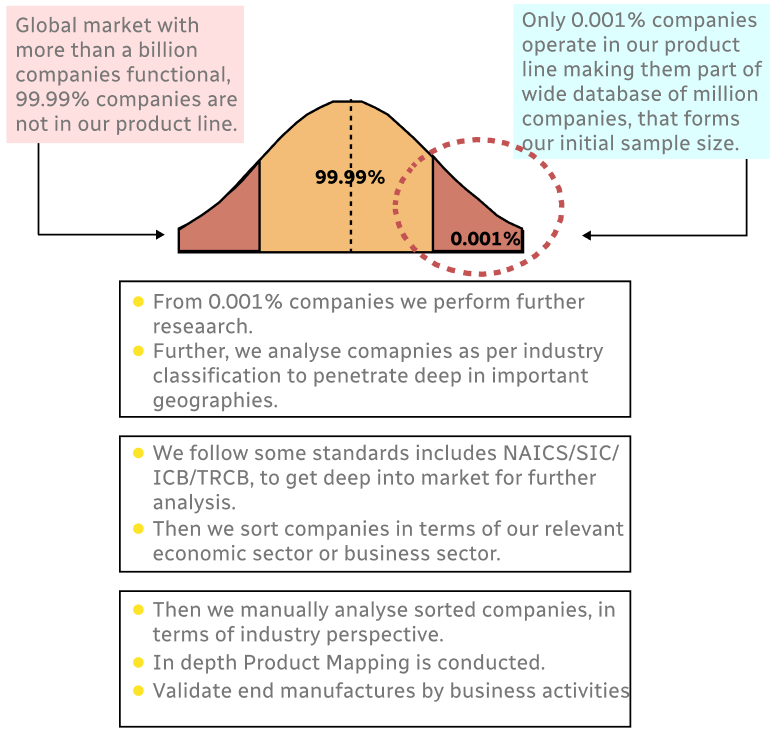
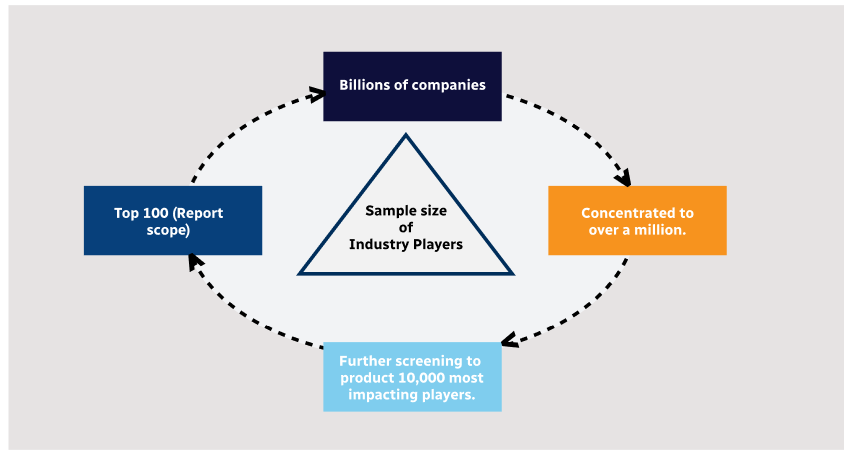
Step 1 - Identification of Relevant Samples Size from Population Database
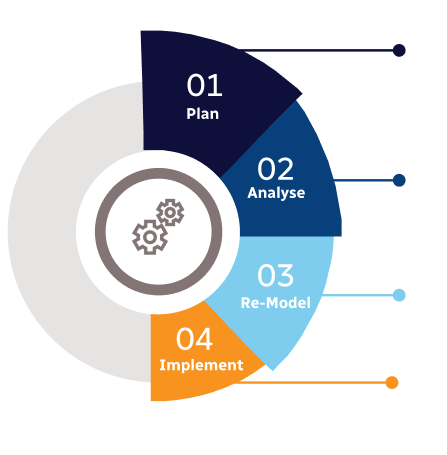
Step 2 - Approaches for Defining Global Market Size (Value, Volume* & Price*)
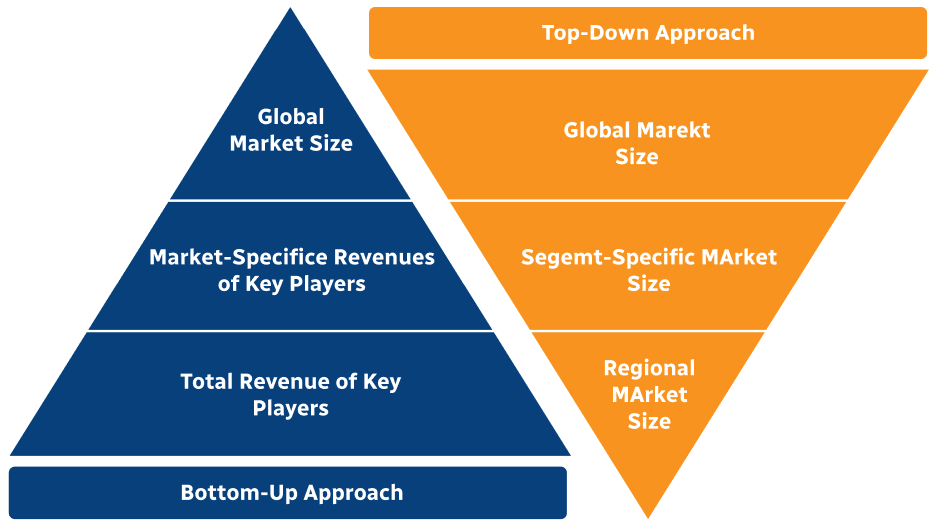
Note*: In applicable scenarios
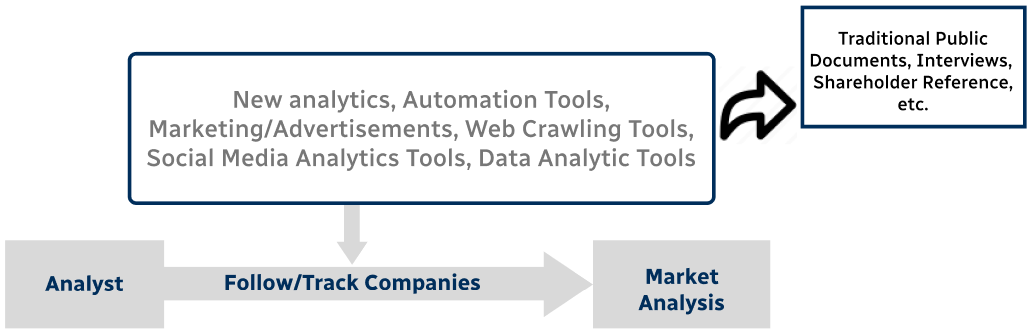
Step 3 - Data Sources
Primary Research
- Web Analytics
- Survey Reports
- Research Institute
- Latest Research Reports
- Opinion Leaders
Secondary Research
- Annual Reports
- White Paper
- Latest Press Release
- Industry Association
- Paid Database
- Investor Presentations
Step 4 - Data Triangulation
Involves using different sources of information in order to increase the validity of a study
These sources are likely to be stakeholders in a program - participants, other researchers, program staff, other community members, and so on.
Then we put all data in single framework & apply various statistical tools to find out the dynamic on the market.
During the analysis stage, feedback from the stakeholder groups would be compared to determine areas of agreement as well as areas of divergence