


Key Insights
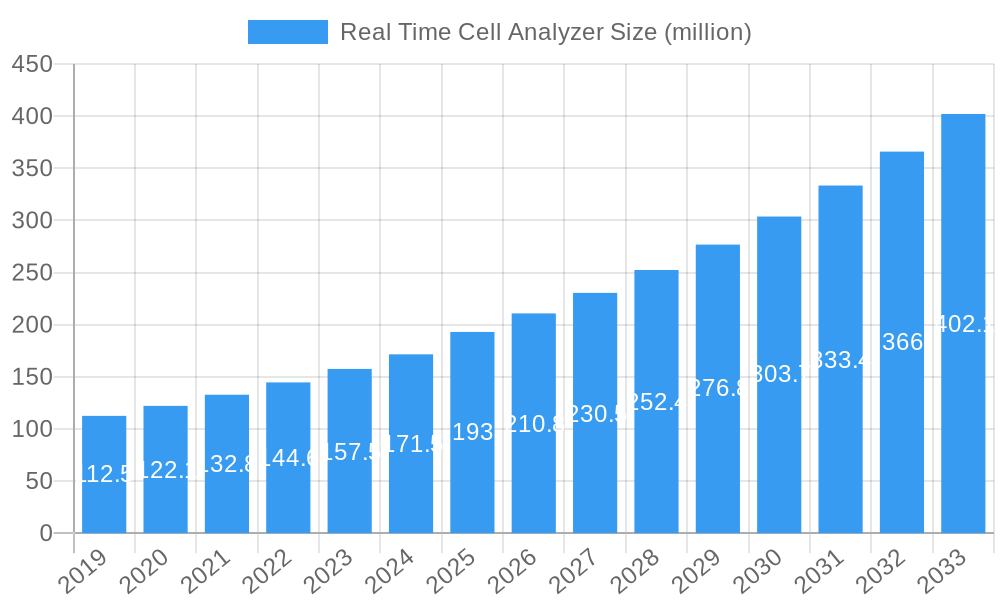
The global Real-Time Cell Analyzer market is poised for significant expansion, projected to reach an estimated $193 million in 2025 and exhibit a robust Compound Annual Growth Rate (CAGR) of 9.6% through 2033. This impressive growth is primarily fueled by the escalating demand for advanced cell-based assays in drug discovery and development. The ability of real-time cell analyzers to provide continuous, non-invasive monitoring of cellular behavior offers unparalleled insights into drug efficacy, toxicity, and underlying biological mechanisms, accelerating the research pipeline and reducing the need for costly, time-consuming traditional methods. Furthermore, the increasing prevalence of chronic diseases globally, coupled with a growing emphasis on personalized medicine, is driving substantial investment in cell biology research, creating a fertile ground for real-time cell analyzer adoption. The market's dynamic nature is also shaped by advancements in technology, leading to the development of more sophisticated, high-throughput, and user-friendly instruments, including both semi-automatic and fully automatic systems, catering to diverse research needs.
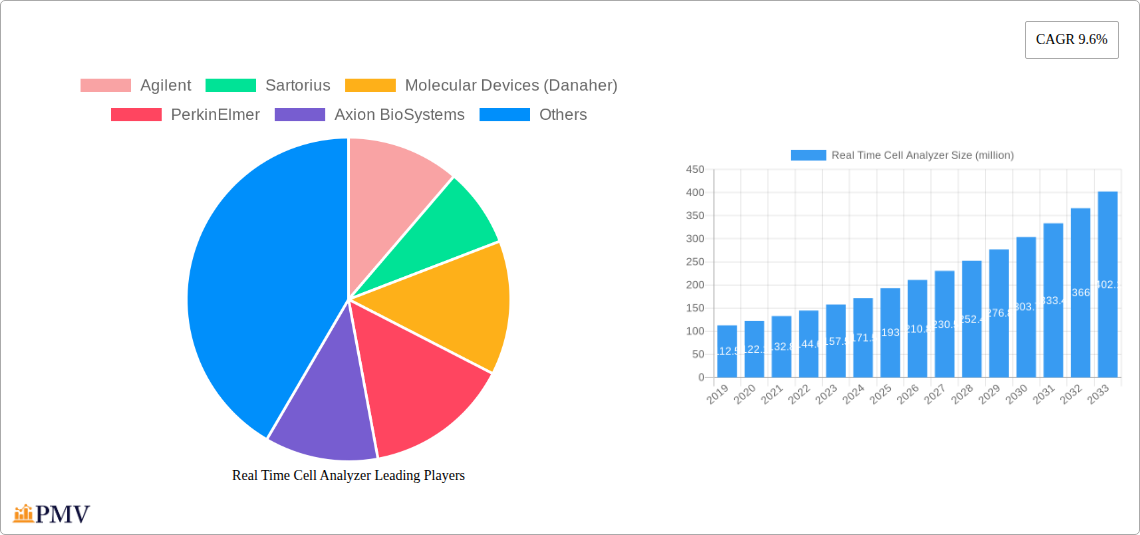
Real Time Cell Analyzer Market Size (In Million)

The market landscape is characterized by intense competition among leading players such as Agilent, Sartorius, Molecular Devices (Danaher), and Thermo Fisher Scientific, each vying to capture market share through product innovation and strategic collaborations. The rising adoption of these analyzers in critical research areas like cancer biology, infectious disease research, and neuroscience further underscores their growing importance. Geographically, North America and Europe are anticipated to maintain their dominance due to substantial R&D spending by pharmaceutical and biotechnology companies and the presence of well-established research institutions. However, the Asia Pacific region, driven by rapid economic growth, increasing healthcare investments, and a burgeoning life sciences sector in countries like China and India, is expected to witness the fastest growth rate. Despite the optimistic outlook, potential restraints such as the high initial cost of advanced instruments and the need for specialized technical expertise for operation and data interpretation may present some challenges to widespread adoption in smaller research settings.
Real Time Cell Analyzer Company Market Share
Real Time Cell Analyzer Market Research Report: In-depth Analysis & Future Outlook (2019-2033)
This comprehensive Real Time Cell Analyzer market research report provides an in-depth analysis of the global market size, share, segmentation, trends, and future outlook. Leveraging data from the historical period (2019-2024), base year (2025), and forecast period (2025-2033), this report offers actionable insights for stakeholders looking to capitalize on the growing demand for advanced cell analysis solutions. The study period spans from 2019 to 2033, with a focus on the estimated year of 2025.
Real Time Cell Analyzer Market Structure & Competitive Dynamics
The Real Time Cell Analyzer market exhibits a dynamic and evolving competitive landscape, characterized by a moderate to high concentration of key players. Major companies like Agilent, Sartorius, Molecular Devices (Danaher), PerkinElmer, Axion BioSystems, OMNI Life Science, Live Cell Instrument (LCI), CYTENA (BICO), Thermo Fisher, Blue-Ray Biotech, AutoLCI, Horiba, and nanoAnalytics are actively involved. Innovation ecosystems are robust, driven by continuous R&D investments aimed at enhancing assay sensitivity, throughput, and data analysis capabilities. Regulatory frameworks, particularly concerning drug discovery and preclinical research, play a significant role in shaping market entry and product development. While direct product substitutes are limited, alternative cell analysis techniques pose an indirect competitive threat. End-user trends indicate a growing preference for label-free, high-content screening solutions that provide deeper biological insights. Mergers and acquisitions (M&A) activities, with estimated deal values in the hundreds of millions, are observed as companies strategically expand their portfolios and market reach. For instance, the acquisition of Axion BioSystems by Sartorius in 2022, valued at approximately 350 million, highlights the consolidation trend.
- Market Share: Leading players hold significant market share, with the top five companies accounting for an estimated 60-70% of the global market revenue.
- M&A Deal Values: Significant M&A deals, ranging from 100 million to over 500 million, are prevalent as companies seek to acquire innovative technologies and expand their customer base.
- Innovation Ecosystems: Focus on developing AI-powered data analysis, miniaturization of instruments, and integration with other laboratory automation systems.
- Regulatory Impact: Strict adherence to GLP (Good Laboratory Practice) and GMP (Good Manufacturing Practice) guidelines influences product design and validation processes.
Real Time Cell Analyzer Industry Trends & Insights
The Real Time Cell Analyzer market is experiencing robust growth, driven by an escalating demand for sophisticated cell-based assays in drug discovery, regenerative medicine, and fundamental cell biology research. The compound annual growth rate (CAGR) for this market is projected to be approximately 8-10% over the forecast period (2025-2033), reaching an estimated market size of over 2.5 billion by 2025. Technological advancements are a primary growth driver, with the development of more sensitive, high-throughput, and automated systems significantly expanding the application scope of real time cell analyzers. These advancements include novel impedance-based biosensors, fluorescence imaging techniques, and microfluidic integration, enabling label-free, non-invasive monitoring of cellular behavior. Consumer preferences are shifting towards solutions that offer comprehensive data acquisition and analysis, minimizing manual intervention and reducing experimental variability. This trend is further fueled by the increasing complexity of biological targets and the need for more predictive preclinical models. Competitive dynamics are intensifying, with both established players and emerging startups vying for market share. Companies are focusing on differentiation through advanced software capabilities, enhanced assay development support, and strategic partnerships with academic institutions and pharmaceutical companies. The increasing investment in life sciences research globally, particularly in oncology and infectious disease research, is directly translating into higher demand for real time cell analysis technologies. For instance, the surge in personalized medicine research necessitates detailed understanding of individual cell responses, a capability offered by real time cell analyzers. Market penetration is steadily increasing across academic research, pharmaceutical R&D, and contract research organizations (CROs). The expanding applications in areas like toxicology, immunotherapy, and stem cell research are further propelling market expansion. The estimated market size for real time cell analyzers was approximately 1.8 billion in 2024, with strong projections for continued expansion driven by these trends.
Dominant Markets & Segments in Real Time Cell Analyzer
The Real Time Cell Analyzer market is characterized by dominant regions and segments that are key to understanding its overall trajectory. North America, particularly the United States, currently holds the largest market share, estimated at over 35% of the global market revenue. This dominance is attributed to substantial government funding for life sciences research, a strong presence of leading pharmaceutical and biotechnology companies, and a robust academic research infrastructure. Within North America, key economic policies supporting R&D, advanced healthcare infrastructure, and a high adoption rate of cutting-edge technologies contribute to its leading position.
Leading Region: North America, driven by the USA, is the dominant market, accounting for over 35% of global revenue.
- Key Drivers: Significant NIH funding for biomedical research, presence of major pharmaceutical hubs (e.g., Boston, San Francisco), and early adoption of advanced technologies.
- Economic Policies: Tax incentives for R&D and government grants supporting life science innovation.
- Infrastructure: Well-established academic institutions and a dense network of biopharmaceutical companies.
Dominant Application Segment: Cell Biology research consistently leads, accounting for an estimated 40% of the total market.
- Key Drivers: Fundamental research into cellular mechanisms, disease pathogenesis, and drug discovery pipelines.
- Market Size: Estimated to be over 700 million in 2025.
- Growth Drivers: Increasing focus on understanding cell-cell interactions, cellular metabolism, and cellular response to stimuli.
Dominant Type Segment: Fully Automatic Real Time Cell Analyzers are witnessing rapid adoption and are expected to capture over 60% of the market by 2028.
- Key Drivers: Demand for high-throughput screening, reduced manual error, and increased experimental efficiency in large-scale drug discovery programs.
- Market Size: Projected to reach over 1.5 billion by 2028.
- Growth Drivers: Integration with robotics, advanced software for automated data analysis, and the need for reproducible and scalable research.
Other significant markets include Europe, with strong contributions from Germany, the UK, and France, and the Asia Pacific region, which is experiencing rapid growth due to increasing R&D investments and expanding pharmaceutical industries in countries like China and India. Drug Screening and Tumor Research are also significant application segments, driven by the urgent need for novel therapeutics and cancer treatments, contributing an estimated 30% and 20% respectively to the market. The Semi-automatic segment, while still relevant, is gradually being surpassed by fully automatic systems due to efficiency demands.
Real Time Cell Analyzer Product Innovations
Product innovation in the Real Time Cell Analyzer market centers on enhancing assay sensitivity, throughput, and data analysis capabilities. Recent developments include the introduction of label-free impedance-based systems offering continuous monitoring of cell health and function, and microfluidic-integrated platforms for high-content screening of precious samples. Companies are also focusing on AI-driven algorithms for sophisticated data interpretation, enabling deeper biological insights and faster decision-making in drug discovery. These innovations provide significant competitive advantages by reducing experimental time, improving data accuracy, and expanding the range of cellular parameters that can be analyzed in real time.
Report Segmentation & Scope
This report meticulously segments the Real Time Cell Analyzer market across key applications and technology types, providing granular insights into each segment's growth trajectory and market dynamics. The market is segmented into Application: Cell Biology, Drug Screening, Tumor Research, and Others. Within these applications, the report analyzes the adoption of Semi-automatic and Fully Automatic Real Time Cell Analyzers. Growth projections and market sizes for each sub-segment are detailed, offering a comprehensive view of the market landscape. For example, the Cell Biology segment is projected to grow at a CAGR of approximately 9% and reach over 700 million by 2025. The Fully Automatic segment is expected to dominate, with a projected market size exceeding 1.5 billion by 2028, driven by increasing automation trends in research laboratories.
- Application: Cell Biology: Expected to grow at a CAGR of ~9%, reaching over 700 million by 2025.
- Application: Drug Screening: Projected to grow at a CAGR of ~8.5%, with significant contributions from pharmaceutical R&D.
- Application: Tumor Research: Anticipated CAGR of ~9.5%, driven by advancements in cancer therapy development.
- Application: Others: Encompassing areas like toxicology, immunology, and regenerative medicine.
- Type: Semi-automatic: Remaining a viable option for smaller labs and specific research needs.
- Type: Fully Automatic: Expected to capture over 60% of the market by 2028 due to high-throughput demands.
Key Drivers of Real Time Cell Analyzer Growth
Several key factors are propelling the growth of the Real Time Cell Analyzer market. The burgeoning demand for effective drug discovery and development pipelines, particularly in oncology and rare diseases, necessitates advanced cell analysis tools. Technological advancements, such as the integration of AI and machine learning for data analysis, miniaturization of instruments, and development of novel biosensor technologies, are enhancing the capabilities and accessibility of these analyzers. Increasing government funding for life sciences research globally, coupled with a rise in private investments in biotechnology and pharmaceutical sectors, is providing a strong financial impetus. Furthermore, the growing trend towards personalized medicine and regenerative medicine research requires detailed, real-time monitoring of cellular responses, a critical application for these instruments.
- Advancements in Drug Discovery: The need for faster and more accurate screening of potential drug candidates.
- Technological Innovations: Development of label-free, high-content, and automated systems.
- Increased R&D Funding: Growing investments from governments and private entities in life sciences.
- Rise of Personalized Medicine: Demand for in-depth understanding of individual cellular behaviors.
Challenges in the Real Time Cell Analyzer Sector
Despite the robust growth, the Real Time Cell Analyzer sector faces certain challenges. High acquisition costs of advanced instruments can be a barrier for smaller research institutions and laboratories with limited budgets. The complexity of some advanced systems may require specialized training for optimal utilization, potentially hindering widespread adoption. Stringent regulatory approval processes for novel cell-based assays used in clinical diagnostics can also slow down market expansion. Additionally, the presence of alternative, albeit less comprehensive, cell analysis techniques and the ongoing need for data standardization across different platforms present ongoing challenges.
- High Instrument Costs: Can limit adoption by smaller research facilities.
- Technical Expertise Requirement: Need for trained personnel for operation and data interpretation.
- Data Standardization: Challenges in ensuring consistency across diverse platforms and experiments.
- Regulatory Hurdles: Evolving regulations for cell-based assays can impact market entry.
Leading Players in the Real Time Cell Analyzer Market
- Agilent
- Sartorius
- Molecular Devices (Danaher)
- PerkinElmer
- Axion BioSystems
- OMNI Life Science
- Live Cell Instrument (LCI)
- CYTENA (BICO)
- Thermo Fisher
- Blue-Ray Biotech
- AutoLCI
- Horiba
- nanoAnalytics
Key Developments in Real Time Cell Analyzer Sector
- 2022: Sartorius acquires Axion BioSystems, enhancing its capabilities in cell analysis and high-throughput screening.
- 2023: Thermo Fisher Scientific launches a new generation of real time cell analyzers with advanced AI-driven data analysis features.
- 2023: Molecular Devices (Danaher) expands its portfolio with innovative microfluidic-based cell analysis solutions.
- 2024: Agilent introduces a next-generation impedance-based cell analyzer with improved sensitivity and multiplexing capabilities.
- 2024: PerkinElmer announces strategic partnerships to enhance its cell analysis consumables and software offerings.
Strategic Real Time Cell Analyzer Market Outlook
The strategic market outlook for Real Time Cell Analyzers is highly positive, driven by continuous innovation and expanding applications. Growth accelerators include the increasing integration of artificial intelligence for automated data analysis, the development of portable and miniaturized systems for point-of-care diagnostics, and the growing adoption of these technologies in fields like immunooncology and neurobiology. Strategic opportunities lie in catering to the burgeoning demand for personalized medicine solutions, expanding into emerging markets with significant growth potential, and fostering collaborations with academic and pharmaceutical partners to drive new assay development. The market is poised for sustained growth, with companies focusing on offering comprehensive solutions that encompass instrumentation, reagents, and advanced data analytics to meet the evolving needs of researchers and clinicians.
Real Time Cell Analyzer Segmentation
-
1. Application
- 1.1. Cell Biology
- 1.2. Drug Screening
- 1.3. Tumor Research
- 1.4. Others
-
2. Types
- 2.1. Semi-automatic
- 2.2. Fully Automatic
Real Time Cell Analyzer Segmentation By Geography
-
1. North America
- 1.1. United States
- 1.2. Canada
- 1.3. Mexico
-
2. South America
- 2.1. Brazil
- 2.2. Argentina
- 2.3. Rest of South America
-
3. Europe
- 3.1. United Kingdom
- 3.2. Germany
- 3.3. France
- 3.4. Italy
- 3.5. Spain
- 3.6. Russia
- 3.7. Benelux
- 3.8. Nordics
- 3.9. Rest of Europe
-
4. Middle East & Africa
- 4.1. Turkey
- 4.2. Israel
- 4.3. GCC
- 4.4. North Africa
- 4.5. South Africa
- 4.6. Rest of Middle East & Africa
-
5. Asia Pacific
- 5.1. China
- 5.2. India
- 5.3. Japan
- 5.4. South Korea
- 5.5. ASEAN
- 5.6. Oceania
- 5.7. Rest of Asia Pacific
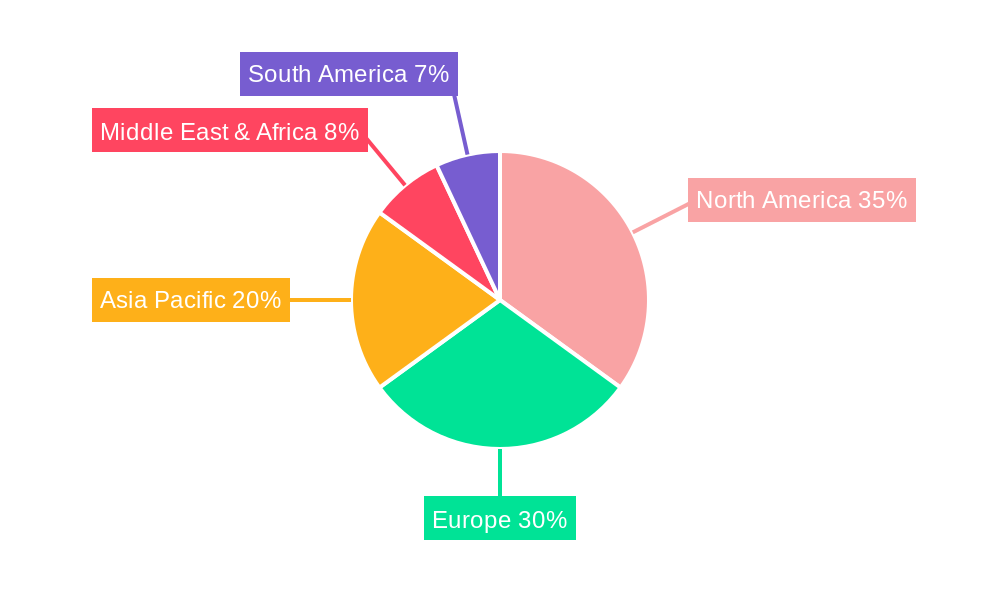
Real Time Cell Analyzer Regional Market Share
Geographic Coverage of Real Time Cell Analyzer
Real Time Cell Analyzer REPORT HIGHLIGHTS
| Aspects | Details |
|---|---|
| Study Period | 2020-2034 |
| Base Year | 2025 |
| Estimated Year | 2026 |
| Forecast Period | 2026-2034 |
| Historical Period | 2020-2025 |
| Growth Rate | CAGR of 9.6% from 2020-2034 |
| Segmentation |
|
Table of Contents
- 1. Introduction
- 1.1. Research Scope
- 1.2. Market Segmentation
- 1.3. Research Methodology
- 1.4. Definitions and Assumptions
- 2. Executive Summary
- 2.1. Introduction
- 3. Market Dynamics
- 3.1. Introduction
- 3.2. Market Drivers
- 3.3. Market Restrains
- 3.4. Market Trends
- 4. Market Factor Analysis
- 4.1. Porters Five Forces
- 4.2. Supply/Value Chain
- 4.3. PESTEL analysis
- 4.4. Market Entropy
- 4.5. Patent/Trademark Analysis
- 5. Global Real Time Cell Analyzer Analysis, Insights and Forecast, 2020-2032
- 5.1. Market Analysis, Insights and Forecast - by Application
- 5.1.1. Cell Biology
- 5.1.2. Drug Screening
- 5.1.3. Tumor Research
- 5.1.4. Others
- 5.2. Market Analysis, Insights and Forecast - by Types
- 5.2.1. Semi-automatic
- 5.2.2. Fully Automatic
- 5.3. Market Analysis, Insights and Forecast - by Region
- 5.3.1. North America
- 5.3.2. South America
- 5.3.3. Europe
- 5.3.4. Middle East & Africa
- 5.3.5. Asia Pacific
- 5.1. Market Analysis, Insights and Forecast - by Application
- 6. North America Real Time Cell Analyzer Analysis, Insights and Forecast, 2020-2032
- 6.1. Market Analysis, Insights and Forecast - by Application
- 6.1.1. Cell Biology
- 6.1.2. Drug Screening
- 6.1.3. Tumor Research
- 6.1.4. Others
- 6.2. Market Analysis, Insights and Forecast - by Types
- 6.2.1. Semi-automatic
- 6.2.2. Fully Automatic
- 6.1. Market Analysis, Insights and Forecast - by Application
- 7. South America Real Time Cell Analyzer Analysis, Insights and Forecast, 2020-2032
- 7.1. Market Analysis, Insights and Forecast - by Application
- 7.1.1. Cell Biology
- 7.1.2. Drug Screening
- 7.1.3. Tumor Research
- 7.1.4. Others
- 7.2. Market Analysis, Insights and Forecast - by Types
- 7.2.1. Semi-automatic
- 7.2.2. Fully Automatic
- 7.1. Market Analysis, Insights and Forecast - by Application
- 8. Europe Real Time Cell Analyzer Analysis, Insights and Forecast, 2020-2032
- 8.1. Market Analysis, Insights and Forecast - by Application
- 8.1.1. Cell Biology
- 8.1.2. Drug Screening
- 8.1.3. Tumor Research
- 8.1.4. Others
- 8.2. Market Analysis, Insights and Forecast - by Types
- 8.2.1. Semi-automatic
- 8.2.2. Fully Automatic
- 8.1. Market Analysis, Insights and Forecast - by Application
- 9. Middle East & Africa Real Time Cell Analyzer Analysis, Insights and Forecast, 2020-2032
- 9.1. Market Analysis, Insights and Forecast - by Application
- 9.1.1. Cell Biology
- 9.1.2. Drug Screening
- 9.1.3. Tumor Research
- 9.1.4. Others
- 9.2. Market Analysis, Insights and Forecast - by Types
- 9.2.1. Semi-automatic
- 9.2.2. Fully Automatic
- 9.1. Market Analysis, Insights and Forecast - by Application
- 10. Asia Pacific Real Time Cell Analyzer Analysis, Insights and Forecast, 2020-2032
- 10.1. Market Analysis, Insights and Forecast - by Application
- 10.1.1. Cell Biology
- 10.1.2. Drug Screening
- 10.1.3. Tumor Research
- 10.1.4. Others
- 10.2. Market Analysis, Insights and Forecast - by Types
- 10.2.1. Semi-automatic
- 10.2.2. Fully Automatic
- 10.1. Market Analysis, Insights and Forecast - by Application
- 11. Competitive Analysis
- 11.1. Global Market Share Analysis 2025
- 11.2. Company Profiles
- 11.2.1 Agilent
- 11.2.1.1. Overview
- 11.2.1.2. Products
- 11.2.1.3. SWOT Analysis
- 11.2.1.4. Recent Developments
- 11.2.1.5. Financials (Based on Availability)
- 11.2.2 Sartorius
- 11.2.2.1. Overview
- 11.2.2.2. Products
- 11.2.2.3. SWOT Analysis
- 11.2.2.4. Recent Developments
- 11.2.2.5. Financials (Based on Availability)
- 11.2.3 Molecular Devices (Danaher)
- 11.2.3.1. Overview
- 11.2.3.2. Products
- 11.2.3.3. SWOT Analysis
- 11.2.3.4. Recent Developments
- 11.2.3.5. Financials (Based on Availability)
- 11.2.4 PerkinElmer
- 11.2.4.1. Overview
- 11.2.4.2. Products
- 11.2.4.3. SWOT Analysis
- 11.2.4.4. Recent Developments
- 11.2.4.5. Financials (Based on Availability)
- 11.2.5 Axion BioSystems
- 11.2.5.1. Overview
- 11.2.5.2. Products
- 11.2.5.3. SWOT Analysis
- 11.2.5.4. Recent Developments
- 11.2.5.5. Financials (Based on Availability)
- 11.2.6 OMNI Life Science
- 11.2.6.1. Overview
- 11.2.6.2. Products
- 11.2.6.3. SWOT Analysis
- 11.2.6.4. Recent Developments
- 11.2.6.5. Financials (Based on Availability)
- 11.2.7 Live Cell Instrument (LCI)
- 11.2.7.1. Overview
- 11.2.7.2. Products
- 11.2.7.3. SWOT Analysis
- 11.2.7.4. Recent Developments
- 11.2.7.5. Financials (Based on Availability)
- 11.2.8 CYTENA (BICO)
- 11.2.8.1. Overview
- 11.2.8.2. Products
- 11.2.8.3. SWOT Analysis
- 11.2.8.4. Recent Developments
- 11.2.8.5. Financials (Based on Availability)
- 11.2.9 Thermo Fisher
- 11.2.9.1. Overview
- 11.2.9.2. Products
- 11.2.9.3. SWOT Analysis
- 11.2.9.4. Recent Developments
- 11.2.9.5. Financials (Based on Availability)
- 11.2.10 Blue-Ray Biotech
- 11.2.10.1. Overview
- 11.2.10.2. Products
- 11.2.10.3. SWOT Analysis
- 11.2.10.4. Recent Developments
- 11.2.10.5. Financials (Based on Availability)
- 11.2.11 AutoLCI
- 11.2.11.1. Overview
- 11.2.11.2. Products
- 11.2.11.3. SWOT Analysis
- 11.2.11.4. Recent Developments
- 11.2.11.5. Financials (Based on Availability)
- 11.2.12 Horiba
- 11.2.12.1. Overview
- 11.2.12.2. Products
- 11.2.12.3. SWOT Analysis
- 11.2.12.4. Recent Developments
- 11.2.12.5. Financials (Based on Availability)
- 11.2.13 nanoAnalytics
- 11.2.13.1. Overview
- 11.2.13.2. Products
- 11.2.13.3. SWOT Analysis
- 11.2.13.4. Recent Developments
- 11.2.13.5. Financials (Based on Availability)
- 11.2.1 Agilent
List of Figures
- Figure 1: Global Real Time Cell Analyzer Revenue Breakdown (million, %) by Region 2025 & 2033
- Figure 2: North America Real Time Cell Analyzer Revenue (million), by Application 2025 & 2033
- Figure 3: North America Real Time Cell Analyzer Revenue Share (%), by Application 2025 & 2033
- Figure 4: North America Real Time Cell Analyzer Revenue (million), by Types 2025 & 2033
- Figure 5: North America Real Time Cell Analyzer Revenue Share (%), by Types 2025 & 2033
- Figure 6: North America Real Time Cell Analyzer Revenue (million), by Country 2025 & 2033
- Figure 7: North America Real Time Cell Analyzer Revenue Share (%), by Country 2025 & 2033
- Figure 8: South America Real Time Cell Analyzer Revenue (million), by Application 2025 & 2033
- Figure 9: South America Real Time Cell Analyzer Revenue Share (%), by Application 2025 & 2033
- Figure 10: South America Real Time Cell Analyzer Revenue (million), by Types 2025 & 2033
- Figure 11: South America Real Time Cell Analyzer Revenue Share (%), by Types 2025 & 2033
- Figure 12: South America Real Time Cell Analyzer Revenue (million), by Country 2025 & 2033
- Figure 13: South America Real Time Cell Analyzer Revenue Share (%), by Country 2025 & 2033
- Figure 14: Europe Real Time Cell Analyzer Revenue (million), by Application 2025 & 2033
- Figure 15: Europe Real Time Cell Analyzer Revenue Share (%), by Application 2025 & 2033
- Figure 16: Europe Real Time Cell Analyzer Revenue (million), by Types 2025 & 2033
- Figure 17: Europe Real Time Cell Analyzer Revenue Share (%), by Types 2025 & 2033
- Figure 18: Europe Real Time Cell Analyzer Revenue (million), by Country 2025 & 2033
- Figure 19: Europe Real Time Cell Analyzer Revenue Share (%), by Country 2025 & 2033
- Figure 20: Middle East & Africa Real Time Cell Analyzer Revenue (million), by Application 2025 & 2033
- Figure 21: Middle East & Africa Real Time Cell Analyzer Revenue Share (%), by Application 2025 & 2033
- Figure 22: Middle East & Africa Real Time Cell Analyzer Revenue (million), by Types 2025 & 2033
- Figure 23: Middle East & Africa Real Time Cell Analyzer Revenue Share (%), by Types 2025 & 2033
- Figure 24: Middle East & Africa Real Time Cell Analyzer Revenue (million), by Country 2025 & 2033
- Figure 25: Middle East & Africa Real Time Cell Analyzer Revenue Share (%), by Country 2025 & 2033
- Figure 26: Asia Pacific Real Time Cell Analyzer Revenue (million), by Application 2025 & 2033
- Figure 27: Asia Pacific Real Time Cell Analyzer Revenue Share (%), by Application 2025 & 2033
- Figure 28: Asia Pacific Real Time Cell Analyzer Revenue (million), by Types 2025 & 2033
- Figure 29: Asia Pacific Real Time Cell Analyzer Revenue Share (%), by Types 2025 & 2033
- Figure 30: Asia Pacific Real Time Cell Analyzer Revenue (million), by Country 2025 & 2033
- Figure 31: Asia Pacific Real Time Cell Analyzer Revenue Share (%), by Country 2025 & 2033
List of Tables
- Table 1: Global Real Time Cell Analyzer Revenue million Forecast, by Application 2020 & 2033
- Table 2: Global Real Time Cell Analyzer Revenue million Forecast, by Types 2020 & 2033
- Table 3: Global Real Time Cell Analyzer Revenue million Forecast, by Region 2020 & 2033
- Table 4: Global Real Time Cell Analyzer Revenue million Forecast, by Application 2020 & 2033
- Table 5: Global Real Time Cell Analyzer Revenue million Forecast, by Types 2020 & 2033
- Table 6: Global Real Time Cell Analyzer Revenue million Forecast, by Country 2020 & 2033
- Table 7: United States Real Time Cell Analyzer Revenue (million) Forecast, by Application 2020 & 2033
- Table 8: Canada Real Time Cell Analyzer Revenue (million) Forecast, by Application 2020 & 2033
- Table 9: Mexico Real Time Cell Analyzer Revenue (million) Forecast, by Application 2020 & 2033
- Table 10: Global Real Time Cell Analyzer Revenue million Forecast, by Application 2020 & 2033
- Table 11: Global Real Time Cell Analyzer Revenue million Forecast, by Types 2020 & 2033
- Table 12: Global Real Time Cell Analyzer Revenue million Forecast, by Country 2020 & 2033
- Table 13: Brazil Real Time Cell Analyzer Revenue (million) Forecast, by Application 2020 & 2033
- Table 14: Argentina Real Time Cell Analyzer Revenue (million) Forecast, by Application 2020 & 2033
- Table 15: Rest of South America Real Time Cell Analyzer Revenue (million) Forecast, by Application 2020 & 2033
- Table 16: Global Real Time Cell Analyzer Revenue million Forecast, by Application 2020 & 2033
- Table 17: Global Real Time Cell Analyzer Revenue million Forecast, by Types 2020 & 2033
- Table 18: Global Real Time Cell Analyzer Revenue million Forecast, by Country 2020 & 2033
- Table 19: United Kingdom Real Time Cell Analyzer Revenue (million) Forecast, by Application 2020 & 2033
- Table 20: Germany Real Time Cell Analyzer Revenue (million) Forecast, by Application 2020 & 2033
- Table 21: France Real Time Cell Analyzer Revenue (million) Forecast, by Application 2020 & 2033
- Table 22: Italy Real Time Cell Analyzer Revenue (million) Forecast, by Application 2020 & 2033
- Table 23: Spain Real Time Cell Analyzer Revenue (million) Forecast, by Application 2020 & 2033
- Table 24: Russia Real Time Cell Analyzer Revenue (million) Forecast, by Application 2020 & 2033
- Table 25: Benelux Real Time Cell Analyzer Revenue (million) Forecast, by Application 2020 & 2033
- Table 26: Nordics Real Time Cell Analyzer Revenue (million) Forecast, by Application 2020 & 2033
- Table 27: Rest of Europe Real Time Cell Analyzer Revenue (million) Forecast, by Application 2020 & 2033
- Table 28: Global Real Time Cell Analyzer Revenue million Forecast, by Application 2020 & 2033
- Table 29: Global Real Time Cell Analyzer Revenue million Forecast, by Types 2020 & 2033
- Table 30: Global Real Time Cell Analyzer Revenue million Forecast, by Country 2020 & 2033
- Table 31: Turkey Real Time Cell Analyzer Revenue (million) Forecast, by Application 2020 & 2033
- Table 32: Israel Real Time Cell Analyzer Revenue (million) Forecast, by Application 2020 & 2033
- Table 33: GCC Real Time Cell Analyzer Revenue (million) Forecast, by Application 2020 & 2033
- Table 34: North Africa Real Time Cell Analyzer Revenue (million) Forecast, by Application 2020 & 2033
- Table 35: South Africa Real Time Cell Analyzer Revenue (million) Forecast, by Application 2020 & 2033
- Table 36: Rest of Middle East & Africa Real Time Cell Analyzer Revenue (million) Forecast, by Application 2020 & 2033
- Table 37: Global Real Time Cell Analyzer Revenue million Forecast, by Application 2020 & 2033
- Table 38: Global Real Time Cell Analyzer Revenue million Forecast, by Types 2020 & 2033
- Table 39: Global Real Time Cell Analyzer Revenue million Forecast, by Country 2020 & 2033
- Table 40: China Real Time Cell Analyzer Revenue (million) Forecast, by Application 2020 & 2033
- Table 41: India Real Time Cell Analyzer Revenue (million) Forecast, by Application 2020 & 2033
- Table 42: Japan Real Time Cell Analyzer Revenue (million) Forecast, by Application 2020 & 2033
- Table 43: South Korea Real Time Cell Analyzer Revenue (million) Forecast, by Application 2020 & 2033
- Table 44: ASEAN Real Time Cell Analyzer Revenue (million) Forecast, by Application 2020 & 2033
- Table 45: Oceania Real Time Cell Analyzer Revenue (million) Forecast, by Application 2020 & 2033
- Table 46: Rest of Asia Pacific Real Time Cell Analyzer Revenue (million) Forecast, by Application 2020 & 2033
Frequently Asked Questions
1. What is the projected Compound Annual Growth Rate (CAGR) of the Real Time Cell Analyzer?
The projected CAGR is approximately 9.6%.
2. Which companies are prominent players in the Real Time Cell Analyzer?
Key companies in the market include Agilent, Sartorius, Molecular Devices (Danaher), PerkinElmer, Axion BioSystems, OMNI Life Science, Live Cell Instrument (LCI), CYTENA (BICO), Thermo Fisher, Blue-Ray Biotech, AutoLCI, Horiba, nanoAnalytics.
3. What are the main segments of the Real Time Cell Analyzer?
The market segments include Application, Types.
4. Can you provide details about the market size?
The market size is estimated to be USD 193 million as of 2022.
5. What are some drivers contributing to market growth?
N/A
6. What are the notable trends driving market growth?
N/A
7. Are there any restraints impacting market growth?
N/A
8. Can you provide examples of recent developments in the market?
N/A
9. What pricing options are available for accessing the report?
Pricing options include single-user, multi-user, and enterprise licenses priced at USD 2900.00, USD 4350.00, and USD 5800.00 respectively.
10. Is the market size provided in terms of value or volume?
The market size is provided in terms of value, measured in million.
11. Are there any specific market keywords associated with the report?
Yes, the market keyword associated with the report is "Real Time Cell Analyzer," which aids in identifying and referencing the specific market segment covered.
12. How do I determine which pricing option suits my needs best?
The pricing options vary based on user requirements and access needs. Individual users may opt for single-user licenses, while businesses requiring broader access may choose multi-user or enterprise licenses for cost-effective access to the report.
13. Are there any additional resources or data provided in the Real Time Cell Analyzer report?
While the report offers comprehensive insights, it's advisable to review the specific contents or supplementary materials provided to ascertain if additional resources or data are available.
14. How can I stay updated on further developments or reports in the Real Time Cell Analyzer?
To stay informed about further developments, trends, and reports in the Real Time Cell Analyzer, consider subscribing to industry newsletters, following relevant companies and organizations, or regularly checking reputable industry news sources and publications.
Methodology
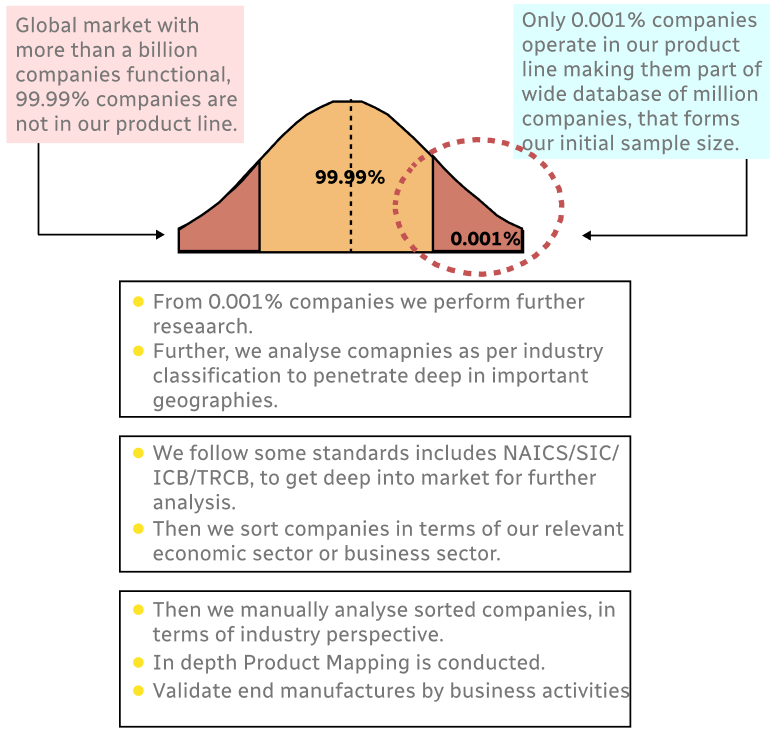
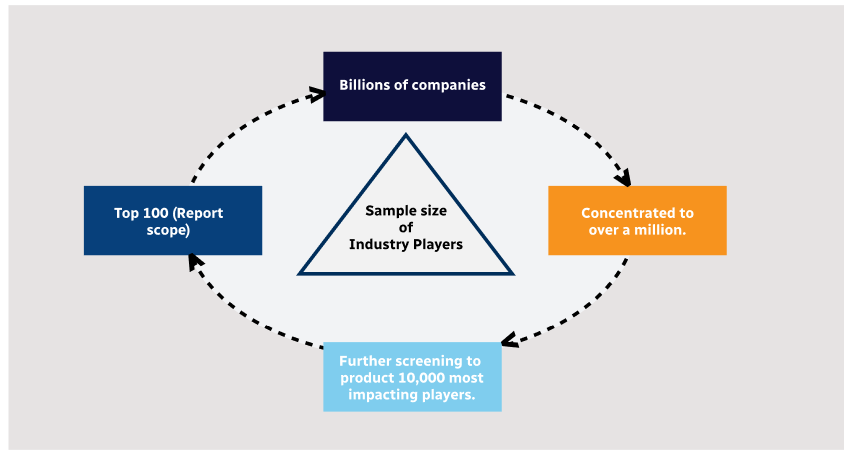
Step 1 - Identification of Relevant Samples Size from Population Database
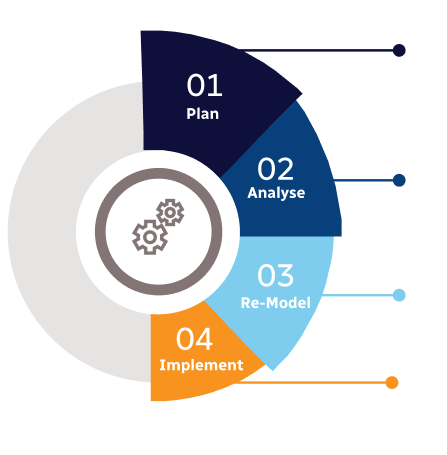
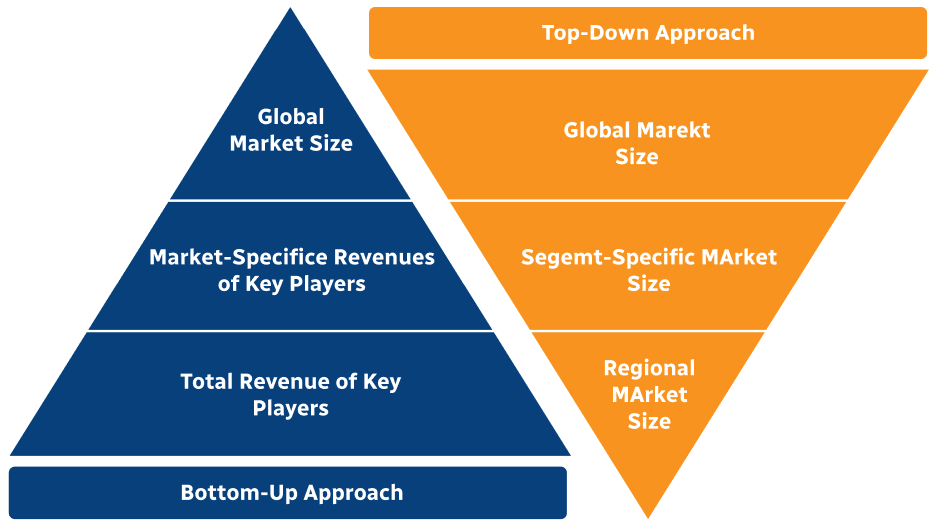
Step 2 - Approaches for Defining Global Market Size (Value, Volume* & Price*)
Note*: In applicable scenarios
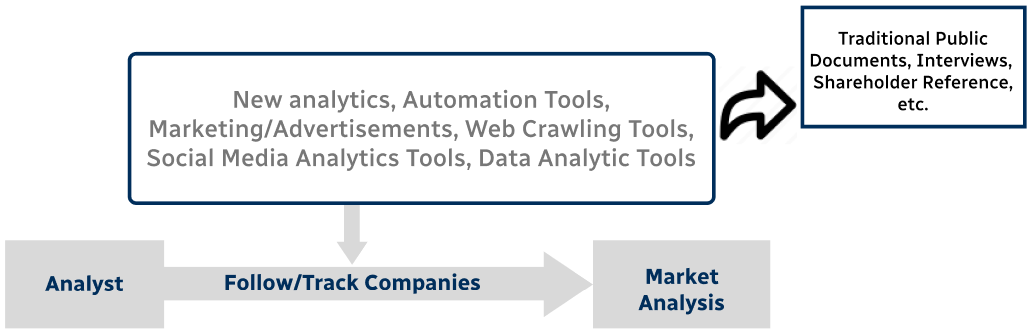
Step 3 - Data Sources
Primary Research
- Web Analytics
- Survey Reports
- Research Institute
- Latest Research Reports
- Opinion Leaders
Secondary Research
- Annual Reports
- White Paper
- Latest Press Release
- Industry Association
- Paid Database
- Investor Presentations
Step 4 - Data Triangulation
Involves using different sources of information in order to increase the validity of a study
These sources are likely to be stakeholders in a program - participants, other researchers, program staff, other community members, and so on.
Then we put all data in single framework & apply various statistical tools to find out the dynamic on the market.
During the analysis stage, feedback from the stakeholder groups would be compared to determine areas of agreement as well as areas of divergence