


Unlocking Growth in Rapid App Development Industry Market 2026-2034

Rapid App Development Industry by Type (Low-Code Development Platforms, No-Code Development Platforms), by Deployment Mode (On-Premise, Cloud), by Organization Size (Small and Medium Enterprises, Large Enterprises), by End-user Industry (BFSI, Retail and E-commerce, Government and Defense, Healthcare, Information Technology, Other En), by North America, by Europe, by Asia Pacific, by Rest of the World Forecast 2026-2034

Jan 16 2026
Base Year: 2025

234 Pages
Main Logo

Unlocking Growth in Rapid App Development Industry Market 2026-2034


Home
Industries
Technology, Media and Telecom

About Precision Market View

Precision Market View offers precise market research, industry intelligence, and data analysis for healthcare, manufacturing, technology, and energy. Our reports provide the clarity you need to make informed decisions and drive growth.

Our team combines primary research, advanced analytics, and industry expertise to deliver actionable intelligence. We offer syndicated reports, custom research, and consulting services tailored to your business needs.

At Precision Market View, we are committed to quality, transparency, and client satisfaction. Every report is rigorously validated to ensure accuracy and relevance. Our global perspective and local expertise help you understand both the big picture and the finer details of your market.

Stay informed with Precision Market View. Subscribe to our newsletter for the latest updates and research highlights, and follow us on social media for real-time insights.

Precision Market View – Clarity for Your Strategic Decisions.

Business Address

Head Office

Ansec House 3 rd floor Tank Road, Yerwada, Pune, Maharashtra 411014

Contact Information

Craig Francis

Business Development Head

+17162654855

[email protected]

Secure Payment Partners

payment image
RetailLogisticsPackagingHealthcareAutomotiveAgricultureEnergy & PowerFood & BeverageAerospace & DefenseChemicals & MaterialsHospitality and TourismConsumer Goods and ServicesAnimal Nutrition & WellnessReal Estate and ConstructionTechnology, Media and TelecomHome and Property ImprovementManufacturing Products and ServicesFinancial Services and Investment Intelligence

© 2026 PRDUA Research & Media Private Limited, All rights reserved

Privacy Policy
Terms and Conditions
FAQ
artwork spiralartwork spiralRelated Reports
artwork underline

Exploring Application Maintenance Outsourcing Industry Market Disruption and Innovation

Explore the dynamic Application Maintenance Outsourcing market forecast, featuring a **$213,744.84 million** size in 2025 and a **7.7% CAGR** through 2033. Discover key drivers, industry trends in BFSI, Healthcare, and more, and top companies shaping the future of IT support.

January 2026
Base Year: 2025
No Of Pages: 234
Price: $4750

Maritime Information Industry Insights: Growth at XX CAGR Through 2034

Explore the burgeoning Maritime Information Industry, projected to reach $2.79 billion with a 7.31% CAGR. Discover key drivers, applications like AIS and SAR, and market trends shaping global maritime operations.

January 2026
Base Year: 2025
No Of Pages: 234
Price: $4750

High-end Accelerometer Industry Industry Forecasts: Insights and Growth

Explore the dynamic High-end Accelerometer Market, projected to reach $7.92 billion by 2025 with a 9.8% CAGR. Discover key drivers, trends in defense, aerospace, automotive, and industrial sectors.

January 2026
Base Year: 2025
No Of Pages: 234
Price: $4750

Technological Advances in Singapore Data Center Storage Market Market: Trends and Opportunities 2026-2034

Explore the dynamic Singapore Data Center Storage Market, forecast to reach $1.16 million with a 3.44% CAGR. Discover key drivers like cloud adoption and digital transformation, alongside trends in NAS, SAN, and All-Flash storage.

January 2026
Base Year: 2025
No Of Pages: 197
Price: $3800

Customer Engagement Solution Industry Projected to Grow at XX CAGR: Insights and Forecasts 2026-2034

Explore the booming Customer Engagement Solution market, driven by omni-channel adoption and workforce optimization. Discover market size, CAGR, key trends, and regional growth.

January 2026
Base Year: 2025
No Of Pages: 234
Price: $4750

Vietnam Data Center Server Market Market Expansion: Growth Outlook 2026-2034

Explore the Vietnam Data Center Server Market's robust growth, driven by digitalization and cloud adoption. Discover key trends, drivers, and leading companies shaping the future of server infrastructure in Vietnam.

January 2026
Base Year: 2025
No Of Pages: 197
Price: $3800
  • Home
  • About Us
  • Industries
    • Retail
    • Hospitality and Tourism
    • Agriculture
    • Manufacturing Products and Services
    • Healthcare
    • Logistics
    • Aerospace & Defense
    • Professional and Commercial Services
    • Financial Services and Investment Intelligence
    • Consumer Goods and Services
    • Animal Nutrition & Wellness
    • Technology, Media and Telecom
    • Automotive
    • Home and Property Improvement
    • Real Estate and Construction
    • Packaging
    • Chemicals & Materials
    • Energy & Power
    • Food & Beverage
  • Services
  • Contact
Main Logo
  • Home
  • About Us
  • Industries
    • Retail
    • Hospitality and Tourism
    • Agriculture
    • Manufacturing Products and Services
    • Healthcare
    • Logistics
    • Aerospace & Defense
    • Professional and Commercial Services
    • Financial Services and Investment Intelligence
    • Consumer Goods and Services
    • Animal Nutrition & Wellness
    • Technology, Media and Telecom
    • Automotive
    • Home and Property Improvement
    • Real Estate and Construction
    • Packaging
    • Chemicals & Materials
    • Energy & Power
    • Food & Beverage
  • Services
  • Contact
+17162654855
[email protected]

+17162654855

[email protected]

sponsor image
sponsor image
sponsor image
sponsor image
sponsor image
sponsor image
sponsor image
sponsor image
sponsor image
sponsor image
sponsor image
sponsor image
sponsor image
sponsor image
sponsor image
sponsor image
sponsor image
sponsor image
sponsor image
sponsor image

Tailored for you

  • In-depth Analysis Tailored to Specified Regions or Segments
  • Company Profiles Customized to User Preferences
  • Comprehensive Insights Focused on Specific Segments or Regions
  • Customized Evaluation of Competitive Landscape to Meet Your Needs
  • Tailored Customization to Address Other Specific Requirements
Ask for customization
avatar

Analyst at Providence Strategic Partners at Petaling Jaya

Jared Wan

I have received the report already. Thanks you for your help.it has been a pleasure working with you. Thank you againg for a good quality report

avatar

US TPS Business Development Manager at Thermon

Erik Perison

The response was good, and I got what I was looking for as far as the report. Thank you for that.

avatar

Global Product, Quality & Strategy Executive- Principal Innovator at Donaldson

Shankar Godavarti

As requested- presale engagement was good, your perseverance, support and prompt responses were noted. Your follow up with vm’s were much appreciated. Happy with the final report and post sales by your team.

Key Insights

The Rapid Application Development (RAD) market is poised for significant expansion, with a projected market size of $56.5 billion in 2025, driven by an impressive CAGR of 21.07%. This robust growth is underpinned by a confluence of factors. Key among these is the escalating demand for agile and efficient software development solutions across diverse industries. Organizations are increasingly prioritizing speed to market and the ability to quickly adapt to evolving business needs, making RAD platforms indispensable. The proliferation of low-code and no-code development platforms is a primary catalyst, democratizing app creation and empowering citizen developers. This trend is further amplified by the growing digital transformation initiatives, where businesses are seeking to automate processes, enhance customer experiences, and gain a competitive edge through custom applications. The need for scalable and flexible deployment options, with a strong leaning towards cloud-based solutions, also fuels market adoption.

Rapid App Development Industry Research Report - Market Overview and Key Insights

Rapid App Development Industry Market Size (In Billion)

200.0B
150.0B
100.0B
50.0B
0
56.50 B
2025
68.38 B
2026
82.74 B
2027
100.0 B
2028
121.1 B
2029
146.6 B
2030
177.3 B
2031
Main Logo

The RAD market is segmented across various platforms, deployment modes, organization sizes, and end-user industries. While both low-code and no-code platforms are experiencing substantial uptake, the former caters to more complex application requirements, and the latter facilitates rapid, user-friendly development. Cloud deployment is emerging as the dominant mode due to its scalability, cost-effectiveness, and accessibility, though on-premise solutions still hold relevance for specific industries with stringent data security regulations. Small and medium-sized enterprises (SMEs) are increasingly adopting RAD to bridge the IT talent gap and accelerate their digital journeys, while large enterprises leverage these platforms for faster innovation cycles and to manage their extensive application portfolios. Key industries driving this demand include BFSI, Retail & E-commerce, Healthcare, and Information Technology, all seeking to streamline operations and deliver enhanced digital services. Emerging trends point towards greater integration capabilities, AI-powered development assistance, and a continued focus on user experience within RAD platforms.

Rapid App Development Industry Market Size and Forecast (2024-2030)

Rapid App Development Industry Company Market Share

Loading chart...
Main Logo

This comprehensive report, covering the Rapid App Development Industry, provides an in-depth analysis of a market projected to reach billions in value. Spanning from 2019 to 2033, with a base and estimated year of 2025, this study offers critical insights into market dynamics, key trends, dominant segments, and future outlook. Essential for decision-makers, IT leaders, and strategic planners, this report equips you with actionable intelligence to navigate and capitalize on the accelerating demand for agile software solutions. Explore how low-code development platforms and no-code development platforms are revolutionizing application creation across various deployment modes (On-Premise, Cloud) and organization sizes (Small and Medium Enterprises, Large Enterprises). Discover how these advancements are transforming end-user industries such as BFSI, Retail and E-commerce, Government and Defense, Healthcare, and Information Technology.

Rapid App Development Industry Market Structure & Competitive Dynamics

The Rapid App Development Industry is characterized by a dynamic market structure with both concentrated and fragmented elements. Key players like Appian Corporation, IBM Corporation, ServiceNow, Salesforce com Inc, OutSystems, Microsoft Corporation, Amazon Web Services Inc, Oracle Corporation, and Zoho Corporation Private Limited are driving significant innovation. Market concentration is influenced by strategic partnerships and acquisitions, with M&A activities valued in the billions, aimed at expanding platform capabilities and market reach. The innovation ecosystem thrives on the continuous development of user-friendly interfaces and advanced functionalities within low-code development platforms and no-code development platforms. Regulatory frameworks, while evolving, are generally supportive of digital transformation initiatives that drive app development efficiency. Product substitutes are emerging, but the unique value proposition of rapid development, reduced time-to-market, and lower development costs continue to solidify the market's dominance. End-user trends indicate a strong preference for scalable, flexible, and cost-effective application solutions, further fueling market growth.

Rapid App Development Industry Industry Trends & Insights

The Rapid App Development Industry is experiencing unprecedented growth, driven by a confluence of factors that are reshaping how organizations build and deploy software. The primary growth driver is the escalating demand for digital transformation across all sectors, as businesses seek to enhance customer experiences, streamline operations, and gain a competitive edge. This demand is amplified by the increasing shortage of skilled developers, making low-code development platforms and no-code development platforms indispensable tools for empowering citizen developers and accelerating project timelines. Technological disruptions are at the forefront, with advancements in artificial intelligence (AI) and machine learning (ML) being integrated into RAD platforms to offer intelligent design assistance, automated testing, and predictive analytics. Cloud adoption is another significant trend, with Cloud deployment modes dominating the market due to their scalability, flexibility, and cost-effectiveness. Consumer preferences are shifting towards highly personalized and engaging applications, which RAD platforms are uniquely positioned to deliver with their iterative development cycles. The competitive landscape is intensifying, with established tech giants and agile startups vying for market share. This dynamic environment fosters continuous innovation, leading to more sophisticated platform features and broader application possibilities. The market is projected to witness a Compound Annual Growth Rate (CAGR) of approximately xx% over the forecast period, with market penetration expanding rapidly across small and medium enterprises and large enterprises alike.

Dominant Markets & Segments in Rapid App Development Industry

The Rapid App Development Industry exhibits distinct dominance across various geographical regions and market segments. North America currently leads the market, propelled by robust digital transformation initiatives within its BFSI, Retail and E-commerce, and Information Technology sectors. The United States, in particular, accounts for a significant market share due to the early adoption of advanced technologies and a thriving startup ecosystem.

  • Type: Low-Code Development Platforms are currently dominant, offering a balance of flexibility and speed for professional developers and IT departments. However, No-Code Development Platforms are rapidly gaining traction, democratizing app development for business users with minimal technical expertise. This segment is expected to witness substantial growth.
  • Deployment Mode: Cloud deployment is the undisputed leader, accounting for an estimated xx% of the market share. Its inherent advantages in scalability, accessibility, and reduced infrastructure management costs make it the preferred choice for most organizations. On-Premise solutions, while still relevant for highly regulated industries, represent a smaller and declining portion of the market.
  • Organization Size: While Large Enterprises have historically been major adopters due to their complex application needs and substantial IT budgets, Small and Medium Enterprises (SMEs) are emerging as a significant growth segment. The cost-effectiveness and rapid deployment capabilities of RAD platforms are making them increasingly accessible and attractive to SMEs seeking to digitize their operations.
  • End-user Industry: The BFSI sector is a major consumer of RAD solutions, driven by the need for rapid innovation in financial services, customer onboarding, and regulatory compliance. The Retail and E-commerce industry leverages RAD for developing customer-facing applications, inventory management systems, and personalized shopping experiences. The Healthcare sector is increasingly adopting RAD for patient management, telemedicine platforms, and electronic health records (EHR) modernization. The Government and Defense sector utilizes RAD for developing citizen-facing services, internal workflow automation, and secure application development. The Information Technology sector itself is a significant user, both for internal tool development and as a provider of RAD-based solutions.

Rapid App Development Industry Product Innovations

Product innovations in the Rapid App Development Industry are focused on enhancing user experience, expanding integration capabilities, and incorporating advanced intelligence. Platforms are increasingly featuring AI-driven design assistants, automated testing frameworks, and real-time collaboration tools to further accelerate development cycles. The integration with existing enterprise systems and a wider array of third-party services is a key competitive advantage, enabling seamless data flow and workflow automation. These advancements cater to a growing market demand for highly customizable, scalable, and secure applications that can be deployed rapidly to meet evolving business needs.

Report Segmentation & Scope

This report meticulously segments the Rapid App Development Industry based on Type, encompassing Low-Code Development Platforms and No-Code Development Platforms. Deployment Mode is analyzed across On-Premise and Cloud solutions. Organization Size is dissected into Small and Medium Enterprises and Large Enterprises. Furthermore, the End-user Industry segmentation includes BFSI, Retail and E-commerce, Government and Defense, Healthcare, Information Technology, and Other. Each segment is projected to exhibit distinct growth trajectories, with market sizes and competitive dynamics detailed within the report.

Key Drivers of Rapid App Development Industry Growth

Several key drivers are fueling the remarkable growth of the Rapid App Development Industry. The imperative for digital transformation, driven by increasing customer expectations and competitive pressures, necessitates faster application delivery. The persistent global shortage of skilled IT professionals makes low-code and no-code solutions a strategic imperative for bridging the talent gap. Advancements in AI and machine learning are enhancing the capabilities of RAD platforms, offering more intelligent and automated development processes. Furthermore, the growing adoption of cloud computing provides a scalable and flexible foundation for rapid application deployment.

Challenges in the Rapid App Development Industry Sector

Despite its strong growth trajectory, the Rapid App Development Industry faces certain challenges. While generally less burdensome than traditional development, some regulatory hurdles and compliance requirements can still pose complexities, particularly for highly regulated industries. Ensuring robust security measures and data privacy within the accelerated development lifecycle remains a paramount concern. Furthermore, the proliferation of diverse platforms can lead to vendor lock-in concerns and integration challenges with legacy systems. Competitive pressures are also intense, driving continuous innovation but also potentially leading to market consolidation.

Leading Players in the Rapid App Development Industry Market

  • Appian Corporation
  • IBM Corporation
  • ServiceNow
  • Salesforce com Inc
  • OutSystems
  • Microsoft Corporation
  • Amazon Web Services Inc
  • Oracle Corporation
  • Zoho Corporation Private Limited
  • LANSA

Key Developments in Rapid App Development Industry Sector

  • November 2021: Hybrid IT systems integrator and managed services provider Datacentrix formed a partnership agreement with the OutSystems application development platform for Africa and the Middle East. The OutSystems modern application platform is specifically designed to accelerate the development and deployment of critical applications while also delivering flexibility and efficiency. This partnership is expected to aid Datacentrix in assisting customers in their application modernization strategies with a cloud engagement strategy that aligns with Datacentrix's vision.

Strategic Rapid App Development Industry Market Outlook

The strategic outlook for the Rapid App Development Industry is exceptionally promising. The continued acceleration of digital transformation initiatives across all sectors will remain a primary growth accelerator. As businesses increasingly prioritize agility and faster time-to-market, the adoption of low-code and no-code platforms will become a standard practice rather than a niche solution. Future market potential lies in the deeper integration of AI and machine learning, enabling more sophisticated application development and intelligent automation. Strategic opportunities include expanding platform capabilities for niche industries, enhancing interoperability with existing enterprise architectures, and catering to the growing demand for specialized application development solutions by Small and Medium Enterprises.

Rapid App Development Industry Segmentation

  • 1. Type
    • 1.1. Low-Code Development Platforms
    • 1.2. No-Code Development Platforms
  • 2. Deployment Mode
    • 2.1. On-Premise
    • 2.2. Cloud
  • 3. Organization Size
    • 3.1. Small and Medium Enterprises
    • 3.2. Large Enterprises
  • 4. End-user Industry
    • 4.1. BFSI
    • 4.2. Retail and E-commerce
    • 4.3. Government and Defense
    • 4.4. Healthcare
    • 4.5. Information Technology
    • 4.6. Other En

Rapid App Development Industry Segmentation By Geography

  • 1. North America
  • 2. Europe
  • 3. Asia Pacific
  • 4. Rest of the World
Rapid App Development Industry Market Share by Region - Global Geographic Distribution

Rapid App Development Industry Regional Market Share

Loading chart...
Main Logo

Geographic Coverage of Rapid App Development Industry

Higher Coverage
Lower Coverage
No Coverage

Rapid App Development Industry REPORT HIGHLIGHTS

AspectsDetails
Study Period 2020-2034
Base Year 2025
Estimated Year 2026
Forecast Period2026-2034
Historical Period2020-2025
Growth RateCAGR of 21.07% from 2020-2034
Segmentation
    • By Type
      • Low-Code Development Platforms
      • No-Code Development Platforms
    • By Deployment Mode
      • On-Premise
      • Cloud
    • By Organization Size
      • Small and Medium Enterprises
      • Large Enterprises
    • By End-user Industry
      • BFSI
      • Retail and E-commerce
      • Government and Defense
      • Healthcare
      • Information Technology
      • Other En
  • By Geography
    • North America
    • Europe
    • Asia Pacific
    • Rest of the World

Table of Contents

  1. 1. Introduction
    • 1.1. Research Scope
    • 1.2. Market Segmentation
    • 1.3. Research Methodology
    • 1.4. Definitions and Assumptions
  2. 2. Executive Summary
    • 2.1. Introduction
  3. 3. Market Dynamics
    • 3.1. Introduction
      • 3.2. Market Drivers
        • 3.2.1. Innovation in the Businesses and Integration of Advanced Technologies; Flexibility to Customize Solutions as per an Organizations Dynamic Requirements
      • 3.3. Market Restrains
        • 3.3.1. Lack of Skilled Professionals
      • 3.4. Market Trends
        • 3.4.1. Small and Medium-sized Enterprises To Drive the Market Growth
  4. 4. Market Factor Analysis
    • 4.1. Porters Five Forces
    • 4.2. Supply/Value Chain
    • 4.3. PESTEL analysis
    • 4.4. Market Entropy
    • 4.5. Patent/Trademark Analysis
  5. 5. Global Rapid App Development Industry Analysis, Insights and Forecast, 2020-2032
    • 5.1. Market Analysis, Insights and Forecast - by Type
      • 5.1.1. Low-Code Development Platforms
      • 5.1.2. No-Code Development Platforms
    • 5.2. Market Analysis, Insights and Forecast - by Deployment Mode
      • 5.2.1. On-Premise
      • 5.2.2. Cloud
    • 5.3. Market Analysis, Insights and Forecast - by Organization Size
      • 5.3.1. Small and Medium Enterprises
      • 5.3.2. Large Enterprises
    • 5.4. Market Analysis, Insights and Forecast - by End-user Industry
      • 5.4.1. BFSI
      • 5.4.2. Retail and E-commerce
      • 5.4.3. Government and Defense
      • 5.4.4. Healthcare
      • 5.4.5. Information Technology
      • 5.4.6. Other En
    • 5.5. Market Analysis, Insights and Forecast - by Region
      • 5.5.1. North America
      • 5.5.2. Europe
      • 5.5.3. Asia Pacific
      • 5.5.4. Rest of the World
  6. 6. North America Rapid App Development Industry Analysis, Insights and Forecast, 2020-2032
    • 6.1. Market Analysis, Insights and Forecast - by Type
      • 6.1.1. Low-Code Development Platforms
      • 6.1.2. No-Code Development Platforms
    • 6.2. Market Analysis, Insights and Forecast - by Deployment Mode
      • 6.2.1. On-Premise
      • 6.2.2. Cloud
    • 6.3. Market Analysis, Insights and Forecast - by Organization Size
      • 6.3.1. Small and Medium Enterprises
      • 6.3.2. Large Enterprises
    • 6.4. Market Analysis, Insights and Forecast - by End-user Industry
      • 6.4.1. BFSI
      • 6.4.2. Retail and E-commerce
      • 6.4.3. Government and Defense
      • 6.4.4. Healthcare
      • 6.4.5. Information Technology
      • 6.4.6. Other En
  7. 7. Europe Rapid App Development Industry Analysis, Insights and Forecast, 2020-2032
    • 7.1. Market Analysis, Insights and Forecast - by Type
      • 7.1.1. Low-Code Development Platforms
      • 7.1.2. No-Code Development Platforms
    • 7.2. Market Analysis, Insights and Forecast - by Deployment Mode
      • 7.2.1. On-Premise
      • 7.2.2. Cloud
    • 7.3. Market Analysis, Insights and Forecast - by Organization Size
      • 7.3.1. Small and Medium Enterprises
      • 7.3.2. Large Enterprises
    • 7.4. Market Analysis, Insights and Forecast - by End-user Industry
      • 7.4.1. BFSI
      • 7.4.2. Retail and E-commerce
      • 7.4.3. Government and Defense
      • 7.4.4. Healthcare
      • 7.4.5. Information Technology
      • 7.4.6. Other En
  8. 8. Asia Pacific Rapid App Development Industry Analysis, Insights and Forecast, 2020-2032
    • 8.1. Market Analysis, Insights and Forecast - by Type
      • 8.1.1. Low-Code Development Platforms
      • 8.1.2. No-Code Development Platforms
    • 8.2. Market Analysis, Insights and Forecast - by Deployment Mode
      • 8.2.1. On-Premise
      • 8.2.2. Cloud
    • 8.3. Market Analysis, Insights and Forecast - by Organization Size
      • 8.3.1. Small and Medium Enterprises
      • 8.3.2. Large Enterprises
    • 8.4. Market Analysis, Insights and Forecast - by End-user Industry
      • 8.4.1. BFSI
      • 8.4.2. Retail and E-commerce
      • 8.4.3. Government and Defense
      • 8.4.4. Healthcare
      • 8.4.5. Information Technology
      • 8.4.6. Other En
  9. 9. Rest of the World Rapid App Development Industry Analysis, Insights and Forecast, 2020-2032
    • 9.1. Market Analysis, Insights and Forecast - by Type
      • 9.1.1. Low-Code Development Platforms
      • 9.1.2. No-Code Development Platforms
    • 9.2. Market Analysis, Insights and Forecast - by Deployment Mode
      • 9.2.1. On-Premise
      • 9.2.2. Cloud
    • 9.3. Market Analysis, Insights and Forecast - by Organization Size
      • 9.3.1. Small and Medium Enterprises
      • 9.3.2. Large Enterprises
    • 9.4. Market Analysis, Insights and Forecast - by End-user Industry
      • 9.4.1. BFSI
      • 9.4.2. Retail and E-commerce
      • 9.4.3. Government and Defense
      • 9.4.4. Healthcare
      • 9.4.5. Information Technology
      • 9.4.6. Other En
  10. 10. Competitive Analysis
    • 10.1. Global Market Share Analysis 2025
      • 10.2. Company Profiles
        • 10.2.1 Appian Corporation
          • 10.2.1.1. Overview
          • 10.2.1.2. Products
          • 10.2.1.3. SWOT Analysis
          • 10.2.1.4. Recent Developments
          • 10.2.1.5. Financials (Based on Availability)
        • 10.2.2 IBM Corporation
          • 10.2.2.1. Overview
          • 10.2.2.2. Products
          • 10.2.2.3. SWOT Analysis
          • 10.2.2.4. Recent Developments
          • 10.2.2.5. Financials (Based on Availability)
        • 10.2.3 ServiceNow
          • 10.2.3.1. Overview
          • 10.2.3.2. Products
          • 10.2.3.3. SWOT Analysis
          • 10.2.3.4. Recent Developments
          • 10.2.3.5. Financials (Based on Availability)
        • 10.2.4 Salesforce com Inc
          • 10.2.4.1. Overview
          • 10.2.4.2. Products
          • 10.2.4.3. SWOT Analysis
          • 10.2.4.4. Recent Developments
          • 10.2.4.5. Financials (Based on Availability)
        • 10.2.5 OutSystems
          • 10.2.5.1. Overview
          • 10.2.5.2. Products
          • 10.2.5.3. SWOT Analysis
          • 10.2.5.4. Recent Developments
          • 10.2.5.5. Financials (Based on Availability)
        • 10.2.6 Microsoft Corporation
          • 10.2.6.1. Overview
          • 10.2.6.2. Products
          • 10.2.6.3. SWOT Analysis
          • 10.2.6.4. Recent Developments
          • 10.2.6.5. Financials (Based on Availability)
        • 10.2.7 Amazon Web Services Inc
          • 10.2.7.1. Overview
          • 10.2.7.2. Products
          • 10.2.7.3. SWOT Analysis
          • 10.2.7.4. Recent Developments
          • 10.2.7.5. Financials (Based on Availability)
        • 10.2.8 Oracle Corporation
          • 10.2.8.1. Overview
          • 10.2.8.2. Products
          • 10.2.8.3. SWOT Analysis
          • 10.2.8.4. Recent Developments
          • 10.2.8.5. Financials (Based on Availability)
        • 10.2.9 Zoho Corporation Private Limited
          • 10.2.9.1. Overview
          • 10.2.9.2. Products
          • 10.2.9.3. SWOT Analysis
          • 10.2.9.4. Recent Developments
          • 10.2.9.5. Financials (Based on Availability)
        • 10.2.10 LANSA*List Not Exhaustive
          • 10.2.10.1. Overview
          • 10.2.10.2. Products
          • 10.2.10.3. SWOT Analysis
          • 10.2.10.4. Recent Developments
          • 10.2.10.5. Financials (Based on Availability)

List of Figures

  1. Figure 1: Global Rapid App Development Industry Revenue Breakdown (undefined, %) by Region 2025 & 2033
  2. Figure 2: North America Rapid App Development Industry Revenue (undefined), by Type 2025 & 2033
  3. Figure 3: North America Rapid App Development Industry Revenue Share (%), by Type 2025 & 2033
  4. Figure 4: North America Rapid App Development Industry Revenue (undefined), by Deployment Mode 2025 & 2033
  5. Figure 5: North America Rapid App Development Industry Revenue Share (%), by Deployment Mode 2025 & 2033
  6. Figure 6: North America Rapid App Development Industry Revenue (undefined), by Organization Size 2025 & 2033
  7. Figure 7: North America Rapid App Development Industry Revenue Share (%), by Organization Size 2025 & 2033
  8. Figure 8: North America Rapid App Development Industry Revenue (undefined), by End-user Industry 2025 & 2033
  9. Figure 9: North America Rapid App Development Industry Revenue Share (%), by End-user Industry 2025 & 2033
  10. Figure 10: North America Rapid App Development Industry Revenue (undefined), by Country 2025 & 2033
  11. Figure 11: North America Rapid App Development Industry Revenue Share (%), by Country 2025 & 2033
  12. Figure 12: Europe Rapid App Development Industry Revenue (undefined), by Type 2025 & 2033
  13. Figure 13: Europe Rapid App Development Industry Revenue Share (%), by Type 2025 & 2033
  14. Figure 14: Europe Rapid App Development Industry Revenue (undefined), by Deployment Mode 2025 & 2033
  15. Figure 15: Europe Rapid App Development Industry Revenue Share (%), by Deployment Mode 2025 & 2033
  16. Figure 16: Europe Rapid App Development Industry Revenue (undefined), by Organization Size 2025 & 2033
  17. Figure 17: Europe Rapid App Development Industry Revenue Share (%), by Organization Size 2025 & 2033
  18. Figure 18: Europe Rapid App Development Industry Revenue (undefined), by End-user Industry 2025 & 2033
  19. Figure 19: Europe Rapid App Development Industry Revenue Share (%), by End-user Industry 2025 & 2033
  20. Figure 20: Europe Rapid App Development Industry Revenue (undefined), by Country 2025 & 2033
  21. Figure 21: Europe Rapid App Development Industry Revenue Share (%), by Country 2025 & 2033
  22. Figure 22: Asia Pacific Rapid App Development Industry Revenue (undefined), by Type 2025 & 2033
  23. Figure 23: Asia Pacific Rapid App Development Industry Revenue Share (%), by Type 2025 & 2033
  24. Figure 24: Asia Pacific Rapid App Development Industry Revenue (undefined), by Deployment Mode 2025 & 2033
  25. Figure 25: Asia Pacific Rapid App Development Industry Revenue Share (%), by Deployment Mode 2025 & 2033
  26. Figure 26: Asia Pacific Rapid App Development Industry Revenue (undefined), by Organization Size 2025 & 2033
  27. Figure 27: Asia Pacific Rapid App Development Industry Revenue Share (%), by Organization Size 2025 & 2033
  28. Figure 28: Asia Pacific Rapid App Development Industry Revenue (undefined), by End-user Industry 2025 & 2033
  29. Figure 29: Asia Pacific Rapid App Development Industry Revenue Share (%), by End-user Industry 2025 & 2033
  30. Figure 30: Asia Pacific Rapid App Development Industry Revenue (undefined), by Country 2025 & 2033
  31. Figure 31: Asia Pacific Rapid App Development Industry Revenue Share (%), by Country 2025 & 2033
  32. Figure 32: Rest of the World Rapid App Development Industry Revenue (undefined), by Type 2025 & 2033
  33. Figure 33: Rest of the World Rapid App Development Industry Revenue Share (%), by Type 2025 & 2033
  34. Figure 34: Rest of the World Rapid App Development Industry Revenue (undefined), by Deployment Mode 2025 & 2033
  35. Figure 35: Rest of the World Rapid App Development Industry Revenue Share (%), by Deployment Mode 2025 & 2033
  36. Figure 36: Rest of the World Rapid App Development Industry Revenue (undefined), by Organization Size 2025 & 2033
  37. Figure 37: Rest of the World Rapid App Development Industry Revenue Share (%), by Organization Size 2025 & 2033
  38. Figure 38: Rest of the World Rapid App Development Industry Revenue (undefined), by End-user Industry 2025 & 2033
  39. Figure 39: Rest of the World Rapid App Development Industry Revenue Share (%), by End-user Industry 2025 & 2033
  40. Figure 40: Rest of the World Rapid App Development Industry Revenue (undefined), by Country 2025 & 2033
  41. Figure 41: Rest of the World Rapid App Development Industry Revenue Share (%), by Country 2025 & 2033

List of Tables

  1. Table 1: Global Rapid App Development Industry Revenue undefined Forecast, by Type 2020 & 2033
  2. Table 2: Global Rapid App Development Industry Revenue undefined Forecast, by Deployment Mode 2020 & 2033
  3. Table 3: Global Rapid App Development Industry Revenue undefined Forecast, by Organization Size 2020 & 2033
  4. Table 4: Global Rapid App Development Industry Revenue undefined Forecast, by End-user Industry 2020 & 2033
  5. Table 5: Global Rapid App Development Industry Revenue undefined Forecast, by Region 2020 & 2033
  6. Table 6: Global Rapid App Development Industry Revenue undefined Forecast, by Type 2020 & 2033
  7. Table 7: Global Rapid App Development Industry Revenue undefined Forecast, by Deployment Mode 2020 & 2033
  8. Table 8: Global Rapid App Development Industry Revenue undefined Forecast, by Organization Size 2020 & 2033
  9. Table 9: Global Rapid App Development Industry Revenue undefined Forecast, by End-user Industry 2020 & 2033
  10. Table 10: Global Rapid App Development Industry Revenue undefined Forecast, by Country 2020 & 2033
  11. Table 11: Global Rapid App Development Industry Revenue undefined Forecast, by Type 2020 & 2033
  12. Table 12: Global Rapid App Development Industry Revenue undefined Forecast, by Deployment Mode 2020 & 2033
  13. Table 13: Global Rapid App Development Industry Revenue undefined Forecast, by Organization Size 2020 & 2033
  14. Table 14: Global Rapid App Development Industry Revenue undefined Forecast, by End-user Industry 2020 & 2033
  15. Table 15: Global Rapid App Development Industry Revenue undefined Forecast, by Country 2020 & 2033
  16. Table 16: Global Rapid App Development Industry Revenue undefined Forecast, by Type 2020 & 2033
  17. Table 17: Global Rapid App Development Industry Revenue undefined Forecast, by Deployment Mode 2020 & 2033
  18. Table 18: Global Rapid App Development Industry Revenue undefined Forecast, by Organization Size 2020 & 2033
  19. Table 19: Global Rapid App Development Industry Revenue undefined Forecast, by End-user Industry 2020 & 2033
  20. Table 20: Global Rapid App Development Industry Revenue undefined Forecast, by Country 2020 & 2033
  21. Table 21: Global Rapid App Development Industry Revenue undefined Forecast, by Type 2020 & 2033
  22. Table 22: Global Rapid App Development Industry Revenue undefined Forecast, by Deployment Mode 2020 & 2033
  23. Table 23: Global Rapid App Development Industry Revenue undefined Forecast, by Organization Size 2020 & 2033
  24. Table 24: Global Rapid App Development Industry Revenue undefined Forecast, by End-user Industry 2020 & 2033
  25. Table 25: Global Rapid App Development Industry Revenue undefined Forecast, by Country 2020 & 2033

Frequently Asked Questions

1. What is the projected Compound Annual Growth Rate (CAGR) of the Rapid App Development Industry?

The projected CAGR is approximately 21.07%.

2. Which companies are prominent players in the Rapid App Development Industry?

Key companies in the market include Appian Corporation, IBM Corporation, ServiceNow, Salesforce com Inc, OutSystems, Microsoft Corporation, Amazon Web Services Inc, Oracle Corporation, Zoho Corporation Private Limited, LANSA*List Not Exhaustive.

3. What are the main segments of the Rapid App Development Industry?

The market segments include Type, Deployment Mode, Organization Size, End-user Industry.

4. Can you provide details about the market size?

The market size is estimated to be USD XXX N/A as of 2022.

5. What are some drivers contributing to market growth?

Innovation in the Businesses and Integration of Advanced Technologies; Flexibility to Customize Solutions as per an Organizations Dynamic Requirements.

6. What are the notable trends driving market growth?

Small and Medium-sized Enterprises To Drive the Market Growth.

7. Are there any restraints impacting market growth?

Lack of Skilled Professionals.

8. Can you provide examples of recent developments in the market?

November 2021 - Hybrid IT systems integrator and managed services provider Datacentrix formed a partnership agreement with the OutSystems application development platform for Africa and the Middle East. The OutSystems modern application platform is specifically designed to accelerate the development and deployment of critical applications while also delivering flexibility and efficiency. This is expected to aid Datacentrix in assisting customers in their application modernization strategies with a cloud engagement strategy that aligns with Datacentrix's vision.

9. What pricing options are available for accessing the report?

Pricing options include single-user, multi-user, and enterprise licenses priced at USD 4750, USD 5250, and USD 8750 respectively.

10. Is the market size provided in terms of value or volume?

The market size is provided in terms of value, measured in N/A.

11. Are there any specific market keywords associated with the report?

Yes, the market keyword associated with the report is "Rapid App Development Industry," which aids in identifying and referencing the specific market segment covered.

12. How do I determine which pricing option suits my needs best?

The pricing options vary based on user requirements and access needs. Individual users may opt for single-user licenses, while businesses requiring broader access may choose multi-user or enterprise licenses for cost-effective access to the report.

13. Are there any additional resources or data provided in the Rapid App Development Industry report?

While the report offers comprehensive insights, it's advisable to review the specific contents or supplementary materials provided to ascertain if additional resources or data are available.

14. How can I stay updated on further developments or reports in the Rapid App Development Industry?

To stay informed about further developments, trends, and reports in the Rapid App Development Industry, consider subscribing to industry newsletters, following relevant companies and organizations, or regularly checking reputable industry news sources and publications.

Methodology

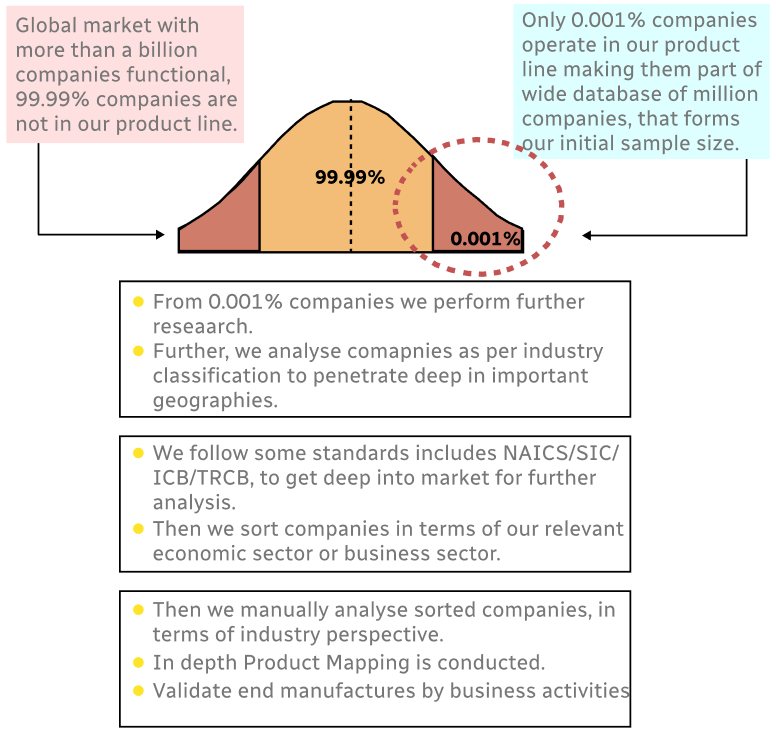
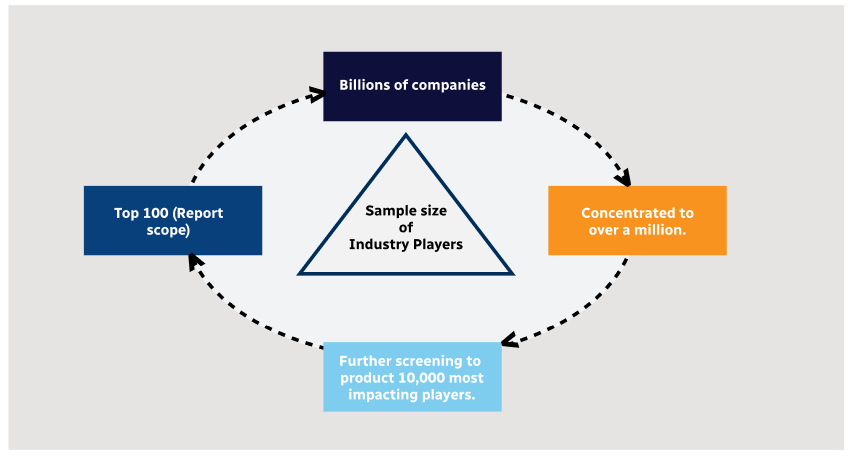
Step 1 - Identification of Relevant Samples Size from Population Database
Step Chart
Bar Chart
Method Chart

Step 2 - Approaches for Defining Global Market Size (Value, Volume* & Price*)
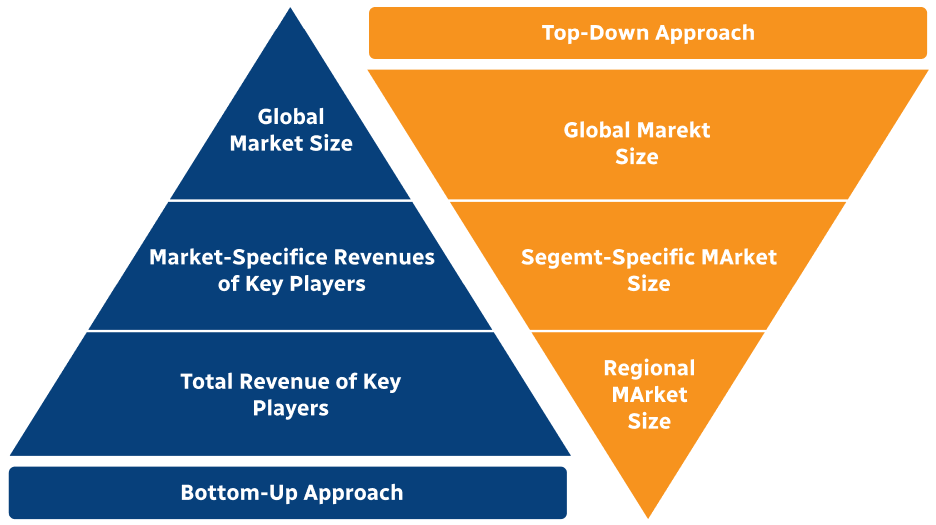
Approach Chart
Top-down and bottom-up approaches are used to validate the global market size and estimate the market size for manufactures, regional segments, product, and application.

Note*: In applicable scenarios

Step 3 - Data Sources

Primary Research

  • Web Analytics
  • Survey Reports
  • Research Institute
  • Latest Research Reports
  • Opinion Leaders

Secondary Research

  • Annual Reports
  • White Paper
  • Latest Press Release
  • Industry Association
  • Paid Database
  • Investor Presentations
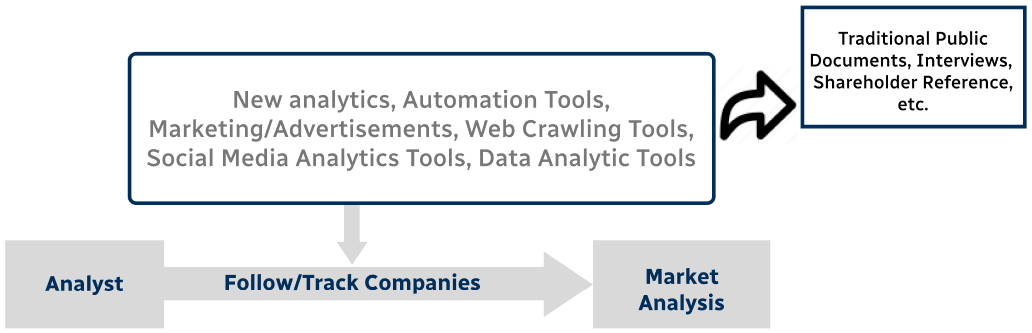
Analyst Chart

Step 4 - Data Triangulation

Involves using different sources of information in order to increase the validity of a study

These sources are likely to be stakeholders in a program - participants, other researchers, program staff, other community members, and so on.

Then we put all data in single framework & apply various statistical tools to find out the dynamic on the market.

During the analysis stage, feedback from the stakeholder groups would be compared to determine areas of agreement as well as areas of divergence

Additionally, after gathering mixed and scattered data from a wide range of sources, data is triangulated and correlated to come up with estimated figures which are further validated through primary mediums or industry experts, opinion leaders.