


Key Insights
The global prosthetic device market is experiencing robust expansion, projected to reach an estimated $5,500 million by 2025, with a compound annual growth rate (CAGR) of approximately 7.5% through 2033. This significant growth is underpinned by several key drivers, including the increasing incidence of amputations due to chronic diseases like diabetes and peripheral vascular diseases, alongside a rise in traumatic injuries. Advancements in prosthetic technology, such as the development of lighter, more durable, and sophisticated bionic limbs with improved functionality and sensory feedback, are further fueling market adoption. The growing awareness and accessibility of prosthetic solutions, supported by government initiatives and insurance coverage in various regions, also contribute to this positive trajectory. The market is segmented into upper and lower extremity prosthetics, with lower extremity devices currently holding a larger share due to higher prevalence of conditions requiring their use. Hospitals and prosthetic clinics are the primary end-users, benefiting from the integration of advanced prosthetic solutions.
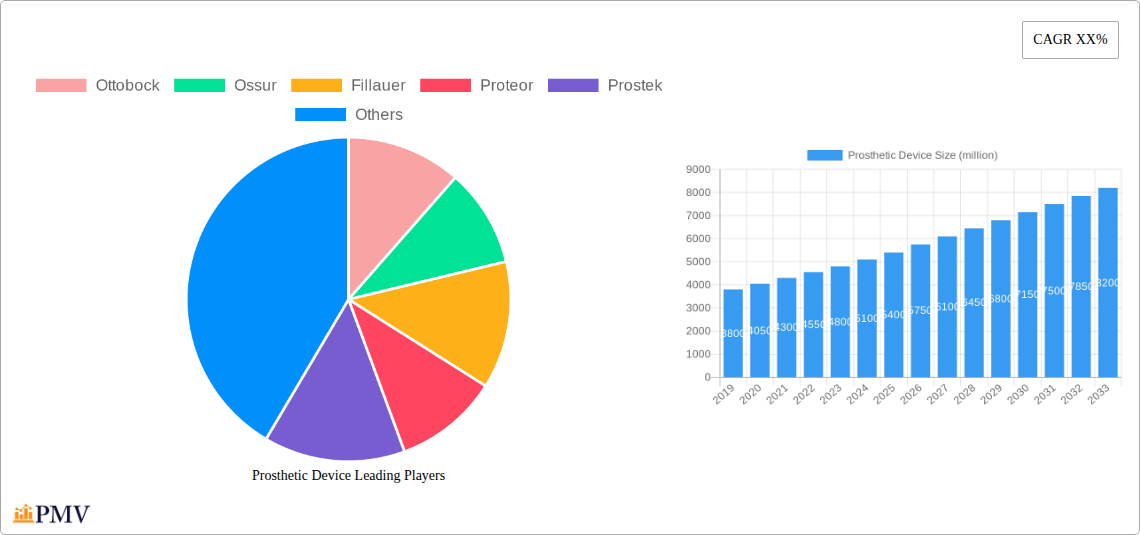
Prosthetic Device Market Size (In Billion)

The prosthetic device market is characterized by dynamic trends, including the integration of AI and machine learning for smarter prosthetics that adapt to user needs, and the increasing adoption of 3D printing for customized and cost-effective prosthetic solutions. Companies are focusing on developing advanced robotic prosthetics that offer greater dexterity and control, mimicking natural limb movements. However, the market faces certain restraints, such as the high cost of advanced prosthetic devices, which can limit affordability for a significant portion of the patient population, particularly in developing economies. Reimbursement policies and regulatory hurdles also present challenges to widespread adoption. Geographically, North America and Europe currently dominate the market due to established healthcare infrastructure and higher disposable incomes, but the Asia Pacific region is anticipated to witness the fastest growth, driven by a rising middle class, increasing healthcare expenditure, and a growing patient pool. Innovations in materials science and a greater emphasis on patient rehabilitation and training are expected to shape the future landscape of the prosthetic device market.
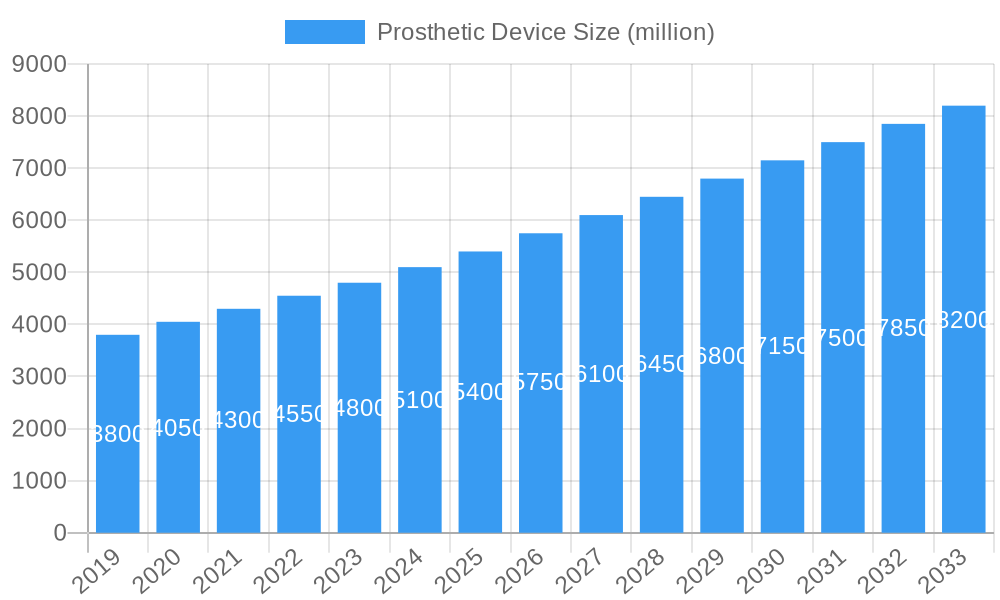
Prosthetic Device Company Market Share
This in-depth report delves into the dynamic prosthetic device market, providing unparalleled insights into upper extremity prosthetics, lower extremity prosthetics, and other prosthetic solutions. With a study period spanning 2019–2033, including a base year of 2025 and a forecast period of 2025–2033, this analysis offers critical data for stakeholders navigating this evolving sector. We meticulously examine market dynamics, industry trends, product innovations, and the strategic landscape, presenting actionable intelligence for hospitals, prosthetic clinics, and other key players. Our comprehensive segmentation covers various applications and types of prosthetic devices, offering granular detail on market sizes and growth trajectories. Discover the key drivers and challenges shaping the future of prosthetic technology and gain a competitive edge with our expert analysis.
Prosthetic Device Market Structure & Competitive Dynamics
The prosthetic device market is characterized by a moderately concentrated structure, with key players like Ottobock, Ossur, and Fillauer holding significant market share, estimated to be in the tens of millions globally. Innovation ecosystems are robust, fueled by significant R&D investments exceeding millions annually, focusing on advanced materials and robotic prosthetics. Regulatory frameworks, though stringent, aim to ensure patient safety and efficacy, impacting product development cycles. Product substitutes, while present in the form of less advanced technologies, are increasingly being outpaced by sophisticated advancements. End-user trends show a growing demand for aesthetically pleasing, functional, and highly integrated prosthetic solutions, with a projected increase in adoption rates reaching hundreds of millions by 2033. Mergers and acquisitions (M&A) activities are strategically shaping the competitive landscape, with reported deal values in the hundreds of millions, aimed at consolidating market presence and acquiring cutting-edge technologies. For instance, past M&A activities have seen major players acquire smaller innovative firms to expand their product portfolios and technological capabilities.
- Market Share Concentration: Dominated by a few leading manufacturers, with a combined market share estimated in the hundreds of millions.
- Innovation Ecosystem: Strong focus on R&D, with annual investments in the millions, driving advancements in bionic and AI-powered prosthetics.
- Regulatory Landscape: Strict but supportive, driving quality and safety standards, impacting development timelines and costs.
- End-User Preferences: Growing demand for personalized, lightweight, and intuitive prosthetic devices, with an increasing average selling price in the thousands of dollars per unit.
- M&A Activity: Strategic consolidation to enhance market reach and technological prowess, with deal values reaching hundreds of millions.
Prosthetic Device Industry Trends & Insights
The prosthetic device industry is experiencing a transformative period, driven by remarkable technological advancements and a burgeoning global demand for enhanced mobility solutions. The market is projected to witness a Compound Annual Growth Rate (CAGR) of approximately 6.5% from 2025 to 2033, reaching an estimated market size of billions. This growth is primarily fueled by an increasing prevalence of amputations due to chronic diseases like diabetes and vascular conditions, alongside a rising number of traumatic injuries. Technological disruptions are at the forefront, with the integration of artificial intelligence (AI) and machine learning (ML) revolutionizing prosthetic control. Robotic prosthetics are becoming more sophisticated, offering intuitive control through neural interfaces and myoelectric sensors, allowing users to perform complex tasks with near-natural dexterity. These advancements are pushing the average selling price of advanced prosthetic devices into the tens of thousands of dollars.
Consumer preferences are evolving rapidly. Beyond basic functionality, individuals are seeking prosthetic devices that offer superior comfort, aesthetics, and a seamless integration with their lifestyle. This includes lightweight materials, customizable designs, and durable components that can withstand various environmental conditions. The demand for upper extremity prosthetics is growing due to advancements in fine motor control and sensory feedback, while lower extremity prosthetics benefit from improved gait analysis, adaptive suspension systems, and energy-returning designs that enhance mobility and reduce user fatigue.
The competitive landscape is characterized by both established giants and agile innovators. Companies like Ottobock and Ossur continue to invest heavily in research and development, maintaining a strong market presence through their extensive product portfolios and global distribution networks, generating revenues in the hundreds of millions annually. Simultaneously, emerging players like BrainRobotics are disrupting the market with groundbreaking AI-powered prosthetic hands, challenging traditional paradigms and carving out niche segments. This competitive tension fosters continuous innovation and drives down costs for certain technologies, while simultaneously justifying premium pricing for cutting-edge solutions.
Furthermore, the increasing focus on rehabilitation and assistive technologies, coupled with supportive government initiatives and reimbursement policies in developed economies, is significantly contributing to market penetration. The accessibility of prosthetic care is also improving through the expansion of prosthetic clinics and the integration of these services within hospitals, making advanced solutions more attainable for a broader patient population. The global market penetration for advanced prosthetics is projected to increase from xx% in 2025 to xx% by 2033, representing a significant expansion in the addressable market. The overall value chain, from component manufacturers to end-user service providers, is experiencing growth, with ancillary services like fitting, calibration, and ongoing maintenance contributing significantly to the market's economic output, estimated in the billions.
Dominant Markets & Segments in Prosthetic Device
The global prosthetic device market is significantly shaped by regional economic strengths, healthcare infrastructure, and the prevalence of conditions necessitating prosthetic use. North America, particularly the United States, stands out as a dominant market, driven by a high per capita income, advanced healthcare spending, and a robust presence of leading prosthetic manufacturers and specialized prosthetic clinics. The market size for prosthetic devices in North America alone is estimated to be in the billions.
Within North America, the United States is the leading country, with its healthcare system's capacity to fund advanced and often costly prosthetic solutions. This is further bolstered by a strong emphasis on patient rehabilitation and a high awareness of the benefits of modern prosthetic technologies. Key drivers for this dominance include extensive insurance coverage for medical devices, proactive government policies supporting research and development, and a well-established network of hospitals and specialized rehabilitation centers that facilitate patient access and adoption.
Geographically, the Lower Extremity Prosthetics segment is the largest and most influential within the overall market, accounting for an estimated xx% of the total market value. This dominance is attributed to the higher incidence of amputations related to diabetes, peripheral vascular disease, and trauma compared to upper extremity amputations. The economic impact of effective lower extremity prosthetics is profound, enabling individuals to regain mobility, participate in the workforce, and improve their quality of life, representing a significant market segment valued in the billions.
- Dominant Region: North America, specifically the United States, leading in market size and technological adoption.
- Key Drivers: High healthcare expenditure, extensive insurance coverage, strong presence of leading manufacturers (e.g., Ottobock, Ossur), and advanced rehabilitation infrastructure.
- Market Value: Estimated in the billions for the region.
- Dominant Country: United States.
- Key Drivers: Advanced medical technology adoption, supportive regulatory environment, and a high patient demand for sophisticated prosthetic solutions.
- Dominant Segment by Type: Lower Extremity Prosthetics.
- Key Drivers: Higher prevalence of amputations due to chronic diseases and trauma, significant impact on mobility and quality of life, and continuous innovation in gait mechanics and energy return.
- Market Size: Constituting an estimated xx% of the total market, valued in the billions.
- Dominant Segment by Application: Prosthetic Clinics.
- Key Drivers: Specialized expertise in fitting, customization, and rehabilitation, direct patient interaction, and a primary point of care for prosthetic users.
- Market Size: Estimated to contribute significantly to the overall market value.
Prosthetic Device Product Innovations
Product innovations in the prosthetic device market are rapidly transforming patient care. We are witnessing a surge in bionic prosthetics incorporating advanced AI and sensor technology for intuitive control, offering unprecedented dexterity for upper extremity prosthetics. Innovations in materials science are leading to lighter, stronger, and more durable prosthetics, enhancing user comfort and longevity. For lower extremity prosthetics, advancements in microprocessor-controlled knees and ankles provide adaptive control for varied terrains and activities, significantly improving gait and stability. Competitive advantages are being gained through personalized design, seamless integration with the user's residual limb, and the development of sensory feedback systems that mimic natural touch.
Report Segmentation & Scope
This comprehensive report segments the prosthetic device market across key categories to provide granular analysis. The Application segmentation includes Hospitals, Prosthetic Clinics, and Others, each representing distinct market dynamics and growth potentials. The Types segmentation covers Upper Extremity Prosthetics, Lower Extremity Prosthetics, and Other prosthetic devices, offering insights into the specific technological advancements and market demands within each category. Growth projections and market sizes for each segment are meticulously detailed, alongside an analysis of the competitive landscape and key players within their respective niches. For instance, the Lower Extremity Prosthetics segment is projected to maintain its dominant market share, valued in the billions, with a steady CAGR of xx%.
Key Drivers of Prosthetic Device Growth
The prosthetic device market is propelled by a confluence of powerful growth drivers. Technological advancements are paramount, with the integration of AI, machine learning, and advanced robotics leading to the development of more intuitive and functional prosthetics, driving adoption rates and increasing average selling prices into the thousands of dollars. The increasing global prevalence of diseases like diabetes and vascular conditions, leading to amputations, is a significant demographic driver. Furthermore, rising healthcare expenditure in emerging economies, coupled with improving access to advanced medical technologies and a growing awareness of the benefits of high-quality prosthetic solutions, is expanding the market reach. Supportive government policies and reimbursement frameworks in developed nations also play a crucial role in facilitating patient access to these life-enhancing devices.
Challenges in the Prosthetic Device Sector
Despite robust growth, the prosthetic device sector faces several significant challenges. High costs associated with advanced prosthetic technologies remain a barrier for many patients, particularly in regions with limited healthcare funding, with premium devices costing tens of thousands of dollars. Stringent regulatory approval processes for new medical devices can prolong time-to-market and increase development expenses, representing millions in R&D investment. Supply chain complexities and the need for specialized skilled professionals for fitting, calibration, and maintenance also present logistical hurdles. Moreover, the stigma associated with limb loss in certain cultural contexts can impede adoption, underscoring the need for increased public awareness and education campaigns.
Leading Players in the Prosthetic Device Market
- Ottobock
- Ossur
- Fillauer
- Proteor
- Prostek
- Blatchford
- WillowWood
- Protunix
- Motorica
- Hanger Clinic
- Arm Dynamics
- Steeper Group
- BrainRobotics
Key Developments in Prosthetic Device Sector
- 2023/05: Ottobock launches its new generation of bionic hands, featuring enhanced AI-driven control and sensory feedback, estimated to impact millions of users worldwide.
- 2022/11: Ossur acquires a specialized orthotics company, expanding its portfolio in advanced bracing solutions and reinforcing its market position in the hundreds of millions.
- 2023/08: BrainRobotics announces significant funding rounds, exceeding millions, to further develop its AI-powered prosthetic arm technology for broader market access.
- 2024/01: Fillauer introduces a new lightweight prosthetic foot designed for enhanced energy return, targeting active amputees and contributing to the growing multi-billion dollar lower extremity market.
- 2023/10: Proteor unveils a novel modular prosthetic system, offering greater customization and adaptability for various amputation levels, with projected sales in the tens of millions.
Strategic Prosthetic Device Market Outlook
The strategic outlook for the prosthetic device market is exceptionally positive, driven by an unwavering commitment to improving human mobility and well-being. Accelerators for future growth include the continued miniaturization and integration of advanced sensor technologies, making prosthetics more discreet and user-friendly. The expansion of tele-rehabilitation services and remote monitoring will democratize access to expert care, especially for individuals in underserved regions, with potential to reach millions. Furthermore, strategic partnerships between technology developers, healthcare providers, and patient advocacy groups will foster innovation and streamline the adoption of cutting-edge prosthetic solutions. The market is poised for sustained growth, presenting lucrative opportunities for companies that can deliver innovative, affordable, and patient-centric prosthetic devices valued in the billions globally.
Prosthetic Device Segmentation
-
1. Application
- 1.1. Hospitals
- 1.2. Prosthetic Clinics
- 1.3. Others
-
2. Types
- 2.1. Upper Extremity Prosthetics
- 2.2. Lower Extremity Prosthetics
- 2.3. Other
Prosthetic Device Segmentation By Geography
-
1. North America
- 1.1. United States
- 1.2. Canada
- 1.3. Mexico
-
2. South America
- 2.1. Brazil
- 2.2. Argentina
- 2.3. Rest of South America
-
3. Europe
- 3.1. United Kingdom
- 3.2. Germany
- 3.3. France
- 3.4. Italy
- 3.5. Spain
- 3.6. Russia
- 3.7. Benelux
- 3.8. Nordics
- 3.9. Rest of Europe
-
4. Middle East & Africa
- 4.1. Turkey
- 4.2. Israel
- 4.3. GCC
- 4.4. North Africa
- 4.5. South Africa
- 4.6. Rest of Middle East & Africa
-
5. Asia Pacific
- 5.1. China
- 5.2. India
- 5.3. Japan
- 5.4. South Korea
- 5.5. ASEAN
- 5.6. Oceania
- 5.7. Rest of Asia Pacific
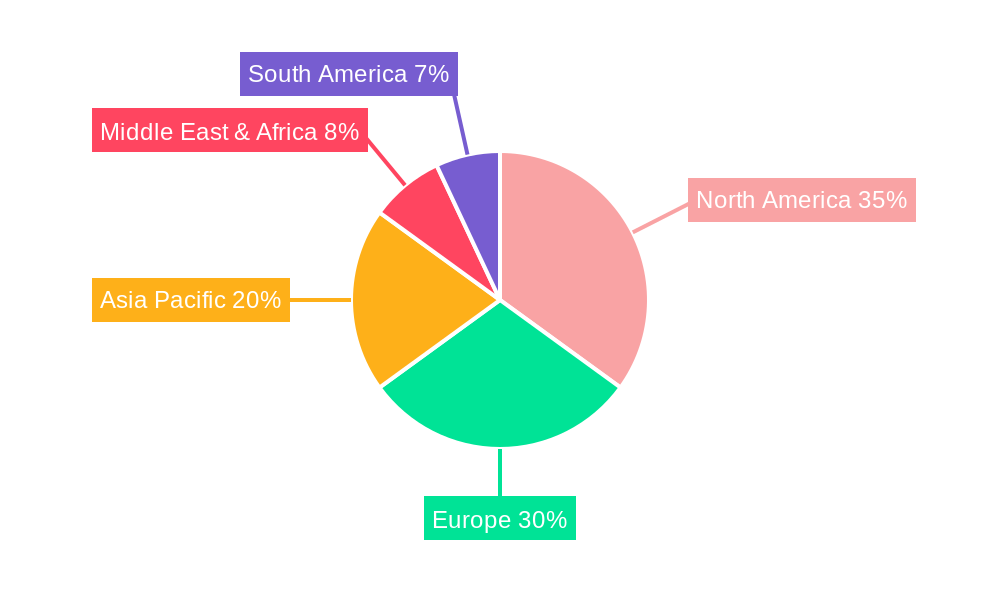
Prosthetic Device Regional Market Share
Geographic Coverage of Prosthetic Device
Prosthetic Device REPORT HIGHLIGHTS
| Aspects | Details |
|---|---|
| Study Period | 2020-2034 |
| Base Year | 2025 |
| Estimated Year | 2026 |
| Forecast Period | 2026-2034 |
| Historical Period | 2020-2025 |
| Growth Rate | CAGR of 6.5% from 2020-2034 |
| Segmentation |
|
Table of Contents
- 1. Introduction
- 1.1. Research Scope
- 1.2. Market Segmentation
- 1.3. Research Methodology
- 1.4. Definitions and Assumptions
- 2. Executive Summary
- 2.1. Introduction
- 3. Market Dynamics
- 3.1. Introduction
- 3.2. Market Drivers
- 3.3. Market Restrains
- 3.4. Market Trends
- 4. Market Factor Analysis
- 4.1. Porters Five Forces
- 4.2. Supply/Value Chain
- 4.3. PESTEL analysis
- 4.4. Market Entropy
- 4.5. Patent/Trademark Analysis
- 5. Global Prosthetic Device Analysis, Insights and Forecast, 2020-2032
- 5.1. Market Analysis, Insights and Forecast - by Application
- 5.1.1. Hospitals
- 5.1.2. Prosthetic Clinics
- 5.1.3. Others
- 5.2. Market Analysis, Insights and Forecast - by Types
- 5.2.1. Upper Extremity Prosthetics
- 5.2.2. Lower Extremity Prosthetics
- 5.2.3. Other
- 5.3. Market Analysis, Insights and Forecast - by Region
- 5.3.1. North America
- 5.3.2. South America
- 5.3.3. Europe
- 5.3.4. Middle East & Africa
- 5.3.5. Asia Pacific
- 5.1. Market Analysis, Insights and Forecast - by Application
- 6. North America Prosthetic Device Analysis, Insights and Forecast, 2020-2032
- 6.1. Market Analysis, Insights and Forecast - by Application
- 6.1.1. Hospitals
- 6.1.2. Prosthetic Clinics
- 6.1.3. Others
- 6.2. Market Analysis, Insights and Forecast - by Types
- 6.2.1. Upper Extremity Prosthetics
- 6.2.2. Lower Extremity Prosthetics
- 6.2.3. Other
- 6.1. Market Analysis, Insights and Forecast - by Application
- 7. South America Prosthetic Device Analysis, Insights and Forecast, 2020-2032
- 7.1. Market Analysis, Insights and Forecast - by Application
- 7.1.1. Hospitals
- 7.1.2. Prosthetic Clinics
- 7.1.3. Others
- 7.2. Market Analysis, Insights and Forecast - by Types
- 7.2.1. Upper Extremity Prosthetics
- 7.2.2. Lower Extremity Prosthetics
- 7.2.3. Other
- 7.1. Market Analysis, Insights and Forecast - by Application
- 8. Europe Prosthetic Device Analysis, Insights and Forecast, 2020-2032
- 8.1. Market Analysis, Insights and Forecast - by Application
- 8.1.1. Hospitals
- 8.1.2. Prosthetic Clinics
- 8.1.3. Others
- 8.2. Market Analysis, Insights and Forecast - by Types
- 8.2.1. Upper Extremity Prosthetics
- 8.2.2. Lower Extremity Prosthetics
- 8.2.3. Other
- 8.1. Market Analysis, Insights and Forecast - by Application
- 9. Middle East & Africa Prosthetic Device Analysis, Insights and Forecast, 2020-2032
- 9.1. Market Analysis, Insights and Forecast - by Application
- 9.1.1. Hospitals
- 9.1.2. Prosthetic Clinics
- 9.1.3. Others
- 9.2. Market Analysis, Insights and Forecast - by Types
- 9.2.1. Upper Extremity Prosthetics
- 9.2.2. Lower Extremity Prosthetics
- 9.2.3. Other
- 9.1. Market Analysis, Insights and Forecast - by Application
- 10. Asia Pacific Prosthetic Device Analysis, Insights and Forecast, 2020-2032
- 10.1. Market Analysis, Insights and Forecast - by Application
- 10.1.1. Hospitals
- 10.1.2. Prosthetic Clinics
- 10.1.3. Others
- 10.2. Market Analysis, Insights and Forecast - by Types
- 10.2.1. Upper Extremity Prosthetics
- 10.2.2. Lower Extremity Prosthetics
- 10.2.3. Other
- 10.1. Market Analysis, Insights and Forecast - by Application
- 11. Competitive Analysis
- 11.1. Global Market Share Analysis 2025
- 11.2. Company Profiles
- 11.2.1 Ottobock
- 11.2.1.1. Overview
- 11.2.1.2. Products
- 11.2.1.3. SWOT Analysis
- 11.2.1.4. Recent Developments
- 11.2.1.5. Financials (Based on Availability)
- 11.2.2 Ossur
- 11.2.2.1. Overview
- 11.2.2.2. Products
- 11.2.2.3. SWOT Analysis
- 11.2.2.4. Recent Developments
- 11.2.2.5. Financials (Based on Availability)
- 11.2.3 Fillauer
- 11.2.3.1. Overview
- 11.2.3.2. Products
- 11.2.3.3. SWOT Analysis
- 11.2.3.4. Recent Developments
- 11.2.3.5. Financials (Based on Availability)
- 11.2.4 Proteor
- 11.2.4.1. Overview
- 11.2.4.2. Products
- 11.2.4.3. SWOT Analysis
- 11.2.4.4. Recent Developments
- 11.2.4.5. Financials (Based on Availability)
- 11.2.5 Prostek
- 11.2.5.1. Overview
- 11.2.5.2. Products
- 11.2.5.3. SWOT Analysis
- 11.2.5.4. Recent Developments
- 11.2.5.5. Financials (Based on Availability)
- 11.2.6 Blatchford
- 11.2.6.1. Overview
- 11.2.6.2. Products
- 11.2.6.3. SWOT Analysis
- 11.2.6.4. Recent Developments
- 11.2.6.5. Financials (Based on Availability)
- 11.2.7 WillowWood
- 11.2.7.1. Overview
- 11.2.7.2. Products
- 11.2.7.3. SWOT Analysis
- 11.2.7.4. Recent Developments
- 11.2.7.5. Financials (Based on Availability)
- 11.2.8 Protunix
- 11.2.8.1. Overview
- 11.2.8.2. Products
- 11.2.8.3. SWOT Analysis
- 11.2.8.4. Recent Developments
- 11.2.8.5. Financials (Based on Availability)
- 11.2.9 Motorica
- 11.2.9.1. Overview
- 11.2.9.2. Products
- 11.2.9.3. SWOT Analysis
- 11.2.9.4. Recent Developments
- 11.2.9.5. Financials (Based on Availability)
- 11.2.10 Hanger Clinic
- 11.2.10.1. Overview
- 11.2.10.2. Products
- 11.2.10.3. SWOT Analysis
- 11.2.10.4. Recent Developments
- 11.2.10.5. Financials (Based on Availability)
- 11.2.11 Arm Dynamics
- 11.2.11.1. Overview
- 11.2.11.2. Products
- 11.2.11.3. SWOT Analysis
- 11.2.11.4. Recent Developments
- 11.2.11.5. Financials (Based on Availability)
- 11.2.12 Steeper Group
- 11.2.12.1. Overview
- 11.2.12.2. Products
- 11.2.12.3. SWOT Analysis
- 11.2.12.4. Recent Developments
- 11.2.12.5. Financials (Based on Availability)
- 11.2.13 BrainRobotics
- 11.2.13.1. Overview
- 11.2.13.2. Products
- 11.2.13.3. SWOT Analysis
- 11.2.13.4. Recent Developments
- 11.2.13.5. Financials (Based on Availability)
- 11.2.1 Ottobock
List of Figures
- Figure 1: Global Prosthetic Device Revenue Breakdown (undefined, %) by Region 2025 & 2033
- Figure 2: North America Prosthetic Device Revenue (undefined), by Application 2025 & 2033
- Figure 3: North America Prosthetic Device Revenue Share (%), by Application 2025 & 2033
- Figure 4: North America Prosthetic Device Revenue (undefined), by Types 2025 & 2033
- Figure 5: North America Prosthetic Device Revenue Share (%), by Types 2025 & 2033
- Figure 6: North America Prosthetic Device Revenue (undefined), by Country 2025 & 2033
- Figure 7: North America Prosthetic Device Revenue Share (%), by Country 2025 & 2033
- Figure 8: South America Prosthetic Device Revenue (undefined), by Application 2025 & 2033
- Figure 9: South America Prosthetic Device Revenue Share (%), by Application 2025 & 2033
- Figure 10: South America Prosthetic Device Revenue (undefined), by Types 2025 & 2033
- Figure 11: South America Prosthetic Device Revenue Share (%), by Types 2025 & 2033
- Figure 12: South America Prosthetic Device Revenue (undefined), by Country 2025 & 2033
- Figure 13: South America Prosthetic Device Revenue Share (%), by Country 2025 & 2033
- Figure 14: Europe Prosthetic Device Revenue (undefined), by Application 2025 & 2033
- Figure 15: Europe Prosthetic Device Revenue Share (%), by Application 2025 & 2033
- Figure 16: Europe Prosthetic Device Revenue (undefined), by Types 2025 & 2033
- Figure 17: Europe Prosthetic Device Revenue Share (%), by Types 2025 & 2033
- Figure 18: Europe Prosthetic Device Revenue (undefined), by Country 2025 & 2033
- Figure 19: Europe Prosthetic Device Revenue Share (%), by Country 2025 & 2033
- Figure 20: Middle East & Africa Prosthetic Device Revenue (undefined), by Application 2025 & 2033
- Figure 21: Middle East & Africa Prosthetic Device Revenue Share (%), by Application 2025 & 2033
- Figure 22: Middle East & Africa Prosthetic Device Revenue (undefined), by Types 2025 & 2033
- Figure 23: Middle East & Africa Prosthetic Device Revenue Share (%), by Types 2025 & 2033
- Figure 24: Middle East & Africa Prosthetic Device Revenue (undefined), by Country 2025 & 2033
- Figure 25: Middle East & Africa Prosthetic Device Revenue Share (%), by Country 2025 & 2033
- Figure 26: Asia Pacific Prosthetic Device Revenue (undefined), by Application 2025 & 2033
- Figure 27: Asia Pacific Prosthetic Device Revenue Share (%), by Application 2025 & 2033
- Figure 28: Asia Pacific Prosthetic Device Revenue (undefined), by Types 2025 & 2033
- Figure 29: Asia Pacific Prosthetic Device Revenue Share (%), by Types 2025 & 2033
- Figure 30: Asia Pacific Prosthetic Device Revenue (undefined), by Country 2025 & 2033
- Figure 31: Asia Pacific Prosthetic Device Revenue Share (%), by Country 2025 & 2033
List of Tables
- Table 1: Global Prosthetic Device Revenue undefined Forecast, by Application 2020 & 2033
- Table 2: Global Prosthetic Device Revenue undefined Forecast, by Types 2020 & 2033
- Table 3: Global Prosthetic Device Revenue undefined Forecast, by Region 2020 & 2033
- Table 4: Global Prosthetic Device Revenue undefined Forecast, by Application 2020 & 2033
- Table 5: Global Prosthetic Device Revenue undefined Forecast, by Types 2020 & 2033
- Table 6: Global Prosthetic Device Revenue undefined Forecast, by Country 2020 & 2033
- Table 7: United States Prosthetic Device Revenue (undefined) Forecast, by Application 2020 & 2033
- Table 8: Canada Prosthetic Device Revenue (undefined) Forecast, by Application 2020 & 2033
- Table 9: Mexico Prosthetic Device Revenue (undefined) Forecast, by Application 2020 & 2033
- Table 10: Global Prosthetic Device Revenue undefined Forecast, by Application 2020 & 2033
- Table 11: Global Prosthetic Device Revenue undefined Forecast, by Types 2020 & 2033
- Table 12: Global Prosthetic Device Revenue undefined Forecast, by Country 2020 & 2033
- Table 13: Brazil Prosthetic Device Revenue (undefined) Forecast, by Application 2020 & 2033
- Table 14: Argentina Prosthetic Device Revenue (undefined) Forecast, by Application 2020 & 2033
- Table 15: Rest of South America Prosthetic Device Revenue (undefined) Forecast, by Application 2020 & 2033
- Table 16: Global Prosthetic Device Revenue undefined Forecast, by Application 2020 & 2033
- Table 17: Global Prosthetic Device Revenue undefined Forecast, by Types 2020 & 2033
- Table 18: Global Prosthetic Device Revenue undefined Forecast, by Country 2020 & 2033
- Table 19: United Kingdom Prosthetic Device Revenue (undefined) Forecast, by Application 2020 & 2033
- Table 20: Germany Prosthetic Device Revenue (undefined) Forecast, by Application 2020 & 2033
- Table 21: France Prosthetic Device Revenue (undefined) Forecast, by Application 2020 & 2033
- Table 22: Italy Prosthetic Device Revenue (undefined) Forecast, by Application 2020 & 2033
- Table 23: Spain Prosthetic Device Revenue (undefined) Forecast, by Application 2020 & 2033
- Table 24: Russia Prosthetic Device Revenue (undefined) Forecast, by Application 2020 & 2033
- Table 25: Benelux Prosthetic Device Revenue (undefined) Forecast, by Application 2020 & 2033
- Table 26: Nordics Prosthetic Device Revenue (undefined) Forecast, by Application 2020 & 2033
- Table 27: Rest of Europe Prosthetic Device Revenue (undefined) Forecast, by Application 2020 & 2033
- Table 28: Global Prosthetic Device Revenue undefined Forecast, by Application 2020 & 2033
- Table 29: Global Prosthetic Device Revenue undefined Forecast, by Types 2020 & 2033
- Table 30: Global Prosthetic Device Revenue undefined Forecast, by Country 2020 & 2033
- Table 31: Turkey Prosthetic Device Revenue (undefined) Forecast, by Application 2020 & 2033
- Table 32: Israel Prosthetic Device Revenue (undefined) Forecast, by Application 2020 & 2033
- Table 33: GCC Prosthetic Device Revenue (undefined) Forecast, by Application 2020 & 2033
- Table 34: North Africa Prosthetic Device Revenue (undefined) Forecast, by Application 2020 & 2033
- Table 35: South Africa Prosthetic Device Revenue (undefined) Forecast, by Application 2020 & 2033
- Table 36: Rest of Middle East & Africa Prosthetic Device Revenue (undefined) Forecast, by Application 2020 & 2033
- Table 37: Global Prosthetic Device Revenue undefined Forecast, by Application 2020 & 2033
- Table 38: Global Prosthetic Device Revenue undefined Forecast, by Types 2020 & 2033
- Table 39: Global Prosthetic Device Revenue undefined Forecast, by Country 2020 & 2033
- Table 40: China Prosthetic Device Revenue (undefined) Forecast, by Application 2020 & 2033
- Table 41: India Prosthetic Device Revenue (undefined) Forecast, by Application 2020 & 2033
- Table 42: Japan Prosthetic Device Revenue (undefined) Forecast, by Application 2020 & 2033
- Table 43: South Korea Prosthetic Device Revenue (undefined) Forecast, by Application 2020 & 2033
- Table 44: ASEAN Prosthetic Device Revenue (undefined) Forecast, by Application 2020 & 2033
- Table 45: Oceania Prosthetic Device Revenue (undefined) Forecast, by Application 2020 & 2033
- Table 46: Rest of Asia Pacific Prosthetic Device Revenue (undefined) Forecast, by Application 2020 & 2033
Frequently Asked Questions
1. What is the projected Compound Annual Growth Rate (CAGR) of the Prosthetic Device?
The projected CAGR is approximately 6.5%.
2. Which companies are prominent players in the Prosthetic Device?
Key companies in the market include Ottobock, Ossur, Fillauer, Proteor, Prostek, Blatchford, WillowWood, Protunix, Motorica, Hanger Clinic, Arm Dynamics, Steeper Group, BrainRobotics.
3. What are the main segments of the Prosthetic Device?
The market segments include Application, Types.
4. Can you provide details about the market size?
The market size is estimated to be USD XXX N/A as of 2022.
5. What are some drivers contributing to market growth?
N/A
6. What are the notable trends driving market growth?
N/A
7. Are there any restraints impacting market growth?
N/A
8. Can you provide examples of recent developments in the market?
N/A
9. What pricing options are available for accessing the report?
Pricing options include single-user, multi-user, and enterprise licenses priced at USD 2900.00, USD 4350.00, and USD 5800.00 respectively.
10. Is the market size provided in terms of value or volume?
The market size is provided in terms of value, measured in N/A.
11. Are there any specific market keywords associated with the report?
Yes, the market keyword associated with the report is "Prosthetic Device," which aids in identifying and referencing the specific market segment covered.
12. How do I determine which pricing option suits my needs best?
The pricing options vary based on user requirements and access needs. Individual users may opt for single-user licenses, while businesses requiring broader access may choose multi-user or enterprise licenses for cost-effective access to the report.
13. Are there any additional resources or data provided in the Prosthetic Device report?
While the report offers comprehensive insights, it's advisable to review the specific contents or supplementary materials provided to ascertain if additional resources or data are available.
14. How can I stay updated on further developments or reports in the Prosthetic Device?
To stay informed about further developments, trends, and reports in the Prosthetic Device, consider subscribing to industry newsletters, following relevant companies and organizations, or regularly checking reputable industry news sources and publications.
Methodology
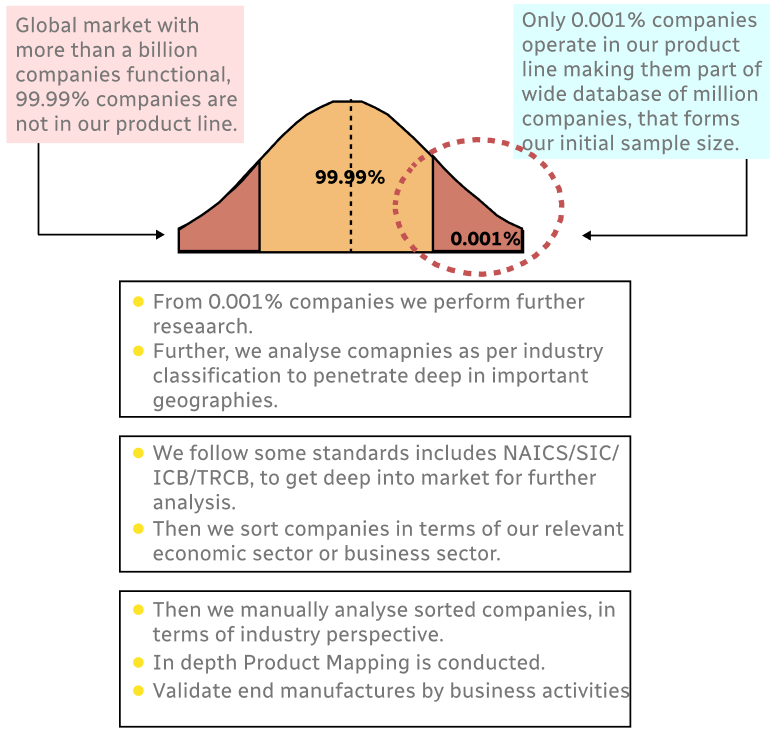
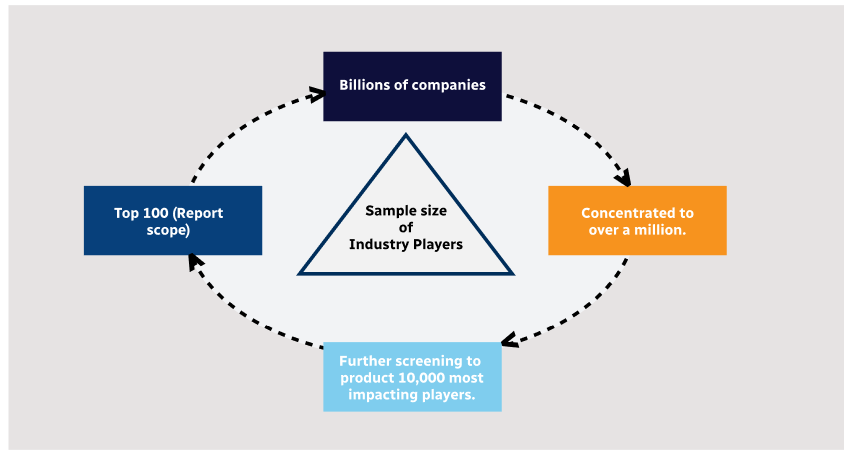
Step 1 - Identification of Relevant Samples Size from Population Database
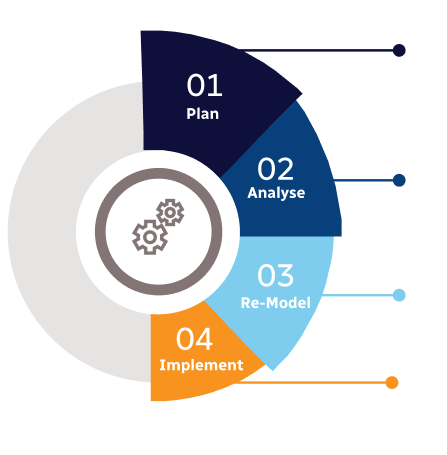
Step 2 - Approaches for Defining Global Market Size (Value, Volume* & Price*)
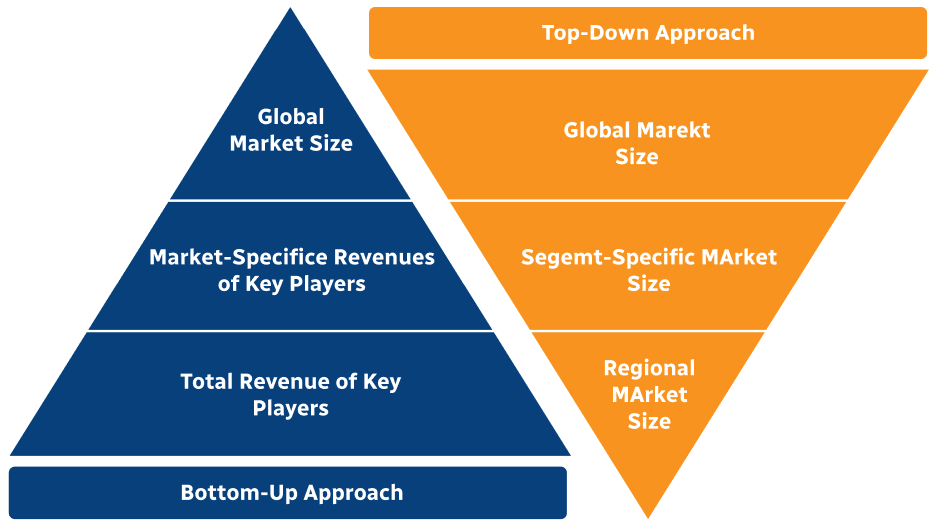
Note*: In applicable scenarios
Step 3 - Data Sources
Primary Research
- Web Analytics
- Survey Reports
- Research Institute
- Latest Research Reports
- Opinion Leaders
Secondary Research
- Annual Reports
- White Paper
- Latest Press Release
- Industry Association
- Paid Database
- Investor Presentations
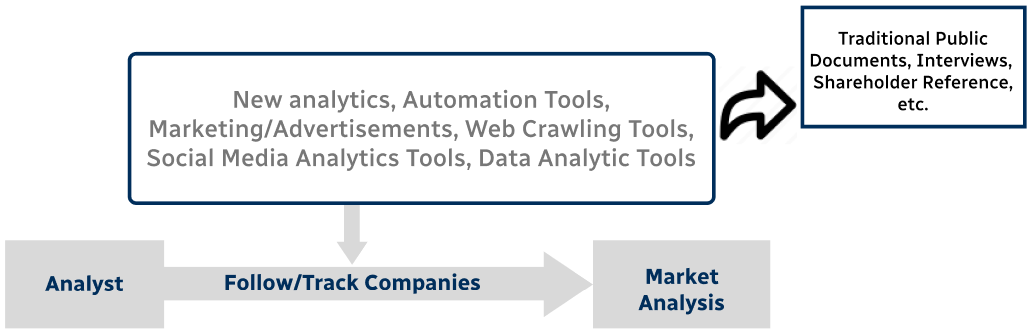
Step 4 - Data Triangulation
Involves using different sources of information in order to increase the validity of a study
These sources are likely to be stakeholders in a program - participants, other researchers, program staff, other community members, and so on.
Then we put all data in single framework & apply various statistical tools to find out the dynamic on the market.
During the analysis stage, feedback from the stakeholder groups would be compared to determine areas of agreement as well as areas of divergence