


Key Insights
The global Precious Metals Management market is poised for substantial growth, projected to reach an estimated $750 million by 2025, with a compound annual growth rate (CAGR) of 7.5% through 2033. This expansion is primarily fueled by the increasing demand for platinum, palladium, and rhodium in critical industries such as automotive catalytic converters and sophisticated electronics manufacturing. The persistent volatility in precious metal prices also drives the need for robust price risk management services, as businesses seek to mitigate financial exposure and secure stable supply chains. Furthermore, the growing emphasis on sustainability and the circular economy is boosting recycling initiatives for precious metals, transforming waste streams into valuable resources and contributing significantly to market expansion.
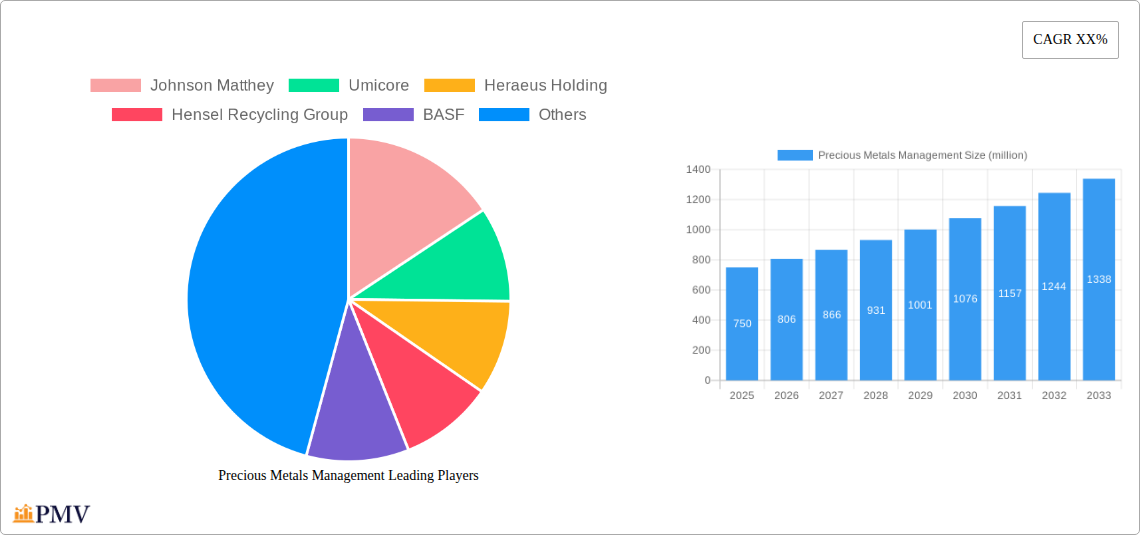
Precious Metals Management Market Size (In Million)

Key market drivers include the escalating production of electric vehicles (EVs) and hybrid vehicles, which utilize platinum group metals (PGMs) extensively in their catalytic converters. Technological advancements in electronics, particularly in high-performance components and telecommunications, further stimulate demand. Conversely, the market faces restraints such as stringent environmental regulations that can impact mining and refining processes, as well as the inherent price volatility of precious metals, which can deter investment and adoption of related services. Geopolitical instability and global economic fluctuations also pose challenges to supply chain integrity and market predictability. Segmentation by application reveals that Precious and Base Metal Recycling Services, along with Price Risk Management, are anticipated to be the leading segments due to their direct impact on cost optimization and supply chain resilience.
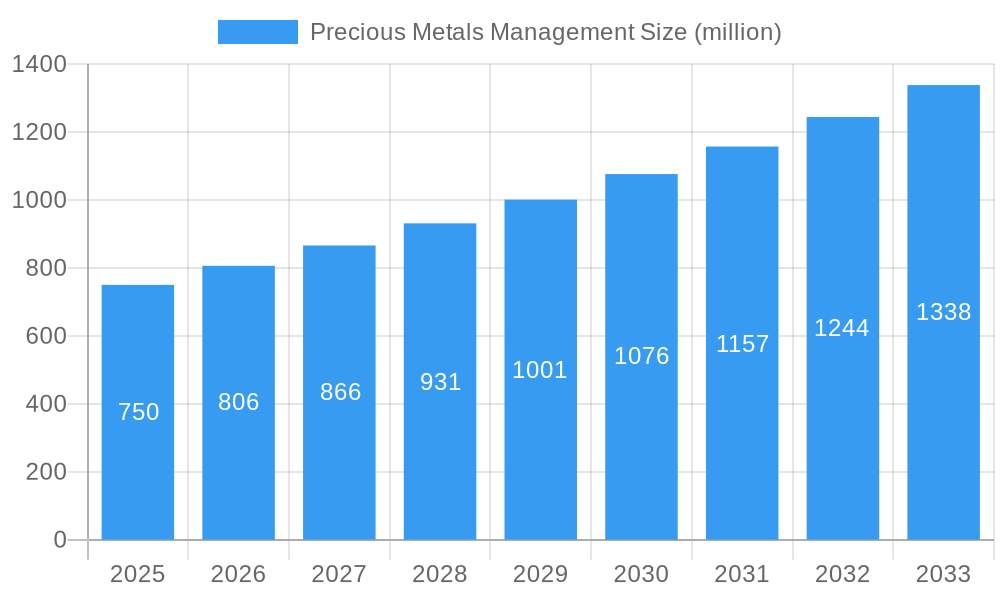
Precious Metals Management Company Market Share
Precious Metals Management Market: In-Depth Analysis and Future Outlook (2019-2033)
This comprehensive report provides an exhaustive analysis of the global Precious Metals Management market, offering critical insights for stakeholders navigating this dynamic and essential sector. Covering the study period from 2019 to 2033, with a base year of 2025, this report delves into market structure, competitive landscape, key trends, dominant segments, product innovations, growth drivers, challenges, leading players, and strategic market outlook. Our detailed segmentation and scope ensure actionable intelligence for businesses seeking to capitalize on opportunities in precious metal recycling, price risk management, and precious metal chemicals.
Precious Metals Management Market Structure & Competitive Dynamics
The global Precious Metals Management market exhibits a moderately concentrated structure, with key players like Johnson Matthey, Umicore, and Heraeus Holding commanding significant market share. Innovation ecosystems are robust, particularly in precious and base metal recycling services, driven by advancements in refining technologies and increasing demand for sustainable sourcing. Regulatory frameworks worldwide are evolving to promote responsible sourcing and circular economy principles, impacting both producers and recyclers. Product substitutes, while present in some industrial applications, are generally not direct replacements for the inherent value and unique properties of precious metals like platinum, palladium, rhodium, iridium, gold, and silver. End-user trends indicate a growing preference for integrated precious metal management solutions, encompassing not only acquisition and trading but also sophisticated hedging strategies and secure storage. Mergers and acquisitions (M&A) activity has been consistent, with reported deal values in the hundreds of millions of dollars, reflecting strategic consolidations and expansions aimed at achieving economies of scale and broadening service portfolios. For instance, acquisitions focused on expanding recycling capacity or enhancing price risk management capabilities are prevalent.
Precious Metals Management Industry Trends & Insights
The Precious Metals Management industry is poised for significant growth, projected to achieve a Compound Annual Growth Rate (CAGR) of approximately 5.8% from 2025 to 2033. This expansion is primarily fueled by the escalating demand for precious metals in high-growth sectors such as automotive catalysts, electronics, and renewable energy technologies. Technological disruptions are revolutionizing the recycling of precious and base metals, with advancements in hydrometallurgical and pyrometallurgical processes enhancing recovery rates and reducing environmental impact. Furthermore, the increasing volatility in global financial markets is driving a greater emphasis on price risk management strategies, with businesses seeking sophisticated tools and services to hedge against price fluctuations in platinum, palladium, rhodium, iridium, gold, and silver. Consumer preferences are shifting towards sustainability and ethical sourcing, amplifying the importance of transparent and responsible precious metals management practices. Competitive dynamics are intensifying, with companies investing heavily in research and development to improve efficiency, reduce costs, and offer value-added services. Market penetration of advanced recycling technologies is steadily increasing, particularly in regions with stringent environmental regulations. The precious metal chemicals segment is also experiencing robust demand, driven by their critical role in catalytic converters, pharmaceuticals, and chemical synthesis.
Dominant Markets & Segments in Precious Metals Management
The Precious and Base Metal Recycling Services segment is a dominant force within the Precious Metals Management market, projected to capture a significant market share in the coming years. This dominance is driven by escalating environmental regulations, the finite nature of precious metal reserves, and a growing global commitment to the circular economy. Geographically, Europe currently leads in precious metal recycling, owing to well-established infrastructure, stringent environmental policies, and a high concentration of automotive and industrial sectors that generate significant precious metal waste. Key drivers for this regional leadership include economic policies that incentivize recycling, such as extended producer responsibility schemes, and advanced technological infrastructure enabling efficient recovery processes. The Platinum and Palladium segments are also exhibiting strong growth, primarily due to their indispensable role in automotive catalytic converters, which are crucial for emission control. The rising adoption of hybrid and electric vehicles, while potentially impacting demand for traditional catalysts in the long term, also presents opportunities for new applications of platinum group metals in fuel cells and battery technologies. Price Risk Management services are gaining considerable traction globally, as market participants seek to mitigate the inherent volatility associated with precious metal prices. Economic factors, including inflation concerns and geopolitical instability, directly influence the demand for these services, with sophisticated hedging and investment strategies becoming increasingly vital for portfolio protection. The Gold segment continues to be a cornerstone of the precious metals market, driven by its status as a safe-haven asset and its widespread use in jewelry and investment. The Silver segment, while influenced by industrial demand, also benefits from its appeal as an investment commodity.
Precious Metals Management Product Innovations
Product innovations in Precious Metals Management are primarily focused on enhancing the efficiency and sustainability of recycling processes, developing new applications for precious metals, and refining price risk management tools. Advancements in metallurgy are leading to more effective methods for recovering platinum, palladium, and rhodium from spent automotive catalysts and electronic waste, achieving higher yields and purity levels. In the precious metal chemicals sector, novel formulations are being developed for more efficient catalytic converters and for use in advanced electronic components. For price risk management, sophisticated algorithmic trading platforms and AI-driven market analytics are emerging, offering enhanced predictive capabilities and personalized hedging strategies.
Report Segmentation & Scope
This report comprehensively segments the Precious Metals Management market across key application areas and metal types. The Precious and Base Metal Recycling Services segment is expected to witness substantial growth, driven by increasing regulatory pressures and the pursuit of circular economy models. Price Risk Management services are crucial for mitigating market volatility, with projections indicating a steady rise in adoption as investment in precious metals grows. The Precious Metal Chemicals segment is vital for industries reliant on catalysts and specialized chemical compounds. Within the metal types, Platinum and Palladium are anticipated to see robust demand due to their critical applications in automotive and industrial sectors. Gold and Silver continue to be dominant due to their investment appeal and widespread use in jewelry and technology. The Iridium and Rhodium segments, while smaller, are experiencing significant growth driven by specialized industrial and automotive applications. The Other category encompasses various other precious metals and their associated management services.
Key Drivers of Precious Metals Management Growth
Several factors are propelling the growth of the Precious Metals Management market. Technological advancements in recycling processes, such as improved smelting and refining techniques, are enhancing recovery rates and reducing operational costs. Economic growth in emerging markets is increasing industrial output and consumer demand for products that utilize precious metals, such as electronics and automobiles. Stringent environmental regulations globally are mandating higher recycling rates and promoting sustainable sourcing practices, directly benefiting the precious metal recycling services sector. Furthermore, the investment appeal of precious metals as a hedge against inflation and economic uncertainty continues to drive demand for gold, silver, and platinum group metals.
Challenges in the Precious Metals Management Sector
The Precious Metals Management sector faces several challenges. Regulatory hurdles related to cross-border transportation of hazardous materials and waste, particularly in recycling, can impede efficient operations. Supply chain disruptions, exacerbated by geopolitical events and fluctuating commodity prices, can impact the availability and cost of raw materials for precious metal refining and processing. Intense competitive pressures among established players and emerging market entrants necessitate continuous innovation and cost optimization. Fluctuations in the price of precious metals themselves present inherent market volatility, making accurate forecasting and risk management crucial. The capital-intensive nature of advanced refining technologies also presents a barrier to entry for new participants.
Leading Players in the Precious Metals Management Market
- Johnson Matthey
- Umicore
- Heraeus Holding
- Hensel Recycling Group
- BASF
- Mitsubishi
- Dundee Precious Metals
- Asahi Holdings
Key Developments in Precious Metals Management Sector
- 2023/09: Umicore announced significant investment in expanding its battery recycling capacity to meet growing demand for electric vehicle materials.
- 2023/11: Johnson Matthey unveiled a new generation of catalytic converters with improved precious metal efficiency and durability.
- 2024/01: Heraeus Holding reported record revenues from its precious metals trading and refining divisions.
- 2024/03: Hensel Recycling Group acquired a smaller competitor to bolster its European recycling footprint.
- 2024/05: BASF expanded its precious metal chemical portfolio with new catalysts for pharmaceutical applications.
Strategic Precious Metals Management Market Outlook
The strategic outlook for the Precious Metals Management market is highly positive, with numerous growth accelerators in play. The increasing adoption of electric vehicles and renewable energy technologies will continue to drive demand for platinum group metals in new applications, while also presenting opportunities for recycling from end-of-life components. A growing global focus on sustainability and the circular economy will further bolster the precious and base metal recycling services segment. Companies that can offer integrated solutions, encompassing efficient recycling, robust price risk management, and a reliable supply of high-quality precious metal chemicals, will be well-positioned for future success. Strategic investments in advanced refining technologies and digital transformation will be crucial for maintaining a competitive edge and capitalizing on evolving market demands.
Precious Metals Management Segmentation
-
1. Application
- 1.1. Precious and Base Metal Recycling Services
- 1.2. Price Risk Management
- 1.3. Precious Metal Chemicals
-
2. Types
- 2.1. Platinum
- 2.2. Palladium
- 2.3. Rhodium
- 2.4. Iridium
- 2.5. Gold
- 2.6. Silver
- 2.7. Other
Precious Metals Management Segmentation By Geography
-
1. North America
- 1.1. United States
- 1.2. Canada
- 1.3. Mexico
-
2. South America
- 2.1. Brazil
- 2.2. Argentina
- 2.3. Rest of South America
-
3. Europe
- 3.1. United Kingdom
- 3.2. Germany
- 3.3. France
- 3.4. Italy
- 3.5. Spain
- 3.6. Russia
- 3.7. Benelux
- 3.8. Nordics
- 3.9. Rest of Europe
-
4. Middle East & Africa
- 4.1. Turkey
- 4.2. Israel
- 4.3. GCC
- 4.4. North Africa
- 4.5. South Africa
- 4.6. Rest of Middle East & Africa
-
5. Asia Pacific
- 5.1. China
- 5.2. India
- 5.3. Japan
- 5.4. South Korea
- 5.5. ASEAN
- 5.6. Oceania
- 5.7. Rest of Asia Pacific
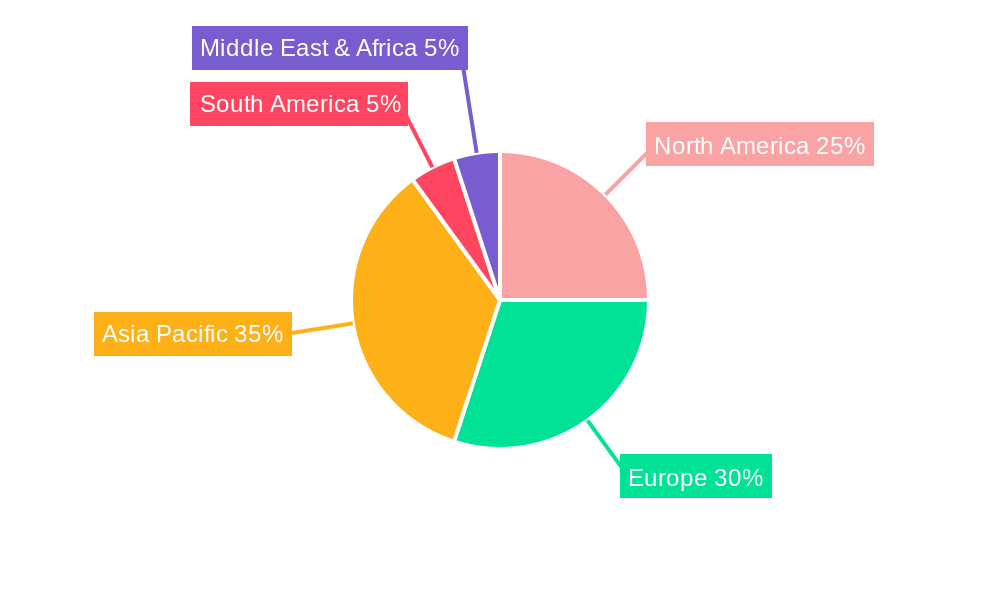
Precious Metals Management Regional Market Share
Geographic Coverage of Precious Metals Management
Precious Metals Management REPORT HIGHLIGHTS
| Aspects | Details |
|---|---|
| Study Period | 2020-2034 |
| Base Year | 2025 |
| Estimated Year | 2026 |
| Forecast Period | 2026-2034 |
| Historical Period | 2020-2025 |
| Growth Rate | CAGR of 6.4% from 2020-2034 |
| Segmentation |
|
Table of Contents
- 1. Introduction
- 1.1. Research Scope
- 1.2. Market Segmentation
- 1.3. Research Methodology
- 1.4. Definitions and Assumptions
- 2. Executive Summary
- 2.1. Introduction
- 3. Market Dynamics
- 3.1. Introduction
- 3.2. Market Drivers
- 3.3. Market Restrains
- 3.4. Market Trends
- 4. Market Factor Analysis
- 4.1. Porters Five Forces
- 4.2. Supply/Value Chain
- 4.3. PESTEL analysis
- 4.4. Market Entropy
- 4.5. Patent/Trademark Analysis
- 5. Global Precious Metals Management Analysis, Insights and Forecast, 2020-2032
- 5.1. Market Analysis, Insights and Forecast - by Application
- 5.1.1. Precious and Base Metal Recycling Services
- 5.1.2. Price Risk Management
- 5.1.3. Precious Metal Chemicals
- 5.2. Market Analysis, Insights and Forecast - by Types
- 5.2.1. Platinum
- 5.2.2. Palladium
- 5.2.3. Rhodium
- 5.2.4. Iridium
- 5.2.5. Gold
- 5.2.6. Silver
- 5.2.7. Other
- 5.3. Market Analysis, Insights and Forecast - by Region
- 5.3.1. North America
- 5.3.2. South America
- 5.3.3. Europe
- 5.3.4. Middle East & Africa
- 5.3.5. Asia Pacific
- 5.1. Market Analysis, Insights and Forecast - by Application
- 6. North America Precious Metals Management Analysis, Insights and Forecast, 2020-2032
- 6.1. Market Analysis, Insights and Forecast - by Application
- 6.1.1. Precious and Base Metal Recycling Services
- 6.1.2. Price Risk Management
- 6.1.3. Precious Metal Chemicals
- 6.2. Market Analysis, Insights and Forecast - by Types
- 6.2.1. Platinum
- 6.2.2. Palladium
- 6.2.3. Rhodium
- 6.2.4. Iridium
- 6.2.5. Gold
- 6.2.6. Silver
- 6.2.7. Other
- 6.1. Market Analysis, Insights and Forecast - by Application
- 7. South America Precious Metals Management Analysis, Insights and Forecast, 2020-2032
- 7.1. Market Analysis, Insights and Forecast - by Application
- 7.1.1. Precious and Base Metal Recycling Services
- 7.1.2. Price Risk Management
- 7.1.3. Precious Metal Chemicals
- 7.2. Market Analysis, Insights and Forecast - by Types
- 7.2.1. Platinum
- 7.2.2. Palladium
- 7.2.3. Rhodium
- 7.2.4. Iridium
- 7.2.5. Gold
- 7.2.6. Silver
- 7.2.7. Other
- 7.1. Market Analysis, Insights and Forecast - by Application
- 8. Europe Precious Metals Management Analysis, Insights and Forecast, 2020-2032
- 8.1. Market Analysis, Insights and Forecast - by Application
- 8.1.1. Precious and Base Metal Recycling Services
- 8.1.2. Price Risk Management
- 8.1.3. Precious Metal Chemicals
- 8.2. Market Analysis, Insights and Forecast - by Types
- 8.2.1. Platinum
- 8.2.2. Palladium
- 8.2.3. Rhodium
- 8.2.4. Iridium
- 8.2.5. Gold
- 8.2.6. Silver
- 8.2.7. Other
- 8.1. Market Analysis, Insights and Forecast - by Application
- 9. Middle East & Africa Precious Metals Management Analysis, Insights and Forecast, 2020-2032
- 9.1. Market Analysis, Insights and Forecast - by Application
- 9.1.1. Precious and Base Metal Recycling Services
- 9.1.2. Price Risk Management
- 9.1.3. Precious Metal Chemicals
- 9.2. Market Analysis, Insights and Forecast - by Types
- 9.2.1. Platinum
- 9.2.2. Palladium
- 9.2.3. Rhodium
- 9.2.4. Iridium
- 9.2.5. Gold
- 9.2.6. Silver
- 9.2.7. Other
- 9.1. Market Analysis, Insights and Forecast - by Application
- 10. Asia Pacific Precious Metals Management Analysis, Insights and Forecast, 2020-2032
- 10.1. Market Analysis, Insights and Forecast - by Application
- 10.1.1. Precious and Base Metal Recycling Services
- 10.1.2. Price Risk Management
- 10.1.3. Precious Metal Chemicals
- 10.2. Market Analysis, Insights and Forecast - by Types
- 10.2.1. Platinum
- 10.2.2. Palladium
- 10.2.3. Rhodium
- 10.2.4. Iridium
- 10.2.5. Gold
- 10.2.6. Silver
- 10.2.7. Other
- 10.1. Market Analysis, Insights and Forecast - by Application
- 11. Competitive Analysis
- 11.1. Global Market Share Analysis 2025
- 11.2. Company Profiles
- 11.2.1 Johnson Matthey
- 11.2.1.1. Overview
- 11.2.1.2. Products
- 11.2.1.3. SWOT Analysis
- 11.2.1.4. Recent Developments
- 11.2.1.5. Financials (Based on Availability)
- 11.2.2 Umicore
- 11.2.2.1. Overview
- 11.2.2.2. Products
- 11.2.2.3. SWOT Analysis
- 11.2.2.4. Recent Developments
- 11.2.2.5. Financials (Based on Availability)
- 11.2.3 Heraeus Holding
- 11.2.3.1. Overview
- 11.2.3.2. Products
- 11.2.3.3. SWOT Analysis
- 11.2.3.4. Recent Developments
- 11.2.3.5. Financials (Based on Availability)
- 11.2.4 Hensel Recycling Group
- 11.2.4.1. Overview
- 11.2.4.2. Products
- 11.2.4.3. SWOT Analysis
- 11.2.4.4. Recent Developments
- 11.2.4.5. Financials (Based on Availability)
- 11.2.5 BASF
- 11.2.5.1. Overview
- 11.2.5.2. Products
- 11.2.5.3. SWOT Analysis
- 11.2.5.4. Recent Developments
- 11.2.5.5. Financials (Based on Availability)
- 11.2.6 Mitsubishi
- 11.2.6.1. Overview
- 11.2.6.2. Products
- 11.2.6.3. SWOT Analysis
- 11.2.6.4. Recent Developments
- 11.2.6.5. Financials (Based on Availability)
- 11.2.7 Dundee Precious Metals
- 11.2.7.1. Overview
- 11.2.7.2. Products
- 11.2.7.3. SWOT Analysis
- 11.2.7.4. Recent Developments
- 11.2.7.5. Financials (Based on Availability)
- 11.2.8 Asahi Holdings
- 11.2.8.1. Overview
- 11.2.8.2. Products
- 11.2.8.3. SWOT Analysis
- 11.2.8.4. Recent Developments
- 11.2.8.5. Financials (Based on Availability)
- 11.2.1 Johnson Matthey
List of Figures
- Figure 1: Global Precious Metals Management Revenue Breakdown (undefined, %) by Region 2025 & 2033
- Figure 2: North America Precious Metals Management Revenue (undefined), by Application 2025 & 2033
- Figure 3: North America Precious Metals Management Revenue Share (%), by Application 2025 & 2033
- Figure 4: North America Precious Metals Management Revenue (undefined), by Types 2025 & 2033
- Figure 5: North America Precious Metals Management Revenue Share (%), by Types 2025 & 2033
- Figure 6: North America Precious Metals Management Revenue (undefined), by Country 2025 & 2033
- Figure 7: North America Precious Metals Management Revenue Share (%), by Country 2025 & 2033
- Figure 8: South America Precious Metals Management Revenue (undefined), by Application 2025 & 2033
- Figure 9: South America Precious Metals Management Revenue Share (%), by Application 2025 & 2033
- Figure 10: South America Precious Metals Management Revenue (undefined), by Types 2025 & 2033
- Figure 11: South America Precious Metals Management Revenue Share (%), by Types 2025 & 2033
- Figure 12: South America Precious Metals Management Revenue (undefined), by Country 2025 & 2033
- Figure 13: South America Precious Metals Management Revenue Share (%), by Country 2025 & 2033
- Figure 14: Europe Precious Metals Management Revenue (undefined), by Application 2025 & 2033
- Figure 15: Europe Precious Metals Management Revenue Share (%), by Application 2025 & 2033
- Figure 16: Europe Precious Metals Management Revenue (undefined), by Types 2025 & 2033
- Figure 17: Europe Precious Metals Management Revenue Share (%), by Types 2025 & 2033
- Figure 18: Europe Precious Metals Management Revenue (undefined), by Country 2025 & 2033
- Figure 19: Europe Precious Metals Management Revenue Share (%), by Country 2025 & 2033
- Figure 20: Middle East & Africa Precious Metals Management Revenue (undefined), by Application 2025 & 2033
- Figure 21: Middle East & Africa Precious Metals Management Revenue Share (%), by Application 2025 & 2033
- Figure 22: Middle East & Africa Precious Metals Management Revenue (undefined), by Types 2025 & 2033
- Figure 23: Middle East & Africa Precious Metals Management Revenue Share (%), by Types 2025 & 2033
- Figure 24: Middle East & Africa Precious Metals Management Revenue (undefined), by Country 2025 & 2033
- Figure 25: Middle East & Africa Precious Metals Management Revenue Share (%), by Country 2025 & 2033
- Figure 26: Asia Pacific Precious Metals Management Revenue (undefined), by Application 2025 & 2033
- Figure 27: Asia Pacific Precious Metals Management Revenue Share (%), by Application 2025 & 2033
- Figure 28: Asia Pacific Precious Metals Management Revenue (undefined), by Types 2025 & 2033
- Figure 29: Asia Pacific Precious Metals Management Revenue Share (%), by Types 2025 & 2033
- Figure 30: Asia Pacific Precious Metals Management Revenue (undefined), by Country 2025 & 2033
- Figure 31: Asia Pacific Precious Metals Management Revenue Share (%), by Country 2025 & 2033
List of Tables
- Table 1: Global Precious Metals Management Revenue undefined Forecast, by Application 2020 & 2033
- Table 2: Global Precious Metals Management Revenue undefined Forecast, by Types 2020 & 2033
- Table 3: Global Precious Metals Management Revenue undefined Forecast, by Region 2020 & 2033
- Table 4: Global Precious Metals Management Revenue undefined Forecast, by Application 2020 & 2033
- Table 5: Global Precious Metals Management Revenue undefined Forecast, by Types 2020 & 2033
- Table 6: Global Precious Metals Management Revenue undefined Forecast, by Country 2020 & 2033
- Table 7: United States Precious Metals Management Revenue (undefined) Forecast, by Application 2020 & 2033
- Table 8: Canada Precious Metals Management Revenue (undefined) Forecast, by Application 2020 & 2033
- Table 9: Mexico Precious Metals Management Revenue (undefined) Forecast, by Application 2020 & 2033
- Table 10: Global Precious Metals Management Revenue undefined Forecast, by Application 2020 & 2033
- Table 11: Global Precious Metals Management Revenue undefined Forecast, by Types 2020 & 2033
- Table 12: Global Precious Metals Management Revenue undefined Forecast, by Country 2020 & 2033
- Table 13: Brazil Precious Metals Management Revenue (undefined) Forecast, by Application 2020 & 2033
- Table 14: Argentina Precious Metals Management Revenue (undefined) Forecast, by Application 2020 & 2033
- Table 15: Rest of South America Precious Metals Management Revenue (undefined) Forecast, by Application 2020 & 2033
- Table 16: Global Precious Metals Management Revenue undefined Forecast, by Application 2020 & 2033
- Table 17: Global Precious Metals Management Revenue undefined Forecast, by Types 2020 & 2033
- Table 18: Global Precious Metals Management Revenue undefined Forecast, by Country 2020 & 2033
- Table 19: United Kingdom Precious Metals Management Revenue (undefined) Forecast, by Application 2020 & 2033
- Table 20: Germany Precious Metals Management Revenue (undefined) Forecast, by Application 2020 & 2033
- Table 21: France Precious Metals Management Revenue (undefined) Forecast, by Application 2020 & 2033
- Table 22: Italy Precious Metals Management Revenue (undefined) Forecast, by Application 2020 & 2033
- Table 23: Spain Precious Metals Management Revenue (undefined) Forecast, by Application 2020 & 2033
- Table 24: Russia Precious Metals Management Revenue (undefined) Forecast, by Application 2020 & 2033
- Table 25: Benelux Precious Metals Management Revenue (undefined) Forecast, by Application 2020 & 2033
- Table 26: Nordics Precious Metals Management Revenue (undefined) Forecast, by Application 2020 & 2033
- Table 27: Rest of Europe Precious Metals Management Revenue (undefined) Forecast, by Application 2020 & 2033
- Table 28: Global Precious Metals Management Revenue undefined Forecast, by Application 2020 & 2033
- Table 29: Global Precious Metals Management Revenue undefined Forecast, by Types 2020 & 2033
- Table 30: Global Precious Metals Management Revenue undefined Forecast, by Country 2020 & 2033
- Table 31: Turkey Precious Metals Management Revenue (undefined) Forecast, by Application 2020 & 2033
- Table 32: Israel Precious Metals Management Revenue (undefined) Forecast, by Application 2020 & 2033
- Table 33: GCC Precious Metals Management Revenue (undefined) Forecast, by Application 2020 & 2033
- Table 34: North Africa Precious Metals Management Revenue (undefined) Forecast, by Application 2020 & 2033
- Table 35: South Africa Precious Metals Management Revenue (undefined) Forecast, by Application 2020 & 2033
- Table 36: Rest of Middle East & Africa Precious Metals Management Revenue (undefined) Forecast, by Application 2020 & 2033
- Table 37: Global Precious Metals Management Revenue undefined Forecast, by Application 2020 & 2033
- Table 38: Global Precious Metals Management Revenue undefined Forecast, by Types 2020 & 2033
- Table 39: Global Precious Metals Management Revenue undefined Forecast, by Country 2020 & 2033
- Table 40: China Precious Metals Management Revenue (undefined) Forecast, by Application 2020 & 2033
- Table 41: India Precious Metals Management Revenue (undefined) Forecast, by Application 2020 & 2033
- Table 42: Japan Precious Metals Management Revenue (undefined) Forecast, by Application 2020 & 2033
- Table 43: South Korea Precious Metals Management Revenue (undefined) Forecast, by Application 2020 & 2033
- Table 44: ASEAN Precious Metals Management Revenue (undefined) Forecast, by Application 2020 & 2033
- Table 45: Oceania Precious Metals Management Revenue (undefined) Forecast, by Application 2020 & 2033
- Table 46: Rest of Asia Pacific Precious Metals Management Revenue (undefined) Forecast, by Application 2020 & 2033
Frequently Asked Questions
1. What is the projected Compound Annual Growth Rate (CAGR) of the Precious Metals Management?
The projected CAGR is approximately 6.4%.
2. Which companies are prominent players in the Precious Metals Management?
Key companies in the market include Johnson Matthey, Umicore, Heraeus Holding, Hensel Recycling Group, BASF, Mitsubishi, Dundee Precious Metals, Asahi Holdings.
3. What are the main segments of the Precious Metals Management?
The market segments include Application, Types.
4. Can you provide details about the market size?
The market size is estimated to be USD XXX N/A as of 2022.
5. What are some drivers contributing to market growth?
N/A
6. What are the notable trends driving market growth?
N/A
7. Are there any restraints impacting market growth?
N/A
8. Can you provide examples of recent developments in the market?
N/A
9. What pricing options are available for accessing the report?
Pricing options include single-user, multi-user, and enterprise licenses priced at USD 4900.00, USD 7350.00, and USD 9800.00 respectively.
10. Is the market size provided in terms of value or volume?
The market size is provided in terms of value, measured in N/A.
11. Are there any specific market keywords associated with the report?
Yes, the market keyword associated with the report is "Precious Metals Management," which aids in identifying and referencing the specific market segment covered.
12. How do I determine which pricing option suits my needs best?
The pricing options vary based on user requirements and access needs. Individual users may opt for single-user licenses, while businesses requiring broader access may choose multi-user or enterprise licenses for cost-effective access to the report.
13. Are there any additional resources or data provided in the Precious Metals Management report?
While the report offers comprehensive insights, it's advisable to review the specific contents or supplementary materials provided to ascertain if additional resources or data are available.
14. How can I stay updated on further developments or reports in the Precious Metals Management?
To stay informed about further developments, trends, and reports in the Precious Metals Management, consider subscribing to industry newsletters, following relevant companies and organizations, or regularly checking reputable industry news sources and publications.
Methodology
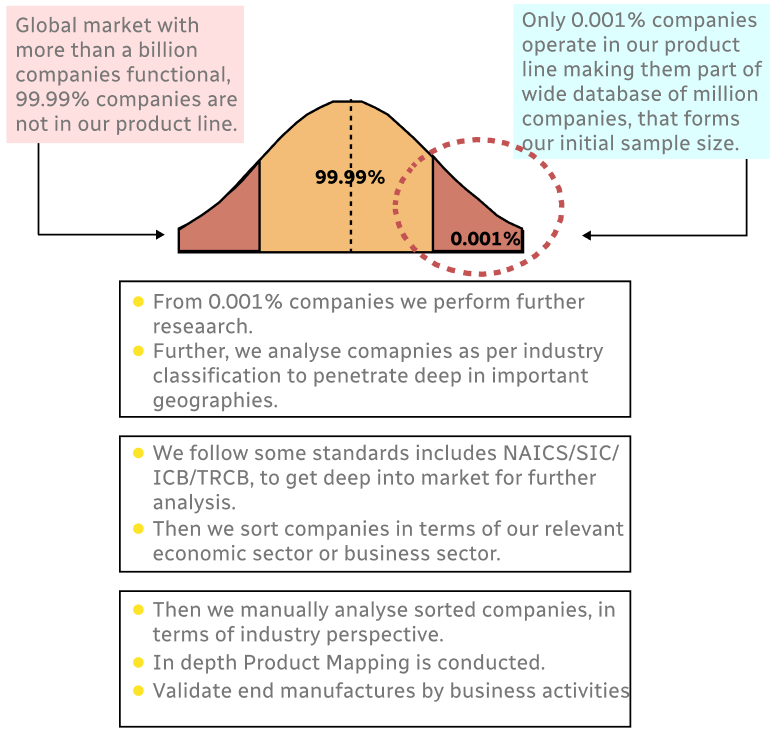
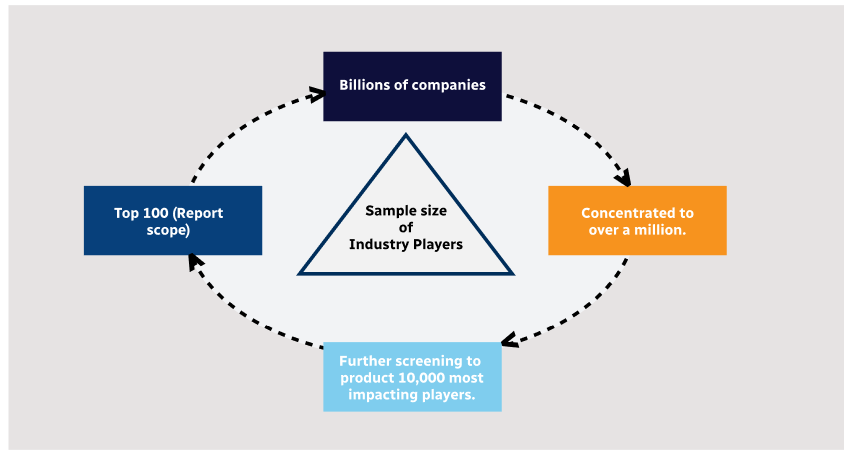
Step 1 - Identification of Relevant Samples Size from Population Database
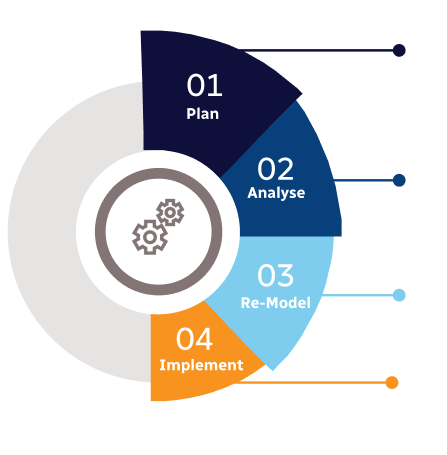
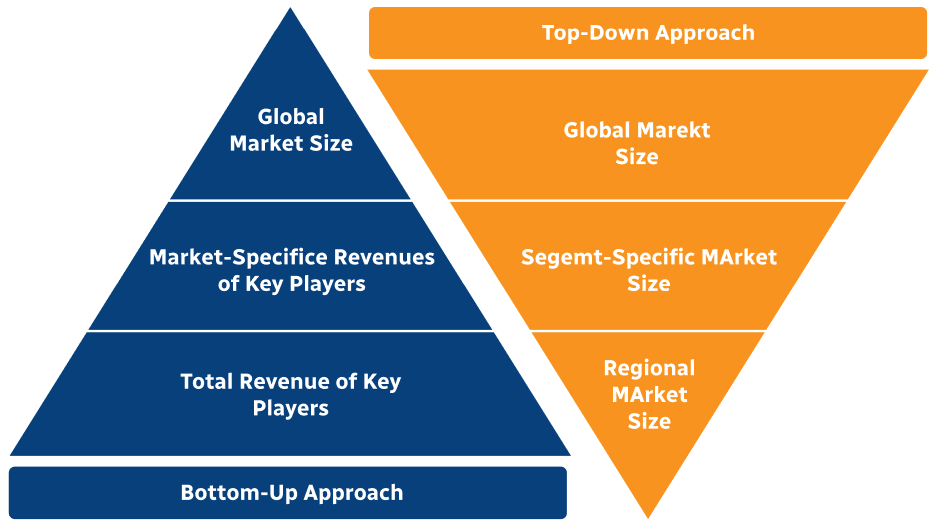
Step 2 - Approaches for Defining Global Market Size (Value, Volume* & Price*)
Note*: In applicable scenarios
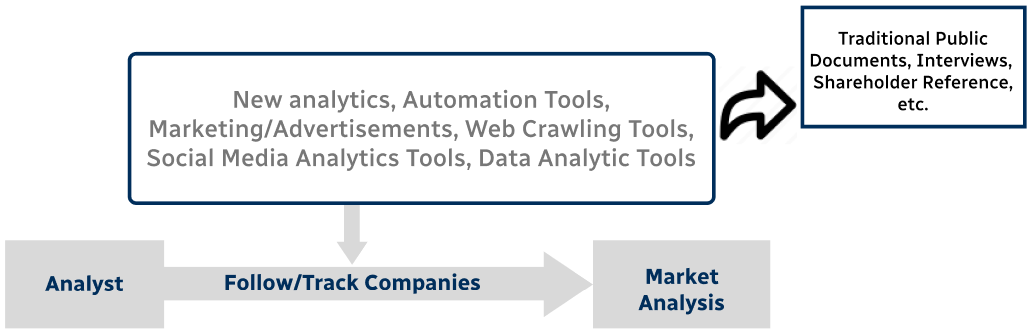
Step 3 - Data Sources
Primary Research
- Web Analytics
- Survey Reports
- Research Institute
- Latest Research Reports
- Opinion Leaders
Secondary Research
- Annual Reports
- White Paper
- Latest Press Release
- Industry Association
- Paid Database
- Investor Presentations
Step 4 - Data Triangulation
Involves using different sources of information in order to increase the validity of a study
These sources are likely to be stakeholders in a program - participants, other researchers, program staff, other community members, and so on.
Then we put all data in single framework & apply various statistical tools to find out the dynamic on the market.
During the analysis stage, feedback from the stakeholder groups would be compared to determine areas of agreement as well as areas of divergence