


Key Insights
The global Organic Buckwheat Flour market is poised for robust expansion, projected to reach a substantial market size of approximately $802 million by 2025, exhibiting a compelling Compound Annual Growth Rate (CAGR) of 7.6% through 2033. This significant growth is primarily fueled by an increasing consumer preference for healthier and gluten-free alternatives to conventional wheat flour. The demand is further propelled by the growing awareness of buckwheat’s nutritional benefits, including its rich content of fiber, protein, and essential minerals, making it a sought-after ingredient in health-conscious diets. The versatility of organic buckwheat flour in various applications, from traditional baked goods like bread and noodles to innovative dessert preparations and specialty food products, significantly contributes to its expanding market presence. Key market drivers include the rising popularity of plant-based diets, the demand for allergen-free food options, and a growing emphasis on sustainable and organic farming practices. This trend is particularly evident in regions with a strong focus on wellness and natural foods.
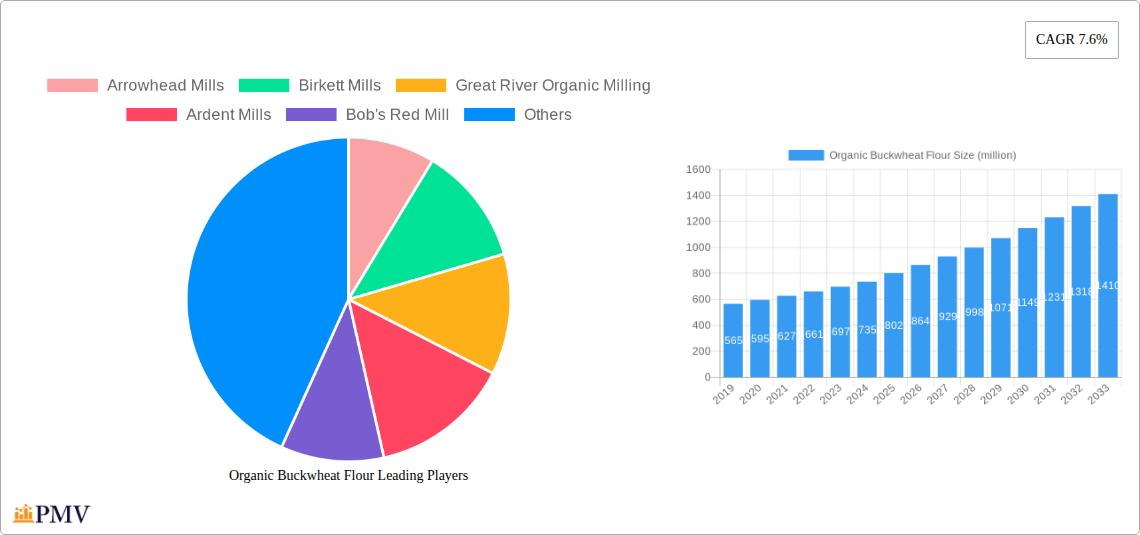
Organic Buckwheat Flour Market Size (In Million)

The market is segmented into distinct types: Light (Hulled Buckwheat) and Dark (Unhulled Buckwheat), each catering to different culinary preferences and nutritional profiles. Applications span across core segments such as bread, noodles, and desserts, with a growing 'Others' category encompassing innovative uses in snacks, porridges, and ready-to-eat meals. Geographically, North America and Europe are anticipated to lead market growth due to established health and wellness trends and a mature organic food market. Asia Pacific, however, is expected to witness the fastest growth, driven by increasing disposable incomes, evolving dietary habits, and a burgeoning interest in health foods. Restraints, such as the relatively higher cost of organic buckwheat flour compared to conventional options and potential supply chain challenges related to organic sourcing, are being mitigated by increasing production efficiency and broader consumer acceptance. The competitive landscape features prominent players like Arrowhead Mills, Bob's Red Mill, and King Arthur Flour, actively innovating and expanding their product portfolios to capture market share.
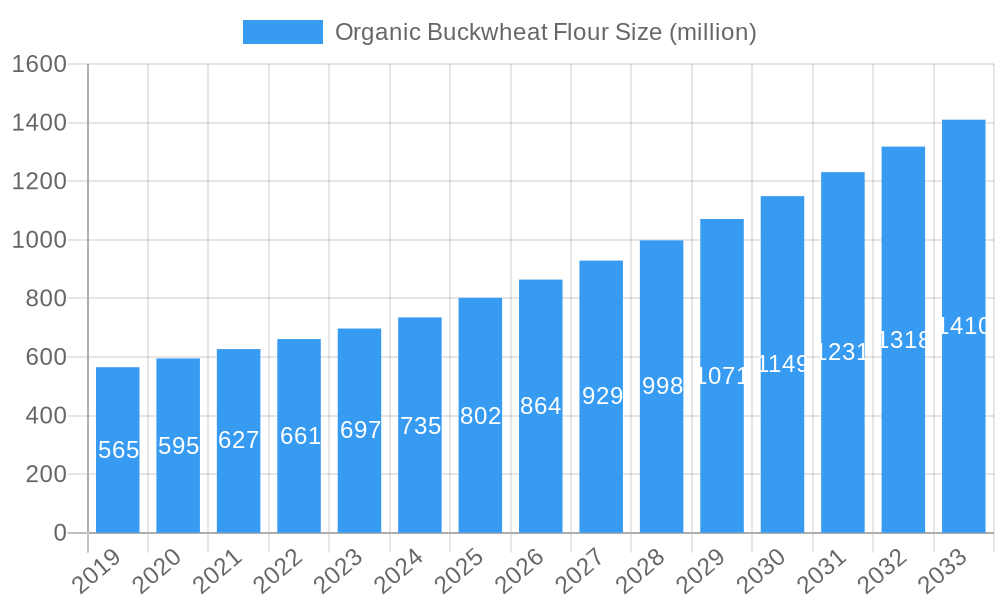
Organic Buckwheat Flour Company Market Share
Organic Buckwheat Flour Market: Comprehensive Analysis and Future Outlook (2019–2033)
This in-depth market research report provides a detailed examination of the global organic buckwheat flour market, encompassing a comprehensive analysis of its structure, competitive landscape, evolving trends, key growth drivers, significant challenges, and future outlook. Spanning from 2019 to 2033, with a base year of 2025 and a forecast period of 2025–2033, this report leverages historical data from 2019–2024 to offer actionable insights for stakeholders seeking to capitalize on the burgeoning demand for gluten-free, nutrient-rich, and sustainably sourced flour alternatives. The report delves into market segmentation by application and type, identifies dominant regions and their contributing factors, and highlights pivotal product innovations and strategic developments. We project the global organic buckwheat flour market to reach an estimated value of xx million by 2033, with a Compound Annual Growth Rate (CAGR) of approximately xx% during the forecast period. This report is indispensable for ingredient manufacturers, food processors, bakers, health and wellness product developers, and investment firms looking to understand the intricate dynamics and future trajectory of the organic buckwheat flour industry.
Organic Buckwheat Flour Market Structure & Competitive Dynamics
The global organic buckwheat flour market exhibits a moderately concentrated structure, with several prominent players holding significant market share, while a considerable number of smaller regional and niche manufacturers contribute to the competitive landscape. Innovation ecosystems are flourishing, driven by increasing consumer demand for healthier, gluten-free alternatives and the growing awareness of buckwheat’s nutritional benefits, including its rich content of antioxidants, fiber, and essential minerals. Regulatory frameworks, particularly those pertaining to organic certification and food safety standards, play a crucial role in shaping market entry and product differentiation. The availability of substitutes, such as other gluten-free flours like almond, coconut, and rice flour, presents a competitive challenge, necessitating continuous product innovation and clear value proposition articulation. End-user trends are heavily influenced by health consciousness, dietary preferences (e.g., paleo, keto, vegan diets), and the rising popularity of artisanal baking and novel food product development. Merger and Acquisition (M&A) activities, estimated to be valued at over xx million in recent years, are a key strategic tool for market consolidation, expansion into new geographies, and the acquisition of advanced processing technologies. The market share of the top five players is estimated to be around xx% as of the base year.
Organic Buckwheat Flour Industry Trends & Insights
The organic buckwheat flour industry is experiencing robust growth, primarily propelled by the escalating global demand for healthier food options and a discernible shift towards gluten-free diets. This trend is further amplified by increased consumer awareness regarding the superior nutritional profile of buckwheat, which boasts high levels of protein, fiber, and essential amino acids, alongside a rich array of antioxidants like rutin. Market penetration of organic buckwheat flour is steadily increasing across both developed and emerging economies, driven by its versatility in a wide array of culinary applications, from baked goods and noodles to pancakes and savory dishes.
Technological disruptions are playing a pivotal role, with advancements in milling techniques enhancing the texture and shelf-life of organic buckwheat flour, thereby improving its appeal to mainstream consumers. Innovations in processing are also focusing on maximizing the retention of beneficial compounds, addressing concerns about potential bitterness associated with darker varieties. Consumer preferences are evolving towards premium, sustainably sourced, and transparently produced food ingredients, aligning perfectly with the ethos of organic buckwheat flour. This preference is driving demand for traceable supply chains and eco-friendly packaging.
The competitive dynamics are characterized by a blend of established brands and agile startups vying for market dominance. Companies are investing heavily in brand building, emphasizing the health benefits and organic certifications of their products. Strategic partnerships with gluten-free product manufacturers and health food retailers are crucial for expanding market reach. The CAGR for the organic buckwheat flour market is projected to be xx% between 2025 and 2033, reflecting its strong growth trajectory. The market penetration rate is expected to grow from xx% in 2024 to an estimated xx% by 2033. Furthermore, the increasing adoption of buckwheat in animal feed applications, albeit a smaller segment, contributes to overall market expansion.
Dominant Markets & Segments in Organic Buckwheat Flour
The North American region stands out as a dominant market for organic buckwheat flour, driven by a highly health-conscious consumer base, a well-established gluten-free market, and a strong inclination towards organic and natural food products. Within North America, the United States leads in terms of consumption and production, owing to the presence of major organic food brands and a robust retail infrastructure for specialty ingredients.
Key Drivers of Dominance in North America:
- Economic Policies: Favorable government policies supporting organic agriculture and food innovation contribute to market growth.
- Infrastructure: A well-developed agricultural supply chain and advanced food processing facilities facilitate the production and distribution of organic buckwheat flour.
- Consumer Awareness: High consumer awareness regarding health benefits, gluten intolerance, and the demand for non-GMO and organic products fuels demand.
- Dietary Trends: The increasing popularity of paleo, keto, and vegan diets, where buckwheat is a valued ingredient, further propels consumption.
In terms of Application, Bread holds the largest market share. This dominance is attributed to the growing demand for gluten-free bread alternatives, with organic buckwheat flour providing a unique flavor profile and nutritional boost to baked goods. The development of specialized gluten-free bread mixes and artisanal bakeries incorporating buckwheat flour are significant contributors.
The Type segment sees Light (Hulled Buckwheat) Flour commanding a larger share. This is primarily due to its milder flavor and lighter color, making it more versatile for a broader range of applications, including pastries, cakes, and cookies, where the taste and appearance are critical. Dark (Unhulled Buckwheat) Flour, while richer in nutrients and possessing a stronger flavor, is often preferred for heartier breads and savory dishes, representing a growing niche.
Organic Buckwheat Flour Product Innovations
Recent product innovations in the organic buckwheat flour market are primarily focused on enhancing nutritional content, improving texture for wider application, and catering to specific dietary needs. Manufacturers are developing pre-mixed organic buckwheat flour blends optimized for baking gluten-free breads and pastries, offering convenience to consumers. Advancements in fine milling technologies have led to the production of ultra-fine organic buckwheat flour, bridging the texture gap with traditional wheat flour and expanding its use in delicate desserts and delicate noodles. Furthermore, there's a growing trend towards functional organic buckwheat flour products fortified with additional nutrients or probiotics, catering to the health and wellness segment. These innovations aim to provide competitive advantages by offering superior taste, texture, and health benefits, thereby increasing market appeal and driving adoption across diverse food categories.
Report Segmentation & Scope
This report segments the organic buckwheat flour market based on Application and Type.
Application: The market is analyzed across Bread, Noodles, Dessert, and Others. The Bread segment is expected to exhibit a significant market size and a CAGR of approximately xx% during the forecast period, driven by the strong demand for gluten-free alternatives. The Noodles segment, while smaller, is projected to grow at a CAGR of xx%, fueled by the increasing popularity of ethnic cuisines and health-conscious noodle options. The Dessert segment, encompassing cakes, cookies, and pastries, is anticipated to grow at xx% CAGR, benefiting from the trend towards healthier indulgence. The Others segment, including pancakes, waffles, and alternative flour blends, will also witness steady growth.
Type: The market is divided into Light (Hulled Buckwheat) Flour and Dark (Unhulled Buckwheat) Flour. The Light (Hulled Buckwheat) Flour segment is projected to hold the larger market share, with an estimated market size of xx million by 2033, growing at a CAGR of xx%. This is due to its milder flavor profile and wider applicability. The Dark (Unhulled Buckwheat) Flour segment, while smaller, is expected to grow at a CAGR of xx%, driven by its nutrient density and unique flavor for specialized applications.
Key Drivers of Organic Buckwheat Flour Growth
The growth of the organic buckwheat flour market is propelled by several key factors. The escalating global awareness of health and wellness, coupled with a rising incidence of gluten intolerance and celiac disease, is a primary driver, fueling demand for naturally gluten-free alternatives like buckwheat flour. The increasing consumer preference for organic and non-GMO food products, driven by concerns about pesticides and synthetic additives, further bolsters the market. Technological advancements in milling and processing technologies are enhancing the texture and palatability of buckwheat flour, making it more appealing for a wider range of culinary applications, including delicate baked goods and noodles. Furthermore, the perceived nutritional superiority of buckwheat, with its high protein, fiber, and antioxidant content, positions it favorably in the health food segment. Government initiatives promoting organic farming and sustainable agriculture also contribute to market expansion.
Challenges in the Organic Buckwheat Flour Sector
Despite its growth, the organic buckwheat flour sector faces several challenges. One significant barrier is the price volatility of raw buckwheat, which can be influenced by weather patterns and crop yields, impacting the final product cost. Supply chain complexities can also pose challenges, particularly for ensuring consistent quality and availability of organic-certified buckwheat globally. Consumer perception regarding taste and texture can be another restraint, as some consumers may find buckwheat flour's inherent flavor and texture less appealing than traditional wheat flour, necessitating extensive product development and marketing efforts. Competition from other gluten-free flours, such as almond, coconut, and rice flour, creates a saturated market, demanding clear differentiation strategies. Regulatory hurdles related to organic certification and labeling in different regions can also add to operational complexities for manufacturers. The estimated impact of these challenges on market growth is approximately xx% reduction in potential CAGR.
Leading Players in the Organic Buckwheat Flour Market
- Arrowhead Mills
- Birkett Mills
- Great River Organic Milling
- Ardent Mills
- Bob's Red Mill
- Janie's Mill
- Camas Country Mill
- Anita's Organic Mill
- Hodgson Mill
- King Arthur Flour
- Haldeman Mills
- Anthony's Goods
Key Developments in Organic Buckwheat Flour Sector
- 2023 Q4: Introduction of a new line of gluten-free baking mixes featuring organic buckwheat flour by Bob's Red Mill, targeting home bakers.
- 2024 Q1: Ardent Mills announces an expansion of its organic grain sourcing capabilities, including buckwheat, to meet increasing demand.
- 2024 Q2: Great River Organic Milling launches a significantly finer grind of organic buckwheat flour, improving its suitability for pastries and delicate baked goods.
- 2024 Q3: Janie's Mill innovates with a "heritage" organic buckwheat flour variety, emphasizing distinct flavor profiles and historical agricultural practices.
- 2024 Q4: King Arthur Flour introduces a new organic buckwheat pancake and waffle mix, highlighting its ease of use and nutritional benefits.
Strategic Organic Buckwheat Flour Market Outlook
The strategic outlook for the organic buckwheat flour market is highly positive, driven by sustained consumer demand for healthy, gluten-free, and sustainably produced food ingredients. Growth accelerators include the continuous innovation in product development, focusing on improved taste, texture, and functionality, as well as targeted marketing campaigns highlighting buckwheat's exceptional nutritional profile. Expansion into emerging markets with growing health consciousness presents a significant opportunity. Strategic partnerships with food manufacturers, ingredient distributors, and health and wellness influencers will be crucial for market penetration and brand building. Investments in enhancing supply chain efficiency and traceability will further solidify market position. The trend towards plant-based diets and the growing demand for ancient grains position organic buckwheat flour for sustained and robust growth in the coming years.
Organic Buckwheat Flour Segmentation
-
1. Application
- 1.1. Bread
- 1.2. Noodles
- 1.3. Dessert
- 1.4. Others
-
2. Type
- 2.1. Light (Hulled Buckwheat)
- 2.2. Dark (Unhulled Buckwheat)
Organic Buckwheat Flour Segmentation By Geography
-
1. North America
- 1.1. United States
- 1.2. Canada
- 1.3. Mexico
-
2. South America
- 2.1. Brazil
- 2.2. Argentina
- 2.3. Rest of South America
-
3. Europe
- 3.1. United Kingdom
- 3.2. Germany
- 3.3. France
- 3.4. Italy
- 3.5. Spain
- 3.6. Russia
- 3.7. Benelux
- 3.8. Nordics
- 3.9. Rest of Europe
-
4. Middle East & Africa
- 4.1. Turkey
- 4.2. Israel
- 4.3. GCC
- 4.4. North Africa
- 4.5. South Africa
- 4.6. Rest of Middle East & Africa
-
5. Asia Pacific
- 5.1. China
- 5.2. India
- 5.3. Japan
- 5.4. South Korea
- 5.5. ASEAN
- 5.6. Oceania
- 5.7. Rest of Asia Pacific
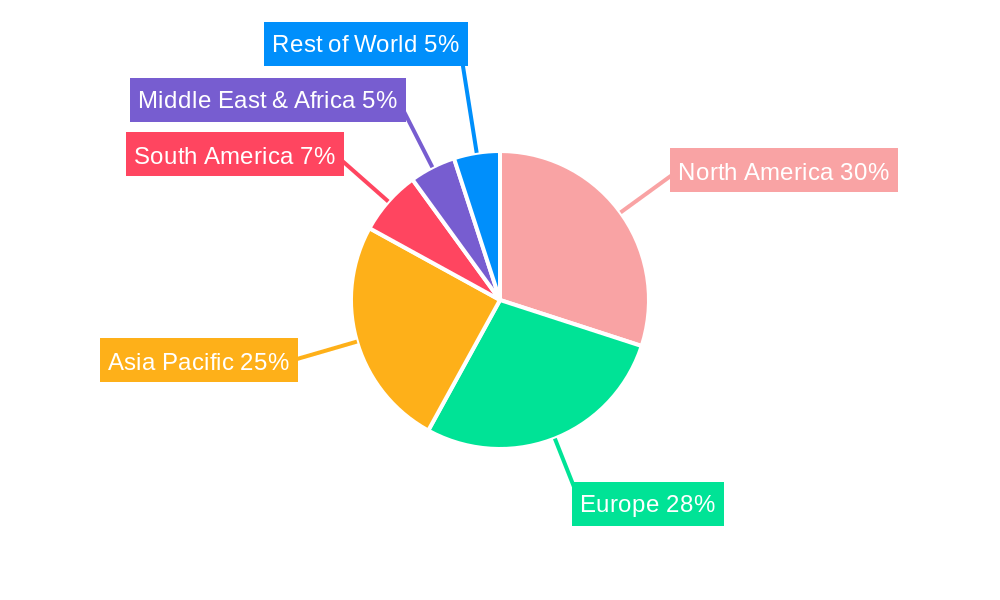
Organic Buckwheat Flour Regional Market Share
Geographic Coverage of Organic Buckwheat Flour
Organic Buckwheat Flour REPORT HIGHLIGHTS
| Aspects | Details |
|---|---|
| Study Period | 2020-2034 |
| Base Year | 2025 |
| Estimated Year | 2026 |
| Forecast Period | 2026-2034 |
| Historical Period | 2020-2025 |
| Growth Rate | CAGR of 10.24% from 2020-2034 |
| Segmentation |
|
Table of Contents
- 1. Introduction
- 1.1. Research Scope
- 1.2. Market Segmentation
- 1.3. Research Methodology
- 1.4. Definitions and Assumptions
- 2. Executive Summary
- 2.1. Introduction
- 3. Market Dynamics
- 3.1. Introduction
- 3.2. Market Drivers
- 3.3. Market Restrains
- 3.4. Market Trends
- 4. Market Factor Analysis
- 4.1. Porters Five Forces
- 4.2. Supply/Value Chain
- 4.3. PESTEL analysis
- 4.4. Market Entropy
- 4.5. Patent/Trademark Analysis
- 5. Global Organic Buckwheat Flour Analysis, Insights and Forecast, 2020-2032
- 5.1. Market Analysis, Insights and Forecast - by Application
- 5.1.1. Bread
- 5.1.2. Noodles
- 5.1.3. Dessert
- 5.1.4. Others
- 5.2. Market Analysis, Insights and Forecast - by Type
- 5.2.1. Light (Hulled Buckwheat)
- 5.2.2. Dark (Unhulled Buckwheat)
- 5.3. Market Analysis, Insights and Forecast - by Region
- 5.3.1. North America
- 5.3.2. South America
- 5.3.3. Europe
- 5.3.4. Middle East & Africa
- 5.3.5. Asia Pacific
- 5.1. Market Analysis, Insights and Forecast - by Application
- 6. North America Organic Buckwheat Flour Analysis, Insights and Forecast, 2020-2032
- 6.1. Market Analysis, Insights and Forecast - by Application
- 6.1.1. Bread
- 6.1.2. Noodles
- 6.1.3. Dessert
- 6.1.4. Others
- 6.2. Market Analysis, Insights and Forecast - by Type
- 6.2.1. Light (Hulled Buckwheat)
- 6.2.2. Dark (Unhulled Buckwheat)
- 6.1. Market Analysis, Insights and Forecast - by Application
- 7. South America Organic Buckwheat Flour Analysis, Insights and Forecast, 2020-2032
- 7.1. Market Analysis, Insights and Forecast - by Application
- 7.1.1. Bread
- 7.1.2. Noodles
- 7.1.3. Dessert
- 7.1.4. Others
- 7.2. Market Analysis, Insights and Forecast - by Type
- 7.2.1. Light (Hulled Buckwheat)
- 7.2.2. Dark (Unhulled Buckwheat)
- 7.1. Market Analysis, Insights and Forecast - by Application
- 8. Europe Organic Buckwheat Flour Analysis, Insights and Forecast, 2020-2032
- 8.1. Market Analysis, Insights and Forecast - by Application
- 8.1.1. Bread
- 8.1.2. Noodles
- 8.1.3. Dessert
- 8.1.4. Others
- 8.2. Market Analysis, Insights and Forecast - by Type
- 8.2.1. Light (Hulled Buckwheat)
- 8.2.2. Dark (Unhulled Buckwheat)
- 8.1. Market Analysis, Insights and Forecast - by Application
- 9. Middle East & Africa Organic Buckwheat Flour Analysis, Insights and Forecast, 2020-2032
- 9.1. Market Analysis, Insights and Forecast - by Application
- 9.1.1. Bread
- 9.1.2. Noodles
- 9.1.3. Dessert
- 9.1.4. Others
- 9.2. Market Analysis, Insights and Forecast - by Type
- 9.2.1. Light (Hulled Buckwheat)
- 9.2.2. Dark (Unhulled Buckwheat)
- 9.1. Market Analysis, Insights and Forecast - by Application
- 10. Asia Pacific Organic Buckwheat Flour Analysis, Insights and Forecast, 2020-2032
- 10.1. Market Analysis, Insights and Forecast - by Application
- 10.1.1. Bread
- 10.1.2. Noodles
- 10.1.3. Dessert
- 10.1.4. Others
- 10.2. Market Analysis, Insights and Forecast - by Type
- 10.2.1. Light (Hulled Buckwheat)
- 10.2.2. Dark (Unhulled Buckwheat)
- 10.1. Market Analysis, Insights and Forecast - by Application
- 11. Competitive Analysis
- 11.1. Global Market Share Analysis 2025
- 11.2. Company Profiles
- 11.2.1 Arrowhead Mills
- 11.2.1.1. Overview
- 11.2.1.2. Products
- 11.2.1.3. SWOT Analysis
- 11.2.1.4. Recent Developments
- 11.2.1.5. Financials (Based on Availability)
- 11.2.2 Birkett Mills
- 11.2.2.1. Overview
- 11.2.2.2. Products
- 11.2.2.3. SWOT Analysis
- 11.2.2.4. Recent Developments
- 11.2.2.5. Financials (Based on Availability)
- 11.2.3 Great River Organic Milling
- 11.2.3.1. Overview
- 11.2.3.2. Products
- 11.2.3.3. SWOT Analysis
- 11.2.3.4. Recent Developments
- 11.2.3.5. Financials (Based on Availability)
- 11.2.4 Ardent Mills
- 11.2.4.1. Overview
- 11.2.4.2. Products
- 11.2.4.3. SWOT Analysis
- 11.2.4.4. Recent Developments
- 11.2.4.5. Financials (Based on Availability)
- 11.2.5 Bob's Red Mill
- 11.2.5.1. Overview
- 11.2.5.2. Products
- 11.2.5.3. SWOT Analysis
- 11.2.5.4. Recent Developments
- 11.2.5.5. Financials (Based on Availability)
- 11.2.6 Janie's Mill
- 11.2.6.1. Overview
- 11.2.6.2. Products
- 11.2.6.3. SWOT Analysis
- 11.2.6.4. Recent Developments
- 11.2.6.5. Financials (Based on Availability)
- 11.2.7 Camas Country Mill
- 11.2.7.1. Overview
- 11.2.7.2. Products
- 11.2.7.3. SWOT Analysis
- 11.2.7.4. Recent Developments
- 11.2.7.5. Financials (Based on Availability)
- 11.2.8 Anita's Organic Mill
- 11.2.8.1. Overview
- 11.2.8.2. Products
- 11.2.8.3. SWOT Analysis
- 11.2.8.4. Recent Developments
- 11.2.8.5. Financials (Based on Availability)
- 11.2.9 Hodgson Mill
- 11.2.9.1. Overview
- 11.2.9.2. Products
- 11.2.9.3. SWOT Analysis
- 11.2.9.4. Recent Developments
- 11.2.9.5. Financials (Based on Availability)
- 11.2.10 King Arthur Flour
- 11.2.10.1. Overview
- 11.2.10.2. Products
- 11.2.10.3. SWOT Analysis
- 11.2.10.4. Recent Developments
- 11.2.10.5. Financials (Based on Availability)
- 11.2.11 Haldeman Mills
- 11.2.11.1. Overview
- 11.2.11.2. Products
- 11.2.11.3. SWOT Analysis
- 11.2.11.4. Recent Developments
- 11.2.11.5. Financials (Based on Availability)
- 11.2.12 Anthony's Goods
- 11.2.12.1. Overview
- 11.2.12.2. Products
- 11.2.12.3. SWOT Analysis
- 11.2.12.4. Recent Developments
- 11.2.12.5. Financials (Based on Availability)
- 11.2.1 Arrowhead Mills
List of Figures
- Figure 1: Global Organic Buckwheat Flour Revenue Breakdown (undefined, %) by Region 2025 & 2033
- Figure 2: North America Organic Buckwheat Flour Revenue (undefined), by Application 2025 & 2033
- Figure 3: North America Organic Buckwheat Flour Revenue Share (%), by Application 2025 & 2033
- Figure 4: North America Organic Buckwheat Flour Revenue (undefined), by Type 2025 & 2033
- Figure 5: North America Organic Buckwheat Flour Revenue Share (%), by Type 2025 & 2033
- Figure 6: North America Organic Buckwheat Flour Revenue (undefined), by Country 2025 & 2033
- Figure 7: North America Organic Buckwheat Flour Revenue Share (%), by Country 2025 & 2033
- Figure 8: South America Organic Buckwheat Flour Revenue (undefined), by Application 2025 & 2033
- Figure 9: South America Organic Buckwheat Flour Revenue Share (%), by Application 2025 & 2033
- Figure 10: South America Organic Buckwheat Flour Revenue (undefined), by Type 2025 & 2033
- Figure 11: South America Organic Buckwheat Flour Revenue Share (%), by Type 2025 & 2033
- Figure 12: South America Organic Buckwheat Flour Revenue (undefined), by Country 2025 & 2033
- Figure 13: South America Organic Buckwheat Flour Revenue Share (%), by Country 2025 & 2033
- Figure 14: Europe Organic Buckwheat Flour Revenue (undefined), by Application 2025 & 2033
- Figure 15: Europe Organic Buckwheat Flour Revenue Share (%), by Application 2025 & 2033
- Figure 16: Europe Organic Buckwheat Flour Revenue (undefined), by Type 2025 & 2033
- Figure 17: Europe Organic Buckwheat Flour Revenue Share (%), by Type 2025 & 2033
- Figure 18: Europe Organic Buckwheat Flour Revenue (undefined), by Country 2025 & 2033
- Figure 19: Europe Organic Buckwheat Flour Revenue Share (%), by Country 2025 & 2033
- Figure 20: Middle East & Africa Organic Buckwheat Flour Revenue (undefined), by Application 2025 & 2033
- Figure 21: Middle East & Africa Organic Buckwheat Flour Revenue Share (%), by Application 2025 & 2033
- Figure 22: Middle East & Africa Organic Buckwheat Flour Revenue (undefined), by Type 2025 & 2033
- Figure 23: Middle East & Africa Organic Buckwheat Flour Revenue Share (%), by Type 2025 & 2033
- Figure 24: Middle East & Africa Organic Buckwheat Flour Revenue (undefined), by Country 2025 & 2033
- Figure 25: Middle East & Africa Organic Buckwheat Flour Revenue Share (%), by Country 2025 & 2033
- Figure 26: Asia Pacific Organic Buckwheat Flour Revenue (undefined), by Application 2025 & 2033
- Figure 27: Asia Pacific Organic Buckwheat Flour Revenue Share (%), by Application 2025 & 2033
- Figure 28: Asia Pacific Organic Buckwheat Flour Revenue (undefined), by Type 2025 & 2033
- Figure 29: Asia Pacific Organic Buckwheat Flour Revenue Share (%), by Type 2025 & 2033
- Figure 30: Asia Pacific Organic Buckwheat Flour Revenue (undefined), by Country 2025 & 2033
- Figure 31: Asia Pacific Organic Buckwheat Flour Revenue Share (%), by Country 2025 & 2033
List of Tables
- Table 1: Global Organic Buckwheat Flour Revenue undefined Forecast, by Application 2020 & 2033
- Table 2: Global Organic Buckwheat Flour Revenue undefined Forecast, by Type 2020 & 2033
- Table 3: Global Organic Buckwheat Flour Revenue undefined Forecast, by Region 2020 & 2033
- Table 4: Global Organic Buckwheat Flour Revenue undefined Forecast, by Application 2020 & 2033
- Table 5: Global Organic Buckwheat Flour Revenue undefined Forecast, by Type 2020 & 2033
- Table 6: Global Organic Buckwheat Flour Revenue undefined Forecast, by Country 2020 & 2033
- Table 7: United States Organic Buckwheat Flour Revenue (undefined) Forecast, by Application 2020 & 2033
- Table 8: Canada Organic Buckwheat Flour Revenue (undefined) Forecast, by Application 2020 & 2033
- Table 9: Mexico Organic Buckwheat Flour Revenue (undefined) Forecast, by Application 2020 & 2033
- Table 10: Global Organic Buckwheat Flour Revenue undefined Forecast, by Application 2020 & 2033
- Table 11: Global Organic Buckwheat Flour Revenue undefined Forecast, by Type 2020 & 2033
- Table 12: Global Organic Buckwheat Flour Revenue undefined Forecast, by Country 2020 & 2033
- Table 13: Brazil Organic Buckwheat Flour Revenue (undefined) Forecast, by Application 2020 & 2033
- Table 14: Argentina Organic Buckwheat Flour Revenue (undefined) Forecast, by Application 2020 & 2033
- Table 15: Rest of South America Organic Buckwheat Flour Revenue (undefined) Forecast, by Application 2020 & 2033
- Table 16: Global Organic Buckwheat Flour Revenue undefined Forecast, by Application 2020 & 2033
- Table 17: Global Organic Buckwheat Flour Revenue undefined Forecast, by Type 2020 & 2033
- Table 18: Global Organic Buckwheat Flour Revenue undefined Forecast, by Country 2020 & 2033
- Table 19: United Kingdom Organic Buckwheat Flour Revenue (undefined) Forecast, by Application 2020 & 2033
- Table 20: Germany Organic Buckwheat Flour Revenue (undefined) Forecast, by Application 2020 & 2033
- Table 21: France Organic Buckwheat Flour Revenue (undefined) Forecast, by Application 2020 & 2033
- Table 22: Italy Organic Buckwheat Flour Revenue (undefined) Forecast, by Application 2020 & 2033
- Table 23: Spain Organic Buckwheat Flour Revenue (undefined) Forecast, by Application 2020 & 2033
- Table 24: Russia Organic Buckwheat Flour Revenue (undefined) Forecast, by Application 2020 & 2033
- Table 25: Benelux Organic Buckwheat Flour Revenue (undefined) Forecast, by Application 2020 & 2033
- Table 26: Nordics Organic Buckwheat Flour Revenue (undefined) Forecast, by Application 2020 & 2033
- Table 27: Rest of Europe Organic Buckwheat Flour Revenue (undefined) Forecast, by Application 2020 & 2033
- Table 28: Global Organic Buckwheat Flour Revenue undefined Forecast, by Application 2020 & 2033
- Table 29: Global Organic Buckwheat Flour Revenue undefined Forecast, by Type 2020 & 2033
- Table 30: Global Organic Buckwheat Flour Revenue undefined Forecast, by Country 2020 & 2033
- Table 31: Turkey Organic Buckwheat Flour Revenue (undefined) Forecast, by Application 2020 & 2033
- Table 32: Israel Organic Buckwheat Flour Revenue (undefined) Forecast, by Application 2020 & 2033
- Table 33: GCC Organic Buckwheat Flour Revenue (undefined) Forecast, by Application 2020 & 2033
- Table 34: North Africa Organic Buckwheat Flour Revenue (undefined) Forecast, by Application 2020 & 2033
- Table 35: South Africa Organic Buckwheat Flour Revenue (undefined) Forecast, by Application 2020 & 2033
- Table 36: Rest of Middle East & Africa Organic Buckwheat Flour Revenue (undefined) Forecast, by Application 2020 & 2033
- Table 37: Global Organic Buckwheat Flour Revenue undefined Forecast, by Application 2020 & 2033
- Table 38: Global Organic Buckwheat Flour Revenue undefined Forecast, by Type 2020 & 2033
- Table 39: Global Organic Buckwheat Flour Revenue undefined Forecast, by Country 2020 & 2033
- Table 40: China Organic Buckwheat Flour Revenue (undefined) Forecast, by Application 2020 & 2033
- Table 41: India Organic Buckwheat Flour Revenue (undefined) Forecast, by Application 2020 & 2033
- Table 42: Japan Organic Buckwheat Flour Revenue (undefined) Forecast, by Application 2020 & 2033
- Table 43: South Korea Organic Buckwheat Flour Revenue (undefined) Forecast, by Application 2020 & 2033
- Table 44: ASEAN Organic Buckwheat Flour Revenue (undefined) Forecast, by Application 2020 & 2033
- Table 45: Oceania Organic Buckwheat Flour Revenue (undefined) Forecast, by Application 2020 & 2033
- Table 46: Rest of Asia Pacific Organic Buckwheat Flour Revenue (undefined) Forecast, by Application 2020 & 2033
Frequently Asked Questions
1. What is the projected Compound Annual Growth Rate (CAGR) of the Organic Buckwheat Flour?
The projected CAGR is approximately 10.24%.
2. Which companies are prominent players in the Organic Buckwheat Flour?
Key companies in the market include Arrowhead Mills, Birkett Mills, Great River Organic Milling, Ardent Mills, Bob's Red Mill, Janie's Mill, Camas Country Mill, Anita's Organic Mill, Hodgson Mill, King Arthur Flour, Haldeman Mills, Anthony's Goods.
3. What are the main segments of the Organic Buckwheat Flour?
The market segments include Application, Type.
4. Can you provide details about the market size?
The market size is estimated to be USD XXX N/A as of 2022.
5. What are some drivers contributing to market growth?
N/A
6. What are the notable trends driving market growth?
N/A
7. Are there any restraints impacting market growth?
N/A
8. Can you provide examples of recent developments in the market?
N/A
9. What pricing options are available for accessing the report?
Pricing options include single-user, multi-user, and enterprise licenses priced at USD 2900.00, USD 4350.00, and USD 5800.00 respectively.
10. Is the market size provided in terms of value or volume?
The market size is provided in terms of value, measured in N/A.
11. Are there any specific market keywords associated with the report?
Yes, the market keyword associated with the report is "Organic Buckwheat Flour," which aids in identifying and referencing the specific market segment covered.
12. How do I determine which pricing option suits my needs best?
The pricing options vary based on user requirements and access needs. Individual users may opt for single-user licenses, while businesses requiring broader access may choose multi-user or enterprise licenses for cost-effective access to the report.
13. Are there any additional resources or data provided in the Organic Buckwheat Flour report?
While the report offers comprehensive insights, it's advisable to review the specific contents or supplementary materials provided to ascertain if additional resources or data are available.
14. How can I stay updated on further developments or reports in the Organic Buckwheat Flour?
To stay informed about further developments, trends, and reports in the Organic Buckwheat Flour, consider subscribing to industry newsletters, following relevant companies and organizations, or regularly checking reputable industry news sources and publications.
Methodology
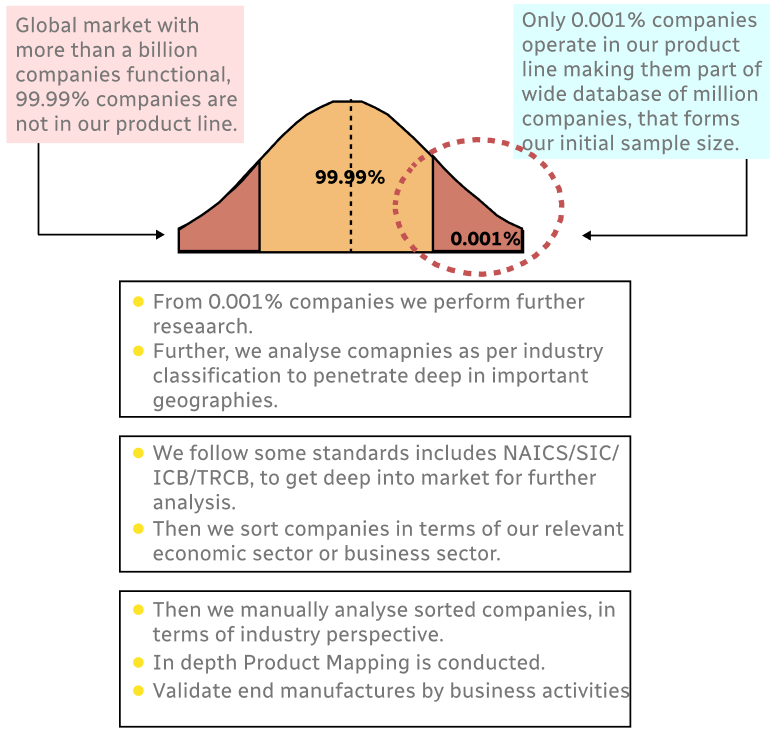
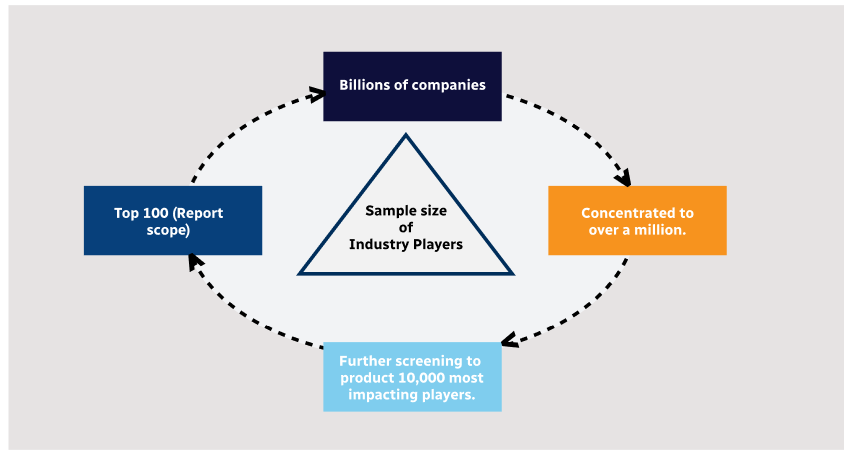
Step 1 - Identification of Relevant Samples Size from Population Database
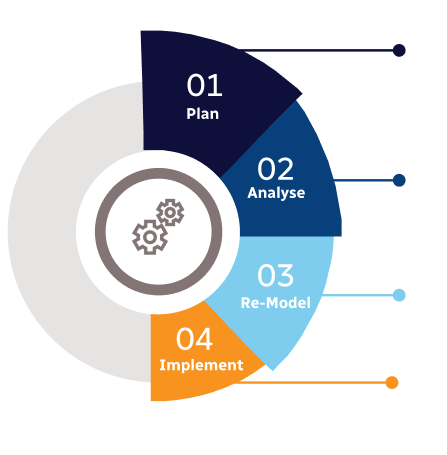
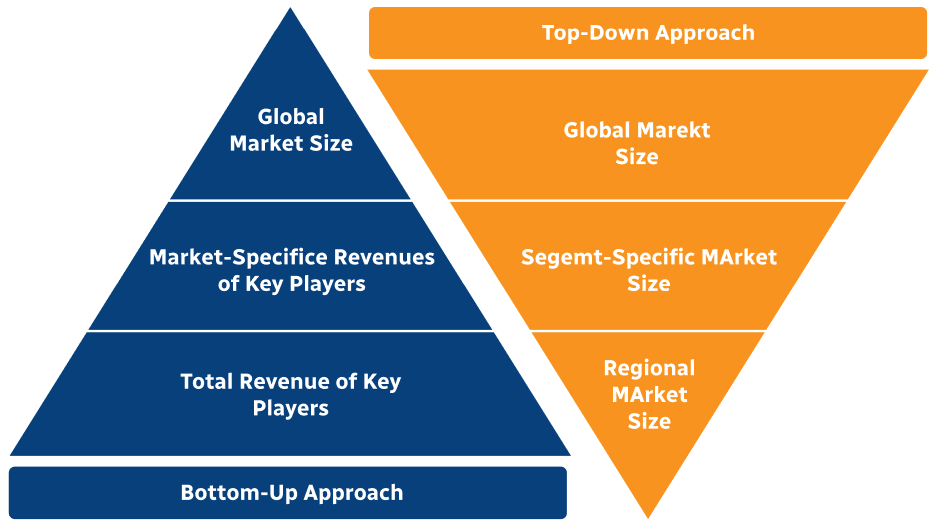
Step 2 - Approaches for Defining Global Market Size (Value, Volume* & Price*)
Note*: In applicable scenarios
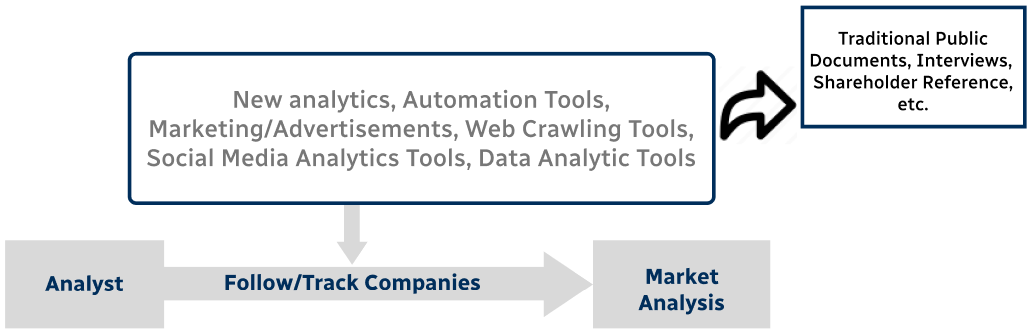
Step 3 - Data Sources
Primary Research
- Web Analytics
- Survey Reports
- Research Institute
- Latest Research Reports
- Opinion Leaders
Secondary Research
- Annual Reports
- White Paper
- Latest Press Release
- Industry Association
- Paid Database
- Investor Presentations
Step 4 - Data Triangulation
Involves using different sources of information in order to increase the validity of a study
These sources are likely to be stakeholders in a program - participants, other researchers, program staff, other community members, and so on.
Then we put all data in single framework & apply various statistical tools to find out the dynamic on the market.
During the analysis stage, feedback from the stakeholder groups would be compared to determine areas of agreement as well as areas of divergence