



Key Insights
The North American silica sand market is poised for robust growth, with an estimated market size of $21.2 billion in 2024. This expansion is driven by several key factors, including the burgeoning demand from the glass manufacturing sector, which relies heavily on high-purity silica sand for producing everything from windows and containers to specialized optical glass. The construction industry is another significant contributor, with silica sand being an essential component in concrete, mortar, and asphalt. Furthermore, the increasing use of silica sand in oil and gas recovery operations, particularly in hydraulic fracturing (fracking), is a major growth driver. Emerging trends also point towards advancements in filtration applications, utilizing refined silica sand for water treatment and industrial processes. The market is also experiencing increased demand for specialty silica sands with specific grain sizes and purity levels to meet evolving industry needs.

North America Silica Sand Market Market Size (In Billion)

The market is projected to witness a Compound Annual Growth Rate (CAGR) of 5.8% through 2033, underscoring its strong upward trajectory. While the market benefits from broad industrial application, it also faces certain restraints. These include the increasing environmental scrutiny and regulatory hurdles associated with sand mining operations, particularly concerning dust control and habitat disruption. Additionally, transportation costs for silica sand, which is a relatively heavy commodity, can impact profitability and influence market dynamics, especially for distant end-users. Key players in the North American silica sand market are investing in technological advancements to improve extraction efficiency, enhance product quality, and mitigate environmental impact. Diversification of product offerings to cater to niche applications and a focus on sustainable sourcing practices are becoming increasingly important strategies for market leaders.

North America Silica Sand Market Company Market Share

North America Silica Sand Market: Comprehensive Market Analysis & Forecast (2019-2033)
This in-depth report provides a detailed analysis of the North America silica sand market, encompassing market structure, competitive dynamics, key trends, dominant segments, product innovations, and future outlook. Covering the historical period from 2019 to 2024 and a forecast period extending to 2033, this study offers actionable insights for stakeholders in the glass manufacturing, foundry, chemical production, construction, paints and coatings, ceramics and refractories, filtration, and oil and gas recovery industries. Explore the market's trajectory for high-purity silica sand, foundry silica sand, and construction silica sand, with estimated market values in the billions.
North America Silica Sand Market Market Structure & Competitive Dynamics
The North America silica sand market exhibits a moderately concentrated structure, with a mix of large, established players and smaller, regional suppliers. Key companies like U S Silica, Covia Holdings LLC, and Signal Peak Silica LLC hold significant market share, driven by extensive production capacity, established distribution networks, and strong customer relationships. Innovation ecosystems are evolving, with a focus on improving sand processing, enhancing purity levels for specialized applications, and optimizing logistics for cost-effectiveness. Regulatory frameworks, particularly concerning environmental impact and water usage in mining operations, play a crucial role in shaping market entry and operational strategies. Product substitutes, while limited for certain high-performance applications, can emerge in broader construction or filler uses. End-user trends, such as the growing demand for advanced materials in electronics and the resurgence in infrastructure projects, are influencing product development and market expansion. Mergers and acquisitions (M&A) activities are expected to continue, consolidating market share and driving strategic partnerships. For instance, M&A deal values in the sector have historically ranged in the hundreds of millions of dollars, indicating significant capital deployment. Understanding these dynamics is critical for navigating this competitive landscape.
North America Silica Sand Market Industry Trends & Insights
The North America silica sand market is poised for robust growth, driven by a confluence of economic, technological, and demographic factors. A projected Compound Annual Growth Rate (CAGR) of approximately 4.5% from 2025 to 2033 underscores the sector's positive trajectory. Key growth drivers include the sustained demand from the glass manufacturing sector, particularly for automotive, construction, and specialty glass. The oil and gas recovery industry, while experiencing cyclical fluctuations, remains a significant consumer of frac sand, with advancements in hydraulic fracturing techniques influencing demand for specific mesh sizes and purity levels. The construction industry's expansion, fueled by urbanization and infrastructure development, presents a substantial market opportunity for construction-grade silica sand. Technological disruptions are primarily focused on enhancing the efficiency of silica sand extraction, processing, and transportation. Innovations in automated mining equipment, advanced separation techniques, and efficient logistics solutions are helping to reduce operational costs and improve product quality. Consumer preferences are increasingly leaning towards higher-purity silica sand for advanced applications such as semiconductors, solar panels, and advanced ceramics, creating a premium segment within the market. Competitive dynamics are characterized by intense price competition, especially in commodity-grade silica sand, and a strategic focus on value-added products and services for niche applications. Market penetration of specialized silica sand products is expected to rise as industries demand materials with precise specifications.
Dominant Markets & Segments in North America Silica Sand Market
The North America silica sand market is characterized by the dominance of specific regions and end-user industries. The United States represents the largest market by volume and value, driven by its extensive industrial base and significant energy sector activity. Within the US, key producing regions benefit from proximity to major consumption hubs and access to high-quality reserves.
Leading End-User Industries:
Glass Manufacturing: This segment consistently holds a dominant position, accounting for an estimated 30% of the total market value.
- Key Drivers: Growth in automotive production, increasing demand for energy-efficient building materials (e.g., low-emissivity glass), and the expanding solar energy sector contribute significantly.
- Dominance Analysis: The need for high-purity silica sand with consistent chemical composition is paramount for producing clear, durable, and specialized glass types. Economic policies supporting construction and manufacturing directly impact this segment's demand.
Construction: This segment is experiencing rapid growth, projected to capture 25% of the market by 2033.
- Key Drivers: Urbanization, government investment in infrastructure projects (roads, bridges, dams), and the demand for high-performance concrete and building materials.
- Dominance Analysis: Construction silica sand is crucial for concrete, asphalt, mortars, and grouts. The availability of cost-effective, locally sourced sand is a major factor in regional dominance.
Oil and Gas Recovery: Historically a significant driver, this segment is expected to maintain a substantial share of around 20%, with recovery influenced by energy prices and drilling activity.
- Key Drivers: Hydraulic fracturing techniques requiring large volumes of proppant (frac sand), and the need for specific grain sizes and crush resistance.
- Dominance Analysis: The Permian Basin in the US is a prime example of a region with concentrated demand for frac sand. Regulatory policies related to oil and gas extraction directly impact this segment's market share.
Leading Product Types:
High-Purity Silica Sand: This segment is projected for the highest growth, driven by advanced technological applications.
- Key Drivers: Demand from the electronics industry (semiconductors, displays), solar panel manufacturing, and specialty glass production.
- Dominance Analysis: The stringent quality requirements for high-purity silica sand lead to specialized mining and processing operations, often commanding premium prices.
Foundry Silica Sand: Essential for metal casting, this segment represents approximately 15% of the market.
- Key Drivers: Growth in automotive, aerospace, and industrial equipment manufacturing.
- Dominance Analysis: Consistency in grain size distribution and thermal stability are critical for producing high-quality castings.
North America Silica Sand Market Product Innovations
Product innovations in the North America silica sand market are primarily focused on enhancing purity, optimizing grain size distribution, and developing specialized grades for niche applications. Companies are investing in advanced processing technologies to extract silica sand with higher SiO2 content and lower impurity levels, crucial for the semiconductor and advanced materials sectors. Innovations in washing, drying, and screening processes are leading to more consistent product quality and improved performance characteristics. Furthermore, research is ongoing into coated silica sands that offer enhanced properties for specific applications, such as improved flowability or higher thermal conductivity. These advancements aim to meet the evolving demands of high-tech industries and to create value-added products that command premium pricing, driving competitive advantage in a mature market.
Report Segmentation & Scope
This report segments the North America silica sand market by End-User Industry and Product Type. The End-User Industry segmentation includes Glass Manufacturing, Foundry, Chemical Production, Construction, Paints and Coatings, Ceramics and Refractories, Filtration, Oil and Gas Recovery, and Other End-User Industry. The Product Type segmentation comprises High-Purity Silica Sand, Foundry Silica Sand, Construction Silica Sand, and Other. Each segment is analyzed for its market size, growth projections, and competitive dynamics. For instance, the Glass Manufacturing segment is projected to grow at a CAGR of 3.8% from 2025-2033, with an estimated market value of $X.X billion in 2025, driven by automotive and construction demand. The High-Purity Silica Sand segment is expected to witness the fastest growth, with an estimated market value of $X.X billion in 2025, driven by the electronics and solar industries.
Key Drivers of North America Silica Sand Market Growth
The North America silica sand market is propelled by several key drivers. The robust growth in the construction sector, fueled by infrastructure development and urbanization, significantly boosts demand for construction-grade silica sand. The expanding automotive industry and increasing demand for advanced glass solutions are driving the glass manufacturing segment. Technological advancements in oil and gas recovery, particularly hydraulic fracturing, continue to create a substantial market for frac sand, albeit with some volatility. Furthermore, the burgeoning electronics and solar industries are spurring demand for high-purity silica sand, a critical component in their manufacturing processes. Government initiatives supporting renewable energy and sustainable building practices also contribute to market expansion.
Challenges in the North America Silica Sand Market Sector
Despite robust growth prospects, the North America silica sand market faces several challenges. Environmental regulations pertaining to mining operations, water usage, and land reclamation can increase operational costs and create hurdles for new market entrants. Logistical complexities and transportation costs, especially for long-distance hauling of bulk materials, can impact profitability and competitive pricing. Fluctuations in the oil and gas industry, a key consumer of frac sand, introduce demand volatility. Furthermore, increasing competition from both domestic and international suppliers, along with the potential for price wars in commodity segments, can exert downward pressure on margins. Supply chain disruptions due to unforeseen events can also pose significant challenges.
Leading Players in the North America Silica Sand Market Market
- Signal Peak Silica LLC
- Source Energy Services Ltd
- Sil Industrial Minerals
- Covia Holdings LLC
- Superior Silica Sands
- Capital Sand Company
- Sibelco
- Athabasca Minerals Inc
- Atlas Sand Company LLC
- Hi-Crush Inc
- Badger Mining Corporation
- U S Silica
Key Developments in North America Silica Sand Market Sector
- November 2022: AMI Silica LLC, a subsidiary of Athabasca Minerals Inc., entered into a multi-year Transload Agreement with CRL Transload Services Ltd for sand trans-loading and storage services at its Taylor, British Columbia location, where it mines silica sand. This development strengthens Athabasca Minerals' logistical capabilities and market reach in Western Canada.
- April 2022: Source Energy Services Ltd. entered into an agreement with Canadian Silica Industries Inc. and Contractor's Leasing Corp to acquire the operations of the Peace River frac sand facility. This strategic acquisition helped Source Energy Services to increase its frac sand production capacity by an additional 400 kilo metric tonnes, enhancing its competitive position in the oil and gas services sector.
Strategic North America Silica Sand Market Market Outlook
The strategic outlook for the North America silica sand market remains highly positive, driven by continued industrial expansion and technological advancements. Growth accelerators include the increasing demand for advanced materials in sectors like electronics and renewable energy, which will bolster the high-purity silica sand segment. The ongoing investment in infrastructure and construction projects across the continent will sustain demand for construction silica sand. Companies are strategically focusing on optimizing their supply chains, enhancing product quality through advanced processing, and exploring value-added services to maintain a competitive edge. Opportunities also lie in developing sustainable mining practices and exploring new applications for silica sand derivatives. The market's trajectory suggests a shift towards higher-value, specialized products, presenting lucrative avenues for innovation and growth.
North America Silica Sand Market Segmentation
-
1. End-User Industry
- 1.1. Glass Manufacturing
- 1.2. Foundry
- 1.3. Chemical Production
- 1.4. Construction
- 1.5. Paints and Coatings
- 1.6. Ceramics and Refractories
- 1.7. Filtration
- 1.8. Oil and Gas Recovery
- 1.9. Other End-User Industry
-
2. Product Type
- 2.1. High-Purity Silica Sand
- 2.2. Foundry Silica Sand
- 2.3. Construction Silica Sand
- 2.4. Other
North America Silica Sand Market Segmentation By Geography
- 1. United States
- 2. Canada
- 3. Mexico

North America Silica Sand Market Regional Market Share

Geographic Coverage of North America Silica Sand Market
North America Silica Sand Market REPORT HIGHLIGHTS
| Aspects | Details |
|---|---|
| Study Period | 2020-2034 |
| Base Year | 2025 |
| Estimated Year | 2026 |
| Forecast Period | 2026-2034 |
| Historical Period | 2020-2025 |
| Growth Rate | CAGR of 5.8% from 2020-2034 |
| Segmentation |
|
Table of Contents
- 1. Introduction
- 1.1. Research Scope
- 1.2. Market Segmentation
- 1.3. Research Methodology
- 1.4. Definitions and Assumptions
- 2. Executive Summary
- 2.1. Introduction
- 3. Market Dynamics
- 3.1. Introduction
- 3.2. Market Drivers
- 3.2.1. Growing Demand from the Glass Industry; Increasing Consumption in the Foundry Industry; Other Drivers
- 3.3. Market Restrains
- 3.3.1. Availability of Substitutes; Illegal Mining of Sand
- 3.4. Market Trends
- 3.4.1. Oil and Gas Industry to Dominate the Market
- 4. Market Factor Analysis
- 4.1. Porters Five Forces
- 4.2. Supply/Value Chain
- 4.3. PESTEL analysis
- 4.4. Market Entropy
- 4.5. Patent/Trademark Analysis
- 5. North America Silica Sand Market Analysis, Insights and Forecast, 2020-2032
- 5.1. Market Analysis, Insights and Forecast - by End-User Industry
- 5.1.1. Glass Manufacturing
- 5.1.2. Foundry
- 5.1.3. Chemical Production
- 5.1.4. Construction
- 5.1.5. Paints and Coatings
- 5.1.6. Ceramics and Refractories
- 5.1.7. Filtration
- 5.1.8. Oil and Gas Recovery
- 5.1.9. Other End-User Industry
- 5.2. Market Analysis, Insights and Forecast - by Product Type
- 5.2.1. High-Purity Silica Sand
- 5.2.2. Foundry Silica Sand
- 5.2.3. Construction Silica Sand
- 5.2.4. Other
- 5.3. Market Analysis, Insights and Forecast - by Region
- 5.3.1. United States
- 5.3.2. Canada
- 5.3.3. Mexico
- 5.1. Market Analysis, Insights and Forecast - by End-User Industry
- 6. United States North America Silica Sand Market Analysis, Insights and Forecast, 2020-2032
- 6.1. Market Analysis, Insights and Forecast - by End-User Industry
- 6.1.1. Glass Manufacturing
- 6.1.2. Foundry
- 6.1.3. Chemical Production
- 6.1.4. Construction
- 6.1.5. Paints and Coatings
- 6.1.6. Ceramics and Refractories
- 6.1.7. Filtration
- 6.1.8. Oil and Gas Recovery
- 6.1.9. Other End-User Industry
- 6.2. Market Analysis, Insights and Forecast - by Product Type
- 6.2.1. High-Purity Silica Sand
- 6.2.2. Foundry Silica Sand
- 6.2.3. Construction Silica Sand
- 6.2.4. Other
- 6.1. Market Analysis, Insights and Forecast - by End-User Industry
- 7. Canada North America Silica Sand Market Analysis, Insights and Forecast, 2020-2032
- 7.1. Market Analysis, Insights and Forecast - by End-User Industry
- 7.1.1. Glass Manufacturing
- 7.1.2. Foundry
- 7.1.3. Chemical Production
- 7.1.4. Construction
- 7.1.5. Paints and Coatings
- 7.1.6. Ceramics and Refractories
- 7.1.7. Filtration
- 7.1.8. Oil and Gas Recovery
- 7.1.9. Other End-User Industry
- 7.2. Market Analysis, Insights and Forecast - by Product Type
- 7.2.1. High-Purity Silica Sand
- 7.2.2. Foundry Silica Sand
- 7.2.3. Construction Silica Sand
- 7.2.4. Other
- 7.1. Market Analysis, Insights and Forecast - by End-User Industry
- 8. Mexico North America Silica Sand Market Analysis, Insights and Forecast, 2020-2032
- 8.1. Market Analysis, Insights and Forecast - by End-User Industry
- 8.1.1. Glass Manufacturing
- 8.1.2. Foundry
- 8.1.3. Chemical Production
- 8.1.4. Construction
- 8.1.5. Paints and Coatings
- 8.1.6. Ceramics and Refractories
- 8.1.7. Filtration
- 8.1.8. Oil and Gas Recovery
- 8.1.9. Other End-User Industry
- 8.2. Market Analysis, Insights and Forecast - by Product Type
- 8.2.1. High-Purity Silica Sand
- 8.2.2. Foundry Silica Sand
- 8.2.3. Construction Silica Sand
- 8.2.4. Other
- 8.1. Market Analysis, Insights and Forecast - by End-User Industry
- 9. Competitive Analysis
- 9.1. Market Share Analysis 2025
- 9.2. Company Profiles
- 9.2.1 Signal Peak Silica LLC
- 9.2.1.1. Overview
- 9.2.1.2. Products
- 9.2.1.3. SWOT Analysis
- 9.2.1.4. Recent Developments
- 9.2.1.5. Financials (Based on Availability)
- 9.2.2 Source Energy Services Ltd
- 9.2.2.1. Overview
- 9.2.2.2. Products
- 9.2.2.3. SWOT Analysis
- 9.2.2.4. Recent Developments
- 9.2.2.5. Financials (Based on Availability)
- 9.2.3 Sil Industrial Minerals
- 9.2.3.1. Overview
- 9.2.3.2. Products
- 9.2.3.3. SWOT Analysis
- 9.2.3.4. Recent Developments
- 9.2.3.5. Financials (Based on Availability)
- 9.2.4 Covia Holdings LLC
- 9.2.4.1. Overview
- 9.2.4.2. Products
- 9.2.4.3. SWOT Analysis
- 9.2.4.4. Recent Developments
- 9.2.4.5. Financials (Based on Availability)
- 9.2.5 Superior Silica Sands
- 9.2.5.1. Overview
- 9.2.5.2. Products
- 9.2.5.3. SWOT Analysis
- 9.2.5.4. Recent Developments
- 9.2.5.5. Financials (Based on Availability)
- 9.2.6 Capital Sand Company
- 9.2.6.1. Overview
- 9.2.6.2. Products
- 9.2.6.3. SWOT Analysis
- 9.2.6.4. Recent Developments
- 9.2.6.5. Financials (Based on Availability)
- 9.2.7 Sibelco
- 9.2.7.1. Overview
- 9.2.7.2. Products
- 9.2.7.3. SWOT Analysis
- 9.2.7.4. Recent Developments
- 9.2.7.5. Financials (Based on Availability)
- 9.2.8 Athabasca Minerals Inc
- 9.2.8.1. Overview
- 9.2.8.2. Products
- 9.2.8.3. SWOT Analysis
- 9.2.8.4. Recent Developments
- 9.2.8.5. Financials (Based on Availability)
- 9.2.9 Atlas Sand Company LLC
- 9.2.9.1. Overview
- 9.2.9.2. Products
- 9.2.9.3. SWOT Analysis
- 9.2.9.4. Recent Developments
- 9.2.9.5. Financials (Based on Availability)
- 9.2.10 Hi-Crush Inc
- 9.2.10.1. Overview
- 9.2.10.2. Products
- 9.2.10.3. SWOT Analysis
- 9.2.10.4. Recent Developments
- 9.2.10.5. Financials (Based on Availability)
- 9.2.11 Badger Mining Corporation
- 9.2.11.1. Overview
- 9.2.11.2. Products
- 9.2.11.3. SWOT Analysis
- 9.2.11.4. Recent Developments
- 9.2.11.5. Financials (Based on Availability)
- 9.2.12 U S Silica
- 9.2.12.1. Overview
- 9.2.12.2. Products
- 9.2.12.3. SWOT Analysis
- 9.2.12.4. Recent Developments
- 9.2.12.5. Financials (Based on Availability)
- 9.2.1 Signal Peak Silica LLC
List of Figures
- Figure 1: North America Silica Sand Market Revenue Breakdown (undefined, %) by Product 2025 & 2033
- Figure 2: North America Silica Sand Market Share (%) by Company 2025
List of Tables
- Table 1: North America Silica Sand Market Revenue undefined Forecast, by End-User Industry 2020 & 2033
- Table 2: North America Silica Sand Market Volume K Tons Forecast, by End-User Industry 2020 & 2033
- Table 3: North America Silica Sand Market Revenue undefined Forecast, by Product Type 2020 & 2033
- Table 4: North America Silica Sand Market Volume K Tons Forecast, by Product Type 2020 & 2033
- Table 5: North America Silica Sand Market Revenue undefined Forecast, by Region 2020 & 2033
- Table 6: North America Silica Sand Market Volume K Tons Forecast, by Region 2020 & 2033
- Table 7: North America Silica Sand Market Revenue undefined Forecast, by End-User Industry 2020 & 2033
- Table 8: North America Silica Sand Market Volume K Tons Forecast, by End-User Industry 2020 & 2033
- Table 9: North America Silica Sand Market Revenue undefined Forecast, by Product Type 2020 & 2033
- Table 10: North America Silica Sand Market Volume K Tons Forecast, by Product Type 2020 & 2033
- Table 11: North America Silica Sand Market Revenue undefined Forecast, by Country 2020 & 2033
- Table 12: North America Silica Sand Market Volume K Tons Forecast, by Country 2020 & 2033
- Table 13: North America Silica Sand Market Revenue undefined Forecast, by End-User Industry 2020 & 2033
- Table 14: North America Silica Sand Market Volume K Tons Forecast, by End-User Industry 2020 & 2033
- Table 15: North America Silica Sand Market Revenue undefined Forecast, by Product Type 2020 & 2033
- Table 16: North America Silica Sand Market Volume K Tons Forecast, by Product Type 2020 & 2033
- Table 17: North America Silica Sand Market Revenue undefined Forecast, by Country 2020 & 2033
- Table 18: North America Silica Sand Market Volume K Tons Forecast, by Country 2020 & 2033
- Table 19: North America Silica Sand Market Revenue undefined Forecast, by End-User Industry 2020 & 2033
- Table 20: North America Silica Sand Market Volume K Tons Forecast, by End-User Industry 2020 & 2033
- Table 21: North America Silica Sand Market Revenue undefined Forecast, by Product Type 2020 & 2033
- Table 22: North America Silica Sand Market Volume K Tons Forecast, by Product Type 2020 & 2033
- Table 23: North America Silica Sand Market Revenue undefined Forecast, by Country 2020 & 2033
- Table 24: North America Silica Sand Market Volume K Tons Forecast, by Country 2020 & 2033
Frequently Asked Questions
1. What is the projected Compound Annual Growth Rate (CAGR) of the North America Silica Sand Market ?
The projected CAGR is approximately 5.8%.
2. Which companies are prominent players in the North America Silica Sand Market ?
Key companies in the market include Signal Peak Silica LLC, Source Energy Services Ltd, Sil Industrial Minerals, Covia Holdings LLC, Superior Silica Sands, Capital Sand Company, Sibelco, Athabasca Minerals Inc, Atlas Sand Company LLC, Hi-Crush Inc, Badger Mining Corporation, U S Silica.
3. What are the main segments of the North America Silica Sand Market ?
The market segments include End-User Industry, Product Type.
4. Can you provide details about the market size?
The market size is estimated to be USD XXX N/A as of 2022.
5. What are some drivers contributing to market growth?
Growing Demand from the Glass Industry; Increasing Consumption in the Foundry Industry; Other Drivers.
6. What are the notable trends driving market growth?
Oil and Gas Industry to Dominate the Market.
7. Are there any restraints impacting market growth?
Availability of Substitutes; Illegal Mining of Sand.
8. Can you provide examples of recent developments in the market?
November 2022: AMI Silica LLC, a subsidiary of Athabasca Minerals Inc., entered into a multi-year Transload Agreement with CRL Transload Services Ltd for sand trans-loading and storage services at its Taylor, British Columbia location, where it mines silica sand.
9. What pricing options are available for accessing the report?
Pricing options include single-user, multi-user, and enterprise licenses priced at USD 4750, USD 5250, and USD 8750 respectively.
10. Is the market size provided in terms of value or volume?
The market size is provided in terms of value, measured in N/A and volume, measured in K Tons.
11. Are there any specific market keywords associated with the report?
Yes, the market keyword associated with the report is "North America Silica Sand Market ," which aids in identifying and referencing the specific market segment covered.
12. How do I determine which pricing option suits my needs best?
The pricing options vary based on user requirements and access needs. Individual users may opt for single-user licenses, while businesses requiring broader access may choose multi-user or enterprise licenses for cost-effective access to the report.
13. Are there any additional resources or data provided in the North America Silica Sand Market report?
While the report offers comprehensive insights, it's advisable to review the specific contents or supplementary materials provided to ascertain if additional resources or data are available.
14. How can I stay updated on further developments or reports in the North America Silica Sand Market ?
To stay informed about further developments, trends, and reports in the North America Silica Sand Market , consider subscribing to industry newsletters, following relevant companies and organizations, or regularly checking reputable industry news sources and publications.
Methodology
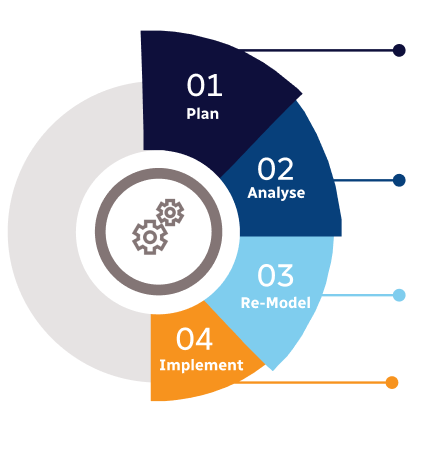
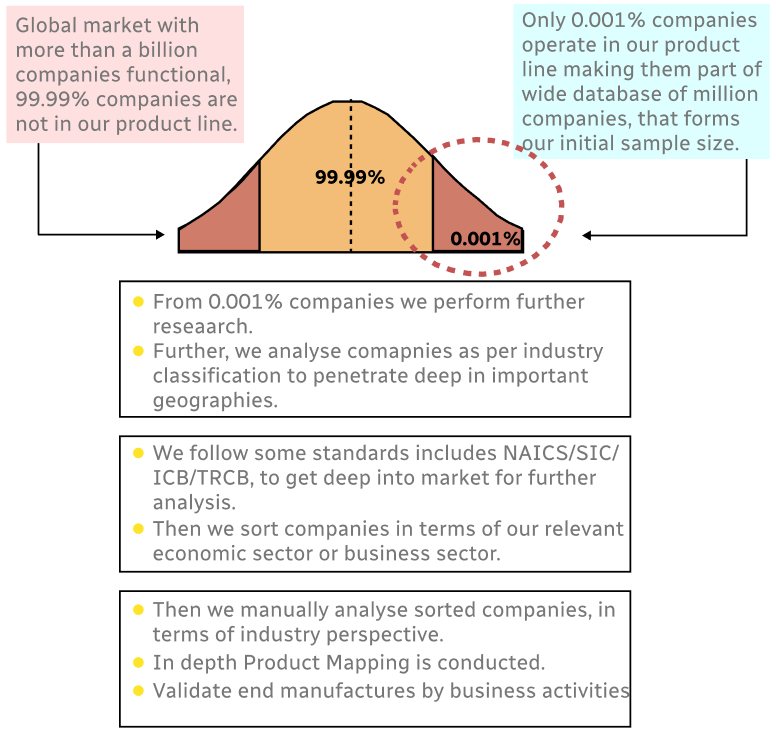
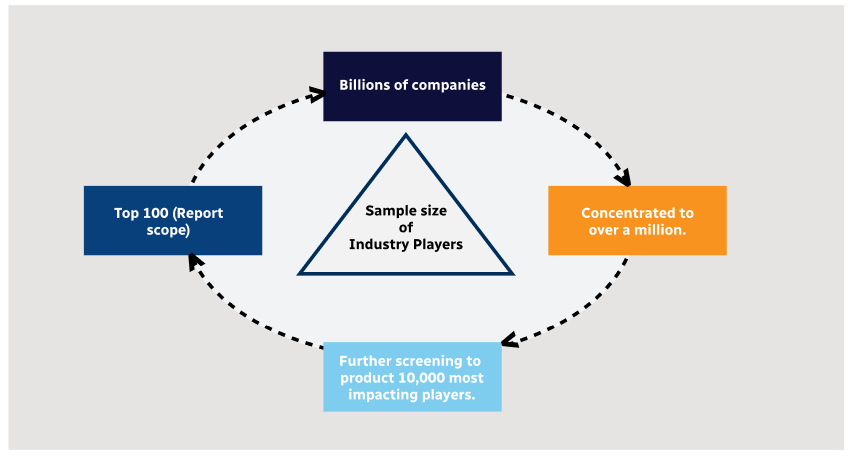
Step 1 - Identification of Relevant Samples Size from Population Database
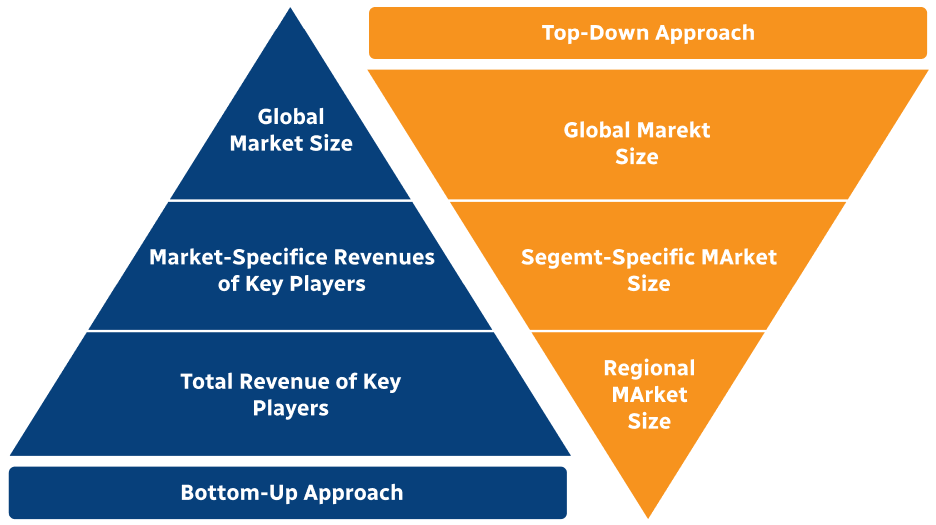
Step 2 - Approaches for Defining Global Market Size (Value, Volume* & Price*)
Note*: In applicable scenarios
Step 3 - Data Sources
Primary Research
- Web Analytics
- Survey Reports
- Research Institute
- Latest Research Reports
- Opinion Leaders
Secondary Research
- Annual Reports
- White Paper
- Latest Press Release
- Industry Association
- Paid Database
- Investor Presentations
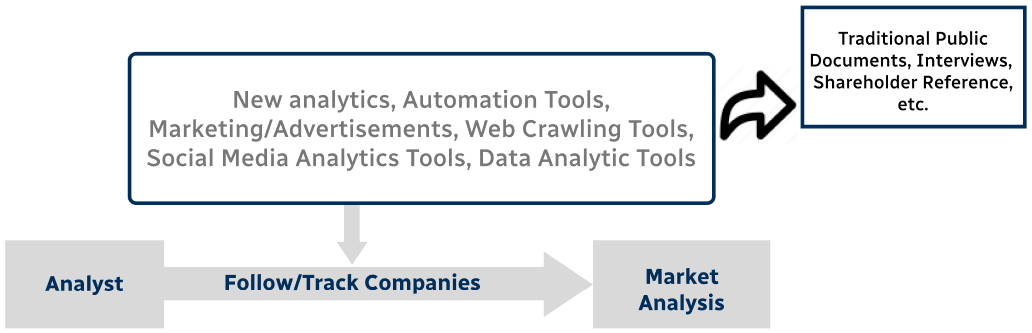
Step 4 - Data Triangulation
Involves using different sources of information in order to increase the validity of a study
These sources are likely to be stakeholders in a program - participants, other researchers, program staff, other community members, and so on.
Then we put all data in single framework & apply various statistical tools to find out the dynamic on the market.
During the analysis stage, feedback from the stakeholder groups would be compared to determine areas of agreement as well as areas of divergence


