



Key Insights
The North America pressure pumping oil and gas industry is poised for robust growth, with a current market size of $7.98 billion in 2024. Projections indicate a Compound Annual Growth Rate (CAGR) of 4.4% through 2033, driven by increasing global energy demand and the strategic importance of North America as a major oil and gas producer. Key growth catalysts include the continued reliance on hydraulic fracturing for unconventional resource extraction, particularly in shale plays, and the ongoing need for cementing services to ensure well integrity and production efficiency. Furthermore, the push towards maximizing recovery from mature fields through enhanced oil recovery (EOR) techniques is a significant driver, as operators seek to optimize existing infrastructure and reserves. The industry is also witnessing a surge in demand for specialized services catering to horizontal drilling, which has revolutionized oil and gas exploration and production in regions like the Permian Basin and the Montney formation.

North America Pressure Pumping Oil and Gas Industry Market Size (In Billion)

Despite the positive outlook, the market faces certain restraints that could temper its expansion. Fluctuations in crude oil prices, geopolitical instability impacting supply chains, and increasingly stringent environmental regulations pose challenges to operators. However, technological advancements in pressure pumping equipment, digitalization of operations for improved efficiency and safety, and a growing focus on sustainable practices are mitigating these concerns. The competitive landscape is characterized by the presence of major global players such as Halliburton Company, Schlumberger NV, and Baker Hughes Co, alongside regional specialists like Trican Well Service Ltd and Calfrac Well Services Ltd. These companies are continuously innovating to offer advanced solutions and maintain a competitive edge in this dynamic sector. The continued development of horizontal well technology and the persistent need for effective well completions and interventions will underpin the industry's resilience and future trajectory.

North America Pressure Pumping Oil and Gas Industry Company Market Share

North America Pressure Pumping Oil and Gas Industry: Market Analysis and Forecast 2019–2033
This comprehensive report offers an in-depth analysis of the North America pressure pumping oil and gas industry, encompassing a detailed market forecast from 2019 to 2033, with a base and estimated year of 2025. We delve into the intricate market structure, competitive dynamics, emerging trends, dominant segments, product innovations, and strategic outlook. Uncover critical insights into growth drivers, challenges, and key developments shaping this dynamic sector. This report is essential for stakeholders seeking to understand market penetration, market share, and competitive advantages within the hydraulic fracturing, cementing, and enhanced oil recovery segments across vertical and horizontal wells.
North America Pressure Pumping Oil and Gas Industry Market Structure & Competitive Dynamics
The North America pressure pumping oil and gas industry is characterized by a moderately concentrated market structure, driven by the significant capital investment required for advanced equipment and operational expertise. Major players like Halliburton Company, Schlumberger NV, and Baker Hughes Co. hold substantial market share, leveraging their extensive service portfolios and global reach. Innovation ecosystems are thriving, with companies continuously investing in research and development for more efficient and environmentally friendly pressure pumping solutions, including advanced fracturing fluids and digital wellsite management systems. Regulatory frameworks, while evolving, play a crucial role in shaping operational practices, particularly concerning environmental impact and safety standards across the United States, Canada, and Mexico. Product substitutes are limited due to the specialized nature of pressure pumping services, though advancements in alternative energy sources present a long-term consideration. End-user trends highlight a growing demand for cost-effective extraction and optimized production from mature fields. Mergers and acquisitions (M&A) activities, with reported deal values in the billions, are strategic moves to consolidate market power, acquire new technologies, and expand geographical footprints. For instance, the integration of acquired technologies has led to a more robust offering of integrated services.
North America Pressure Pumping Oil and Gas Industry Industry Trends & Insights
The North America pressure pumping oil and gas industry is experiencing significant growth, propelled by a confluence of technological advancements, economic imperatives, and evolving energy demand. The average Compound Annual Growth Rate (CAGR) is projected to be around 6.5% during the forecast period, driven by the increasing need for efficient hydrocarbon extraction. Technological disruptions are at the forefront, with the adoption of advanced hydraulic fracturing techniques, including real-time data analytics and AI-powered operational optimization, enhancing well productivity and reducing downtime. The integration of automation and robotics in pressure pumping operations is also gaining traction, improving safety and efficiency. Consumer preferences are shifting towards operators who demonstrate a commitment to environmental stewardship, prompting a focus on water recycling, reduced emissions, and minimal surface footprint. Competitive dynamics are intensifying, with companies differentiating themselves through specialized services, technological innovation, and cost leadership. Market penetration for sophisticated pressure pumping technologies is steadily increasing as operators seek to maximize recovery from existing reserves and explore unconventional resources. The ongoing development of shale plays in the United States and Canada continues to be a primary market driver, supported by favorable economic policies and robust infrastructure. Furthermore, the increasing emphasis on energy security and the need to meet growing global energy demands are reinforcing the importance of efficient and reliable pressure pumping services.
Dominant Markets & Segments in North America Pressure Pumping Oil and Gas Industry
The North America pressure pumping oil and gas industry is predominantly driven by the United States, which accounts for the largest market share, followed by Canada. Within the United States, Texas, North Dakota, and New Mexico are key regions exhibiting significant activity due to substantial proved reserves and ongoing exploration and production (E&P) efforts.
Service Type Dominance:
- Hydraulic Fracturing: This segment holds the largest market share, driven by the widespread exploitation of shale gas and tight oil reserves. The extensive use of hydraulic fracturing in horizontal wells to unlock these resources fuels consistent demand for fracturing fluid pumping, proppant delivery, and well stimulation services. Economic policies supporting domestic energy production and the need to maintain production levels from existing unconventional fields are key drivers.
- Cementing: Crucial for well integrity and zonal isolation, cementing services are consistently in demand across all well types. Growth is linked to the drilling of new wells and the maintenance of existing infrastructure, ensuring safe and efficient operations. Regulatory compliance regarding wellbore integrity significantly boosts demand.
- Enhanced Oil Recovery (EOR): While a smaller segment currently, EOR techniques, including CO2 injection and chemical flooding, are gaining strategic importance as operators look to maximize recovery from mature conventional fields. Technological advancements in EOR methods and the economic viability of extracting additional hydrocarbons from older reservoirs are key growth accelerators.
Well Type Dominance:
- Horizontal Wells: The prevalence of horizontal drilling, especially in shale plays, makes this the dominant well type for pressure pumping services. The complex stimulation requirements of horizontal wells, including multi-stage fracturing, drive a significant portion of the market demand. The economic viability of horizontal wells in unlocking unconventional reserves is the primary factor.
- Vertical Wells: While less prominent than horizontal wells, vertical wells continue to represent a stable demand for pressure pumping services, particularly in conventional oil and gas fields and for certain types of injection wells.
North America Pressure Pumping Oil and Gas Industry Product Innovations
Product innovations in the North America pressure pumping oil and gas industry are primarily focused on enhancing operational efficiency, reducing environmental impact, and improving well productivity. Companies are developing advanced fracturing fluid formulations with lower viscosity and improved fluid recovery, alongside more durable and permeable proppants. Smart proppant technologies that optimize flow and prevent screen-outs are gaining traction. Digitalization is a key trend, with the introduction of real-time monitoring systems, predictive analytics for equipment maintenance, and automated pumping control to enhance performance and safety. These innovations provide a competitive advantage by lowering operational costs and improving the economics of hydrocarbon extraction.
Report Segmentation & Scope
This report segments the North America pressure pumping oil and gas industry by Service Type and Well Type. The Service Type segmentation includes Hydraulic Fracturing, Cementing, and Enhanced Oil Recovery (EOR). The Well Type segmentation encompasses Horizontal and Vertical wells. Each segment is analyzed for its market size, growth projections, and competitive dynamics, offering a granular view of opportunities and challenges across diverse operational contexts. The EOR segment, while smaller, is projected for substantial growth due to its role in maximizing recovery from mature fields, while Hydraulic Fracturing remains the dominant revenue generator due to shale development.
Key Drivers of North America Pressure Pumping Oil and Gas Industry Growth
Several key drivers are propelling the growth of the North America pressure pumping oil and gas industry.
- Technological Advancements: Continuous innovation in hydraulic fracturing techniques, proppant technologies, and digital monitoring systems enhances efficiency and reduces costs, making extraction more economically viable.
- Unconventional Resource Development: The ongoing exploitation of shale gas and tight oil reserves in the United States and Canada remains a primary demand generator for pressure pumping services, particularly hydraulic fracturing.
- Favorable Economic Conditions: Fluctuations in global oil and gas prices, when favorable, incentivize increased exploration and production activities, directly impacting the demand for pressure pumping.
- Energy Security Imperatives: The pursuit of energy independence and security by North American nations supports domestic production, thus sustaining demand for essential oilfield services.
Challenges in the North America Pressure Pumping Oil and Gas Industry Sector
Despite robust growth drivers, the North America pressure pumping oil and gas industry faces significant challenges.
- Environmental Regulations: Increasingly stringent environmental regulations concerning water usage, wastewater disposal, and emissions can increase operational costs and complexity.
- Price Volatility: Fluctuations in global crude oil and natural gas prices can lead to unpredictable demand, impacting investment decisions and operational planning for pressure pumping companies.
- Skilled Labor Shortages: A persistent challenge is the availability of a skilled workforce, from experienced operators to engineers, essential for safely and efficiently deploying advanced pressure pumping technologies.
- Supply Chain Disruptions: Global supply chain issues can affect the availability and cost of critical equipment, chemicals, and proppants, leading to project delays and increased expenses.
Leading Players in the North America Pressure Pumping Oil and Gas Industry Market
- Trican Well Service Ltd
- Superior Energy Services Inc
- Baker Hughes Co
- Schlumberger NV
- Weatherford International PLC
- Chevron Corporation
- Saipem SpA
- Halliburton Company
- Shell PLC
- Calfrac Well Services Ltd
Key Developments in North America Pressure Pumping Oil and Gas Industry Sector
- 2020: The United States witnessed significant extensions and discoveries of proved crude oil reserves and lease condensates, with Texas adding approximately 1.8 billion barrels, New Mexico 0.7 billion barrels, and North Dakota 0.2 billion barrels. These discoveries are expected to fuel further development and production opportunities, consequently boosting demand for pressure pumping services.
- 2020: Alaska's gas operators added a substantial volume of proved natural gas reserves, increasing the annual total by 27 trillion cubic feet (tcf), quadrupling the state's total from 9 tcf to 36 tcf. This expansion in natural gas reserves will likely spur increased activity in well completion and production services.
Strategic North America Pressure Pumping Oil and Gas Industry Market Outlook
The strategic outlook for the North America pressure pumping oil and gas industry remains positive, driven by sustained demand for hydrocarbons and ongoing technological innovation. Future market potential lies in the continued optimization of unconventional resource extraction, the increasing adoption of sustainable practices, and the expansion of EOR techniques to maximize recovery from existing fields. Companies that invest in digital transformation, embrace environmentally conscious solutions, and maintain operational agility will be well-positioned to capitalize on emerging opportunities. Strategic partnerships and acquisitions will continue to play a vital role in consolidating market leadership and enhancing service offerings, ensuring robust growth and profitability in the coming years.
North America Pressure Pumping Oil and Gas Industry Segmentation
-
1. Service Type
- 1.1. Hydraulic Fracturing
- 1.2. Cementing
- 1.3. Enhanced Oil Recovery
-
2. Well Type
- 2.1. Horizontal
- 2.2. Vertical
North America Pressure Pumping Oil and Gas Industry Segmentation By Geography
- 1. North America
- 2. Europe
- 3. Asia Pacific
- 4. South America
- 5. Middle East

North America Pressure Pumping Oil and Gas Industry Regional Market Share

Geographic Coverage of North America Pressure Pumping Oil and Gas Industry
North America Pressure Pumping Oil and Gas Industry REPORT HIGHLIGHTS
| Aspects | Details |
|---|---|
| Study Period | 2020-2034 |
| Base Year | 2025 |
| Estimated Year | 2026 |
| Forecast Period | 2026-2034 |
| Historical Period | 2020-2025 |
| Growth Rate | CAGR of 4.4% from 2020-2034 |
| Segmentation |
|
Table of Contents
- 1. Introduction
- 1.1. Research Scope
- 1.2. Market Segmentation
- 1.3. Research Methodology
- 1.4. Definitions and Assumptions
- 2. Executive Summary
- 2.1. Introduction
- 3. Market Dynamics
- 3.1. Introduction
- 3.2. Market Drivers
- 3.2.1. Rapid Recovery in the Oil and Gas and Mining Industries4.; Surge in the Construction Industry
- 3.3. Market Restrains
- 3.3.1. High Maintenance and Operation Costs of Submersible Pump Restrain the Market
- 3.4. Market Trends
- 3.4.1. Hydraulic Fracturing Expected to Dominate the Market
- 4. Market Factor Analysis
- 4.1. Porters Five Forces
- 4.2. Supply/Value Chain
- 4.3. PESTEL analysis
- 4.4. Market Entropy
- 4.5. Patent/Trademark Analysis
- 5. North America Pressure Pumping Oil and Gas Industry Analysis, Insights and Forecast, 2020-2032
- 5.1. Market Analysis, Insights and Forecast - by Service Type
- 5.1.1. Hydraulic Fracturing
- 5.1.2. Cementing
- 5.1.3. Enhanced Oil Recovery
- 5.2. Market Analysis, Insights and Forecast - by Well Type
- 5.2.1. Horizontal
- 5.2.2. Vertical
- 5.3. Market Analysis, Insights and Forecast - by Region
- 5.3.1. North America
- 5.3.2. Europe
- 5.3.3. Asia Pacific
- 5.3.4. South America
- 5.3.5. Middle East
- 5.1. Market Analysis, Insights and Forecast - by Service Type
- 6. North America North America Pressure Pumping Oil and Gas Industry Analysis, Insights and Forecast, 2020-2032
- 6.1. Market Analysis, Insights and Forecast - by Service Type
- 6.1.1. Hydraulic Fracturing
- 6.1.2. Cementing
- 6.1.3. Enhanced Oil Recovery
- 6.2. Market Analysis, Insights and Forecast - by Well Type
- 6.2.1. Horizontal
- 6.2.2. Vertical
- 6.1. Market Analysis, Insights and Forecast - by Service Type
- 7. Europe North America Pressure Pumping Oil and Gas Industry Analysis, Insights and Forecast, 2020-2032
- 7.1. Market Analysis, Insights and Forecast - by Service Type
- 7.1.1. Hydraulic Fracturing
- 7.1.2. Cementing
- 7.1.3. Enhanced Oil Recovery
- 7.2. Market Analysis, Insights and Forecast - by Well Type
- 7.2.1. Horizontal
- 7.2.2. Vertical
- 7.1. Market Analysis, Insights and Forecast - by Service Type
- 8. Asia Pacific North America Pressure Pumping Oil and Gas Industry Analysis, Insights and Forecast, 2020-2032
- 8.1. Market Analysis, Insights and Forecast - by Service Type
- 8.1.1. Hydraulic Fracturing
- 8.1.2. Cementing
- 8.1.3. Enhanced Oil Recovery
- 8.2. Market Analysis, Insights and Forecast - by Well Type
- 8.2.1. Horizontal
- 8.2.2. Vertical
- 8.1. Market Analysis, Insights and Forecast - by Service Type
- 9. South America North America Pressure Pumping Oil and Gas Industry Analysis, Insights and Forecast, 2020-2032
- 9.1. Market Analysis, Insights and Forecast - by Service Type
- 9.1.1. Hydraulic Fracturing
- 9.1.2. Cementing
- 9.1.3. Enhanced Oil Recovery
- 9.2. Market Analysis, Insights and Forecast - by Well Type
- 9.2.1. Horizontal
- 9.2.2. Vertical
- 9.1. Market Analysis, Insights and Forecast - by Service Type
- 10. Middle East North America Pressure Pumping Oil and Gas Industry Analysis, Insights and Forecast, 2020-2032
- 10.1. Market Analysis, Insights and Forecast - by Service Type
- 10.1.1. Hydraulic Fracturing
- 10.1.2. Cementing
- 10.1.3. Enhanced Oil Recovery
- 10.2. Market Analysis, Insights and Forecast - by Well Type
- 10.2.1. Horizontal
- 10.2.2. Vertical
- 10.1. Market Analysis, Insights and Forecast - by Service Type
- 11. Competitive Analysis
- 11.1. Market Share Analysis 2025
- 11.2. Company Profiles
- 11.2.1 Trican Well Service Ltd
- 11.2.1.1. Overview
- 11.2.1.2. Products
- 11.2.1.3. SWOT Analysis
- 11.2.1.4. Recent Developments
- 11.2.1.5. Financials (Based on Availability)
- 11.2.2 Superior Energy Services Inc
- 11.2.2.1. Overview
- 11.2.2.2. Products
- 11.2.2.3. SWOT Analysis
- 11.2.2.4. Recent Developments
- 11.2.2.5. Financials (Based on Availability)
- 11.2.3 Baker Hughes Co
- 11.2.3.1. Overview
- 11.2.3.2. Products
- 11.2.3.3. SWOT Analysis
- 11.2.3.4. Recent Developments
- 11.2.3.5. Financials (Based on Availability)
- 11.2.4 Schlumberger NV
- 11.2.4.1. Overview
- 11.2.4.2. Products
- 11.2.4.3. SWOT Analysis
- 11.2.4.4. Recent Developments
- 11.2.4.5. Financials (Based on Availability)
- 11.2.5 Weatherford International PLC
- 11.2.5.1. Overview
- 11.2.5.2. Products
- 11.2.5.3. SWOT Analysis
- 11.2.5.4. Recent Developments
- 11.2.5.5. Financials (Based on Availability)
- 11.2.6 Chevron Corporation
- 11.2.6.1. Overview
- 11.2.6.2. Products
- 11.2.6.3. SWOT Analysis
- 11.2.6.4. Recent Developments
- 11.2.6.5. Financials (Based on Availability)
- 11.2.7 Saipem SpA
- 11.2.7.1. Overview
- 11.2.7.2. Products
- 11.2.7.3. SWOT Analysis
- 11.2.7.4. Recent Developments
- 11.2.7.5. Financials (Based on Availability)
- 11.2.8 Halliburton Company
- 11.2.8.1. Overview
- 11.2.8.2. Products
- 11.2.8.3. SWOT Analysis
- 11.2.8.4. Recent Developments
- 11.2.8.5. Financials (Based on Availability)
- 11.2.9 Shell PLC*List Not Exhaustive
- 11.2.9.1. Overview
- 11.2.9.2. Products
- 11.2.9.3. SWOT Analysis
- 11.2.9.4. Recent Developments
- 11.2.9.5. Financials (Based on Availability)
- 11.2.10 Calfrac Well Services Ltd
- 11.2.10.1. Overview
- 11.2.10.2. Products
- 11.2.10.3. SWOT Analysis
- 11.2.10.4. Recent Developments
- 11.2.10.5. Financials (Based on Availability)
- 11.2.1 Trican Well Service Ltd
List of Figures
- Figure 1: North America Pressure Pumping Oil and Gas Industry Revenue Breakdown (undefined, %) by Product 2025 & 2033
- Figure 2: North America Pressure Pumping Oil and Gas Industry Share (%) by Company 2025
List of Tables
- Table 1: North America Pressure Pumping Oil and Gas Industry Revenue undefined Forecast, by Service Type 2020 & 2033
- Table 2: North America Pressure Pumping Oil and Gas Industry Revenue undefined Forecast, by Well Type 2020 & 2033
- Table 3: North America Pressure Pumping Oil and Gas Industry Revenue undefined Forecast, by Region 2020 & 2033
- Table 4: North America Pressure Pumping Oil and Gas Industry Revenue undefined Forecast, by Service Type 2020 & 2033
- Table 5: North America Pressure Pumping Oil and Gas Industry Revenue undefined Forecast, by Well Type 2020 & 2033
- Table 6: North America Pressure Pumping Oil and Gas Industry Revenue undefined Forecast, by Country 2020 & 2033
- Table 7: North America Pressure Pumping Oil and Gas Industry Revenue undefined Forecast, by Service Type 2020 & 2033
- Table 8: North America Pressure Pumping Oil and Gas Industry Revenue undefined Forecast, by Well Type 2020 & 2033
- Table 9: North America Pressure Pumping Oil and Gas Industry Revenue undefined Forecast, by Country 2020 & 2033
- Table 10: North America Pressure Pumping Oil and Gas Industry Revenue undefined Forecast, by Service Type 2020 & 2033
- Table 11: North America Pressure Pumping Oil and Gas Industry Revenue undefined Forecast, by Well Type 2020 & 2033
- Table 12: North America Pressure Pumping Oil and Gas Industry Revenue undefined Forecast, by Country 2020 & 2033
- Table 13: North America Pressure Pumping Oil and Gas Industry Revenue undefined Forecast, by Service Type 2020 & 2033
- Table 14: North America Pressure Pumping Oil and Gas Industry Revenue undefined Forecast, by Well Type 2020 & 2033
- Table 15: North America Pressure Pumping Oil and Gas Industry Revenue undefined Forecast, by Country 2020 & 2033
- Table 16: North America Pressure Pumping Oil and Gas Industry Revenue undefined Forecast, by Service Type 2020 & 2033
- Table 17: North America Pressure Pumping Oil and Gas Industry Revenue undefined Forecast, by Well Type 2020 & 2033
- Table 18: North America Pressure Pumping Oil and Gas Industry Revenue undefined Forecast, by Country 2020 & 2033
Frequently Asked Questions
1. What is the projected Compound Annual Growth Rate (CAGR) of the North America Pressure Pumping Oil and Gas Industry?
The projected CAGR is approximately 4.4%.
2. Which companies are prominent players in the North America Pressure Pumping Oil and Gas Industry?
Key companies in the market include Trican Well Service Ltd, Superior Energy Services Inc, Baker Hughes Co, Schlumberger NV, Weatherford International PLC, Chevron Corporation, Saipem SpA, Halliburton Company, Shell PLC*List Not Exhaustive, Calfrac Well Services Ltd.
3. What are the main segments of the North America Pressure Pumping Oil and Gas Industry?
The market segments include Service Type, Well Type.
4. Can you provide details about the market size?
The market size is estimated to be USD XXX N/A as of 2022.
5. What are some drivers contributing to market growth?
Rapid Recovery in the Oil and Gas and Mining Industries4.; Surge in the Construction Industry.
6. What are the notable trends driving market growth?
Hydraulic Fracturing Expected to Dominate the Market.
7. Are there any restraints impacting market growth?
High Maintenance and Operation Costs of Submersible Pump Restrain the Market.
8. Can you provide examples of recent developments in the market?
In 2020, the United States achieved the most significant extensions and discoveries of proved crude oil reserves and lease condensates, which were discovered in Texas, New Mexico, and North Dakota. The operators in Texas added around 1.8 billion barrels, New Mexico had 0.7 billion barrels, and North Dakota had 0.2 billion barrels of extensions and discoveries. The discoveries are likely to give more development and production opportunities to the E&P companies, and hence the pressure pumping services too.
9. What pricing options are available for accessing the report?
Pricing options include single-user, multi-user, and enterprise licenses priced at USD 4750, USD 5250, and USD 8750 respectively.
10. Is the market size provided in terms of value or volume?
The market size is provided in terms of value, measured in N/A.
11. Are there any specific market keywords associated with the report?
Yes, the market keyword associated with the report is "North America Pressure Pumping Oil and Gas Industry," which aids in identifying and referencing the specific market segment covered.
12. How do I determine which pricing option suits my needs best?
The pricing options vary based on user requirements and access needs. Individual users may opt for single-user licenses, while businesses requiring broader access may choose multi-user or enterprise licenses for cost-effective access to the report.
13. Are there any additional resources or data provided in the North America Pressure Pumping Oil and Gas Industry report?
While the report offers comprehensive insights, it's advisable to review the specific contents or supplementary materials provided to ascertain if additional resources or data are available.
14. How can I stay updated on further developments or reports in the North America Pressure Pumping Oil and Gas Industry?
To stay informed about further developments, trends, and reports in the North America Pressure Pumping Oil and Gas Industry, consider subscribing to industry newsletters, following relevant companies and organizations, or regularly checking reputable industry news sources and publications.
Methodology
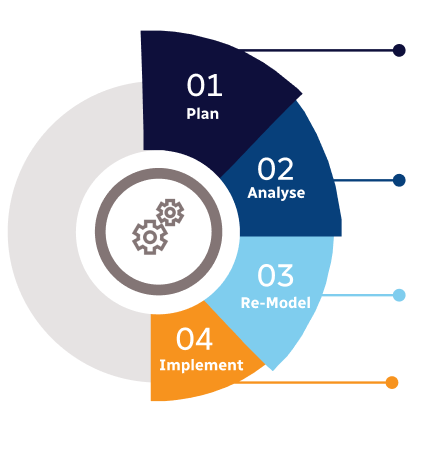
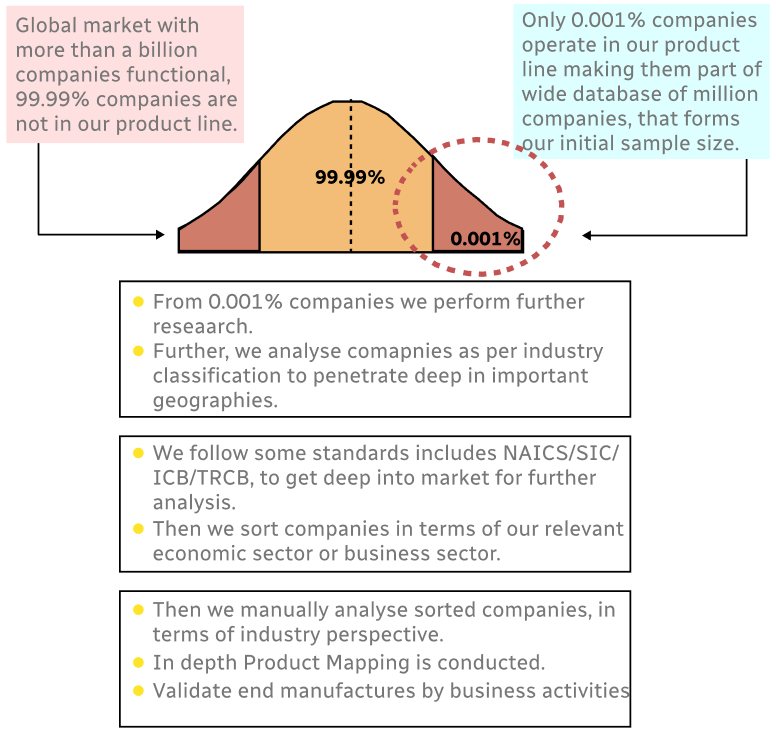
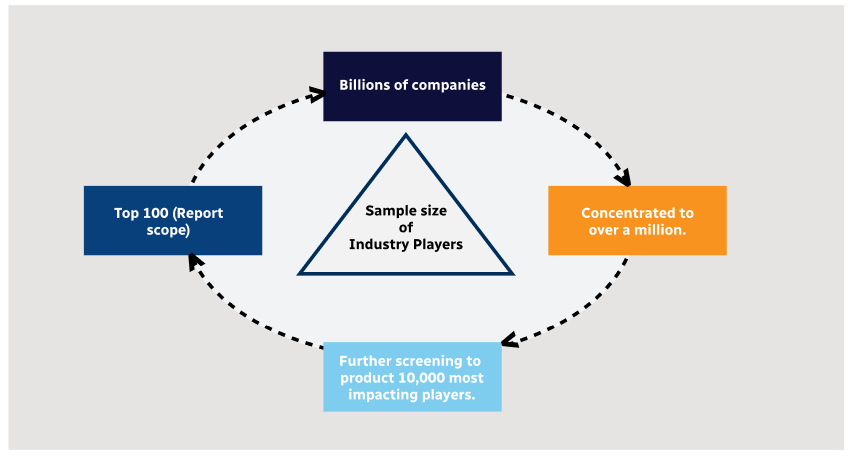
Step 1 - Identification of Relevant Samples Size from Population Database
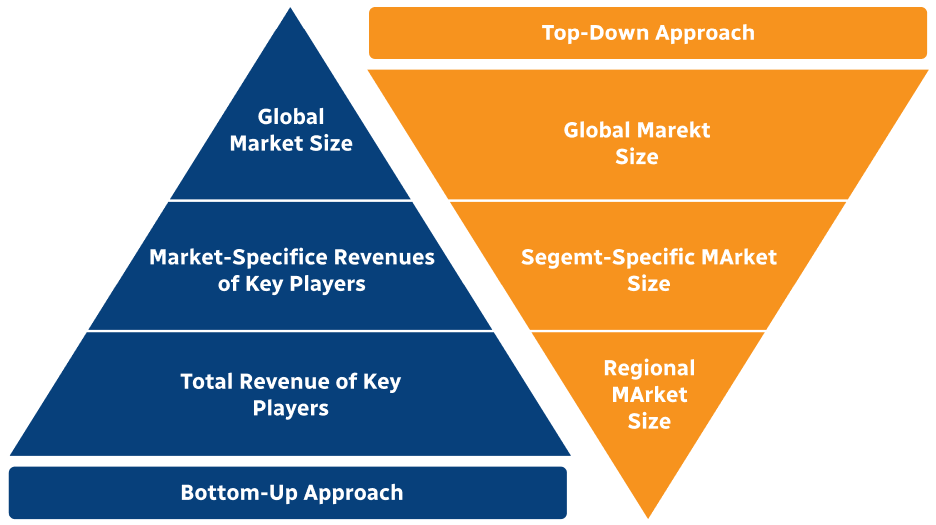
Step 2 - Approaches for Defining Global Market Size (Value, Volume* & Price*)
Note*: In applicable scenarios
Step 3 - Data Sources
Primary Research
- Web Analytics
- Survey Reports
- Research Institute
- Latest Research Reports
- Opinion Leaders
Secondary Research
- Annual Reports
- White Paper
- Latest Press Release
- Industry Association
- Paid Database
- Investor Presentations
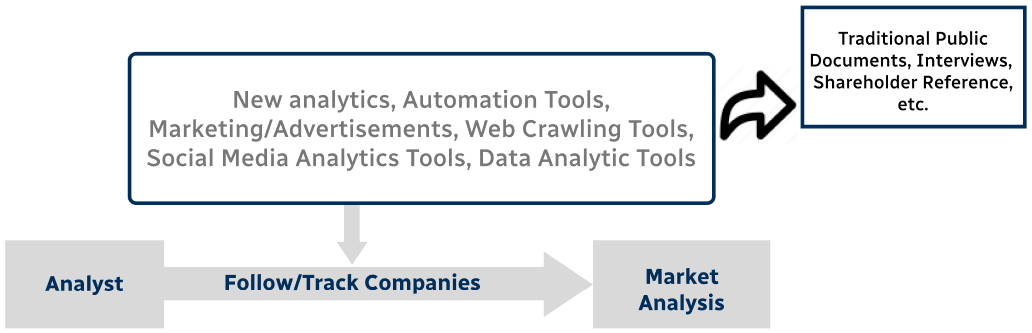
Step 4 - Data Triangulation
Involves using different sources of information in order to increase the validity of a study
These sources are likely to be stakeholders in a program - participants, other researchers, program staff, other community members, and so on.
Then we put all data in single framework & apply various statistical tools to find out the dynamic on the market.
During the analysis stage, feedback from the stakeholder groups would be compared to determine areas of agreement as well as areas of divergence


