



Key Insights
The North America Commercial Aircraft Cabin Lighting Market is poised for significant expansion, currently valued at an estimated $1.98 billion in 2024. This growth is driven by a confluence of factors, including the increasing demand for passenger comfort and in-flight experience, the ongoing modernization of airline fleets with new aircraft deliveries, and the continuous innovation in lighting technologies such as LED and smart lighting solutions. The market is projected to expand at a Compound Annual Growth Rate (CAGR) of 6.2%, reaching substantial figures by the end of the forecast period. Key segments influencing this growth include both narrowbody and widebody aircraft, as airlines invest in upgrading cabin environments to attract and retain passengers. The United States, Canada, and Mexico form the core of this dynamic regional market, benefiting from robust air travel infrastructure and a high concentration of major airlines.

North America Commercial Aircraft Cabin Lighting Market Market Size (In Billion)

The market's upward trajectory is further supported by advancements in aircraft interior design and the growing emphasis on energy efficiency and reduced maintenance through advanced lighting systems. While the market is experiencing strong growth, it also faces certain restraints such as the high initial investment costs associated with implementing advanced cabin lighting systems and the stringent regulatory requirements within the aerospace industry. However, the persistent drive for passenger satisfaction, coupled with the development of customizable and aesthetically pleasing cabin lighting solutions, is expected to outweigh these challenges. Companies like Astronics Corporation, Safran, and Collins Aerospace are at the forefront of this evolution, introducing innovative products and solutions that cater to the evolving needs of commercial airlines, ensuring a bright future for the North America Commercial Aircraft Cabin Lighting Market.

North America Commercial Aircraft Cabin Lighting Market Company Market Share

This in-depth market research report provides a detailed analysis of the North America Commercial Aircraft Cabin Lighting Market, offering strategic insights and actionable intelligence for stakeholders. Covering a comprehensive study period from 2019 to 2033, with a base year of 2025, this report forecasts market trends and developments through 2033. We meticulously examine market dynamics, key players, technological innovations, and segment-specific growth trajectories, enabling informed decision-making in this rapidly evolving sector.
North America Commercial Aircraft Cabin Lighting Market Market Structure & Competitive Dynamics
The North America Commercial Aircraft Cabin Lighting Market exhibits a moderately concentrated structure, characterized by the presence of a few dominant players alongside a growing number of specialized innovators. Key companies like Astronics Corporation, Safran, and Collins Aerospace hold significant market share, driven by their extensive product portfolios and long-standing relationships with major aircraft manufacturers. The innovation ecosystem is robust, with continuous investment in R&D for advanced LED lighting, human-centric lighting solutions, and smart cabin technologies. Regulatory frameworks, primarily governed by aviation authorities such as the FAA, emphasize safety, reliability, and energy efficiency, indirectly shaping product development. Product substitutes are limited due to stringent aviation certification requirements, but advancements in alternative lighting technologies could emerge. End-user trends, particularly the passenger demand for enhanced cabin ambiance and personalized experiences, are increasingly influencing lighting design. Mergers and acquisitions (M&A) activities, while not highly prevalent in recent years, have played a role in consolidating market expertise and expanding product offerings. For instance, the acquisition of Zodiac Aerospace by Safran significantly boosted Safran's presence in the cabin interiors segment, including lighting. The overall market size is estimated to reach $2.X billion by 2025, with M&A deal values in related aerospace interior sectors ranging from tens of millions to over a billion dollars, reflecting strategic consolidation.
North America Commercial Aircraft Cabin Lighting Market Industry Trends & Insights
The North America Commercial Aircraft Cabin Lighting Market is poised for significant growth, driven by a confluence of factors including the resurgence of air travel post-pandemic, fleet modernization initiatives, and a growing emphasis on passenger comfort and experience. The market is projected to expand at a Compound Annual Growth Rate (CAGR) of approximately XX% from 2025 to 2033, reaching an estimated market size of $3.X billion by the end of the forecast period. Technological advancements are a primary growth driver, with the widespread adoption of energy-efficient LED lighting systems that offer greater control over color temperature, brightness, and dimming capabilities. This shift not only reduces operational costs for airlines through lower energy consumption but also enhances the overall passenger cabin environment. The integration of smart cabin technologies, including dynamic lighting that can adapt to flight phases, time of day, and even individual passenger preferences, is another key trend. These systems allow for personalized lighting scenarios, contributing to reduced jet lag and improved passenger well-being. Furthermore, the growing demand for aesthetically pleasing and immersive cabin interiors is pushing manufacturers to develop innovative lighting solutions that enhance brand identity and create a more sophisticated travel experience. The increasing emphasis on sustainability is also influencing the market, with a focus on developing lighting systems with longer lifespans and reduced environmental impact. As airlines compete to attract and retain passengers, investments in cabin refurbishment and upgrade projects are expected to accelerate, further stimulating demand for advanced lighting solutions. The market penetration of advanced LED and smart lighting systems is expected to surpass XX% by 2033, driven by both new aircraft deliveries and retrofitting programs.
Dominant Markets & Segments in North America Commercial Aircraft Cabin Lighting Market
Within the North America Commercial Aircraft Cabin Lighting Market, the Narrowbody aircraft segment currently holds a dominant position and is expected to continue its leadership throughout the forecast period. This dominance is primarily attributed to the sheer volume of narrowbody aircraft operations and orders in North America, particularly in the bustling domestic and short-haul routes.
Key Drivers for Narrowbody Dominance:
- High Fleet Utilization: Narrowbody aircraft are the workhorses of the airline industry, experiencing high utilization rates due to their efficiency on high-frequency routes. This translates to a consistent demand for cabin lighting systems, both for new builds and replacement parts.
- Fleet Expansion and Modernization: Major North American carriers are actively investing in new narrowbody aircraft from manufacturers like Boeing and Airbus. These new aircraft are increasingly being equipped with state-of-the-art cabin lighting systems as a standard feature. Additionally, older narrowbody fleets are undergoing cabin retrofits to enhance passenger experience and comply with newer aesthetic and functional standards.
- Cost-Effectiveness: Narrowbody aircraft offer airlines a more cost-effective solution for many routes, leading to a larger overall market share compared to widebody aircraft. This economic advantage directly impacts the volume of cabin lighting requirements.
- Passenger Experience Focus: Airlines are recognizing the impact of cabin ambiance on passenger satisfaction, especially on longer narrowbody flights. Advanced lighting solutions that offer mood lighting, personalized illumination, and improved visual comfort are becoming increasingly sought after.
Widebody Aircraft Segment: While the narrowbody segment leads in volume, the widebody aircraft segment represents a significant and growing market for high-end and advanced cabin lighting solutions. Widebody aircraft are often utilized for long-haul international routes, where passenger comfort and a premium cabin experience are paramount. The development of sophisticated cabin lighting, including dynamic ambient lighting, reading lights with enhanced features, and even circadian rhythm-aligned lighting, is particularly prevalent in this segment. As airlines invest in long-haul fleets and focus on differentiating their premium cabins, the demand for innovative and feature-rich lighting systems in widebody aircraft is expected to see a substantial CAGR, albeit from a smaller base than narrowbody aircraft. Factors driving growth in the widebody segment include the introduction of new widebody platforms, extensive cabin refurbishment programs for premium cabins, and the increasing integration of entertainment and connectivity systems that are complemented by advanced lighting.
North America Commercial Aircraft Cabin Lighting Market Product Innovations
Product innovation in the North America Commercial Aircraft Cabin Lighting Market is characterized by a strong focus on energy efficiency, passenger comfort, and enhanced functionality. The widespread adoption of LED technology has paved the way for advanced solutions such as human-centric lighting, which mimics natural daylight cycles to reduce jet lag and improve passenger well-being. Smart lighting systems are also gaining traction, enabling airlines to remotely control and customize cabin lighting based on flight phase, time of day, or even passenger preferences. These innovations offer a competitive advantage by reducing operational costs through lower power consumption and enhancing the passenger experience, driving demand for sophisticated and aesthetically pleasing cabin environments.
Report Segmentation & Scope
This report segments the North America Commercial Aircraft Cabin Lighting Market by Aircraft Type, focusing on two primary categories: Narrowbody and Widebody aircraft.
Narrowbody Aircraft: This segment encompasses single-aisle commercial aircraft, which constitute the largest portion of airline fleets in North America. The market within this segment is driven by high flight frequencies, fleet expansion, and the increasing demand for enhanced passenger experience on shorter to medium-haul flights. Growth projections indicate a steady increase in market size, driven by new aircraft deliveries and extensive retrofit programs.
Widebody Aircraft: This segment includes twin-aisle commercial aircraft used for long-haul and international routes. The market in this segment is characterized by a focus on premium cabin offerings and advanced lighting solutions designed to enhance passenger comfort and mitigate the effects of long travel times. Growth projections for this segment show a robust upward trend, fueled by investments in long-haul fleets and the desire to create luxurious and personalized travel experiences.
Key Drivers of North America Commercial Aircraft Cabin Lighting Market Growth
Several key drivers are propelling the North America Commercial Aircraft Cabin Lighting Market forward. The continuous advancement in LED technology, offering superior energy efficiency, extended lifespan, and a wider spectrum of color options, is a fundamental driver. Airlines are increasingly prioritizing these benefits to reduce operational costs and enhance cabin aesthetics. Furthermore, the growing emphasis on passenger experience, with a focus on comfort, ambiance, and personalized environments, is compelling airlines to invest in sophisticated cabin lighting solutions. The ongoing fleet modernization and expansion by major North American carriers, including the introduction of new aircraft models equipped with advanced lighting systems, also significantly contributes to market growth.
Challenges in the North America Commercial Aircraft Cabin Lighting Market Sector
Despite the positive growth trajectory, the North America Commercial Aircraft Cabin Lighting Market faces several challenges. Stringent aviation certification processes and the need for rigorous testing and validation of new lighting technologies can lead to extended development timelines and increased costs for manufacturers. The competitive pressure among established players and emerging innovators also necessitates continuous investment in R&D to maintain market share, potentially impacting profit margins. Furthermore, fluctuations in raw material prices, particularly for specialized components used in advanced lighting systems, can pose supply chain risks and affect cost competitiveness. Economic downturns or geopolitical instability that impact air travel demand could also temper the growth of the cabin lighting market.
Leading Players in the North America Commercial Aircraft Cabin Lighting Market Market
- Astronics Corporation
- Safran
- STG Aerospac
- Luminator Technology Group
- Diehl Aerospace GmbH
- SCHOTT Technical Glass Solutions GmbH
- Collins Aerospace
Key Developments in North America Commercial Aircraft Cabin Lighting Market Sector
- June 2022: Collins Aerospace launched its Hypergamut™ Lighting System, a cutting-edge solution designed to enhance cabin ambiance and passenger well-being, scheduled for entry into service in early 2024.
- February 2021: Diehl Aviation secured a contract extension from Boeing for the continued delivery of its advanced interior lighting system for the highly successful Boeing 787 Dreamliner.
Strategic North America Commercial Aircraft Cabin Lighting Market Market Outlook
The strategic outlook for the North America Commercial Aircraft Cabin Lighting Market is highly optimistic, driven by ongoing technological advancements and an unwavering focus on passenger experience. The increasing integration of smart cabin technologies, coupled with the demand for personalized and dynamic lighting, presents significant growth accelerators. Airlines are increasingly viewing cabin lighting as a key differentiator, investing in solutions that enhance brand perception and passenger loyalty. The continued push for sustainability and energy efficiency will also favor innovative lighting solutions that offer long-term operational benefits. Strategic partnerships between lighting manufacturers and aircraft OEMs, alongside a focus on retrofitting existing fleets, will further bolster market expansion and unlock new revenue streams in the coming years.
North America Commercial Aircraft Cabin Lighting Market Segmentation
-
1. Aircraft Type
- 1.1. Narrowbody
- 1.2. Widebody
North America Commercial Aircraft Cabin Lighting Market Segmentation By Geography
-
1. North America
- 1.1. United States
- 1.2. Canada
- 1.3. Mexico

North America Commercial Aircraft Cabin Lighting Market Regional Market Share

Geographic Coverage of North America Commercial Aircraft Cabin Lighting Market
North America Commercial Aircraft Cabin Lighting Market REPORT HIGHLIGHTS
| Aspects | Details |
|---|---|
| Study Period | 2020-2034 |
| Base Year | 2025 |
| Estimated Year | 2026 |
| Forecast Period | 2026-2034 |
| Historical Period | 2020-2025 |
| Growth Rate | CAGR of 6.2% from 2020-2034 |
| Segmentation |
|
Table of Contents
- 1. Introduction
- 1.1. Research Scope
- 1.2. Market Segmentation
- 1.3. Research Methodology
- 1.4. Definitions and Assumptions
- 2. Executive Summary
- 2.1. Introduction
- 3. Market Dynamics
- 3.1. Introduction
- 3.2. Market Drivers
- 3.3. Market Restrains
- 3.4. Market Trends
- 3.4.1. OTHER KEY INDUSTRY TRENDS COVERED IN THE REPORT
- 4. Market Factor Analysis
- 4.1. Porters Five Forces
- 4.2. Supply/Value Chain
- 4.3. PESTEL analysis
- 4.4. Market Entropy
- 4.5. Patent/Trademark Analysis
- 5. North America Commercial Aircraft Cabin Lighting Market Analysis, Insights and Forecast, 2020-2032
- 5.1. Market Analysis, Insights and Forecast - by Aircraft Type
- 5.1.1. Narrowbody
- 5.1.2. Widebody
- 5.2. Market Analysis, Insights and Forecast - by Region
- 5.2.1. North America
- 5.1. Market Analysis, Insights and Forecast - by Aircraft Type
- 6. Competitive Analysis
- 6.1. Market Share Analysis 2025
- 6.2. Company Profiles
- 6.2.1 Astronics Corporation
- 6.2.1.1. Overview
- 6.2.1.2. Products
- 6.2.1.3. SWOT Analysis
- 6.2.1.4. Recent Developments
- 6.2.1.5. Financials (Based on Availability)
- 6.2.2 Safran
- 6.2.2.1. Overview
- 6.2.2.2. Products
- 6.2.2.3. SWOT Analysis
- 6.2.2.4. Recent Developments
- 6.2.2.5. Financials (Based on Availability)
- 6.2.3 STG Aerospac
- 6.2.3.1. Overview
- 6.2.3.2. Products
- 6.2.3.3. SWOT Analysis
- 6.2.3.4. Recent Developments
- 6.2.3.5. Financials (Based on Availability)
- 6.2.4 Luminator Technology Group
- 6.2.4.1. Overview
- 6.2.4.2. Products
- 6.2.4.3. SWOT Analysis
- 6.2.4.4. Recent Developments
- 6.2.4.5. Financials (Based on Availability)
- 6.2.5 Diehl Aerospace GmbH
- 6.2.5.1. Overview
- 6.2.5.2. Products
- 6.2.5.3. SWOT Analysis
- 6.2.5.4. Recent Developments
- 6.2.5.5. Financials (Based on Availability)
- 6.2.6 SCHOTT Technical Glass Solutions GmbH
- 6.2.6.1. Overview
- 6.2.6.2. Products
- 6.2.6.3. SWOT Analysis
- 6.2.6.4. Recent Developments
- 6.2.6.5. Financials (Based on Availability)
- 6.2.7 Collins Aerospace
- 6.2.7.1. Overview
- 6.2.7.2. Products
- 6.2.7.3. SWOT Analysis
- 6.2.7.4. Recent Developments
- 6.2.7.5. Financials (Based on Availability)
- 6.2.1 Astronics Corporation
List of Figures
- Figure 1: North America Commercial Aircraft Cabin Lighting Market Revenue Breakdown (undefined, %) by Product 2025 & 2033
- Figure 2: North America Commercial Aircraft Cabin Lighting Market Share (%) by Company 2025
List of Tables
- Table 1: North America Commercial Aircraft Cabin Lighting Market Revenue undefined Forecast, by Aircraft Type 2020 & 2033
- Table 2: North America Commercial Aircraft Cabin Lighting Market Revenue undefined Forecast, by Region 2020 & 2033
- Table 3: North America Commercial Aircraft Cabin Lighting Market Revenue undefined Forecast, by Aircraft Type 2020 & 2033
- Table 4: North America Commercial Aircraft Cabin Lighting Market Revenue undefined Forecast, by Country 2020 & 2033
- Table 5: United States North America Commercial Aircraft Cabin Lighting Market Revenue (undefined) Forecast, by Application 2020 & 2033
- Table 6: Canada North America Commercial Aircraft Cabin Lighting Market Revenue (undefined) Forecast, by Application 2020 & 2033
- Table 7: Mexico North America Commercial Aircraft Cabin Lighting Market Revenue (undefined) Forecast, by Application 2020 & 2033
Frequently Asked Questions
1. What is the projected Compound Annual Growth Rate (CAGR) of the North America Commercial Aircraft Cabin Lighting Market?
The projected CAGR is approximately 6.2%.
2. Which companies are prominent players in the North America Commercial Aircraft Cabin Lighting Market?
Key companies in the market include Astronics Corporation, Safran, STG Aerospac, Luminator Technology Group, Diehl Aerospace GmbH, SCHOTT Technical Glass Solutions GmbH, Collins Aerospace.
3. What are the main segments of the North America Commercial Aircraft Cabin Lighting Market?
The market segments include Aircraft Type.
4. Can you provide details about the market size?
The market size is estimated to be USD XXX N/A as of 2022.
5. What are some drivers contributing to market growth?
N/A
6. What are the notable trends driving market growth?
OTHER KEY INDUSTRY TRENDS COVERED IN THE REPORT.
7. Are there any restraints impacting market growth?
N/A
8. Can you provide examples of recent developments in the market?
June 2022: Collins Aerospace launched its Hypergamut™ Lighting System which is scheduled for entry into service in early 2024.February 2021: Diehl Aviation has secured a contract extension from Boeing for the delivery of the interior lighting system for the Boeing 787 Dreamliner.
9. What pricing options are available for accessing the report?
Pricing options include single-user, multi-user, and enterprise licenses priced at USD 3800, USD 4500, and USD 5800 respectively.
10. Is the market size provided in terms of value or volume?
The market size is provided in terms of value, measured in N/A.
11. Are there any specific market keywords associated with the report?
Yes, the market keyword associated with the report is "North America Commercial Aircraft Cabin Lighting Market," which aids in identifying and referencing the specific market segment covered.
12. How do I determine which pricing option suits my needs best?
The pricing options vary based on user requirements and access needs. Individual users may opt for single-user licenses, while businesses requiring broader access may choose multi-user or enterprise licenses for cost-effective access to the report.
13. Are there any additional resources or data provided in the North America Commercial Aircraft Cabin Lighting Market report?
While the report offers comprehensive insights, it's advisable to review the specific contents or supplementary materials provided to ascertain if additional resources or data are available.
14. How can I stay updated on further developments or reports in the North America Commercial Aircraft Cabin Lighting Market?
To stay informed about further developments, trends, and reports in the North America Commercial Aircraft Cabin Lighting Market, consider subscribing to industry newsletters, following relevant companies and organizations, or regularly checking reputable industry news sources and publications.
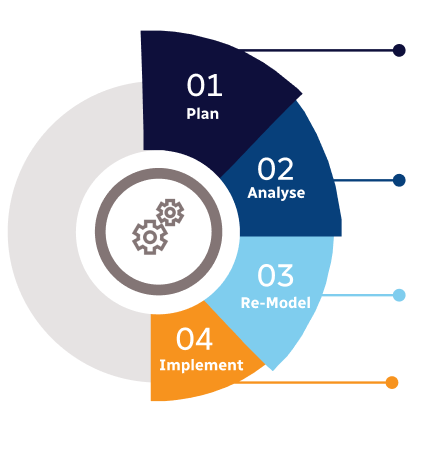
Methodology
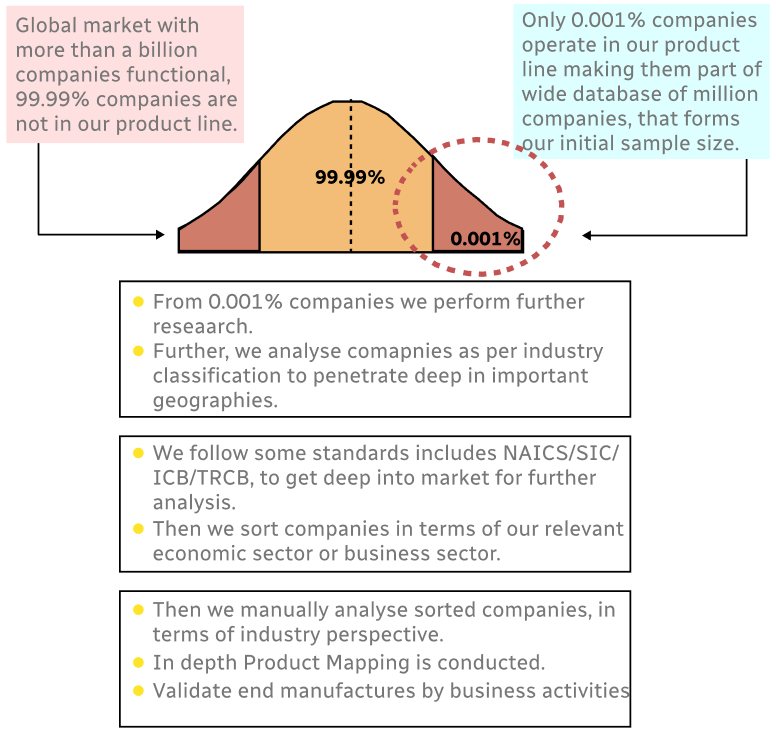
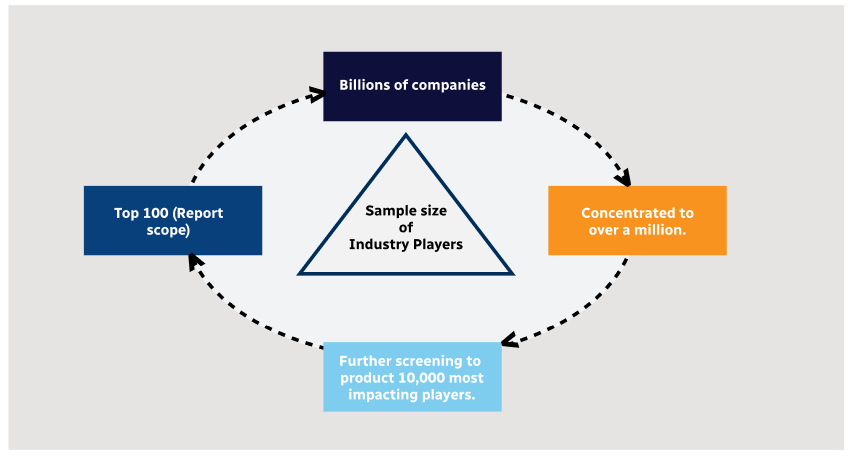
Step 1 - Identification of Relevant Samples Size from Population Database
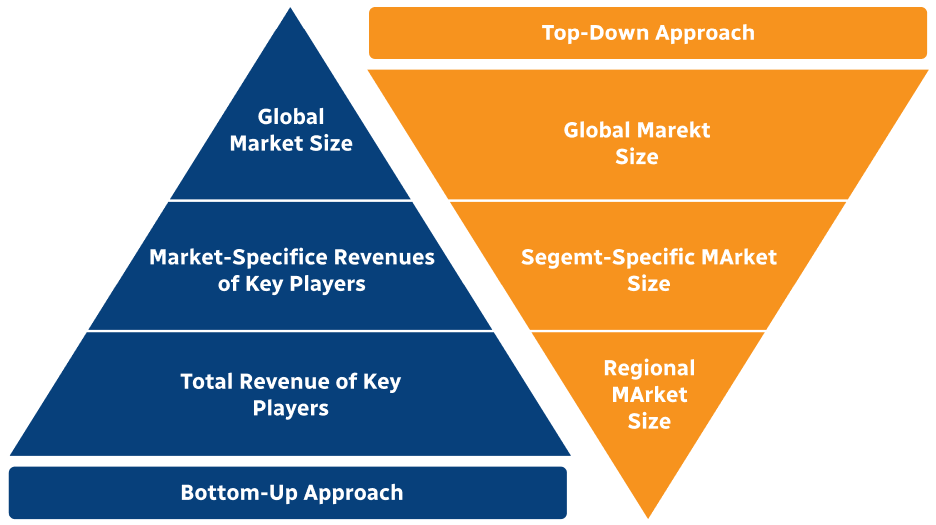
Step 2 - Approaches for Defining Global Market Size (Value, Volume* & Price*)
Note*: In applicable scenarios
Step 3 - Data Sources
Primary Research
- Web Analytics
- Survey Reports
- Research Institute
- Latest Research Reports
- Opinion Leaders
Secondary Research
- Annual Reports
- White Paper
- Latest Press Release
- Industry Association
- Paid Database
- Investor Presentations
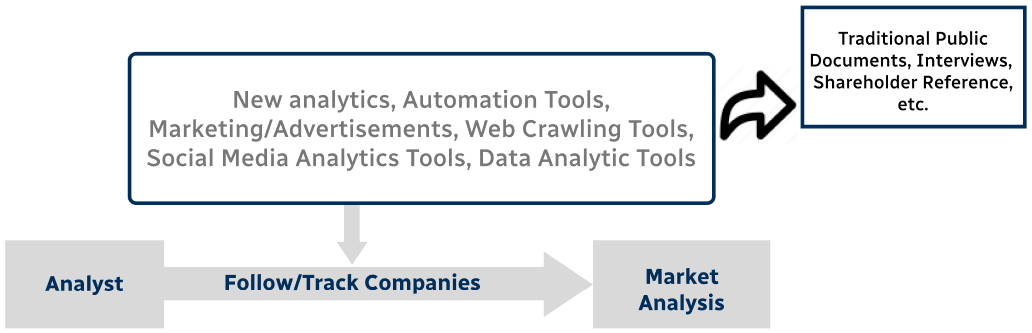
Step 4 - Data Triangulation
Involves using different sources of information in order to increase the validity of a study
These sources are likely to be stakeholders in a program - participants, other researchers, program staff, other community members, and so on.
Then we put all data in single framework & apply various statistical tools to find out the dynamic on the market.
During the analysis stage, feedback from the stakeholder groups would be compared to determine areas of agreement as well as areas of divergence


