


Key Insights
The Non-Resilient Floor Covering market, valued at $41.52 billion in 2025, is projected to experience robust growth, driven by the increasing preference for durable and aesthetically pleasing flooring solutions in both residential and commercial settings. A Compound Annual Growth Rate (CAGR) of 8.17% from 2025 to 2033 indicates a significant expansion of this market. Key drivers include rising construction activity globally, particularly in developing economies experiencing rapid urbanization. Furthermore, the growing demand for eco-friendly and sustainable flooring options is fueling innovation within the sector, with manufacturers increasingly focusing on products with recycled content and lower environmental impact. The market segmentation reveals a diverse landscape, with ceramic tiles dominating the product category due to their versatility, durability, and cost-effectiveness. The residential segment represents a substantial portion of the market, although the commercial sector is expected to witness significant growth owing to increasing investments in infrastructure development and renovation projects. Leading players like RAK Ceramics, Porcelanosa Group, and Mohawk Industries are driving innovation and expansion through strategic partnerships, acquisitions, and product diversification. The geographical distribution reflects a strong presence across North America and Europe, with Asia Pacific emerging as a significant growth region due to its expanding middle class and robust construction industry. Growth, however, could be tempered by factors such as fluctuations in raw material prices and economic uncertainties impacting construction activity.

Non-Resilient Floor Covering Market Market Size (In Billion)

The competitive landscape is characterized by both established multinational corporations and regional players. Intense competition necessitates continuous innovation and the development of new product offerings to cater to evolving consumer preferences and architectural trends. The strategic deployment of advanced manufacturing techniques and digital marketing strategies are crucial for capturing market share. The forecast period from 2025-2033 presents significant opportunities for market expansion, particularly through the exploration of new materials, technologies, and distribution channels. Furthermore, focusing on sustainable and eco-conscious products will likely be a key differentiator in this competitive landscape. Market players are likely to emphasize value-added services, such as design consultation and installation, to improve customer experience and brand loyalty.

Non-Resilient Floor Covering Market Company Market Share
Non-Resilient Floor Covering Market: A Comprehensive Report (2019-2033)
This in-depth report provides a comprehensive analysis of the Non-Resilient Floor Covering Market, offering invaluable insights for industry professionals, investors, and strategic decision-makers. Covering the period from 2019 to 2033, with a base year of 2025 and a forecast period spanning 2025-2033, this report meticulously examines market trends, competitive dynamics, and growth opportunities within this dynamic sector. The study period (2019-2024) provides a historical perspective, establishing a robust foundation for the forecast period. The global market size in 2025 is estimated at xx Million.
Non-Resilient Floor Covering Market Market Structure & Competitive Dynamics
This section analyzes the competitive landscape of the non-resilient floor covering market, examining market concentration, innovation ecosystems, regulatory frameworks, and industry dynamics. The market exhibits a moderately concentrated structure, with key players such as Mohawk Industries Inc, Shaw Industries Inc, and Daltile holding significant market share. However, smaller, specialized companies focusing on niche segments are also active. The market is characterized by continuous innovation, with companies investing in new materials, designs, and manufacturing processes to enhance product offerings and gain a competitive edge. Regulatory frameworks, particularly concerning environmental standards and material safety, play a crucial role in shaping industry practices. M&A activity has been relatively moderate in recent years, with deal values averaging xx Million per transaction. The substitution of non-resilient flooring with resilient options, while present, is offset by the continued preference for the aesthetic appeal and durability of products like ceramic and stone tiles. The residential sector remains a major end-user, though the commercial sector demonstrates steady growth, driven by construction activity and renovation projects.
- Market Concentration: Moderately concentrated, with top players holding xx% market share.
- Innovation: Ongoing development of new materials, designs, and manufacturing techniques.
- M&A Activity: Average deal value: xx Million; moderate activity observed.
- Regulatory Landscape: Stringent environmental and safety regulations influencing industry practices.
- End-User Trends: Growing demand from both residential and commercial sectors.
Non-Resilient Floor Covering Market Industry Trends & Insights
This section delves into the key trends driving the growth of the non-resilient floor covering market. The market is expected to experience a CAGR of xx% during the forecast period (2025-2033). Key drivers include rising disposable incomes, increasing urbanization, and a growing preference for aesthetically pleasing and durable flooring solutions. Technological advancements, such as the development of advanced materials and improved manufacturing processes, are further enhancing product quality and efficiency. The market penetration of sustainable and eco-friendly flooring options is also increasing due to growing environmental consciousness among consumers. However, fluctuations in raw material prices and economic downturns can pose challenges. Competition remains intense, with companies constantly innovating to attract customers. Consumer preferences are shifting towards larger format tiles, unique designs, and easy-to-maintain surfaces.
Dominant Markets & Segments in Non-Resilient Floor Covering Market
This section identifies the leading segments and regions within the non-resilient floor covering market. The analysis is segmented by product, distribution channel, and end-user.
By Product: Ceramic tiles flooring currently dominates the market, driven by its affordability, versatility, and durability. However, stone tiles flooring is experiencing strong growth due to its premium appeal. Laminate and wood tiles are niche segments with steady growth, particularly among consumers seeking aesthetically pleasing alternatives.
By Distribution Channel: Home centers currently hold the largest market share due to their wide reach and accessibility. Contract sales to large-scale projects are another significant channel, influenced by the commercial construction sector's growth.
By End-User: Residential applications currently constitute the largest segment, though commercial projects are projected to show strong growth driven by increasing infrastructure development and office construction.
- Key Drivers (Region-specific examples):
- North America: Robust housing market and renovation activities.
- Europe: Focus on sustainable building practices and eco-friendly materials.
- Asia-Pacific: Rapid urbanization and infrastructure development.
The detailed dominance analysis showcases the factors behind each segment's leading position, considering regional variances and specific market conditions.
Non-Resilient Floor Covering Market Product Innovations
Recent product innovations are significantly enhancing the non-resilient floor covering market, focusing on delivering superior durability, expanded large-format options, and sophisticated aesthetic appeal. Technological advancements are at the forefront, with the integration of high-performance ceramics, advanced composite materials, and a strong emphasis on sustainable and eco-friendly sourcing. These innovations directly address the growing consumer and commercial demand for flooring solutions that are not only stylish and long-lasting but also environmentally responsible. Key competitive advantages are being forged through the development of unique design patterns, cutting-edge manufacturing processes, and highly efficient, responsive distribution networks. Furthermore, the widespread adoption of digital printing technologies is revolutionizing the sector, enabling unprecedented levels of design customization, personalization, and the creation of intricate, high-definition visuals that were previously unachievable.
Report Segmentation & Scope
This report segments the non-resilient floor covering market by product (Ceramic Tiles Flooring, Stone Tiles Flooring, Laminate Tiles Flooring, Wood Tiles Flooring, Others), distribution channel (Contract, Specialty Stores, Home Centers, Others), and end-user (Residential, Commercial). Each segment's growth projections, market sizes, and competitive dynamics are analyzed, providing a detailed understanding of the market's structure and potential. The report also considers various geographical regions and their market contributions, facilitating detailed regional analysis.
Key Drivers of Non-Resilient Floor Covering Market Growth
The robust growth trajectory of the non-resilient floor covering market is propelled by a confluence of influential factors. A primary driver is the escalating demand for flooring that seamlessly blends aesthetic appeal with exceptional durability, a demand further fueled by continuous advancements in materials science and sophisticated manufacturing technologies. Complementing this, rising global disposable incomes and accelerating urbanization are significantly expanding the addressable market, particularly in developing economies. Favorable government policies, which actively support construction and infrastructure development projects, play a crucial role in stimulating consistent demand. Moreover, a pronounced and growing shift towards sustainable and eco-friendly materials, driven by heightened environmental consciousness among both consumers and businesses, is a powerful augmenting force, aligning market offerings with global sustainability imperatives.
Challenges in the Non-Resilient Floor Covering Market Sector
The non-resilient floor covering market navigates several significant challenges that impact its operational landscape and profitability. Persistent fluctuations in raw material prices pose a considerable threat to manufacturing costs and overall profit margins. Furthermore, supply chain disruptions, exacerbated by global events, geopolitical instabilities, and logistical complexities, can critically affect production schedules and delivery timelines. The intensely competitive nature of the market necessitates continuous innovation and strategic adaptation to stay ahead of evolving trends and consumer preferences. Additionally, navigating stringent environmental regulations and adhering to evolving safety standards present ongoing compliance challenges for businesses, requiring proactive investment in sustainable practices and product development.
Leading Players in the Non-Resilient Floor Covering Market Market
- RAK Ceramics
- Ceramic Saloni
- Porcelanosa Group
- Crossville Inc
- Mannington Mills Inc
- Shaw Industries Inc
- Mohawk Industries Inc
- Dal Tiles
- China Ceramics
- Kajaria Ceramics
Key Developments in Non-Resilient Floor Covering Market Sector
- March 2023: Encina and Shaw Industries have forged a significant partnership with Carpet Waste Recycling, underscoring a strong commitment to advancing sustainability and resource efficiency within the industry. Shaw's substantial annual contribution of over 2 million pounds of waste material highlights the immense potential for widespread adoption of these crucial eco-friendly practices across the entire sector.
- February 2023: Daltile has unveiled its highly anticipated new tile collections for Spring 2023, a clear demonstration of the market's relentless drive for innovation. This launch emphasizes the strategic focus on introducing fashionable, high-performance products that are meticulously designed to meet and exceed the evolving aesthetic and functional demands of contemporary consumers.
Strategic Non-Resilient Floor Covering Market Market Outlook
The non-resilient floor covering market is poised for continued growth, driven by sustained demand from residential and commercial sectors. Strategic opportunities exist for companies focusing on sustainability, innovation, and efficient supply chains. Market expansion is anticipated in emerging economies, particularly in Asia-Pacific and parts of Africa, as economic development and urbanization progress. Furthermore, companies adopting digital technologies for design and marketing can significantly enhance their market position and customer engagement. The focus on eco-friendly and sustainable materials is expected to further boost market prospects, particularly with consumers increasingly considering the environmental impact of their purchases.
Non-Resilient Floor Covering Market Segmentation
-
1. Product
- 1.1. Ceramic Tiles Flooring
- 1.2. Stone Tiles Flooring
- 1.3. Laminate Tiles Flooring
- 1.4. Wood Tiles Flooring
- 1.5. Others
-
2. Distribution Channel
- 2.1. Contract
- 2.2. Specialty Stores
- 2.3. Home Centers
- 2.4. Others
-
3. End-User
- 3.1. Residential
- 3.2. Commercial
Non-Resilient Floor Covering Market Segmentation By Geography
-
1. North America
- 1.1. USA
- 1.2. Canada
- 1.3. Rest of North America
-
2. Europe
- 2.1. Germany
- 2.2. France
- 2.3. Italy
- 2.4. Spain
- 2.5. Rest of Europe
-
3. Asia Pacific
- 3.1. China
- 3.2. Japan
- 3.3. Australia
- 3.4. India
- 3.5. South Korea
- 3.6. Rest of Asia Pacific
-
4. Middle East and Africa
- 4.1. Saudi Arabia
- 4.2. Egypt
- 4.3. UAE
- 4.4. Rest of Middle East and Africa
-
5. South America
- 5.1. Argentina
- 5.2. Colombia
- 5.3. Rest of South America

Non-Resilient Floor Covering Market Regional Market Share
Geographic Coverage of Non-Resilient Floor Covering Market
Non-Resilient Floor Covering Market REPORT HIGHLIGHTS
| Aspects | Details |
|---|---|
| Study Period | 2020-2034 |
| Base Year | 2025 |
| Estimated Year | 2026 |
| Forecast Period | 2026-2034 |
| Historical Period | 2020-2025 |
| Growth Rate | CAGR of 8.17% from 2020-2034 |
| Segmentation |
|
Table of Contents
- 1. Introduction
- 1.1. Research Scope
- 1.2. Market Segmentation
- 1.3. Research Methodology
- 1.4. Definitions and Assumptions
- 2. Executive Summary
- 2.1. Introduction
- 3. Market Dynamics
- 3.1. Introduction
- 3.2. Market Drivers
- 3.2.1. Rising Disposable Income is Driving the Market
- 3.3. Market Restrains
- 3.3.1. Price Volatility of Raw Manufacturers; Economic Fluctuations and Consumer Purchasing Power
- 3.4. Market Trends
- 3.4.1. Ceramic Tile Segment Drives the Market
- 4. Market Factor Analysis
- 4.1. Porters Five Forces
- 4.2. Supply/Value Chain
- 4.3. PESTEL analysis
- 4.4. Market Entropy
- 4.5. Patent/Trademark Analysis
- 5. Global Non-Resilient Floor Covering Market Analysis, Insights and Forecast, 2020-2032
- 5.1. Market Analysis, Insights and Forecast - by Product
- 5.1.1. Ceramic Tiles Flooring
- 5.1.2. Stone Tiles Flooring
- 5.1.3. Laminate Tiles Flooring
- 5.1.4. Wood Tiles Flooring
- 5.1.5. Others
- 5.2. Market Analysis, Insights and Forecast - by Distribution Channel
- 5.2.1. Contract
- 5.2.2. Specialty Stores
- 5.2.3. Home Centers
- 5.2.4. Others
- 5.3. Market Analysis, Insights and Forecast - by End-User
- 5.3.1. Residential
- 5.3.2. Commercial
- 5.4. Market Analysis, Insights and Forecast - by Region
- 5.4.1. North America
- 5.4.2. Europe
- 5.4.3. Asia Pacific
- 5.4.4. Middle East and Africa
- 5.4.5. South America
- 5.1. Market Analysis, Insights and Forecast - by Product
- 6. North America Non-Resilient Floor Covering Market Analysis, Insights and Forecast, 2020-2032
- 6.1. Market Analysis, Insights and Forecast - by Product
- 6.1.1. Ceramic Tiles Flooring
- 6.1.2. Stone Tiles Flooring
- 6.1.3. Laminate Tiles Flooring
- 6.1.4. Wood Tiles Flooring
- 6.1.5. Others
- 6.2. Market Analysis, Insights and Forecast - by Distribution Channel
- 6.2.1. Contract
- 6.2.2. Specialty Stores
- 6.2.3. Home Centers
- 6.2.4. Others
- 6.3. Market Analysis, Insights and Forecast - by End-User
- 6.3.1. Residential
- 6.3.2. Commercial
- 6.1. Market Analysis, Insights and Forecast - by Product
- 7. Europe Non-Resilient Floor Covering Market Analysis, Insights and Forecast, 2020-2032
- 7.1. Market Analysis, Insights and Forecast - by Product
- 7.1.1. Ceramic Tiles Flooring
- 7.1.2. Stone Tiles Flooring
- 7.1.3. Laminate Tiles Flooring
- 7.1.4. Wood Tiles Flooring
- 7.1.5. Others
- 7.2. Market Analysis, Insights and Forecast - by Distribution Channel
- 7.2.1. Contract
- 7.2.2. Specialty Stores
- 7.2.3. Home Centers
- 7.2.4. Others
- 7.3. Market Analysis, Insights and Forecast - by End-User
- 7.3.1. Residential
- 7.3.2. Commercial
- 7.1. Market Analysis, Insights and Forecast - by Product
- 8. Asia Pacific Non-Resilient Floor Covering Market Analysis, Insights and Forecast, 2020-2032
- 8.1. Market Analysis, Insights and Forecast - by Product
- 8.1.1. Ceramic Tiles Flooring
- 8.1.2. Stone Tiles Flooring
- 8.1.3. Laminate Tiles Flooring
- 8.1.4. Wood Tiles Flooring
- 8.1.5. Others
- 8.2. Market Analysis, Insights and Forecast - by Distribution Channel
- 8.2.1. Contract
- 8.2.2. Specialty Stores
- 8.2.3. Home Centers
- 8.2.4. Others
- 8.3. Market Analysis, Insights and Forecast - by End-User
- 8.3.1. Residential
- 8.3.2. Commercial
- 8.1. Market Analysis, Insights and Forecast - by Product
- 9. Middle East and Africa Non-Resilient Floor Covering Market Analysis, Insights and Forecast, 2020-2032
- 9.1. Market Analysis, Insights and Forecast - by Product
- 9.1.1. Ceramic Tiles Flooring
- 9.1.2. Stone Tiles Flooring
- 9.1.3. Laminate Tiles Flooring
- 9.1.4. Wood Tiles Flooring
- 9.1.5. Others
- 9.2. Market Analysis, Insights and Forecast - by Distribution Channel
- 9.2.1. Contract
- 9.2.2. Specialty Stores
- 9.2.3. Home Centers
- 9.2.4. Others
- 9.3. Market Analysis, Insights and Forecast - by End-User
- 9.3.1. Residential
- 9.3.2. Commercial
- 9.1. Market Analysis, Insights and Forecast - by Product
- 10. South America Non-Resilient Floor Covering Market Analysis, Insights and Forecast, 2020-2032
- 10.1. Market Analysis, Insights and Forecast - by Product
- 10.1.1. Ceramic Tiles Flooring
- 10.1.2. Stone Tiles Flooring
- 10.1.3. Laminate Tiles Flooring
- 10.1.4. Wood Tiles Flooring
- 10.1.5. Others
- 10.2. Market Analysis, Insights and Forecast - by Distribution Channel
- 10.2.1. Contract
- 10.2.2. Specialty Stores
- 10.2.3. Home Centers
- 10.2.4. Others
- 10.3. Market Analysis, Insights and Forecast - by End-User
- 10.3.1. Residential
- 10.3.2. Commercial
- 10.1. Market Analysis, Insights and Forecast - by Product
- 11. Competitive Analysis
- 11.1. Global Market Share Analysis 2025
- 11.2. Company Profiles
- 11.2.1 RAK Ceramics
- 11.2.1.1. Overview
- 11.2.1.2. Products
- 11.2.1.3. SWOT Analysis
- 11.2.1.4. Recent Developments
- 11.2.1.5. Financials (Based on Availability)
- 11.2.2 Ceramic Saloni
- 11.2.2.1. Overview
- 11.2.2.2. Products
- 11.2.2.3. SWOT Analysis
- 11.2.2.4. Recent Developments
- 11.2.2.5. Financials (Based on Availability)
- 11.2.3 Porcelanosa Group
- 11.2.3.1. Overview
- 11.2.3.2. Products
- 11.2.3.3. SWOT Analysis
- 11.2.3.4. Recent Developments
- 11.2.3.5. Financials (Based on Availability)
- 11.2.4 Crossville Inc **List Not Exhaustive
- 11.2.4.1. Overview
- 11.2.4.2. Products
- 11.2.4.3. SWOT Analysis
- 11.2.4.4. Recent Developments
- 11.2.4.5. Financials (Based on Availability)
- 11.2.5 Mannington Mills Inc
- 11.2.5.1. Overview
- 11.2.5.2. Products
- 11.2.5.3. SWOT Analysis
- 11.2.5.4. Recent Developments
- 11.2.5.5. Financials (Based on Availability)
- 11.2.6 Shaw Industries Inc
- 11.2.6.1. Overview
- 11.2.6.2. Products
- 11.2.6.3. SWOT Analysis
- 11.2.6.4. Recent Developments
- 11.2.6.5. Financials (Based on Availability)
- 11.2.7 Mohawk Industries Inc
- 11.2.7.1. Overview
- 11.2.7.2. Products
- 11.2.7.3. SWOT Analysis
- 11.2.7.4. Recent Developments
- 11.2.7.5. Financials (Based on Availability)
- 11.2.8 Dal Tiles
- 11.2.8.1. Overview
- 11.2.8.2. Products
- 11.2.8.3. SWOT Analysis
- 11.2.8.4. Recent Developments
- 11.2.8.5. Financials (Based on Availability)
- 11.2.9 China Ceramics
- 11.2.9.1. Overview
- 11.2.9.2. Products
- 11.2.9.3. SWOT Analysis
- 11.2.9.4. Recent Developments
- 11.2.9.5. Financials (Based on Availability)
- 11.2.10 Kajaria Ceramics
- 11.2.10.1. Overview
- 11.2.10.2. Products
- 11.2.10.3. SWOT Analysis
- 11.2.10.4. Recent Developments
- 11.2.10.5. Financials (Based on Availability)
- 11.2.1 RAK Ceramics
List of Figures
- Figure 1: Global Non-Resilient Floor Covering Market Revenue Breakdown (Million, %) by Region 2025 & 2033
- Figure 2: North America Non-Resilient Floor Covering Market Revenue (Million), by Product 2025 & 2033
- Figure 3: North America Non-Resilient Floor Covering Market Revenue Share (%), by Product 2025 & 2033
- Figure 4: North America Non-Resilient Floor Covering Market Revenue (Million), by Distribution Channel 2025 & 2033
- Figure 5: North America Non-Resilient Floor Covering Market Revenue Share (%), by Distribution Channel 2025 & 2033
- Figure 6: North America Non-Resilient Floor Covering Market Revenue (Million), by End-User 2025 & 2033
- Figure 7: North America Non-Resilient Floor Covering Market Revenue Share (%), by End-User 2025 & 2033
- Figure 8: North America Non-Resilient Floor Covering Market Revenue (Million), by Country 2025 & 2033
- Figure 9: North America Non-Resilient Floor Covering Market Revenue Share (%), by Country 2025 & 2033
- Figure 10: Europe Non-Resilient Floor Covering Market Revenue (Million), by Product 2025 & 2033
- Figure 11: Europe Non-Resilient Floor Covering Market Revenue Share (%), by Product 2025 & 2033
- Figure 12: Europe Non-Resilient Floor Covering Market Revenue (Million), by Distribution Channel 2025 & 2033
- Figure 13: Europe Non-Resilient Floor Covering Market Revenue Share (%), by Distribution Channel 2025 & 2033
- Figure 14: Europe Non-Resilient Floor Covering Market Revenue (Million), by End-User 2025 & 2033
- Figure 15: Europe Non-Resilient Floor Covering Market Revenue Share (%), by End-User 2025 & 2033
- Figure 16: Europe Non-Resilient Floor Covering Market Revenue (Million), by Country 2025 & 2033
- Figure 17: Europe Non-Resilient Floor Covering Market Revenue Share (%), by Country 2025 & 2033
- Figure 18: Asia Pacific Non-Resilient Floor Covering Market Revenue (Million), by Product 2025 & 2033
- Figure 19: Asia Pacific Non-Resilient Floor Covering Market Revenue Share (%), by Product 2025 & 2033
- Figure 20: Asia Pacific Non-Resilient Floor Covering Market Revenue (Million), by Distribution Channel 2025 & 2033
- Figure 21: Asia Pacific Non-Resilient Floor Covering Market Revenue Share (%), by Distribution Channel 2025 & 2033
- Figure 22: Asia Pacific Non-Resilient Floor Covering Market Revenue (Million), by End-User 2025 & 2033
- Figure 23: Asia Pacific Non-Resilient Floor Covering Market Revenue Share (%), by End-User 2025 & 2033
- Figure 24: Asia Pacific Non-Resilient Floor Covering Market Revenue (Million), by Country 2025 & 2033
- Figure 25: Asia Pacific Non-Resilient Floor Covering Market Revenue Share (%), by Country 2025 & 2033
- Figure 26: Middle East and Africa Non-Resilient Floor Covering Market Revenue (Million), by Product 2025 & 2033
- Figure 27: Middle East and Africa Non-Resilient Floor Covering Market Revenue Share (%), by Product 2025 & 2033
- Figure 28: Middle East and Africa Non-Resilient Floor Covering Market Revenue (Million), by Distribution Channel 2025 & 2033
- Figure 29: Middle East and Africa Non-Resilient Floor Covering Market Revenue Share (%), by Distribution Channel 2025 & 2033
- Figure 30: Middle East and Africa Non-Resilient Floor Covering Market Revenue (Million), by End-User 2025 & 2033
- Figure 31: Middle East and Africa Non-Resilient Floor Covering Market Revenue Share (%), by End-User 2025 & 2033
- Figure 32: Middle East and Africa Non-Resilient Floor Covering Market Revenue (Million), by Country 2025 & 2033
- Figure 33: Middle East and Africa Non-Resilient Floor Covering Market Revenue Share (%), by Country 2025 & 2033
- Figure 34: South America Non-Resilient Floor Covering Market Revenue (Million), by Product 2025 & 2033
- Figure 35: South America Non-Resilient Floor Covering Market Revenue Share (%), by Product 2025 & 2033
- Figure 36: South America Non-Resilient Floor Covering Market Revenue (Million), by Distribution Channel 2025 & 2033
- Figure 37: South America Non-Resilient Floor Covering Market Revenue Share (%), by Distribution Channel 2025 & 2033
- Figure 38: South America Non-Resilient Floor Covering Market Revenue (Million), by End-User 2025 & 2033
- Figure 39: South America Non-Resilient Floor Covering Market Revenue Share (%), by End-User 2025 & 2033
- Figure 40: South America Non-Resilient Floor Covering Market Revenue (Million), by Country 2025 & 2033
- Figure 41: South America Non-Resilient Floor Covering Market Revenue Share (%), by Country 2025 & 2033
List of Tables
- Table 1: Global Non-Resilient Floor Covering Market Revenue Million Forecast, by Product 2020 & 2033
- Table 2: Global Non-Resilient Floor Covering Market Revenue Million Forecast, by Distribution Channel 2020 & 2033
- Table 3: Global Non-Resilient Floor Covering Market Revenue Million Forecast, by End-User 2020 & 2033
- Table 4: Global Non-Resilient Floor Covering Market Revenue Million Forecast, by Region 2020 & 2033
- Table 5: Global Non-Resilient Floor Covering Market Revenue Million Forecast, by Product 2020 & 2033
- Table 6: Global Non-Resilient Floor Covering Market Revenue Million Forecast, by Distribution Channel 2020 & 2033
- Table 7: Global Non-Resilient Floor Covering Market Revenue Million Forecast, by End-User 2020 & 2033
- Table 8: Global Non-Resilient Floor Covering Market Revenue Million Forecast, by Country 2020 & 2033
- Table 9: USA Non-Resilient Floor Covering Market Revenue (Million) Forecast, by Application 2020 & 2033
- Table 10: Canada Non-Resilient Floor Covering Market Revenue (Million) Forecast, by Application 2020 & 2033
- Table 11: Rest of North America Non-Resilient Floor Covering Market Revenue (Million) Forecast, by Application 2020 & 2033
- Table 12: Global Non-Resilient Floor Covering Market Revenue Million Forecast, by Product 2020 & 2033
- Table 13: Global Non-Resilient Floor Covering Market Revenue Million Forecast, by Distribution Channel 2020 & 2033
- Table 14: Global Non-Resilient Floor Covering Market Revenue Million Forecast, by End-User 2020 & 2033
- Table 15: Global Non-Resilient Floor Covering Market Revenue Million Forecast, by Country 2020 & 2033
- Table 16: Germany Non-Resilient Floor Covering Market Revenue (Million) Forecast, by Application 2020 & 2033
- Table 17: France Non-Resilient Floor Covering Market Revenue (Million) Forecast, by Application 2020 & 2033
- Table 18: Italy Non-Resilient Floor Covering Market Revenue (Million) Forecast, by Application 2020 & 2033
- Table 19: Spain Non-Resilient Floor Covering Market Revenue (Million) Forecast, by Application 2020 & 2033
- Table 20: Rest of Europe Non-Resilient Floor Covering Market Revenue (Million) Forecast, by Application 2020 & 2033
- Table 21: Global Non-Resilient Floor Covering Market Revenue Million Forecast, by Product 2020 & 2033
- Table 22: Global Non-Resilient Floor Covering Market Revenue Million Forecast, by Distribution Channel 2020 & 2033
- Table 23: Global Non-Resilient Floor Covering Market Revenue Million Forecast, by End-User 2020 & 2033
- Table 24: Global Non-Resilient Floor Covering Market Revenue Million Forecast, by Country 2020 & 2033
- Table 25: China Non-Resilient Floor Covering Market Revenue (Million) Forecast, by Application 2020 & 2033
- Table 26: Japan Non-Resilient Floor Covering Market Revenue (Million) Forecast, by Application 2020 & 2033
- Table 27: Australia Non-Resilient Floor Covering Market Revenue (Million) Forecast, by Application 2020 & 2033
- Table 28: India Non-Resilient Floor Covering Market Revenue (Million) Forecast, by Application 2020 & 2033
- Table 29: South Korea Non-Resilient Floor Covering Market Revenue (Million) Forecast, by Application 2020 & 2033
- Table 30: Rest of Asia Pacific Non-Resilient Floor Covering Market Revenue (Million) Forecast, by Application 2020 & 2033
- Table 31: Global Non-Resilient Floor Covering Market Revenue Million Forecast, by Product 2020 & 2033
- Table 32: Global Non-Resilient Floor Covering Market Revenue Million Forecast, by Distribution Channel 2020 & 2033
- Table 33: Global Non-Resilient Floor Covering Market Revenue Million Forecast, by End-User 2020 & 2033
- Table 34: Global Non-Resilient Floor Covering Market Revenue Million Forecast, by Country 2020 & 2033
- Table 35: Saudi Arabia Non-Resilient Floor Covering Market Revenue (Million) Forecast, by Application 2020 & 2033
- Table 36: Egypt Non-Resilient Floor Covering Market Revenue (Million) Forecast, by Application 2020 & 2033
- Table 37: UAE Non-Resilient Floor Covering Market Revenue (Million) Forecast, by Application 2020 & 2033
- Table 38: Rest of Middle East and Africa Non-Resilient Floor Covering Market Revenue (Million) Forecast, by Application 2020 & 2033
- Table 39: Global Non-Resilient Floor Covering Market Revenue Million Forecast, by Product 2020 & 2033
- Table 40: Global Non-Resilient Floor Covering Market Revenue Million Forecast, by Distribution Channel 2020 & 2033
- Table 41: Global Non-Resilient Floor Covering Market Revenue Million Forecast, by End-User 2020 & 2033
- Table 42: Global Non-Resilient Floor Covering Market Revenue Million Forecast, by Country 2020 & 2033
- Table 43: Argentina Non-Resilient Floor Covering Market Revenue (Million) Forecast, by Application 2020 & 2033
- Table 44: Colombia Non-Resilient Floor Covering Market Revenue (Million) Forecast, by Application 2020 & 2033
- Table 45: Rest of South America Non-Resilient Floor Covering Market Revenue (Million) Forecast, by Application 2020 & 2033
Frequently Asked Questions
1. What is the projected Compound Annual Growth Rate (CAGR) of the Non-Resilient Floor Covering Market?
The projected CAGR is approximately 8.17%.
2. Which companies are prominent players in the Non-Resilient Floor Covering Market?
Key companies in the market include RAK Ceramics, Ceramic Saloni, Porcelanosa Group, Crossville Inc **List Not Exhaustive, Mannington Mills Inc, Shaw Industries Inc, Mohawk Industries Inc, Dal Tiles, China Ceramics, Kajaria Ceramics.
3. What are the main segments of the Non-Resilient Floor Covering Market?
The market segments include Product, Distribution Channel, End-User.
4. Can you provide details about the market size?
The market size is estimated to be USD 41.52 Million as of 2022.
5. What are some drivers contributing to market growth?
Rising Disposable Income is Driving the Market.
6. What are the notable trends driving market growth?
Ceramic Tile Segment Drives the Market.
7. Are there any restraints impacting market growth?
Price Volatility of Raw Manufacturers; Economic Fluctuations and Consumer Purchasing Power.
8. Can you provide examples of recent developments in the market?
March 2023: Encina and Shaw Industries partnered with Carpet Waste Recycling. Under the agreement, Shaw will annually provide Encina with more than 2 million pounds of waste materials from its carpet manufacturing processes.
9. What pricing options are available for accessing the report?
Pricing options include single-user, multi-user, and enterprise licenses priced at USD 4750, USD 5250, and USD 8750 respectively.
10. Is the market size provided in terms of value or volume?
The market size is provided in terms of value, measured in Million.
11. Are there any specific market keywords associated with the report?
Yes, the market keyword associated with the report is "Non-Resilient Floor Covering Market," which aids in identifying and referencing the specific market segment covered.
12. How do I determine which pricing option suits my needs best?
The pricing options vary based on user requirements and access needs. Individual users may opt for single-user licenses, while businesses requiring broader access may choose multi-user or enterprise licenses for cost-effective access to the report.
13. Are there any additional resources or data provided in the Non-Resilient Floor Covering Market report?
While the report offers comprehensive insights, it's advisable to review the specific contents or supplementary materials provided to ascertain if additional resources or data are available.
14. How can I stay updated on further developments or reports in the Non-Resilient Floor Covering Market?
To stay informed about further developments, trends, and reports in the Non-Resilient Floor Covering Market, consider subscribing to industry newsletters, following relevant companies and organizations, or regularly checking reputable industry news sources and publications.
Methodology
Step 1 - Identification of Relevant Samples Size from Population Database
Step 2 - Approaches for Defining Global Market Size (Value, Volume* & Price*)
Note*: In applicable scenarios
Step 3 - Data Sources
Primary Research
- Web Analytics
- Survey Reports
- Research Institute
- Latest Research Reports
- Opinion Leaders
Secondary Research
- Annual Reports
- White Paper
- Latest Press Release
- Industry Association
- Paid Database
- Investor Presentations
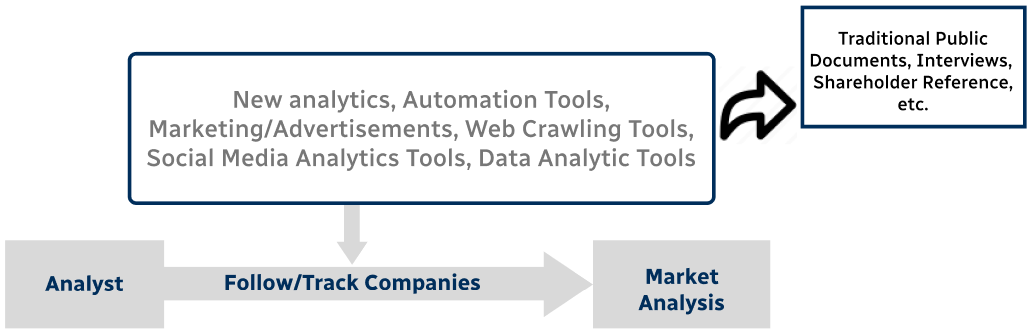
Step 4 - Data Triangulation
Involves using different sources of information in order to increase the validity of a study
These sources are likely to be stakeholders in a program - participants, other researchers, program staff, other community members, and so on.
Then we put all data in single framework & apply various statistical tools to find out the dynamic on the market.
During the analysis stage, feedback from the stakeholder groups would be compared to determine areas of agreement as well as areas of divergence