


Key Insights
The global market for Non-Durable Labels, specifically hang tags, is poised for significant growth, projected to reach an estimated USD 805 million in 2025. This expansion is driven by a robust Compound Annual Growth Rate (CAGR) of 3.5%, indicating a steady and healthy upward trajectory throughout the forecast period of 2025-2033. The primary catalysts for this market's dynamism stem from the ever-evolving fashion and apparel industry, where hang tags are indispensable for branding, product information, and compliance. The burgeoning retail and e-commerce sectors further fuel demand, as these platforms increasingly rely on distinctive packaging and labeling to capture consumer attention and convey brand identity. Growth in personalized gifting and specialized stationery applications also contributes to market expansion, offering niche opportunities for innovative hang tag designs and functionalities. The market segmentation reveals a balanced demand across "Normal Label" and "RFID Label" types, with the former maintaining dominance due to its cost-effectiveness and widespread use, while RFID labels are gaining traction for their advanced tracking and inventory management capabilities.
.png)
Non-Durable Labels (Hang Tags) Market Size (In Million)

The market is characterized by several key trends and drivers that are shaping its future. A prominent trend is the increasing emphasis on sustainable and eco-friendly labeling solutions. Manufacturers are exploring recycled materials, biodegradable options, and innovative printing techniques to align with growing consumer and regulatory demands for environmental responsibility. Furthermore, advancements in printing technology are enabling more sophisticated designs, customization options, and the integration of security features, thereby enhancing the perceived value of hang tags as a brand asset. However, the market also faces certain restraints. Rising raw material costs, particularly for paper and specialty materials, can impact profit margins for manufacturers. Intense price competition within the industry, coupled with the commoditization of standard hang tags, necessitates a focus on value-added services and differentiated product offerings. Geographically, Asia Pacific is anticipated to be a significant growth region, driven by its large manufacturing base and expanding consumer markets, particularly in China and India. North America and Europe remain mature markets with a strong demand for premium and innovative labeling solutions.
.png)
Non-Durable Labels (Hang Tags) Company Market Share
This comprehensive report provides an exhaustive analysis of the global Non-Durable Labels (Hang Tags) market, encompassing historical performance, current trends, and future projections. It delves into market segmentation, key growth drivers, prevailing challenges, and the competitive landscape, offering actionable insights for stakeholders across the value chain. The study period spans from 2019 to 2033, with a base year of 2025 and a forecast period from 2025 to 2033. Historical data covers 2019-2024.
Non-Durable Labels (Hang Tags) Market Structure & Competitive Dynamics
The global Non-Durable Labels (Hang Tags) market exhibits a moderately concentrated structure, with a few dominant players holding significant market share, while a larger number of regional and specialized manufacturers cater to niche segments. Innovation ecosystems are thriving, driven by advancements in material science, printing technologies, and the integration of smart features like RFID. Regulatory frameworks, particularly concerning material sourcing, sustainability, and product safety, are increasingly influencing market dynamics. Product substitutes, such as direct printing on garments or integrated labels, pose a competitive challenge, yet the distinct branding and informational advantages of hang tags maintain their relevance. End-user trends are heavily influenced by the apparel and fashion industry's demand for aesthetic appeal and brand storytelling, alongside the retail and e-commerce sectors' need for effective product identification and anti-counterfeiting measures. Mergers and acquisitions (M&A) activities are observed as companies seek to expand their geographic reach, technological capabilities, and product portfolios. Recent M&A deal values are estimated to be in the range of tens to hundreds of million dollars annually, signifying consolidation and strategic expansion within the industry. The market share distribution sees key players like Avery Dennison and CCL Industries commanding a significant portion, estimated to be between 15-25% and 10-20% respectively, with other major contributors like SML Group and Trimco International holding between 5-10% each.
- Market Concentration: Moderate to high, with a trend towards consolidation.
- Innovation Ecosystems: Driven by material advancements, digital printing, and smart tag integration.
- Regulatory Frameworks: Increasing focus on sustainability, traceability, and consumer safety.
- Product Substitutes: Direct printing, integrated labels, QR codes.
- End-User Trends: Brand storytelling, anti-counterfeiting, sustainability messaging.
- M&A Activities: Strategic acquisitions to gain market share and technological edge.
Non-Durable Labels (Hang Tags) Industry Trends & Insights
The Non-Durable Labels (Hang Tags) industry is experiencing robust growth, projected to expand at a Compound Annual Growth Rate (CAGR) of approximately 5.5% over the forecast period. This expansion is primarily fueled by the burgeoning global apparel and fashion industry, which relies heavily on hang tags for branding, product information, and marketing. The increasing sophistication of retail and e-commerce channels also contributes significantly, as hang tags play a crucial role in product differentiation, inventory management, and providing essential details to online consumers. Furthermore, the growing consumer demand for transparency regarding product origin, materials, and ethical manufacturing practices is driving the adoption of more informative and sustainable hang tag solutions. Technological disruptions are a key trend, with the integration of RFID technology into hang tags revolutionizing inventory tracking, supply chain visibility, and combating counterfeit goods. Advancements in digital printing allow for faster turnaround times, customization, and the incorporation of intricate designs, catering to the dynamic fashion industry. The market penetration of RFID-enabled hang tags is expected to rise from approximately 8% in 2023 to over 20% by 2033, representing a substantial growth opportunity.
Consumer preferences are shifting towards eco-friendly materials and sustainable production methods. Brands are actively seeking hang tag suppliers who can offer solutions made from recycled paper, biodegradable plastics, or other environmentally conscious alternatives. This trend is not only driven by consumer demand but also by increasing regulatory pressure and corporate social responsibility initiatives. Competitive dynamics are characterized by intense price competition, particularly for standard hang tags, pushing manufacturers to innovate and differentiate through value-added services, sustainable offerings, and smart tag integration. The global market size for non-durable labels (hang tags) is estimated to reach over $25 billion by 2033, a significant increase from its current valuation of approximately $15 billion in 2023. The market penetration of smart labels, including RFID, is projected to grow substantially, offering enhanced functionality beyond basic product information.
Dominant Markets & Segments in Non-Durable Labels (Hang Tags)
The Apparel and Fashion Industry is the unequivocally dominant market segment for Non-Durable Labels (Hang Tags), accounting for an estimated 65% of the total market revenue. This dominance is driven by the inherent need for branding, pricing, size information, care instructions, and marketing collateral that hang tags provide for clothing, footwear, and accessories. The fast-paced nature of the fashion cycle, coupled with seasonal collections and limited edition releases, necessitates the frequent production and application of distinctive hang tags. Economic policies favoring the growth of the textile and apparel manufacturing sectors in countries like Bangladesh, Vietnam, and India further bolster this segment.
Within the Types segmentation, Normal Label continues to hold the largest market share, estimated at around 85%, due to its cost-effectiveness and widespread application across all product categories. However, the RFID Label segment is poised for exponential growth, projected to witness a CAGR exceeding 15% over the forecast period. This surge is attributed to the increasing adoption of RFID for enhanced inventory management, supply chain transparency, and anti-counterfeiting solutions in high-value apparel and luxury goods. The retail and e-commerce boom also fuels the demand for efficient tracking and tracing capabilities, making RFID hang tags increasingly indispensable.
Retail and E-commerce emerges as the second-largest application segment, capturing approximately 25% of the market. This segment benefits from the universal need for product identification, pricing, and promotional information across diverse retail environments, from brick-and-mortar stores to online marketplaces. The increasing complexity of e-commerce logistics and the fight against online product counterfeiting are key drivers for advanced labeling solutions within this sector.
Gifts and Stationery represents a smaller but growing segment, estimated at 7% of the market. Here, hang tags are utilized for decorative purposes, personalized gifting, and product branding in the stationery industry. The rise of personalized gifting and the demand for aesthetically pleasing packaging contribute to the segment's growth.
- Dominant Application: Apparel and Fashion Industry (approx. 65% market share)
- Key Drivers: Brand differentiation, product information dissemination, seasonal product launches, fashion trends.
- Regional Influence: Strong presence in major apparel manufacturing hubs and fashion-forward markets.
- Dominant Type: Normal Label (approx. 85% market share)
- Key Drivers: Cost-effectiveness, widespread applicability, ease of integration.
- High-Growth Type: RFID Label (projected CAGR > 15%)
- Key Drivers: Inventory management, supply chain visibility, anti-counterfeiting, growing e-commerce needs.
- Second Largest Application: Retail and E-commerce (approx. 25% market share)
- Key Drivers: Product identification, pricing, promotional activities, combating online fraud.
- Emerging Application: Gifts and Stationery (approx. 7% market share)
- Key Drivers: Aesthetic appeal, personalization, product branding in niche markets.
Non-Durable Labels (Hang Tags) Product Innovations
Recent product innovations in the Non-Durable Labels (Hang Tags) market are centered on enhancing functionality, sustainability, and visual appeal. The integration of smart technologies, particularly RFID, allows for seamless inventory management and supply chain traceability. Advancements in eco-friendly materials, such as recycled paper stocks, biodegradable films, and soy-based inks, cater to the growing consumer and regulatory demand for sustainable labeling solutions. Digital printing technologies enable highly customized designs, variable data printing for personalized messaging, and rapid prototyping, offering brands a competitive edge in quickly adapting to market trends. These innovations provide distinct competitive advantages by improving operational efficiency, reducing environmental impact, and enhancing brand perception.
Report Segmentation & Scope
This report meticulously segments the Non-Durable Labels (Hang Tags) market across key dimensions to provide granular insights. The Application segmentation includes the Apparel and Fashion Industry, Retail and E-commerce, Gifts and Stationery, and Others. The Types segmentation covers Normal Label and RFID Label. Each segment is analyzed for its market size, growth projections, and competitive dynamics. For instance, the Apparel and Fashion Industry is projected to grow at a steady CAGR of approximately 5%, with a market size estimated at over $16 billion by 2033. The RFID Label segment, though smaller in current market share (estimated at 15% in 2025), is projected to witness a significant CAGR exceeding 15%, driven by technological adoption and enhanced functionality. The scope of this report encompasses a global perspective, with detailed regional breakdowns to understand localized market nuances and opportunities.
Key Drivers of Non-Durable Labels (Hang Tags) Growth
The growth of the Non-Durable Labels (Hang Tags) market is propelled by several key factors. Technologically, the increasing integration of RFID and other smart technologies is revolutionizing inventory management and supply chain visibility, offering enhanced security and efficiency. Economically, the sustained growth of the global apparel and fashion industry, coupled with the expansion of retail and e-commerce sectors, directly fuels demand for labeling solutions. Regulatory advancements, particularly those promoting sustainability and product traceability, are driving the adoption of eco-friendly and information-rich hang tags. Furthermore, evolving consumer preferences for transparency regarding ethical sourcing and product lifecycle are compelling brands to utilize hang tags as a communication tool.
Challenges in the Non-Durable Labels (Hang Tags) Sector
Despite the promising growth trajectory, the Non-Durable Labels (Hang Tags) sector faces several challenges. Regulatory hurdles related to material sourcing and disposal, particularly concerning environmental impact, can increase compliance costs for manufacturers. Supply chain disruptions, exacerbated by geopolitical events and logistical complexities, can lead to increased lead times and material shortages. Intense competitive pressures and price sensitivity, especially in the standard hang tag segment, can impact profit margins. The threat of product substitutes, such as direct printing or digital information delivery, also necessitates continuous innovation and value-addition from hang tag manufacturers to maintain market relevance.
Leading Players in the Non-Durable Labels (Hang Tags) Market
The global Non-Durable Labels (Hang Tags) market is populated by a diverse range of companies, with a few key players dominating the landscape. These leading entities are instrumental in driving innovation, shaping market trends, and catering to the diverse needs of global brands.
- Avery Dennison
- CCL Industries
- SML Group
- Trimco International
- NATco
- ITL Group
- CADICA GROUP
- HANG SANG (SIU PO)
- Cirtek Holdings
- Finotex
- Jointak Group
- r-pac
- Label Solutions Bangladesh
- Arrow Textiles Limited
- BCI
- LABEL PARTNERS
- Elite Labels
- WCL
- Gang Apparel Accessories
- SANKEI
- NAXIS Brand Supporter
- Guangzhou Zibai
Key Developments in Non-Durable Labels (Hang Tags) Sector
- 2023 Q4: Avery Dennison launches a new range of sustainable hang tags made from 100% recycled content, addressing growing environmental concerns.
- 2024 Q1: CCL Industries announces a strategic partnership with a leading RFID technology provider to enhance its smart label offerings for the fashion industry.
- 2024 Q2: SML Group expands its manufacturing capacity in Southeast Asia to meet the surging demand from global apparel brands.
- 2024 Q3: Trimco International introduces a new line of tamper-evident hang tags designed to combat product counterfeiting in the luxury goods market.
- 2024 Q4: NATco invests in advanced digital printing technology to offer faster turnaround times and greater design flexibility for its clients.
- 2025 Q1: ITL Group acquires a smaller competitor to strengthen its market position in the European retail sector.
- 2025 Q2: CADICA GROUP unveils innovative biodegradable hang tags made from plant-based materials.
- 2025 Q3: HANG SANG (SIU PO) focuses on developing integrated smart hang tag solutions for enhanced supply chain traceability.
- 2025 Q4: Cirtek Holdings explores collaborations for developing advanced anti-counterfeiting features within its hang tag product lines.
- 2026 Q1: Finotex introduces water-resistant and durable hang tags for activewear and outdoor apparel.
- 2026 Q2: Jointak Group expands its R&D efforts into the integration of NFC technology for interactive product experiences.
- 2026 Q3: r-pac enhances its sustainability reporting framework, providing transparent data on the environmental impact of its hang tags.
- 2026 Q4: Label Solutions Bangladesh invests in automated production lines to improve efficiency and reduce manufacturing costs.
- 2027 Q1: Arrow Textiles Limited diversifies its product portfolio to include specialized hang tags for the cosmetics and beauty industry.
- 2027 Q2: BCI collaborates with fashion brands to promote circular economy principles through sustainable labeling practices.
- 2027 Q3: LABEL PARTNERS develops a modular hang tag system allowing for easy customization and component replacement.
- 2027 Q4: Elite Labels expands its global distribution network to cater to a wider range of international clients.
- 2028 Q1: WCL focuses on developing secure RFID solutions for the high-value jewelry and watch sectors.
- 2028 Q2: Gang Apparel Accessories introduces a new range of visually striking and tactile hang tags to enhance brand appeal.
- 2028 Q3: SANKEI invests in research for advanced chemical-free printing processes for hang tags.
- 2028 Q4: NAXIS Brand Supporter develops an integrated solution combining hang tags with digital product passports.
- 2029 Q1: Guangzhou Zibai expands its export market reach, targeting emerging economies in Africa and South America.
Strategic Non-Durable Labels (Hang Tags) Market Outlook
The strategic outlook for the Non-Durable Labels (Hang Tags) market remains highly positive, driven by sustained demand from core industries and emerging technological opportunities. Growth accelerators include the continued expansion of the global fashion industry, the increasing adoption of e-commerce, and the escalating need for robust supply chain management and anti-counterfeiting measures. The shift towards sustainability presents a significant strategic opportunity, with companies that can offer eco-friendly and ethically sourced hang tags likely to gain a competitive advantage. Furthermore, the continued development and integration of smart technologies, such as RFID and NFC, will unlock new revenue streams and enhance customer value propositions. Strategic investments in R&D for innovative materials, digital printing capabilities, and integrated smart solutions will be crucial for long-term success. Market players are advised to focus on building strong relationships with brands, offering customized solutions, and adapting to evolving regulatory landscapes to capitalize on the projected market growth.
Non-Durable Labels (Hang Tags) Segmentation
-
1. Application
- 1.1. Apparel and Fashion Industry
- 1.2. Retail and E-commerce
- 1.3. Gifts and Stationery
- 1.4. Others
-
2. Types
- 2.1. Normal Label
- 2.2. RFID Label
Non-Durable Labels (Hang Tags) Segmentation By Geography
-
1. North America
- 1.1. United States
- 1.2. Canada
- 1.3. Mexico
-
2. South America
- 2.1. Brazil
- 2.2. Argentina
- 2.3. Rest of South America
-
3. Europe
- 3.1. United Kingdom
- 3.2. Germany
- 3.3. France
- 3.4. Italy
- 3.5. Spain
- 3.6. Russia
- 3.7. Benelux
- 3.8. Nordics
- 3.9. Rest of Europe
-
4. Middle East & Africa
- 4.1. Turkey
- 4.2. Israel
- 4.3. GCC
- 4.4. North Africa
- 4.5. South Africa
- 4.6. Rest of Middle East & Africa
-
5. Asia Pacific
- 5.1. China
- 5.2. India
- 5.3. Japan
- 5.4. South Korea
- 5.5. ASEAN
- 5.6. Oceania
- 5.7. Rest of Asia Pacific
.png)
Non-Durable Labels (Hang Tags) Regional Market Share
Geographic Coverage of Non-Durable Labels (Hang Tags)
Non-Durable Labels (Hang Tags) REPORT HIGHLIGHTS
| Aspects | Details |
|---|---|
| Study Period | 2020-2034 |
| Base Year | 2025 |
| Estimated Year | 2026 |
| Forecast Period | 2026-2034 |
| Historical Period | 2020-2025 |
| Growth Rate | CAGR of 3.5% from 2020-2034 |
| Segmentation |
|
Table of Contents
- 1. Introduction
- 1.1. Research Scope
- 1.2. Market Segmentation
- 1.3. Research Objective
- 1.4. Definitions and Assumptions
- 2. Executive Summary
- 2.1. Market Snapshot
- 3. Market Dynamics
- 3.1. Market Drivers
- 3.2. Market Restrains
- 3.3. Market Trends
- 3.4. Market Opportunities
- 4. Market Factor Analysis
- 4.1. Porters Five Forces
- 4.1.1. Bargaining Power of Suppliers
- 4.1.2. Bargaining Power of Buyers
- 4.1.3. Threat of New Entrants
- 4.1.4. Threat of Substitutes
- 4.1.5. Competitive Rivalry
- 4.2. PESTEL analysis
- 4.3. BCG Analysis
- 4.3.1. Stars (High Growth, High Market Share)
- 4.3.2. Cash Cows (Low Growth, High Market Share)
- 4.3.3. Question Mark (High Growth, Low Market Share)
- 4.3.4. Dogs (Low Growth, Low Market Share)
- 4.4. Ansoff Matrix Analysis
- 4.5. Supply Chain Analysis
- 4.6. Regulatory Landscape
- 4.7. Current Market Potential and Opportunity Assessment (TAM–SAM–SOM Framework)
- 4.8. PMV Analyst Note
- 4.1. Porters Five Forces
- 5. Market Analysis, Insights and Forecast 2021-2033
- 5.1. Market Analysis, Insights and Forecast - by Application
- 5.1.1. Apparel and Fashion Industry
- 5.1.2. Retail and E-commerce
- 5.1.3. Gifts and Stationery
- 5.1.4. Others
- 5.2. Market Analysis, Insights and Forecast - by Types
- 5.2.1. Normal Label
- 5.2.2. RFID Label
- 5.3. Market Analysis, Insights and Forecast - by Region
- 5.3.1. North America
- 5.3.2. South America
- 5.3.3. Europe
- 5.3.4. Middle East & Africa
- 5.3.5. Asia Pacific
- 5.1. Market Analysis, Insights and Forecast - by Application
- 6. Global Non-Durable Labels (Hang Tags) Analysis, Insights and Forecast, 2021-2033
- 6.1. Market Analysis, Insights and Forecast - by Application
- 6.1.1. Apparel and Fashion Industry
- 6.1.2. Retail and E-commerce
- 6.1.3. Gifts and Stationery
- 6.1.4. Others
- 6.2. Market Analysis, Insights and Forecast - by Types
- 6.2.1. Normal Label
- 6.2.2. RFID Label
- 6.1. Market Analysis, Insights and Forecast - by Application
- 7. North America Non-Durable Labels (Hang Tags) Analysis, Insights and Forecast, 2020-2032
- 7.1. Market Analysis, Insights and Forecast - by Application
- 7.1.1. Apparel and Fashion Industry
- 7.1.2. Retail and E-commerce
- 7.1.3. Gifts and Stationery
- 7.1.4. Others
- 7.2. Market Analysis, Insights and Forecast - by Types
- 7.2.1. Normal Label
- 7.2.2. RFID Label
- 7.1. Market Analysis, Insights and Forecast - by Application
- 8. South America Non-Durable Labels (Hang Tags) Analysis, Insights and Forecast, 2020-2032
- 8.1. Market Analysis, Insights and Forecast - by Application
- 8.1.1. Apparel and Fashion Industry
- 8.1.2. Retail and E-commerce
- 8.1.3. Gifts and Stationery
- 8.1.4. Others
- 8.2. Market Analysis, Insights and Forecast - by Types
- 8.2.1. Normal Label
- 8.2.2. RFID Label
- 8.1. Market Analysis, Insights and Forecast - by Application
- 9. Europe Non-Durable Labels (Hang Tags) Analysis, Insights and Forecast, 2020-2032
- 9.1. Market Analysis, Insights and Forecast - by Application
- 9.1.1. Apparel and Fashion Industry
- 9.1.2. Retail and E-commerce
- 9.1.3. Gifts and Stationery
- 9.1.4. Others
- 9.2. Market Analysis, Insights and Forecast - by Types
- 9.2.1. Normal Label
- 9.2.2. RFID Label
- 9.1. Market Analysis, Insights and Forecast - by Application
- 10. Middle East & Africa Non-Durable Labels (Hang Tags) Analysis, Insights and Forecast, 2020-2032
- 10.1. Market Analysis, Insights and Forecast - by Application
- 10.1.1. Apparel and Fashion Industry
- 10.1.2. Retail and E-commerce
- 10.1.3. Gifts and Stationery
- 10.1.4. Others
- 10.2. Market Analysis, Insights and Forecast - by Types
- 10.2.1. Normal Label
- 10.2.2. RFID Label
- 10.1. Market Analysis, Insights and Forecast - by Application
- 11. Asia Pacific Non-Durable Labels (Hang Tags) Analysis, Insights and Forecast, 2020-2032
- 11.1. Market Analysis, Insights and Forecast - by Application
- 11.1.1. Apparel and Fashion Industry
- 11.1.2. Retail and E-commerce
- 11.1.3. Gifts and Stationery
- 11.1.4. Others
- 11.2. Market Analysis, Insights and Forecast - by Types
- 11.2.1. Normal Label
- 11.2.2. RFID Label
- 11.1. Market Analysis, Insights and Forecast - by Application
- 12. Competitive Analysis
- 12.1. Company Profiles
- 12.1.1 Avery Dennison
- 12.1.1.1. Company Overview
- 12.1.1.2. Products
- 12.1.1.3. Company Financials
- 12.1.1.4. SWOT Analysis
- 12.1.2 CCL Industries
- 12.1.2.1. Company Overview
- 12.1.2.2. Products
- 12.1.2.3. Company Financials
- 12.1.2.4. SWOT Analysis
- 12.1.3 SML Group
- 12.1.3.1. Company Overview
- 12.1.3.2. Products
- 12.1.3.3. Company Financials
- 12.1.3.4. SWOT Analysis
- 12.1.4 Trimco International
- 12.1.4.1. Company Overview
- 12.1.4.2. Products
- 12.1.4.3. Company Financials
- 12.1.4.4. SWOT Analysis
- 12.1.5 NATco
- 12.1.5.1. Company Overview
- 12.1.5.2. Products
- 12.1.5.3. Company Financials
- 12.1.5.4. SWOT Analysis
- 12.1.6 ITL Group
- 12.1.6.1. Company Overview
- 12.1.6.2. Products
- 12.1.6.3. Company Financials
- 12.1.6.4. SWOT Analysis
- 12.1.7 CADICA GROUP
- 12.1.7.1. Company Overview
- 12.1.7.2. Products
- 12.1.7.3. Company Financials
- 12.1.7.4. SWOT Analysis
- 12.1.8 HANG SANG (SIU PO)
- 12.1.8.1. Company Overview
- 12.1.8.2. Products
- 12.1.8.3. Company Financials
- 12.1.8.4. SWOT Analysis
- 12.1.9 Cirtek Holdings
- 12.1.9.1. Company Overview
- 12.1.9.2. Products
- 12.1.9.3. Company Financials
- 12.1.9.4. SWOT Analysis
- 12.1.10 Finotex
- 12.1.10.1. Company Overview
- 12.1.10.2. Products
- 12.1.10.3. Company Financials
- 12.1.10.4. SWOT Analysis
- 12.1.11 Jointak Group
- 12.1.11.1. Company Overview
- 12.1.11.2. Products
- 12.1.11.3. Company Financials
- 12.1.11.4. SWOT Analysis
- 12.1.12 r-pac
- 12.1.12.1. Company Overview
- 12.1.12.2. Products
- 12.1.12.3. Company Financials
- 12.1.12.4. SWOT Analysis
- 12.1.13 Label Solutions Bangladesh
- 12.1.13.1. Company Overview
- 12.1.13.2. Products
- 12.1.13.3. Company Financials
- 12.1.13.4. SWOT Analysis
- 12.1.14 Arrow Textiles Limited
- 12.1.14.1. Company Overview
- 12.1.14.2. Products
- 12.1.14.3. Company Financials
- 12.1.14.4. SWOT Analysis
- 12.1.15 BCI
- 12.1.15.1. Company Overview
- 12.1.15.2. Products
- 12.1.15.3. Company Financials
- 12.1.15.4. SWOT Analysis
- 12.1.16 LABEL PARTNERS
- 12.1.16.1. Company Overview
- 12.1.16.2. Products
- 12.1.16.3. Company Financials
- 12.1.16.4. SWOT Analysis
- 12.1.17 Elite Labels
- 12.1.17.1. Company Overview
- 12.1.17.2. Products
- 12.1.17.3. Company Financials
- 12.1.17.4. SWOT Analysis
- 12.1.18 WCL
- 12.1.18.1. Company Overview
- 12.1.18.2. Products
- 12.1.18.3. Company Financials
- 12.1.18.4. SWOT Analysis
- 12.1.19 Gang Apparel Accessories
- 12.1.19.1. Company Overview
- 12.1.19.2. Products
- 12.1.19.3. Company Financials
- 12.1.19.4. SWOT Analysis
- 12.1.20 SANKEI
- 12.1.20.1. Company Overview
- 12.1.20.2. Products
- 12.1.20.3. Company Financials
- 12.1.20.4. SWOT Analysis
- 12.1.21 NAXIS Brand Supporter
- 12.1.21.1. Company Overview
- 12.1.21.2. Products
- 12.1.21.3. Company Financials
- 12.1.21.4. SWOT Analysis
- 12.1.22 Guangzhou Zibai
- 12.1.22.1. Company Overview
- 12.1.22.2. Products
- 12.1.22.3. Company Financials
- 12.1.22.4. SWOT Analysis
- 12.1.1 Avery Dennison
- 12.2. Market Entropy
- 12.2.1 Company's Key Areas Served
- 12.2.2 Recent Developments
- 12.3. Company Market Share Analysis 2025
- 12.3.1 Top 5 Companies Market Share Analysis
- 12.3.2 Top 3 Companies Market Share Analysis
- 12.4. List of Potential Customers
- 13. Research Methodology
List of Figures
- Figure 1: Global Non-Durable Labels (Hang Tags) Revenue Breakdown (million, %) by Region 2025 & 2033
- Figure 2: North America Non-Durable Labels (Hang Tags) Revenue (million), by Application 2025 & 2033
- Figure 3: North America Non-Durable Labels (Hang Tags) Revenue Share (%), by Application 2025 & 2033
- Figure 4: North America Non-Durable Labels (Hang Tags) Revenue (million), by Types 2025 & 2033
- Figure 5: North America Non-Durable Labels (Hang Tags) Revenue Share (%), by Types 2025 & 2033
- Figure 6: North America Non-Durable Labels (Hang Tags) Revenue (million), by Country 2025 & 2033
- Figure 7: North America Non-Durable Labels (Hang Tags) Revenue Share (%), by Country 2025 & 2033
- Figure 8: South America Non-Durable Labels (Hang Tags) Revenue (million), by Application 2025 & 2033
- Figure 9: South America Non-Durable Labels (Hang Tags) Revenue Share (%), by Application 2025 & 2033
- Figure 10: South America Non-Durable Labels (Hang Tags) Revenue (million), by Types 2025 & 2033
- Figure 11: South America Non-Durable Labels (Hang Tags) Revenue Share (%), by Types 2025 & 2033
- Figure 12: South America Non-Durable Labels (Hang Tags) Revenue (million), by Country 2025 & 2033
- Figure 13: South America Non-Durable Labels (Hang Tags) Revenue Share (%), by Country 2025 & 2033
- Figure 14: Europe Non-Durable Labels (Hang Tags) Revenue (million), by Application 2025 & 2033
- Figure 15: Europe Non-Durable Labels (Hang Tags) Revenue Share (%), by Application 2025 & 2033
- Figure 16: Europe Non-Durable Labels (Hang Tags) Revenue (million), by Types 2025 & 2033
- Figure 17: Europe Non-Durable Labels (Hang Tags) Revenue Share (%), by Types 2025 & 2033
- Figure 18: Europe Non-Durable Labels (Hang Tags) Revenue (million), by Country 2025 & 2033
- Figure 19: Europe Non-Durable Labels (Hang Tags) Revenue Share (%), by Country 2025 & 2033
- Figure 20: Middle East & Africa Non-Durable Labels (Hang Tags) Revenue (million), by Application 2025 & 2033
- Figure 21: Middle East & Africa Non-Durable Labels (Hang Tags) Revenue Share (%), by Application 2025 & 2033
- Figure 22: Middle East & Africa Non-Durable Labels (Hang Tags) Revenue (million), by Types 2025 & 2033
- Figure 23: Middle East & Africa Non-Durable Labels (Hang Tags) Revenue Share (%), by Types 2025 & 2033
- Figure 24: Middle East & Africa Non-Durable Labels (Hang Tags) Revenue (million), by Country 2025 & 2033
- Figure 25: Middle East & Africa Non-Durable Labels (Hang Tags) Revenue Share (%), by Country 2025 & 2033
- Figure 26: Asia Pacific Non-Durable Labels (Hang Tags) Revenue (million), by Application 2025 & 2033
- Figure 27: Asia Pacific Non-Durable Labels (Hang Tags) Revenue Share (%), by Application 2025 & 2033
- Figure 28: Asia Pacific Non-Durable Labels (Hang Tags) Revenue (million), by Types 2025 & 2033
- Figure 29: Asia Pacific Non-Durable Labels (Hang Tags) Revenue Share (%), by Types 2025 & 2033
- Figure 30: Asia Pacific Non-Durable Labels (Hang Tags) Revenue (million), by Country 2025 & 2033
- Figure 31: Asia Pacific Non-Durable Labels (Hang Tags) Revenue Share (%), by Country 2025 & 2033
List of Tables
- Table 1: Global Non-Durable Labels (Hang Tags) Revenue million Forecast, by Application 2020 & 2033
- Table 2: Global Non-Durable Labels (Hang Tags) Revenue million Forecast, by Types 2020 & 2033
- Table 3: Global Non-Durable Labels (Hang Tags) Revenue million Forecast, by Region 2020 & 2033
- Table 4: Global Non-Durable Labels (Hang Tags) Revenue million Forecast, by Application 2020 & 2033
- Table 5: Global Non-Durable Labels (Hang Tags) Revenue million Forecast, by Types 2020 & 2033
- Table 6: Global Non-Durable Labels (Hang Tags) Revenue million Forecast, by Country 2020 & 2033
- Table 7: United States Non-Durable Labels (Hang Tags) Revenue (million) Forecast, by Application 2020 & 2033
- Table 8: Canada Non-Durable Labels (Hang Tags) Revenue (million) Forecast, by Application 2020 & 2033
- Table 9: Mexico Non-Durable Labels (Hang Tags) Revenue (million) Forecast, by Application 2020 & 2033
- Table 10: Global Non-Durable Labels (Hang Tags) Revenue million Forecast, by Application 2020 & 2033
- Table 11: Global Non-Durable Labels (Hang Tags) Revenue million Forecast, by Types 2020 & 2033
- Table 12: Global Non-Durable Labels (Hang Tags) Revenue million Forecast, by Country 2020 & 2033
- Table 13: Brazil Non-Durable Labels (Hang Tags) Revenue (million) Forecast, by Application 2020 & 2033
- Table 14: Argentina Non-Durable Labels (Hang Tags) Revenue (million) Forecast, by Application 2020 & 2033
- Table 15: Rest of South America Non-Durable Labels (Hang Tags) Revenue (million) Forecast, by Application 2020 & 2033
- Table 16: Global Non-Durable Labels (Hang Tags) Revenue million Forecast, by Application 2020 & 2033
- Table 17: Global Non-Durable Labels (Hang Tags) Revenue million Forecast, by Types 2020 & 2033
- Table 18: Global Non-Durable Labels (Hang Tags) Revenue million Forecast, by Country 2020 & 2033
- Table 19: United Kingdom Non-Durable Labels (Hang Tags) Revenue (million) Forecast, by Application 2020 & 2033
- Table 20: Germany Non-Durable Labels (Hang Tags) Revenue (million) Forecast, by Application 2020 & 2033
- Table 21: France Non-Durable Labels (Hang Tags) Revenue (million) Forecast, by Application 2020 & 2033
- Table 22: Italy Non-Durable Labels (Hang Tags) Revenue (million) Forecast, by Application 2020 & 2033
- Table 23: Spain Non-Durable Labels (Hang Tags) Revenue (million) Forecast, by Application 2020 & 2033
- Table 24: Russia Non-Durable Labels (Hang Tags) Revenue (million) Forecast, by Application 2020 & 2033
- Table 25: Benelux Non-Durable Labels (Hang Tags) Revenue (million) Forecast, by Application 2020 & 2033
- Table 26: Nordics Non-Durable Labels (Hang Tags) Revenue (million) Forecast, by Application 2020 & 2033
- Table 27: Rest of Europe Non-Durable Labels (Hang Tags) Revenue (million) Forecast, by Application 2020 & 2033
- Table 28: Global Non-Durable Labels (Hang Tags) Revenue million Forecast, by Application 2020 & 2033
- Table 29: Global Non-Durable Labels (Hang Tags) Revenue million Forecast, by Types 2020 & 2033
- Table 30: Global Non-Durable Labels (Hang Tags) Revenue million Forecast, by Country 2020 & 2033
- Table 31: Turkey Non-Durable Labels (Hang Tags) Revenue (million) Forecast, by Application 2020 & 2033
- Table 32: Israel Non-Durable Labels (Hang Tags) Revenue (million) Forecast, by Application 2020 & 2033
- Table 33: GCC Non-Durable Labels (Hang Tags) Revenue (million) Forecast, by Application 2020 & 2033
- Table 34: North Africa Non-Durable Labels (Hang Tags) Revenue (million) Forecast, by Application 2020 & 2033
- Table 35: South Africa Non-Durable Labels (Hang Tags) Revenue (million) Forecast, by Application 2020 & 2033
- Table 36: Rest of Middle East & Africa Non-Durable Labels (Hang Tags) Revenue (million) Forecast, by Application 2020 & 2033
- Table 37: Global Non-Durable Labels (Hang Tags) Revenue million Forecast, by Application 2020 & 2033
- Table 38: Global Non-Durable Labels (Hang Tags) Revenue million Forecast, by Types 2020 & 2033
- Table 39: Global Non-Durable Labels (Hang Tags) Revenue million Forecast, by Country 2020 & 2033
- Table 40: China Non-Durable Labels (Hang Tags) Revenue (million) Forecast, by Application 2020 & 2033
- Table 41: India Non-Durable Labels (Hang Tags) Revenue (million) Forecast, by Application 2020 & 2033
- Table 42: Japan Non-Durable Labels (Hang Tags) Revenue (million) Forecast, by Application 2020 & 2033
- Table 43: South Korea Non-Durable Labels (Hang Tags) Revenue (million) Forecast, by Application 2020 & 2033
- Table 44: ASEAN Non-Durable Labels (Hang Tags) Revenue (million) Forecast, by Application 2020 & 2033
- Table 45: Oceania Non-Durable Labels (Hang Tags) Revenue (million) Forecast, by Application 2020 & 2033
- Table 46: Rest of Asia Pacific Non-Durable Labels (Hang Tags) Revenue (million) Forecast, by Application 2020 & 2033
Frequently Asked Questions
1. What is the projected Compound Annual Growth Rate (CAGR) of the Non-Durable Labels (Hang Tags)?
The projected CAGR is approximately 3.5%.
2. Which companies are prominent players in the Non-Durable Labels (Hang Tags)?
Key companies in the market include Avery Dennison, CCL Industries, SML Group, Trimco International, NATco, ITL Group, CADICA GROUP, HANG SANG (SIU PO), Cirtek Holdings, Finotex, Jointak Group, r-pac, Label Solutions Bangladesh, Arrow Textiles Limited, BCI, LABEL PARTNERS, Elite Labels, WCL, Gang Apparel Accessories, SANKEI, NAXIS Brand Supporter, Guangzhou Zibai.
3. What are the main segments of the Non-Durable Labels (Hang Tags)?
The market segments include Application, Types.
4. Can you provide details about the market size?
The market size is estimated to be USD 805 million as of 2022.
5. What are some drivers contributing to market growth?
N/A
6. What are the notable trends driving market growth?
N/A
7. Are there any restraints impacting market growth?
N/A
8. Can you provide examples of recent developments in the market?
N/A
9. What pricing options are available for accessing the report?
Pricing options include single-user, multi-user, and enterprise licenses priced at USD 2900.00, USD 4350.00, and USD 5800.00 respectively.
10. Is the market size provided in terms of value or volume?
The market size is provided in terms of value, measured in million.
11. Are there any specific market keywords associated with the report?
Yes, the market keyword associated with the report is "Non-Durable Labels (Hang Tags)," which aids in identifying and referencing the specific market segment covered.
12. How do I determine which pricing option suits my needs best?
The pricing options vary based on user requirements and access needs. Individual users may opt for single-user licenses, while businesses requiring broader access may choose multi-user or enterprise licenses for cost-effective access to the report.
13. Are there any additional resources or data provided in the Non-Durable Labels (Hang Tags) report?
While the report offers comprehensive insights, it's advisable to review the specific contents or supplementary materials provided to ascertain if additional resources or data are available.
14. How can I stay updated on further developments or reports in the Non-Durable Labels (Hang Tags)?
To stay informed about further developments, trends, and reports in the Non-Durable Labels (Hang Tags), consider subscribing to industry newsletters, following relevant companies and organizations, or regularly checking reputable industry news sources and publications.
Methodology
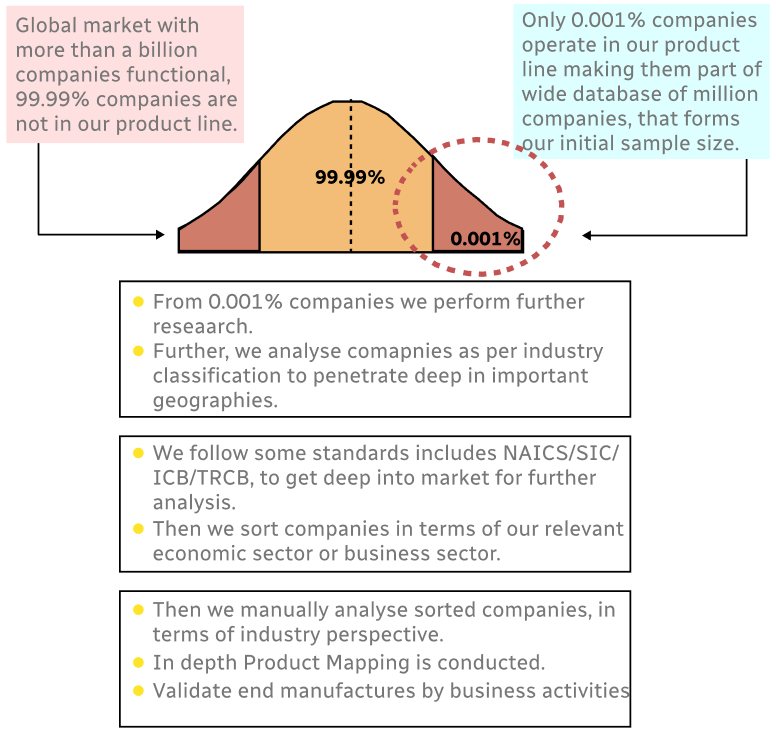
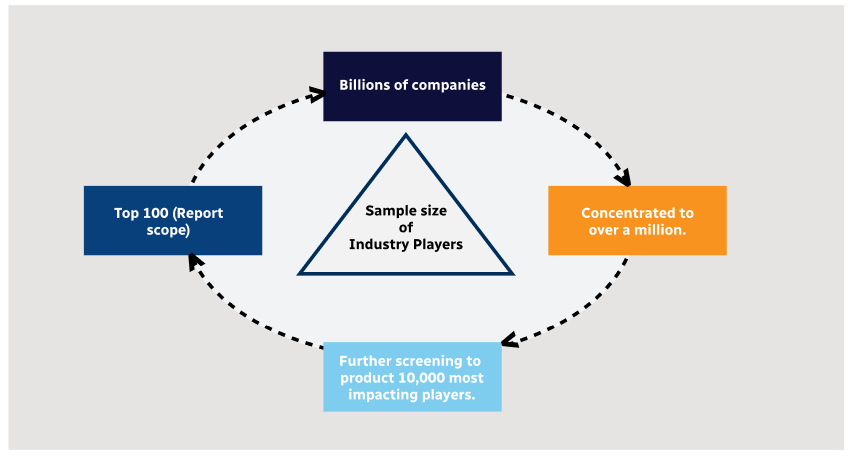
Step 1 - Identification of Relevant Samples Size from Population Database
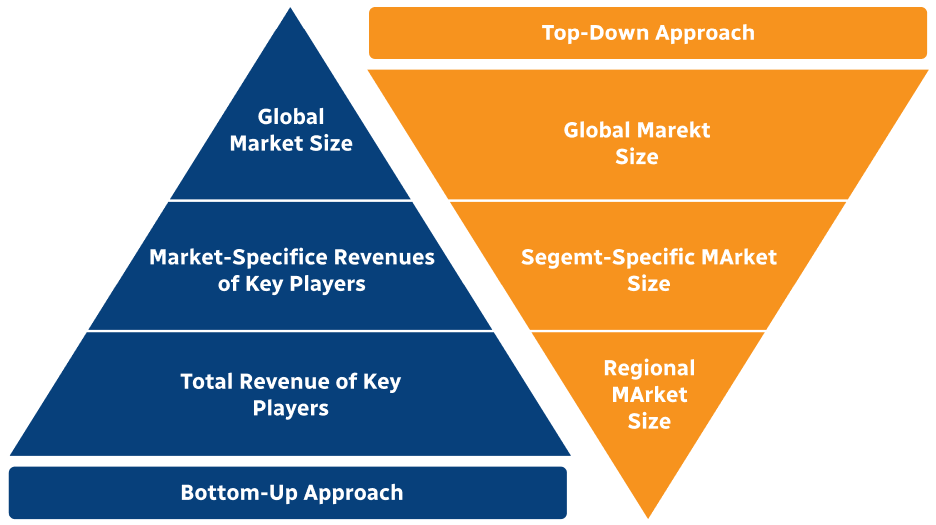
Step 2 - Approaches for Defining Global Market Size (Value, Volume* & Price*)
Note*: In applicable scenarios
Step 3 - Data Sources
Primary Research
- Web Analytics
- Survey Reports
- Research Institute
- Latest Research Reports
- Opinion Leaders
Secondary Research
- Annual Reports
- White Paper
- Latest Press Release
- Industry Association
- Paid Database
- Investor Presentations
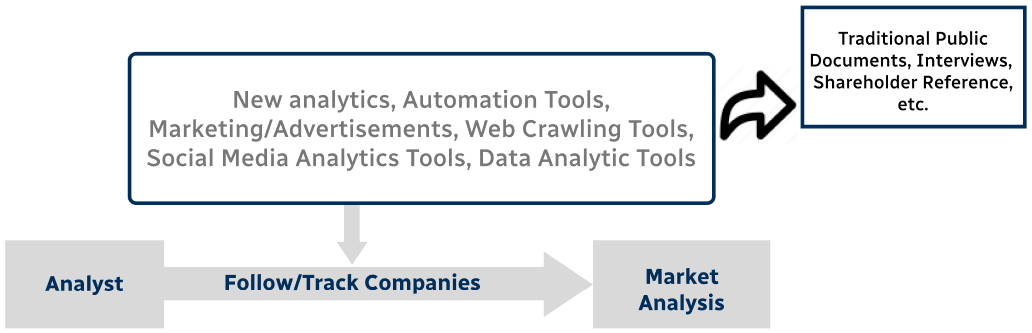
Step 4 - Data Triangulation
Involves using different sources of information in order to increase the validity of a study
These sources are likely to be stakeholders in a program - participants, other researchers, program staff, other community members, and so on.
Then we put all data in single framework & apply various statistical tools to find out the dynamic on the market.
During the analysis stage, feedback from the stakeholder groups would be compared to determine areas of agreement as well as areas of divergence