


Key Insights
The Nanopatterning market is poised for significant expansion, projected to reach $2.6 billion in 2025. This robust growth is fueled by a compelling Compound Annual Growth Rate (CAGR) of 12.8% throughout the forecast period, indicating a dynamic and rapidly evolving industry. Key drivers propelling this surge include the escalating demand for miniaturization and enhanced performance in consumer electronics, the critical need for advanced diagnostic and therapeutic tools in healthcare, and the indispensable role of nanopatterning in semiconductor fabrication (foundry). Emerging trends such as the development of next-generation displays, the advancement of microfluidics for lab-on-a-chip applications, and the increasing adoption of 3D nanoprinting technologies are further accelerating market penetration. The inherent ability of nanopatterning to create intricate structures at the nanoscale is fundamental to innovation across these diverse sectors.
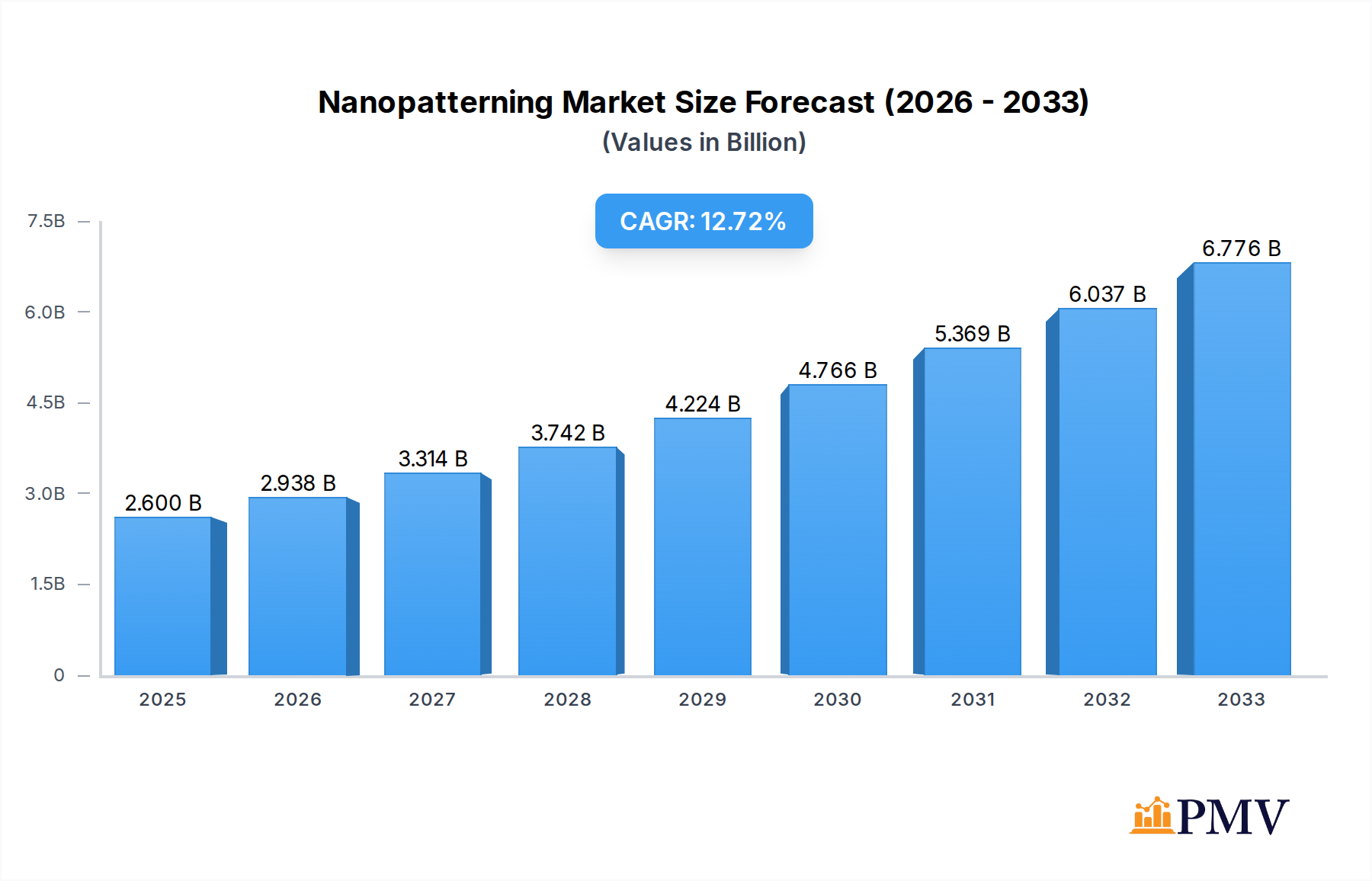
Nanopatterning Market Size (In Billion)

Despite the immense potential, certain restraints could influence the pace of market adoption. These include the high initial investment costs associated with advanced nanopatterning equipment and materials, the complexity and specialized expertise required for process development and implementation, and stringent regulatory hurdles in sensitive applications like healthcare. However, the continuous innovation in lithography techniques, such as advancements in Nanoimprint Lithography (NIL) and Electron Beam Lithography, alongside the exploration of novel materials and cost-effective manufacturing processes, are actively mitigating these challenges. The market is segmented across various applications, with Consumer Electronics and Healthcare emerging as dominant end-use industries, while types like Nanoimprint Lithography and E-beam Lithography represent the leading technological approaches. Regional dynamics, particularly in Asia Pacific and North America, are expected to drive a substantial portion of this growth, owing to strong manufacturing bases and research & development investments.
Nanopatterning Company Market Share
Unlock the Future of Precision Manufacturing: In-Depth Nanopatterning Market Report (2019-2033)
This comprehensive report delves into the dynamic nanopatterning market, providing an in-depth analysis of its structure, trends, and competitive landscape. Covering the study period of 2019–2033, with a base year of 2025, this report offers invaluable insights for stakeholders in nanoimprint lithography, e-beam lithography, photon-based nanolithography, soft lithography, and UV nanoimprint lithography. Explore market opportunities in crucial segments such as Consumer Electronics, Healthcare, and Foundry, and gain a strategic advantage with detailed forecasts and actionable intelligence.
Nanopatterning Market Structure & Competitive Dynamics
The global nanopatterning market exhibits a moderately concentrated structure, characterized by the interplay of established giants and innovative emerging players. Key companies like Nanoscribe, Nanotypos, NIL Technology, Nippon Telegraph and Telephone, Raith, SET, SUSS MicroTec, SVG Optronics, Toppan, Vistec Electron Beam, Nanonex, Obducat, AMO, EV, InterLitho Technology, Meta Materials, NanoPattern Technologies, GuangDuo Nano, and PuLin Technology are actively shaping the competitive arena. Innovation ecosystems are thriving, driven by substantial investments in R&D, particularly in developing advanced e-beam lithography and nanoimprint lithography solutions. Regulatory frameworks are evolving to support advancements while ensuring safety and standardization. Product substitutes, while present in adjacent areas, are increasingly challenged by the unique precision and scalability offered by nanopatterning techniques. End-user trends highlight a growing demand for miniaturization and enhanced functionality in Consumer Electronics and advanced diagnostics in Healthcare. Merger and acquisition (M&A) activities are significant, with projected deal values in the billion-dollar range, consolidating market share and fostering technological synergies. For instance, strategic acquisitions in the UV nanoimprint lithography space are expected to accelerate market penetration.
Nanopatterning Industry Trends & Insights
The nanopatterning industry is poised for robust growth, driven by an escalating demand for miniaturized and high-performance electronic components, advanced medical devices, and next-generation display technologies. The market growth drivers are multifaceted, encompassing the insatiable appetite for smaller, faster, and more energy-efficient consumer electronics, the critical need for precise diagnostic and therapeutic tools in healthcare, and the burgeoning requirements of the foundry sector for high-resolution patterning. Technological disruptions are a constant, with continuous advancements in e-beam lithography offering unparalleled resolution and nanoimprint lithography providing scalable and cost-effective patterning solutions. The convergence of these techniques, alongside innovations in photon-based nanolithography and soft lithography, is pushing the boundaries of what's possible. Consumer preferences are increasingly leaning towards devices with advanced features, longer battery life, and enhanced user experiences, all of which are directly enabled by sophisticated nanopatterning capabilities. Competitive dynamics are intense, with companies investing heavily in proprietary technologies and strategic collaborations to gain a competitive edge. The compound annual growth rate (CAGR) is projected to be significant, estimated at xx% over the forecast period, reflecting strong market penetration and adoption rates across various industries. The market penetration of advanced nanopatterning techniques in emerging applications is expected to surge, opening up new avenues for revenue generation and innovation.
Dominant Markets & Segments in Nanopatterning
The nanopatterning market is experiencing significant dominance from the Consumer Electronics application segment, driven by the relentless pursuit of smaller, faster, and more powerful devices. Within this segment, the Asia-Pacific region, particularly countries like South Korea, Taiwan, and China, are leading due to the presence of major electronics manufacturers and advanced semiconductor foundries. The Types segmentation reveals that nanoimprint lithography and e-beam lithography are currently the most dominant, with UV nanoimprint lithography rapidly gaining traction due to its scalability and cost-effectiveness.
- Consumer Electronics: This segment's dominance is fueled by the demand for smartphones, wearable devices, high-definition displays, and advanced computing hardware. Key drivers include rapid product cycles, the need for increased transistor density, and the development of novel display technologies like micro-LEDs. Economic policies in key manufacturing hubs that encourage technological innovation and infrastructure development play a crucial role in sustaining this dominance. The market size for this segment alone is projected to reach billions of dollars.
- Healthcare: The healthcare segment is a rapidly growing frontier for nanopatterning, driven by applications in diagnostics, drug delivery systems, biosensors, and advanced medical implants. The precision offered by techniques like e-beam lithography is critical for developing highly sensitive diagnostic tools and sophisticated microfluidic devices. Regulatory approvals for novel medical technologies are becoming more streamlined, further accelerating adoption.
- Foundry: The foundry sector, responsible for manufacturing semiconductor chips, is a cornerstone of the nanopatterning market. The demand for increasingly smaller feature sizes, in the single-digit nanometer range, necessitates advanced e-beam lithography and cutting-edge nanoimprint lithography processes. Investments in next-generation fabrication facilities are directly contributing to the growth and importance of this segment.
- Types:
- Nanoimprint Lithography: This technique, especially UV nanoimprint lithography, is favored for its high throughput and cost-effectiveness in mass production. Its applications extend from patterned media and optical components to advanced semiconductor manufacturing.
- E-beam Lithography: Renowned for its ultra-high resolution, e-beam lithography remains indispensable for research and development, as well as for producing critical components where extreme precision is paramount, such as advanced photomasks and research-grade semiconductor prototypes.
- Photon Based Nanolithography: While established, advancements continue to push its capabilities for specific applications requiring precise light manipulation for patterning.
- Soft Lithography: This adaptable technique finds applications in bio-engineering and microfluidics, offering flexibility in creating complex patterns on various substrates.
Nanopatterning Product Innovations
Recent product innovations in the nanopatterning market are characterized by enhanced resolution, increased throughput, and cost-effectiveness. Companies are developing advanced e-beam lithography systems capable of sub-10nm feature definition and nanoimprint lithography platforms that enable high-volume manufacturing of complex patterns. These innovations offer significant competitive advantages by enabling the creation of smaller, more powerful electronic devices, highly sensitive biosensors for healthcare, and more efficient optical components. The market fit for these advanced solutions is strong across consumer electronics, healthcare, and foundry applications, driving demand for precision manufacturing.
Report Segmentation & Scope
This report meticulously segments the nanopatterning market across key Application and Type categories. The Application segments include Consumer Electronics, Healthcare, Foundry, and Others. The Type segments encompass Nanoimprint Lithography, E-beam Lithography, Photon Based Nanolithography, Soft Lithography, UV Nanoimprint Lithography, and Others. Each segment is analyzed for its market size, growth projections, and competitive dynamics. For instance, the Consumer Electronics segment is projected to witness substantial growth in market share, reaching billions in value by 2033, driven by continuous innovation in mobile devices and displays. The Healthcare segment, while smaller currently, is expected to exhibit a higher CAGR due to its critical role in advancing medical technologies.
Key Drivers of Nanopatterning Growth
The nanopatterning market is propelled by several interconnected growth drivers. Technologically, the relentless miniaturization trend in semiconductors, enabling smaller and more powerful electronic devices, is a primary catalyst. The demand for advanced functionalities in consumer electronics, such as higher resolution displays and increased memory capacity, directly translates to a need for sophisticated nanopatterning techniques. Economically, global investments in R&D and advanced manufacturing infrastructure, particularly in emerging economies, are fostering market expansion. Regulatory factors, such as the push for sustainable manufacturing and the development of novel medical devices, are also encouraging the adoption of precision nanopatterning solutions. For example, government initiatives promoting the semiconductor industry are significant drivers for the foundry segment.
Challenges in the Nanopatterning Sector
Despite its immense potential, the nanopatterning sector faces certain challenges. High initial capital investment for advanced e-beam lithography systems and complex manufacturing processes can be a barrier to entry for smaller companies. Regulatory hurdles, particularly in the healthcare sector, for novel nanomedical devices can slow down market penetration. Furthermore, supply chain issues for specialized materials and equipment can impact production timelines. Intense competitive pressures among established players and the emergence of new disruptive technologies also necessitate continuous innovation and adaptation. Quantifiable impacts include extended product development cycles and potential cost overruns in R&D.
Leading Players in the Nanopatterning Market
- Nanoscribe
- Nanotypos
- NIL Technology
- Nippon Telegraph and Telephone
- Raith
- SET
- SUSS MicroTec
- SVG Optronics
- Toppan
- Vistec Electron Beam
- Nanonex
- Obducat
- AMO
- EV
- InterLitho Technology
- Meta Materials
- NanoPattern Technologies
- GuangDuo Nano
- PuLin Technology
Key Developments in Nanopatterning Sector
- 2023 (Q4): Nanoscribe launches a new ultra-high-resolution 3D nano-printing system for advanced materials research, significantly improving speed and accuracy.
- 2024 (Q1): NIL Technology secures significant funding for scaling up its high-throughput UV nanoimprint lithography production capabilities, targeting the display market.
- 2024 (Q2): Raith introduces a new generation of e-beam lithography systems with enhanced throughput and integrated metrology, aiming for broader semiconductor industry adoption.
- 2024 (Q3): SUSS MicroTec announces a strategic partnership with a leading semiconductor manufacturer to co-develop advanced nanoimprint lithography solutions for next-generation devices.
- 2024 (Q4): Meta Materials showcases novel metamaterial applications enabled by advanced nanopatterning, highlighting potential in optics and energy harvesting.
Strategic Nanopatterning Market Outlook
The nanopatterning market presents a highly promising outlook, driven by accelerating technological advancements and expanding application frontiers. Growth accelerators include the increasing integration of nanopatterning into the development of advanced displays, next-generation sensors for the Internet of Things (IoT), and novel semiconductor architectures. Strategic opportunities lie in the continued development of cost-effective and scalable UV nanoimprint lithography solutions for mass production, as well as advancements in e-beam lithography for ultra-fine patterning in critical applications. The convergence of nanopatterning with AI and machine learning for process optimization also represents a significant future growth avenue.
Nanopatterning Segmentation
-
1. Application
- 1.1. Consumer Electronics
- 1.2. Healthcare
- 1.3. Foundry
- 1.4. Others
-
2. Types
- 2.1. Nanoimprint Lithography
- 2.2. E-beam Lithography
- 2.3. Photon Based Nanolithography
- 2.4. Soft Lithography
- 2.5. UV Nanoimprint Lithography
- 2.6. Others
Nanopatterning Segmentation By Geography
-
1. North America
- 1.1. United States
- 1.2. Canada
- 1.3. Mexico
-
2. South America
- 2.1. Brazil
- 2.2. Argentina
- 2.3. Rest of South America
-
3. Europe
- 3.1. United Kingdom
- 3.2. Germany
- 3.3. France
- 3.4. Italy
- 3.5. Spain
- 3.6. Russia
- 3.7. Benelux
- 3.8. Nordics
- 3.9. Rest of Europe
-
4. Middle East & Africa
- 4.1. Turkey
- 4.2. Israel
- 4.3. GCC
- 4.4. North Africa
- 4.5. South Africa
- 4.6. Rest of Middle East & Africa
-
5. Asia Pacific
- 5.1. China
- 5.2. India
- 5.3. Japan
- 5.4. South Korea
- 5.5. ASEAN
- 5.6. Oceania
- 5.7. Rest of Asia Pacific
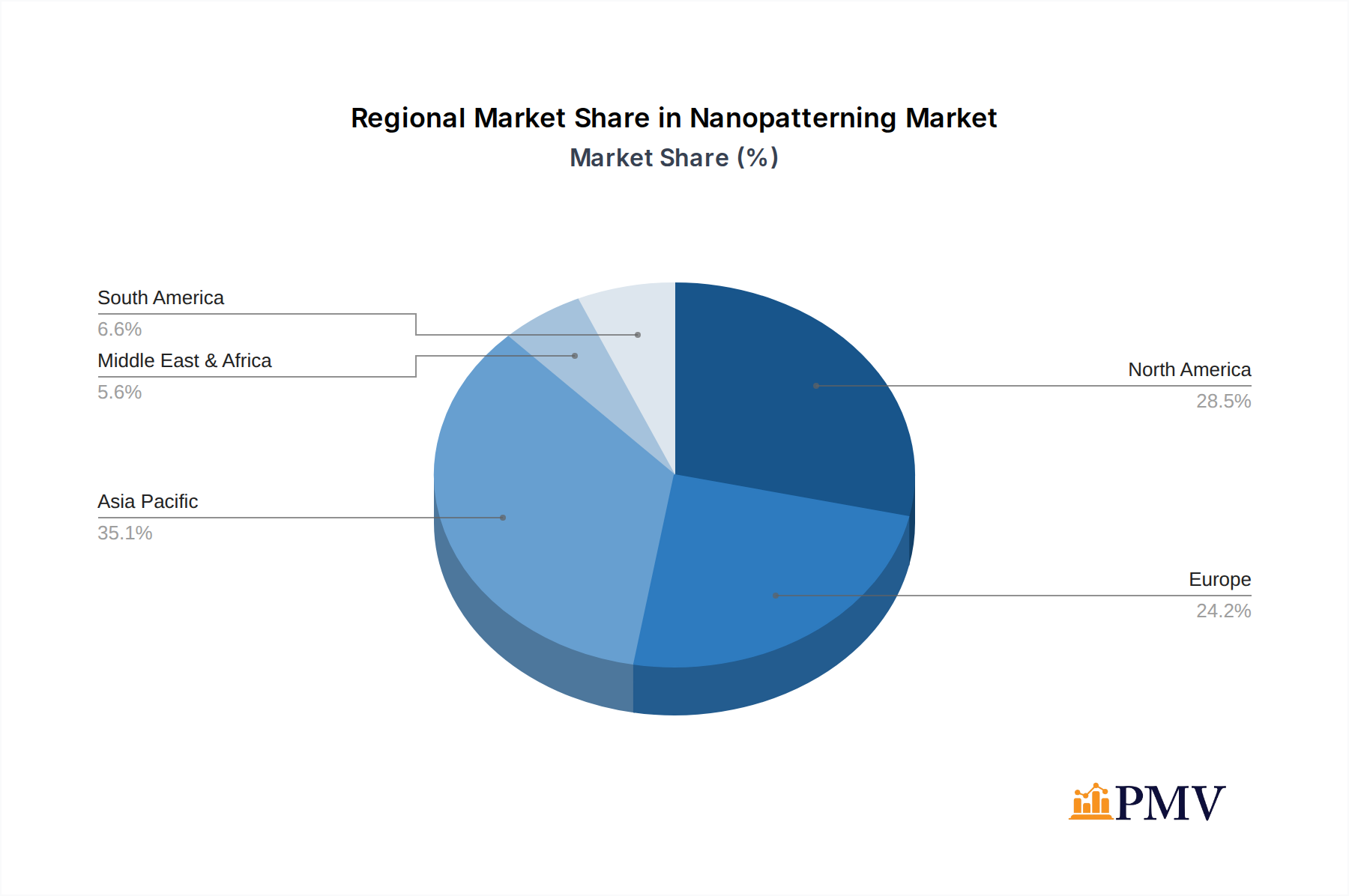
Nanopatterning Regional Market Share
Geographic Coverage of Nanopatterning
Nanopatterning REPORT HIGHLIGHTS
| Aspects | Details |
|---|---|
| Study Period | 2020-2034 |
| Base Year | 2025 |
| Estimated Year | 2026 |
| Forecast Period | 2026-2034 |
| Historical Period | 2020-2025 |
| Growth Rate | CAGR of 12.8% from 2020-2034 |
| Segmentation |
|
Table of Contents
- 1. Introduction
- 1.1. Research Scope
- 1.2. Market Segmentation
- 1.3. Research Methodology
- 1.4. Definitions and Assumptions
- 2. Executive Summary
- 2.1. Introduction
- 3. Market Dynamics
- 3.1. Introduction
- 3.2. Market Drivers
- 3.3. Market Restrains
- 3.4. Market Trends
- 4. Market Factor Analysis
- 4.1. Porters Five Forces
- 4.2. Supply/Value Chain
- 4.3. PESTEL analysis
- 4.4. Market Entropy
- 4.5. Patent/Trademark Analysis
- 5. Global Nanopatterning Analysis, Insights and Forecast, 2020-2032
- 5.1. Market Analysis, Insights and Forecast - by Application
- 5.1.1. Consumer Electronics
- 5.1.2. Healthcare
- 5.1.3. Foundry
- 5.1.4. Others
- 5.2. Market Analysis, Insights and Forecast - by Types
- 5.2.1. Nanoimprint Lithography
- 5.2.2. E-beam Lithography
- 5.2.3. Photon Based Nanolithography
- 5.2.4. Soft Lithography
- 5.2.5. UV Nanoimprint Lithography
- 5.2.6. Others
- 5.3. Market Analysis, Insights and Forecast - by Region
- 5.3.1. North America
- 5.3.2. South America
- 5.3.3. Europe
- 5.3.4. Middle East & Africa
- 5.3.5. Asia Pacific
- 5.1. Market Analysis, Insights and Forecast - by Application
- 6. North America Nanopatterning Analysis, Insights and Forecast, 2020-2032
- 6.1. Market Analysis, Insights and Forecast - by Application
- 6.1.1. Consumer Electronics
- 6.1.2. Healthcare
- 6.1.3. Foundry
- 6.1.4. Others
- 6.2. Market Analysis, Insights and Forecast - by Types
- 6.2.1. Nanoimprint Lithography
- 6.2.2. E-beam Lithography
- 6.2.3. Photon Based Nanolithography
- 6.2.4. Soft Lithography
- 6.2.5. UV Nanoimprint Lithography
- 6.2.6. Others
- 6.1. Market Analysis, Insights and Forecast - by Application
- 7. South America Nanopatterning Analysis, Insights and Forecast, 2020-2032
- 7.1. Market Analysis, Insights and Forecast - by Application
- 7.1.1. Consumer Electronics
- 7.1.2. Healthcare
- 7.1.3. Foundry
- 7.1.4. Others
- 7.2. Market Analysis, Insights and Forecast - by Types
- 7.2.1. Nanoimprint Lithography
- 7.2.2. E-beam Lithography
- 7.2.3. Photon Based Nanolithography
- 7.2.4. Soft Lithography
- 7.2.5. UV Nanoimprint Lithography
- 7.2.6. Others
- 7.1. Market Analysis, Insights and Forecast - by Application
- 8. Europe Nanopatterning Analysis, Insights and Forecast, 2020-2032
- 8.1. Market Analysis, Insights and Forecast - by Application
- 8.1.1. Consumer Electronics
- 8.1.2. Healthcare
- 8.1.3. Foundry
- 8.1.4. Others
- 8.2. Market Analysis, Insights and Forecast - by Types
- 8.2.1. Nanoimprint Lithography
- 8.2.2. E-beam Lithography
- 8.2.3. Photon Based Nanolithography
- 8.2.4. Soft Lithography
- 8.2.5. UV Nanoimprint Lithography
- 8.2.6. Others
- 8.1. Market Analysis, Insights and Forecast - by Application
- 9. Middle East & Africa Nanopatterning Analysis, Insights and Forecast, 2020-2032
- 9.1. Market Analysis, Insights and Forecast - by Application
- 9.1.1. Consumer Electronics
- 9.1.2. Healthcare
- 9.1.3. Foundry
- 9.1.4. Others
- 9.2. Market Analysis, Insights and Forecast - by Types
- 9.2.1. Nanoimprint Lithography
- 9.2.2. E-beam Lithography
- 9.2.3. Photon Based Nanolithography
- 9.2.4. Soft Lithography
- 9.2.5. UV Nanoimprint Lithography
- 9.2.6. Others
- 9.1. Market Analysis, Insights and Forecast - by Application
- 10. Asia Pacific Nanopatterning Analysis, Insights and Forecast, 2020-2032
- 10.1. Market Analysis, Insights and Forecast - by Application
- 10.1.1. Consumer Electronics
- 10.1.2. Healthcare
- 10.1.3. Foundry
- 10.1.4. Others
- 10.2. Market Analysis, Insights and Forecast - by Types
- 10.2.1. Nanoimprint Lithography
- 10.2.2. E-beam Lithography
- 10.2.3. Photon Based Nanolithography
- 10.2.4. Soft Lithography
- 10.2.5. UV Nanoimprint Lithography
- 10.2.6. Others
- 10.1. Market Analysis, Insights and Forecast - by Application
- 11. Competitive Analysis
- 11.1. Global Market Share Analysis 2025
- 11.2. Company Profiles
- 11.2.1 Nanoscribe
- 11.2.1.1. Overview
- 11.2.1.2. Products
- 11.2.1.3. SWOT Analysis
- 11.2.1.4. Recent Developments
- 11.2.1.5. Financials (Based on Availability)
- 11.2.2 Nanotypos
- 11.2.2.1. Overview
- 11.2.2.2. Products
- 11.2.2.3. SWOT Analysis
- 11.2.2.4. Recent Developments
- 11.2.2.5. Financials (Based on Availability)
- 11.2.3 NIL Technology
- 11.2.3.1. Overview
- 11.2.3.2. Products
- 11.2.3.3. SWOT Analysis
- 11.2.3.4. Recent Developments
- 11.2.3.5. Financials (Based on Availability)
- 11.2.4 Nippon Telegraph and Telephone
- 11.2.4.1. Overview
- 11.2.4.2. Products
- 11.2.4.3. SWOT Analysis
- 11.2.4.4. Recent Developments
- 11.2.4.5. Financials (Based on Availability)
- 11.2.5 Raith
- 11.2.5.1. Overview
- 11.2.5.2. Products
- 11.2.5.3. SWOT Analysis
- 11.2.5.4. Recent Developments
- 11.2.5.5. Financials (Based on Availability)
- 11.2.6 SET
- 11.2.6.1. Overview
- 11.2.6.2. Products
- 11.2.6.3. SWOT Analysis
- 11.2.6.4. Recent Developments
- 11.2.6.5. Financials (Based on Availability)
- 11.2.7 SUSS MicroTec
- 11.2.7.1. Overview
- 11.2.7.2. Products
- 11.2.7.3. SWOT Analysis
- 11.2.7.4. Recent Developments
- 11.2.7.5. Financials (Based on Availability)
- 11.2.8 SVG Optronics
- 11.2.8.1. Overview
- 11.2.8.2. Products
- 11.2.8.3. SWOT Analysis
- 11.2.8.4. Recent Developments
- 11.2.8.5. Financials (Based on Availability)
- 11.2.9 Toppan
- 11.2.9.1. Overview
- 11.2.9.2. Products
- 11.2.9.3. SWOT Analysis
- 11.2.9.4. Recent Developments
- 11.2.9.5. Financials (Based on Availability)
- 11.2.10 Vistec Electron Beam
- 11.2.10.1. Overview
- 11.2.10.2. Products
- 11.2.10.3. SWOT Analysis
- 11.2.10.4. Recent Developments
- 11.2.10.5. Financials (Based on Availability)
- 11.2.11 Nanonex
- 11.2.11.1. Overview
- 11.2.11.2. Products
- 11.2.11.3. SWOT Analysis
- 11.2.11.4. Recent Developments
- 11.2.11.5. Financials (Based on Availability)
- 11.2.12 Obducat
- 11.2.12.1. Overview
- 11.2.12.2. Products
- 11.2.12.3. SWOT Analysis
- 11.2.12.4. Recent Developments
- 11.2.12.5. Financials (Based on Availability)
- 11.2.13 AMO
- 11.2.13.1. Overview
- 11.2.13.2. Products
- 11.2.13.3. SWOT Analysis
- 11.2.13.4. Recent Developments
- 11.2.13.5. Financials (Based on Availability)
- 11.2.14 EV
- 11.2.14.1. Overview
- 11.2.14.2. Products
- 11.2.14.3. SWOT Analysis
- 11.2.14.4. Recent Developments
- 11.2.14.5. Financials (Based on Availability)
- 11.2.15 InterLitho Technology
- 11.2.15.1. Overview
- 11.2.15.2. Products
- 11.2.15.3. SWOT Analysis
- 11.2.15.4. Recent Developments
- 11.2.15.5. Financials (Based on Availability)
- 11.2.16 Meta Materials
- 11.2.16.1. Overview
- 11.2.16.2. Products
- 11.2.16.3. SWOT Analysis
- 11.2.16.4. Recent Developments
- 11.2.16.5. Financials (Based on Availability)
- 11.2.17 NanoPattern Technologies
- 11.2.17.1. Overview
- 11.2.17.2. Products
- 11.2.17.3. SWOT Analysis
- 11.2.17.4. Recent Developments
- 11.2.17.5. Financials (Based on Availability)
- 11.2.18 GuangDuo Nano
- 11.2.18.1. Overview
- 11.2.18.2. Products
- 11.2.18.3. SWOT Analysis
- 11.2.18.4. Recent Developments
- 11.2.18.5. Financials (Based on Availability)
- 11.2.19 PuLin Technology
- 11.2.19.1. Overview
- 11.2.19.2. Products
- 11.2.19.3. SWOT Analysis
- 11.2.19.4. Recent Developments
- 11.2.19.5. Financials (Based on Availability)
- 11.2.1 Nanoscribe
List of Figures
- Figure 1: Global Nanopatterning Revenue Breakdown (undefined, %) by Region 2025 & 2033
- Figure 2: North America Nanopatterning Revenue (undefined), by Application 2025 & 2033
- Figure 3: North America Nanopatterning Revenue Share (%), by Application 2025 & 2033
- Figure 4: North America Nanopatterning Revenue (undefined), by Types 2025 & 2033
- Figure 5: North America Nanopatterning Revenue Share (%), by Types 2025 & 2033
- Figure 6: North America Nanopatterning Revenue (undefined), by Country 2025 & 2033
- Figure 7: North America Nanopatterning Revenue Share (%), by Country 2025 & 2033
- Figure 8: South America Nanopatterning Revenue (undefined), by Application 2025 & 2033
- Figure 9: South America Nanopatterning Revenue Share (%), by Application 2025 & 2033
- Figure 10: South America Nanopatterning Revenue (undefined), by Types 2025 & 2033
- Figure 11: South America Nanopatterning Revenue Share (%), by Types 2025 & 2033
- Figure 12: South America Nanopatterning Revenue (undefined), by Country 2025 & 2033
- Figure 13: South America Nanopatterning Revenue Share (%), by Country 2025 & 2033
- Figure 14: Europe Nanopatterning Revenue (undefined), by Application 2025 & 2033
- Figure 15: Europe Nanopatterning Revenue Share (%), by Application 2025 & 2033
- Figure 16: Europe Nanopatterning Revenue (undefined), by Types 2025 & 2033
- Figure 17: Europe Nanopatterning Revenue Share (%), by Types 2025 & 2033
- Figure 18: Europe Nanopatterning Revenue (undefined), by Country 2025 & 2033
- Figure 19: Europe Nanopatterning Revenue Share (%), by Country 2025 & 2033
- Figure 20: Middle East & Africa Nanopatterning Revenue (undefined), by Application 2025 & 2033
- Figure 21: Middle East & Africa Nanopatterning Revenue Share (%), by Application 2025 & 2033
- Figure 22: Middle East & Africa Nanopatterning Revenue (undefined), by Types 2025 & 2033
- Figure 23: Middle East & Africa Nanopatterning Revenue Share (%), by Types 2025 & 2033
- Figure 24: Middle East & Africa Nanopatterning Revenue (undefined), by Country 2025 & 2033
- Figure 25: Middle East & Africa Nanopatterning Revenue Share (%), by Country 2025 & 2033
- Figure 26: Asia Pacific Nanopatterning Revenue (undefined), by Application 2025 & 2033
- Figure 27: Asia Pacific Nanopatterning Revenue Share (%), by Application 2025 & 2033
- Figure 28: Asia Pacific Nanopatterning Revenue (undefined), by Types 2025 & 2033
- Figure 29: Asia Pacific Nanopatterning Revenue Share (%), by Types 2025 & 2033
- Figure 30: Asia Pacific Nanopatterning Revenue (undefined), by Country 2025 & 2033
- Figure 31: Asia Pacific Nanopatterning Revenue Share (%), by Country 2025 & 2033
List of Tables
- Table 1: Global Nanopatterning Revenue undefined Forecast, by Application 2020 & 2033
- Table 2: Global Nanopatterning Revenue undefined Forecast, by Types 2020 & 2033
- Table 3: Global Nanopatterning Revenue undefined Forecast, by Region 2020 & 2033
- Table 4: Global Nanopatterning Revenue undefined Forecast, by Application 2020 & 2033
- Table 5: Global Nanopatterning Revenue undefined Forecast, by Types 2020 & 2033
- Table 6: Global Nanopatterning Revenue undefined Forecast, by Country 2020 & 2033
- Table 7: United States Nanopatterning Revenue (undefined) Forecast, by Application 2020 & 2033
- Table 8: Canada Nanopatterning Revenue (undefined) Forecast, by Application 2020 & 2033
- Table 9: Mexico Nanopatterning Revenue (undefined) Forecast, by Application 2020 & 2033
- Table 10: Global Nanopatterning Revenue undefined Forecast, by Application 2020 & 2033
- Table 11: Global Nanopatterning Revenue undefined Forecast, by Types 2020 & 2033
- Table 12: Global Nanopatterning Revenue undefined Forecast, by Country 2020 & 2033
- Table 13: Brazil Nanopatterning Revenue (undefined) Forecast, by Application 2020 & 2033
- Table 14: Argentina Nanopatterning Revenue (undefined) Forecast, by Application 2020 & 2033
- Table 15: Rest of South America Nanopatterning Revenue (undefined) Forecast, by Application 2020 & 2033
- Table 16: Global Nanopatterning Revenue undefined Forecast, by Application 2020 & 2033
- Table 17: Global Nanopatterning Revenue undefined Forecast, by Types 2020 & 2033
- Table 18: Global Nanopatterning Revenue undefined Forecast, by Country 2020 & 2033
- Table 19: United Kingdom Nanopatterning Revenue (undefined) Forecast, by Application 2020 & 2033
- Table 20: Germany Nanopatterning Revenue (undefined) Forecast, by Application 2020 & 2033
- Table 21: France Nanopatterning Revenue (undefined) Forecast, by Application 2020 & 2033
- Table 22: Italy Nanopatterning Revenue (undefined) Forecast, by Application 2020 & 2033
- Table 23: Spain Nanopatterning Revenue (undefined) Forecast, by Application 2020 & 2033
- Table 24: Russia Nanopatterning Revenue (undefined) Forecast, by Application 2020 & 2033
- Table 25: Benelux Nanopatterning Revenue (undefined) Forecast, by Application 2020 & 2033
- Table 26: Nordics Nanopatterning Revenue (undefined) Forecast, by Application 2020 & 2033
- Table 27: Rest of Europe Nanopatterning Revenue (undefined) Forecast, by Application 2020 & 2033
- Table 28: Global Nanopatterning Revenue undefined Forecast, by Application 2020 & 2033
- Table 29: Global Nanopatterning Revenue undefined Forecast, by Types 2020 & 2033
- Table 30: Global Nanopatterning Revenue undefined Forecast, by Country 2020 & 2033
- Table 31: Turkey Nanopatterning Revenue (undefined) Forecast, by Application 2020 & 2033
- Table 32: Israel Nanopatterning Revenue (undefined) Forecast, by Application 2020 & 2033
- Table 33: GCC Nanopatterning Revenue (undefined) Forecast, by Application 2020 & 2033
- Table 34: North Africa Nanopatterning Revenue (undefined) Forecast, by Application 2020 & 2033
- Table 35: South Africa Nanopatterning Revenue (undefined) Forecast, by Application 2020 & 2033
- Table 36: Rest of Middle East & Africa Nanopatterning Revenue (undefined) Forecast, by Application 2020 & 2033
- Table 37: Global Nanopatterning Revenue undefined Forecast, by Application 2020 & 2033
- Table 38: Global Nanopatterning Revenue undefined Forecast, by Types 2020 & 2033
- Table 39: Global Nanopatterning Revenue undefined Forecast, by Country 2020 & 2033
- Table 40: China Nanopatterning Revenue (undefined) Forecast, by Application 2020 & 2033
- Table 41: India Nanopatterning Revenue (undefined) Forecast, by Application 2020 & 2033
- Table 42: Japan Nanopatterning Revenue (undefined) Forecast, by Application 2020 & 2033
- Table 43: South Korea Nanopatterning Revenue (undefined) Forecast, by Application 2020 & 2033
- Table 44: ASEAN Nanopatterning Revenue (undefined) Forecast, by Application 2020 & 2033
- Table 45: Oceania Nanopatterning Revenue (undefined) Forecast, by Application 2020 & 2033
- Table 46: Rest of Asia Pacific Nanopatterning Revenue (undefined) Forecast, by Application 2020 & 2033
Frequently Asked Questions
1. What is the projected Compound Annual Growth Rate (CAGR) of the Nanopatterning?
The projected CAGR is approximately 12.8%.
2. Which companies are prominent players in the Nanopatterning?
Key companies in the market include Nanoscribe, Nanotypos, NIL Technology, Nippon Telegraph and Telephone, Raith, SET, SUSS MicroTec, SVG Optronics, Toppan, Vistec Electron Beam, Nanonex, Obducat, AMO, EV, InterLitho Technology, Meta Materials, NanoPattern Technologies, GuangDuo Nano, PuLin Technology.
3. What are the main segments of the Nanopatterning?
The market segments include Application, Types.
4. Can you provide details about the market size?
The market size is estimated to be USD XXX N/A as of 2022.
5. What are some drivers contributing to market growth?
N/A
6. What are the notable trends driving market growth?
N/A
7. Are there any restraints impacting market growth?
N/A
8. Can you provide examples of recent developments in the market?
N/A
9. What pricing options are available for accessing the report?
Pricing options include single-user, multi-user, and enterprise licenses priced at USD 3950.00, USD 5925.00, and USD 7900.00 respectively.
10. Is the market size provided in terms of value or volume?
The market size is provided in terms of value, measured in N/A.
11. Are there any specific market keywords associated with the report?
Yes, the market keyword associated with the report is "Nanopatterning," which aids in identifying and referencing the specific market segment covered.
12. How do I determine which pricing option suits my needs best?
The pricing options vary based on user requirements and access needs. Individual users may opt for single-user licenses, while businesses requiring broader access may choose multi-user or enterprise licenses for cost-effective access to the report.
13. Are there any additional resources or data provided in the Nanopatterning report?
While the report offers comprehensive insights, it's advisable to review the specific contents or supplementary materials provided to ascertain if additional resources or data are available.
14. How can I stay updated on further developments or reports in the Nanopatterning?
To stay informed about further developments, trends, and reports in the Nanopatterning, consider subscribing to industry newsletters, following relevant companies and organizations, or regularly checking reputable industry news sources and publications.
Methodology
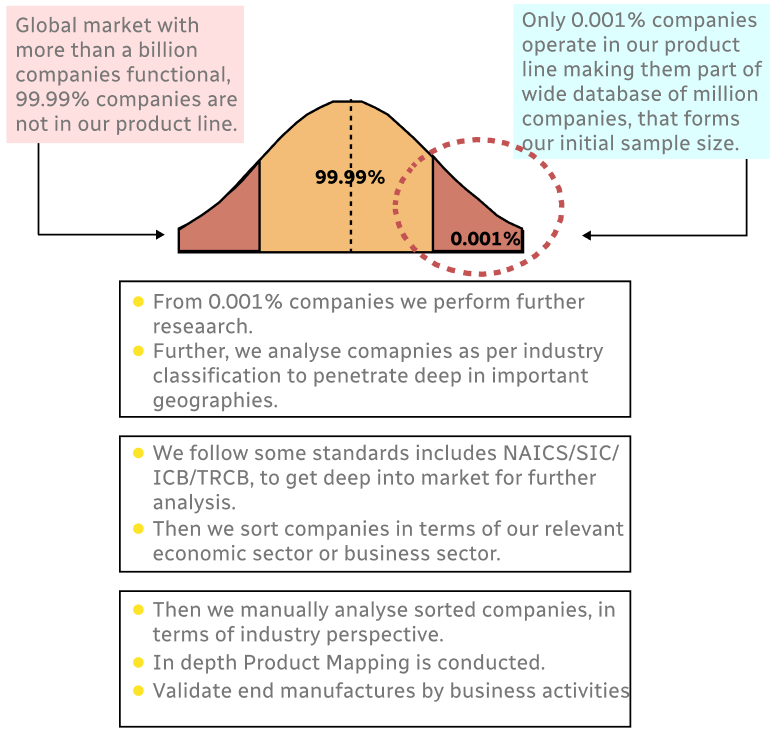
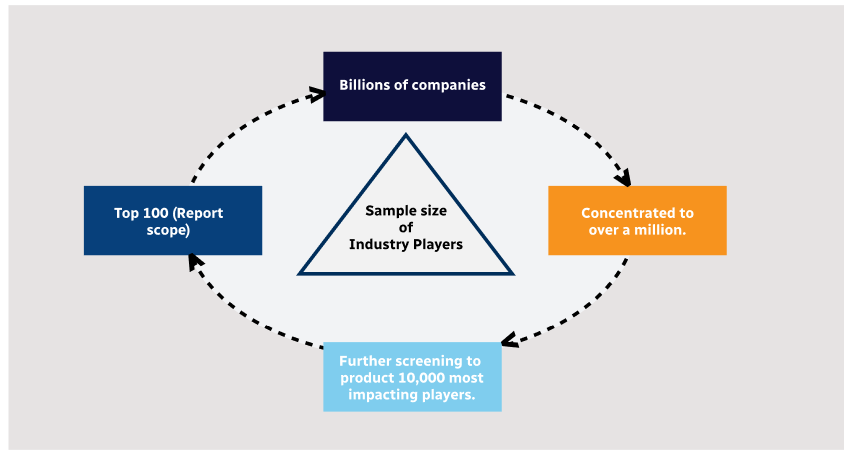
Step 1 - Identification of Relevant Samples Size from Population Database
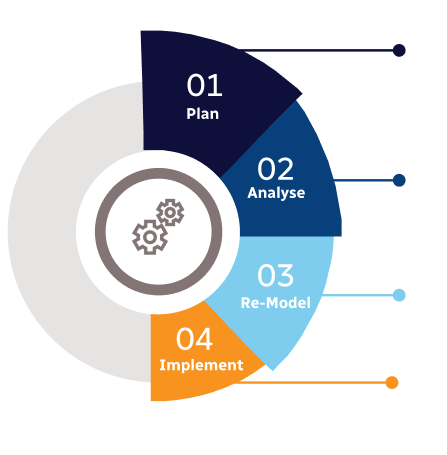
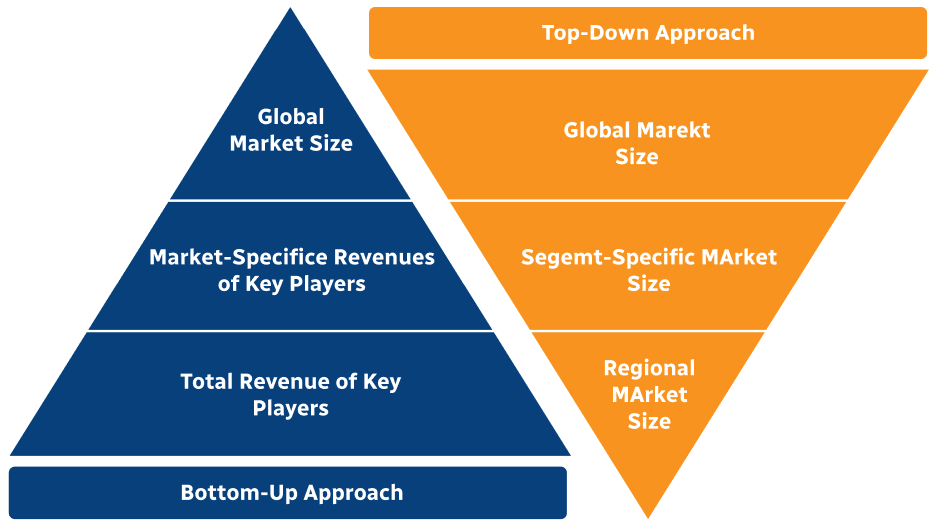
Step 2 - Approaches for Defining Global Market Size (Value, Volume* & Price*)
Note*: In applicable scenarios
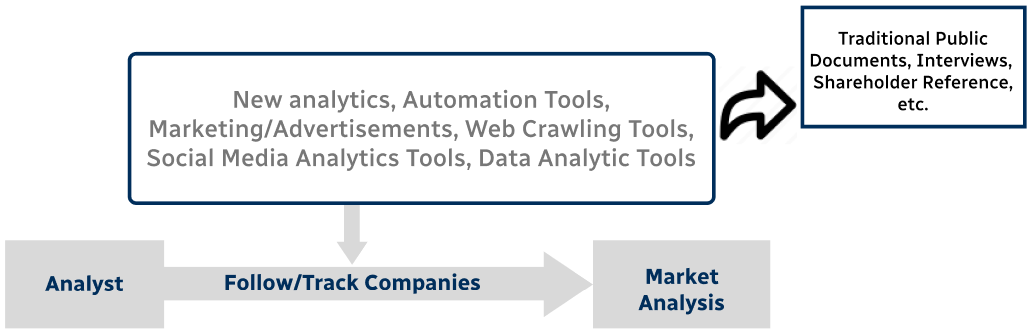
Step 3 - Data Sources
Primary Research
- Web Analytics
- Survey Reports
- Research Institute
- Latest Research Reports
- Opinion Leaders
Secondary Research
- Annual Reports
- White Paper
- Latest Press Release
- Industry Association
- Paid Database
- Investor Presentations
Step 4 - Data Triangulation
Involves using different sources of information in order to increase the validity of a study
These sources are likely to be stakeholders in a program - participants, other researchers, program staff, other community members, and so on.
Then we put all data in single framework & apply various statistical tools to find out the dynamic on the market.
During the analysis stage, feedback from the stakeholder groups would be compared to determine areas of agreement as well as areas of divergence