


Middle East Battery Industry Unlocking Growth Potential: Analysis and Forecasts 2026-2034

Middle East Battery Industry by Type (Primary Battery, Secondary Battery), by Technology (Lead-acid Battery, Lithium-ion Battery, Other Technologies), by Application (Automotive, Industri, Consumer Electronics, Other Applications), by Geography (United Arab Emirates, Saudi Arabia, Rest of the Middle-East), by United Arab Emirates, by Saudi Arabia, by Rest of the Middle East Forecast 2026-2034

Jan 1 2026
Base Year: 2025

234 Pages
Main Logo

Middle East Battery Industry Unlocking Growth Potential: Analysis and Forecasts 2026-2034


Home
Industries
Energy & Power

About Precision Market View

Precision Market View offers precise market research, industry intelligence, and data analysis for healthcare, manufacturing, technology, and energy. Our reports provide the clarity you need to make informed decisions and drive growth.

Our team combines primary research, advanced analytics, and industry expertise to deliver actionable intelligence. We offer syndicated reports, custom research, and consulting services tailored to your business needs.

At Precision Market View, we are committed to quality, transparency, and client satisfaction. Every report is rigorously validated to ensure accuracy and relevance. Our global perspective and local expertise help you understand both the big picture and the finer details of your market.

Stay informed with Precision Market View. Subscribe to our newsletter for the latest updates and research highlights, and follow us on social media for real-time insights.

Precision Market View – Clarity for Your Strategic Decisions.

artwork spiralartwork spiralRelated Reports
artwork underline

Wind Energy Turbine in China Market in Developing Economies: Trends and Growth Analysis 2026-2034

Explore the booming Chinese Wind Energy Turbine market with a **$6.27 billion market size** and a **16.34% CAGR**. Discover key drivers, trends, restraints, and regional insights for this rapidly growing renewable energy sector through 2033.

January 2026
Base Year: 2025
No Of Pages: 197
Price: $3800

Strategic Drivers and Barriers in APAC Fuel Cell Technology Market Market 2026-2034

Explore the booming APAC Fuel Cell Technology Market, projected to hit **USD 11.87 billion by 2025** with a **CAGR of 25.17%**. Discover key drivers, emerging trends, and leading companies shaping the future of clean energy in Asia-Pacific.

January 2026
Base Year: 2025
No Of Pages: 234
Price: $4750

Europe Industrial Traction Battery Industry Competitive Strategies: Trends and Forecasts 2026-2034

Explore the booming Europe Industrial Traction Battery market, valued at over $22 billion in 2025 with a remarkable 21.25% CAGR. Discover key drivers, Lithium-ion trends, and growth forecasts through 2033.

January 2026
Base Year: 2025
No Of Pages: 234
Price: $4750

Strategic Insights into Low Voltage Cable Market Market Trends

The size of the Low Voltage Cable Market market was valued at USD 161.75 billion in 2024 and is projected to reach USD 240.02 billion by 2033, with an expected CAGR of 5.8% during the forecast period.

January 2026
Base Year: 2025
No Of Pages: 234
Price: $4750

Exploring Opportunities in Pumps Market Sector

Explore the global Pumps Market analysis, including a projected market size of $110.22 million and a CAGR of 3.60%. Discover key drivers, trends, restraints, and segment analysis for centrifugal and positive displacement pumps across various end-user industries like oil & gas, water, and chemicals.

January 2026
Base Year: 2025
No Of Pages: 234
Price: $4750

Navigating Germany Electric Vehicle Battery Separator Market Market Growth 2026-2034

Explore the booming Germany Electric Vehicle (EV) Battery Separator Market, driven by strong EV adoption, technological advancements, and a **18.00%** CAGR. Discover market size, key drivers, trends, and restraints shaping this dynamic industry.

January 2026
Base Year: 2025
No Of Pages: 197
Price: $3800
sponsor image
sponsor image
sponsor image
sponsor image
sponsor image

Tailored for you

  • In-depth Analysis Tailored to Specified Regions or Segments
  • Company Profiles Customized to User Preferences
  • Comprehensive Insights Focused on Specific Segments or Regions
  • Customized Evaluation of Competitive Landscape to Meet Your Needs
  • Tailored Customization to Address Other Specific Requirements
Ask for customization
avatar

Analyst at Providence Strategic Partners at Petaling Jaya

Jared Wan

I have received the report already. Thanks you for your help.it has been a pleasure working with you. Thank you againg for a good quality report

avatar

US TPS Business Development Manager at Thermon

Erik Perison

The response was good, and I got what I was looking for as far as the report. Thank you for that.

avatar

Global Product, Quality & Strategy Executive- Principal Innovator at Donaldson

Shankar Godavarti

As requested- presale engagement was good, your perseverance, support and prompt responses were noted. Your follow up with vm’s were much appreciated. Happy with the final report and post sales by your team.

Business Address

Head Office

Ansec House 3 rd floor Tank Road, Yerwada, Pune, Maharashtra 411014

Contact Information

Craig Francis

Business Development Head

+17162654855

[email protected]

Secure Payment Partners

payment image
RetailLogisticsPackagingHealthcareAutomotiveAgricultureEnergy & PowerFood & BeverageAerospace & DefenseChemicals & MaterialsHospitality and TourismConsumer Goods and ServicesAnimal Nutrition & WellnessReal Estate and ConstructionTechnology, Media and TelecomHome and Property ImprovementManufacturing Products and ServicesFinancial Services and Investment Intelligence

© 2026 PRDUA Research & Media Private Limited, All rights reserved

Privacy Policy
Terms and Conditions
FAQ
  • Home
  • About Us
  • Industries
    • Retail
    • Hospitality and Tourism
    • Agriculture
    • Manufacturing Products and Services
    • Healthcare
    • Logistics
    • Aerospace & Defense
    • Professional and Commercial Services
    • Financial Services and Investment Intelligence
    • Consumer Goods and Services
    • Animal Nutrition & Wellness
    • Technology, Media and Telecom
    • Automotive
    • Home and Property Improvement
    • Real Estate and Construction
    • Packaging
    • Chemicals & Materials
    • Energy & Power
    • Food & Beverage
  • Services
  • Contact
Main Logo
  • Home
  • About Us
  • Industries
    • Retail
    • Hospitality and Tourism
    • Agriculture
    • Manufacturing Products and Services
    • Healthcare
    • Logistics
    • Aerospace & Defense
    • Professional and Commercial Services
    • Financial Services and Investment Intelligence
    • Consumer Goods and Services
    • Animal Nutrition & Wellness
    • Technology, Media and Telecom
    • Automotive
    • Home and Property Improvement
    • Real Estate and Construction
    • Packaging
    • Chemicals & Materials
    • Energy & Power
    • Food & Beverage
  • Services
  • Contact
+17162654855
[email protected]

+17162654855

[email protected]

Key Insights

The Middle East battery market is poised for robust growth, projected to reach an estimated USD 6,136 million in 2024. This expansion is fueled by a CAGR of 2.82% expected to persist through 2033. Key drivers for this growth include the escalating demand for reliable energy storage solutions across various sectors, particularly in the automotive industry driven by increasing vehicle sales and the nascent but growing interest in electric vehicles. Furthermore, the industrial sector's continuous development, including infrastructure projects and manufacturing expansion, necessitates advanced battery technologies for uninterrupted operations and power backup. Consumer electronics, a consistent growth area, also contributes significantly to battery consumption. The market is segmented by type into primary and secondary batteries, with secondary batteries, especially Lithium-ion and Lead-acid technologies, dominating due to their reusability and evolving performance characteristics.

Middle East Battery Industry Research Report - Market Overview and Key Insights

Middle East Battery Industry Market Size (In Billion)

7.5B
6.0B
4.5B
3.0B
1.5B
0
5.200 B
2019
5.350 B
2020
5.550 B
2021
5.800 B
2022
6.000 B
2023
6.136 B
2024
6.300 B
2025
Main Logo

Geographically, the United Arab Emirates and Saudi Arabia are expected to be the leading markets, owing to significant investments in smart city initiatives, renewable energy storage, and industrial diversification. The "Rest of the Middle East" region, while currently smaller, presents substantial untapped potential as countries focus on enhancing their energy infrastructure and adopting modern technologies. While the market benefits from strong demand, it faces restraints such as fluctuating raw material prices, particularly for lithium and cobalt, and the initial high cost of advanced battery technologies, which can slow down adoption in price-sensitive segments. Nevertheless, ongoing research and development, coupled with strategic investments from key players like EnerSys, Middle East Battery Company (MEBCO), and Tesla Inc., are expected to drive innovation and cost-efficiency, further solidifying the market's upward trajectory.

Middle East Battery Industry Market Size and Forecast (2024-2030)

Middle East Battery Industry Company Market Share

Loading chart...
Main Logo

This in-depth report provides an exhaustive analysis of the Middle East battery industry, offering critical insights into market dynamics, growth drivers, competitive landscapes, and future outlook. Targeting industry stakeholders, investors, and decision-makers, this report is a definitive guide to navigating the evolving Middle East battery market. Our comprehensive research covers all major segments including primary batteries and secondary batteries, with a detailed focus on lead-acid batteries, lithium-ion batteries, and other battery technologies. We examine diverse applications such as automotive batteries, industrial batteries, consumer electronics batteries, and other battery applications across key geographies including the United Arab Emirates, Saudi Arabia, and the Rest of the Middle East.

Study Period: 2019–2033 | Base Year: 2025 | Estimated Year: 2025 | Forecast Period: 2025–2033 | Historical Period: 2019–2024


Middle East Battery Industry Market Structure & Competitive Dynamics

The Middle East battery market exhibits a dynamic and evolving competitive structure, characterized by increasing foreign investment and growing local manufacturing capabilities. Market concentration varies across different segments, with established players in traditional lead-acid battery manufacturing and emerging players in the lithium-ion battery sector. Innovation ecosystems are rapidly developing, driven by government initiatives promoting localization and advanced manufacturing. Regulatory frameworks are becoming more supportive, fostering growth in automotive battery, industrial battery, and consumer electronics battery sectors. Product substitutes are being influenced by technological advancements, with lithium-ion batteries increasingly challenging lead-acid batteries in performance-critical applications. End-user trends are leaning towards higher energy density, faster charging, and longer lifespan solutions, especially for electric vehicles and renewable energy storage. Merger and acquisition (M&A) activities are anticipated to increase as companies seek to expand their market reach, technological portfolios, and vertical integration. For instance, strategic investments in the electric vehicle battery metals plant announced by Saudi Arabia in May 2022, with USD 2 billion allocated, signal significant M&A potential.


Middle East Battery Industry Industry Trends & Insights

The Middle East battery industry is experiencing robust growth, propelled by a confluence of technological advancements, supportive government policies, and burgeoning end-user demand. A significant driver is the increasing adoption of electric vehicles (EVs) across the region, which is directly fueling demand for high-performance lithium-ion batteries. This trend is further amplified by aggressive national visions aimed at diversifying economies away from fossil fuels and promoting sustainable transportation. The region's focus on renewable energy projects, such as solar and wind farms, is also a major catalyst for the industrial battery segment, particularly for energy storage solutions. Technological disruptions, including breakthroughs in battery chemistries, charging technologies, and battery management systems, are continuously reshaping the competitive landscape. Consumer preferences are shifting towards smarter, more efficient, and longer-lasting battery solutions for portable electronics and other applications. The competitive dynamics are intensifying, with both established global players and ambitious local manufacturers vying for market share. The CAGR for the Middle East battery market is projected to be substantial in the coming years, driven by these factors. Market penetration of advanced battery technologies is expected to rise significantly, particularly in sectors like renewable energy and grid storage. The development of local manufacturing capabilities, supported by substantial government investments as seen in Saudi Arabia’s initiatives, is crucial for meeting future demand and fostering regional self-sufficiency in battery production.


Dominant Markets & Segments in Middle East Battery Industry

The Middle East battery industry is characterized by distinct dominant markets and segments, each driven by specific factors.

  • Dominant Geography: Saudi Arabia and the United Arab Emirates are emerging as the leading hubs for battery manufacturing, investment, and consumption. This dominance is underpinned by:

    • Economic Policies: Proactive government initiatives and substantial investments in industrial diversification and advanced manufacturing. For example, Saudi Arabia's commitment of USD 6 billion for an electric vehicle battery metals plant and related infrastructure demonstrates a strong policy push.
    • Infrastructure Development: Significant investments in industrial zones, logistics networks, and power grids to support large-scale manufacturing and energy storage projects.
    • Demand Growth: Rapidly expanding automotive sectors, increasing adoption of EVs, and ambitious renewable energy targets drive demand for various battery types.
  • Dominant Technology:

    • Lithium-ion Battery: This segment is experiencing the most rapid growth, driven by its superior energy density, lifespan, and suitability for demanding applications like EVs and grid storage. The ongoing development of the electric vehicle battery metals plant and integrated battery chemicals complexes signals a strategic focus on this technology.
    • Lead-acid Battery: Remains dominant in traditional automotive and industrial backup power applications due to its cost-effectiveness and proven reliability. However, its market share is expected to face pressure from advanced battery technologies in certain segments.
  • Dominant Application:

    • Automotive: The burgeoning automotive sector, particularly the push towards electric mobility, is a primary growth engine. The demand for automotive batteries, both for internal combustion engines and EVs, is substantial.
    • Industrial: Applications in renewable energy storage, grid stabilization, uninterruptible power supplies (UPS), and telecommunications are significant contributors to market growth. The expansion of industrial infrastructure and the need for reliable backup power solutions are key drivers.
  • Dominant Type:

    • Secondary Battery: This category, encompassing rechargeable batteries like lithium-ion and lead-acid batteries, dominates the market due to its widespread use in transportation, electronics, and energy storage.

The strategic focus on developing integrated battery value chains, from raw material sourcing to manufacturing of advanced battery components and finished products, is a key trend shaping the dominance of specific segments and geographies. The significant allocation of USD 2 billion for the electric vehicle battery metals plant highlights the strategic importance of securing supply chains for lithium-ion battery production.


Middle East Battery Industry Product Innovations

Product innovation in the Middle East battery industry is primarily focused on enhancing energy density, improving safety, and extending cycle life for lithium-ion batteries. Developments also include advancements in faster charging capabilities and more sustainable manufacturing processes for both lead-acid and lithium-ion chemistries. The emergence of solid-state battery technologies and improved thermal management systems are also key areas of research. These innovations are crucial for meeting the demanding requirements of electric vehicles, grid-scale energy storage, and next-generation portable electronics, offering competitive advantages through superior performance and reliability.


Report Segmentation & Scope

This report meticulously segments the Middle East battery industry to provide a granular understanding of the market. The segmentation covers:

  • Battery Type: This includes a detailed analysis of Primary Battery and Secondary Battery markets, with a focus on the growth trajectories and market shares of each. Projections for Secondary Battery are expected to be significantly higher due to rechargeability demands.
  • Battery Technology: The report delves into Lead-acid Battery, Lithium-ion Battery, and Other Technologies. The Lithium-ion Battery segment is projected for substantial growth, while Lead-acid Battery will maintain a strong presence in established applications.
  • Application: We examine the Automotive, Industrial, Consumer Electronics, and Other Applications segments. The Automotive and Industrial sectors are expected to be the fastest-growing, driven by EV adoption and renewable energy expansion.
  • Geography: The market is analyzed across the United Arab Emirates, Saudi Arabia, and the Rest of the Middle East. Saudi Arabia and the UAE are anticipated to lead in terms of market size and growth due to significant investments and policy support.

Each segment's market size, growth projections, and competitive dynamics are thoroughly analyzed.


Key Drivers of Middle East Battery Industry Growth

The growth of the Middle East battery industry is propelled by several key factors:

  • Electric Vehicle (EV) Adoption: Government initiatives and increasing consumer interest in EVs are driving demand for high-capacity lithium-ion batteries.
  • Renewable Energy Expansion: Large-scale solar and wind projects necessitate robust energy storage solutions, boosting the industrial battery segment.
  • Government Support & Investment: Strategic investments in battery manufacturing, such as Saudi Arabia's electric vehicle battery metals plant, are fostering local production and technological advancement.
  • Infrastructure Development: Ongoing investments in industrial parks and power grids support the expansion of battery production and deployment.
  • Technological Advancements: Innovations in battery chemistry and performance are making batteries more efficient and suitable for a wider range of applications.

Challenges in the Middle East Battery Industry Sector

Despite the robust growth, the Middle East battery industry faces several challenges:

  • Supply Chain Dependencies: Reliance on imported raw materials and components for advanced battery technologies poses a risk.
  • Skilled Workforce Shortage: A lack of specialized talent in battery manufacturing and R&D can hinder rapid expansion.
  • High Initial Investment Costs: Establishing advanced battery manufacturing facilities requires significant capital expenditure.
  • Recycling Infrastructure: Developing efficient and widespread battery recycling capabilities is crucial for sustainability and resource management.
  • Market Volatility: Fluctuations in raw material prices and evolving technological landscapes can impact profitability.

Leading Players in the Middle East Battery Industry Market

  • EnerSys
  • Middle East Battery Company (MEBCO)
  • Saft Groupe SA
  • Statron Ltd*List Not Exhaustive
  • Exide Industries Ltd
  • C&D Technologies Inc
  • FIAMM Energy Technology SpA
  • Tesla Inc
  • Panasonic Corporation

Key Developments in Middle East Battery Industry Sector

  • May 2022: Saudi Arabia's Ministry of Industry and Mineral Resources announced that it had secured USD 6 billion for a steel plate mill complex and an electric vehicle battery metals plant. Out of the total amount of USD 6 billion, USD 2 billion will be allocated for the electric vehicle battery metals plant. This development is critical for establishing a localized supply chain for EV battery components.
  • January 2023: EV Metals Group (EVM) signed agreements for the allocation of 127 hectares of land from the Royal Commission for Jubail and Yanbu (RCJY) and a gas and power allocation from the Saudi Ministry of Energy. The agreements support EVM's planned USD 899 million integrated Battery Chemicals Complex at Yanbu Industrial City. This move signifies a significant step towards domestic production of battery-grade chemicals, crucial for the entire lithium-ion battery value chain.

Strategic Middle East Battery Industry Market Outlook

The strategic outlook for the Middle East battery industry is exceptionally promising, driven by aggressive government mandates and a strong commitment to diversifying economies through high-tech manufacturing. The region is positioning itself as a global hub for battery production and innovation, particularly in the lithium-ion battery sector, leveraging its strategic location and abundant energy resources. Future growth accelerators include the expansion of domestic EV manufacturing, continued investment in renewable energy storage to support grid stability, and the development of a circular economy for batteries through advanced recycling initiatives. The strategic focus on value chain integration, from raw material processing to battery assembly, will further solidify the region's competitive advantage. Opportunities abound for companies looking to establish manufacturing plants, invest in R&D, and tap into the rapidly growing demand for sustainable energy storage solutions.

Middle East Battery Industry Segmentation

  • 1. Type
    • 1.1. Primary Battery
    • 1.2. Secondary Battery
  • 2. Technology
    • 2.1. Lead-acid Battery
    • 2.2. Lithium-ion Battery
    • 2.3. Other Technologies
  • 3. Application
    • 3.1. Automotive
    • 3.2. Industri
    • 3.3. Consumer Electronics
    • 3.4. Other Applications
  • 4. Geography
    • 4.1. United Arab Emirates
    • 4.2. Saudi Arabia
    • 4.3. Rest of the Middle-East

Middle East Battery Industry Segmentation By Geography

  • 1. United Arab Emirates
  • 2. Saudi Arabia
  • 3. Rest of the Middle East
Middle East Battery Industry Market Share by Region - Global Geographic Distribution

Middle East Battery Industry Regional Market Share

Loading chart...
Main Logo

Geographic Coverage of Middle East Battery Industry

Higher Coverage
Lower Coverage
No Coverage

Middle East Battery Industry REPORT HIGHLIGHTS

AspectsDetails
Study Period 2020-2034
Base Year 2025
Estimated Year 2026
Forecast Period2026-2034
Historical Period2020-2025
Growth RateCAGR of 2.82% from 2020-2034
Segmentation
    • By Type
      • Primary Battery
      • Secondary Battery
    • By Technology
      • Lead-acid Battery
      • Lithium-ion Battery
      • Other Technologies
    • By Application
      • Automotive
      • Industri
      • Consumer Electronics
      • Other Applications
    • By Geography
      • United Arab Emirates
      • Saudi Arabia
      • Rest of the Middle-East
  • By Geography
    • United Arab Emirates
    • Saudi Arabia
    • Rest of the Middle East

Table of Contents

  1. 1. Introduction
    • 1.1. Research Scope
    • 1.2. Market Segmentation
    • 1.3. Research Methodology
    • 1.4. Definitions and Assumptions
  2. 2. Executive Summary
    • 2.1. Introduction
  3. 3. Market Dynamics
    • 3.1. Introduction
      • 3.2. Market Drivers
        • 3.2.1. 4.; The High Amount of Waste Generation in the Country4.; The growing Focus on Non-Fossil Fuel Sources
      • 3.3. Market Restrains
        • 3.3.1. 4.; The Recycling Rate of Waste in Germany
      • 3.4. Market Trends
        • 3.4.1. Lead-acid Batteries to Dominate the Market
  4. 4. Market Factor Analysis
    • 4.1. Porters Five Forces
    • 4.2. Supply/Value Chain
    • 4.3. PESTEL analysis
    • 4.4. Market Entropy
    • 4.5. Patent/Trademark Analysis
  5. 5. Middle East Battery Industry Analysis, Insights and Forecast, 2020-2032
    • 5.1. Market Analysis, Insights and Forecast - by Type
      • 5.1.1. Primary Battery
      • 5.1.2. Secondary Battery
    • 5.2. Market Analysis, Insights and Forecast - by Technology
      • 5.2.1. Lead-acid Battery
      • 5.2.2. Lithium-ion Battery
      • 5.2.3. Other Technologies
    • 5.3. Market Analysis, Insights and Forecast - by Application
      • 5.3.1. Automotive
      • 5.3.2. Industri
      • 5.3.3. Consumer Electronics
      • 5.3.4. Other Applications
    • 5.4. Market Analysis, Insights and Forecast - by Geography
      • 5.4.1. United Arab Emirates
      • 5.4.2. Saudi Arabia
      • 5.4.3. Rest of the Middle-East
    • 5.5. Market Analysis, Insights and Forecast - by Region
      • 5.5.1. United Arab Emirates
      • 5.5.2. Saudi Arabia
      • 5.5.3. Rest of the Middle East
  6. 6. United Arab Emirates Middle East Battery Industry Analysis, Insights and Forecast, 2020-2032
    • 6.1. Market Analysis, Insights and Forecast - by Type
      • 6.1.1. Primary Battery
      • 6.1.2. Secondary Battery
    • 6.2. Market Analysis, Insights and Forecast - by Technology
      • 6.2.1. Lead-acid Battery
      • 6.2.2. Lithium-ion Battery
      • 6.2.3. Other Technologies
    • 6.3. Market Analysis, Insights and Forecast - by Application
      • 6.3.1. Automotive
      • 6.3.2. Industri
      • 6.3.3. Consumer Electronics
      • 6.3.4. Other Applications
    • 6.4. Market Analysis, Insights and Forecast - by Geography
      • 6.4.1. United Arab Emirates
      • 6.4.2. Saudi Arabia
      • 6.4.3. Rest of the Middle-East
  7. 7. Saudi Arabia Middle East Battery Industry Analysis, Insights and Forecast, 2020-2032
    • 7.1. Market Analysis, Insights and Forecast - by Type
      • 7.1.1. Primary Battery
      • 7.1.2. Secondary Battery
    • 7.2. Market Analysis, Insights and Forecast - by Technology
      • 7.2.1. Lead-acid Battery
      • 7.2.2. Lithium-ion Battery
      • 7.2.3. Other Technologies
    • 7.3. Market Analysis, Insights and Forecast - by Application
      • 7.3.1. Automotive
      • 7.3.2. Industri
      • 7.3.3. Consumer Electronics
      • 7.3.4. Other Applications
    • 7.4. Market Analysis, Insights and Forecast - by Geography
      • 7.4.1. United Arab Emirates
      • 7.4.2. Saudi Arabia
      • 7.4.3. Rest of the Middle-East
  8. 8. Rest of the Middle East Middle East Battery Industry Analysis, Insights and Forecast, 2020-2032
    • 8.1. Market Analysis, Insights and Forecast - by Type
      • 8.1.1. Primary Battery
      • 8.1.2. Secondary Battery
    • 8.2. Market Analysis, Insights and Forecast - by Technology
      • 8.2.1. Lead-acid Battery
      • 8.2.2. Lithium-ion Battery
      • 8.2.3. Other Technologies
    • 8.3. Market Analysis, Insights and Forecast - by Application
      • 8.3.1. Automotive
      • 8.3.2. Industri
      • 8.3.3. Consumer Electronics
      • 8.3.4. Other Applications
    • 8.4. Market Analysis, Insights and Forecast - by Geography
      • 8.4.1. United Arab Emirates
      • 8.4.2. Saudi Arabia
      • 8.4.3. Rest of the Middle-East
  9. 9. Competitive Analysis
    • 9.1. Market Share Analysis 2025
      • 9.2. Company Profiles
        • 9.2.1 EnerSys
          • 9.2.1.1. Overview
          • 9.2.1.2. Products
          • 9.2.1.3. SWOT Analysis
          • 9.2.1.4. Recent Developments
          • 9.2.1.5. Financials (Based on Availability)
        • 9.2.2 Middle East Battery Company (MEBCO)
          • 9.2.2.1. Overview
          • 9.2.2.2. Products
          • 9.2.2.3. SWOT Analysis
          • 9.2.2.4. Recent Developments
          • 9.2.2.5. Financials (Based on Availability)
        • 9.2.3 Saft Groupe SA
          • 9.2.3.1. Overview
          • 9.2.3.2. Products
          • 9.2.3.3. SWOT Analysis
          • 9.2.3.4. Recent Developments
          • 9.2.3.5. Financials (Based on Availability)
        • 9.2.4 Statron Ltd*List Not Exhaustive
          • 9.2.4.1. Overview
          • 9.2.4.2. Products
          • 9.2.4.3. SWOT Analysis
          • 9.2.4.4. Recent Developments
          • 9.2.4.5. Financials (Based on Availability)
        • 9.2.5 Exide Industries Ltd
          • 9.2.5.1. Overview
          • 9.2.5.2. Products
          • 9.2.5.3. SWOT Analysis
          • 9.2.5.4. Recent Developments
          • 9.2.5.5. Financials (Based on Availability)
        • 9.2.6 C&D Technologies Inc
          • 9.2.6.1. Overview
          • 9.2.6.2. Products
          • 9.2.6.3. SWOT Analysis
          • 9.2.6.4. Recent Developments
          • 9.2.6.5. Financials (Based on Availability)
        • 9.2.7 FIAMM Energy Technology SpA
          • 9.2.7.1. Overview
          • 9.2.7.2. Products
          • 9.2.7.3. SWOT Analysis
          • 9.2.7.4. Recent Developments
          • 9.2.7.5. Financials (Based on Availability)
        • 9.2.8 Tesla Inc
          • 9.2.8.1. Overview
          • 9.2.8.2. Products
          • 9.2.8.3. SWOT Analysis
          • 9.2.8.4. Recent Developments
          • 9.2.8.5. Financials (Based on Availability)
        • 9.2.9 Panasonic Corporation
          • 9.2.9.1. Overview
          • 9.2.9.2. Products
          • 9.2.9.3. SWOT Analysis
          • 9.2.9.4. Recent Developments
          • 9.2.9.5. Financials (Based on Availability)

List of Figures

  1. Figure 1: Middle East Battery Industry Revenue Breakdown (undefined, %) by Product 2025 & 2033
  2. Figure 2: Middle East Battery Industry Share (%) by Company 2025

List of Tables

  1. Table 1: Middle East Battery Industry Revenue undefined Forecast, by Type 2020 & 2033
  2. Table 2: Middle East Battery Industry Volume K Units Forecast, by Type 2020 & 2033
  3. Table 3: Middle East Battery Industry Revenue undefined Forecast, by Technology 2020 & 2033
  4. Table 4: Middle East Battery Industry Volume K Units Forecast, by Technology 2020 & 2033
  5. Table 5: Middle East Battery Industry Revenue undefined Forecast, by Application 2020 & 2033
  6. Table 6: Middle East Battery Industry Volume K Units Forecast, by Application 2020 & 2033
  7. Table 7: Middle East Battery Industry Revenue undefined Forecast, by Geography 2020 & 2033
  8. Table 8: Middle East Battery Industry Volume K Units Forecast, by Geography 2020 & 2033
  9. Table 9: Middle East Battery Industry Revenue undefined Forecast, by Region 2020 & 2033
  10. Table 10: Middle East Battery Industry Volume K Units Forecast, by Region 2020 & 2033
  11. Table 11: Middle East Battery Industry Revenue undefined Forecast, by Type 2020 & 2033
  12. Table 12: Middle East Battery Industry Volume K Units Forecast, by Type 2020 & 2033
  13. Table 13: Middle East Battery Industry Revenue undefined Forecast, by Technology 2020 & 2033
  14. Table 14: Middle East Battery Industry Volume K Units Forecast, by Technology 2020 & 2033
  15. Table 15: Middle East Battery Industry Revenue undefined Forecast, by Application 2020 & 2033
  16. Table 16: Middle East Battery Industry Volume K Units Forecast, by Application 2020 & 2033
  17. Table 17: Middle East Battery Industry Revenue undefined Forecast, by Geography 2020 & 2033
  18. Table 18: Middle East Battery Industry Volume K Units Forecast, by Geography 2020 & 2033
  19. Table 19: Middle East Battery Industry Revenue undefined Forecast, by Country 2020 & 2033
  20. Table 20: Middle East Battery Industry Volume K Units Forecast, by Country 2020 & 2033
  21. Table 21: Middle East Battery Industry Revenue undefined Forecast, by Type 2020 & 2033
  22. Table 22: Middle East Battery Industry Volume K Units Forecast, by Type 2020 & 2033
  23. Table 23: Middle East Battery Industry Revenue undefined Forecast, by Technology 2020 & 2033
  24. Table 24: Middle East Battery Industry Volume K Units Forecast, by Technology 2020 & 2033
  25. Table 25: Middle East Battery Industry Revenue undefined Forecast, by Application 2020 & 2033
  26. Table 26: Middle East Battery Industry Volume K Units Forecast, by Application 2020 & 2033
  27. Table 27: Middle East Battery Industry Revenue undefined Forecast, by Geography 2020 & 2033
  28. Table 28: Middle East Battery Industry Volume K Units Forecast, by Geography 2020 & 2033
  29. Table 29: Middle East Battery Industry Revenue undefined Forecast, by Country 2020 & 2033
  30. Table 30: Middle East Battery Industry Volume K Units Forecast, by Country 2020 & 2033
  31. Table 31: Middle East Battery Industry Revenue undefined Forecast, by Type 2020 & 2033
  32. Table 32: Middle East Battery Industry Volume K Units Forecast, by Type 2020 & 2033
  33. Table 33: Middle East Battery Industry Revenue undefined Forecast, by Technology 2020 & 2033
  34. Table 34: Middle East Battery Industry Volume K Units Forecast, by Technology 2020 & 2033
  35. Table 35: Middle East Battery Industry Revenue undefined Forecast, by Application 2020 & 2033
  36. Table 36: Middle East Battery Industry Volume K Units Forecast, by Application 2020 & 2033
  37. Table 37: Middle East Battery Industry Revenue undefined Forecast, by Geography 2020 & 2033
  38. Table 38: Middle East Battery Industry Volume K Units Forecast, by Geography 2020 & 2033
  39. Table 39: Middle East Battery Industry Revenue undefined Forecast, by Country 2020 & 2033
  40. Table 40: Middle East Battery Industry Volume K Units Forecast, by Country 2020 & 2033

Frequently Asked Questions

1. What is the projected Compound Annual Growth Rate (CAGR) of the Middle East Battery Industry?

The projected CAGR is approximately 2.82%.

2. Which companies are prominent players in the Middle East Battery Industry?

Key companies in the market include EnerSys, Middle East Battery Company (MEBCO), Saft Groupe SA, Statron Ltd*List Not Exhaustive, Exide Industries Ltd, C&D Technologies Inc, FIAMM Energy Technology SpA, Tesla Inc, Panasonic Corporation.

3. What are the main segments of the Middle East Battery Industry?

The market segments include Type, Technology, Application, Geography.

4. Can you provide details about the market size?

The market size is estimated to be USD XXX N/A as of 2022.

5. What are some drivers contributing to market growth?

4.; The High Amount of Waste Generation in the Country4.; The growing Focus on Non-Fossil Fuel Sources.

6. What are the notable trends driving market growth?

Lead-acid Batteries to Dominate the Market.

7. Are there any restraints impacting market growth?

4.; The Recycling Rate of Waste in Germany.

8. Can you provide examples of recent developments in the market?

May 2022: Saudi Arabia's Ministry of Industry and Mineral Resources announced that it had secured USD 6 billion for a steel plate mill complex and an electric vehicle battery metals plant. Out of the total amount of USD 6 billion, USD 2 billion will be allocated for the electric vehicle battery metals plant.

9. What pricing options are available for accessing the report?

Pricing options include single-user, multi-user, and enterprise licenses priced at USD 4750, USD 5250, and USD 8750 respectively.

10. Is the market size provided in terms of value or volume?

The market size is provided in terms of value, measured in N/A and volume, measured in K Units.

11. Are there any specific market keywords associated with the report?

Yes, the market keyword associated with the report is "Middle East Battery Industry," which aids in identifying and referencing the specific market segment covered.

12. How do I determine which pricing option suits my needs best?

The pricing options vary based on user requirements and access needs. Individual users may opt for single-user licenses, while businesses requiring broader access may choose multi-user or enterprise licenses for cost-effective access to the report.

13. Are there any additional resources or data provided in the Middle East Battery Industry report?

While the report offers comprehensive insights, it's advisable to review the specific contents or supplementary materials provided to ascertain if additional resources or data are available.

14. How can I stay updated on further developments or reports in the Middle East Battery Industry?

To stay informed about further developments, trends, and reports in the Middle East Battery Industry, consider subscribing to industry newsletters, following relevant companies and organizations, or regularly checking reputable industry news sources and publications.

Methodology

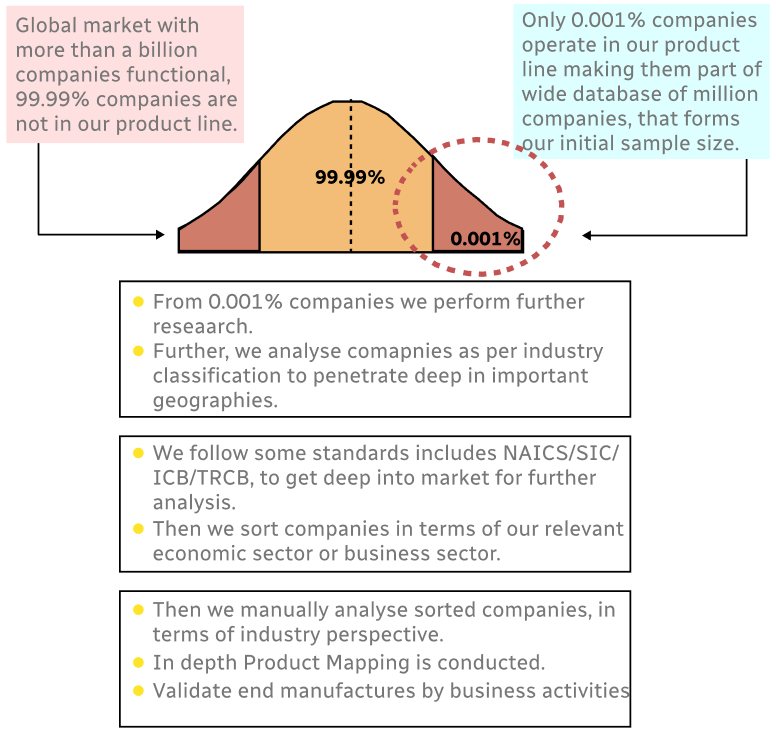
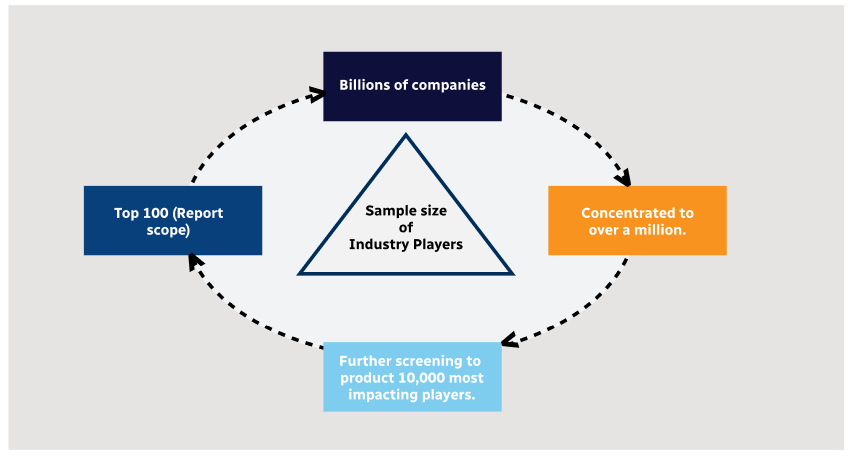
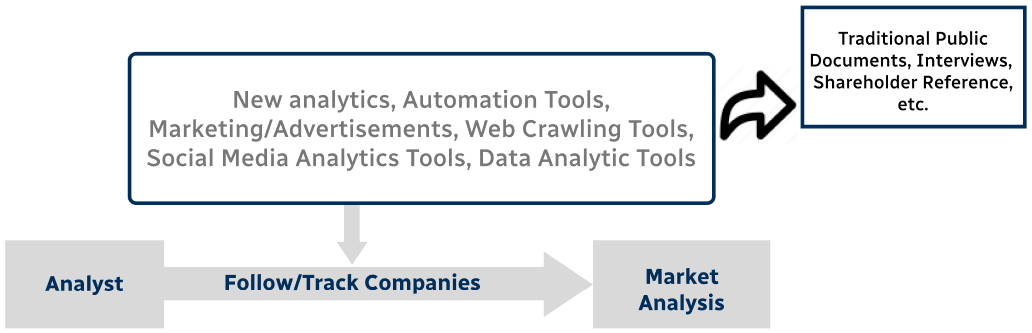
Step 1 - Identification of Relevant Samples Size from Population Database
Step Chart
Bar Chart
Method Chart

Step 2 - Approaches for Defining Global Market Size (Value, Volume* & Price*)
Approach Chart
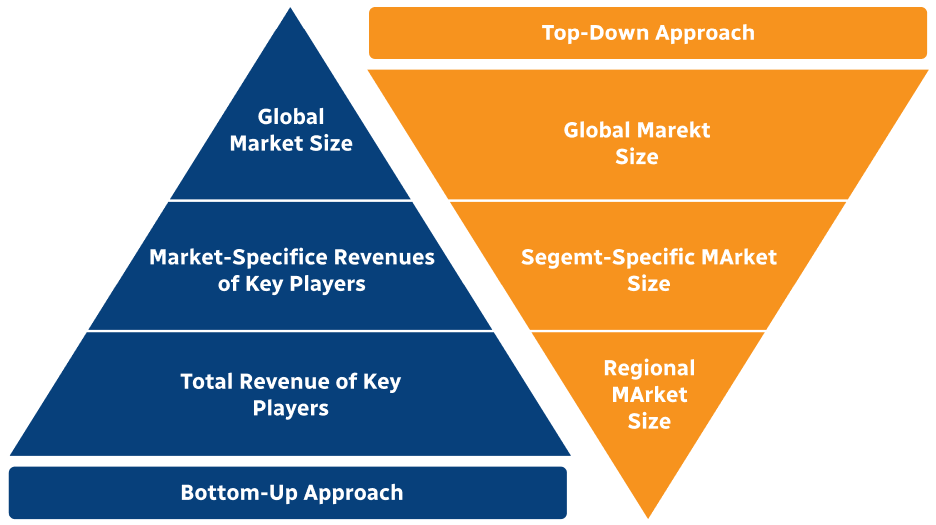
Top-down and bottom-up approaches are used to validate the global market size and estimate the market size for manufactures, regional segments, product, and application.

Note*: In applicable scenarios

Step 3 - Data Sources

Primary Research

  • Web Analytics
  • Survey Reports
  • Research Institute
  • Latest Research Reports
  • Opinion Leaders

Secondary Research

  • Annual Reports
  • White Paper
  • Latest Press Release
  • Industry Association
  • Paid Database
  • Investor Presentations
Analyst Chart

Step 4 - Data Triangulation

Involves using different sources of information in order to increase the validity of a study

These sources are likely to be stakeholders in a program - participants, other researchers, program staff, other community members, and so on.

Then we put all data in single framework & apply various statistical tools to find out the dynamic on the market.

During the analysis stage, feedback from the stakeholder groups would be compared to determine areas of agreement as well as areas of divergence

Additionally, after gathering mixed and scattered data from a wide range of sources, data is triangulated and correlated to come up with estimated figures which are further validated through primary mediums or industry experts, opinion leaders.