



Key Insights
The Middle East and Africa (MEA) ice cream market is poised for robust growth, projected to reach an estimated USD 3,343.49 million by 2025, with a compelling Compound Annual Growth Rate (CAGR) of 5.41% from 2019 to 2033. This expansion is significantly fueled by evolving consumer preferences towards premium and indulgent offerings, a burgeoning demand for artisanal ice cream, and the increasing accessibility through diverse distribution channels. Supermarkets and hypermarkets, alongside a growing online retail presence, are becoming pivotal in driving sales, catering to the convenience-seeking urban populations across key geographies like South Africa, Saudi Arabia, and the United Arab Emirates. The region's expanding disposable incomes and a growing middle class, particularly in the Rest of Middle East and Africa, are further stimulating demand for impulse and take-home ice cream variants.
While the market benefits from strong drivers, certain factors warrant strategic consideration. The intense competition from established global players like Unilever PLC, Mars Incorporated, and Nestlé S.A., alongside aggressive regional contenders such as Saudia Dairy & Foodstuff Co. Ltd. and IFFCO Group, necessitates continuous innovation in product development and marketing strategies. Fluctuations in raw material costs, including dairy and sugar, present a potential restraint on profit margins, while stringent food safety regulations across different nations require careful adherence. Despite these challenges, the overarching trend indicates a dynamic and opportunity-rich landscape, with companies focusing on product differentiation, exploring novel flavors, and enhancing their cold chain logistics to capture a larger market share in this expanding sector.
This in-depth report provides a detailed examination of the Middle East Africa ice cream market, offering critical insights into its structure, trends, competitive landscape, and future trajectory. Covering the period from 2019 to 2033, with a base year of 2025, this analysis is essential for stakeholders seeking to understand and capitalize on the dynamic growth within this rapidly evolving sector. We delve into product types, distribution channels, and key geographic regions, supported by robust data and expert analysis.
Middle East Africa Ice Cream Industry Market Structure & Competitive Dynamics
The Middle East Africa (MEA) ice cream industry exhibits a moderately concentrated market structure, characterized by the presence of both global giants and strong regional players. Innovation ecosystems are flourishing, driven by increasing consumer demand for novel flavors and premium offerings. Regulatory frameworks are evolving to support market growth while ensuring product quality and safety. Product substitutes, such as frozen yogurt and other chilled desserts, present a competitive challenge, yet the inherent appeal of ice cream remains strong. End-user trends are shifting towards healthier options, indulgent experiences, and convenient formats. Merger and acquisition (M&A) activities are expected to play a significant role in market consolidation, with estimated deal values in the hundreds of millions of dollars fueling strategic expansion and portfolio diversification. Key players like Nestlé S.A., Unilever PLC, and Inspire Brands Inc. continue to dominate market share through extensive distribution networks and strong brand recognition, while regional powerhouses like Saudia Dairy & Foodstuff Co Ltd and IFFCO Group are making significant strides.
- Market Concentration: Moderate, with a blend of multinational corporations and local manufacturers.
- Innovation Ecosystems: Growing focus on artisanal production, premium ingredients, and unique flavor profiles.
- Regulatory Frameworks: Evolving standards for food safety, labeling, and import/export, creating both opportunities and challenges.
- Product Substitutes: Frozen yogurt, gelato, and other dessert alternatives.
- End-User Trends: Demand for healthier options (low-sugar, plant-based), indulgent flavors, and convenient single-serving formats.
- M&A Activities: Expected to increase for market consolidation and expansion into new territories.
Middle East Africa Ice Cream Industry Industry Trends & Insights
The MEA ice cream industry is poised for robust growth, driven by several key factors. A rising disposable income across the region, coupled with a burgeoning young population with a penchant for novelty and indulgence, serves as a primary growth driver. Urbanization and the subsequent expansion of modern retail infrastructure, including supermarkets and hypermarkets, are significantly enhancing accessibility to a wider array of ice cream products. Technological disruptions are playing an increasingly important role, from advanced freezing and storage technologies that improve product quality and shelf life to sophisticated supply chain management systems that optimize distribution. Consumer preferences are becoming more sophisticated, with a growing demand for premium ingredients, exotic flavors, and healthier alternatives, including plant-based and low-sugar options. The competitive dynamics are intensifying, with established brands continually innovating to capture market share, while new entrants are emerging with unique value propositions. The projected Compound Annual Growth Rate (CAGR) for the MEA ice cream market is estimated to be in the range of 5.5% to 6.8% over the forecast period, reflecting strong underlying demand and market potential. Market penetration is expected to deepen, particularly in emerging economies within the Rest of Middle-East and Africa.
Dominant Markets & Segments in Middle East Africa Ice Cream Industry
The Middle East Africa ice cream industry's dominance is currently characterized by strong performances in key geographic and product segments. Saudi Arabia and the United Arab Emirates stand out as leading markets due to their high disposable incomes, significant expatriate populations, and well-developed retail infrastructures. The Rest of Middle-East and Africa segment, while fragmented, represents a vast untapped potential with rapidly growing economies.
In terms of product types, Take Home Ice Cream is a dominant segment, driven by family consumption and larger pack sizes favored for home consumption. However, Impulse Ice Cream also holds significant sway, particularly in convenience stores and smaller retail outlets catering to on-the-go consumption. Artisanal Ice Cream, while currently a niche segment, is experiencing rapid growth as consumers seek unique, high-quality, and locally sourced products.
The Supermarkets/Hypermarkets distribution channel is paramount, offering a wide selection and convenience to consumers. Convenience Stores play a crucial role in impulse purchases. The burgeoning Online Retail Stores segment is rapidly gaining traction, further enhancing accessibility and offering a platform for niche brands.
Key drivers of dominance in these segments include:
- Economic Policies: Favorable trade policies and investments in retail infrastructure.
- Demographics: Young, growing populations with increasing purchasing power.
- Urbanization: Concentration of consumers in urban centers with advanced retail networks.
- Tourism: Significant tourist influx in countries like the UAE drives demand for indulgent treats.
- Consumer Preferences: Growing demand for premium, healthy, and diverse flavor options.
Middle East Africa Ice Cream Industry Product Innovations
Product innovations within the MEA ice cream industry are increasingly focused on catering to evolving consumer demands for health, indulgence, and unique experiences. This includes the development of plant-based ice creams derived from ingredients like coconut, almond, and oat, meeting the rising demand for vegan and lactose-free options. There's also a notable trend towards reduced-sugar and low-calorie formulations without compromising on taste. Furthermore, the fusion of local flavors with international ice cream trends is creating exciting new product lines, offering a competitive advantage by appealing to regional palates. Innovations in packaging, such as smaller, single-serving formats and resealable tubs, are also addressing convenience and portion control needs.
Report Segmentation & Scope
This report segments the Middle East Africa ice cream market across three key dimensions: Product Type, Distribution Channel, and Geography.
- Product Type: The market is analyzed by Impulse Ice Cream, Take Home Ice Cream, and Artisanal Ice Cream. This segmentation helps understand distinct consumption patterns and market sizes for each category. Growth projections will highlight the fastest-growing segments, while competitive dynamics will reveal market leaders within each type.
- Distribution Channel: Analysis includes Supermarkets/Hypermarkets, Convenience Stores, Specialist Stores, Online Retail Stores, and Other Distribution Channels. This reveals how consumers access ice cream products and identifies key channels for market penetration and growth.
- Geography: The report examines South Africa, Saudi Arabia, United Arab Emirates, and the Rest of Middle-East and Africa. This granular geographic segmentation provides insights into regional market sizes, growth rates, and specific consumer behaviors.
Key Drivers of Middle East Africa Ice Cream Industry Growth
The growth of the Middle East Africa ice cream industry is propelled by a confluence of factors. Rising disposable incomes and a burgeoning young population with a strong appetite for indulgent treats are fundamental drivers. The expansion of modern retail infrastructure, including supermarkets and hypermarkets, significantly enhances product accessibility. Technological advancements in production and distribution ensure better product quality and wider reach. Furthermore, the increasing popularity of health-conscious options, such as plant-based and low-sugar ice creams, caters to evolving consumer preferences. The growing tourism sector in key regions also contributes significantly to demand for premium ice cream products.
Challenges in the Middle East Africa Ice Cream Industry Sector
Despite the positive growth trajectory, the Middle East Africa ice cream industry faces several challenges. Fluctuating raw material prices, particularly for dairy and sugar, can impact profit margins. Stringent import regulations and tariffs in some countries can hinder market entry and increase operational costs. Intense competition from both global and local players necessitates continuous innovation and aggressive marketing strategies. Supply chain complexities, including cold chain logistics and distribution in remote areas, pose significant operational hurdles. Additionally, economic volatility and geopolitical instability in certain parts of the region can impact consumer spending and overall market demand.
Leading Players in the Middle East Africa Ice Cream Industry Market
- Wells Enterprises Inc
- Inspire Brands Inc
- Saudia Dairy & Foodstuff Co Ltd
- General Mills Inc
- Unilever PLC
- Mars Incorporated
- Graviss Group
- IFFCO Group
- Gatti Ice Cream
- Nestlé S A
Key Developments in Middle East Africa Ice Cream Industry Sector
- May 2023: Siwar Foods signed a private label and distributor agreement with French company Sarl So Mochi to market and distribute a range of Mochi ice cream in the Middle East, starting with the launch in the Kingdom of Saudi Arabia. This development indicates a growing interest in niche and novel ice cream formats.
- May 2022: Baskin-Robbins partnered with the premium chocolate brand Galaxy to launch a fusion product, Milk Chocolate Twist. The product is developed with a fusion concept of flagship chocolate from Galaxy and ice cream from Baskin Robins. The new flavor will be served in a sundae topped with hot fudge, milk chocolate balls, and two Galaxy flutes at a few Baskin-Robbins locations in Saudi Arabia and the United Arab Emirates. This highlights a trend in collaborative product development and cross-brand appeal.
- March 2022: Baskin-Robbins company, which operates under Inspire Brands, expanded its presence in the United Arab Emirates by opening its 1000th store in the Middle East, North Africa, and Australia combined. The outlet opened at Dubai Hills Mall, and Baskin-Robbins hosted a public ice cream party at Ain Dubai to mark the event. This signifies aggressive expansion strategies and strengthening of brand presence in key markets.
Strategic Middle East Africa Ice Cream Industry Market Outlook
- May 2023: Siwar Foods signed a private label and distributor agreement with French company Sarl So Mochi to market and distribute a range of Mochi ice cream in the Middle East, starting with the launch in the Kingdom of Saudi Arabia. This development indicates a growing interest in niche and novel ice cream formats.
- May 2022: Baskin-Robbins partnered with the premium chocolate brand Galaxy to launch a fusion product, Milk Chocolate Twist. The product is developed with a fusion concept of flagship chocolate from Galaxy and ice cream from Baskin Robins. The new flavor will be served in a sundae topped with hot fudge, milk chocolate balls, and two Galaxy flutes at a few Baskin-Robbins locations in Saudi Arabia and the United Arab Emirates. This highlights a trend in collaborative product development and cross-brand appeal.
- March 2022: Baskin-Robbins company, which operates under Inspire Brands, expanded its presence in the United Arab Emirates by opening its 1000th store in the Middle East, North Africa, and Australia combined. The outlet opened at Dubai Hills Mall, and Baskin-Robbins hosted a public ice cream party at Ain Dubai to mark the event. This signifies aggressive expansion strategies and strengthening of brand presence in key markets.
Strategic Middle East Africa Ice Cream Industry Market Outlook
The strategic outlook for the Middle East Africa ice cream industry is exceptionally promising, driven by a confluence of positive demographic trends, increasing disposable incomes, and evolving consumer preferences. Growth accelerators include the continued expansion of modern retail channels, penetration of online retail platforms, and a rising demand for premium and health-conscious ice cream options. Opportunities lie in capitalizing on emerging markets within the Rest of Middle-East and Africa, developing innovative product lines that cater to local tastes, and investing in robust cold chain infrastructure. Strategic partnerships and potential M&A activities will further shape the competitive landscape, creating avenues for market consolidation and expansion. The industry is on a strong growth trajectory, with ample room for innovation and market development.
Middle East Africa Ice Cream Industry Segmentation
-
1. Product Type
- 1.1. Impulse Ice Cream
- 1.2. Take Home Ice Cream
- 1.3. Artisanal Ice Cream
-
2. Distribution Channel
- 2.1. Supermarkets/Hypermarkets
- 2.2. Convenience Stores
- 2.3. Specialist Stores
- 2.4. Online Retail Stores
- 2.5. Other Distribution Channels
-
3. Geography
- 3.1. South Africa
- 3.2. Saudi Arabia
- 3.3. United Arab Emirates
- 3.4. Rest of Middle-East and Africa
Middle East Africa Ice Cream Industry Segmentation By Geography
- 1. South Africa
- 2. Saudi Arabia
- 3. United Arab Emirates
- 4. Rest of Middle East and Africa
Middle East Africa Ice Cream Industry REPORT HIGHLIGHTS
| Aspects | Details |
|---|---|
| Study Period | 2019-2033 |
| Base Year | 2024 |
| Estimated Year | 2025 |
| Forecast Period | 2025-2033 |
| Historical Period | 2019-2024 |
| Growth Rate | CAGR of 5.41% from 2019-2033 |
| Segmentation |
|
Table of Contents
- 1. Introduction
- 1.1. Research Scope
- 1.2. Market Segmentation
- 1.3. Research Methodology
- 1.4. Definitions and Assumptions
- 2. Executive Summary
- 2.1. Introduction
- 3. Market Dynamics
- 3.1. Introduction
- 3.2. Market Drivers
- 3.2.1. Demand for Low-fat and Non-Dairy Ice Cream Products; Growing Acceptance of Experimental Flavors
- 3.3. Market Restrains
- 3.3.1. Rising Concern over Health Issues Associated with Ice Cream
- 3.4. Market Trends
- 3.4.1. Demand for Low-fat and Non-dairy Ice Cream Products
- 4. Market Factor Analysis
- 4.1. Porters Five Forces
- 4.2. Supply/Value Chain
- 4.3. PESTEL analysis
- 4.4. Market Entropy
- 4.5. Patent/Trademark Analysis
- 5. Middle East Africa Ice Cream Industry Analysis, Insights and Forecast, 2019-2031
- 5.1. Market Analysis, Insights and Forecast - by Product Type
- 5.1.1. Impulse Ice Cream
- 5.1.2. Take Home Ice Cream
- 5.1.3. Artisanal Ice Cream
- 5.2. Market Analysis, Insights and Forecast - by Distribution Channel
- 5.2.1. Supermarkets/Hypermarkets
- 5.2.2. Convenience Stores
- 5.2.3. Specialist Stores
- 5.2.4. Online Retail Stores
- 5.2.5. Other Distribution Channels
- 5.3. Market Analysis, Insights and Forecast - by Geography
- 5.3.1. South Africa
- 5.3.2. Saudi Arabia
- 5.3.3. United Arab Emirates
- 5.3.4. Rest of Middle-East and Africa
- 5.4. Market Analysis, Insights and Forecast - by Region
- 5.4.1. South Africa
- 5.4.2. Saudi Arabia
- 5.4.3. United Arab Emirates
- 5.4.4. Rest of Middle East and Africa
- 5.1. Market Analysis, Insights and Forecast - by Product Type
- 6. South Africa Middle East Africa Ice Cream Industry Analysis, Insights and Forecast, 2019-2031
- 6.1. Market Analysis, Insights and Forecast - by Product Type
- 6.1.1. Impulse Ice Cream
- 6.1.2. Take Home Ice Cream
- 6.1.3. Artisanal Ice Cream
- 6.2. Market Analysis, Insights and Forecast - by Distribution Channel
- 6.2.1. Supermarkets/Hypermarkets
- 6.2.2. Convenience Stores
- 6.2.3. Specialist Stores
- 6.2.4. Online Retail Stores
- 6.2.5. Other Distribution Channels
- 6.3. Market Analysis, Insights and Forecast - by Geography
- 6.3.1. South Africa
- 6.3.2. Saudi Arabia
- 6.3.3. United Arab Emirates
- 6.3.4. Rest of Middle-East and Africa
- 6.1. Market Analysis, Insights and Forecast - by Product Type
- 7. Saudi Arabia Middle East Africa Ice Cream Industry Analysis, Insights and Forecast, 2019-2031
- 7.1. Market Analysis, Insights and Forecast - by Product Type
- 7.1.1. Impulse Ice Cream
- 7.1.2. Take Home Ice Cream
- 7.1.3. Artisanal Ice Cream
- 7.2. Market Analysis, Insights and Forecast - by Distribution Channel
- 7.2.1. Supermarkets/Hypermarkets
- 7.2.2. Convenience Stores
- 7.2.3. Specialist Stores
- 7.2.4. Online Retail Stores
- 7.2.5. Other Distribution Channels
- 7.3. Market Analysis, Insights and Forecast - by Geography
- 7.3.1. South Africa
- 7.3.2. Saudi Arabia
- 7.3.3. United Arab Emirates
- 7.3.4. Rest of Middle-East and Africa
- 7.1. Market Analysis, Insights and Forecast - by Product Type
- 8. United Arab Emirates Middle East Africa Ice Cream Industry Analysis, Insights and Forecast, 2019-2031
- 8.1. Market Analysis, Insights and Forecast - by Product Type
- 8.1.1. Impulse Ice Cream
- 8.1.2. Take Home Ice Cream
- 8.1.3. Artisanal Ice Cream
- 8.2. Market Analysis, Insights and Forecast - by Distribution Channel
- 8.2.1. Supermarkets/Hypermarkets
- 8.2.2. Convenience Stores
- 8.2.3. Specialist Stores
- 8.2.4. Online Retail Stores
- 8.2.5. Other Distribution Channels
- 8.3. Market Analysis, Insights and Forecast - by Geography
- 8.3.1. South Africa
- 8.3.2. Saudi Arabia
- 8.3.3. United Arab Emirates
- 8.3.4. Rest of Middle-East and Africa
- 8.1. Market Analysis, Insights and Forecast - by Product Type
- 9. Rest of Middle East and Africa Middle East Africa Ice Cream Industry Analysis, Insights and Forecast, 2019-2031
- 9.1. Market Analysis, Insights and Forecast - by Product Type
- 9.1.1. Impulse Ice Cream
- 9.1.2. Take Home Ice Cream
- 9.1.3. Artisanal Ice Cream
- 9.2. Market Analysis, Insights and Forecast - by Distribution Channel
- 9.2.1. Supermarkets/Hypermarkets
- 9.2.2. Convenience Stores
- 9.2.3. Specialist Stores
- 9.2.4. Online Retail Stores
- 9.2.5. Other Distribution Channels
- 9.3. Market Analysis, Insights and Forecast - by Geography
- 9.3.1. South Africa
- 9.3.2. Saudi Arabia
- 9.3.3. United Arab Emirates
- 9.3.4. Rest of Middle-East and Africa
- 9.1. Market Analysis, Insights and Forecast - by Product Type
- 10. South Africa Middle East Africa Ice Cream Industry Analysis, Insights and Forecast, 2019-2031
- 11. Sudan Middle East Africa Ice Cream Industry Analysis, Insights and Forecast, 2019-2031
- 12. Uganda Middle East Africa Ice Cream Industry Analysis, Insights and Forecast, 2019-2031
- 13. Tanzania Middle East Africa Ice Cream Industry Analysis, Insights and Forecast, 2019-2031
- 14. Kenya Middle East Africa Ice Cream Industry Analysis, Insights and Forecast, 2019-2031
- 15. Rest of Africa Middle East Africa Ice Cream Industry Analysis, Insights and Forecast, 2019-2031
- 16. Competitive Analysis
- 16.1. Market Share Analysis 2024
- 16.2. Company Profiles
- 16.2.1 Wells Enterprises Inc
- 16.2.1.1. Overview
- 16.2.1.2. Products
- 16.2.1.3. SWOT Analysis
- 16.2.1.4. Recent Developments
- 16.2.1.5. Financials (Based on Availability)
- 16.2.2 Inspire Brands Inc
- 16.2.2.1. Overview
- 16.2.2.2. Products
- 16.2.2.3. SWOT Analysis
- 16.2.2.4. Recent Developments
- 16.2.2.5. Financials (Based on Availability)
- 16.2.3 Saudia Dairy & Foodstuff Co Ltd
- 16.2.3.1. Overview
- 16.2.3.2. Products
- 16.2.3.3. SWOT Analysis
- 16.2.3.4. Recent Developments
- 16.2.3.5. Financials (Based on Availability)
- 16.2.4 General Mills Inc
- 16.2.4.1. Overview
- 16.2.4.2. Products
- 16.2.4.3. SWOT Analysis
- 16.2.4.4. Recent Developments
- 16.2.4.5. Financials (Based on Availability)
- 16.2.5 Unilever PLC
- 16.2.5.1. Overview
- 16.2.5.2. Products
- 16.2.5.3. SWOT Analysis
- 16.2.5.4. Recent Developments
- 16.2.5.5. Financials (Based on Availability)
- 16.2.6 Mars Incorporated
- 16.2.6.1. Overview
- 16.2.6.2. Products
- 16.2.6.3. SWOT Analysis
- 16.2.6.4. Recent Developments
- 16.2.6.5. Financials (Based on Availability)
- 16.2.7 Graviss Group
- 16.2.7.1. Overview
- 16.2.7.2. Products
- 16.2.7.3. SWOT Analysis
- 16.2.7.4. Recent Developments
- 16.2.7.5. Financials (Based on Availability)
- 16.2.8 IFFCO Group
- 16.2.8.1. Overview
- 16.2.8.2. Products
- 16.2.8.3. SWOT Analysis
- 16.2.8.4. Recent Developments
- 16.2.8.5. Financials (Based on Availability)
- 16.2.9 Gatti Ice Cream*List Not Exhaustive
- 16.2.9.1. Overview
- 16.2.9.2. Products
- 16.2.9.3. SWOT Analysis
- 16.2.9.4. Recent Developments
- 16.2.9.5. Financials (Based on Availability)
- 16.2.10 Nestlé S A
- 16.2.10.1. Overview
- 16.2.10.2. Products
- 16.2.10.3. SWOT Analysis
- 16.2.10.4. Recent Developments
- 16.2.10.5. Financials (Based on Availability)
- 16.2.1 Wells Enterprises Inc
List of Figures
- Figure 1: Middle East Africa Ice Cream Industry Revenue Breakdown (Million, %) by Product 2024 & 2032
- Figure 2: Middle East Africa Ice Cream Industry Share (%) by Company 2024
List of Tables
- Table 1: Middle East Africa Ice Cream Industry Revenue Million Forecast, by Region 2019 & 2032
- Table 2: Middle East Africa Ice Cream Industry Volume K Tons Forecast, by Region 2019 & 2032
- Table 3: Middle East Africa Ice Cream Industry Revenue Million Forecast, by Product Type 2019 & 2032
- Table 4: Middle East Africa Ice Cream Industry Volume K Tons Forecast, by Product Type 2019 & 2032
- Table 5: Middle East Africa Ice Cream Industry Revenue Million Forecast, by Distribution Channel 2019 & 2032
- Table 6: Middle East Africa Ice Cream Industry Volume K Tons Forecast, by Distribution Channel 2019 & 2032
- Table 7: Middle East Africa Ice Cream Industry Revenue Million Forecast, by Geography 2019 & 2032
- Table 8: Middle East Africa Ice Cream Industry Volume K Tons Forecast, by Geography 2019 & 2032
- Table 9: Middle East Africa Ice Cream Industry Revenue Million Forecast, by Region 2019 & 2032
- Table 10: Middle East Africa Ice Cream Industry Volume K Tons Forecast, by Region 2019 & 2032
- Table 11: Middle East Africa Ice Cream Industry Revenue Million Forecast, by Country 2019 & 2032
- Table 12: Middle East Africa Ice Cream Industry Volume K Tons Forecast, by Country 2019 & 2032
- Table 13: South Africa Middle East Africa Ice Cream Industry Revenue (Million) Forecast, by Application 2019 & 2032
- Table 14: South Africa Middle East Africa Ice Cream Industry Volume (K Tons) Forecast, by Application 2019 & 2032
- Table 15: Sudan Middle East Africa Ice Cream Industry Revenue (Million) Forecast, by Application 2019 & 2032
- Table 16: Sudan Middle East Africa Ice Cream Industry Volume (K Tons) Forecast, by Application 2019 & 2032
- Table 17: Uganda Middle East Africa Ice Cream Industry Revenue (Million) Forecast, by Application 2019 & 2032
- Table 18: Uganda Middle East Africa Ice Cream Industry Volume (K Tons) Forecast, by Application 2019 & 2032
- Table 19: Tanzania Middle East Africa Ice Cream Industry Revenue (Million) Forecast, by Application 2019 & 2032
- Table 20: Tanzania Middle East Africa Ice Cream Industry Volume (K Tons) Forecast, by Application 2019 & 2032
- Table 21: Kenya Middle East Africa Ice Cream Industry Revenue (Million) Forecast, by Application 2019 & 2032
- Table 22: Kenya Middle East Africa Ice Cream Industry Volume (K Tons) Forecast, by Application 2019 & 2032
- Table 23: Rest of Africa Middle East Africa Ice Cream Industry Revenue (Million) Forecast, by Application 2019 & 2032
- Table 24: Rest of Africa Middle East Africa Ice Cream Industry Volume (K Tons) Forecast, by Application 2019 & 2032
- Table 25: Middle East Africa Ice Cream Industry Revenue Million Forecast, by Product Type 2019 & 2032
- Table 26: Middle East Africa Ice Cream Industry Volume K Tons Forecast, by Product Type 2019 & 2032
- Table 27: Middle East Africa Ice Cream Industry Revenue Million Forecast, by Distribution Channel 2019 & 2032
- Table 28: Middle East Africa Ice Cream Industry Volume K Tons Forecast, by Distribution Channel 2019 & 2032
- Table 29: Middle East Africa Ice Cream Industry Revenue Million Forecast, by Geography 2019 & 2032
- Table 30: Middle East Africa Ice Cream Industry Volume K Tons Forecast, by Geography 2019 & 2032
- Table 31: Middle East Africa Ice Cream Industry Revenue Million Forecast, by Country 2019 & 2032
- Table 32: Middle East Africa Ice Cream Industry Volume K Tons Forecast, by Country 2019 & 2032
- Table 33: Middle East Africa Ice Cream Industry Revenue Million Forecast, by Product Type 2019 & 2032
- Table 34: Middle East Africa Ice Cream Industry Volume K Tons Forecast, by Product Type 2019 & 2032
- Table 35: Middle East Africa Ice Cream Industry Revenue Million Forecast, by Distribution Channel 2019 & 2032
- Table 36: Middle East Africa Ice Cream Industry Volume K Tons Forecast, by Distribution Channel 2019 & 2032
- Table 37: Middle East Africa Ice Cream Industry Revenue Million Forecast, by Geography 2019 & 2032
- Table 38: Middle East Africa Ice Cream Industry Volume K Tons Forecast, by Geography 2019 & 2032
- Table 39: Middle East Africa Ice Cream Industry Revenue Million Forecast, by Country 2019 & 2032
- Table 40: Middle East Africa Ice Cream Industry Volume K Tons Forecast, by Country 2019 & 2032
- Table 41: Middle East Africa Ice Cream Industry Revenue Million Forecast, by Product Type 2019 & 2032
- Table 42: Middle East Africa Ice Cream Industry Volume K Tons Forecast, by Product Type 2019 & 2032
- Table 43: Middle East Africa Ice Cream Industry Revenue Million Forecast, by Distribution Channel 2019 & 2032
- Table 44: Middle East Africa Ice Cream Industry Volume K Tons Forecast, by Distribution Channel 2019 & 2032
- Table 45: Middle East Africa Ice Cream Industry Revenue Million Forecast, by Geography 2019 & 2032
- Table 46: Middle East Africa Ice Cream Industry Volume K Tons Forecast, by Geography 2019 & 2032
- Table 47: Middle East Africa Ice Cream Industry Revenue Million Forecast, by Country 2019 & 2032
- Table 48: Middle East Africa Ice Cream Industry Volume K Tons Forecast, by Country 2019 & 2032
- Table 49: Middle East Africa Ice Cream Industry Revenue Million Forecast, by Product Type 2019 & 2032
- Table 50: Middle East Africa Ice Cream Industry Volume K Tons Forecast, by Product Type 2019 & 2032
- Table 51: Middle East Africa Ice Cream Industry Revenue Million Forecast, by Distribution Channel 2019 & 2032
- Table 52: Middle East Africa Ice Cream Industry Volume K Tons Forecast, by Distribution Channel 2019 & 2032
- Table 53: Middle East Africa Ice Cream Industry Revenue Million Forecast, by Geography 2019 & 2032
- Table 54: Middle East Africa Ice Cream Industry Volume K Tons Forecast, by Geography 2019 & 2032
- Table 55: Middle East Africa Ice Cream Industry Revenue Million Forecast, by Country 2019 & 2032
- Table 56: Middle East Africa Ice Cream Industry Volume K Tons Forecast, by Country 2019 & 2032
Frequently Asked Questions
1. What is the projected Compound Annual Growth Rate (CAGR) of the Middle East Africa Ice Cream Industry?
The projected CAGR is approximately 5.41%.
2. Which companies are prominent players in the Middle East Africa Ice Cream Industry?
Key companies in the market include Wells Enterprises Inc, Inspire Brands Inc, Saudia Dairy & Foodstuff Co Ltd, General Mills Inc, Unilever PLC, Mars Incorporated, Graviss Group, IFFCO Group, Gatti Ice Cream*List Not Exhaustive, Nestlé S A.
3. What are the main segments of the Middle East Africa Ice Cream Industry?
The market segments include Product Type, Distribution Channel, Geography.
4. Can you provide details about the market size?
The market size is estimated to be USD 3,343.49 Million as of 2022.
5. What are some drivers contributing to market growth?
Demand for Low-fat and Non-Dairy Ice Cream Products; Growing Acceptance of Experimental Flavors.
6. What are the notable trends driving market growth?
Demand for Low-fat and Non-dairy Ice Cream Products.
7. Are there any restraints impacting market growth?
Rising Concern over Health Issues Associated with Ice Cream.
8. Can you provide examples of recent developments in the market?
May 2023: Siwar Foods signed a private label and distributor agreement with French company Sarl So Mochi to market and distribute a range of Mochi ice cream in the Middle East, starting with the launch in the Kingdom of Saudi Arabia.
9. What pricing options are available for accessing the report?
Pricing options include single-user, multi-user, and enterprise licenses priced at USD 4750, USD 5250, and USD 8750 respectively.
10. Is the market size provided in terms of value or volume?
The market size is provided in terms of value, measured in Million and volume, measured in K Tons.
11. Are there any specific market keywords associated with the report?
Yes, the market keyword associated with the report is "Middle East Africa Ice Cream Industry," which aids in identifying and referencing the specific market segment covered.
12. How do I determine which pricing option suits my needs best?
The pricing options vary based on user requirements and access needs. Individual users may opt for single-user licenses, while businesses requiring broader access may choose multi-user or enterprise licenses for cost-effective access to the report.
13. Are there any additional resources or data provided in the Middle East Africa Ice Cream Industry report?
While the report offers comprehensive insights, it's advisable to review the specific contents or supplementary materials provided to ascertain if additional resources or data are available.
14. How can I stay updated on further developments or reports in the Middle East Africa Ice Cream Industry?
To stay informed about further developments, trends, and reports in the Middle East Africa Ice Cream Industry, consider subscribing to industry newsletters, following relevant companies and organizations, or regularly checking reputable industry news sources and publications.
Methodology
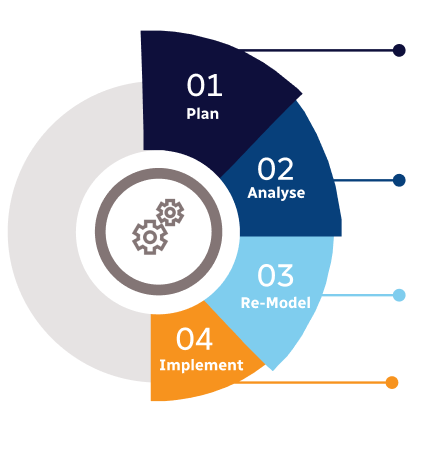
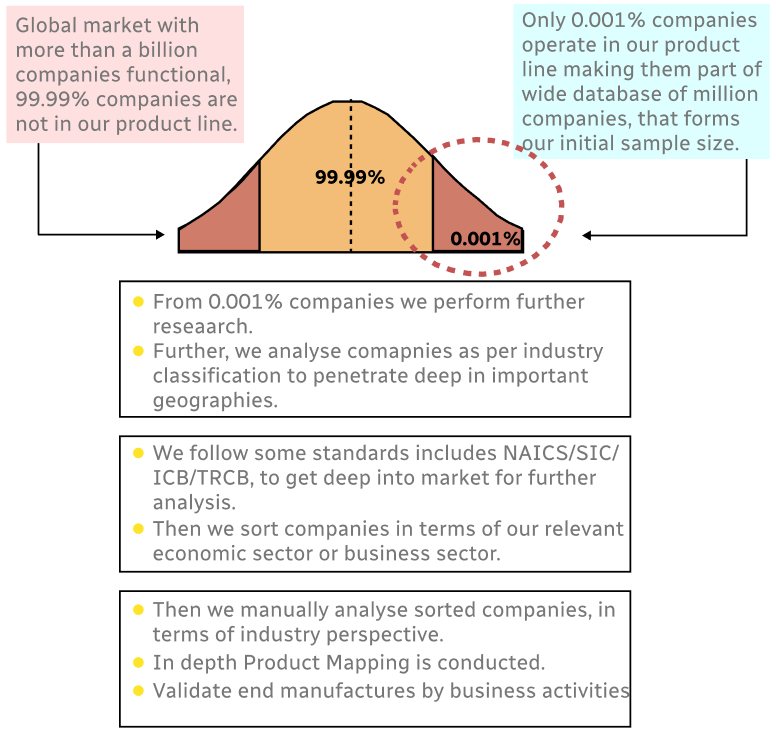
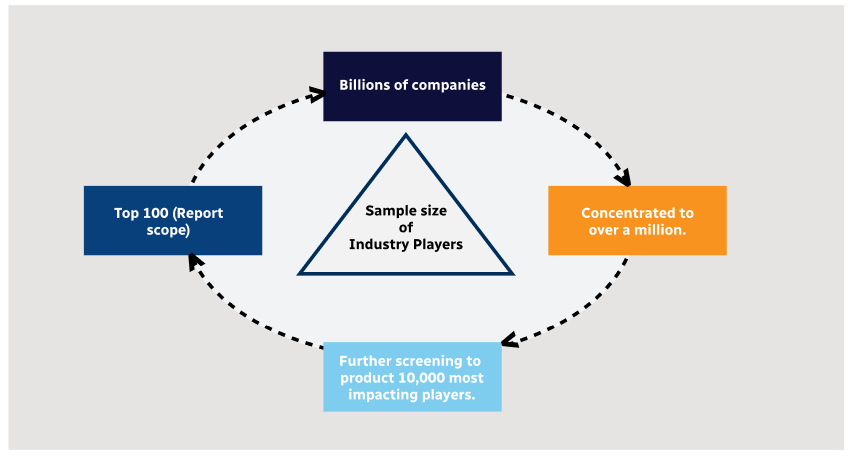
Step 1 - Identification of Relevant Samples Size from Population Database
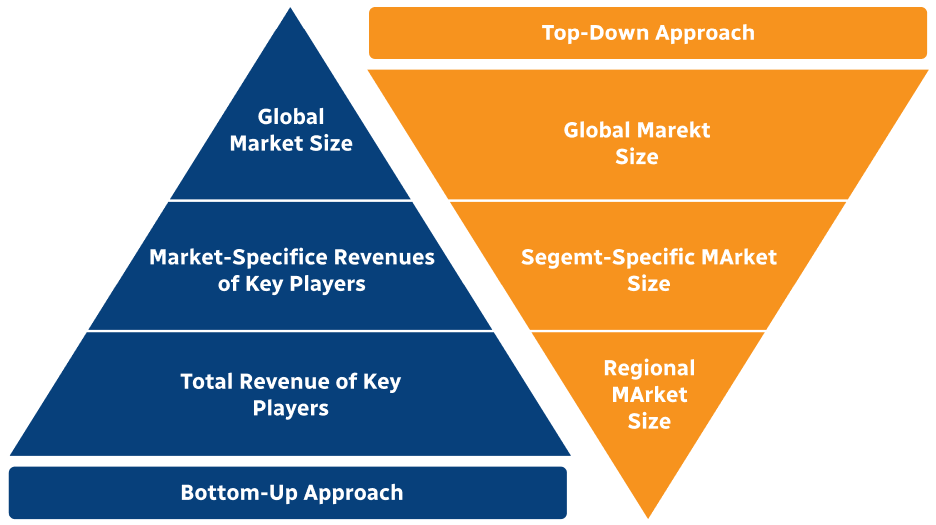
Step 2 - Approaches for Defining Global Market Size (Value, Volume* & Price*)
Note*: In applicable scenarios
Step 3 - Data Sources
Primary Research
- Web Analytics
- Survey Reports
- Research Institute
- Latest Research Reports
- Opinion Leaders
Secondary Research
- Annual Reports
- White Paper
- Latest Press Release
- Industry Association
- Paid Database
- Investor Presentations
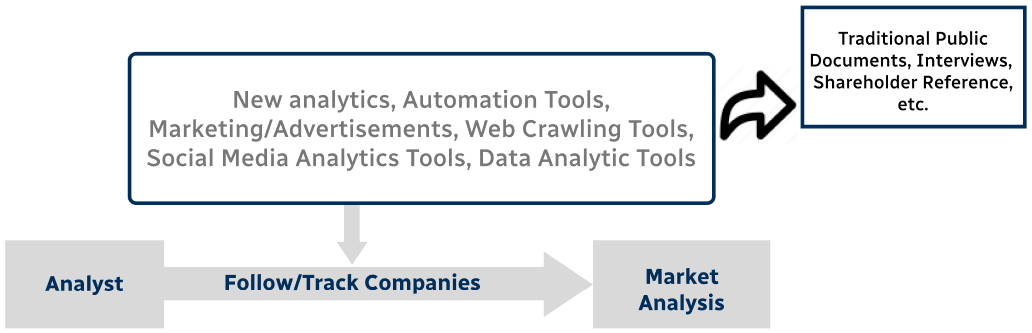
Step 4 - Data Triangulation
Involves using different sources of information in order to increase the validity of a study
These sources are likely to be stakeholders in a program - participants, other researchers, program staff, other community members, and so on.
Then we put all data in single framework & apply various statistical tools to find out the dynamic on the market.
During the analysis stage, feedback from the stakeholder groups would be compared to determine areas of agreement as well as areas of divergence


