
Key Insights
The Mexico surveillance camera market, valued at $0.75 billion in 2025, is projected to experience robust growth, driven by a Compound Annual Growth Rate (CAGR) of 9.3% from 2025 to 2033. This expansion is fueled by several key factors. Firstly, increasing concerns about security and safety, particularly in urban areas and commercial sectors, are driving demand for advanced surveillance solutions. The Mexican government's initiatives to improve public safety and infrastructure modernization are further bolstering market growth. Furthermore, technological advancements, such as the proliferation of high-definition IP cameras, analytics-enabled systems, and cloud-based video management solutions, are enhancing functionality and attracting a wider customer base. The rise of smart cities and the growing adoption of IoT (Internet of Things) devices in surveillance systems also contribute significantly to market expansion. Competition among major players like Axis Communications, Bosch, Dahua, Hikvision, and Honeywell, alongside local and regional players, is fostering innovation and driving prices down, making surveillance technology more accessible.
However, market growth is not without its challenges. Economic fluctuations and infrastructure limitations in certain regions could potentially restrain market expansion. Additionally, data privacy concerns and regulations surrounding the use of surveillance technology may influence adoption rates. Nevertheless, the overall positive trends regarding security needs, technological advancements, and government initiatives are expected to outweigh these challenges, resulting in sustained growth throughout the forecast period. The market segmentation likely includes various camera types (IP, analog, thermal), applications (residential, commercial, government), and end-user industries (retail, transportation, healthcare). This diverse landscape offers opportunities for specialized players to cater to specific needs within the Mexican market.

Mexico Surveillance Camera Market: A Comprehensive Report (2019-2033)
This detailed report provides a comprehensive analysis of the Mexico surveillance camera market, encompassing market size, growth drivers, competitive landscape, technological advancements, and future outlook. The study period covers 2019-2033, with 2025 as the base and estimated year. The forecast period spans 2025-2033, while the historical period encompasses 2019-2024. This in-depth analysis is crucial for stakeholders, investors, and industry professionals seeking to understand and capitalize on the opportunities within this dynamic market. The market is projected to reach xx Million by 2033, exhibiting a CAGR of xx% during the forecast period.
Mexico Surveillance Camera Market Market Structure & Competitive Dynamics
The Mexican surveillance camera market exhibits a moderately concentrated structure, with key players such as Axis Communications AB, Bosch Security Systems Incorporated, Dahua Technology Co Ltd, and Hangzhou Hikvision Digital Technology Co Ltd holding significant market share. The market is characterized by intense competition, driven by technological innovation and the increasing demand for advanced security solutions. The regulatory framework, while evolving, presents both opportunities and challenges. The presence of strong product substitutes, like cloud-based solutions, further intensifies the competitive landscape. End-user trends indicate a growing preference for integrated security systems incorporating advanced analytics and AI-powered features. M&A activities have been relatively moderate in recent years, with deal values ranging from xx Million to xx Million. Market share data reveals that the top five players collectively account for approximately xx% of the market. Several factors affect market concentration:
- High Barriers to Entry: Requires significant capital investment in R&D, manufacturing, and distribution.
- Technological Advancements: Constant innovation leads to rapid obsolescence and necessitates continuous investment.
- Government Regulations: Stringent data privacy and security regulations influence product development and market entry.
- Growing Demand for Specialized Solutions: Increased focus on vertical-specific applications (e.g., retail, banking, transportation) creates niche markets.
Mexico Surveillance Camera Market Industry Trends & Insights
The Mexican surveillance camera market is experiencing robust growth, driven by several key factors. Rising crime rates and security concerns are prompting increased investment in surveillance systems across various sectors, including residential, commercial, and government applications. Technological advancements, particularly in areas like AI-powered analytics, facial recognition, and cloud-based solutions, are fueling market expansion. Consumer preferences are shifting towards higher-resolution cameras, intelligent video analytics, and user-friendly interfaces. The market penetration of IP-based surveillance systems is steadily increasing, surpassing traditional analog systems. The increasing adoption of smart city initiatives and the government's focus on enhancing public safety are also significant growth drivers. The market is projected to experience a CAGR of xx% between 2025 and 2033, driven by factors such as:
- Growing Adoption of IP-Based Cameras: Transition from analog to IP-based systems is a major driver.
- Rising Demand for Advanced Analytics: AI-powered features for threat detection and prevention are gaining popularity.
- Increasing Investments in Smart City Projects: Government initiatives are fostering demand for integrated surveillance systems.
- Expanding e-commerce and Retail Sectors: Enhanced security needs in online retail and physical stores are boosting demand.

Dominant Markets & Segments in Mexico Surveillance Camera Market
The metropolitan areas of Mexico City, Guadalajara, and Monterrey represent the dominant markets for surveillance cameras, driven by high population density, increased commercial activity, and significant government investment in security infrastructure. These regions are witnessing rapid urbanization and economic growth, resulting in increased demand for advanced security solutions. The commercial sector, encompassing retail, banking, and hospitality, is the leading segment, followed by the government and residential sectors.
- Key Drivers in Dominant Markets:
- High Population Density: Increased security concerns lead to higher demand.
- Robust Economic Growth: Greater investment capacity in security infrastructure.
- Government Initiatives: Focus on public safety and smart city development drives demand.
- Increased Commercial Activity: Businesses invest heavily in security for protection of assets and personnel.
The dominance of these regions is further consolidated by the concentration of key market players and distribution networks. The significant investments in infrastructure development in these regions also contribute to the expanding market.
Mexico Surveillance Camera Market Product Innovations
Recent product innovations focus on enhancing video analytics capabilities, integrating AI-powered features like facial recognition and object detection, and improving connectivity through cloud-based platforms. These innovations offer superior threat detection, remote monitoring, and data management capabilities. Market fit is driven by the increasing demand for proactive security solutions that address the evolving security landscape. The integration of these advanced features into compact and cost-effective solutions is crucial for achieving wider market adoption.
Report Segmentation & Scope
The Mexico surveillance camera market is segmented by product type (IP cameras, analog cameras, PTZ cameras), technology (CCTV, video analytics, access control), application (residential, commercial, government, industrial), and geography. Each segment offers distinct growth opportunities and faces unique competitive dynamics. For instance, the IP camera segment is experiencing the fastest growth due to its advanced features and network connectivity, while the government sector drives significant volume sales. The market size for each segment varies considerably, with projected growth rates reflecting varying levels of adoption and technological advancements.
Key Drivers of Mexico Surveillance Camera Market Growth
Several factors are propelling the growth of the Mexican surveillance camera market. These include rising crime rates and security concerns across urban and rural areas, increasing adoption of smart city initiatives by local governments, and technological advancements leading to more sophisticated and affordable surveillance solutions. Furthermore, the growing e-commerce sector and increasing demand for enhanced security in retail settings are contributing to market expansion. The strengthening Mexican economy and improving infrastructure also positively impact market growth.
Challenges in the Mexico Surveillance Camera Market Sector
The Mexico surveillance camera market faces challenges including high initial investment costs, concerns about data privacy and security, and the potential for regulatory hurdles related to data storage and usage. Supply chain disruptions can also affect product availability and pricing. Competition from both domestic and international players intensifies price pressures and necessitates continuous innovation. These challenges require careful navigation by market players to achieve sustainable growth.
Leading Players in the Mexico Surveillance Camera Market Market
- Axis Communications AB (Axis Communications AB)
- Bosch Security Systems Incorporated (Bosch Security Systems Incorporated)
- Dahua Technology Co Ltd (Dahua Technology Co Ltd)
- Eagle Eye Networks (Eagle Eye Networks)
- Hangzhou Hikvision Digital Technology Co Ltd (Hangzhou Hikvision Digital Technology Co Ltd)
- Honeywell Security Group (Honeywell Security Group)
- Samsung Group (Samsung Group)
- Panasonic Corporation (Panasonic Corporation)
- Uniview Technologies Co Ltd (Uniview Technologies Co Ltd)
- FLIR Systems (FLIR Systems)
- GeoVision Inc (GeoVision Inc)
Key Developments in Mexico Surveillance Camera Market Sector
- May 2024: Anahuac University, Queretaro campus, implemented a comprehensive security system with over 600 Axis cameras, upgrading access controls and intercom systems. This highlights the growing demand for integrated security solutions in educational institutions.
- February 2024: Cozumel installed 20 security camera locations, each with advanced facial recognition technology, indicating the increasing adoption of advanced surveillance technologies in public spaces.
Strategic Mexico Surveillance Camera Market Market Outlook
The future of the Mexican surveillance camera market appears promising, driven by continued urbanization, increasing security concerns, and the ongoing adoption of innovative technologies. Strategic opportunities lie in developing customized solutions for specific sectors, focusing on AI-powered analytics, and expanding into underserved regions. Partnerships with local integrators and distributors will be vital for market penetration. The focus should be on delivering cost-effective, user-friendly, and technologically advanced solutions that cater to the evolving security needs of the Mexican market.
Mexico Surveillance Camera Market Segmentation
-
1. Type
- 1.1. Analog Based
- 1.2. IP-based
-
2. End-user Industry
- 2.1. Government
- 2.2. Banking
- 2.3. Healthcare
- 2.4. Transportation and Logistics
- 2.5. Industrial
- 2.6. Other End-user Industries
Mexico Surveillance Camera Market Segmentation By Geography
- 1. Mexico

Mexico Surveillance Camera Market REPORT HIGHLIGHTS
| Aspects | Details |
|---|---|
| Study Period | 2019-2033 |
| Base Year | 2024 |
| Estimated Year | 2025 |
| Forecast Period | 2025-2033 |
| Historical Period | 2019-2024 |
| Growth Rate | CAGR of 9.30% from 2019-2033 |
| Segmentation |
|
Table of Contents
- 1. Introduction
- 1.1. Research Scope
- 1.2. Market Segmentation
- 1.3. Research Methodology
- 1.4. Definitions and Assumptions
- 2. Executive Summary
- 2.1. Introduction
- 3. Market Dynamics
- 3.1. Introduction
- 3.2. Market Drivers
- 3.2.1 Rising Concern about Security and Safety in the Country; Advances in Technology
- 3.2.2 such as IoT
- 3.2.3 Artificial Intelligence
- 3.2.4 and Voice Controlled Assistants
- 3.3. Market Restrains
- 3.3.1 Rising Concern about Security and Safety in the Country; Advances in Technology
- 3.3.2 such as IoT
- 3.3.3 Artificial Intelligence
- 3.3.4 and Voice Controlled Assistants
- 3.4. Market Trends
- 3.4.1. Rising Popularity of Video Analytics in Surveillance Positively Impacts the Market's Growth
- 4. Market Factor Analysis
- 4.1. Porters Five Forces
- 4.2. Supply/Value Chain
- 4.3. PESTEL analysis
- 4.4. Market Entropy
- 4.5. Patent/Trademark Analysis
- 5. Mexico Surveillance Camera Market Analysis, Insights and Forecast, 2019-2031
- 5.1. Market Analysis, Insights and Forecast - by Type
- 5.1.1. Analog Based
- 5.1.2. IP-based
- 5.2. Market Analysis, Insights and Forecast - by End-user Industry
- 5.2.1. Government
- 5.2.2. Banking
- 5.2.3. Healthcare
- 5.2.4. Transportation and Logistics
- 5.2.5. Industrial
- 5.2.6. Other End-user Industries
- 5.3. Market Analysis, Insights and Forecast - by Region
- 5.3.1. Mexico
- 5.1. Market Analysis, Insights and Forecast - by Type
- 6. Competitive Analysis
- 6.1. Market Share Analysis 2024
- 6.2. Company Profiles
- 6.2.1 Axis Communications AB
- 6.2.1.1. Overview
- 6.2.1.2. Products
- 6.2.1.3. SWOT Analysis
- 6.2.1.4. Recent Developments
- 6.2.1.5. Financials (Based on Availability)
- 6.2.2 Bosch Security Systems Incorporated
- 6.2.2.1. Overview
- 6.2.2.2. Products
- 6.2.2.3. SWOT Analysis
- 6.2.2.4. Recent Developments
- 6.2.2.5. Financials (Based on Availability)
- 6.2.3 Dahua Technology Co Ltd
- 6.2.3.1. Overview
- 6.2.3.2. Products
- 6.2.3.3. SWOT Analysis
- 6.2.3.4. Recent Developments
- 6.2.3.5. Financials (Based on Availability)
- 6.2.4 Eagle Eye Networks
- 6.2.4.1. Overview
- 6.2.4.2. Products
- 6.2.4.3. SWOT Analysis
- 6.2.4.4. Recent Developments
- 6.2.4.5. Financials (Based on Availability)
- 6.2.5 Hangzhou Hikvision Digital Technology Co Ltd
- 6.2.5.1. Overview
- 6.2.5.2. Products
- 6.2.5.3. SWOT Analysis
- 6.2.5.4. Recent Developments
- 6.2.5.5. Financials (Based on Availability)
- 6.2.6 Honeywell Security Group
- 6.2.6.1. Overview
- 6.2.6.2. Products
- 6.2.6.3. SWOT Analysis
- 6.2.6.4. Recent Developments
- 6.2.6.5. Financials (Based on Availability)
- 6.2.7 Samsung Group
- 6.2.7.1. Overview
- 6.2.7.2. Products
- 6.2.7.3. SWOT Analysis
- 6.2.7.4. Recent Developments
- 6.2.7.5. Financials (Based on Availability)
- 6.2.8 Panasonic Corporation
- 6.2.8.1. Overview
- 6.2.8.2. Products
- 6.2.8.3. SWOT Analysis
- 6.2.8.4. Recent Developments
- 6.2.8.5. Financials (Based on Availability)
- 6.2.9 Uniview Technologies Co Ltd
- 6.2.9.1. Overview
- 6.2.9.2. Products
- 6.2.9.3. SWOT Analysis
- 6.2.9.4. Recent Developments
- 6.2.9.5. Financials (Based on Availability)
- 6.2.10 FLIR Systems
- 6.2.10.1. Overview
- 6.2.10.2. Products
- 6.2.10.3. SWOT Analysis
- 6.2.10.4. Recent Developments
- 6.2.10.5. Financials (Based on Availability)
- 6.2.11 GeoVision Inc
- 6.2.11.1. Overview
- 6.2.11.2. Products
- 6.2.11.3. SWOT Analysis
- 6.2.11.4. Recent Developments
- 6.2.11.5. Financials (Based on Availability)
- 6.2.1 Axis Communications AB
List of Figures
- Figure 1: Mexico Surveillance Camera Market Revenue Breakdown (Million, %) by Product 2024 & 2032
- Figure 2: Mexico Surveillance Camera Market Share (%) by Company 2024
List of Tables
- Table 1: Mexico Surveillance Camera Market Revenue Million Forecast, by Region 2019 & 2032
- Table 2: Mexico Surveillance Camera Market Volume Billion Forecast, by Region 2019 & 2032
- Table 3: Mexico Surveillance Camera Market Revenue Million Forecast, by Type 2019 & 2032
- Table 4: Mexico Surveillance Camera Market Volume Billion Forecast, by Type 2019 & 2032
- Table 5: Mexico Surveillance Camera Market Revenue Million Forecast, by End-user Industry 2019 & 2032
- Table 6: Mexico Surveillance Camera Market Volume Billion Forecast, by End-user Industry 2019 & 2032
- Table 7: Mexico Surveillance Camera Market Revenue Million Forecast, by Region 2019 & 2032
- Table 8: Mexico Surveillance Camera Market Volume Billion Forecast, by Region 2019 & 2032
- Table 9: Mexico Surveillance Camera Market Revenue Million Forecast, by Type 2019 & 2032
- Table 10: Mexico Surveillance Camera Market Volume Billion Forecast, by Type 2019 & 2032
- Table 11: Mexico Surveillance Camera Market Revenue Million Forecast, by End-user Industry 2019 & 2032
- Table 12: Mexico Surveillance Camera Market Volume Billion Forecast, by End-user Industry 2019 & 2032
- Table 13: Mexico Surveillance Camera Market Revenue Million Forecast, by Country 2019 & 2032
- Table 14: Mexico Surveillance Camera Market Volume Billion Forecast, by Country 2019 & 2032
Frequently Asked Questions
1. What is the projected Compound Annual Growth Rate (CAGR) of the Mexico Surveillance Camera Market?
The projected CAGR is approximately 9.30%.
2. Which companies are prominent players in the Mexico Surveillance Camera Market?
Key companies in the market include Axis Communications AB, Bosch Security Systems Incorporated, Dahua Technology Co Ltd, Eagle Eye Networks, Hangzhou Hikvision Digital Technology Co Ltd, Honeywell Security Group, Samsung Group, Panasonic Corporation, Uniview Technologies Co Ltd, FLIR Systems, GeoVision Inc.
3. What are the main segments of the Mexico Surveillance Camera Market?
The market segments include Type, End-user Industry.
4. Can you provide details about the market size?
The market size is estimated to be USD 0.75 Million as of 2022.
5. What are some drivers contributing to market growth?
Rising Concern about Security and Safety in the Country; Advances in Technology. such as IoT. Artificial Intelligence. and Voice Controlled Assistants.
6. What are the notable trends driving market growth?
Rising Popularity of Video Analytics in Surveillance Positively Impacts the Market's Growth.
7. Are there any restraints impacting market growth?
Rising Concern about Security and Safety in the Country; Advances in Technology. such as IoT. Artificial Intelligence. and Voice Controlled Assistants.
8. Can you provide examples of recent developments in the market?
May 2024: Anahuac University, Queretaro campus, enhanced its security infrastructure by installing over 600 cameras and upgrading its access controls and intercom systems. The institution's directors reported that these improvements were facilitated by implementing a comprehensive security system. This system includes network cameras, advanced analytics-enabled access controls, and intercoms provided by the manufacturer Axis.
9. What pricing options are available for accessing the report?
Pricing options include single-user, multi-user, and enterprise licenses priced at USD 3800, USD 4500, and USD 5800 respectively.
10. Is the market size provided in terms of value or volume?
The market size is provided in terms of value, measured in Million and volume, measured in Billion.
11. Are there any specific market keywords associated with the report?
Yes, the market keyword associated with the report is "Mexico Surveillance Camera Market," which aids in identifying and referencing the specific market segment covered.
12. How do I determine which pricing option suits my needs best?
The pricing options vary based on user requirements and access needs. Individual users may opt for single-user licenses, while businesses requiring broader access may choose multi-user or enterprise licenses for cost-effective access to the report.
13. Are there any additional resources or data provided in the Mexico Surveillance Camera Market report?
While the report offers comprehensive insights, it's advisable to review the specific contents or supplementary materials provided to ascertain if additional resources or data are available.
14. How can I stay updated on further developments or reports in the Mexico Surveillance Camera Market?
To stay informed about further developments, trends, and reports in the Mexico Surveillance Camera Market, consider subscribing to industry newsletters, following relevant companies and organizations, or regularly checking reputable industry news sources and publications.
Methodology
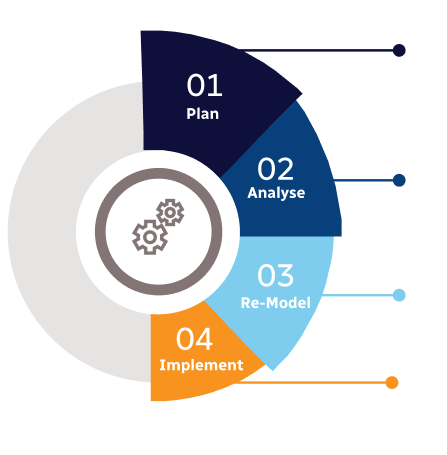
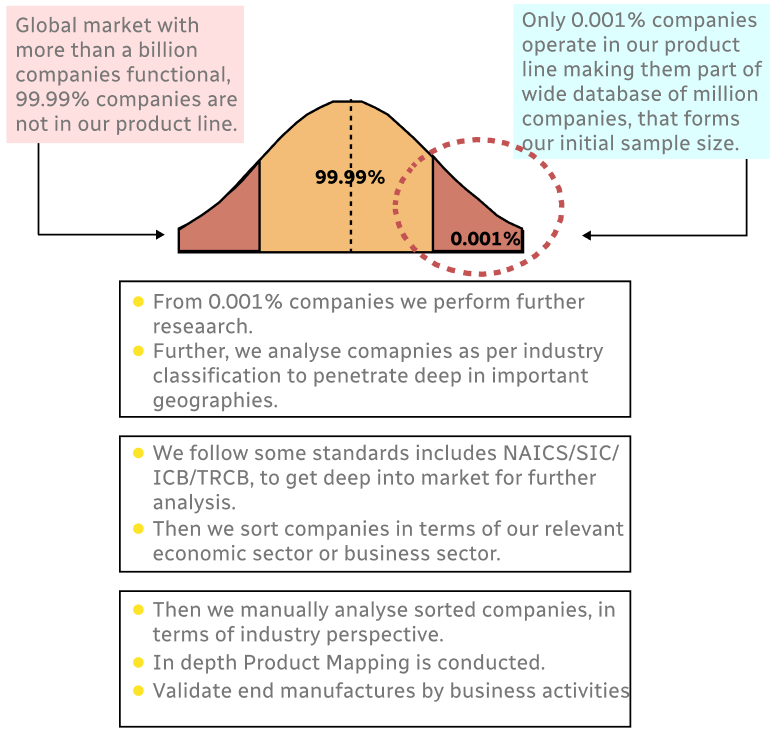
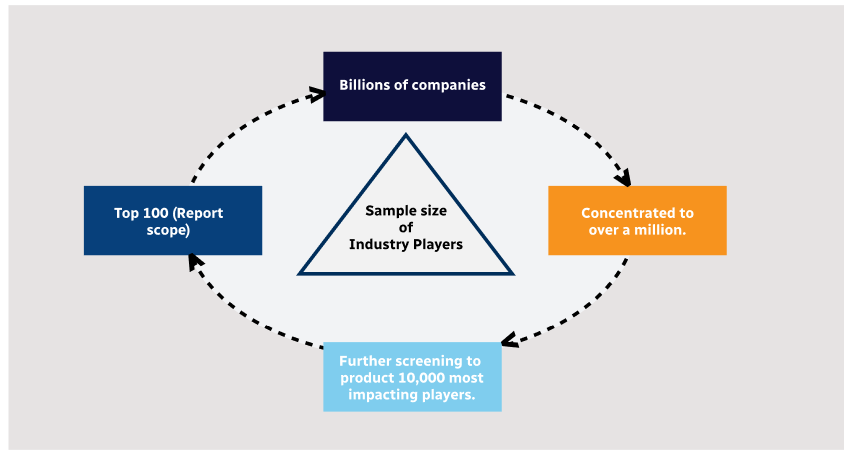
Step 1 - Identification of Relevant Samples Size from Population Database
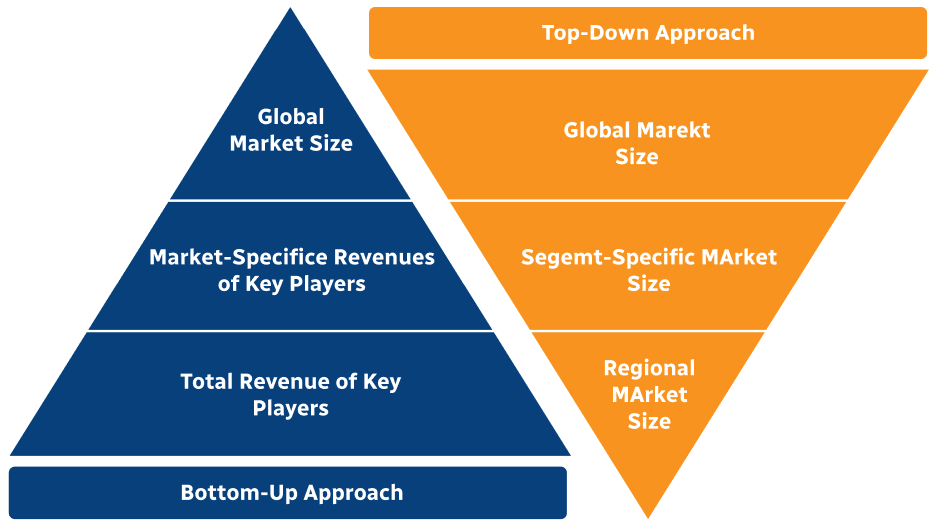
Step 2 - Approaches for Defining Global Market Size (Value, Volume* & Price*)
Note*: In applicable scenarios
Step 3 - Data Sources
Primary Research
- Web Analytics
- Survey Reports
- Research Institute
- Latest Research Reports
- Opinion Leaders
Secondary Research
- Annual Reports
- White Paper
- Latest Press Release
- Industry Association
- Paid Database
- Investor Presentations
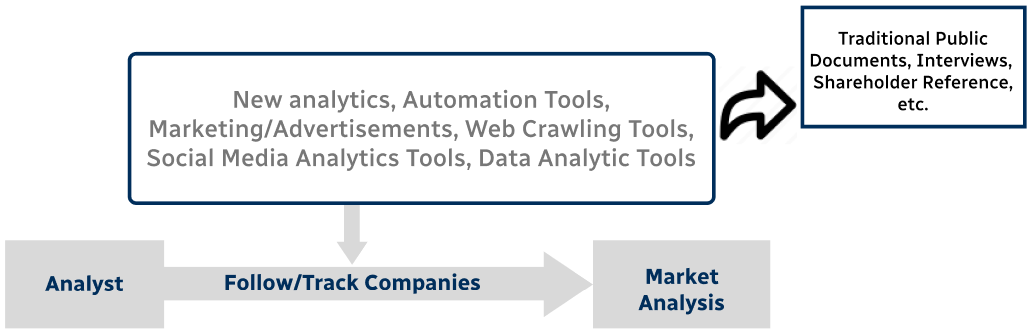
Step 4 - Data Triangulation
Involves using different sources of information in order to increase the validity of a study
These sources are likely to be stakeholders in a program - participants, other researchers, program staff, other community members, and so on.
Then we put all data in single framework & apply various statistical tools to find out the dynamic on the market.
During the analysis stage, feedback from the stakeholder groups would be compared to determine areas of agreement as well as areas of divergence