


Key Insights
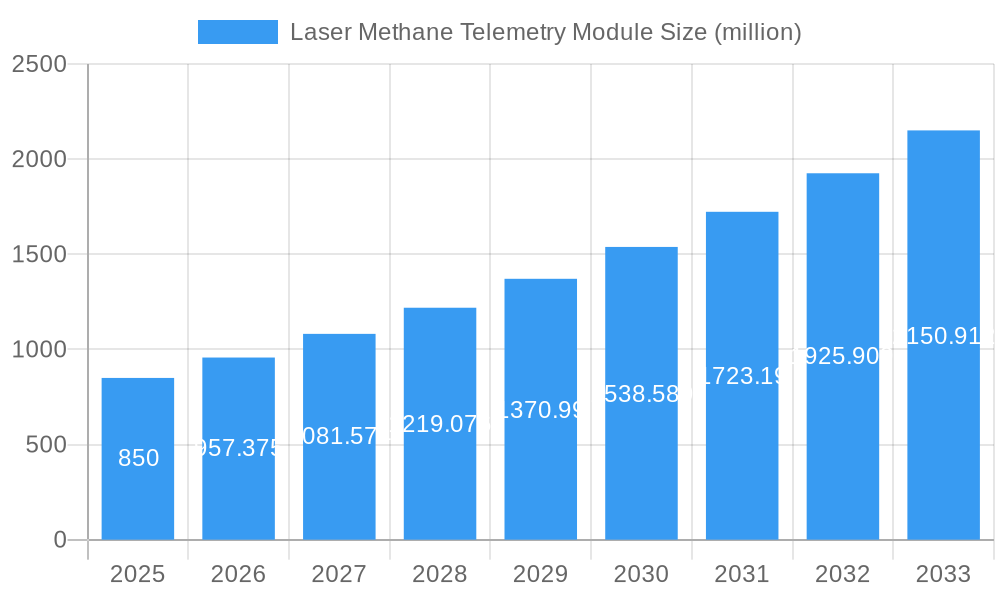
The Laser Methane Telemetry Module market is poised for substantial growth, driven by an increasing global focus on safety, environmental regulations, and operational efficiency across various industries. With an estimated market size of $850 million in 2025, the market is projected to expand at a Compound Annual Growth Rate (CAGR) of 12.5% through 2033. This robust expansion is primarily fueled by the critical need for accurate and rapid methane leak detection in sectors like Oil & Gas, Petrochemicals, and Power Generation, where fugitive emissions pose significant safety and environmental risks. The inherent advantages of laser-based telemetry, including its non-contact operation, long-range detection capabilities, and high precision, make it a superior alternative to traditional methods, thus accelerating its adoption. Furthermore, government mandates for reduced greenhouse gas emissions and enhanced industrial safety are creating a fertile ground for the proliferation of these advanced sensing technologies. The ongoing advancements in laser technology, miniaturization, and IoT integration are also contributing to the development of more cost-effective and user-friendly solutions, further stimulating market demand.
Laser Methane Telemetry Module Market Size (In Million)

The market is segmented into TDLAS (Tunable Diode Laser Absorption Spectroscopy) and TDLAS-WMS (Tunable Diode Laser Absorption Spectroscopy - Wavelength Modulation Spectroscopy) types, with TDLAS expected to dominate due to its established reliability and widespread application in industrial settings. Geographically, the Asia Pacific region is anticipated to exhibit the fastest growth, propelled by rapid industrialization, increasing investments in energy infrastructure, and stringent environmental regulations in countries like China and India. North America and Europe, with their mature industrial bases and strong emphasis on safety and environmental compliance, will continue to be significant markets. Key players such as Siemens, ABB, Emerson, and Baker Hughes are actively investing in research and development to introduce innovative products, expand their market reach, and address the evolving needs of diverse applications, including industrial monitoring, power infrastructure, and gas leakage detection. Despite the positive outlook, challenges such as the initial high cost of sophisticated systems and the need for skilled personnel for installation and maintenance could temper the growth rate in certain segments.
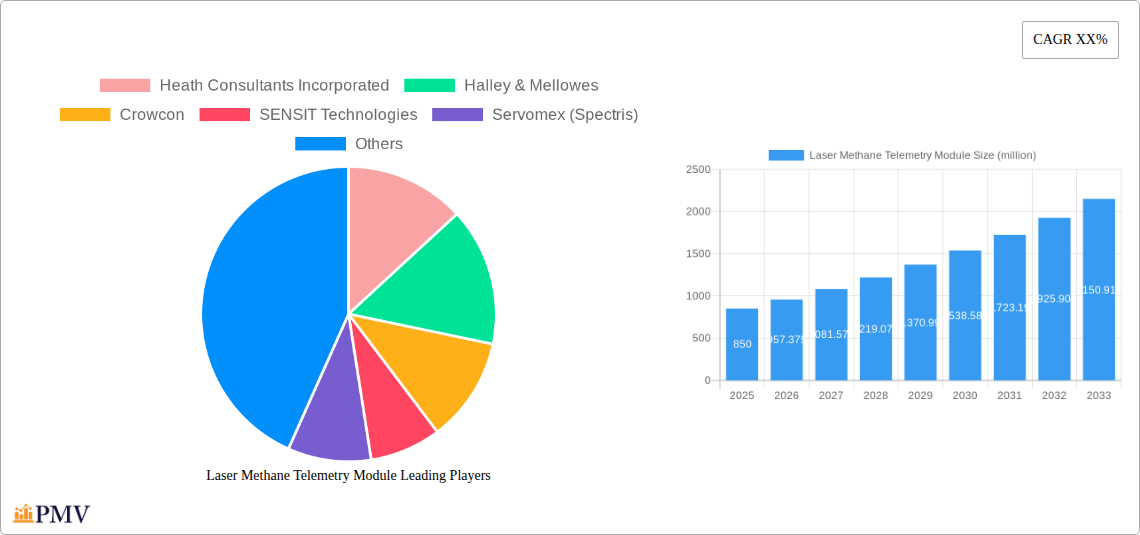
Laser Methane Telemetry Module Company Market Share
This comprehensive report delivers an in-depth analysis of the global Laser Methane Telemetry Module market, providing critical insights for stakeholders navigating this dynamic sector. Covering the historical period from 2019 to 2024, the base and estimated year of 2025, and a robust forecast period extending to 2033, this study offers actionable intelligence on market structure, competitive dynamics, emerging trends, and future growth opportunities. The report is meticulously crafted to enhance search engine visibility and engage industry professionals by embedding high-ranking keywords such as "methane detection," "gas leak detection," "TDLAS," "industrial safety," "petroleum," "petrochemical," and "power generation."
Laser Methane Telemetry Module Market Structure & Competitive Dynamics
The Laser Methane Telemetry Module market is characterized by a moderately concentrated structure, with key players investing heavily in research and development to drive innovation. The innovation ecosystem thrives on advancements in TDLAS (Tunable Diode Laser Absorption Spectroscopy) technology, leading to enhanced sensitivity, accuracy, and operational range. Regulatory frameworks, particularly concerning environmental protection and industrial safety standards, play a significant role in shaping market entry and product development. While direct product substitutes for laser-based methane detection are limited, alternative gas sensing technologies present indirect competition. End-user trends indicate a growing demand for real-time, remote, and continuous methane monitoring solutions across various industries, driven by stringent emissions regulations and the pursuit of operational efficiency. Mergers and acquisitions (M&A) activities are observed as companies seek to expand their product portfolios, geographical reach, and technological capabilities. For instance, strategic acquisitions have aimed to integrate complementary technologies, with estimated M&A deal values in the hundreds of millions influencing market consolidation. Market share analysis reveals a gradual shift towards solutions offering higher precision and lower detection limits, with the top five players collectively holding an estimated 60-70% of the market share.
Laser Methane Telemetry Module Industry Trends & Insights
The Laser Methane Telemetry Module industry is experiencing robust growth, primarily fueled by increasing global awareness and stringent regulations surrounding methane emissions. The Compound Annual Growth Rate (CAGR) for this market is projected to be a significant 7.5% during the forecast period. Technological disruptions, particularly in the miniaturization and cost-effectiveness of TDLAS modules, are expanding accessibility for a wider range of applications and industries. Consumer preferences are shifting towards smart, IoT-enabled modules that offer seamless integration with existing control systems and provide advanced data analytics for predictive maintenance and leak prevention. The competitive landscape is intensifying, with companies differentiating themselves through superior performance metrics, longer operational lifespans, and comprehensive after-sales support. Market penetration is steadily increasing, especially in the Petroleum and Petrochemical segments, where the economic and environmental costs of methane leaks are substantial. The rising adoption of advanced monitoring technologies in the Power sector to ensure grid stability and reduce fugitive emissions also contributes significantly to market expansion. The continuous pursuit of zero-emission targets and enhanced worker safety is a major market growth driver, pushing the demand for highly reliable and accurate methane detection systems. The projected market size for 2025 is estimated to reach US$ 1.2 billion, with significant potential for further expansion.
Dominant Markets & Segments in Laser Methane Telemetry Module
The Petroleum and Petrochemical industry segment emerges as the dominant market for Laser Methane Telemetry Modules, driven by the inherent risks and stringent regulatory oversight associated with hydrocarbon extraction, processing, and transportation. The Industrial application segment, encompassing a broad range of manufacturing processes, also holds substantial market share due to the widespread use of natural gas as an energy source and feedstock.
Dominant Application Segments:
- Petroleum and Petrochemical: This segment's dominance is underscored by critical needs for leak detection in upstream, midstream, and downstream operations, preventing costly product loss, ensuring environmental compliance, and mitigating safety hazards. Government regulations and industry best practices mandate robust methane monitoring. Key drivers include the exploration of new oil and gas fields, the expansion of refining capacities, and the increasing focus on reducing methane intensity in the supply chain.
- Industrial: This broad segment benefits from the growing adoption of natural gas for heating, power generation, and industrial processes. Manufacturers are increasingly investing in real-time monitoring to optimize energy consumption, prevent downtime due to gas leaks, and ensure compliance with occupational safety standards. Economic policies promoting energy efficiency and industrial modernization directly influence this segment's growth.
- Gas Leakage Detection: This overarching application is a core function across all segments, emphasizing the primary purpose of these modules. Demand is driven by an increasing number of localized and distributed leak detection needs.
- Power: The power generation sector, particularly those relying on natural gas turbines, is a significant adopter due to the need for operational efficiency, safety, and reduced environmental impact. Infrastructure development for power plants and grids contributes to growth.
- Others: This category includes emerging applications in waste management, landfill monitoring, and agricultural sectors, which are gaining traction as methane's environmental impact becomes more recognized.
Dominant Technology Types:
- TDLAS (Tunable Diode Laser Absorption Spectroscopy): This is the foundational technology driving the market, offering high selectivity, sensitivity, and non-contact measurement capabilities. Its ability to detect specific gas molecules without physical contact makes it ideal for remote monitoring and hazardous environments.
- TDLAS-WMS (TDLAS - Wavelength Modulation Spectroscopy): This advanced variant of TDLAS offers even higher sensitivity and reduced susceptibility to interference, making it suitable for the most demanding applications requiring extremely low detection limits. Its adoption is increasing in critical infrastructure monitoring.
The Asia-Pacific region, particularly China and India, is projected to witness the fastest growth due to rapid industrialization, significant investments in the oil and gas sector, and increasingly stringent environmental regulations. North America and Europe continue to be mature markets with high adoption rates driven by established regulatory frameworks and advanced technological infrastructure.
Laser Methane Telemetry Module Product Innovations
Product innovation in the Laser Methane Telemetry Module market centers on enhancing detection accuracy, extending operational range, reducing power consumption, and improving connectivity. Companies are developing more compact and ruggedized modules for deployment in challenging industrial environments. Advancements in algorithms for signal processing are leading to faster response times and lower false alarm rates. The integration of AI and machine learning for predictive analytics and anomaly detection is a key trend, providing users with actionable insights beyond simple leak alerts. Competitive advantages are being carved out through superior performance specifications, such as parts per million (ppm) detection limits, and longer battery life for remote or autonomous operation. Market fit is being optimized by offering modular solutions that can be customized for specific application needs across the Petroleum and Petrochemical, Industrial, and Power sectors. The introduction of IoT-enabled modules with cloud connectivity facilitates remote monitoring and data management, offering significant value to end-users.
Report Segmentation & Scope
This report segments the Laser Methane Telemetry Module market based on critical parameters to provide granular insights. The Application segmentation includes Industrial, Power, Petroleum and Petrochemical, Metallurgy, Gas Leakage Detection, and Others. Each segment is analyzed for its specific market size, growth projections, and competitive dynamics. For instance, the Petroleum and Petrochemical segment is expected to grow at a CAGR of 8.2%, reaching an estimated US$ 450 million by 2033, driven by upstream exploration and midstream infrastructure development. The Type segmentation focuses on TDLAS and TDLAS-WMS, with the TDLAS-WMS segment projected to exhibit a higher CAGR of 9.1% due to its superior performance characteristics, though the broader TDLAS segment will maintain a larger overall market share. The scope covers technological advancements, regulatory impacts, and key player strategies within these defined segments.
Key Drivers of Laser Methane Telemetry Module Growth
Several key factors are driving the growth of the Laser Methane Telemetry Module market.
- Stringent Environmental Regulations: Governments worldwide are implementing stricter regulations to curb methane emissions, particularly from the oil and gas industry and industrial facilities, compelling companies to invest in advanced monitoring solutions. For example, new EPA regulations in the US are pushing for enhanced leak detection and repair programs.
- Technological Advancements: Continuous improvements in TDLAS technology, leading to smaller, more accurate, and cost-effective modules, are expanding their applicability and adoption rates. The development of remote sensing capabilities allows for monitoring of vast areas efficiently.
- Enhanced Safety Standards: The imperative to ensure worker safety in hazardous environments, such as chemical plants and refineries, necessitates reliable methane detection systems to prevent explosions and health hazards.
- Economic Benefits: Proactive leak detection minimizes product loss in the oil and gas sector, leading to significant cost savings. Improved operational efficiency and reduced downtime also contribute to economic advantages.
- Growing Awareness of Methane's Impact: Increased scientific understanding of methane's potent greenhouse gas properties is driving demand for effective mitigation strategies across various sectors.
Challenges in the Laser Methane Telemetry Module Sector
Despite robust growth, the Laser Methane Telemetry Module sector faces several challenges.
- High Initial Investment Costs: While costs are decreasing, the initial capital outlay for advanced laser telemetry systems can still be a barrier for smaller enterprises or in cost-sensitive markets.
- Complex Installation and Calibration: Certain sophisticated systems require specialized expertise for installation and regular calibration, which can add to operational costs and complexity.
- Harsh Environmental Conditions: Extreme temperatures, dust, and corrosive elements in industrial settings can impact the performance and longevity of even ruggedized modules, requiring robust engineering and maintenance.
- Competition from Alternative Technologies: While TDLAS is advanced, other gas sensing technologies, though less precise for methane, still offer lower-cost alternatives for less critical applications.
- Supply Chain Disruptions: Global supply chain vulnerabilities, particularly for specialized electronic components, can lead to production delays and impact product availability. The estimated impact of such disruptions could lead to a 5-10% delay in project timelines.
Leading Players in the Laser Methane Telemetry Module Market
The competitive landscape of the Laser Methane Telemetry Module market is populated by a mix of established industrial automation giants and specialized sensor manufacturers. Key players include:
- Heath Consultants Incorporated
- Halley & Mellowes
- Crowcon
- SENSIT Technologies
- Servomex (Spectris)
- Endress+Hauser
- Mettler Toledo
- Focused Photonics
- Yokogawa Electric
- NEO Monitors
- ABB
- Siemens
- Baker Hughes
- SICK
- Emerson
- Hesai Technology
- Healthy Photon
- Wuhan Liujiu Sensing Technology
- Chengdu Shengse Sensing Technology Co.,Ltd.
- Sichuan Zhiguang Photonics Technology
- DaLian Snail Technolongy
- Dalian Actech
- Xi'an Jietong Zhichuang Instrument Equipment
- Henan Zhong An Electronic Detection Technology
- Nlngbo Healthy Photon Technology
- Anhui Huayee Technology
Key Developments in Laser Methane Telemetry Module Sector
- 2023: Focused Photonics launched a new generation of ultra-sensitive TDLAS modules with enhanced range for upstream oil and gas applications.
- 2024: Servomex acquired a key technology provider to integrate advanced AI capabilities into its methane detection portfolio.
- 2024: Crowcon introduced a portable, battery-powered TDLAS methane detector for rapid site surveys, addressing the need for on-demand monitoring.
- 2024: Hesai Technology announced significant advancements in its solid-state LiDAR technology, with potential applications in gas leak detection.
- 2024: SICK unveiled a new integrated gas monitoring solution for industrial plants, combining multiple sensor technologies for comprehensive safety.
- 2024: Emerson expanded its digital transformation offerings with enhanced cloud-based data analytics for methane emission management.
- 2024: SENSIT Technologies introduced ATEX-certified TDLAS modules for use in potentially explosive atmospheres, a critical development for the petrochemical sector.
- 2024: Endress+Hauser showcased a next-generation TDLAS system featuring improved diagnostics and remote servicing capabilities, estimated to reduce maintenance costs by 15%.
Strategic Laser Methane Telemetry Module Market Outlook
The strategic outlook for the Laser Methane Telemetry Module market remains highly positive, driven by the persistent global focus on climate change mitigation and industrial safety. Growth accelerators include the ongoing digital transformation within the Petroleum and Petrochemical and Industrial sectors, leading to increased demand for smart, connected monitoring solutions. Strategic opportunities lie in developing more cost-effective and user-friendly TDLAS modules to penetrate emerging markets and smaller industrial applications. The advancement and integration of AI for predictive maintenance and optimized leak response will further solidify the market's value proposition. Furthermore, strategic partnerships and collaborations between technology providers and end-users will be crucial for tailoring solutions to specific industry needs and accelerating market adoption. The increasing emphasis on ESG (Environmental, Social, and Governance) reporting will also fuel the demand for transparent and accurate methane emission data, directly benefiting laser telemetry solutions. The projected market size for 2033 is expected to surpass US$ 2.5 billion.
Laser Methane Telemetry Module Segmentation
-
1. Application
- 1.1. Industrial
- 1.2. Power
- 1.3. Petroleum and Petrochemical
- 1.4. Metallurgy
- 1.5. Gas Leakage Detection
- 1.6. Others
-
2. Types
- 2.1. TDLAS
- 2.2. TDLAS-WMS
Laser Methane Telemetry Module Segmentation By Geography
-
1. North America
- 1.1. United States
- 1.2. Canada
- 1.3. Mexico
-
2. South America
- 2.1. Brazil
- 2.2. Argentina
- 2.3. Rest of South America
-
3. Europe
- 3.1. United Kingdom
- 3.2. Germany
- 3.3. France
- 3.4. Italy
- 3.5. Spain
- 3.6. Russia
- 3.7. Benelux
- 3.8. Nordics
- 3.9. Rest of Europe
-
4. Middle East & Africa
- 4.1. Turkey
- 4.2. Israel
- 4.3. GCC
- 4.4. North Africa
- 4.5. South Africa
- 4.6. Rest of Middle East & Africa
-
5. Asia Pacific
- 5.1. China
- 5.2. India
- 5.3. Japan
- 5.4. South Korea
- 5.5. ASEAN
- 5.6. Oceania
- 5.7. Rest of Asia Pacific
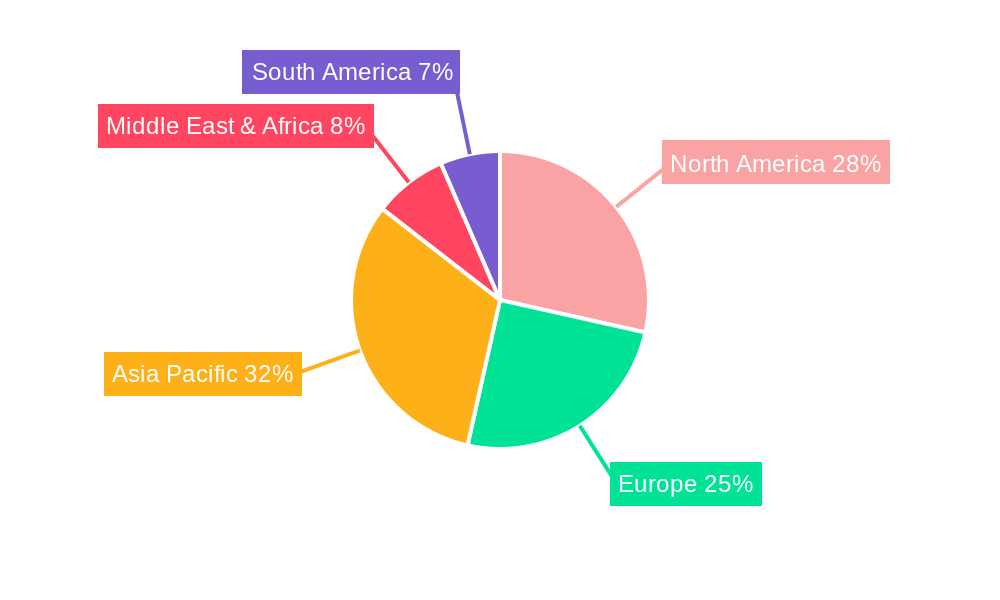
Laser Methane Telemetry Module Regional Market Share
Geographic Coverage of Laser Methane Telemetry Module
Laser Methane Telemetry Module REPORT HIGHLIGHTS
| Aspects | Details |
|---|---|
| Study Period | 2020-2034 |
| Base Year | 2025 |
| Estimated Year | 2026 |
| Forecast Period | 2026-2034 |
| Historical Period | 2020-2025 |
| Growth Rate | CAGR of 12% from 2020-2034 |
| Segmentation |
|
Table of Contents
- 1. Introduction
- 1.1. Research Scope
- 1.2. Market Segmentation
- 1.3. Research Methodology
- 1.4. Definitions and Assumptions
- 2. Executive Summary
- 2.1. Introduction
- 3. Market Dynamics
- 3.1. Introduction
- 3.2. Market Drivers
- 3.3. Market Restrains
- 3.4. Market Trends
- 4. Market Factor Analysis
- 4.1. Porters Five Forces
- 4.2. Supply/Value Chain
- 4.3. PESTEL analysis
- 4.4. Market Entropy
- 4.5. Patent/Trademark Analysis
- 5. Global Laser Methane Telemetry Module Analysis, Insights and Forecast, 2020-2032
- 5.1. Market Analysis, Insights and Forecast - by Application
- 5.1.1. Industrial
- 5.1.2. Power
- 5.1.3. Petroleum and Petrochemical
- 5.1.4. Metallurgy
- 5.1.5. Gas Leakage Detection
- 5.1.6. Others
- 5.2. Market Analysis, Insights and Forecast - by Types
- 5.2.1. TDLAS
- 5.2.2. TDLAS-WMS
- 5.3. Market Analysis, Insights and Forecast - by Region
- 5.3.1. North America
- 5.3.2. South America
- 5.3.3. Europe
- 5.3.4. Middle East & Africa
- 5.3.5. Asia Pacific
- 5.1. Market Analysis, Insights and Forecast - by Application
- 6. North America Laser Methane Telemetry Module Analysis, Insights and Forecast, 2020-2032
- 6.1. Market Analysis, Insights and Forecast - by Application
- 6.1.1. Industrial
- 6.1.2. Power
- 6.1.3. Petroleum and Petrochemical
- 6.1.4. Metallurgy
- 6.1.5. Gas Leakage Detection
- 6.1.6. Others
- 6.2. Market Analysis, Insights and Forecast - by Types
- 6.2.1. TDLAS
- 6.2.2. TDLAS-WMS
- 6.1. Market Analysis, Insights and Forecast - by Application
- 7. South America Laser Methane Telemetry Module Analysis, Insights and Forecast, 2020-2032
- 7.1. Market Analysis, Insights and Forecast - by Application
- 7.1.1. Industrial
- 7.1.2. Power
- 7.1.3. Petroleum and Petrochemical
- 7.1.4. Metallurgy
- 7.1.5. Gas Leakage Detection
- 7.1.6. Others
- 7.2. Market Analysis, Insights and Forecast - by Types
- 7.2.1. TDLAS
- 7.2.2. TDLAS-WMS
- 7.1. Market Analysis, Insights and Forecast - by Application
- 8. Europe Laser Methane Telemetry Module Analysis, Insights and Forecast, 2020-2032
- 8.1. Market Analysis, Insights and Forecast - by Application
- 8.1.1. Industrial
- 8.1.2. Power
- 8.1.3. Petroleum and Petrochemical
- 8.1.4. Metallurgy
- 8.1.5. Gas Leakage Detection
- 8.1.6. Others
- 8.2. Market Analysis, Insights and Forecast - by Types
- 8.2.1. TDLAS
- 8.2.2. TDLAS-WMS
- 8.1. Market Analysis, Insights and Forecast - by Application
- 9. Middle East & Africa Laser Methane Telemetry Module Analysis, Insights and Forecast, 2020-2032
- 9.1. Market Analysis, Insights and Forecast - by Application
- 9.1.1. Industrial
- 9.1.2. Power
- 9.1.3. Petroleum and Petrochemical
- 9.1.4. Metallurgy
- 9.1.5. Gas Leakage Detection
- 9.1.6. Others
- 9.2. Market Analysis, Insights and Forecast - by Types
- 9.2.1. TDLAS
- 9.2.2. TDLAS-WMS
- 9.1. Market Analysis, Insights and Forecast - by Application
- 10. Asia Pacific Laser Methane Telemetry Module Analysis, Insights and Forecast, 2020-2032
- 10.1. Market Analysis, Insights and Forecast - by Application
- 10.1.1. Industrial
- 10.1.2. Power
- 10.1.3. Petroleum and Petrochemical
- 10.1.4. Metallurgy
- 10.1.5. Gas Leakage Detection
- 10.1.6. Others
- 10.2. Market Analysis, Insights and Forecast - by Types
- 10.2.1. TDLAS
- 10.2.2. TDLAS-WMS
- 10.1. Market Analysis, Insights and Forecast - by Application
- 11. Competitive Analysis
- 11.1. Global Market Share Analysis 2025
- 11.2. Company Profiles
- 11.2.1 Heath Consultants Incorporated
- 11.2.1.1. Overview
- 11.2.1.2. Products
- 11.2.1.3. SWOT Analysis
- 11.2.1.4. Recent Developments
- 11.2.1.5. Financials (Based on Availability)
- 11.2.2 Halley & Mellowes
- 11.2.2.1. Overview
- 11.2.2.2. Products
- 11.2.2.3. SWOT Analysis
- 11.2.2.4. Recent Developments
- 11.2.2.5. Financials (Based on Availability)
- 11.2.3 Crowcon
- 11.2.3.1. Overview
- 11.2.3.2. Products
- 11.2.3.3. SWOT Analysis
- 11.2.3.4. Recent Developments
- 11.2.3.5. Financials (Based on Availability)
- 11.2.4 SENSIT Technologies
- 11.2.4.1. Overview
- 11.2.4.2. Products
- 11.2.4.3. SWOT Analysis
- 11.2.4.4. Recent Developments
- 11.2.4.5. Financials (Based on Availability)
- 11.2.5 Servomex (Spectris)
- 11.2.5.1. Overview
- 11.2.5.2. Products
- 11.2.5.3. SWOT Analysis
- 11.2.5.4. Recent Developments
- 11.2.5.5. Financials (Based on Availability)
- 11.2.6 Endress+Hauser
- 11.2.6.1. Overview
- 11.2.6.2. Products
- 11.2.6.3. SWOT Analysis
- 11.2.6.4. Recent Developments
- 11.2.6.5. Financials (Based on Availability)
- 11.2.7 Mettler Toledo
- 11.2.7.1. Overview
- 11.2.7.2. Products
- 11.2.7.3. SWOT Analysis
- 11.2.7.4. Recent Developments
- 11.2.7.5. Financials (Based on Availability)
- 11.2.8 Focused Photonics
- 11.2.8.1. Overview
- 11.2.8.2. Products
- 11.2.8.3. SWOT Analysis
- 11.2.8.4. Recent Developments
- 11.2.8.5. Financials (Based on Availability)
- 11.2.9 Yokogawa Electric
- 11.2.9.1. Overview
- 11.2.9.2. Products
- 11.2.9.3. SWOT Analysis
- 11.2.9.4. Recent Developments
- 11.2.9.5. Financials (Based on Availability)
- 11.2.10 NEO Monitors
- 11.2.10.1. Overview
- 11.2.10.2. Products
- 11.2.10.3. SWOT Analysis
- 11.2.10.4. Recent Developments
- 11.2.10.5. Financials (Based on Availability)
- 11.2.11 ABB
- 11.2.11.1. Overview
- 11.2.11.2. Products
- 11.2.11.3. SWOT Analysis
- 11.2.11.4. Recent Developments
- 11.2.11.5. Financials (Based on Availability)
- 11.2.12 Siemens
- 11.2.12.1. Overview
- 11.2.12.2. Products
- 11.2.12.3. SWOT Analysis
- 11.2.12.4. Recent Developments
- 11.2.12.5. Financials (Based on Availability)
- 11.2.13 Baker Hughes
- 11.2.13.1. Overview
- 11.2.13.2. Products
- 11.2.13.3. SWOT Analysis
- 11.2.13.4. Recent Developments
- 11.2.13.5. Financials (Based on Availability)
- 11.2.14 SICK
- 11.2.14.1. Overview
- 11.2.14.2. Products
- 11.2.14.3. SWOT Analysis
- 11.2.14.4. Recent Developments
- 11.2.14.5. Financials (Based on Availability)
- 11.2.15 Emerson
- 11.2.15.1. Overview
- 11.2.15.2. Products
- 11.2.15.3. SWOT Analysis
- 11.2.15.4. Recent Developments
- 11.2.15.5. Financials (Based on Availability)
- 11.2.16 Hesai Technology
- 11.2.16.1. Overview
- 11.2.16.2. Products
- 11.2.16.3. SWOT Analysis
- 11.2.16.4. Recent Developments
- 11.2.16.5. Financials (Based on Availability)
- 11.2.17 Healthy Photon
- 11.2.17.1. Overview
- 11.2.17.2. Products
- 11.2.17.3. SWOT Analysis
- 11.2.17.4. Recent Developments
- 11.2.17.5. Financials (Based on Availability)
- 11.2.18 Wuhan Liujiu Sensing Technology
- 11.2.18.1. Overview
- 11.2.18.2. Products
- 11.2.18.3. SWOT Analysis
- 11.2.18.4. Recent Developments
- 11.2.18.5. Financials (Based on Availability)
- 11.2.19 Chengdu Shengse Sensing Technology Co.
- 11.2.19.1. Overview
- 11.2.19.2. Products
- 11.2.19.3. SWOT Analysis
- 11.2.19.4. Recent Developments
- 11.2.19.5. Financials (Based on Availability)
- 11.2.20 Ltd.
- 11.2.20.1. Overview
- 11.2.20.2. Products
- 11.2.20.3. SWOT Analysis
- 11.2.20.4. Recent Developments
- 11.2.20.5. Financials (Based on Availability)
- 11.2.21 Sichuan Zhiguang Photonics Technology
- 11.2.21.1. Overview
- 11.2.21.2. Products
- 11.2.21.3. SWOT Analysis
- 11.2.21.4. Recent Developments
- 11.2.21.5. Financials (Based on Availability)
- 11.2.22 DaLian Snail Technolongy
- 11.2.22.1. Overview
- 11.2.22.2. Products
- 11.2.22.3. SWOT Analysis
- 11.2.22.4. Recent Developments
- 11.2.22.5. Financials (Based on Availability)
- 11.2.23 Dalian Actech
- 11.2.23.1. Overview
- 11.2.23.2. Products
- 11.2.23.3. SWOT Analysis
- 11.2.23.4. Recent Developments
- 11.2.23.5. Financials (Based on Availability)
- 11.2.24 Xi'an Jietong Zhichuang Instrument Equipment
- 11.2.24.1. Overview
- 11.2.24.2. Products
- 11.2.24.3. SWOT Analysis
- 11.2.24.4. Recent Developments
- 11.2.24.5. Financials (Based on Availability)
- 11.2.25 Henan Zhong An Electronic Detection Technology
- 11.2.25.1. Overview
- 11.2.25.2. Products
- 11.2.25.3. SWOT Analysis
- 11.2.25.4. Recent Developments
- 11.2.25.5. Financials (Based on Availability)
- 11.2.26 Nlngbo Healthy Photon Technology
- 11.2.26.1. Overview
- 11.2.26.2. Products
- 11.2.26.3. SWOT Analysis
- 11.2.26.4. Recent Developments
- 11.2.26.5. Financials (Based on Availability)
- 11.2.27 Anhui Huayee Technology
- 11.2.27.1. Overview
- 11.2.27.2. Products
- 11.2.27.3. SWOT Analysis
- 11.2.27.4. Recent Developments
- 11.2.27.5. Financials (Based on Availability)
- 11.2.1 Heath Consultants Incorporated
List of Figures
- Figure 1: Global Laser Methane Telemetry Module Revenue Breakdown (undefined, %) by Region 2025 & 2033
- Figure 2: North America Laser Methane Telemetry Module Revenue (undefined), by Application 2025 & 2033
- Figure 3: North America Laser Methane Telemetry Module Revenue Share (%), by Application 2025 & 2033
- Figure 4: North America Laser Methane Telemetry Module Revenue (undefined), by Types 2025 & 2033
- Figure 5: North America Laser Methane Telemetry Module Revenue Share (%), by Types 2025 & 2033
- Figure 6: North America Laser Methane Telemetry Module Revenue (undefined), by Country 2025 & 2033
- Figure 7: North America Laser Methane Telemetry Module Revenue Share (%), by Country 2025 & 2033
- Figure 8: South America Laser Methane Telemetry Module Revenue (undefined), by Application 2025 & 2033
- Figure 9: South America Laser Methane Telemetry Module Revenue Share (%), by Application 2025 & 2033
- Figure 10: South America Laser Methane Telemetry Module Revenue (undefined), by Types 2025 & 2033
- Figure 11: South America Laser Methane Telemetry Module Revenue Share (%), by Types 2025 & 2033
- Figure 12: South America Laser Methane Telemetry Module Revenue (undefined), by Country 2025 & 2033
- Figure 13: South America Laser Methane Telemetry Module Revenue Share (%), by Country 2025 & 2033
- Figure 14: Europe Laser Methane Telemetry Module Revenue (undefined), by Application 2025 & 2033
- Figure 15: Europe Laser Methane Telemetry Module Revenue Share (%), by Application 2025 & 2033
- Figure 16: Europe Laser Methane Telemetry Module Revenue (undefined), by Types 2025 & 2033
- Figure 17: Europe Laser Methane Telemetry Module Revenue Share (%), by Types 2025 & 2033
- Figure 18: Europe Laser Methane Telemetry Module Revenue (undefined), by Country 2025 & 2033
- Figure 19: Europe Laser Methane Telemetry Module Revenue Share (%), by Country 2025 & 2033
- Figure 20: Middle East & Africa Laser Methane Telemetry Module Revenue (undefined), by Application 2025 & 2033
- Figure 21: Middle East & Africa Laser Methane Telemetry Module Revenue Share (%), by Application 2025 & 2033
- Figure 22: Middle East & Africa Laser Methane Telemetry Module Revenue (undefined), by Types 2025 & 2033
- Figure 23: Middle East & Africa Laser Methane Telemetry Module Revenue Share (%), by Types 2025 & 2033
- Figure 24: Middle East & Africa Laser Methane Telemetry Module Revenue (undefined), by Country 2025 & 2033
- Figure 25: Middle East & Africa Laser Methane Telemetry Module Revenue Share (%), by Country 2025 & 2033
- Figure 26: Asia Pacific Laser Methane Telemetry Module Revenue (undefined), by Application 2025 & 2033
- Figure 27: Asia Pacific Laser Methane Telemetry Module Revenue Share (%), by Application 2025 & 2033
- Figure 28: Asia Pacific Laser Methane Telemetry Module Revenue (undefined), by Types 2025 & 2033
- Figure 29: Asia Pacific Laser Methane Telemetry Module Revenue Share (%), by Types 2025 & 2033
- Figure 30: Asia Pacific Laser Methane Telemetry Module Revenue (undefined), by Country 2025 & 2033
- Figure 31: Asia Pacific Laser Methane Telemetry Module Revenue Share (%), by Country 2025 & 2033
List of Tables
- Table 1: Global Laser Methane Telemetry Module Revenue undefined Forecast, by Application 2020 & 2033
- Table 2: Global Laser Methane Telemetry Module Revenue undefined Forecast, by Types 2020 & 2033
- Table 3: Global Laser Methane Telemetry Module Revenue undefined Forecast, by Region 2020 & 2033
- Table 4: Global Laser Methane Telemetry Module Revenue undefined Forecast, by Application 2020 & 2033
- Table 5: Global Laser Methane Telemetry Module Revenue undefined Forecast, by Types 2020 & 2033
- Table 6: Global Laser Methane Telemetry Module Revenue undefined Forecast, by Country 2020 & 2033
- Table 7: United States Laser Methane Telemetry Module Revenue (undefined) Forecast, by Application 2020 & 2033
- Table 8: Canada Laser Methane Telemetry Module Revenue (undefined) Forecast, by Application 2020 & 2033
- Table 9: Mexico Laser Methane Telemetry Module Revenue (undefined) Forecast, by Application 2020 & 2033
- Table 10: Global Laser Methane Telemetry Module Revenue undefined Forecast, by Application 2020 & 2033
- Table 11: Global Laser Methane Telemetry Module Revenue undefined Forecast, by Types 2020 & 2033
- Table 12: Global Laser Methane Telemetry Module Revenue undefined Forecast, by Country 2020 & 2033
- Table 13: Brazil Laser Methane Telemetry Module Revenue (undefined) Forecast, by Application 2020 & 2033
- Table 14: Argentina Laser Methane Telemetry Module Revenue (undefined) Forecast, by Application 2020 & 2033
- Table 15: Rest of South America Laser Methane Telemetry Module Revenue (undefined) Forecast, by Application 2020 & 2033
- Table 16: Global Laser Methane Telemetry Module Revenue undefined Forecast, by Application 2020 & 2033
- Table 17: Global Laser Methane Telemetry Module Revenue undefined Forecast, by Types 2020 & 2033
- Table 18: Global Laser Methane Telemetry Module Revenue undefined Forecast, by Country 2020 & 2033
- Table 19: United Kingdom Laser Methane Telemetry Module Revenue (undefined) Forecast, by Application 2020 & 2033
- Table 20: Germany Laser Methane Telemetry Module Revenue (undefined) Forecast, by Application 2020 & 2033
- Table 21: France Laser Methane Telemetry Module Revenue (undefined) Forecast, by Application 2020 & 2033
- Table 22: Italy Laser Methane Telemetry Module Revenue (undefined) Forecast, by Application 2020 & 2033
- Table 23: Spain Laser Methane Telemetry Module Revenue (undefined) Forecast, by Application 2020 & 2033
- Table 24: Russia Laser Methane Telemetry Module Revenue (undefined) Forecast, by Application 2020 & 2033
- Table 25: Benelux Laser Methane Telemetry Module Revenue (undefined) Forecast, by Application 2020 & 2033
- Table 26: Nordics Laser Methane Telemetry Module Revenue (undefined) Forecast, by Application 2020 & 2033
- Table 27: Rest of Europe Laser Methane Telemetry Module Revenue (undefined) Forecast, by Application 2020 & 2033
- Table 28: Global Laser Methane Telemetry Module Revenue undefined Forecast, by Application 2020 & 2033
- Table 29: Global Laser Methane Telemetry Module Revenue undefined Forecast, by Types 2020 & 2033
- Table 30: Global Laser Methane Telemetry Module Revenue undefined Forecast, by Country 2020 & 2033
- Table 31: Turkey Laser Methane Telemetry Module Revenue (undefined) Forecast, by Application 2020 & 2033
- Table 32: Israel Laser Methane Telemetry Module Revenue (undefined) Forecast, by Application 2020 & 2033
- Table 33: GCC Laser Methane Telemetry Module Revenue (undefined) Forecast, by Application 2020 & 2033
- Table 34: North Africa Laser Methane Telemetry Module Revenue (undefined) Forecast, by Application 2020 & 2033
- Table 35: South Africa Laser Methane Telemetry Module Revenue (undefined) Forecast, by Application 2020 & 2033
- Table 36: Rest of Middle East & Africa Laser Methane Telemetry Module Revenue (undefined) Forecast, by Application 2020 & 2033
- Table 37: Global Laser Methane Telemetry Module Revenue undefined Forecast, by Application 2020 & 2033
- Table 38: Global Laser Methane Telemetry Module Revenue undefined Forecast, by Types 2020 & 2033
- Table 39: Global Laser Methane Telemetry Module Revenue undefined Forecast, by Country 2020 & 2033
- Table 40: China Laser Methane Telemetry Module Revenue (undefined) Forecast, by Application 2020 & 2033
- Table 41: India Laser Methane Telemetry Module Revenue (undefined) Forecast, by Application 2020 & 2033
- Table 42: Japan Laser Methane Telemetry Module Revenue (undefined) Forecast, by Application 2020 & 2033
- Table 43: South Korea Laser Methane Telemetry Module Revenue (undefined) Forecast, by Application 2020 & 2033
- Table 44: ASEAN Laser Methane Telemetry Module Revenue (undefined) Forecast, by Application 2020 & 2033
- Table 45: Oceania Laser Methane Telemetry Module Revenue (undefined) Forecast, by Application 2020 & 2033
- Table 46: Rest of Asia Pacific Laser Methane Telemetry Module Revenue (undefined) Forecast, by Application 2020 & 2033
Frequently Asked Questions
1. What is the projected Compound Annual Growth Rate (CAGR) of the Laser Methane Telemetry Module?
The projected CAGR is approximately 12%.
2. Which companies are prominent players in the Laser Methane Telemetry Module?
Key companies in the market include Heath Consultants Incorporated, Halley & Mellowes, Crowcon, SENSIT Technologies, Servomex (Spectris), Endress+Hauser, Mettler Toledo, Focused Photonics, Yokogawa Electric, NEO Monitors, ABB, Siemens, Baker Hughes, SICK, Emerson, Hesai Technology, Healthy Photon, Wuhan Liujiu Sensing Technology, Chengdu Shengse Sensing Technology Co., Ltd., Sichuan Zhiguang Photonics Technology, DaLian Snail Technolongy, Dalian Actech, Xi'an Jietong Zhichuang Instrument Equipment, Henan Zhong An Electronic Detection Technology, Nlngbo Healthy Photon Technology, Anhui Huayee Technology.
3. What are the main segments of the Laser Methane Telemetry Module?
The market segments include Application, Types.
4. Can you provide details about the market size?
The market size is estimated to be USD XXX N/A as of 2022.
5. What are some drivers contributing to market growth?
N/A
6. What are the notable trends driving market growth?
N/A
7. Are there any restraints impacting market growth?
N/A
8. Can you provide examples of recent developments in the market?
N/A
9. What pricing options are available for accessing the report?
Pricing options include single-user, multi-user, and enterprise licenses priced at USD 2900.00, USD 4350.00, and USD 5800.00 respectively.
10. Is the market size provided in terms of value or volume?
The market size is provided in terms of value, measured in N/A.
11. Are there any specific market keywords associated with the report?
Yes, the market keyword associated with the report is "Laser Methane Telemetry Module," which aids in identifying and referencing the specific market segment covered.
12. How do I determine which pricing option suits my needs best?
The pricing options vary based on user requirements and access needs. Individual users may opt for single-user licenses, while businesses requiring broader access may choose multi-user or enterprise licenses for cost-effective access to the report.
13. Are there any additional resources or data provided in the Laser Methane Telemetry Module report?
While the report offers comprehensive insights, it's advisable to review the specific contents or supplementary materials provided to ascertain if additional resources or data are available.
14. How can I stay updated on further developments or reports in the Laser Methane Telemetry Module?
To stay informed about further developments, trends, and reports in the Laser Methane Telemetry Module, consider subscribing to industry newsletters, following relevant companies and organizations, or regularly checking reputable industry news sources and publications.
Methodology
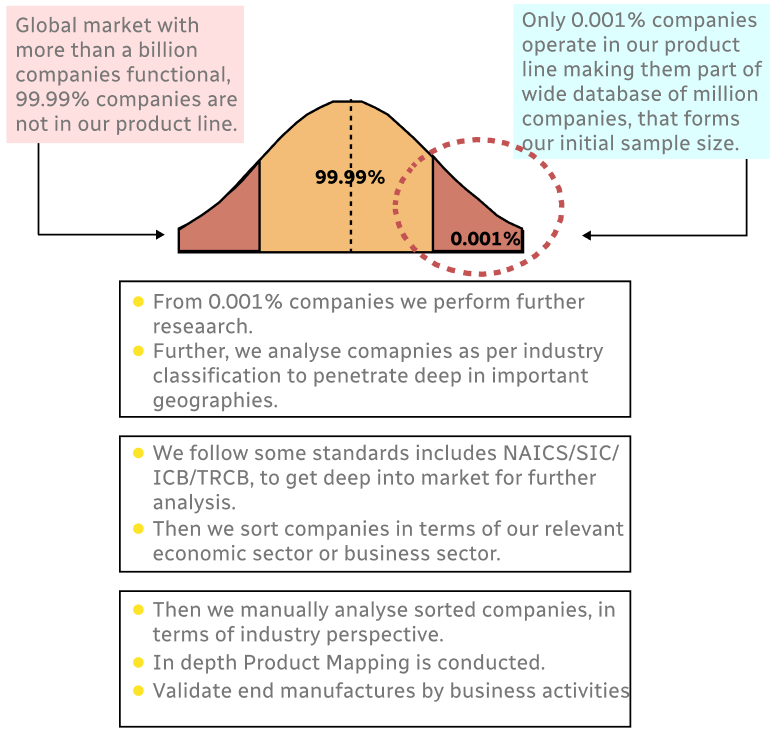
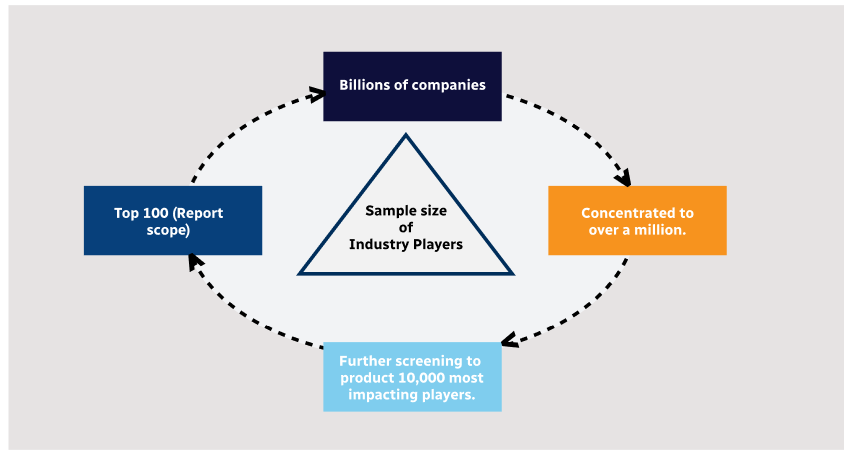
Step 1 - Identification of Relevant Samples Size from Population Database
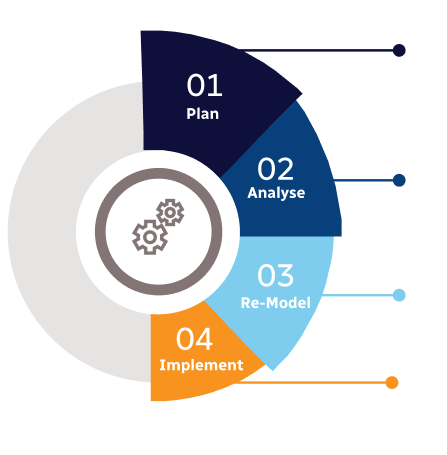
Step 2 - Approaches for Defining Global Market Size (Value, Volume* & Price*)
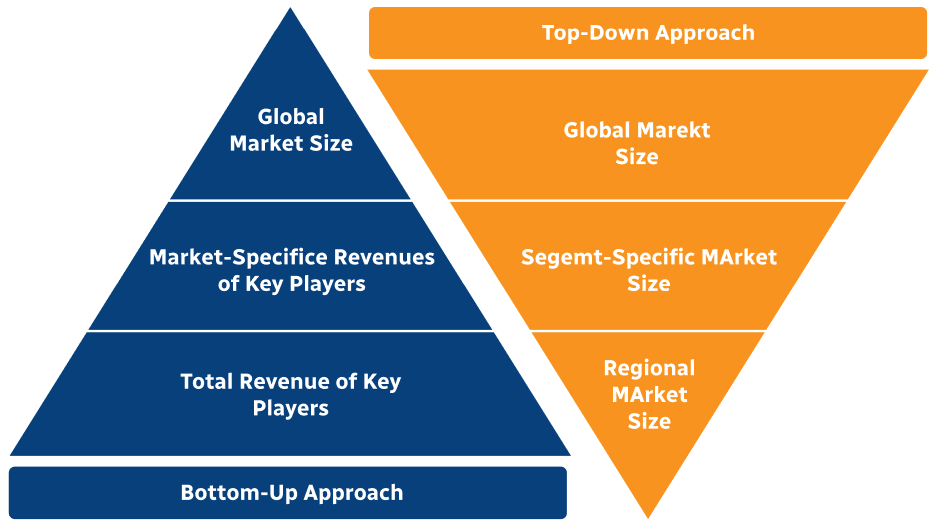
Note*: In applicable scenarios
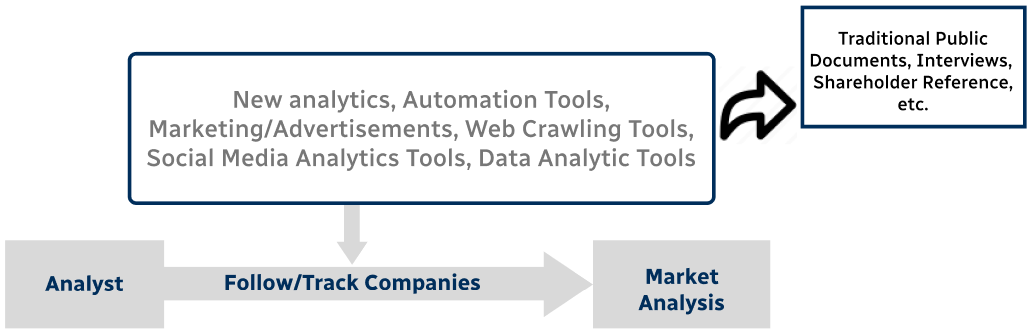
Step 3 - Data Sources
Primary Research
- Web Analytics
- Survey Reports
- Research Institute
- Latest Research Reports
- Opinion Leaders
Secondary Research
- Annual Reports
- White Paper
- Latest Press Release
- Industry Association
- Paid Database
- Investor Presentations
Step 4 - Data Triangulation
Involves using different sources of information in order to increase the validity of a study
These sources are likely to be stakeholders in a program - participants, other researchers, program staff, other community members, and so on.
Then we put all data in single framework & apply various statistical tools to find out the dynamic on the market.
During the analysis stage, feedback from the stakeholder groups would be compared to determine areas of agreement as well as areas of divergence