


Key Insights
The Japan Uninterrupted Power Supply (UPS) market, valued at approximately $11.48 billion in 2025, is projected for significant expansion, with a Compound Annual Growth Rate (CAGR) of 3.08% through 2033. This growth is propelled by the surging adoption of data centers, increasing demand for reliable power in telecommunications and healthcare, and the necessity for business continuity amid frequent power outages. The market favors online UPS systems and the 10-100 kVA capacity segment. Leading companies like Mitsubishi Corporation, ABB Ltd., and Delta Electronics Inc. are expanding their offerings and networks. Government initiatives for energy efficiency and disaster preparedness further stimulate demand.
-Market.png&w=1920&q=75)
Japan Uninterrupted Power Supply (UPS) Market Market Size (In Billion)

Challenges include high initial investment costs, the complexity of UPS technology, and competition from alternative power backup solutions. Nevertheless, the Japan UPS market outlook is positive, driven by sustained growth in key sectors, technological advancements, and the ongoing focus on digital transformation and robust infrastructure.
-Market.png&w=1920&q=75)
Japan Uninterrupted Power Supply (UPS) Market Company Market Share
Japan Uninterrupted Power Supply (UPS) Market: A Comprehensive Report (2019-2033)
This detailed report provides a comprehensive analysis of the Japan Uninterrupted Power Supply (UPS) market, offering invaluable insights for businesses operating in or planning to enter this dynamic sector. The study covers the period 2019-2033, with a focus on the base year 2025 and a forecast period extending to 2033. This report is indispensable for strategic planning, investment decisions, and competitive analysis within the Japanese UPS market.
Japan Uninterrupted Power Supply (UPS) Market Market Structure & Competitive Dynamics
The Japanese UPS market exhibits a moderately concentrated structure, with several multinational corporations and established domestic players vying for market share. Key players include Mitsubishi Corporation, ABB Ltd, Sanyo Denki Co Ltd, Delta Electronics Inc, Toshiba Corporation, Fuji Electric Co Ltd, Hitachi Ltd, Emerson Electric Co, Schneider Electric SE, EATON Corporation PLC, and General Electric Company, amongst others. Market concentration is influenced by factors like brand reputation, technological capabilities, and established distribution networks. The innovation ecosystem is characterized by ongoing R&D efforts focused on improving efficiency, reliability, and incorporating advanced technologies like AI and IoT. Regulatory frameworks, including safety standards and energy efficiency regulations, significantly impact market dynamics. Product substitutes, such as alternative power generation systems, pose a moderate threat, while the increasing demand for reliable power, especially in data centers and healthcare, fuels market expansion. M&A activities have been relatively moderate in recent years, with deal values averaging xx Million in the historical period (2019-2024). However, future consolidation cannot be ruled out, especially with increased market competition. The report delves deeper into specific market share data for each leading player and a detailed analysis of M&A activity.
- Market Concentration: Moderate, with several dominant players.
- Innovation Ecosystem: Active R&D, focusing on efficiency and smart technologies.
- Regulatory Framework: Stringent safety and energy efficiency standards.
- M&A Activity: Moderate in recent years, with potential for future consolidation.
- End-User Trends: Growing demand from data centers, telecommunications, and healthcare.
Japan Uninterrupted Power Supply (UPS) Market Industry Trends & Insights
The Japan UPS market is projected to experience robust growth throughout the forecast period (2025-2033), driven by rising demand for reliable power across various sectors. The increasing adoption of cloud computing and the expansion of data centers are major growth catalysts. Technological advancements, such as the integration of advanced battery technologies and smart monitoring systems, are further enhancing the appeal of UPS systems. Consumer preferences are shifting towards energy-efficient and technologically sophisticated solutions, driving demand for higher-capacity UPS systems and online UPS systems. Competitive dynamics are characterized by intense rivalry among leading players, leading to continuous product innovations and price competitiveness. The market is projected to exhibit a Compound Annual Growth Rate (CAGR) of xx% during the forecast period, with a market penetration rate exceeding xx% by 2033.
Dominant Markets & Segments in Japan Uninterrupted Power Supply (UPS) Market
The Data Center segment is currently the dominant application area for UPS systems in Japan, driven by the rapid growth of cloud computing and digital transformation. The 101-250 kVA capacity segment holds a significant market share, reflecting the demand for high-capacity UPS solutions by large data centers and industrial facilities. The Online UPS System segment is leading the type category, driven by the need for continuous power supply in critical applications.
- Leading Region/Segment: Data Centers (application), 101-250 kVA (capacity), Online UPS Systems (type).
- Key Drivers:
- Data Center Expansion: Significant investments in new data centers, as exemplified by the NTT and ESR Cayman projects.
- Government Initiatives: Support for digital infrastructure development.
- Economic Growth: Overall economic strength boosting industrial and commercial activity.
- Increased Power Reliability Concerns: Growing awareness of power outages and their financial impact.
Japan Uninterrupted Power Supply (UPS) Market Product Innovations
Recent product innovations in the Japanese UPS market focus on improved efficiency, enhanced reliability, and advanced monitoring capabilities. Manufacturers are incorporating advanced battery technologies, such as lithium-ion batteries, to enhance performance and lifespan. The integration of smart monitoring systems using IoT sensors allows for predictive maintenance and proactive fault detection, leading to reduced downtime and improved cost efficiency. These innovations cater to the increasing demand for sophisticated and reliable UPS systems in critical applications.
Report Segmentation & Scope
This report segments the Japan UPS market based on capacity (Less than 10 kVA, 10-100 kVA, 101-250 kVA), type (Standby UPS System, Online UPS System, Line-interactive UPS System), and application (Data Centers, Telecommunications, Healthcare, Industrial, Other Application Types). Each segment's growth projections, market size estimates, and competitive dynamics are analyzed in detail. For example, the Online UPS segment is expected to demonstrate higher growth compared to Standby UPS due to increased demand for continuous power, while the Data Center application is projected to maintain its dominance due to ongoing infrastructure investment.
Key Drivers of Japan Uninterrupted Power Supply (UPS) Market Growth
Several factors fuel the growth of the Japanese UPS market. These include the ongoing expansion of data centers, increasing demand for reliable power in critical industries like healthcare and telecommunications, rising adoption of cloud computing, and government initiatives to bolster digital infrastructure. The increasing prevalence of natural disasters further underscores the necessity of robust UPS systems, driving market growth. Advancements in battery technology and intelligent monitoring capabilities are also contributing to market expansion.
Challenges in the Japan Uninterrupted Power Supply (UPS) Market Sector
The Japan UPS market faces challenges such as high initial investment costs for advanced UPS systems, potential supply chain disruptions, and intense competition from both domestic and international players. Regulatory changes and evolving energy efficiency standards also require manufacturers to adapt continuously, while the cyclical nature of capital expenditure in some industry segments can impact demand.
Leading Players in the Japan Uninterrupted Power Supply (UPS) Market Market
Key Developments in Japan Uninterrupted Power Supply (UPS) Market Sector
- September 2022: NTT announced plans to establish a 30MW data center in Kyoto, significantly boosting demand for UPS systems in the region.
- April 2022: ESR Cayman's announcement of a new 20MW data center in West Tokyo further underscores the expanding data center market and its impact on UPS demand.
Strategic Japan Uninterrupted Power Supply (UPS) Market Market Outlook
The Japanese UPS market presents significant growth opportunities, driven by the continued expansion of data centers, the growing adoption of renewable energy sources, and increasing focus on power reliability. Companies that invest in innovation, particularly in areas like advanced battery technologies and AI-powered monitoring systems, are poised to gain a competitive advantage. Strategic partnerships and acquisitions could also play a crucial role in shaping the future landscape of the Japanese UPS market.
Japan Uninterrupted Power Supply (UPS) Market Segmentation
-
1. Capacity
- 1.1. Less than 10 kVA
- 1.2. 10-100 kVA
- 1.3. 101-250 kVA
-
2. Type
- 2.1. Standby UPS System
- 2.2. Online UPS System
- 2.3. Line-interactive UPS System
-
3. Application
- 3.1. Data Centers
- 3.2. Telecommunications
- 3.3. Healthcare
- 3.4. Industrial
- 3.5. Other Application Types
Japan Uninterrupted Power Supply (UPS) Market Segmentation By Geography
- 1. Japan
-Market.png&w=1920&q=75)
Japan Uninterrupted Power Supply (UPS) Market Regional Market Share
Geographic Coverage of Japan Uninterrupted Power Supply (UPS) Market
Japan Uninterrupted Power Supply (UPS) Market REPORT HIGHLIGHTS
| Aspects | Details |
|---|---|
| Study Period | 2020-2034 |
| Base Year | 2025 |
| Estimated Year | 2026 |
| Forecast Period | 2026-2034 |
| Historical Period | 2020-2025 |
| Growth Rate | CAGR of 3.08% from 2020-2034 |
| Segmentation |
|
Table of Contents
- 1. Introduction
- 1.1. Research Scope
- 1.2. Market Segmentation
- 1.3. Research Methodology
- 1.4. Definitions and Assumptions
- 2. Executive Summary
- 2.1. Introduction
- 3. Market Dynamics
- 3.1. Introduction
- 3.2. Market Drivers
- 3.2.1. 4.; Increasing LNG Trade4.; Rising Marine Transportation
- 3.3. Market Restrains
- 3.3.1. 4.; Fluctuations in Crude Oil Prices
- 3.4. Market Trends
- 3.4.1. Industrial Segment Expected to Dominate the Market
- 4. Market Factor Analysis
- 4.1. Porters Five Forces
- 4.2. Supply/Value Chain
- 4.3. PESTEL analysis
- 4.4. Market Entropy
- 4.5. Patent/Trademark Analysis
- 5. Japan Uninterrupted Power Supply (UPS) Market Analysis, Insights and Forecast, 2020-2032
- 5.1. Market Analysis, Insights and Forecast - by Capacity
- 5.1.1. Less than 10 kVA
- 5.1.2. 10-100 kVA
- 5.1.3. 101-250 kVA
- 5.2. Market Analysis, Insights and Forecast - by Type
- 5.2.1. Standby UPS System
- 5.2.2. Online UPS System
- 5.2.3. Line-interactive UPS System
- 5.3. Market Analysis, Insights and Forecast - by Application
- 5.3.1. Data Centers
- 5.3.2. Telecommunications
- 5.3.3. Healthcare
- 5.3.4. Industrial
- 5.3.5. Other Application Types
- 5.4. Market Analysis, Insights and Forecast - by Region
- 5.4.1. Japan
- 5.1. Market Analysis, Insights and Forecast - by Capacity
- 6. Competitive Analysis
- 6.1. Market Share Analysis 2025
- 6.2. Company Profiles
- 6.2.1 Mitsubishi Corporation
- 6.2.1.1. Overview
- 6.2.1.2. Products
- 6.2.1.3. SWOT Analysis
- 6.2.1.4. Recent Developments
- 6.2.1.5. Financials (Based on Availability)
- 6.2.2 ABB Ltd
- 6.2.2.1. Overview
- 6.2.2.2. Products
- 6.2.2.3. SWOT Analysis
- 6.2.2.4. Recent Developments
- 6.2.2.5. Financials (Based on Availability)
- 6.2.3 Sanyo Denki Co Ltd
- 6.2.3.1. Overview
- 6.2.3.2. Products
- 6.2.3.3. SWOT Analysis
- 6.2.3.4. Recent Developments
- 6.2.3.5. Financials (Based on Availability)
- 6.2.4 Delta Electronics Inc
- 6.2.4.1. Overview
- 6.2.4.2. Products
- 6.2.4.3. SWOT Analysis
- 6.2.4.4. Recent Developments
- 6.2.4.5. Financials (Based on Availability)
- 6.2.5 Toshiba Corporation
- 6.2.5.1. Overview
- 6.2.5.2. Products
- 6.2.5.3. SWOT Analysis
- 6.2.5.4. Recent Developments
- 6.2.5.5. Financials (Based on Availability)
- 6.2.6 Fuji Electric Co Ltd
- 6.2.6.1. Overview
- 6.2.6.2. Products
- 6.2.6.3. SWOT Analysis
- 6.2.6.4. Recent Developments
- 6.2.6.5. Financials (Based on Availability)
- 6.2.7 Hitachi Ltd
- 6.2.7.1. Overview
- 6.2.7.2. Products
- 6.2.7.3. SWOT Analysis
- 6.2.7.4. Recent Developments
- 6.2.7.5. Financials (Based on Availability)
- 6.2.8 Emerson Electric Co
- 6.2.8.1. Overview
- 6.2.8.2. Products
- 6.2.8.3. SWOT Analysis
- 6.2.8.4. Recent Developments
- 6.2.8.5. Financials (Based on Availability)
- 6.2.9 Schneider Electric SE
- 6.2.9.1. Overview
- 6.2.9.2. Products
- 6.2.9.3. SWOT Analysis
- 6.2.9.4. Recent Developments
- 6.2.9.5. Financials (Based on Availability)
- 6.2.10 EATON Corporation PLC
- 6.2.10.1. Overview
- 6.2.10.2. Products
- 6.2.10.3. SWOT Analysis
- 6.2.10.4. Recent Developments
- 6.2.10.5. Financials (Based on Availability)
- 6.2.11 General Electric Company*List Not Exhaustive
- 6.2.11.1. Overview
- 6.2.11.2. Products
- 6.2.11.3. SWOT Analysis
- 6.2.11.4. Recent Developments
- 6.2.11.5. Financials (Based on Availability)
- 6.2.1 Mitsubishi Corporation
List of Figures
- Figure 1: Japan Uninterrupted Power Supply (UPS) Market Revenue Breakdown (billion, %) by Product 2025 & 2033
- Figure 2: Japan Uninterrupted Power Supply (UPS) Market Share (%) by Company 2025
List of Tables
- Table 1: Japan Uninterrupted Power Supply (UPS) Market Revenue billion Forecast, by Capacity 2020 & 2033
- Table 2: Japan Uninterrupted Power Supply (UPS) Market Revenue billion Forecast, by Type 2020 & 2033
- Table 3: Japan Uninterrupted Power Supply (UPS) Market Revenue billion Forecast, by Application 2020 & 2033
- Table 4: Japan Uninterrupted Power Supply (UPS) Market Revenue billion Forecast, by Region 2020 & 2033
- Table 5: Japan Uninterrupted Power Supply (UPS) Market Revenue billion Forecast, by Capacity 2020 & 2033
- Table 6: Japan Uninterrupted Power Supply (UPS) Market Revenue billion Forecast, by Type 2020 & 2033
- Table 7: Japan Uninterrupted Power Supply (UPS) Market Revenue billion Forecast, by Application 2020 & 2033
- Table 8: Japan Uninterrupted Power Supply (UPS) Market Revenue billion Forecast, by Country 2020 & 2033
Frequently Asked Questions
1. What is the projected Compound Annual Growth Rate (CAGR) of the Japan Uninterrupted Power Supply (UPS) Market?
The projected CAGR is approximately 3.08%.
2. Which companies are prominent players in the Japan Uninterrupted Power Supply (UPS) Market?
Key companies in the market include Mitsubishi Corporation, ABB Ltd, Sanyo Denki Co Ltd, Delta Electronics Inc, Toshiba Corporation, Fuji Electric Co Ltd, Hitachi Ltd, Emerson Electric Co, Schneider Electric SE, EATON Corporation PLC, General Electric Company*List Not Exhaustive.
3. What are the main segments of the Japan Uninterrupted Power Supply (UPS) Market?
The market segments include Capacity, Type, Application.
4. Can you provide details about the market size?
The market size is estimated to be USD 11.48 billion as of 2022.
5. What are some drivers contributing to market growth?
4.; Increasing LNG Trade4.; Rising Marine Transportation.
6. What are the notable trends driving market growth?
Industrial Segment Expected to Dominate the Market.
7. Are there any restraints impacting market growth?
4.; Fluctuations in Crude Oil Prices.
8. Can you provide examples of recent developments in the market?
September 2022: NTT announced plans to set up a 30MW data center in Kyoto, Japan. The new 10,900 square meter Keihanna data center will be constructed in the Soraku-Gun area of Kyoto prefecture. The NTT Communications Corporation has disclosed the center's operational year as 2025.
9. What pricing options are available for accessing the report?
Pricing options include single-user, multi-user, and enterprise licenses priced at USD 3800, USD 4500, and USD 5800 respectively.
10. Is the market size provided in terms of value or volume?
The market size is provided in terms of value, measured in billion.
11. Are there any specific market keywords associated with the report?
Yes, the market keyword associated with the report is "Japan Uninterrupted Power Supply (UPS) Market," which aids in identifying and referencing the specific market segment covered.
12. How do I determine which pricing option suits my needs best?
The pricing options vary based on user requirements and access needs. Individual users may opt for single-user licenses, while businesses requiring broader access may choose multi-user or enterprise licenses for cost-effective access to the report.
13. Are there any additional resources or data provided in the Japan Uninterrupted Power Supply (UPS) Market report?
While the report offers comprehensive insights, it's advisable to review the specific contents or supplementary materials provided to ascertain if additional resources or data are available.
14. How can I stay updated on further developments or reports in the Japan Uninterrupted Power Supply (UPS) Market?
To stay informed about further developments, trends, and reports in the Japan Uninterrupted Power Supply (UPS) Market, consider subscribing to industry newsletters, following relevant companies and organizations, or regularly checking reputable industry news sources and publications.
Methodology
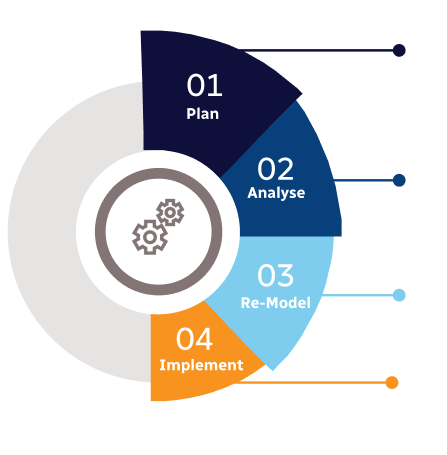
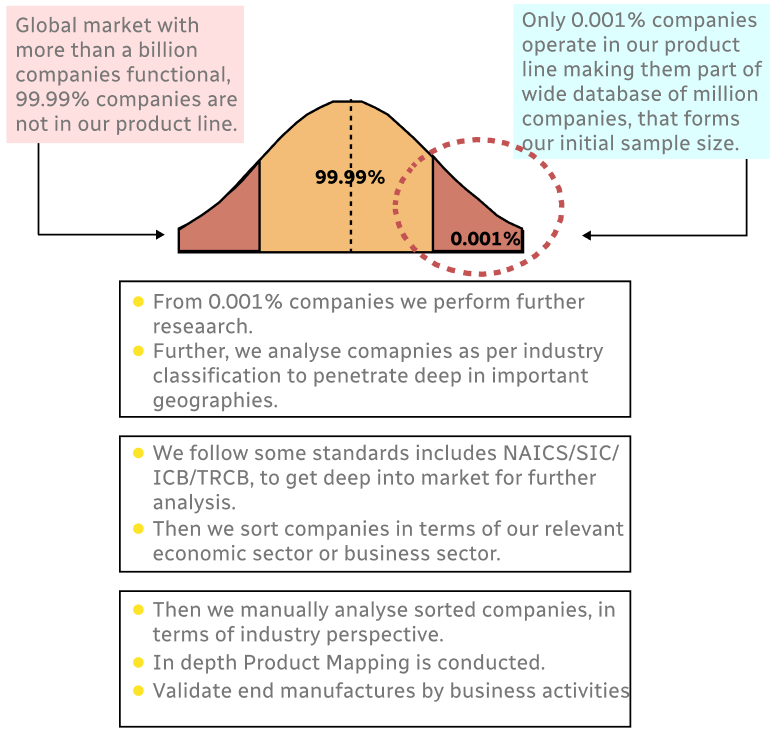
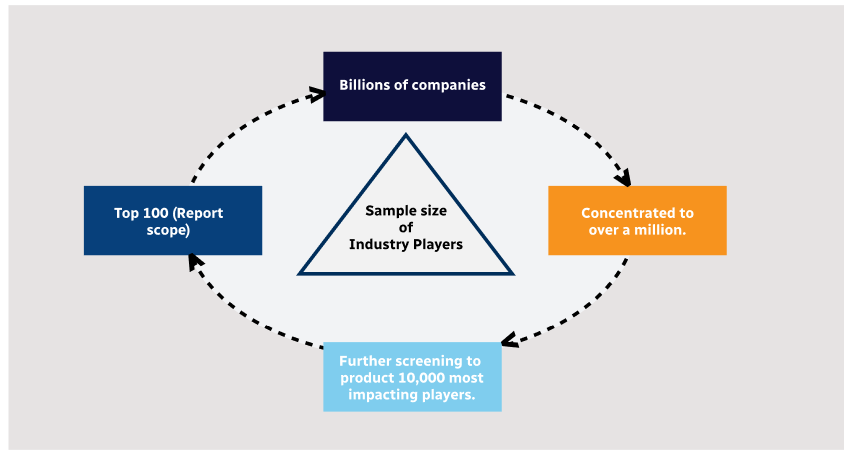
Step 1 - Identification of Relevant Samples Size from Population Database
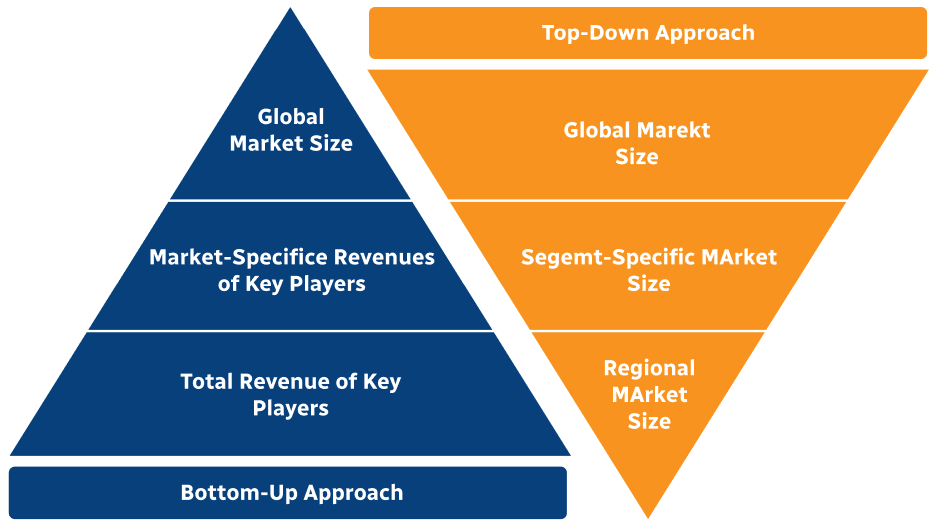
Step 2 - Approaches for Defining Global Market Size (Value, Volume* & Price*)
Note*: In applicable scenarios
Step 3 - Data Sources
Primary Research
- Web Analytics
- Survey Reports
- Research Institute
- Latest Research Reports
- Opinion Leaders
Secondary Research
- Annual Reports
- White Paper
- Latest Press Release
- Industry Association
- Paid Database
- Investor Presentations
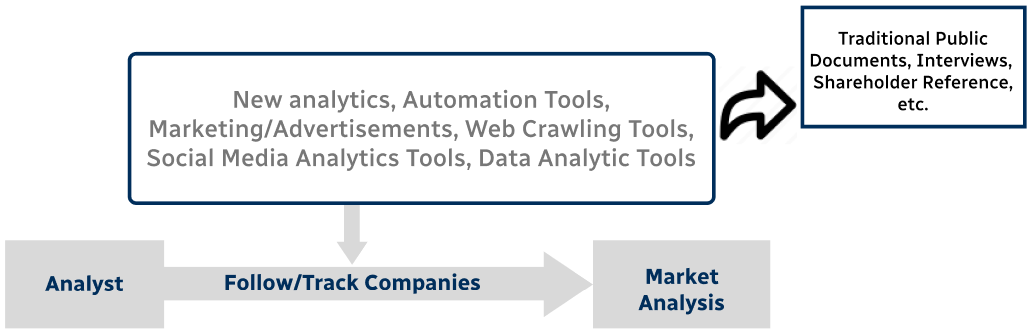
Step 4 - Data Triangulation
Involves using different sources of information in order to increase the validity of a study
These sources are likely to be stakeholders in a program - participants, other researchers, program staff, other community members, and so on.
Then we put all data in single framework & apply various statistical tools to find out the dynamic on the market.
During the analysis stage, feedback from the stakeholder groups would be compared to determine areas of agreement as well as areas of divergence