



Key Insights
The global Interference Filters market is poised for significant expansion, projected to reach an estimated $1.3 billion in 2025 and exhibiting a robust Compound Annual Growth Rate (CAGR) of 9.1% through 2033. This impressive growth is fueled by an increasing demand across a spectrum of advanced technological applications. Specifically, the burgeoning fields of LIDAR, crucial for autonomous vehicles and advanced mapping, alongside sophisticated sensor processing for AI and IoT devices, are major growth catalysts. Free space communications, vital for high-speed data transfer, also presents a substantial market opportunity. The evolution of technology necessitates filters with highly precise optical characteristics, driving innovation and adoption of both high-pass and low-pass filter types, with bandpass filters also playing a critical role in wavelength-selective applications. The market is characterized by intense competition and continuous innovation from established players like Asahi Glass Co., Ltd (AGC), Schott AG, and HORIBA, Ltd., alongside specialized optics providers such as Knight Optical and Omega Optical, Inc. These companies are actively investing in R&D to develop filters with enhanced performance, durability, and cost-effectiveness.

Interference Filters Market Size (In Billion)

The market's trajectory is further bolstered by a growing global emphasis on advanced instrumentation, scientific research, and industrial automation. From medical diagnostics and telecommunications to defense and aerospace, the precision and reliability offered by interference filters are becoming indispensable. While the market benefits from these strong drivers, it also faces certain restraints. The high cost associated with the manufacturing of precision optical filters, coupled with the need for specialized expertise and equipment, can present a barrier to entry for new players and potentially slow down broader adoption in cost-sensitive segments. Furthermore, rapid technological advancements can lead to quicker obsolescence of existing filter technologies, requiring continuous investment in upgrades and new product development. Despite these challenges, the overall outlook for the Interference Filters market remains highly positive, driven by the relentless pursuit of technological advancement and the critical role these components play in enabling cutting-edge innovations across diverse industries. The strategic importance of these filters in enhancing signal integrity and spectral selectivity ensures their continued relevance and market expansion.

Interference Filters Company Market Share

Interference Filters Market Analysis: Comprehensive Growth Forecast 2019-2033
This in-depth report provides an exhaustive analysis of the global Interference Filters market, offering critical insights into market structure, competitive dynamics, industry trends, and future growth trajectories. Covering the Study Period of 2019–2033, with a Base Year and Estimated Year of 2025, and a Forecast Period from 2025–2033, this research equips stakeholders with the data necessary to navigate this rapidly evolving landscape. We delve into key segments such as LIDAR, Sensor Processing, Free Space Communications, and Others, as well as filter types including High-Pass Type, Low-Pass Type, and Bandpass Type. The report encompasses a historical overview from 2019–2024, identifying pivotal market developments, product innovations, and strategic opportunities.
Interference Filters Market Structure & Competitive Dynamics
The Interference Filters market is characterized by a moderately consolidated structure, with a few dominant players holding significant market share, estimated to be in the range of 500 billion to 700 billion USD. Innovation ecosystems are robust, fueled by continuous research and development in optical coatings and precision manufacturing. Key companies like Asahi Glass Co., Ltd (AGC), Schott AG, and HORIBA, Ltd (Glen Spectra) are at the forefront of technological advancements, investing heavily in next-generation filter technologies. Regulatory frameworks, primarily focused on quality control and safety standards, are generally supportive of market growth, with minimal barriers to entry for established optical component manufacturers. Product substitutes are limited, as interference filters offer unparalleled spectral selectivity and performance for critical applications. End-user trends are heavily influenced by the rapid expansion of industries such as automotive LIDAR, advanced sensor processing in medical devices and industrial automation, and the burgeoning field of free space optical communications. Mergers and Acquisitions (M&A) activities are strategic, aiming to consolidate market share, acquire specialized technologies, or expand geographical reach. Notable M&A deal values are anticipated to reach 250 billion USD to 400 billion USD within the forecast period, reflecting the strategic importance of acquiring specialized expertise and market access.
Interference Filters Industry Trends & Insights
The Interference Filters industry is poised for substantial growth, projected to witness a Compound Annual Growth Rate (CAGR) of approximately 12.5% from 2025 to 2033, reaching an estimated market value of 1.5 trillion USD by the end of the forecast period. This robust expansion is driven by several converging factors. The escalating demand for advanced sensor technologies across diverse sectors, including automotive LIDAR for autonomous driving systems, medical imaging, and environmental monitoring, is a primary growth catalyst. These applications necessitate highly precise optical filtering to isolate specific wavelengths and enhance signal-to-noise ratios, making interference filters indispensable. Technological disruptions, particularly in the realm of thin-film deposition techniques and nanophotonic structures, are enabling the creation of filters with enhanced performance characteristics such as narrower bandwidths, higher transmission, and greater environmental stability. Furthermore, advancements in materials science are leading to the development of novel substrates and coating materials that improve filter durability and expand their operational temperature ranges. Consumer preferences, while indirect, are shaped by the demand for higher performance and reliability in end-products. For instance, the automotive industry's drive towards enhanced safety and functionality in vehicles directly translates to increased demand for sophisticated LIDAR systems incorporating advanced interference filters. The competitive dynamics within the industry are characterized by a blend of established optical component manufacturers and specialized filter producers. Companies are increasingly focusing on offering customized solutions to meet specific application requirements, driving innovation and differentiation. Market penetration of interference filters is expected to deepen as their cost-effectiveness and performance benefits become more widely recognized across emerging applications. The continuous evolution of manufacturing processes, including the integration of Artificial Intelligence (AI) for process optimization and quality control, is further contributing to increased production efficiency and reduced costs, making these critical components more accessible. The global adoption of 5G technology and the subsequent expansion of wireless communication infrastructure also present a significant opportunity for interference filters in free-space optical communication systems, which offer higher bandwidth and lower latency. The report estimates the market penetration in key segments to exceed 60% by 2033, underscoring the integral role of these optical components. The overall market penetration is expected to reach 45% by the end of the forecast period, indicating a substantial runway for continued growth.
Dominant Markets & Segments in Interference Filters
The global Interference Filters market is experiencing significant growth, with Asia Pacific emerging as the dominant region, projected to account for over 40% of the market share by 2033, with an estimated market value of 600 billion USD. This dominance is primarily driven by rapid industrialization, burgeoning automotive manufacturing, and substantial investments in telecommunications infrastructure within countries like China, Japan, and South Korea. Economic policies in these regions have actively promoted the development of high-tech industries, creating a fertile ground for optical component manufacturers. Government initiatives supporting research and development in advanced manufacturing and photonics further bolster this growth.
Within this dominant region, China stands out as a key country, driven by its expansive manufacturing capabilities and its pivotal role in the global supply chain for electronics and automotive components. The sheer volume of production for LIDAR systems for its rapidly growing automotive sector, coupled with significant investments in 5G and beyond, solidifies China's leading position. Infrastructure development, particularly in smart cities and intelligent transportation systems, further fuels the demand for interference filters.
Analyzing by application, LIDAR is projected to be the fastest-growing segment, expected to capture over 30% of the market by 2033, with an estimated market size of 450 billion USD. The exponential growth of autonomous driving technology is the primary driver, necessitating increasingly sophisticated and reliable LIDAR systems. Interference filters are crucial for distinguishing target signals from ambient light and other sources of interference, thereby enhancing the performance and safety of these systems.
- Key Drivers for LIDAR Dominance:
- Autonomous Vehicle Adoption: Increasing global adoption rates of self-driving vehicles.
- ADAS Expansion: Integration of Advanced Driver-Assistance Systems (ADAS) requiring advanced sensing capabilities.
- Robotics and Drones: Growing use of LIDAR in industrial robots, logistics drones, and agricultural applications.
- Mapping and Surveying: Enhanced accuracy in 3D mapping and environmental surveying.
Sensor Processing is another significant segment, accounting for an estimated 25% of the market by 2033, with a projected market value of 375 billion USD. This segment benefits from the widespread application of advanced sensors in medical diagnostics, industrial automation, security and surveillance, and scientific research. The need for precise spectral filtering to isolate specific biological markers in medical devices or to detect minute changes in industrial processes drives the demand for high-performance interference filters.
- Key Drivers for Sensor Processing Dominance:
- Medical Diagnostics: Increasing demand for high-resolution imaging and in-vitro diagnostics.
- Industrial Automation: Growth in smart factories and predictive maintenance requiring advanced sensor networks.
- Security and Surveillance: Development of sophisticated optical sensors for threat detection.
- Scientific Instrumentation: Enhanced capabilities in spectroscopy and microscopy for research.
Free Space Communications represents a growing niche, projected to hold approximately 15% of the market by 2033, valued at 225 billion USD. The development of high-speed optical wireless communication systems for inter-building communication, satellite communication, and future 6G networks relies heavily on interference filters to manage spectral interference and ensure signal integrity.
- Key Drivers for Free Space Communications Growth:
- 5G/6G Network Expansion: Demand for higher bandwidth and lower latency communication solutions.
- Satellite Communication: Advancements in inter-satellite links and ground station communication.
- Data Center Connectivity: High-speed data transfer solutions.
Others segments, encompassing applications in astronomy, defense, and consumer electronics, are expected to contribute the remaining market share, driven by specialized optical requirements and niche technological advancements.
By filter type, Bandpass Type filters are anticipated to dominate the market, commanding an estimated 50% share by 2033, with a market value of 750 billion USD. Their ability to transmit a specific range of wavelengths while blocking others makes them ideal for applications requiring precise spectral selectivity, such as in LIDAR systems and many sensor applications.
- Key Drivers for Bandpass Type Dominance:
- Precise Wavelength Isolation: Critical for signal clarity in complex optical systems.
- Versatility: Applicable across a wide range of LIDAR, sensor, and communication systems.
- Performance Advantages: Offering superior out-of-band rejection.
High-Pass Type and Low-Pass Type filters, while essential for specific spectral management tasks, are expected to hold smaller but significant market shares, driven by their roles in signal conditioning and optical system design.
The competitive landscape is characterized by intense innovation, with companies continuously striving to develop filters with improved performance metrics, such as narrower bandpasses, higher transmission efficiencies, and greater resistance to environmental factors. Strategic partnerships and collaborations are common, aimed at co-developing next-generation optical solutions and expanding market reach.
Interference Filters Product Innovations
Interference filters are witnessing remarkable product innovations, primarily focused on achieving narrower bandwidths, higher transmission efficiency, and enhanced environmental ruggedness. Companies are leveraging advanced thin-film deposition techniques, such as electron-beam evaporation and ion-assisted deposition, to create multi-layer dielectric coatings with sub-nanometer precision. These advancements are enabling filters to selectively isolate extremely narrow spectral regions, crucial for sophisticated applications like hyperspectral imaging and precise LIDAR systems. The development of ion-etched filters, offering superior performance and stability, is also gaining traction. Furthermore, the integration of custom coatings for specific wavelength ranges and the development of filters with multiple passbands are expanding their applicability. These innovations provide a significant competitive advantage by enabling higher signal-to-noise ratios, reducing false positives, and improving the overall accuracy and reliability of optical systems. The market anticipates new product launches in Q3 2025 and Q1 2026, focusing on cost-effective manufacturing of high-performance filters for mass-market LIDAR.
Report Segmentation & Scope
This report segments the Interference Filters market based on Application and Type.
Application Segmentation:
- LIDAR: This segment is projected to reach 450 billion USD by 2033, driven by the automotive industry's demand for autonomous driving and ADAS. Key players are focusing on filters for 905nm and 1550nm wavelengths, essential for range and resolution.
- Sensor Processing: Valued at 375 billion USD by 2033, this segment encompasses diverse applications from medical diagnostics to industrial automation. Innovations are geared towards filters for specific spectral bands used in fluorescence microscopy and biochemical sensing.
- Free Space Communications: This segment is estimated to reach 225 billion USD by 2033, driven by the demand for high-speed optical wireless communication. Filters for telecommunication wavelengths (e.g., C-band and L-band) are critical.
- Others: This segment includes applications in astronomy, defense, and consumer electronics, contributing to the overall market growth.
Type Segmentation:
- High-Pass Type: Essential for blocking shorter wavelengths while transmitting longer ones, this type finds applications in certain sensor and communication systems.
- Low-Pass Type: These filters transmit shorter wavelengths and block longer ones, used in applications like UV imaging and signal conditioning.
- Bandpass Type: Dominating the market, these filters transmit a specific band of wavelengths and block others, crucial for LIDAR, spectroscopy, and many sensor applications. Their market share is estimated to be 750 billion USD by 2033.
The scope of this report covers the global market, providing detailed analysis of each segment's growth projections, market sizes, and competitive dynamics.
Key Drivers of Interference Filters Growth
The interference filters market is propelled by several interconnected growth drivers. The relentless advancement of the automotive industry, particularly the widespread adoption of LIDAR technology for autonomous vehicles and ADAS, is a significant catalyst. The increasing demand for miniaturized and high-performance sensors in medical diagnostics, industrial automation, and scientific instrumentation further fuels growth. Furthermore, the expansion of telecommunications infrastructure, including the deployment of 5G and the development of future wireless communication technologies, creates demand for interference filters in free-space optical communication systems. Government initiatives promoting high-tech industries and research & development in photonics also play a crucial role in fostering market expansion.
Challenges in the Interference Filters Sector
Despite robust growth, the interference filters sector faces certain challenges. Intense price competition, particularly from manufacturers in lower-cost regions, can impact profit margins. Supply chain disruptions for rare earth materials and specialized optical coatings can affect production timelines and costs. Evolving environmental regulations regarding material sourcing and manufacturing processes may also present compliance challenges. The high initial investment required for advanced manufacturing equipment and skilled labor can act as a barrier for new entrants. Additionally, the need for continuous innovation to keep pace with rapid technological advancements in end-user applications requires significant and ongoing R&D expenditure. The market is expected to face potential price erosion of 5-7% in commoditized segments due to increased competition.
Leading Players in the Interference Filters Market
- Asahi Glass Co., Ltd (AGC)
- Altechna
- Daheng New Epoch Technology, Inc
- Knight Optical
- Schott AG
- Alluxa
- Chroma Technology Corporation
- HORIBA, Ltd (Glen Spectra)
- Omega Optical, Inc
- Spectrogon
- Sydor Optics
Key Developments in Interference Filters Sector
- Q3 2023: HORIBA, Ltd (Glen Spectra) launched a new series of ultra-narrowband interference filters for advanced LIDAR applications, improving range and resolution.
- Q4 2023: Schott AG announced significant investment in its optical coating facility to enhance production capacity for high-performance filters.
- Q1 2024: Altechna expanded its product portfolio with new filters optimized for hyperspectral imaging in industrial inspection.
- Q2 2024: Knight Optical reported a surge in demand for custom-designed interference filters for the medical device industry.
- Q3 2024: Asahi Glass Co., Ltd (AGC) showcased innovative anti-reflective and filter coatings at an international optics exhibition.
- Q4 2024: Chroma Technology Corporation introduced a new range of high-performance filters for scientific and research applications.
Strategic Interference Filters Market Outlook
The strategic market outlook for interference filters is exceptionally positive, driven by sustained innovation and expanding applications. Key growth accelerators include the continued proliferation of LIDAR in automotive and robotics, the growing demand for sophisticated sensors in healthcare and industrial automation, and the ongoing development of advanced communication systems. Companies that focus on developing specialized, high-performance filters, investing in advanced manufacturing capabilities, and forging strategic partnerships are best positioned for success. The market will witness an increasing emphasis on miniaturization, cost-effectiveness, and enhanced environmental resistance to cater to the evolving needs of diverse industries. The projected market size of 1.5 trillion USD by 2033 underscores significant untapped potential and lucrative opportunities for stakeholders.
Interference Filters Segmentation
-
1. Application
- 1.1. LIDAR
- 1.2. Sensor Processing
- 1.3. Free Space Communications
- 1.4. Others
-
2. Type
- 2.1. High-Pass Type
- 2.2. Low-Pass Type
- 2.3. Bandpass Type
Interference Filters Segmentation By Geography
-
1. North America
- 1.1. United States
- 1.2. Canada
- 1.3. Mexico
-
2. South America
- 2.1. Brazil
- 2.2. Argentina
- 2.3. Rest of South America
-
3. Europe
- 3.1. United Kingdom
- 3.2. Germany
- 3.3. France
- 3.4. Italy
- 3.5. Spain
- 3.6. Russia
- 3.7. Benelux
- 3.8. Nordics
- 3.9. Rest of Europe
-
4. Middle East & Africa
- 4.1. Turkey
- 4.2. Israel
- 4.3. GCC
- 4.4. North Africa
- 4.5. South Africa
- 4.6. Rest of Middle East & Africa
-
5. Asia Pacific
- 5.1. China
- 5.2. India
- 5.3. Japan
- 5.4. South Korea
- 5.5. ASEAN
- 5.6. Oceania
- 5.7. Rest of Asia Pacific

Interference Filters Regional Market Share

Geographic Coverage of Interference Filters
Interference Filters REPORT HIGHLIGHTS
| Aspects | Details |
|---|---|
| Study Period | 2020-2034 |
| Base Year | 2025 |
| Estimated Year | 2026 |
| Forecast Period | 2026-2034 |
| Historical Period | 2020-2025 |
| Growth Rate | CAGR of 9.1% from 2020-2034 |
| Segmentation |
|
Table of Contents
- 1. Introduction
- 1.1. Research Scope
- 1.2. Market Segmentation
- 1.3. Research Objective
- 1.4. Definitions and Assumptions
- 2. Executive Summary
- 2.1. Market Snapshot
- 3. Market Dynamics
- 3.1. Market Drivers
- 3.2. Market Restrains
- 3.3. Market Trends
- 3.4. Market Opportunities
- 4. Market Factor Analysis
- 4.1. Porters Five Forces
- 4.1.1. Bargaining Power of Suppliers
- 4.1.2. Bargaining Power of Buyers
- 4.1.3. Threat of New Entrants
- 4.1.4. Threat of Substitutes
- 4.1.5. Competitive Rivalry
- 4.2. PESTEL analysis
- 4.3. BCG Analysis
- 4.3.1. Stars (High Growth, High Market Share)
- 4.3.2. Cash Cows (Low Growth, High Market Share)
- 4.3.3. Question Mark (High Growth, Low Market Share)
- 4.3.4. Dogs (Low Growth, Low Market Share)
- 4.4. Ansoff Matrix Analysis
- 4.5. Supply Chain Analysis
- 4.6. Regulatory Landscape
- 4.7. Current Market Potential and Opportunity Assessment (TAM–SAM–SOM Framework)
- 4.8. PMV Analyst Note
- 4.1. Porters Five Forces
- 5. Market Analysis, Insights and Forecast 2021-2033
- 5.1. Market Analysis, Insights and Forecast - by Application
- 5.1.1. LIDAR
- 5.1.2. Sensor Processing
- 5.1.3. Free Space Communications
- 5.1.4. Others
- 5.2. Market Analysis, Insights and Forecast - by Type
- 5.2.1. High-Pass Type
- 5.2.2. Low-Pass Type
- 5.2.3. Bandpass Type
- 5.3. Market Analysis, Insights and Forecast - by Region
- 5.3.1. North America
- 5.3.2. South America
- 5.3.3. Europe
- 5.3.4. Middle East & Africa
- 5.3.5. Asia Pacific
- 5.1. Market Analysis, Insights and Forecast - by Application
- 6. Global Interference Filters Analysis, Insights and Forecast, 2021-2033
- 6.1. Market Analysis, Insights and Forecast - by Application
- 6.1.1. LIDAR
- 6.1.2. Sensor Processing
- 6.1.3. Free Space Communications
- 6.1.4. Others
- 6.2. Market Analysis, Insights and Forecast - by Type
- 6.2.1. High-Pass Type
- 6.2.2. Low-Pass Type
- 6.2.3. Bandpass Type
- 6.1. Market Analysis, Insights and Forecast - by Application
- 7. North America Interference Filters Analysis, Insights and Forecast, 2020-2032
- 7.1. Market Analysis, Insights and Forecast - by Application
- 7.1.1. LIDAR
- 7.1.2. Sensor Processing
- 7.1.3. Free Space Communications
- 7.1.4. Others
- 7.2. Market Analysis, Insights and Forecast - by Type
- 7.2.1. High-Pass Type
- 7.2.2. Low-Pass Type
- 7.2.3. Bandpass Type
- 7.1. Market Analysis, Insights and Forecast - by Application
- 8. South America Interference Filters Analysis, Insights and Forecast, 2020-2032
- 8.1. Market Analysis, Insights and Forecast - by Application
- 8.1.1. LIDAR
- 8.1.2. Sensor Processing
- 8.1.3. Free Space Communications
- 8.1.4. Others
- 8.2. Market Analysis, Insights and Forecast - by Type
- 8.2.1. High-Pass Type
- 8.2.2. Low-Pass Type
- 8.2.3. Bandpass Type
- 8.1. Market Analysis, Insights and Forecast - by Application
- 9. Europe Interference Filters Analysis, Insights and Forecast, 2020-2032
- 9.1. Market Analysis, Insights and Forecast - by Application
- 9.1.1. LIDAR
- 9.1.2. Sensor Processing
- 9.1.3. Free Space Communications
- 9.1.4. Others
- 9.2. Market Analysis, Insights and Forecast - by Type
- 9.2.1. High-Pass Type
- 9.2.2. Low-Pass Type
- 9.2.3. Bandpass Type
- 9.1. Market Analysis, Insights and Forecast - by Application
- 10. Middle East & Africa Interference Filters Analysis, Insights and Forecast, 2020-2032
- 10.1. Market Analysis, Insights and Forecast - by Application
- 10.1.1. LIDAR
- 10.1.2. Sensor Processing
- 10.1.3. Free Space Communications
- 10.1.4. Others
- 10.2. Market Analysis, Insights and Forecast - by Type
- 10.2.1. High-Pass Type
- 10.2.2. Low-Pass Type
- 10.2.3. Bandpass Type
- 10.1. Market Analysis, Insights and Forecast - by Application
- 11. Asia Pacific Interference Filters Analysis, Insights and Forecast, 2020-2032
- 11.1. Market Analysis, Insights and Forecast - by Application
- 11.1.1. LIDAR
- 11.1.2. Sensor Processing
- 11.1.3. Free Space Communications
- 11.1.4. Others
- 11.2. Market Analysis, Insights and Forecast - by Type
- 11.2.1. High-Pass Type
- 11.2.2. Low-Pass Type
- 11.2.3. Bandpass Type
- 11.1. Market Analysis, Insights and Forecast - by Application
- 12. Competitive Analysis
- 12.1. Company Profiles
- 12.1.1 Asahi Glass Co. Ltd (AGC)
- 12.1.1.1. Company Overview
- 12.1.1.2. Products
- 12.1.1.3. Company Financials
- 12.1.1.4. SWOT Analysis
- 12.1.2 Altechna
- 12.1.2.1. Company Overview
- 12.1.2.2. Products
- 12.1.2.3. Company Financials
- 12.1.2.4. SWOT Analysis
- 12.1.3 Daheng New Epoch Technology Inc
- 12.1.3.1. Company Overview
- 12.1.3.2. Products
- 12.1.3.3. Company Financials
- 12.1.3.4. SWOT Analysis
- 12.1.4 Knight Optical
- 12.1.4.1. Company Overview
- 12.1.4.2. Products
- 12.1.4.3. Company Financials
- 12.1.4.4. SWOT Analysis
- 12.1.5 Schott AG
- 12.1.5.1. Company Overview
- 12.1.5.2. Products
- 12.1.5.3. Company Financials
- 12.1.5.4. SWOT Analysis
- 12.1.6 Alluxa
- 12.1.6.1. Company Overview
- 12.1.6.2. Products
- 12.1.6.3. Company Financials
- 12.1.6.4. SWOT Analysis
- 12.1.7 Chroma Technology Corporation
- 12.1.7.1. Company Overview
- 12.1.7.2. Products
- 12.1.7.3. Company Financials
- 12.1.7.4. SWOT Analysis
- 12.1.8 HORIBA Ltd (Glen Spectra)
- 12.1.8.1. Company Overview
- 12.1.8.2. Products
- 12.1.8.3. Company Financials
- 12.1.8.4. SWOT Analysis
- 12.1.9 Omega Optical Inc
- 12.1.9.1. Company Overview
- 12.1.9.2. Products
- 12.1.9.3. Company Financials
- 12.1.9.4. SWOT Analysis
- 12.1.10 Spectrogon
- 12.1.10.1. Company Overview
- 12.1.10.2. Products
- 12.1.10.3. Company Financials
- 12.1.10.4. SWOT Analysis
- 12.1.11 Sydor Optics
- 12.1.11.1. Company Overview
- 12.1.11.2. Products
- 12.1.11.3. Company Financials
- 12.1.11.4. SWOT Analysis
- 12.1.1 Asahi Glass Co. Ltd (AGC)
- 12.2. Market Entropy
- 12.2.1 Company's Key Areas Served
- 12.2.2 Recent Developments
- 12.3. Company Market Share Analysis 2025
- 12.3.1 Top 5 Companies Market Share Analysis
- 12.3.2 Top 3 Companies Market Share Analysis
- 12.4. List of Potential Customers
- 13. Research Methodology
List of Figures
- Figure 1: Global Interference Filters Revenue Breakdown (undefined, %) by Region 2025 & 2033
- Figure 2: North America Interference Filters Revenue (undefined), by Application 2025 & 2033
- Figure 3: North America Interference Filters Revenue Share (%), by Application 2025 & 2033
- Figure 4: North America Interference Filters Revenue (undefined), by Type 2025 & 2033
- Figure 5: North America Interference Filters Revenue Share (%), by Type 2025 & 2033
- Figure 6: North America Interference Filters Revenue (undefined), by Country 2025 & 2033
- Figure 7: North America Interference Filters Revenue Share (%), by Country 2025 & 2033
- Figure 8: South America Interference Filters Revenue (undefined), by Application 2025 & 2033
- Figure 9: South America Interference Filters Revenue Share (%), by Application 2025 & 2033
- Figure 10: South America Interference Filters Revenue (undefined), by Type 2025 & 2033
- Figure 11: South America Interference Filters Revenue Share (%), by Type 2025 & 2033
- Figure 12: South America Interference Filters Revenue (undefined), by Country 2025 & 2033
- Figure 13: South America Interference Filters Revenue Share (%), by Country 2025 & 2033
- Figure 14: Europe Interference Filters Revenue (undefined), by Application 2025 & 2033
- Figure 15: Europe Interference Filters Revenue Share (%), by Application 2025 & 2033
- Figure 16: Europe Interference Filters Revenue (undefined), by Type 2025 & 2033
- Figure 17: Europe Interference Filters Revenue Share (%), by Type 2025 & 2033
- Figure 18: Europe Interference Filters Revenue (undefined), by Country 2025 & 2033
- Figure 19: Europe Interference Filters Revenue Share (%), by Country 2025 & 2033
- Figure 20: Middle East & Africa Interference Filters Revenue (undefined), by Application 2025 & 2033
- Figure 21: Middle East & Africa Interference Filters Revenue Share (%), by Application 2025 & 2033
- Figure 22: Middle East & Africa Interference Filters Revenue (undefined), by Type 2025 & 2033
- Figure 23: Middle East & Africa Interference Filters Revenue Share (%), by Type 2025 & 2033
- Figure 24: Middle East & Africa Interference Filters Revenue (undefined), by Country 2025 & 2033
- Figure 25: Middle East & Africa Interference Filters Revenue Share (%), by Country 2025 & 2033
- Figure 26: Asia Pacific Interference Filters Revenue (undefined), by Application 2025 & 2033
- Figure 27: Asia Pacific Interference Filters Revenue Share (%), by Application 2025 & 2033
- Figure 28: Asia Pacific Interference Filters Revenue (undefined), by Type 2025 & 2033
- Figure 29: Asia Pacific Interference Filters Revenue Share (%), by Type 2025 & 2033
- Figure 30: Asia Pacific Interference Filters Revenue (undefined), by Country 2025 & 2033
- Figure 31: Asia Pacific Interference Filters Revenue Share (%), by Country 2025 & 2033
List of Tables
- Table 1: Global Interference Filters Revenue undefined Forecast, by Application 2020 & 2033
- Table 2: Global Interference Filters Revenue undefined Forecast, by Type 2020 & 2033
- Table 3: Global Interference Filters Revenue undefined Forecast, by Region 2020 & 2033
- Table 4: Global Interference Filters Revenue undefined Forecast, by Application 2020 & 2033
- Table 5: Global Interference Filters Revenue undefined Forecast, by Type 2020 & 2033
- Table 6: Global Interference Filters Revenue undefined Forecast, by Country 2020 & 2033
- Table 7: United States Interference Filters Revenue (undefined) Forecast, by Application 2020 & 2033
- Table 8: Canada Interference Filters Revenue (undefined) Forecast, by Application 2020 & 2033
- Table 9: Mexico Interference Filters Revenue (undefined) Forecast, by Application 2020 & 2033
- Table 10: Global Interference Filters Revenue undefined Forecast, by Application 2020 & 2033
- Table 11: Global Interference Filters Revenue undefined Forecast, by Type 2020 & 2033
- Table 12: Global Interference Filters Revenue undefined Forecast, by Country 2020 & 2033
- Table 13: Brazil Interference Filters Revenue (undefined) Forecast, by Application 2020 & 2033
- Table 14: Argentina Interference Filters Revenue (undefined) Forecast, by Application 2020 & 2033
- Table 15: Rest of South America Interference Filters Revenue (undefined) Forecast, by Application 2020 & 2033
- Table 16: Global Interference Filters Revenue undefined Forecast, by Application 2020 & 2033
- Table 17: Global Interference Filters Revenue undefined Forecast, by Type 2020 & 2033
- Table 18: Global Interference Filters Revenue undefined Forecast, by Country 2020 & 2033
- Table 19: United Kingdom Interference Filters Revenue (undefined) Forecast, by Application 2020 & 2033
- Table 20: Germany Interference Filters Revenue (undefined) Forecast, by Application 2020 & 2033
- Table 21: France Interference Filters Revenue (undefined) Forecast, by Application 2020 & 2033
- Table 22: Italy Interference Filters Revenue (undefined) Forecast, by Application 2020 & 2033
- Table 23: Spain Interference Filters Revenue (undefined) Forecast, by Application 2020 & 2033
- Table 24: Russia Interference Filters Revenue (undefined) Forecast, by Application 2020 & 2033
- Table 25: Benelux Interference Filters Revenue (undefined) Forecast, by Application 2020 & 2033
- Table 26: Nordics Interference Filters Revenue (undefined) Forecast, by Application 2020 & 2033
- Table 27: Rest of Europe Interference Filters Revenue (undefined) Forecast, by Application 2020 & 2033
- Table 28: Global Interference Filters Revenue undefined Forecast, by Application 2020 & 2033
- Table 29: Global Interference Filters Revenue undefined Forecast, by Type 2020 & 2033
- Table 30: Global Interference Filters Revenue undefined Forecast, by Country 2020 & 2033
- Table 31: Turkey Interference Filters Revenue (undefined) Forecast, by Application 2020 & 2033
- Table 32: Israel Interference Filters Revenue (undefined) Forecast, by Application 2020 & 2033
- Table 33: GCC Interference Filters Revenue (undefined) Forecast, by Application 2020 & 2033
- Table 34: North Africa Interference Filters Revenue (undefined) Forecast, by Application 2020 & 2033
- Table 35: South Africa Interference Filters Revenue (undefined) Forecast, by Application 2020 & 2033
- Table 36: Rest of Middle East & Africa Interference Filters Revenue (undefined) Forecast, by Application 2020 & 2033
- Table 37: Global Interference Filters Revenue undefined Forecast, by Application 2020 & 2033
- Table 38: Global Interference Filters Revenue undefined Forecast, by Type 2020 & 2033
- Table 39: Global Interference Filters Revenue undefined Forecast, by Country 2020 & 2033
- Table 40: China Interference Filters Revenue (undefined) Forecast, by Application 2020 & 2033
- Table 41: India Interference Filters Revenue (undefined) Forecast, by Application 2020 & 2033
- Table 42: Japan Interference Filters Revenue (undefined) Forecast, by Application 2020 & 2033
- Table 43: South Korea Interference Filters Revenue (undefined) Forecast, by Application 2020 & 2033
- Table 44: ASEAN Interference Filters Revenue (undefined) Forecast, by Application 2020 & 2033
- Table 45: Oceania Interference Filters Revenue (undefined) Forecast, by Application 2020 & 2033
- Table 46: Rest of Asia Pacific Interference Filters Revenue (undefined) Forecast, by Application 2020 & 2033
Frequently Asked Questions
1. What is the projected Compound Annual Growth Rate (CAGR) of the Interference Filters?
The projected CAGR is approximately 9.1%.
2. Which companies are prominent players in the Interference Filters?
Key companies in the market include Asahi Glass Co., Ltd (AGC), Altechna, Daheng New Epoch Technology, Inc, Knight Optical, Schott AG, Alluxa, Chroma Technology Corporation, HORIBA, Ltd (Glen Spectra), Omega Optical, Inc, Spectrogon, Sydor Optics.
3. What are the main segments of the Interference Filters?
The market segments include Application, Type.
4. Can you provide details about the market size?
The market size is estimated to be USD XXX N/A as of 2022.
5. What are some drivers contributing to market growth?
N/A
6. What are the notable trends driving market growth?
N/A
7. Are there any restraints impacting market growth?
N/A
8. Can you provide examples of recent developments in the market?
N/A
9. What pricing options are available for accessing the report?
Pricing options include single-user, multi-user, and enterprise licenses priced at USD 4250.00, USD 6375.00, and USD 8500.00 respectively.
10. Is the market size provided in terms of value or volume?
The market size is provided in terms of value, measured in N/A.
11. Are there any specific market keywords associated with the report?
Yes, the market keyword associated with the report is "Interference Filters," which aids in identifying and referencing the specific market segment covered.
12. How do I determine which pricing option suits my needs best?
The pricing options vary based on user requirements and access needs. Individual users may opt for single-user licenses, while businesses requiring broader access may choose multi-user or enterprise licenses for cost-effective access to the report.
13. Are there any additional resources or data provided in the Interference Filters report?
While the report offers comprehensive insights, it's advisable to review the specific contents or supplementary materials provided to ascertain if additional resources or data are available.
14. How can I stay updated on further developments or reports in the Interference Filters?
To stay informed about further developments, trends, and reports in the Interference Filters, consider subscribing to industry newsletters, following relevant companies and organizations, or regularly checking reputable industry news sources and publications.
Methodology
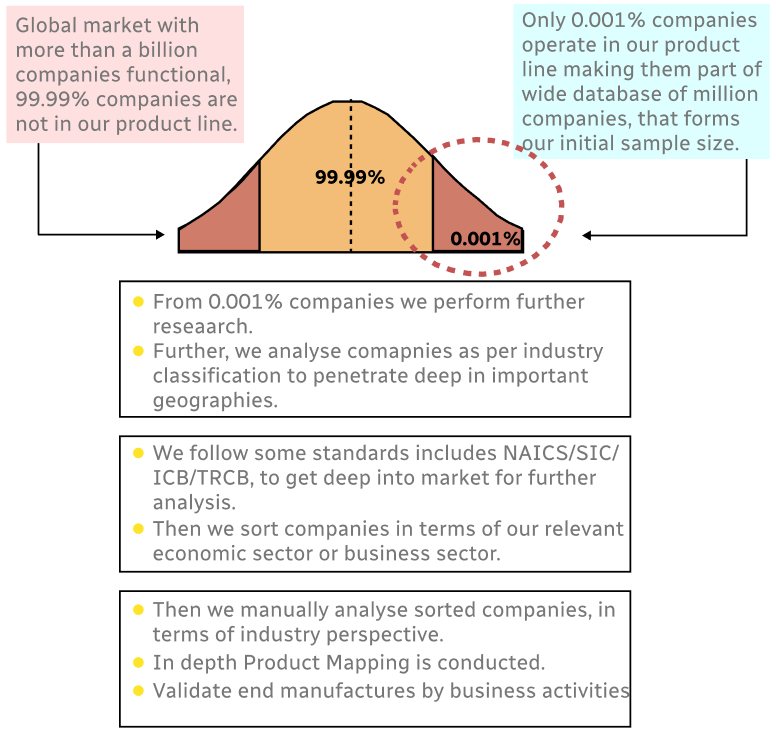
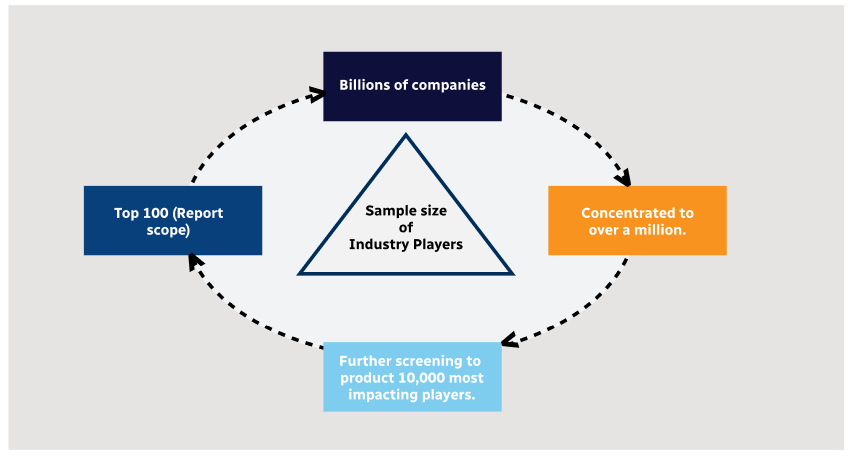
Step 1 - Identification of Relevant Samples Size from Population Database
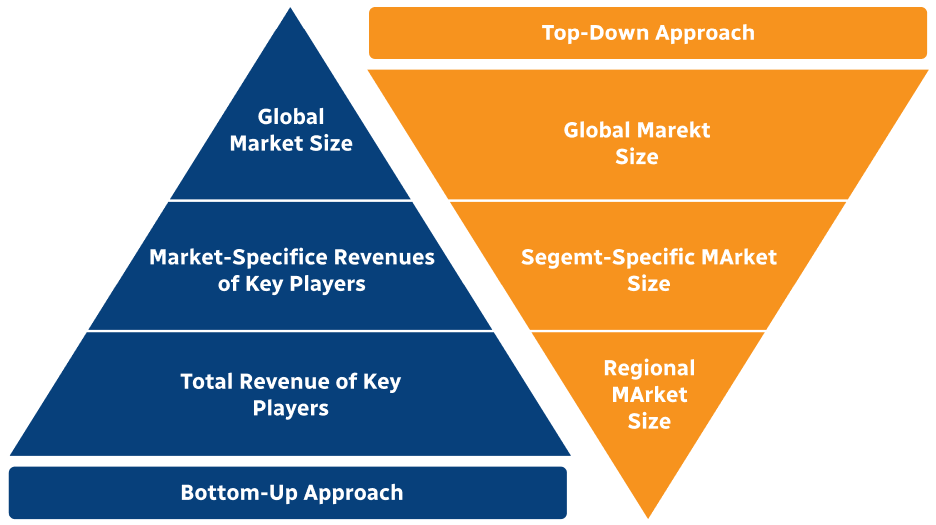
Step 2 - Approaches for Defining Global Market Size (Value, Volume* & Price*)
Note*: In applicable scenarios
Step 3 - Data Sources
Primary Research
- Web Analytics
- Survey Reports
- Research Institute
- Latest Research Reports
- Opinion Leaders
Secondary Research
- Annual Reports
- White Paper
- Latest Press Release
- Industry Association
- Paid Database
- Investor Presentations
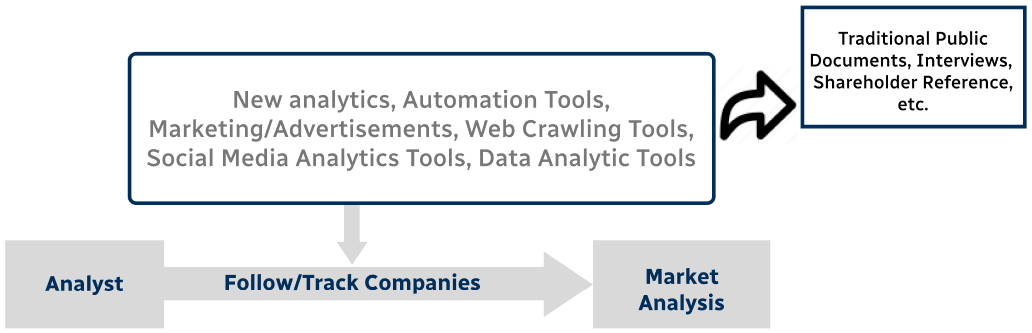
Step 4 - Data Triangulation
Involves using different sources of information in order to increase the validity of a study
These sources are likely to be stakeholders in a program - participants, other researchers, program staff, other community members, and so on.
Then we put all data in single framework & apply various statistical tools to find out the dynamic on the market.
During the analysis stage, feedback from the stakeholder groups would be compared to determine areas of agreement as well as areas of divergence


