


Key Insights
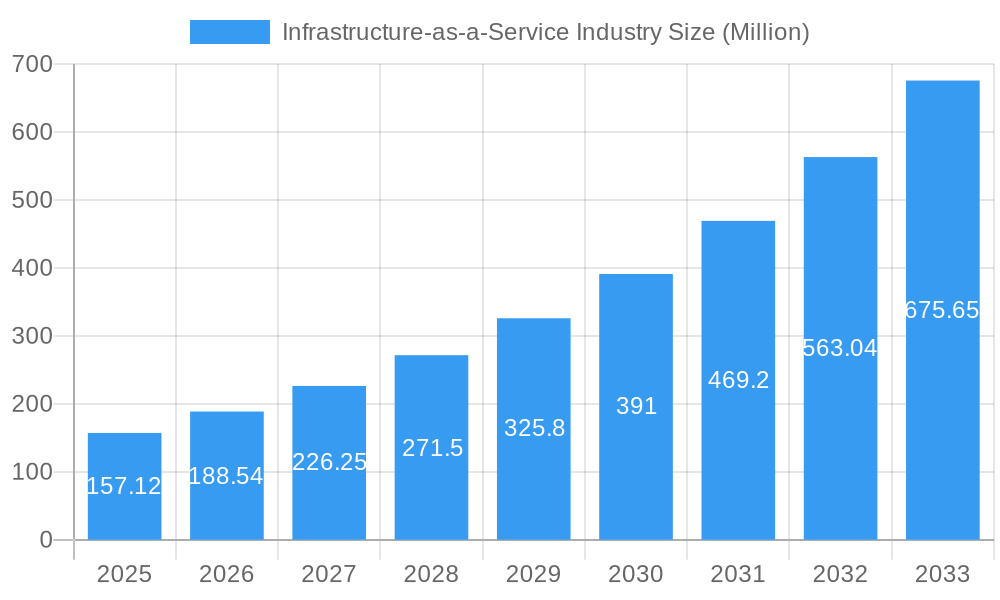
The Infrastructure-as-a-Service (IaaS) market is experiencing robust growth, projected to reach $157.12 million in 2025 and maintain a Compound Annual Growth Rate (CAGR) of 20.01% from 2025 to 2033. This expansion is fueled by several key drivers. The increasing adoption of cloud computing across various industries, including BFSI, IT & Telecom, Healthcare, Media & Entertainment, and Retail, is a primary catalyst. Businesses are increasingly migrating their IT infrastructure to the cloud to leverage scalability, cost efficiency, and enhanced agility. Furthermore, the rising demand for Disaster Recovery as a Service (DRaaS), Communication as a Service (CaaS), and other specialized IaaS offerings is significantly contributing to market growth. The shift towards hybrid cloud models, combining public and private cloud resources, also presents a significant opportunity for IaaS providers. Competition among major players like Amazon Web Services, Microsoft Azure, Google Cloud Platform, and others is driving innovation and pushing down prices, making IaaS increasingly accessible to a wider range of businesses.
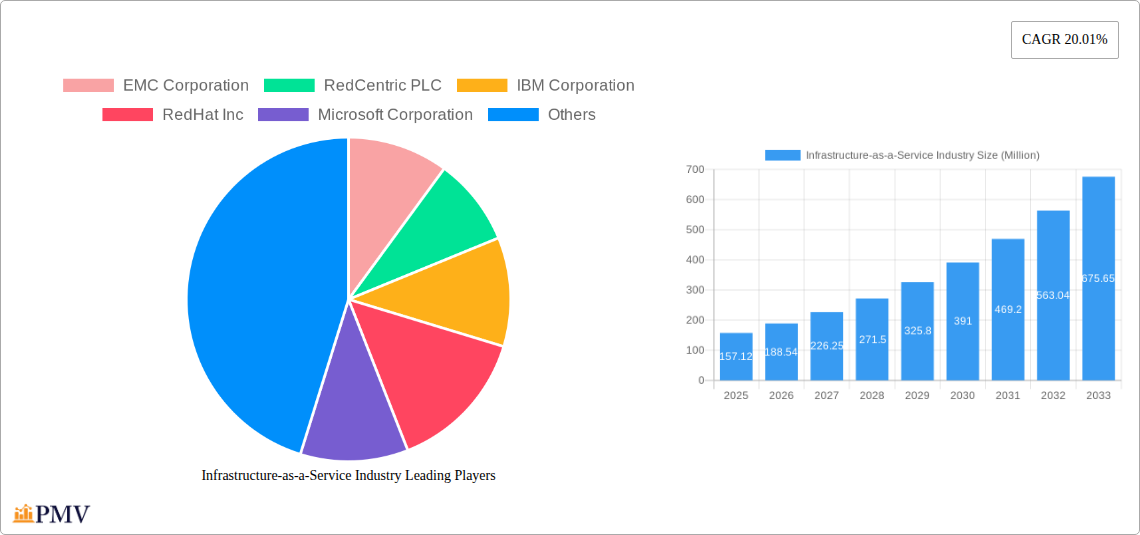
Infrastructure-as-a-Service Industry Market Size (In Million)

However, certain restraints exist. Security concerns surrounding data breaches and compliance issues remain a significant challenge for widespread IaaS adoption. The need for robust security measures and compliance certifications are essential for overcoming this barrier. Furthermore, the complexity of migrating existing IT infrastructure to the cloud and the potential for vendor lock-in can also hinder market growth. Despite these challenges, the long-term outlook for the IaaS market remains positive, driven by technological advancements, increasing digital transformation initiatives, and the growing demand for flexible and scalable IT solutions. The market is expected to see substantial growth across all regions, with North America, Europe, and Asia-Pacific leading the way, reflecting the high concentration of businesses and technological advancement in these regions. Continued innovation in areas such as serverless computing, edge computing, and artificial intelligence-powered IaaS solutions will further fuel market expansion in the coming years.
Infrastructure-as-a-Service Industry Company Market Share
Infrastructure-as-a-Service (IaaS) Industry Market Report: 2019-2033
This comprehensive report provides an in-depth analysis of the Infrastructure-as-a-Service (IaaS) industry, encompassing market size, growth drivers, competitive landscape, and future outlook. The report covers the period from 2019 to 2033, with a focus on the estimated year 2025. Key players such as Amazon Web Services, Microsoft, Google, and IBM are analyzed, alongside emerging trends and technological innovations shaping the IaaS market. This report is crucial for investors, businesses, and stakeholders seeking to understand and capitalize on opportunities within this rapidly evolving sector. The global IaaS market is projected to reach xx Million by 2033, showcasing significant growth potential.
Infrastructure-as-a-Service Industry Market Structure & Competitive Dynamics
The IaaS market is characterized by a high degree of concentration, with a few dominant players holding significant market share. Amazon Web Services (AWS), Microsoft Azure, and Google Cloud Platform (GCP) constitute the leading tier, collectively commanding over xx% of the global market in 2024. However, the landscape is dynamic, with increasing competition from other major players like IBM Cloud, Oracle Cloud Infrastructure, and smaller niche providers specializing in specific services or regions.
Innovation ecosystems are vibrant, driven by continuous advancements in cloud computing technologies, such as serverless computing, edge computing, and artificial intelligence (AI). Regulatory frameworks vary across geographies, influencing data privacy, security compliance, and market access. Product substitutes are limited, although on-premise infrastructure remains a viable alternative for some organizations, particularly those with stringent security or regulatory requirements.
End-user trends indicate a strong shift towards cloud adoption, driven by factors such as cost optimization, scalability, and agility. Mergers and acquisitions (M&A) activity is prominent, with major players strategically acquiring smaller companies to expand their service portfolios, enhance technological capabilities, and gain market share. Notable M&A deals in the recent past involved deal values exceeding xx Million, contributing to market consolidation and heightened competition.
- Market Concentration: High, dominated by AWS, Microsoft Azure, and GCP.
- Innovation: Continuous advancements in cloud technologies, including serverless, edge, and AI.
- Regulatory Landscape: Variable across geographies, impacting data privacy and security.
- M&A Activity: Significant, with large deals exceeding xx Million impacting market share.
- End-User Trends: Growing cloud adoption for cost optimization, scalability, and agility.
Infrastructure-as-a-Service Industry Industry Trends & Insights
The IaaS market is experiencing robust growth, driven by increasing digital transformation initiatives across diverse industries. The Compound Annual Growth Rate (CAGR) during the forecast period (2025-2033) is projected to be xx%, indicating significant expansion. This growth is fueled by several key factors, including:
- Rising adoption of cloud-native applications: Businesses are increasingly migrating to cloud-native architectures, leveraging the scalability and flexibility of IaaS platforms.
- Increased demand for data analytics and AI: The growing need to process and analyze large datasets is driving demand for IaaS services to support big data initiatives and AI workloads.
- Growing adoption of hybrid and multi-cloud strategies: Organizations are adopting hybrid and multi-cloud approaches to optimize their IT infrastructure, leveraging the strengths of different cloud providers.
- Expansion of 5G and IoT technologies: The rapid growth of 5G and IoT is expected to increase the demand for scalable and reliable IaaS services.
Market penetration rates are steadily increasing across various industries, with higher adoption rates observed in sectors like IT & Telecom, BFSI, and Media & Entertainment. However, competitive pressures remain significant, prompting continuous innovation and strategic partnerships amongst key players. Consumer preferences are shifting towards solutions that offer enhanced security, scalability, and cost-effectiveness.
Dominant Markets & Segments in Infrastructure-as-a-Service Industry
The IaaS market is globally distributed, with significant regional variations in adoption rates and market size. North America currently holds the largest market share, owing to high technological advancement and early adoption of cloud technologies. However, Asia-Pacific is projected to witness the fastest growth rate during the forecast period, driven by rapid digitalization and increasing government support for cloud adoption.
By Deployment Mode: Public cloud remains the dominant segment, accounting for over xx% of the market, driven by its cost-effectiveness and ease of access. However, private and hybrid cloud deployments are also witnessing growth, particularly among organizations with stringent security requirements or legacy system integration needs.
By Service: Managed hosting, DRaaS, and DBaaS are significant segments exhibiting strong growth. DRaaS is gaining traction due to increasing concerns about business continuity and disaster recovery. DBaaS is experiencing high demand driven by the rise of database-intensive applications. Storage-as-a-service (SaaS) is another rapidly growing area, driven by the need for scalable and cost-effective data storage solutions.
By End-user Industry: BFSI, IT & Telecom, and Healthcare are leading adopter industries, propelled by their need for data-driven decision making, robust IT infrastructure and secure data management. Retail and Media & Entertainment are showing increasing adoption rates.
Key drivers for dominance vary across segments:
- Economic policies: Government initiatives supporting digital transformation and cloud adoption.
- Infrastructure: Availability of robust broadband infrastructure and data centers.
- Technological advancements: Continuous innovation in cloud computing technologies.
- Regulatory environment: Supportive regulatory frameworks promoting cloud adoption.
Infrastructure-as-a-Service Industry Product Innovations
The IaaS landscape is marked by continuous product innovations focusing on enhanced security, improved scalability, and integrated AI/ML capabilities. Serverless computing, edge computing, and containerization technologies are transforming how applications are deployed and managed on IaaS platforms. Key players are also investing heavily in AI-powered tools for automated provisioning, monitoring, and optimization of IaaS resources, improving operational efficiency and cost optimization for end-users. These innovations are enhancing the market fit by addressing key customer pain points and providing competitive advantages.
Report Segmentation & Scope
This report segments the IaaS market based on deployment mode (public, private, hybrid), service type (managed hosting, DRaaS, CaaS, DBaaS, SaaS), and end-user industry (BFSI, IT & Telecom, Healthcare, Media & Entertainment, Retail, Others). Growth projections for each segment vary based on market dynamics and specific industry trends. Market sizes are estimated based on revenue generated and competitive analysis considers market share, strategic partnerships, and M&A activities.
Each segment's competitive dynamics are analyzed, focusing on key players, their market share, and strategic moves influencing the competitive landscape. The report provides detailed market size and growth projections for each segment for the historical period (2019-2024), base year (2025), and forecast period (2025-2033).
Key Drivers of Infrastructure-as-a-Service Industry Growth
Several factors are driving the growth of the IaaS market:
- Technological advancements: Continuous innovations in cloud computing technologies such as serverless computing, edge computing, and AI are fueling demand for IaaS services.
- Cost optimization: IaaS offers cost-effective solutions compared to traditional on-premise infrastructure, allowing businesses to reduce capital expenditure and operational costs.
- Scalability and flexibility: IaaS provides businesses with the ability to scale their infrastructure up or down based on their needs, offering flexibility and agility.
- Increased security and compliance: IaaS providers offer robust security measures and compliance certifications, addressing concerns around data security and privacy.
Challenges in the Infrastructure-as-a-Service Industry Sector
The IaaS market faces several challenges:
- Security concerns: Data breaches and security vulnerabilities remain a significant concern for businesses adopting IaaS services.
- Vendor lock-in: Migrating from one IaaS provider to another can be complex and costly, creating vendor lock-in for some businesses.
- Regulatory compliance: Meeting various data privacy and security regulations can be challenging for businesses operating in multiple geographies.
- Competition: Intense competition amongst major players forces providers to continuously innovate and offer competitive pricing strategies. This can lead to a pricing war and compressed margins.
Leading Players in the Infrastructure-as-a-Service Industry Market
Key Developments in Infrastructure-as-a-Service Industry Sector
August 2023: Cisco and Kyndryl extended their partnership to enhance cybersecurity solutions for enterprise clients, integrating Kyndryl's cyber resilience solution with Cisco's Security Cloud platform. This development strengthens the security offerings within the IaaS market, addressing a critical customer need.
May 2023: Kyndryl and Cloudflare partnered to modernize and scale corporate networks using managed WAN-as-a-Service and Cloudflare Zero Trust, improving cloud connectivity and network security for businesses. This partnership reflects the increasing demand for secure and efficient cloud connectivity solutions.
Strategic Infrastructure-as-a-Service Industry Market Outlook
The IaaS market is poised for continued strong growth, driven by increasing digital transformation initiatives, technological advancements, and growing adoption across various industries. The future market potential is substantial, particularly in emerging economies with rapid digitalization. Strategic opportunities exist for IaaS providers to focus on enhancing security, improving scalability, and integrating AI/ML capabilities into their offerings to meet evolving customer needs. The market is expected to continue consolidation with strategic partnerships and acquisitions playing a key role in shaping the competitive landscape.
Infrastructure-as-a-Service Industry Segmentation
-
1. Deployment Mode
- 1.1. Public Cloud
- 1.2. Private Cloud
- 1.3. Hybrid Cloud
-
2. Service
- 2.1. Managed Hosting
- 2.2. Disaster Recovery as a Service ( DRaaS)
- 2.3. Communication as a Service (CaaS)
- 2.4. Database as a Service (DBaaS)
- 2.5. Storage as a Service (SaaS)
-
3. End-user Industry
- 3.1. BFSI
- 3.2. IT & Telecom
- 3.3. Healthcare
- 3.4. Media & Entertainment
- 3.5. Retail
- 3.6. Other End-user Industries
Infrastructure-as-a-Service Industry Segmentation By Geography
- 1. North America
- 2. Europe
- 3. Asia Pacific
- 4. Latin America
- 5. Middle East
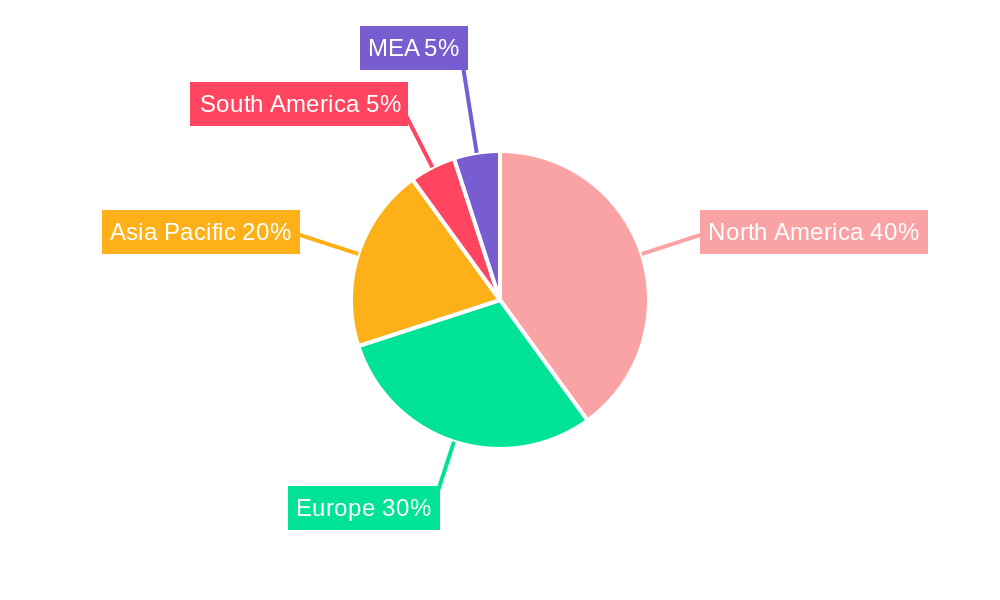
Infrastructure-as-a-Service Industry Regional Market Share
Geographic Coverage of Infrastructure-as-a-Service Industry
Infrastructure-as-a-Service Industry REPORT HIGHLIGHTS
| Aspects | Details |
|---|---|
| Study Period | 2020-2034 |
| Base Year | 2025 |
| Estimated Year | 2026 |
| Forecast Period | 2026-2034 |
| Historical Period | 2020-2025 |
| Growth Rate | CAGR of 20.01% from 2020-2034 |
| Segmentation |
|
Table of Contents
- 1. Introduction
- 1.1. Research Scope
- 1.2. Market Segmentation
- 1.3. Research Methodology
- 1.4. Definitions and Assumptions
- 2. Executive Summary
- 2.1. Introduction
- 3. Market Dynamics
- 3.1. Introduction
- 3.2. Market Drivers
- 3.2.1. Increased Demand For Hybrid Cloud Platform; Growing Need For High Speed Interaction Between Various Networks
- 3.3. Market Restrains
- 3.3.1. Stringent Government Regulations
- 3.4. Market Trends
- 3.4.1. IT & Telecom Expected to Hold Significant Growth
- 4. Market Factor Analysis
- 4.1. Porters Five Forces
- 4.2. Supply/Value Chain
- 4.3. PESTEL analysis
- 4.4. Market Entropy
- 4.5. Patent/Trademark Analysis
- 5. Global Infrastructure-as-a-Service Industry Analysis, Insights and Forecast, 2020-2032
- 5.1. Market Analysis, Insights and Forecast - by Deployment Mode
- 5.1.1. Public Cloud
- 5.1.2. Private Cloud
- 5.1.3. Hybrid Cloud
- 5.2. Market Analysis, Insights and Forecast - by Service
- 5.2.1. Managed Hosting
- 5.2.2. Disaster Recovery as a Service ( DRaaS)
- 5.2.3. Communication as a Service (CaaS)
- 5.2.4. Database as a Service (DBaaS)
- 5.2.5. Storage as a Service (SaaS)
- 5.3. Market Analysis, Insights and Forecast - by End-user Industry
- 5.3.1. BFSI
- 5.3.2. IT & Telecom
- 5.3.3. Healthcare
- 5.3.4. Media & Entertainment
- 5.3.5. Retail
- 5.3.6. Other End-user Industries
- 5.4. Market Analysis, Insights and Forecast - by Region
- 5.4.1. North America
- 5.4.2. Europe
- 5.4.3. Asia Pacific
- 5.4.4. Latin America
- 5.4.5. Middle East
- 5.1. Market Analysis, Insights and Forecast - by Deployment Mode
- 6. North America Infrastructure-as-a-Service Industry Analysis, Insights and Forecast, 2020-2032
- 6.1. Market Analysis, Insights and Forecast - by Deployment Mode
- 6.1.1. Public Cloud
- 6.1.2. Private Cloud
- 6.1.3. Hybrid Cloud
- 6.2. Market Analysis, Insights and Forecast - by Service
- 6.2.1. Managed Hosting
- 6.2.2. Disaster Recovery as a Service ( DRaaS)
- 6.2.3. Communication as a Service (CaaS)
- 6.2.4. Database as a Service (DBaaS)
- 6.2.5. Storage as a Service (SaaS)
- 6.3. Market Analysis, Insights and Forecast - by End-user Industry
- 6.3.1. BFSI
- 6.3.2. IT & Telecom
- 6.3.3. Healthcare
- 6.3.4. Media & Entertainment
- 6.3.5. Retail
- 6.3.6. Other End-user Industries
- 6.1. Market Analysis, Insights and Forecast - by Deployment Mode
- 7. Europe Infrastructure-as-a-Service Industry Analysis, Insights and Forecast, 2020-2032
- 7.1. Market Analysis, Insights and Forecast - by Deployment Mode
- 7.1.1. Public Cloud
- 7.1.2. Private Cloud
- 7.1.3. Hybrid Cloud
- 7.2. Market Analysis, Insights and Forecast - by Service
- 7.2.1. Managed Hosting
- 7.2.2. Disaster Recovery as a Service ( DRaaS)
- 7.2.3. Communication as a Service (CaaS)
- 7.2.4. Database as a Service (DBaaS)
- 7.2.5. Storage as a Service (SaaS)
- 7.3. Market Analysis, Insights and Forecast - by End-user Industry
- 7.3.1. BFSI
- 7.3.2. IT & Telecom
- 7.3.3. Healthcare
- 7.3.4. Media & Entertainment
- 7.3.5. Retail
- 7.3.6. Other End-user Industries
- 7.1. Market Analysis, Insights and Forecast - by Deployment Mode
- 8. Asia Pacific Infrastructure-as-a-Service Industry Analysis, Insights and Forecast, 2020-2032
- 8.1. Market Analysis, Insights and Forecast - by Deployment Mode
- 8.1.1. Public Cloud
- 8.1.2. Private Cloud
- 8.1.3. Hybrid Cloud
- 8.2. Market Analysis, Insights and Forecast - by Service
- 8.2.1. Managed Hosting
- 8.2.2. Disaster Recovery as a Service ( DRaaS)
- 8.2.3. Communication as a Service (CaaS)
- 8.2.4. Database as a Service (DBaaS)
- 8.2.5. Storage as a Service (SaaS)
- 8.3. Market Analysis, Insights and Forecast - by End-user Industry
- 8.3.1. BFSI
- 8.3.2. IT & Telecom
- 8.3.3. Healthcare
- 8.3.4. Media & Entertainment
- 8.3.5. Retail
- 8.3.6. Other End-user Industries
- 8.1. Market Analysis, Insights and Forecast - by Deployment Mode
- 9. Latin America Infrastructure-as-a-Service Industry Analysis, Insights and Forecast, 2020-2032
- 9.1. Market Analysis, Insights and Forecast - by Deployment Mode
- 9.1.1. Public Cloud
- 9.1.2. Private Cloud
- 9.1.3. Hybrid Cloud
- 9.2. Market Analysis, Insights and Forecast - by Service
- 9.2.1. Managed Hosting
- 9.2.2. Disaster Recovery as a Service ( DRaaS)
- 9.2.3. Communication as a Service (CaaS)
- 9.2.4. Database as a Service (DBaaS)
- 9.2.5. Storage as a Service (SaaS)
- 9.3. Market Analysis, Insights and Forecast - by End-user Industry
- 9.3.1. BFSI
- 9.3.2. IT & Telecom
- 9.3.3. Healthcare
- 9.3.4. Media & Entertainment
- 9.3.5. Retail
- 9.3.6. Other End-user Industries
- 9.1. Market Analysis, Insights and Forecast - by Deployment Mode
- 10. Middle East Infrastructure-as-a-Service Industry Analysis, Insights and Forecast, 2020-2032
- 10.1. Market Analysis, Insights and Forecast - by Deployment Mode
- 10.1.1. Public Cloud
- 10.1.2. Private Cloud
- 10.1.3. Hybrid Cloud
- 10.2. Market Analysis, Insights and Forecast - by Service
- 10.2.1. Managed Hosting
- 10.2.2. Disaster Recovery as a Service ( DRaaS)
- 10.2.3. Communication as a Service (CaaS)
- 10.2.4. Database as a Service (DBaaS)
- 10.2.5. Storage as a Service (SaaS)
- 10.3. Market Analysis, Insights and Forecast - by End-user Industry
- 10.3.1. BFSI
- 10.3.2. IT & Telecom
- 10.3.3. Healthcare
- 10.3.4. Media & Entertainment
- 10.3.5. Retail
- 10.3.6. Other End-user Industries
- 10.1. Market Analysis, Insights and Forecast - by Deployment Mode
- 11. Competitive Analysis
- 11.1. Global Market Share Analysis 2025
- 11.2. Company Profiles
- 11.2.1 EMC Corporation
- 11.2.1.1. Overview
- 11.2.1.2. Products
- 11.2.1.3. SWOT Analysis
- 11.2.1.4. Recent Developments
- 11.2.1.5. Financials (Based on Availability)
- 11.2.2 RedCentric PLC
- 11.2.2.1. Overview
- 11.2.2.2. Products
- 11.2.2.3. SWOT Analysis
- 11.2.2.4. Recent Developments
- 11.2.2.5. Financials (Based on Availability)
- 11.2.3 IBM Corporation
- 11.2.3.1. Overview
- 11.2.3.2. Products
- 11.2.3.3. SWOT Analysis
- 11.2.3.4. Recent Developments
- 11.2.3.5. Financials (Based on Availability)
- 11.2.4 RedHat Inc
- 11.2.4.1. Overview
- 11.2.4.2. Products
- 11.2.4.3. SWOT Analysis
- 11.2.4.4. Recent Developments
- 11.2.4.5. Financials (Based on Availability)
- 11.2.5 Microsoft Corporation
- 11.2.5.1. Overview
- 11.2.5.2. Products
- 11.2.5.3. SWOT Analysis
- 11.2.5.4. Recent Developments
- 11.2.5.5. Financials (Based on Availability)
- 11.2.6 VMWare Inc
- 11.2.6.1. Overview
- 11.2.6.2. Products
- 11.2.6.3. SWOT Analysis
- 11.2.6.4. Recent Developments
- 11.2.6.5. Financials (Based on Availability)
- 11.2.7 Amazon Web Services Inc
- 11.2.7.1. Overview
- 11.2.7.2. Products
- 11.2.7.3. SWOT Analysis
- 11.2.7.4. Recent Developments
- 11.2.7.5. Financials (Based on Availability)
- 11.2.8 Rackspace Hosting Inc
- 11.2.8.1. Overview
- 11.2.8.2. Products
- 11.2.8.3. SWOT Analysis
- 11.2.8.4. Recent Developments
- 11.2.8.5. Financials (Based on Availability)
- 11.2.9 Oracle Corporation
- 11.2.9.1. Overview
- 11.2.9.2. Products
- 11.2.9.3. SWOT Analysis
- 11.2.9.4. Recent Developments
- 11.2.9.5. Financials (Based on Availability)
- 11.2.10 Google Inc
- 11.2.10.1. Overview
- 11.2.10.2. Products
- 11.2.10.3. SWOT Analysis
- 11.2.10.4. Recent Developments
- 11.2.10.5. Financials (Based on Availability)
- 11.2.1 EMC Corporation
List of Figures
- Figure 1: Global Infrastructure-as-a-Service Industry Revenue Breakdown (Million, %) by Region 2025 & 2033
- Figure 2: Global Infrastructure-as-a-Service Industry Volume Breakdown (K Unit, %) by Region 2025 & 2033
- Figure 3: North America Infrastructure-as-a-Service Industry Revenue (Million), by Deployment Mode 2025 & 2033
- Figure 4: North America Infrastructure-as-a-Service Industry Volume (K Unit), by Deployment Mode 2025 & 2033
- Figure 5: North America Infrastructure-as-a-Service Industry Revenue Share (%), by Deployment Mode 2025 & 2033
- Figure 6: North America Infrastructure-as-a-Service Industry Volume Share (%), by Deployment Mode 2025 & 2033
- Figure 7: North America Infrastructure-as-a-Service Industry Revenue (Million), by Service 2025 & 2033
- Figure 8: North America Infrastructure-as-a-Service Industry Volume (K Unit), by Service 2025 & 2033
- Figure 9: North America Infrastructure-as-a-Service Industry Revenue Share (%), by Service 2025 & 2033
- Figure 10: North America Infrastructure-as-a-Service Industry Volume Share (%), by Service 2025 & 2033
- Figure 11: North America Infrastructure-as-a-Service Industry Revenue (Million), by End-user Industry 2025 & 2033
- Figure 12: North America Infrastructure-as-a-Service Industry Volume (K Unit), by End-user Industry 2025 & 2033
- Figure 13: North America Infrastructure-as-a-Service Industry Revenue Share (%), by End-user Industry 2025 & 2033
- Figure 14: North America Infrastructure-as-a-Service Industry Volume Share (%), by End-user Industry 2025 & 2033
- Figure 15: North America Infrastructure-as-a-Service Industry Revenue (Million), by Country 2025 & 2033
- Figure 16: North America Infrastructure-as-a-Service Industry Volume (K Unit), by Country 2025 & 2033
- Figure 17: North America Infrastructure-as-a-Service Industry Revenue Share (%), by Country 2025 & 2033
- Figure 18: North America Infrastructure-as-a-Service Industry Volume Share (%), by Country 2025 & 2033
- Figure 19: Europe Infrastructure-as-a-Service Industry Revenue (Million), by Deployment Mode 2025 & 2033
- Figure 20: Europe Infrastructure-as-a-Service Industry Volume (K Unit), by Deployment Mode 2025 & 2033
- Figure 21: Europe Infrastructure-as-a-Service Industry Revenue Share (%), by Deployment Mode 2025 & 2033
- Figure 22: Europe Infrastructure-as-a-Service Industry Volume Share (%), by Deployment Mode 2025 & 2033
- Figure 23: Europe Infrastructure-as-a-Service Industry Revenue (Million), by Service 2025 & 2033
- Figure 24: Europe Infrastructure-as-a-Service Industry Volume (K Unit), by Service 2025 & 2033
- Figure 25: Europe Infrastructure-as-a-Service Industry Revenue Share (%), by Service 2025 & 2033
- Figure 26: Europe Infrastructure-as-a-Service Industry Volume Share (%), by Service 2025 & 2033
- Figure 27: Europe Infrastructure-as-a-Service Industry Revenue (Million), by End-user Industry 2025 & 2033
- Figure 28: Europe Infrastructure-as-a-Service Industry Volume (K Unit), by End-user Industry 2025 & 2033
- Figure 29: Europe Infrastructure-as-a-Service Industry Revenue Share (%), by End-user Industry 2025 & 2033
- Figure 30: Europe Infrastructure-as-a-Service Industry Volume Share (%), by End-user Industry 2025 & 2033
- Figure 31: Europe Infrastructure-as-a-Service Industry Revenue (Million), by Country 2025 & 2033
- Figure 32: Europe Infrastructure-as-a-Service Industry Volume (K Unit), by Country 2025 & 2033
- Figure 33: Europe Infrastructure-as-a-Service Industry Revenue Share (%), by Country 2025 & 2033
- Figure 34: Europe Infrastructure-as-a-Service Industry Volume Share (%), by Country 2025 & 2033
- Figure 35: Asia Pacific Infrastructure-as-a-Service Industry Revenue (Million), by Deployment Mode 2025 & 2033
- Figure 36: Asia Pacific Infrastructure-as-a-Service Industry Volume (K Unit), by Deployment Mode 2025 & 2033
- Figure 37: Asia Pacific Infrastructure-as-a-Service Industry Revenue Share (%), by Deployment Mode 2025 & 2033
- Figure 38: Asia Pacific Infrastructure-as-a-Service Industry Volume Share (%), by Deployment Mode 2025 & 2033
- Figure 39: Asia Pacific Infrastructure-as-a-Service Industry Revenue (Million), by Service 2025 & 2033
- Figure 40: Asia Pacific Infrastructure-as-a-Service Industry Volume (K Unit), by Service 2025 & 2033
- Figure 41: Asia Pacific Infrastructure-as-a-Service Industry Revenue Share (%), by Service 2025 & 2033
- Figure 42: Asia Pacific Infrastructure-as-a-Service Industry Volume Share (%), by Service 2025 & 2033
- Figure 43: Asia Pacific Infrastructure-as-a-Service Industry Revenue (Million), by End-user Industry 2025 & 2033
- Figure 44: Asia Pacific Infrastructure-as-a-Service Industry Volume (K Unit), by End-user Industry 2025 & 2033
- Figure 45: Asia Pacific Infrastructure-as-a-Service Industry Revenue Share (%), by End-user Industry 2025 & 2033
- Figure 46: Asia Pacific Infrastructure-as-a-Service Industry Volume Share (%), by End-user Industry 2025 & 2033
- Figure 47: Asia Pacific Infrastructure-as-a-Service Industry Revenue (Million), by Country 2025 & 2033
- Figure 48: Asia Pacific Infrastructure-as-a-Service Industry Volume (K Unit), by Country 2025 & 2033
- Figure 49: Asia Pacific Infrastructure-as-a-Service Industry Revenue Share (%), by Country 2025 & 2033
- Figure 50: Asia Pacific Infrastructure-as-a-Service Industry Volume Share (%), by Country 2025 & 2033
- Figure 51: Latin America Infrastructure-as-a-Service Industry Revenue (Million), by Deployment Mode 2025 & 2033
- Figure 52: Latin America Infrastructure-as-a-Service Industry Volume (K Unit), by Deployment Mode 2025 & 2033
- Figure 53: Latin America Infrastructure-as-a-Service Industry Revenue Share (%), by Deployment Mode 2025 & 2033
- Figure 54: Latin America Infrastructure-as-a-Service Industry Volume Share (%), by Deployment Mode 2025 & 2033
- Figure 55: Latin America Infrastructure-as-a-Service Industry Revenue (Million), by Service 2025 & 2033
- Figure 56: Latin America Infrastructure-as-a-Service Industry Volume (K Unit), by Service 2025 & 2033
- Figure 57: Latin America Infrastructure-as-a-Service Industry Revenue Share (%), by Service 2025 & 2033
- Figure 58: Latin America Infrastructure-as-a-Service Industry Volume Share (%), by Service 2025 & 2033
- Figure 59: Latin America Infrastructure-as-a-Service Industry Revenue (Million), by End-user Industry 2025 & 2033
- Figure 60: Latin America Infrastructure-as-a-Service Industry Volume (K Unit), by End-user Industry 2025 & 2033
- Figure 61: Latin America Infrastructure-as-a-Service Industry Revenue Share (%), by End-user Industry 2025 & 2033
- Figure 62: Latin America Infrastructure-as-a-Service Industry Volume Share (%), by End-user Industry 2025 & 2033
- Figure 63: Latin America Infrastructure-as-a-Service Industry Revenue (Million), by Country 2025 & 2033
- Figure 64: Latin America Infrastructure-as-a-Service Industry Volume (K Unit), by Country 2025 & 2033
- Figure 65: Latin America Infrastructure-as-a-Service Industry Revenue Share (%), by Country 2025 & 2033
- Figure 66: Latin America Infrastructure-as-a-Service Industry Volume Share (%), by Country 2025 & 2033
- Figure 67: Middle East Infrastructure-as-a-Service Industry Revenue (Million), by Deployment Mode 2025 & 2033
- Figure 68: Middle East Infrastructure-as-a-Service Industry Volume (K Unit), by Deployment Mode 2025 & 2033
- Figure 69: Middle East Infrastructure-as-a-Service Industry Revenue Share (%), by Deployment Mode 2025 & 2033
- Figure 70: Middle East Infrastructure-as-a-Service Industry Volume Share (%), by Deployment Mode 2025 & 2033
- Figure 71: Middle East Infrastructure-as-a-Service Industry Revenue (Million), by Service 2025 & 2033
- Figure 72: Middle East Infrastructure-as-a-Service Industry Volume (K Unit), by Service 2025 & 2033
- Figure 73: Middle East Infrastructure-as-a-Service Industry Revenue Share (%), by Service 2025 & 2033
- Figure 74: Middle East Infrastructure-as-a-Service Industry Volume Share (%), by Service 2025 & 2033
- Figure 75: Middle East Infrastructure-as-a-Service Industry Revenue (Million), by End-user Industry 2025 & 2033
- Figure 76: Middle East Infrastructure-as-a-Service Industry Volume (K Unit), by End-user Industry 2025 & 2033
- Figure 77: Middle East Infrastructure-as-a-Service Industry Revenue Share (%), by End-user Industry 2025 & 2033
- Figure 78: Middle East Infrastructure-as-a-Service Industry Volume Share (%), by End-user Industry 2025 & 2033
- Figure 79: Middle East Infrastructure-as-a-Service Industry Revenue (Million), by Country 2025 & 2033
- Figure 80: Middle East Infrastructure-as-a-Service Industry Volume (K Unit), by Country 2025 & 2033
- Figure 81: Middle East Infrastructure-as-a-Service Industry Revenue Share (%), by Country 2025 & 2033
- Figure 82: Middle East Infrastructure-as-a-Service Industry Volume Share (%), by Country 2025 & 2033
List of Tables
- Table 1: Global Infrastructure-as-a-Service Industry Revenue Million Forecast, by Deployment Mode 2020 & 2033
- Table 2: Global Infrastructure-as-a-Service Industry Volume K Unit Forecast, by Deployment Mode 2020 & 2033
- Table 3: Global Infrastructure-as-a-Service Industry Revenue Million Forecast, by Service 2020 & 2033
- Table 4: Global Infrastructure-as-a-Service Industry Volume K Unit Forecast, by Service 2020 & 2033
- Table 5: Global Infrastructure-as-a-Service Industry Revenue Million Forecast, by End-user Industry 2020 & 2033
- Table 6: Global Infrastructure-as-a-Service Industry Volume K Unit Forecast, by End-user Industry 2020 & 2033
- Table 7: Global Infrastructure-as-a-Service Industry Revenue Million Forecast, by Region 2020 & 2033
- Table 8: Global Infrastructure-as-a-Service Industry Volume K Unit Forecast, by Region 2020 & 2033
- Table 9: Global Infrastructure-as-a-Service Industry Revenue Million Forecast, by Deployment Mode 2020 & 2033
- Table 10: Global Infrastructure-as-a-Service Industry Volume K Unit Forecast, by Deployment Mode 2020 & 2033
- Table 11: Global Infrastructure-as-a-Service Industry Revenue Million Forecast, by Service 2020 & 2033
- Table 12: Global Infrastructure-as-a-Service Industry Volume K Unit Forecast, by Service 2020 & 2033
- Table 13: Global Infrastructure-as-a-Service Industry Revenue Million Forecast, by End-user Industry 2020 & 2033
- Table 14: Global Infrastructure-as-a-Service Industry Volume K Unit Forecast, by End-user Industry 2020 & 2033
- Table 15: Global Infrastructure-as-a-Service Industry Revenue Million Forecast, by Country 2020 & 2033
- Table 16: Global Infrastructure-as-a-Service Industry Volume K Unit Forecast, by Country 2020 & 2033
- Table 17: Global Infrastructure-as-a-Service Industry Revenue Million Forecast, by Deployment Mode 2020 & 2033
- Table 18: Global Infrastructure-as-a-Service Industry Volume K Unit Forecast, by Deployment Mode 2020 & 2033
- Table 19: Global Infrastructure-as-a-Service Industry Revenue Million Forecast, by Service 2020 & 2033
- Table 20: Global Infrastructure-as-a-Service Industry Volume K Unit Forecast, by Service 2020 & 2033
- Table 21: Global Infrastructure-as-a-Service Industry Revenue Million Forecast, by End-user Industry 2020 & 2033
- Table 22: Global Infrastructure-as-a-Service Industry Volume K Unit Forecast, by End-user Industry 2020 & 2033
- Table 23: Global Infrastructure-as-a-Service Industry Revenue Million Forecast, by Country 2020 & 2033
- Table 24: Global Infrastructure-as-a-Service Industry Volume K Unit Forecast, by Country 2020 & 2033
- Table 25: Global Infrastructure-as-a-Service Industry Revenue Million Forecast, by Deployment Mode 2020 & 2033
- Table 26: Global Infrastructure-as-a-Service Industry Volume K Unit Forecast, by Deployment Mode 2020 & 2033
- Table 27: Global Infrastructure-as-a-Service Industry Revenue Million Forecast, by Service 2020 & 2033
- Table 28: Global Infrastructure-as-a-Service Industry Volume K Unit Forecast, by Service 2020 & 2033
- Table 29: Global Infrastructure-as-a-Service Industry Revenue Million Forecast, by End-user Industry 2020 & 2033
- Table 30: Global Infrastructure-as-a-Service Industry Volume K Unit Forecast, by End-user Industry 2020 & 2033
- Table 31: Global Infrastructure-as-a-Service Industry Revenue Million Forecast, by Country 2020 & 2033
- Table 32: Global Infrastructure-as-a-Service Industry Volume K Unit Forecast, by Country 2020 & 2033
- Table 33: Global Infrastructure-as-a-Service Industry Revenue Million Forecast, by Deployment Mode 2020 & 2033
- Table 34: Global Infrastructure-as-a-Service Industry Volume K Unit Forecast, by Deployment Mode 2020 & 2033
- Table 35: Global Infrastructure-as-a-Service Industry Revenue Million Forecast, by Service 2020 & 2033
- Table 36: Global Infrastructure-as-a-Service Industry Volume K Unit Forecast, by Service 2020 & 2033
- Table 37: Global Infrastructure-as-a-Service Industry Revenue Million Forecast, by End-user Industry 2020 & 2033
- Table 38: Global Infrastructure-as-a-Service Industry Volume K Unit Forecast, by End-user Industry 2020 & 2033
- Table 39: Global Infrastructure-as-a-Service Industry Revenue Million Forecast, by Country 2020 & 2033
- Table 40: Global Infrastructure-as-a-Service Industry Volume K Unit Forecast, by Country 2020 & 2033
- Table 41: Global Infrastructure-as-a-Service Industry Revenue Million Forecast, by Deployment Mode 2020 & 2033
- Table 42: Global Infrastructure-as-a-Service Industry Volume K Unit Forecast, by Deployment Mode 2020 & 2033
- Table 43: Global Infrastructure-as-a-Service Industry Revenue Million Forecast, by Service 2020 & 2033
- Table 44: Global Infrastructure-as-a-Service Industry Volume K Unit Forecast, by Service 2020 & 2033
- Table 45: Global Infrastructure-as-a-Service Industry Revenue Million Forecast, by End-user Industry 2020 & 2033
- Table 46: Global Infrastructure-as-a-Service Industry Volume K Unit Forecast, by End-user Industry 2020 & 2033
- Table 47: Global Infrastructure-as-a-Service Industry Revenue Million Forecast, by Country 2020 & 2033
- Table 48: Global Infrastructure-as-a-Service Industry Volume K Unit Forecast, by Country 2020 & 2033
Frequently Asked Questions
1. What is the projected Compound Annual Growth Rate (CAGR) of the Infrastructure-as-a-Service Industry?
The projected CAGR is approximately 20.01%.
2. Which companies are prominent players in the Infrastructure-as-a-Service Industry?
Key companies in the market include EMC Corporation, RedCentric PLC, IBM Corporation, RedHat Inc, Microsoft Corporation, VMWare Inc, Amazon Web Services Inc, Rackspace Hosting Inc, Oracle Corporation, Google Inc.
3. What are the main segments of the Infrastructure-as-a-Service Industry?
The market segments include Deployment Mode, Service, End-user Industry.
4. Can you provide details about the market size?
The market size is estimated to be USD 157.12 Million as of 2022.
5. What are some drivers contributing to market growth?
Increased Demand For Hybrid Cloud Platform; Growing Need For High Speed Interaction Between Various Networks.
6. What are the notable trends driving market growth?
IT & Telecom Expected to Hold Significant Growth.
7. Are there any restraints impacting market growth?
Stringent Government Regulations.
8. Can you provide examples of recent developments in the market?
August 2023 - Cisco, a global technology company, and Kyndryl, an IT infrastructure services provider, have extended the partnership to include new services to assist enterprise clients more effectively in identifying and addressing cyber risks. More specifically, Kyndryl will integrate its cyber resilience solution with Cisco's comprehensive Security Cloud platform, comprising security elements like Multicloud Defense, which unifies security and policy across private and public clouds, Cisco's Duo access control, and extended detection and response features.
9. What pricing options are available for accessing the report?
Pricing options include single-user, multi-user, and enterprise licenses priced at USD 4750, USD 5250, and USD 8750 respectively.
10. Is the market size provided in terms of value or volume?
The market size is provided in terms of value, measured in Million and volume, measured in K Unit.
11. Are there any specific market keywords associated with the report?
Yes, the market keyword associated with the report is "Infrastructure-as-a-Service Industry," which aids in identifying and referencing the specific market segment covered.
12. How do I determine which pricing option suits my needs best?
The pricing options vary based on user requirements and access needs. Individual users may opt for single-user licenses, while businesses requiring broader access may choose multi-user or enterprise licenses for cost-effective access to the report.
13. Are there any additional resources or data provided in the Infrastructure-as-a-Service Industry report?
While the report offers comprehensive insights, it's advisable to review the specific contents or supplementary materials provided to ascertain if additional resources or data are available.
14. How can I stay updated on further developments or reports in the Infrastructure-as-a-Service Industry?
To stay informed about further developments, trends, and reports in the Infrastructure-as-a-Service Industry, consider subscribing to industry newsletters, following relevant companies and organizations, or regularly checking reputable industry news sources and publications.
Methodology
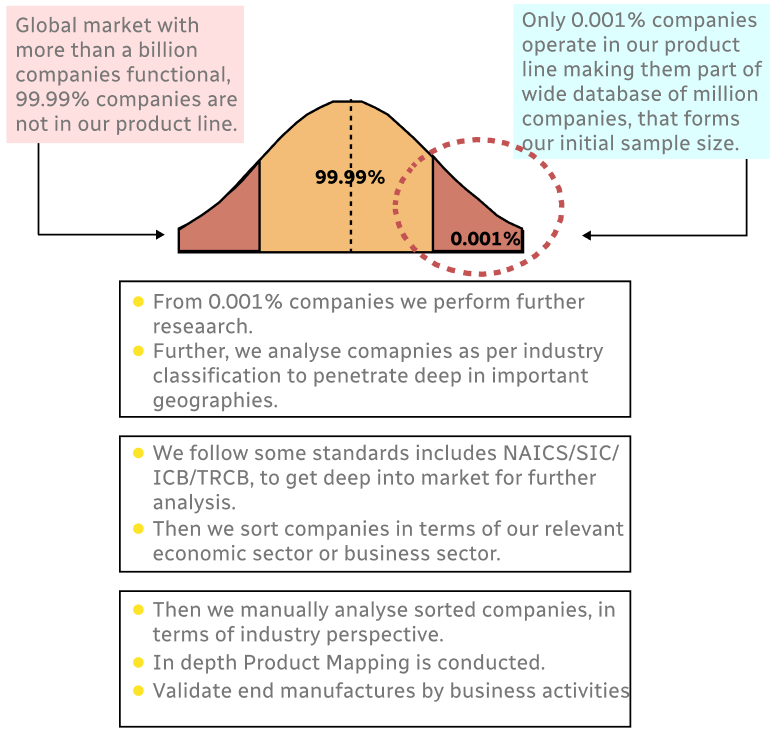
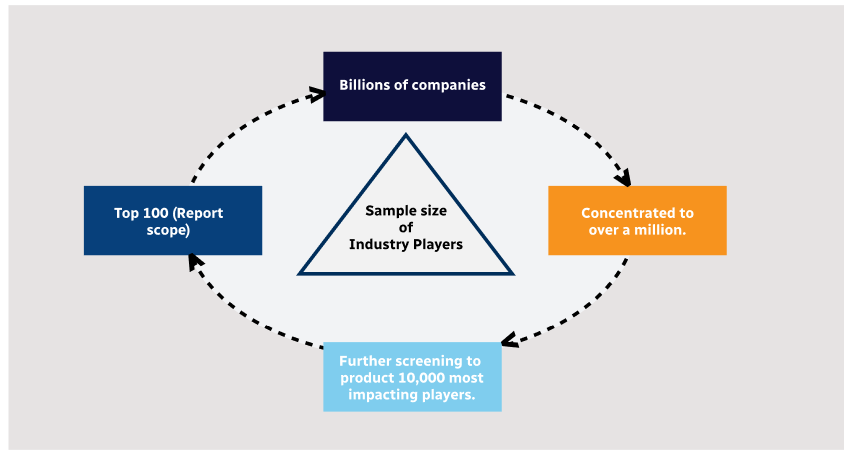
Step 1 - Identification of Relevant Samples Size from Population Database
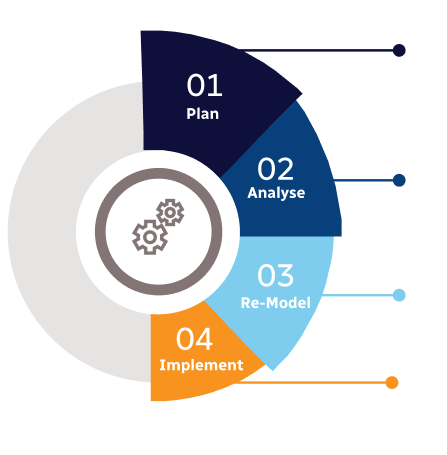
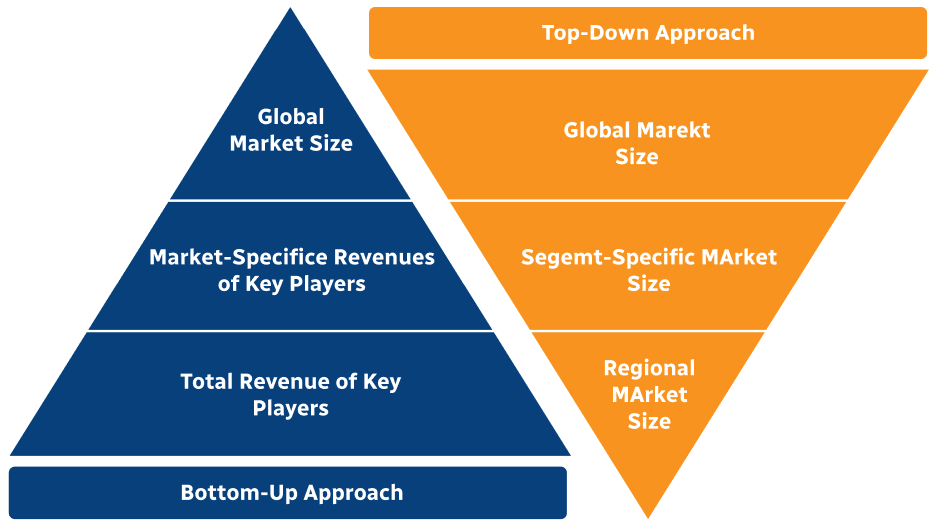
Step 2 - Approaches for Defining Global Market Size (Value, Volume* & Price*)
Note*: In applicable scenarios
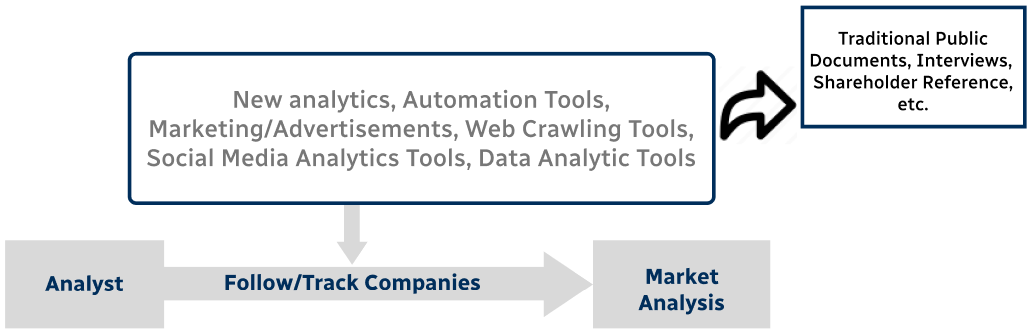
Step 3 - Data Sources
Primary Research
- Web Analytics
- Survey Reports
- Research Institute
- Latest Research Reports
- Opinion Leaders
Secondary Research
- Annual Reports
- White Paper
- Latest Press Release
- Industry Association
- Paid Database
- Investor Presentations
Step 4 - Data Triangulation
Involves using different sources of information in order to increase the validity of a study
These sources are likely to be stakeholders in a program - participants, other researchers, program staff, other community members, and so on.
Then we put all data in single framework & apply various statistical tools to find out the dynamic on the market.
During the analysis stage, feedback from the stakeholder groups would be compared to determine areas of agreement as well as areas of divergence