



Key Insights
The Indian electric two-wheeler market is poised for substantial expansion, with an estimated market size of $33.08 million in 2025, projecting a robust 16.49% CAGR through 2033. This significant growth is primarily fueled by a confluence of supportive government policies, increasing environmental consciousness among consumers, and the rising cost of traditional fuel. The market is witnessing a surge in demand for e-bikes across various applications, including practical cargo and utility vehicles, efficient city and urban commuters, and versatile trekking models. Propelled by innovations in battery technology, particularly the widespread adoption of lithium-ion batteries offering better range and faster charging, and the increasing popularity of pedal-assisted and throttle-assisted e-bikes, the sector is adapting to diverse rider needs. The "Make in India" initiative further bolsters domestic manufacturing and innovation, with several key players like Hero Cycles Limited, Cultsport, EMotorad, and Motovolt actively contributing to market dynamism.

India E Bike Market Market Size (In Million)

The market's trajectory is further shaped by emerging trends such as the development of high-speed "speed pedelec" models catering to longer commutes and a growing preference for lightweight, durable designs. While the widespread availability of lead-acid batteries in lower-cost segments provides an entry point, the shift towards more advanced lithium-ion technology is a defining characteristic of future growth. Challenges such as the initial cost of electric bikes and the need for enhanced charging infrastructure are being addressed through technological advancements and government incentives. Companies like Alpha Vector and Tru E Bikes Pvt Ltd are actively innovating to overcome these hurdles, ensuring the Indian e-bike market continues its upward trajectory, offering sustainable and convenient mobility solutions to a vast and growing population.

India E Bike Market Company Market Share

Unlock the future of sustainable urban mobility with our in-depth analysis of the India E-Bike Market. This report provides a comprehensive overview of the rapidly evolving electric two-wheeler landscape in India, offering critical insights for manufacturers, investors, policymakers, and industry stakeholders. Leveraging a detailed study period from 2019 to 2033, with a base year of 2025, this report delves into market dynamics, growth drivers, segment analysis, and competitive strategies. Discover the immense opportunities within the Indian electric bike sector, projected to reach significant market valuations, driven by increasing environmental consciousness, government initiatives, and technological advancements. This report is your definitive guide to navigating and capitalizing on the booming Indian e-bike revolution.
India E Bike Market Market Structure & Competitive Dynamics
The India E-Bike Market exhibits a dynamic and evolving structure, characterized by a moderate market concentration with an increasing number of new entrants challenging established players. Innovation ecosystems are rapidly maturing, fueled by government incentives and rising consumer demand for sustainable transportation solutions. Regulatory frameworks, including government subsidies for electric vehicles and battery manufacturing policies, play a pivotal role in shaping market entry and expansion. Product substitutes, such as traditional bicycles, electric scooters, and internal combustion engine (ICE) two-wheelers, continue to exert influence, but the unique advantages of e-bikes, such as ease of use, eco-friendliness, and lower running costs, are increasingly recognized. End-user trends are shifting towards performance, connectivity, and design, with a growing preference for lightweight and technologically advanced e-bikes. Mergers and acquisitions (M&A) activities are anticipated to increase as larger automotive players seek to enter the lucrative e-bike segment and startups aim for consolidation and scaling. Key metrics to monitor include the market share of leading brands, the value of M&A deals, and the investment in R&D for battery technology and motor efficiency. The market is poised for significant growth, with a projected CAGR of over 15% in the coming years.
- Market Concentration: Moderately concentrated, with key players gradually increasing their market share.
- Innovation Ecosystems: Growing rapidly with increased R&D investment in battery technology, motor efficiency, and smart features.
- Regulatory Frameworks: Favorable government policies, including FAME II subsidies and PLI schemes for battery manufacturing, are critical growth enablers.
- Product Substitutes: Traditional bicycles, ICE two-wheelers, and electric scooters present competitive alternatives.
- End-User Trends: Increasing demand for lightweight, stylish, performance-oriented, and connected e-bikes.
- M&A Activities: Expected to rise as companies seek to gain market access, acquire technology, and achieve economies of scale.
- Market Share: Leading players hold a significant, but decreasing, market share due to new entrants.
- M&A Deal Values: Projected to increase as the market matures and consolidation occurs.
India E Bike Market Industry Trends & Insights
The India E-Bike Market is experiencing an unprecedented surge in growth, driven by a confluence of factors that are fundamentally reshaping urban and semi-urban mobility. The compound annual growth rate (CAGR) is projected to exceed 15% during the forecast period of 2025-2033, a testament to the burgeoning demand and supportive ecosystem. Market penetration is steadily increasing, moving beyond niche segments to capture a broader consumer base. A primary growth driver is the escalating environmental consciousness among Indian consumers, coupled with rising fuel prices and growing concerns over air pollution. Government initiatives, such as the FAME II scheme and production-linked incentive (PLI) schemes for battery manufacturing, are providing significant impetus by reducing the upfront cost of e-bikes and fostering domestic production capabilities. Technological disruptions are at the forefront, with advancements in battery technology leading to lighter, more efficient, and longer-lasting batteries. Lithium-ion batteries are becoming the dominant choice, gradually replacing lead-acid batteries due to their superior performance and environmental benefits. Innovations in motor efficiency, smart connectivity features (GPS tracking, app integration), and regenerative braking systems are enhancing the user experience and product appeal. Consumer preferences are evolving rapidly; while affordability remains a key consideration, there is a discernible shift towards e-bikes that offer enhanced performance, longer range, improved safety features, and aesthetic appeal. The demand for e-bikes for last-mile delivery and logistics applications is also a significant contributor to market growth, driven by the booming e-commerce sector. Furthermore, the "Make in India" initiative is encouraging domestic manufacturing, leading to cost reductions and increased product availability. The competitive dynamics are intensifying, with both established automotive players and new-age startups vying for market share. This competition is fostering innovation and driving down prices, making e-bikes more accessible to a wider demographic. The shift towards sustainable transportation is no longer a trend but a movement, and the India E-Bike Market is at its vanguard, offering a compelling solution for personal mobility and logistical needs. The increasing urbanization and the associated traffic congestion further bolster the appeal of e-bikes as a convenient and eco-friendly alternative. The overall industry is characterized by robust expansion, driven by technological prowess, supportive policies, and a growing consumer appetite for sustainable and efficient mobility solutions. The estimated market size for e-bikes in India is projected to reach several billion dollars by 2033.
Dominant Markets & Segments in India E Bike Market
The India E-Bike Market is witnessing significant growth across various segments, with certain regions and product categories emerging as dominant forces.
Dominant Region:
- North India: This region, encompassing states like Uttar Pradesh, Delhi, Haryana, and Punjab, is emerging as a leading market for e-bikes.
- Economic Policies: Proactive state government policies promoting EV adoption, including subsidies and tax exemptions, are a major driver. For instance, initiatives like the "Delhi Electric Vehicle Policy" have significantly boosted adoption in the National Capital Region.
- Infrastructure: Rapid urbanization, coupled with improving road infrastructure and an increasing number of charging stations, facilitates easier adoption and usage of e-bikes in densely populated urban centers.
- Consumer Preferences: A growing middle-class population with increasing disposable income, coupled with a rising awareness of environmental issues and a need for cost-effective daily commuting, fuels demand. The desire for personal mobility solutions that bypass traffic congestion is also a key factor.
- Market Penetration: Higher adoption rates are observed in Tier 1 and Tier 2 cities within North India due to better awareness and access to products and services.
Dominant Propulsion Type:
- Pedal Assisted: This segment is expected to maintain its dominance in the forecast period.
- Regulatory Advantages: Pedal-assisted e-bikes often fall under lighter regulatory categories, requiring fewer licenses and registrations, making them more accessible.
- User Familiarity & Health Benefits: Consumers are familiar with the concept of cycling, and the added electric assist offers a less strenuous riding experience, appealing to a broader age group, including older individuals and those seeking fitness.
- Range & Affordability: Generally offer a good balance between range and affordability compared to speed pedelecs, making them a practical choice for daily commutes and utility purposes.
- Versatility: Suitable for various applications, from short urban commutes to light trekking, making them a versatile choice for many Indian households.
Dominant Application Type:
- City/Urban: This segment is poised for substantial growth and dominance.
- Congestion Mitigation: E-bikes offer an agile and efficient solution for navigating congested city streets, reducing commute times.
- Cost-Effectiveness: Lower operating costs compared to traditional vehicles, especially in urban areas with high fuel prices and parking fees.
- Environmental Benefits: Contribute to reducing urban air and noise pollution, aligning with growing environmental consciousness.
- Last-Mile Connectivity: Integral to the ecosystem of public transportation and e-commerce delivery services, facilitating seamless last-mile connectivity.
Dominant Battery Type:
- Lithium-ion Battery: This segment is set to dominate and is experiencing rapid growth.
- Performance Advantages: Offer higher energy density, lighter weight, longer lifespan, and faster charging times compared to lead-acid batteries.
- Technological Advancements: Continuous innovation in battery technology is leading to improved safety, reliability, and cost-effectiveness, making them increasingly affordable.
- Government Push: The government's focus on promoting domestic lithium-ion battery manufacturing through PLI schemes is expected to further drive down costs and increase availability.
- Consumer Preference: As consumers become more aware of the performance benefits and environmental advantages, their preference is shifting decisively towards lithium-ion powered e-bikes.
India E Bike Market Product Innovations
Product innovation in the India E-Bike Market is rapidly evolving to meet diverse consumer needs and enhance performance. Key developments include the integration of smart features like GPS tracking, smartphone connectivity for ride data, and anti-theft systems, offering enhanced convenience and security. Lighter frame materials such as aluminum alloys are being adopted to improve portability and handling. Advancements in battery technology are leading to increased range and faster charging times, addressing range anxiety. Motor efficiency is also a focus, with manufacturers optimizing power delivery for smoother rides and better energy utilization. The design of e-bikes is becoming more stylish and ergonomic, catering to the aesthetic preferences of urban commuters. These innovations aim to improve the overall riding experience, increase practicality, and provide a competitive edge in the market.
Report Segmentation & Scope
This report segments the India E-Bike Market comprehensively to provide a granular understanding of its dynamics. The segmentation covers:
Propulsion Type:
- Pedal Assisted: Focuses on e-bikes where the motor provides assistance when the rider pedals. This segment is expected to continue its strong performance due to its versatility and regulatory ease.
- Speed Pedelec: Includes high-speed e-bikes that can reach speeds comparable to mopeds, requiring specific licenses and regulations. Growth in this segment is contingent on regulatory clarity and infrastructure development.
- Throttle Assisted: Features e-bikes that can be propelled solely by a throttle without pedaling. This segment caters to users seeking a more effortless ride.
Application Type:
- Cargo/Utility: E-bikes designed for carrying goods or for commercial purposes, experiencing significant growth driven by the e-commerce and logistics sectors.
- City/Urban: The largest segment, focusing on e-bikes optimized for commuting and daily travel within urban environments, benefiting from congestion and pollution concerns.
- Trekking: E-bikes designed for off-road and trail riding, catering to adventure enthusiasts.
Battery Type:
- Lead Acid Battery: While historically significant, this segment is declining due to its weight and lower performance, being gradually replaced by advanced alternatives.
- Lithium-ion Battery: The dominant and fastest-growing segment, offering superior performance, lighter weight, and longer lifespan, with ongoing cost reductions.
- Others: Encompasses emerging battery technologies and niche solutions.
The scope of this report extends across the entire Indian market, analyzing historical trends, current market dynamics, and future projections up to 2033.
Key Drivers of India E Bike Market Growth
The India E-Bike Market is propelled by a robust set of drivers:
- Government Support & Policy Initiatives: Favorable policies like FAME II, Production Linked Incentive (PLI) schemes for battery manufacturing, and state-level EV adoption policies significantly reduce costs and encourage local production.
- Environmental Concerns & Sustainability: Growing awareness of air pollution and climate change is driving consumers towards eco-friendly transportation alternatives like e-bikes.
- Technological Advancements: Improvements in battery technology (higher energy density, faster charging), motor efficiency, and the integration of smart features enhance performance and user experience.
- Rising Fuel Prices & Operational Cost Savings: The escalating cost of petrol and diesel makes e-bikes an economically attractive option for daily commuting and last-mile delivery.
- Urbanization & Traffic Congestion: Increasing urban populations and severe traffic congestion make e-bikes a practical and efficient mode of transport for navigating cities.
- Growing E-commerce & Logistics Sector: The booming e-commerce industry necessitates efficient and cost-effective last-mile delivery solutions, boosting demand for cargo and utility e-bikes.
Challenges in the India E Bike Market Sector
Despite the robust growth, the India E-Bike Market faces several challenges:
- High Initial Cost: Although prices are decreasing, the upfront cost of e-bikes, especially those with advanced features and lithium-ion batteries, can still be a barrier for a significant portion of the population.
- Inadequate Charging Infrastructure: The limited availability and accessibility of charging points, particularly in semi-urban and rural areas, contribute to range anxiety among potential buyers.
- Battery Swapping & Disposal Issues: The lack of standardized battery swapping infrastructure and efficient battery recycling mechanisms poses logistical and environmental challenges.
- Consumer Awareness & Perception: While growing, there is still a need to further educate consumers about the benefits of e-bikes, address misconceptions, and build trust in the technology.
- Supply Chain Vulnerabilities: Dependence on imported components, particularly for batteries, can lead to supply chain disruptions and price volatility.
- Regulatory Ambiguities: Evolving regulations concerning speed limits, licensing, and safety standards for different types of e-bikes can create uncertainty for manufacturers and consumers.
Leading Players in the India E Bike Market Market
- Motovolt
- Alpha Vector
- Hero Cycles Limited
- Cultsport
- Nibe E-motor Limited
- Tru E Bikes Pvt Lt
- SJ Electric Vehicles Pvt Ltd (Polarity Smart Bikes)
- EMotorad
- Stryder
- Being Human
Key Developments in India E Bike Market Sector
- March 2023: Nibe Limited's board of directors accepts private placement and preferential issue fundraising plans up to Rs.104.40 Cr. This development indicates a strong intent for expansion and potentially new product development or manufacturing capacity enhancement.
- November 2022: Motovolt Mobility has raised new funding in a pre-series A round of Rs 16 crore. This funding will be strategically utilized for the launch of new products, the execution of impactful marketing campaigns, and the significant expansion of its retail footprint across India, aiming to establish more outlets.
- November 2022: EMotorad introduces the "Doodle v2" folding e-bike for Rs 49,999. This launch targets a specific consumer segment looking for portability and affordability, available for purchase on the company's website as well as on major e-commerce platforms like Amazon and Flipkart.
Strategic India E Bike Market Market Outlook
The strategic outlook for the India E-Bike Market is exceptionally promising, poised for sustained and accelerated growth. The market is expected to be a significant contributor to India's sustainable mobility goals, driven by innovation and increasing consumer adoption. Growth accelerators include the continued expansion of the lithium-ion battery ecosystem, bolstered by government incentives aimed at reducing costs and enhancing domestic production capabilities. The increasing affordability of e-bikes, coupled with improved performance and a wider array of product offerings catering to diverse needs (urban commuting, cargo, leisure), will further fuel demand. Strategic partnerships between technology providers, manufacturers, and financial institutions will be crucial for scaling production and improving accessibility through innovative financing models. The development of robust charging and battery swapping infrastructure, supported by public-private collaborations, will be instrumental in alleviating range anxiety. Furthermore, the integration of smart mobility solutions and connected features will enhance the user experience and create new revenue streams. The policy landscape is expected to remain supportive, with a continued focus on promoting electric vehicles and reducing carbon emissions. The market presents significant opportunities for players who can offer technologically advanced, cost-effective, and user-friendly e-bike solutions, positioning themselves to capture a substantial share of this rapidly expanding sector.
India E Bike Market Segmentation
-
1. Propulsion Type
- 1.1. Pedal Assisted
- 1.2. Speed Pedelec
- 1.3. Throttle Assisted
-
2. Application Type
- 2.1. Cargo/Utility
- 2.2. City/Urban
- 2.3. Trekking
-
3. Battery Type
- 3.1. Lead Acid Battery
- 3.2. Lithium-ion Battery
- 3.3. Others
India E Bike Market Segmentation By Geography
- 1. India

India E Bike Market Regional Market Share

Geographic Coverage of India E Bike Market
India E Bike Market REPORT HIGHLIGHTS
| Aspects | Details |
|---|---|
| Study Period | 2020-2034 |
| Base Year | 2025 |
| Estimated Year | 2026 |
| Forecast Period | 2026-2034 |
| Historical Period | 2020-2025 |
| Growth Rate | CAGR of 16.49% from 2020-2034 |
| Segmentation |
|
Table of Contents
- 1. Introduction
- 1.1. Research Scope
- 1.2. Market Segmentation
- 1.3. Research Methodology
- 1.4. Definitions and Assumptions
- 2. Executive Summary
- 2.1. Introduction
- 3. Market Dynamics
- 3.1. Introduction
- 3.2. Market Drivers
- 3.2.1. The Increasing Demand for Luxury Cars is Anticipated to Boost the Market
- 3.3. Market Restrains
- 3.3.1. Comparatively Limited Market Transparency May Hinder the Market
- 3.4. Market Trends
- 3.4.1. OTHER KEY INDUSTRY TRENDS COVERED IN THE REPORT
- 4. Market Factor Analysis
- 4.1. Porters Five Forces
- 4.2. Supply/Value Chain
- 4.3. PESTEL analysis
- 4.4. Market Entropy
- 4.5. Patent/Trademark Analysis
- 5. India E Bike Market Analysis, Insights and Forecast, 2020-2032
- 5.1. Market Analysis, Insights and Forecast - by Propulsion Type
- 5.1.1. Pedal Assisted
- 5.1.2. Speed Pedelec
- 5.1.3. Throttle Assisted
- 5.2. Market Analysis, Insights and Forecast - by Application Type
- 5.2.1. Cargo/Utility
- 5.2.2. City/Urban
- 5.2.3. Trekking
- 5.3. Market Analysis, Insights and Forecast - by Battery Type
- 5.3.1. Lead Acid Battery
- 5.3.2. Lithium-ion Battery
- 5.3.3. Others
- 5.4. Market Analysis, Insights and Forecast - by Region
- 5.4.1. India
- 5.1. Market Analysis, Insights and Forecast - by Propulsion Type
- 6. Competitive Analysis
- 6.1. Market Share Analysis 2025
- 6.2. Company Profiles
- 6.2.1 Motovolt
- 6.2.1.1. Overview
- 6.2.1.2. Products
- 6.2.1.3. SWOT Analysis
- 6.2.1.4. Recent Developments
- 6.2.1.5. Financials (Based on Availability)
- 6.2.2 Alpha Vector
- 6.2.2.1. Overview
- 6.2.2.2. Products
- 6.2.2.3. SWOT Analysis
- 6.2.2.4. Recent Developments
- 6.2.2.5. Financials (Based on Availability)
- 6.2.3 Hero Cycles Limited
- 6.2.3.1. Overview
- 6.2.3.2. Products
- 6.2.3.3. SWOT Analysis
- 6.2.3.4. Recent Developments
- 6.2.3.5. Financials (Based on Availability)
- 6.2.4 Cultsport
- 6.2.4.1. Overview
- 6.2.4.2. Products
- 6.2.4.3. SWOT Analysis
- 6.2.4.4. Recent Developments
- 6.2.4.5. Financials (Based on Availability)
- 6.2.5 Nibe E-motor Limited
- 6.2.5.1. Overview
- 6.2.5.2. Products
- 6.2.5.3. SWOT Analysis
- 6.2.5.4. Recent Developments
- 6.2.5.5. Financials (Based on Availability)
- 6.2.6 Tru E Bikes Pvt Lt
- 6.2.6.1. Overview
- 6.2.6.2. Products
- 6.2.6.3. SWOT Analysis
- 6.2.6.4. Recent Developments
- 6.2.6.5. Financials (Based on Availability)
- 6.2.7 SJ Electric Vehicles Pvt Ltd (Polarity Smart Bikes)
- 6.2.7.1. Overview
- 6.2.7.2. Products
- 6.2.7.3. SWOT Analysis
- 6.2.7.4. Recent Developments
- 6.2.7.5. Financials (Based on Availability)
- 6.2.8 EMotorad
- 6.2.8.1. Overview
- 6.2.8.2. Products
- 6.2.8.3. SWOT Analysis
- 6.2.8.4. Recent Developments
- 6.2.8.5. Financials (Based on Availability)
- 6.2.9 Stryder
- 6.2.9.1. Overview
- 6.2.9.2. Products
- 6.2.9.3. SWOT Analysis
- 6.2.9.4. Recent Developments
- 6.2.9.5. Financials (Based on Availability)
- 6.2.10 Being Human
- 6.2.10.1. Overview
- 6.2.10.2. Products
- 6.2.10.3. SWOT Analysis
- 6.2.10.4. Recent Developments
- 6.2.10.5. Financials (Based on Availability)
- 6.2.1 Motovolt
List of Figures
- Figure 1: India E Bike Market Revenue Breakdown (million, %) by Product 2025 & 2033
- Figure 2: India E Bike Market Share (%) by Company 2025
List of Tables
- Table 1: India E Bike Market Revenue million Forecast, by Propulsion Type 2020 & 2033
- Table 2: India E Bike Market Revenue million Forecast, by Application Type 2020 & 2033
- Table 3: India E Bike Market Revenue million Forecast, by Battery Type 2020 & 2033
- Table 4: India E Bike Market Revenue million Forecast, by Region 2020 & 2033
- Table 5: India E Bike Market Revenue million Forecast, by Propulsion Type 2020 & 2033
- Table 6: India E Bike Market Revenue million Forecast, by Application Type 2020 & 2033
- Table 7: India E Bike Market Revenue million Forecast, by Battery Type 2020 & 2033
- Table 8: India E Bike Market Revenue million Forecast, by Country 2020 & 2033
Frequently Asked Questions
1. What is the projected Compound Annual Growth Rate (CAGR) of the India E Bike Market?
The projected CAGR is approximately 16.49%.
2. Which companies are prominent players in the India E Bike Market?
Key companies in the market include Motovolt, Alpha Vector, Hero Cycles Limited, Cultsport, Nibe E-motor Limited, Tru E Bikes Pvt Lt, SJ Electric Vehicles Pvt Ltd (Polarity Smart Bikes), EMotorad, Stryder, Being Human.
3. What are the main segments of the India E Bike Market?
The market segments include Propulsion Type, Application Type, Battery Type.
4. Can you provide details about the market size?
The market size is estimated to be USD 33.08 million as of 2022.
5. What are some drivers contributing to market growth?
The Increasing Demand for Luxury Cars is Anticipated to Boost the Market.
6. What are the notable trends driving market growth?
OTHER KEY INDUSTRY TRENDS COVERED IN THE REPORT.
7. Are there any restraints impacting market growth?
Comparatively Limited Market Transparency May Hinder the Market.
8. Can you provide examples of recent developments in the market?
March 2023: Nibe Limited's board of directors accepts private placement and preferential issue fundraising plans up to Rs.104.40 Cr.November 2022: Motovolt Mobility has raised new funding in a pre-series A round of Rs 16 crore, which will be used to launch new products, launch marketing campaigns, and expand its footprint across India through more retail outlets.November 2022: EMotorad introduces the "Doodle v2" folding e-bike for Rs 49,999. It is available for purchase on the company's website as well as on Amazon and Flipkart.
9. What pricing options are available for accessing the report?
Pricing options include single-user, multi-user, and enterprise licenses priced at USD 3800, USD 4500, and USD 5800 respectively.
10. Is the market size provided in terms of value or volume?
The market size is provided in terms of value, measured in million.
11. Are there any specific market keywords associated with the report?
Yes, the market keyword associated with the report is "India E Bike Market," which aids in identifying and referencing the specific market segment covered.
12. How do I determine which pricing option suits my needs best?
The pricing options vary based on user requirements and access needs. Individual users may opt for single-user licenses, while businesses requiring broader access may choose multi-user or enterprise licenses for cost-effective access to the report.
13. Are there any additional resources or data provided in the India E Bike Market report?
While the report offers comprehensive insights, it's advisable to review the specific contents or supplementary materials provided to ascertain if additional resources or data are available.
14. How can I stay updated on further developments or reports in the India E Bike Market?
To stay informed about further developments, trends, and reports in the India E Bike Market, consider subscribing to industry newsletters, following relevant companies and organizations, or regularly checking reputable industry news sources and publications.
Methodology
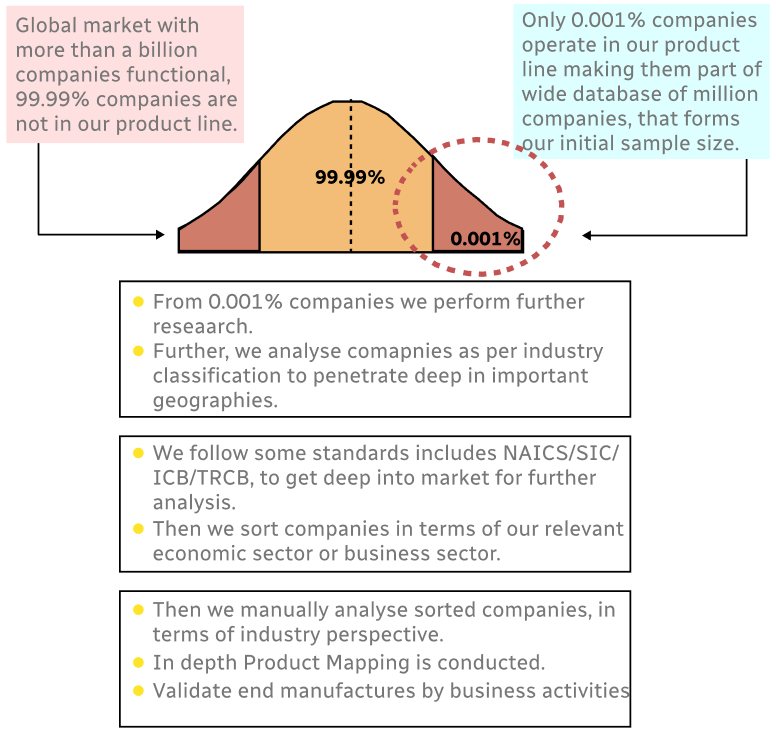
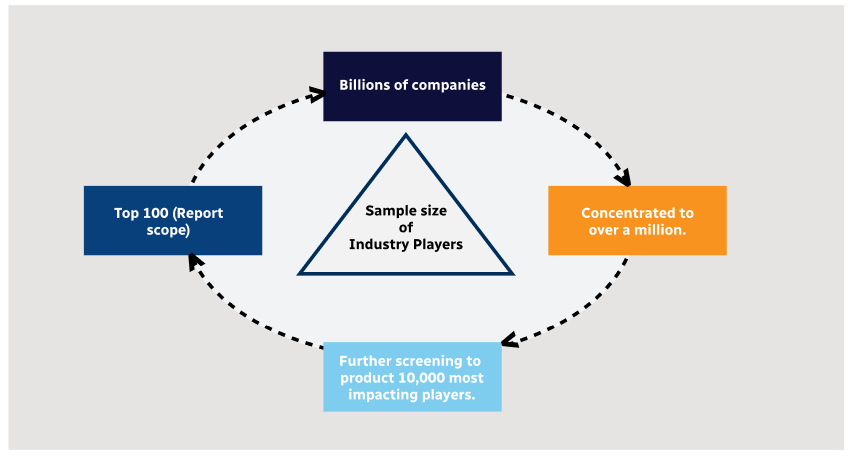
Step 1 - Identification of Relevant Samples Size from Population Database
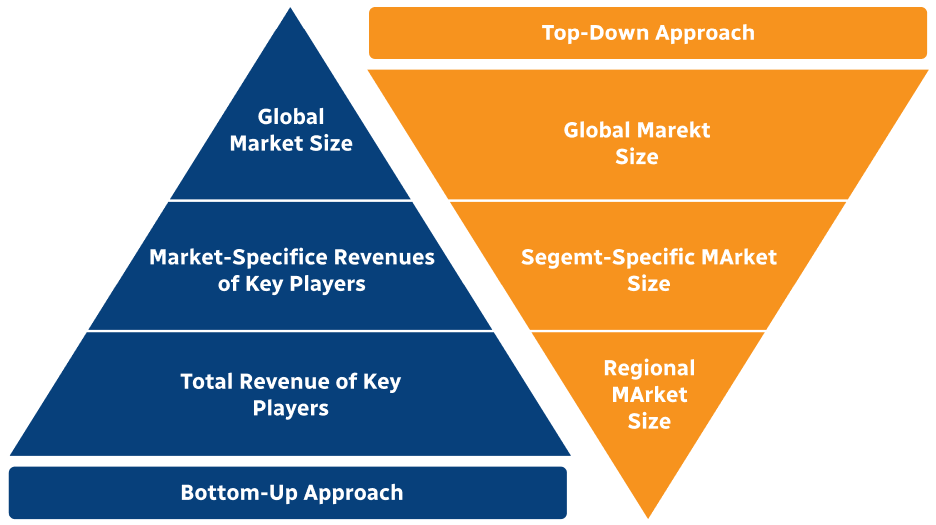
Step 2 - Approaches for Defining Global Market Size (Value, Volume* & Price*)
Note*: In applicable scenarios
Step 3 - Data Sources
Primary Research
- Web Analytics
- Survey Reports
- Research Institute
- Latest Research Reports
- Opinion Leaders
Secondary Research
- Annual Reports
- White Paper
- Latest Press Release
- Industry Association
- Paid Database
- Investor Presentations
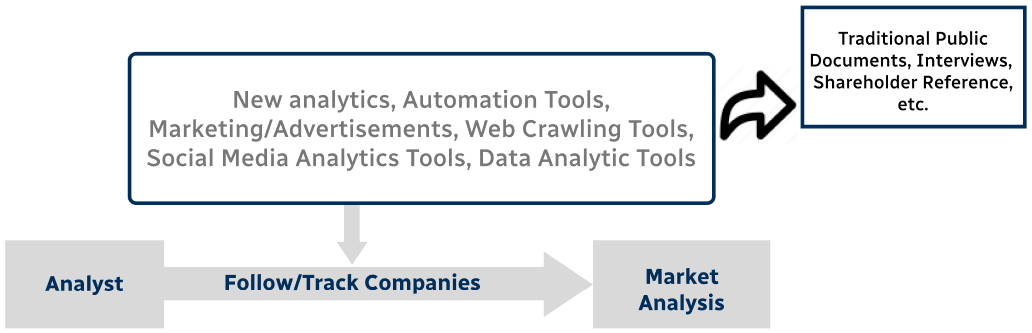
Step 4 - Data Triangulation
Involves using different sources of information in order to increase the validity of a study
These sources are likely to be stakeholders in a program - participants, other researchers, program staff, other community members, and so on.
Then we put all data in single framework & apply various statistical tools to find out the dynamic on the market.
During the analysis stage, feedback from the stakeholder groups would be compared to determine areas of agreement as well as areas of divergence


