


Emerging Opportunities in Green Cement Industry Market

Green Cement Industry by Product Type (Fly Ash-based, Slag-based, Limestone-based, Silica fume-based, Other Product Types), by Construction Sector (Residential, Non-residential), by Asia Pacific (China, India, Japan, South Korea, Rest of Asia Pacific), by North America (United States, Canada, Mexico), by Europe (Germany, United Kingdom, France, Italy, Rest of Europe), by South America (Brazil, Argentina, Rest of South America), by Middle East, by Saudi Arabia (South Africa, Rest of Middle East) Forecast 2026-2034

Jan 18 2026
Base Year: 2025

234 Pages
Main Logo

Emerging Opportunities in Green Cement Industry Market


Home
Industries
Chemicals & Materials

About Precision Market View

Precision Market View offers precise market research, industry intelligence, and data analysis for healthcare, manufacturing, technology, and energy. Our reports provide the clarity you need to make informed decisions and drive growth.

Our team combines primary research, advanced analytics, and industry expertise to deliver actionable intelligence. We offer syndicated reports, custom research, and consulting services tailored to your business needs.

At Precision Market View, we are committed to quality, transparency, and client satisfaction. Every report is rigorously validated to ensure accuracy and relevance. Our global perspective and local expertise help you understand both the big picture and the finer details of your market.

Stay informed with Precision Market View. Subscribe to our newsletter for the latest updates and research highlights, and follow us on social media for real-time insights.

Precision Market View – Clarity for Your Strategic Decisions.

artwork spiralartwork spiralRelated Reports
artwork underline

Metalized Film Market Market Report: Strategic Insights

Explore the Metalized Film Market forecast (2019-2033), driven by packaging innovation and electronics growth. Discover key drivers, trends, and leading companies shaping this **USD 13.15 billion** industry with a **4.6% CAGR**.

January 2026
Base Year: 2025
No Of Pages: 234
Price: $4750

Future-Forward Strategies for Asia-pacific Commercial Vehicles Lubricants Market Industry

Explore the dynamic Asia-Pacific commercial vehicles lubricants market, projected for significant growth driven by logistics expansion and technological advancements. Key insights into engine oils, greases, and hydraulic fluids market trends.

January 2026
Base Year: 2025
No Of Pages: 210
Price: $4750

Carbon Nanotubes Market Charting Growth Trajectories 2026-2034: Strategic Insights and Forecasts

Explore the booming Carbon Nanotubes market, projected to reach **USD 6.51 Billion** with a **34.78% CAGR**. Discover key drivers, industry trends, and regional insights for this revolutionary material.

January 2026
Base Year: 2025
No Of Pages: 180
Price: $4750

Adhesives & Sealants Distribution Industry Market Predictions: Growth and Size Trends to 2034

Explore the dynamic Adhesives & Sealants Distribution market, valued at $77.08 billion in 2025 and growing at a 6% CAGR. Discover key industry drivers, trends in water-borne and hot melt technologies, and growth across construction, packaging, and transportation.

January 2026
Base Year: 2025
No Of Pages: 234
Price: $4750

Strategic Analysis of Composite Rebar Market Market Growth 2026-2034

Explore the booming Composite Rebar Market, projected to reach USD 14.89 billion by 2025 with a 7.72% CAGR. Discover key drivers, trends, and growth opportunities in GFRP, CFRP, and BFRP rebars for highways, bridges, and more.

January 2026
Base Year: 2025
No Of Pages: 180
Price: $4750

Navigating North America Modular Construction Industry Market Trends: Competitor Analysis and Growth 2026-2034

Explore the booming North America Modular Construction Industry market size, growth drivers, and key trends from 2019-2033. Discover insights on permanent & relocatable modular, residential & commercial sectors, and leading companies.

January 2026
Base Year: 2025
No Of Pages: 210
Price: $4750

Business Address

Head Office

Ansec House 3 rd floor Tank Road, Yerwada, Pune, Maharashtra 411014

Contact Information

Craig Francis

Business Development Head

+17162654855

[email protected]

Secure Payment Partners

payment image
RetailLogisticsPackagingHealthcareAutomotiveAgricultureEnergy & PowerFood & BeverageAerospace & DefenseChemicals & MaterialsHospitality and TourismConsumer Goods and ServicesAnimal Nutrition & WellnessReal Estate and ConstructionTechnology, Media and TelecomHome and Property ImprovementManufacturing Products and ServicesFinancial Services and Investment Intelligence

© 2026 PRDUA Research & Media Private Limited, All rights reserved

Privacy Policy
Terms and Conditions
FAQ
  • Home
  • About Us
  • Industries
    • Retail
    • Hospitality and Tourism
    • Agriculture
    • Manufacturing Products and Services
    • Healthcare
    • Logistics
    • Aerospace & Defense
    • Professional and Commercial Services
    • Financial Services and Investment Intelligence
    • Consumer Goods and Services
    • Animal Nutrition & Wellness
    • Technology, Media and Telecom
    • Automotive
    • Home and Property Improvement
    • Real Estate and Construction
    • Packaging
    • Chemicals & Materials
    • Energy & Power
    • Food & Beverage
  • Services
  • Contact
Main Logo
  • Home
  • About Us
  • Industries
    • Retail
    • Hospitality and Tourism
    • Agriculture
    • Manufacturing Products and Services
    • Healthcare
    • Logistics
    • Aerospace & Defense
    • Professional and Commercial Services
    • Financial Services and Investment Intelligence
    • Consumer Goods and Services
    • Animal Nutrition & Wellness
    • Technology, Media and Telecom
    • Automotive
    • Home and Property Improvement
    • Real Estate and Construction
    • Packaging
    • Chemicals & Materials
    • Energy & Power
    • Food & Beverage
  • Services
  • Contact
+17162654855
[email protected]

+17162654855

[email protected]

sponsor image
sponsor image
sponsor image
sponsor image

Tailored for you

  • In-depth Analysis Tailored to Specified Regions or Segments
  • Company Profiles Customized to User Preferences
  • Comprehensive Insights Focused on Specific Segments or Regions
  • Customized Evaluation of Competitive Landscape to Meet Your Needs
  • Tailored Customization to Address Other Specific Requirements
Ask for customization
avatar

Analyst at Providence Strategic Partners at Petaling Jaya

Jared Wan

I have received the report already. Thanks you for your help.it has been a pleasure working with you. Thank you againg for a good quality report

avatar

US TPS Business Development Manager at Thermon

Erik Perison

The response was good, and I got what I was looking for as far as the report. Thank you for that.

avatar

Global Product, Quality & Strategy Executive- Principal Innovator at Donaldson

Shankar Godavarti

As requested- presale engagement was good, your perseverance, support and prompt responses were noted. Your follow up with vm’s were much appreciated. Happy with the final report and post sales by your team.

Key Insights

The global Green Cement market is experiencing robust expansion, poised to reach an estimated $14,482.8 million in 2025. This significant growth is driven by an anticipated Compound Annual Growth Rate (CAGR) of 10.11% from 2025 to 2033, highlighting a strong and sustained upward trajectory. The increasing global focus on sustainable construction practices, coupled with stringent environmental regulations, is a primary catalyst for this market surge. Builders and developers are actively seeking eco-friendly alternatives to traditional Portland cement, which has a substantial carbon footprint. Green cement, utilizing by-products like fly ash, slag, and silica fume, offers a compelling solution by reducing greenhouse gas emissions, conserving natural resources, and lowering energy consumption during production. This fundamental shift in construction material preferences is further amplified by growing consumer awareness and demand for environmentally responsible building projects.

Green Cement Industry Research Report - Market Overview and Key Insights

Green Cement Industry Market Size (In Billion)

30.0B
20.0B
10.0B
0
14.48 B
2025
15.96 B
2026
17.57 B
2027
19.33 B
2028
21.26 B
2029
23.36 B
2030
25.65 B
2031
Main Logo

The market is segmented across various product types, with fly ash-based and slag-based cements holding a significant share due to their widespread availability and cost-effectiveness as industrial by-products. The limestone-based and silica fume-based segments are also gaining traction, offering specialized properties for enhanced performance. Geographically, the Asia Pacific region is projected to lead market growth, propelled by rapid urbanization and large-scale infrastructure development in countries like China and India. North America and Europe are also demonstrating substantial adoption rates, driven by advanced green building initiatives and the presence of key market players. Key companies like Holcim, HeidelbergCement AG, and UltraTech Cement Ltd are at the forefront of innovation, investing in research and development to expand their green cement portfolios and cater to the evolving demands of the construction sector. Challenges such as the initial cost perception of green cement and the need for wider industry adoption are being addressed through technological advancements and supportive government policies, paving the way for a greener future in construction.

Green Cement Industry Market Size and Forecast (2024-2030)

Green Cement Industry Company Market Share

Loading chart...
Main Logo

Green Cement Industry Market Report: Sustainable Construction Solutions Driving Global Growth (2019–2033)

Unlock the future of sustainable construction with this in-depth analysis of the global green cement industry. This comprehensive report provides actionable insights into market dynamics, key trends, technological advancements, and strategic opportunities within the rapidly expanding green cement sector. Forecasts from 2025 to 2033, based on a 2025 base year, detail the evolving landscape of eco-friendly cement solutions, crucial for meeting global climate targets and driving sustainable infrastructure development.


Green Cement Industry Market Structure & Competitive Dynamics

The green cement industry exhibits a moderately concentrated market structure, characterized by a mix of established global players and emerging innovators. Key companies like HEIDELBERGCEMENT AG, Holcim, and UltraTech Cement Ltd hold significant market share, driven by extensive manufacturing capabilities and strong distribution networks. However, a vibrant ecosystem of specialized green cement producers, including Ecocem, Ecoplus Industries Pvt Ltd, and NavrattanGroup, is fostering innovation. Regulatory frameworks worldwide are increasingly favoring sustainable building materials, creating a fertile ground for growth. Product substitutes, primarily traditional Portland cement, are facing pressure from the inherent environmental benefits of green cement. End-user trends clearly lean towards sustainable construction, with demand surging from residential, non-residential, and industrial sectors seeking reduced carbon footprints. Mergers and acquisitions (M&A) activities are on the rise as larger corporations seek to integrate green cement technologies and expand their portfolios. Notable M&A deals, with valuations often in the hundreds of millions of US dollars, reflect strategic consolidation and investment in future-proofing construction practices. The market's competitive intensity is expected to increase as more companies enter the space and technological advancements democratize production methods.


Green Cement Industry Industry Trends & Insights

The global green cement industry is experiencing robust growth, projected to expand at a significant Compound Annual Growth Rate (CAGR) throughout the forecast period. This expansion is primarily fueled by escalating environmental concerns, stringent government regulations on carbon emissions, and a growing global consciousness towards sustainable infrastructure. The industry's market penetration is steadily increasing as more construction projects, from residential developments to large-scale infrastructure, prioritize eco-friendly materials. Technological disruptions are at the forefront, with continuous advancements in developing novel binders and low-carbon production processes. Fly ash-based and slag-based cements, derived from industrial byproducts, are gaining substantial traction due to their cost-effectiveness and reduced environmental impact, contributing significantly to market growth. Consumer preferences are shifting dramatically, with architects, builders, and end-users actively seeking green building certifications and materials with a lower embodied carbon. The competitive dynamics are intensifying, with both legacy cement giants and specialized green cement manufacturers vying for market dominance. The economic imperative to reduce carbon footprints, coupled with the long-term cost savings associated with sustainable materials, are powerful market growth drivers. Innovation in supplementary cementitious materials (SCMs) and novel curing techniques are further enhancing the performance and appeal of green cement products. The industry is witnessing a proactive shift towards circular economy principles, with a focus on utilizing waste materials and minimizing resource depletion, further solidifying the long-term growth trajectory of green cement solutions.


Dominant Markets & Segments in Green Cement Industry

The green cement industry is witnessing significant dominance in specific regions and segments, driven by a confluence of economic policies, infrastructure development, and environmental mandates.

  • Dominant Region: Asia-Pacific, particularly China and India, is a leading market for green cement. This dominance is attributed to massive infrastructure projects, rapid urbanization, and government initiatives promoting sustainable construction practices. The sheer scale of construction activities, coupled with a growing awareness of environmental issues, makes this region a powerhouse.
  • Dominant Country: India stands out with substantial investments in green cement manufacturing. For instance, the October 2022 announcement by JSW Cement to invest over USD 390 million in integrated green cement facilities underscores the country's commitment. This move, aiming for a combined capacity of 5 million metric tonnes per annum (MTPA), highlights the aggressive expansion plans within the nation.
  • Dominant Product Type:
    • Slag-based Cement: This segment is a major driver of the green cement market. The abundant availability of ground granulated blast furnace slag (GGBS) as a byproduct of the steel industry, coupled with its excellent performance characteristics and significant CO2 reduction potential, makes it highly sought after.
    • Fly Ash-based Cement: Similarly, the utilization of fly ash, a byproduct of coal combustion, plays a pivotal role. Its widespread availability and contribution to reducing the clinker factor in cement production make it a cornerstone of the green cement market.
  • Dominant Construction Sector:
    • Non-residential Construction: This sector, encompassing commercial buildings, industrial facilities, and public infrastructure, is a significant consumer of green cement. The increasing demand for LEED-certified buildings and sustainable industrial practices drives the adoption of these eco-friendly materials.
    • Residential Construction: While historically lagging slightly behind non-residential, the residential sector is rapidly embracing green cement due to growing homeowner awareness, developer incentives for sustainable building, and government building codes that increasingly mandate lower carbon footprints.

Green Cement Industry Product Innovations

Product innovations in the green cement industry are rapidly evolving, focusing on enhancing performance and reducing environmental impact. Key developments include the optimization of supplementary cementitious materials (SCMs) like fly ash, slag, and silica fume to create blended cements with superior durability and reduced CO2 emissions. Research into novel binders, such as geopolymers and calcium sulfoaluminate (CSA) cements, offers significant carbon reduction potential. These innovations provide competitive advantages by meeting stringent sustainability certifications and offering enhanced properties like improved resistance to sulfates and acids. The market is witnessing a surge in customized green cement formulations tailored for specific applications in both residential and non-residential construction.


Report Segmentation & Scope

This report comprehensively segments the green cement industry across key product types and construction sectors.

  • Product Type: The market is analyzed based on Fly Ash-based Cement, Slag-based Cement, Limestone-based Cement, Silica fume-based Cement, and Other Product Types, including geopolymers and alkali-activated materials. Each segment is detailed with current market sizes, projected growth rates, and the competitive landscape, highlighting their unique contributions to the sustainable construction ecosystem.
  • Construction Sector: The analysis further breaks down the market by Residential Construction and Non-residential Construction. This segmentation provides insights into the demand drivers, adoption rates, and future potential within each sector. Growth projections and competitive dynamics specific to the application of green cement in building homes versus commercial and industrial structures are thoroughly examined.

Key Drivers of Green Cement Industry Growth

The green cement industry's growth is propelled by a powerful confluence of factors.

  • Regulatory Mandates and Government Incentives: Stricter environmental regulations, carbon pricing mechanisms, and government-backed green building initiatives worldwide are compelling the construction sector to adopt low-carbon materials.
  • Growing Environmental Awareness and Corporate Sustainability Goals: Increased public awareness of climate change and a growing corporate focus on Environmental, Social, and Governance (ESG) criteria are driving demand for sustainable building solutions.
  • Technological Advancements in Production: Innovations in SCM utilization, alternative binders, and energy-efficient manufacturing processes are making green cement more accessible, cost-effective, and performant.
  • Economic Benefits and Long-Term Cost Savings: While initial costs can sometimes be a factor, green cements often offer long-term benefits through enhanced durability, reduced maintenance, and potential carbon tax savings, making them economically attractive.
  • Availability of Industrial Byproducts: The significant availability of industrial byproducts like fly ash and slag provides a sustainable and cost-effective raw material base for green cement production.

Challenges in the Green Cement Industry Sector

Despite its promising trajectory, the green cement industry faces several challenges that impact its widespread adoption.

  • Perceived Higher Initial Costs: In some instances, green cement production or procurement can involve higher upfront costs compared to traditional cement, posing a barrier for cost-sensitive projects.
  • Supply Chain and Availability of SCMs: Ensuring a consistent and high-quality supply of supplementary cementitious materials (SCMs) can be challenging, especially in regions with less developed industrial byproduct management systems.
  • Lack of Standardized Regulations and Building Codes: Variations in green building standards and building codes across different regions can create confusion and hinder the uniform adoption of green cement.
  • Market Inertia and Resistance to Change: The construction industry is often slow to adopt new materials and technologies, with established practices and traditional cement suppliers presenting a degree of inertia.
  • Performance Perception and Awareness: Some stakeholders may harbor misconceptions about the performance or durability of green cements, necessitating increased education and demonstrative case studies.

Leading Players in the Green Cement Industry Market

  • Ecocem
  • Ecoplus Industries Pvt Ltd
  • Hallett Group
  • HEIDELBERGCEMENT AG
  • Holcim
  • JSW Cement
  • Kiran Global Chems Limited
  • NavrattanGroup
  • Taiheiyo Cement Corporation
  • UltraTech Cement Ltd
  • Votorantim Cimentos

Key Developments in Green Cement Industry Sector

  • October 2022: JSW Cement announced plans to invest over INR 3,200 crore (USD 390 million) for an integrated green cement manufacturing facility in Madhya Pradesh and a split grinding unit in Uttar Pradesh, aiming for a combined cement capacity of 5 MTPA.
  • July 2022: Hallett Group launched a USD 125 million green cement project anticipated to reduce Australian CO2 emissions by 300,000 tonnes per annum immediately, growing to approximately one million tonnes per annum in the future, with initiatives across Port Adelaide, Port Augusta, Port Pirie, and Whyalla.

Strategic Green Cement Industry Market Outlook

The strategic outlook for the green cement industry is exceptionally positive, characterized by accelerating growth and expanding opportunities. As global sustainability mandates intensify and technological advancements mature, the market is poised for significant expansion. Key growth accelerators include increasing investments in green infrastructure projects, the development of novel low-carbon cementitious materials, and a growing preference for eco-certified buildings in both residential and non-residential sectors. Strategic opportunities lie in the further development of circular economy models within cement production, leveraging industrial waste streams more effectively. Partnerships between technology providers, raw material suppliers, and construction firms will be crucial for scaling up production and distribution. The forecast period indicates a sustained upward trend, driven by the indispensable role green cement will play in achieving global decarbonization goals and building a more sustainable future for the construction industry.

Green Cement Industry Segmentation

  • 1. Product Type
    • 1.1. Fly Ash-based
    • 1.2. Slag-based
    • 1.3. Limestone-based
    • 1.4. Silica fume-based
    • 1.5. Other Product Types
  • 2. Construction Sector
    • 2.1. Residential
    • 2.2. Non-residential

Green Cement Industry Segmentation By Geography

  • 1. Asia Pacific
    • 1.1. China
    • 1.2. India
    • 1.3. Japan
    • 1.4. South Korea
    • 1.5. Rest of Asia Pacific
  • 2. North America
    • 2.1. United States
    • 2.2. Canada
    • 2.3. Mexico
  • 3. Europe
    • 3.1. Germany
    • 3.2. United Kingdom
    • 3.3. France
    • 3.4. Italy
    • 3.5. Rest of Europe
  • 4. South America
    • 4.1. Brazil
    • 4.2. Argentina
    • 4.3. Rest of South America
  • 5. Middle East
  • 6. Saudi Arabia
    • 6.1. South Africa
    • 6.2. Rest of Middle East
Green Cement Industry Market Share by Region - Global Geographic Distribution

Green Cement Industry Regional Market Share

Loading chart...
Main Logo

Geographic Coverage of Green Cement Industry

Higher Coverage
Lower Coverage
No Coverage

Green Cement Industry REPORT HIGHLIGHTS

AspectsDetails
Study Period 2020-2034
Base Year 2025
Estimated Year 2026
Forecast Period2026-2034
Historical Period2020-2025
Growth RateCAGR of 10.11% from 2020-2034
Segmentation
    • By Product Type
      • Fly Ash-based
      • Slag-based
      • Limestone-based
      • Silica fume-based
      • Other Product Types
    • By Construction Sector
      • Residential
      • Non-residential
  • By Geography
    • Asia Pacific
      • China
      • India
      • Japan
      • South Korea
      • Rest of Asia Pacific
    • North America
      • United States
      • Canada
      • Mexico
    • Europe
      • Germany
      • United Kingdom
      • France
      • Italy
      • Rest of Europe
    • South America
      • Brazil
      • Argentina
      • Rest of South America
    • Middle East
    • Saudi Arabia
      • South Africa
      • Rest of Middle East

Table of Contents

  1. 1. Introduction
    • 1.1. Research Scope
    • 1.2. Market Segmentation
    • 1.3. Research Methodology
    • 1.4. Definitions and Assumptions
  2. 2. Executive Summary
    • 2.1. Introduction
  3. 3. Market Dynamics
    • 3.1. Introduction
      • 3.2. Market Drivers
        • 3.2.1. Favorable Government Policies for Green Buildings; Increasing Concern of GHG Emissions from Cement Production; Abundance Availability of Raw Materials
      • 3.3. Market Restrains
        • 3.3.1. Favorable Government Policies for Green Buildings; Increasing Concern of GHG Emissions from Cement Production; Abundance Availability of Raw Materials
      • 3.4. Market Trends
        • 3.4.1. Rising Demand from the Residential Construction Industry
  4. 4. Market Factor Analysis
    • 4.1. Porters Five Forces
    • 4.2. Supply/Value Chain
    • 4.3. PESTEL analysis
    • 4.4. Market Entropy
    • 4.5. Patent/Trademark Analysis
  5. 5. Global Green Cement Industry Analysis, Insights and Forecast, 2020-2032
    • 5.1. Market Analysis, Insights and Forecast - by Product Type
      • 5.1.1. Fly Ash-based
      • 5.1.2. Slag-based
      • 5.1.3. Limestone-based
      • 5.1.4. Silica fume-based
      • 5.1.5. Other Product Types
    • 5.2. Market Analysis, Insights and Forecast - by Construction Sector
      • 5.2.1. Residential
      • 5.2.2. Non-residential
    • 5.3. Market Analysis, Insights and Forecast - by Region
      • 5.3.1. Asia Pacific
      • 5.3.2. North America
      • 5.3.3. Europe
      • 5.3.4. South America
      • 5.3.5. Middle East
      • 5.3.6. Saudi Arabia
  6. 6. Asia Pacific Green Cement Industry Analysis, Insights and Forecast, 2020-2032
    • 6.1. Market Analysis, Insights and Forecast - by Product Type
      • 6.1.1. Fly Ash-based
      • 6.1.2. Slag-based
      • 6.1.3. Limestone-based
      • 6.1.4. Silica fume-based
      • 6.1.5. Other Product Types
    • 6.2. Market Analysis, Insights and Forecast - by Construction Sector
      • 6.2.1. Residential
      • 6.2.2. Non-residential
  7. 7. North America Green Cement Industry Analysis, Insights and Forecast, 2020-2032
    • 7.1. Market Analysis, Insights and Forecast - by Product Type
      • 7.1.1. Fly Ash-based
      • 7.1.2. Slag-based
      • 7.1.3. Limestone-based
      • 7.1.4. Silica fume-based
      • 7.1.5. Other Product Types
    • 7.2. Market Analysis, Insights and Forecast - by Construction Sector
      • 7.2.1. Residential
      • 7.2.2. Non-residential
  8. 8. Europe Green Cement Industry Analysis, Insights and Forecast, 2020-2032
    • 8.1. Market Analysis, Insights and Forecast - by Product Type
      • 8.1.1. Fly Ash-based
      • 8.1.2. Slag-based
      • 8.1.3. Limestone-based
      • 8.1.4. Silica fume-based
      • 8.1.5. Other Product Types
    • 8.2. Market Analysis, Insights and Forecast - by Construction Sector
      • 8.2.1. Residential
      • 8.2.2. Non-residential
  9. 9. South America Green Cement Industry Analysis, Insights and Forecast, 2020-2032
    • 9.1. Market Analysis, Insights and Forecast - by Product Type
      • 9.1.1. Fly Ash-based
      • 9.1.2. Slag-based
      • 9.1.3. Limestone-based
      • 9.1.4. Silica fume-based
      • 9.1.5. Other Product Types
    • 9.2. Market Analysis, Insights and Forecast - by Construction Sector
      • 9.2.1. Residential
      • 9.2.2. Non-residential
  10. 10. Middle East Green Cement Industry Analysis, Insights and Forecast, 2020-2032
    • 10.1. Market Analysis, Insights and Forecast - by Product Type
      • 10.1.1. Fly Ash-based
      • 10.1.2. Slag-based
      • 10.1.3. Limestone-based
      • 10.1.4. Silica fume-based
      • 10.1.5. Other Product Types
    • 10.2. Market Analysis, Insights and Forecast - by Construction Sector
      • 10.2.1. Residential
      • 10.2.2. Non-residential
  11. 11. Saudi Arabia Green Cement Industry Analysis, Insights and Forecast, 2020-2032
    • 11.1. Market Analysis, Insights and Forecast - by Product Type
      • 11.1.1. Fly Ash-based
      • 11.1.2. Slag-based
      • 11.1.3. Limestone-based
      • 11.1.4. Silica fume-based
      • 11.1.5. Other Product Types
    • 11.2. Market Analysis, Insights and Forecast - by Construction Sector
      • 11.2.1. Residential
      • 11.2.2. Non-residential
  12. 12. Competitive Analysis
    • 12.1. Global Market Share Analysis 2025
      • 12.2. Company Profiles
        • 12.2.1 Ecocem
          • 12.2.1.1. Overview
          • 12.2.1.2. Products
          • 12.2.1.3. SWOT Analysis
          • 12.2.1.4. Recent Developments
          • 12.2.1.5. Financials (Based on Availability)
        • 12.2.2 Ecoplus Industries Pvt Ltd
          • 12.2.2.1. Overview
          • 12.2.2.2. Products
          • 12.2.2.3. SWOT Analysis
          • 12.2.2.4. Recent Developments
          • 12.2.2.5. Financials (Based on Availability)
        • 12.2.3 Hallett Group
          • 12.2.3.1. Overview
          • 12.2.3.2. Products
          • 12.2.3.3. SWOT Analysis
          • 12.2.3.4. Recent Developments
          • 12.2.3.5. Financials (Based on Availability)
        • 12.2.4 HEIDELBERGCEMENT AG
          • 12.2.4.1. Overview
          • 12.2.4.2. Products
          • 12.2.4.3. SWOT Analysis
          • 12.2.4.4. Recent Developments
          • 12.2.4.5. Financials (Based on Availability)
        • 12.2.5 Holcim
          • 12.2.5.1. Overview
          • 12.2.5.2. Products
          • 12.2.5.3. SWOT Analysis
          • 12.2.5.4. Recent Developments
          • 12.2.5.5. Financials (Based on Availability)
        • 12.2.6 JSW Cement
          • 12.2.6.1. Overview
          • 12.2.6.2. Products
          • 12.2.6.3. SWOT Analysis
          • 12.2.6.4. Recent Developments
          • 12.2.6.5. Financials (Based on Availability)
        • 12.2.7 Kiran Global Chems Limited
          • 12.2.7.1. Overview
          • 12.2.7.2. Products
          • 12.2.7.3. SWOT Analysis
          • 12.2.7.4. Recent Developments
          • 12.2.7.5. Financials (Based on Availability)
        • 12.2.8 NavrattanGroup
          • 12.2.8.1. Overview
          • 12.2.8.2. Products
          • 12.2.8.3. SWOT Analysis
          • 12.2.8.4. Recent Developments
          • 12.2.8.5. Financials (Based on Availability)
        • 12.2.9 Taiheiyo Cement Corporation
          • 12.2.9.1. Overview
          • 12.2.9.2. Products
          • 12.2.9.3. SWOT Analysis
          • 12.2.9.4. Recent Developments
          • 12.2.9.5. Financials (Based on Availability)
        • 12.2.10 UltraTech Cement Ltd
          • 12.2.10.1. Overview
          • 12.2.10.2. Products
          • 12.2.10.3. SWOT Analysis
          • 12.2.10.4. Recent Developments
          • 12.2.10.5. Financials (Based on Availability)
        • 12.2.11 Votorantim Cimentos*List Not Exhaustive
          • 12.2.11.1. Overview
          • 12.2.11.2. Products
          • 12.2.11.3. SWOT Analysis
          • 12.2.11.4. Recent Developments
          • 12.2.11.5. Financials (Based on Availability)

List of Figures

  1. Figure 1: Global Green Cement Industry Revenue Breakdown (undefined, %) by Region 2025 & 2033
  2. Figure 2: Asia Pacific Green Cement Industry Revenue (undefined), by Product Type 2025 & 2033
  3. Figure 3: Asia Pacific Green Cement Industry Revenue Share (%), by Product Type 2025 & 2033
  4. Figure 4: Asia Pacific Green Cement Industry Revenue (undefined), by Construction Sector 2025 & 2033
  5. Figure 5: Asia Pacific Green Cement Industry Revenue Share (%), by Construction Sector 2025 & 2033
  6. Figure 6: Asia Pacific Green Cement Industry Revenue (undefined), by Country 2025 & 2033
  7. Figure 7: Asia Pacific Green Cement Industry Revenue Share (%), by Country 2025 & 2033
  8. Figure 8: North America Green Cement Industry Revenue (undefined), by Product Type 2025 & 2033
  9. Figure 9: North America Green Cement Industry Revenue Share (%), by Product Type 2025 & 2033
  10. Figure 10: North America Green Cement Industry Revenue (undefined), by Construction Sector 2025 & 2033
  11. Figure 11: North America Green Cement Industry Revenue Share (%), by Construction Sector 2025 & 2033
  12. Figure 12: North America Green Cement Industry Revenue (undefined), by Country 2025 & 2033
  13. Figure 13: North America Green Cement Industry Revenue Share (%), by Country 2025 & 2033
  14. Figure 14: Europe Green Cement Industry Revenue (undefined), by Product Type 2025 & 2033
  15. Figure 15: Europe Green Cement Industry Revenue Share (%), by Product Type 2025 & 2033
  16. Figure 16: Europe Green Cement Industry Revenue (undefined), by Construction Sector 2025 & 2033
  17. Figure 17: Europe Green Cement Industry Revenue Share (%), by Construction Sector 2025 & 2033
  18. Figure 18: Europe Green Cement Industry Revenue (undefined), by Country 2025 & 2033
  19. Figure 19: Europe Green Cement Industry Revenue Share (%), by Country 2025 & 2033
  20. Figure 20: South America Green Cement Industry Revenue (undefined), by Product Type 2025 & 2033
  21. Figure 21: South America Green Cement Industry Revenue Share (%), by Product Type 2025 & 2033
  22. Figure 22: South America Green Cement Industry Revenue (undefined), by Construction Sector 2025 & 2033
  23. Figure 23: South America Green Cement Industry Revenue Share (%), by Construction Sector 2025 & 2033
  24. Figure 24: South America Green Cement Industry Revenue (undefined), by Country 2025 & 2033
  25. Figure 25: South America Green Cement Industry Revenue Share (%), by Country 2025 & 2033
  26. Figure 26: Middle East Green Cement Industry Revenue (undefined), by Product Type 2025 & 2033
  27. Figure 27: Middle East Green Cement Industry Revenue Share (%), by Product Type 2025 & 2033
  28. Figure 28: Middle East Green Cement Industry Revenue (undefined), by Construction Sector 2025 & 2033
  29. Figure 29: Middle East Green Cement Industry Revenue Share (%), by Construction Sector 2025 & 2033
  30. Figure 30: Middle East Green Cement Industry Revenue (undefined), by Country 2025 & 2033
  31. Figure 31: Middle East Green Cement Industry Revenue Share (%), by Country 2025 & 2033
  32. Figure 32: Saudi Arabia Green Cement Industry Revenue (undefined), by Product Type 2025 & 2033
  33. Figure 33: Saudi Arabia Green Cement Industry Revenue Share (%), by Product Type 2025 & 2033
  34. Figure 34: Saudi Arabia Green Cement Industry Revenue (undefined), by Construction Sector 2025 & 2033
  35. Figure 35: Saudi Arabia Green Cement Industry Revenue Share (%), by Construction Sector 2025 & 2033
  36. Figure 36: Saudi Arabia Green Cement Industry Revenue (undefined), by Country 2025 & 2033
  37. Figure 37: Saudi Arabia Green Cement Industry Revenue Share (%), by Country 2025 & 2033

List of Tables

  1. Table 1: Global Green Cement Industry Revenue undefined Forecast, by Product Type 2020 & 2033
  2. Table 2: Global Green Cement Industry Revenue undefined Forecast, by Construction Sector 2020 & 2033
  3. Table 3: Global Green Cement Industry Revenue undefined Forecast, by Region 2020 & 2033
  4. Table 4: Global Green Cement Industry Revenue undefined Forecast, by Product Type 2020 & 2033
  5. Table 5: Global Green Cement Industry Revenue undefined Forecast, by Construction Sector 2020 & 2033
  6. Table 6: Global Green Cement Industry Revenue undefined Forecast, by Country 2020 & 2033
  7. Table 7: China Green Cement Industry Revenue (undefined) Forecast, by Application 2020 & 2033
  8. Table 8: India Green Cement Industry Revenue (undefined) Forecast, by Application 2020 & 2033
  9. Table 9: Japan Green Cement Industry Revenue (undefined) Forecast, by Application 2020 & 2033
  10. Table 10: South Korea Green Cement Industry Revenue (undefined) Forecast, by Application 2020 & 2033
  11. Table 11: Rest of Asia Pacific Green Cement Industry Revenue (undefined) Forecast, by Application 2020 & 2033
  12. Table 12: Global Green Cement Industry Revenue undefined Forecast, by Product Type 2020 & 2033
  13. Table 13: Global Green Cement Industry Revenue undefined Forecast, by Construction Sector 2020 & 2033
  14. Table 14: Global Green Cement Industry Revenue undefined Forecast, by Country 2020 & 2033
  15. Table 15: United States Green Cement Industry Revenue (undefined) Forecast, by Application 2020 & 2033
  16. Table 16: Canada Green Cement Industry Revenue (undefined) Forecast, by Application 2020 & 2033
  17. Table 17: Mexico Green Cement Industry Revenue (undefined) Forecast, by Application 2020 & 2033
  18. Table 18: Global Green Cement Industry Revenue undefined Forecast, by Product Type 2020 & 2033
  19. Table 19: Global Green Cement Industry Revenue undefined Forecast, by Construction Sector 2020 & 2033
  20. Table 20: Global Green Cement Industry Revenue undefined Forecast, by Country 2020 & 2033
  21. Table 21: Germany Green Cement Industry Revenue (undefined) Forecast, by Application 2020 & 2033
  22. Table 22: United Kingdom Green Cement Industry Revenue (undefined) Forecast, by Application 2020 & 2033
  23. Table 23: France Green Cement Industry Revenue (undefined) Forecast, by Application 2020 & 2033
  24. Table 24: Italy Green Cement Industry Revenue (undefined) Forecast, by Application 2020 & 2033
  25. Table 25: Rest of Europe Green Cement Industry Revenue (undefined) Forecast, by Application 2020 & 2033
  26. Table 26: Global Green Cement Industry Revenue undefined Forecast, by Product Type 2020 & 2033
  27. Table 27: Global Green Cement Industry Revenue undefined Forecast, by Construction Sector 2020 & 2033
  28. Table 28: Global Green Cement Industry Revenue undefined Forecast, by Country 2020 & 2033
  29. Table 29: Brazil Green Cement Industry Revenue (undefined) Forecast, by Application 2020 & 2033
  30. Table 30: Argentina Green Cement Industry Revenue (undefined) Forecast, by Application 2020 & 2033
  31. Table 31: Rest of South America Green Cement Industry Revenue (undefined) Forecast, by Application 2020 & 2033
  32. Table 32: Global Green Cement Industry Revenue undefined Forecast, by Product Type 2020 & 2033
  33. Table 33: Global Green Cement Industry Revenue undefined Forecast, by Construction Sector 2020 & 2033
  34. Table 34: Global Green Cement Industry Revenue undefined Forecast, by Country 2020 & 2033
  35. Table 35: Global Green Cement Industry Revenue undefined Forecast, by Product Type 2020 & 2033
  36. Table 36: Global Green Cement Industry Revenue undefined Forecast, by Construction Sector 2020 & 2033
  37. Table 37: Global Green Cement Industry Revenue undefined Forecast, by Country 2020 & 2033
  38. Table 38: South Africa Green Cement Industry Revenue (undefined) Forecast, by Application 2020 & 2033
  39. Table 39: Rest of Middle East Green Cement Industry Revenue (undefined) Forecast, by Application 2020 & 2033

Frequently Asked Questions

1. What is the projected Compound Annual Growth Rate (CAGR) of the Green Cement Industry?

The projected CAGR is approximately 10.11%.

2. Which companies are prominent players in the Green Cement Industry?

Key companies in the market include Ecocem, Ecoplus Industries Pvt Ltd, Hallett Group, HEIDELBERGCEMENT AG, Holcim, JSW Cement, Kiran Global Chems Limited, NavrattanGroup, Taiheiyo Cement Corporation, UltraTech Cement Ltd, Votorantim Cimentos*List Not Exhaustive.

3. What are the main segments of the Green Cement Industry?

The market segments include Product Type, Construction Sector.

4. Can you provide details about the market size?

The market size is estimated to be USD XXX N/A as of 2022.

5. What are some drivers contributing to market growth?

Favorable Government Policies for Green Buildings; Increasing Concern of GHG Emissions from Cement Production; Abundance Availability of Raw Materials.

6. What are the notable trends driving market growth?

Rising Demand from the Residential Construction Industry.

7. Are there any restraints impacting market growth?

Favorable Government Policies for Green Buildings; Increasing Concern of GHG Emissions from Cement Production; Abundance Availability of Raw Materials.

8. Can you provide examples of recent developments in the market?

October 2022: JSW Cement announced that it plans to invest more than INR 3,200 crore (USD 390 million) to establish an integrated green cement manufacturing facility in Madhya Pradesh as well as a split grinding unit in Uttar Pradesh. The combined cement capacity across both these units will be 5 metric tonnes per annum (MTPA).

9. What pricing options are available for accessing the report?

Pricing options include single-user, multi-user, and enterprise licenses priced at USD 4750, USD 5250, and USD 8750 respectively.

10. Is the market size provided in terms of value or volume?

The market size is provided in terms of value, measured in N/A.

11. Are there any specific market keywords associated with the report?

Yes, the market keyword associated with the report is "Green Cement Industry," which aids in identifying and referencing the specific market segment covered.

12. How do I determine which pricing option suits my needs best?

The pricing options vary based on user requirements and access needs. Individual users may opt for single-user licenses, while businesses requiring broader access may choose multi-user or enterprise licenses for cost-effective access to the report.

13. Are there any additional resources or data provided in the Green Cement Industry report?

While the report offers comprehensive insights, it's advisable to review the specific contents or supplementary materials provided to ascertain if additional resources or data are available.

14. How can I stay updated on further developments or reports in the Green Cement Industry?

To stay informed about further developments, trends, and reports in the Green Cement Industry, consider subscribing to industry newsletters, following relevant companies and organizations, or regularly checking reputable industry news sources and publications.

Methodology

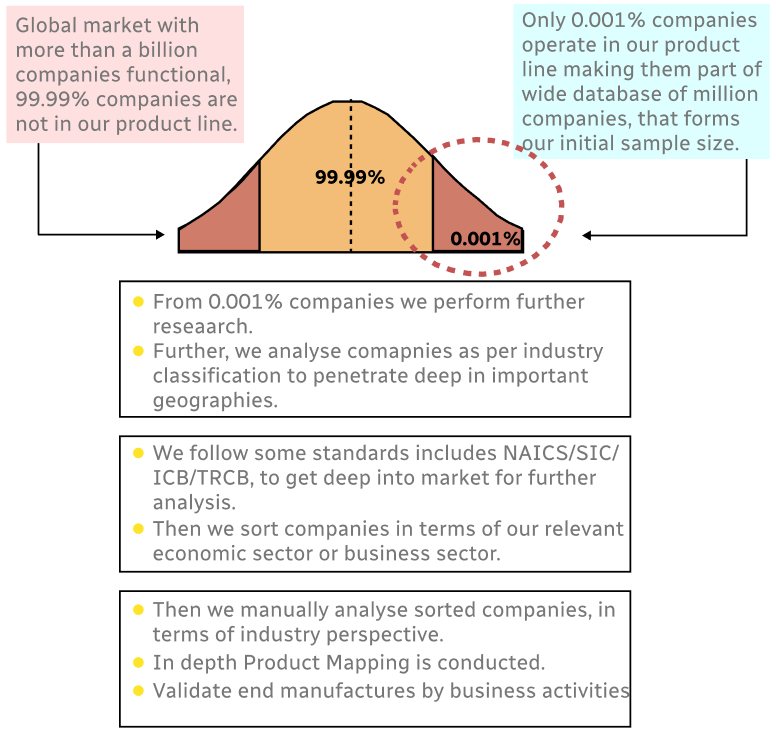
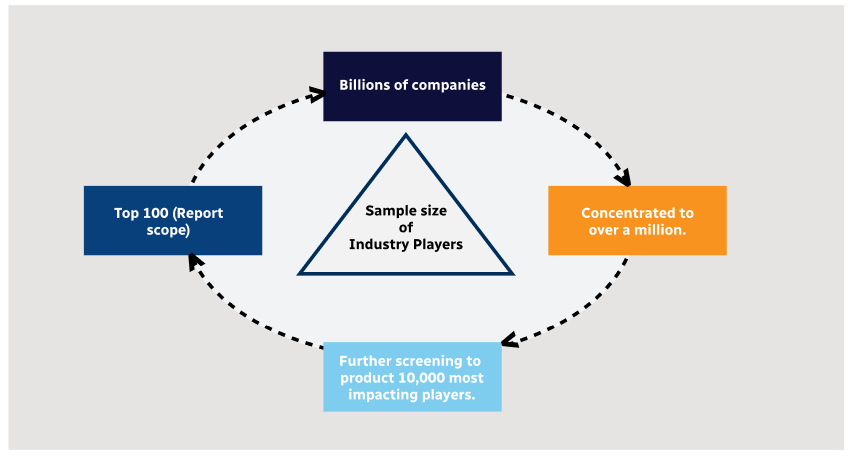
Step 1 - Identification of Relevant Samples Size from Population Database
Step Chart
Bar Chart
Method Chart

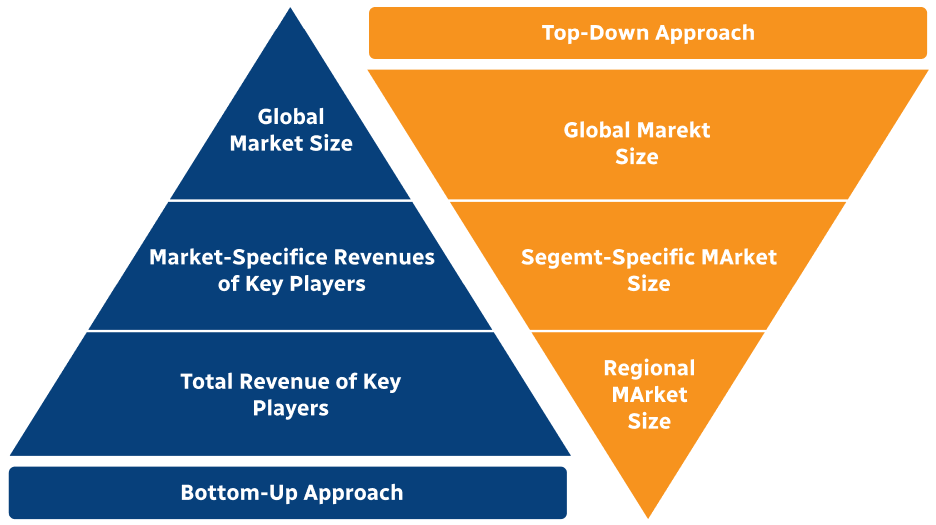
Step 2 - Approaches for Defining Global Market Size (Value, Volume* & Price*)
Approach Chart
Top-down and bottom-up approaches are used to validate the global market size and estimate the market size for manufactures, regional segments, product, and application.

Note*: In applicable scenarios

Step 3 - Data Sources

Primary Research

  • Web Analytics
  • Survey Reports
  • Research Institute
  • Latest Research Reports
  • Opinion Leaders

Secondary Research

  • Annual Reports
  • White Paper
  • Latest Press Release
  • Industry Association
  • Paid Database
  • Investor Presentations
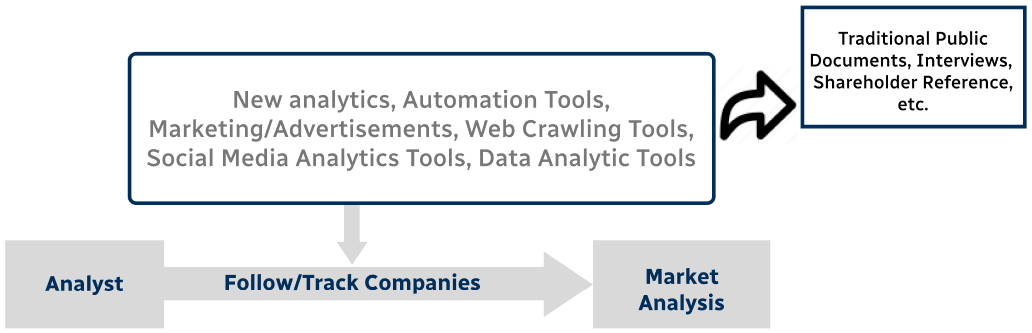
Analyst Chart

Step 4 - Data Triangulation

Involves using different sources of information in order to increase the validity of a study

These sources are likely to be stakeholders in a program - participants, other researchers, program staff, other community members, and so on.

Then we put all data in single framework & apply various statistical tools to find out the dynamic on the market.

During the analysis stage, feedback from the stakeholder groups would be compared to determine areas of agreement as well as areas of divergence

Additionally, after gathering mixed and scattered data from a wide range of sources, data is triangulated and correlated to come up with estimated figures which are further validated through primary mediums or industry experts, opinion leaders.