



Key Insights
The global Glass-Ceramics industry is poised for significant expansion, projected to reach a substantial market size of $1622.14 million in 2025. This growth trajectory is underpinned by a robust Compound Annual Growth Rate (CAGR) of 5.53% anticipated over the forecast period. The industry's dynamism is fueled by a confluence of factors, including the increasing demand for lightweight yet exceptionally strong materials across diverse sectors. Key drivers encompass the burgeoning aerospace sector, which leverages glass-ceramics for their high-temperature resistance and structural integrity, and the rapidly evolving electrical and electronics industry, where these materials are crucial for advanced components and insulation. Furthermore, the healthcare industry's adoption of biocompatible glass-ceramics for implants and prosthetics is a significant growth catalyst. The inherent properties of glass-ceramics, such as excellent thermal shock resistance, chemical inertness, and tunable dielectric properties, make them indispensable in high-performance applications, thereby driving their market penetration.

Glass-Ceramics Industry Market Size (In Billion)

The market landscape for glass-ceramics is further shaped by evolving trends and strategic initiatives by leading companies. Innovations in material science, particularly in the development of novel compositions like magnesium and zinc-based glass-ceramics, are expanding their application frontiers. The building and construction sector, while traditionally reliant on conventional materials, is increasingly exploring glass-ceramics for advanced architectural features and durable surfaces. However, the market is not without its challenges. High production costs associated with the complex manufacturing processes of glass-ceramics, coupled with the availability of alternative advanced materials, present significant restraints. Despite these hurdles, the persistent drive for miniaturization, enhanced performance, and sustainability across industries is expected to propel the glass-ceramics market forward, with Asia Pacific anticipated to lead in terms of market share and growth, driven by its strong manufacturing base and increasing R&D investments.

Glass-Ceramics Industry Company Market Share

This in-depth report provides an authoritative analysis of the global glass-ceramics industry, forecasting significant growth and outlining key trends shaping this dynamic sector. Spanning the historical period of 2019–2024, with a base year of 2025 and a forecast period extending to 2033, this study offers unparalleled insights for stakeholders seeking to capitalize on the burgeoning opportunities within advanced materials. The global glass-ceramics market size is projected to reach USD 12,000 million by 2033, exhibiting a robust CAGR of 6.5% from an estimated USD 7,500 million in 2025. We delve into critical segments including Lithium glass-ceramics, Magnesium glass-ceramics, and Zinc glass-ceramics, alongside diverse applications in Building and Construction glass-ceramics, Electrical and Electronics glass-ceramics, Healthcare glass-ceramics, Aerospace glass-ceramics, and Optical glass-ceramics. Discover the competitive landscape featuring industry giants like Corning Incorporated, SCHOTT AG, Saint-Gobain, and AGC Inc., alongside emerging innovators driving high-performance glass-ceramics solutions.
Glass-Ceramics Industry Market Structure & Competitive Dynamics
The global glass-ceramics industry is characterized by a moderately concentrated market structure, with a significant share held by a few key players. Innovation ecosystems are robust, driven by continuous research and development in material science and manufacturing processes. Regulatory frameworks, particularly concerning safety and environmental impact in applications like healthcare and construction, play a crucial role in shaping market entry and product development. Product substitutes, such as advanced polymers and traditional ceramics, present competitive pressures, necessitating continuous innovation in glass-ceramics to maintain market dominance. End-user trends are increasingly favoring lightweight, durable, and thermally stable materials, directly benefiting the glass-ceramics sector. Merger and acquisition (M&A) activities are strategic, focusing on expanding geographical reach, acquiring specialized technologies, and consolidating market positions. Notable M&A activities are expected to see deal values in the hundreds of millions of dollars as companies seek to enhance their offerings and competitive edge.
- Market Concentration: Dominated by a mix of large multinational corporations and specialized manufacturers.
- Innovation Ecosystems: Driven by academic partnerships, in-house R&D, and industry collaborations.
- Regulatory Frameworks: Influenced by standards for safety, durability, and environmental compliance across various applications.
- Product Substitutes: Advanced polymers, high-performance composites, and traditional technical ceramics.
- End-User Trends: Demand for enhanced thermal shock resistance, chemical inertness, and superior mechanical strength.
- M&A Activities: Strategic acquisitions to gain market share, technological expertise, and diversify product portfolios.
Glass-Ceramics Industry Industry Trends & Insights
The glass-ceramics industry is experiencing significant growth driven by a confluence of factors, including escalating demand for high-performance materials across diverse sectors and continuous technological advancements. The global glass-ceramics market is projected to witness a Compound Annual Growth Rate (CAGR) of 6.5% between 2025 and 2033. Market penetration is deepening as new applications emerge and existing ones expand. Growth drivers are largely concentrated in the increasing adoption of lithium aluminosilicate (LAS) glass-ceramics for its exceptional thermal expansion properties, crucial for applications in cookware, stovetops, and precision optics. Similarly, magnesium aluminosilicate (MAS) glass-ceramics are gaining traction due to their high strength and thermal shock resistance, making them ideal for aerospace components and industrial applications. The zinc-based glass-ceramics segment, while smaller, is also poised for growth, particularly in specialized electronic components.
Technological disruptions are playing a pivotal role. Advancements in manufacturing processes, such as controlled crystallization techniques and additive manufacturing, are enabling the production of more complex shapes and customized properties, thereby expanding the application horizon. The development of novel glass-ceramic compositions with enhanced features like bioactivity, radiation resistance, and self-healing capabilities is further fueling innovation. Consumer preferences are shifting towards durable, aesthetically pleasing, and sustainable materials. In the building and construction sector, glass-ceramics are being recognized for their low maintenance, weather resistance, and design flexibility, leading to increased adoption in facade cladding, countertops, and flooring.
The electrical and electronics industry is a major consumer, leveraging glass-ceramics for their excellent electrical insulation properties, thermal stability, and low dielectric loss, essential for components in telecommunications, consumer electronics, and power distribution systems. The healthcare sector is a rapidly growing application area, with biocompatible glass-ceramics finding use in dental implants, bone regeneration scaffolds, and diagnostic devices, supported by ongoing research and development in this field. The aerospace industry utilizes glass-ceramics for their lightweight and high-temperature resistant properties in components like engine parts and radomes. The optical industry benefits from the high precision and optical clarity that glass-ceramics can offer, particularly in advanced imaging systems and telescopes. The overall competitive dynamics are characterized by intense R&D efforts, strategic partnerships, and a focus on developing niche applications to capture higher market value.
Dominant Markets & Segments in Glass-Ceramics Industry
The global glass-ceramics market is experiencing robust growth, with certain regions and application segments demonstrating exceptional dominance and potential. North America and Europe currently represent significant markets due to established industries and a high rate of adoption for advanced materials. However, the Asia-Pacific region is emerging as the fastest-growing market, driven by rapid industrialization, increasing infrastructure development, and a burgeoning manufacturing base for electronics and consumer goods.
Within the material segmentation, Lithium glass-ceramics are a dominant force, primarily due to their unique characteristic of near-zero thermal expansion, making them indispensable for applications demanding exceptional dimensional stability under varying temperatures. This material finds extensive use in high-end cookware, stovetops, astronomical mirrors, and precision scientific instruments. The continuous demand for durable and efficient household appliances, coupled with advancements in optical technologies, fuels the growth of this segment.
The Application: Building and Construction segment is a significant contributor to the overall market value. The increasing preference for modern architectural designs that incorporate aesthetically pleasing, durable, and low-maintenance materials has propelled the adoption of glass-ceramics in facade panels, countertops, flooring, and decorative elements. Their excellent resistance to weathering, stains, and chemicals makes them a superior choice over traditional materials. Favorable government initiatives promoting sustainable building practices and energy-efficient construction further bolster this segment's growth.
The Application: Electrical and Electronics segment is another powerhouse in the glass-ceramics industry. The inherent properties of glass-ceramics, such as excellent electrical insulation, high dielectric strength, and thermal stability, make them crucial for manufacturing components in a wide array of electronic devices. This includes substrates for printed circuit boards (PCBs), insulators, and components for high-frequency applications in telecommunications, automotive electronics, and consumer gadgets. The relentless pace of innovation in the electronics sector, demanding smaller, more powerful, and more reliable components, directly translates to increased demand for advanced glass-ceramics.
The Application: Healthcare segment is poised for exponential growth. Biocompatible glass-ceramics, particularly those exhibiting osteoconductive and osteoinductive properties, are revolutionizing medical implants, dental prosthetics, and bone regeneration therapies. Their ability to integrate seamlessly with bone tissue and their inertness in the biological environment make them highly sought after. Ongoing research into developing novel bioactive glass-ceramics with enhanced therapeutic capabilities is further expanding their application scope in the medical field.
- Dominant Region: Asia-Pacific, driven by rapid industrialization and manufacturing growth.
- Leading Material: Lithium glass-ceramics, owing to exceptional thermal expansion properties.
- Key Application Segments:
- Building and Construction: Driven by demand for durable, aesthetic, and low-maintenance materials in architecture.
- Electrical and Electronics: Fueled by the need for high-performance insulating and thermally stable components in modern devices.
- Healthcare: Experiencing rapid expansion due to the development of biocompatible and bioactive glass-ceramics for medical implants and regenerative medicine.
- Driving Factors:
- Economic Policies: Supportive government initiatives for advanced manufacturing and infrastructure development.
- Infrastructure Development: Increased construction activities globally, requiring advanced building materials.
- Technological Advancements: Innovations in material science and manufacturing processes enabling new applications.
- Consumer Preferences: Growing demand for high-performance, durable, and aesthetically pleasing materials.
Glass-Ceramics Industry Product Innovations
Product innovation in the glass-ceramics industry is intensely focused on enhancing existing properties and developing novel functionalities to meet evolving market demands. Advancements include the development of low-thermal expansion glass-ceramics for precision optics and semiconductor manufacturing equipment, ensuring unparalleled dimensional stability. Innovations in bioactive glass-ceramics are revolutionizing the healthcare sector, offering enhanced osteoconductivity for bone regeneration and dental applications. Furthermore, research is yielding high-strength, fracture-resistant glass-ceramics for demanding aerospace and industrial components. The development of chemically resistant glass-ceramics is expanding their utility in corrosive environments. These innovations provide a significant competitive advantage by enabling tailored solutions for niche applications, thereby driving market penetration and commanding premium pricing.
Report Segmentation & Scope
This report meticulously segments the global glass-ceramics industry based on key material compositions and diverse end-use applications. The material segmentation includes Lithium glass-ceramics, known for their low thermal expansion; Magnesium glass-ceramics, prized for their high mechanical strength and thermal shock resistance; and Zinc glass-ceramics, offering unique dielectric properties for specific electronic applications.
The application segmentation is comprehensive, covering:
- Building and Construction: Analyzing the use of glass-ceramics in architectural elements, countertops, and flooring, with projected market sizes expected to exceed USD 3,500 million by 2033.
- Electrical and Electronics: Examining their role in components for consumer electronics, telecommunications, and industrial equipment, with an estimated market value surpassing USD 3,000 million by 2033.
- Healthcare: Focusing on biocompatible and bioactive glass-ceramics for medical implants and regenerative medicine, with projected growth to over USD 2,000 million by 2033.
- Aerospace: Investigating their application in high-temperature and lightweight components, expected to reach USD 1,000 million by 2033.
- Optical: Detailing their use in precision optics and astronomical mirrors, projected to be valued at over USD 1,500 million by 2033.
- Other Applications: Encompassing a range of niche uses in consumer goods, industrial equipment, and defense, with projected market sizes nearing USD 1,000 million by 2033.
Key Drivers of Glass-Ceramics Industry Growth
The glass-ceramics industry is experiencing robust growth driven by several key factors. Technological advancements in material science are enabling the development of glass-ceramics with superior properties such as enhanced thermal shock resistance, exceptional mechanical strength, and excellent chemical inertness, opening up new application avenues. The increasing demand for lightweight and durable materials across sectors like aerospace, automotive, and construction is a significant driver, as glass-ceramics offer a compelling alternative to traditional materials. Furthermore, the growing adoption of glass-ceramics in the healthcare sector, particularly for biocompatible implants and dental applications, is creating substantial market opportunities. Government initiatives supporting research and development in advanced materials and sustainable technologies also contribute to market expansion. The rising disposable incomes and evolving consumer preferences for high-quality, aesthetically pleasing, and long-lasting products further fuel demand in segments like kitchenware and architectural elements.
Challenges in the Glass-Ceramics Industry Sector
Despite its promising growth trajectory, the glass-ceramics industry sector faces several challenges. The high cost of raw materials and complex manufacturing processes can lead to higher product prices compared to conventional alternatives, potentially limiting adoption in price-sensitive markets. Stringent regulatory requirements, especially in medical and aerospace applications, necessitate extensive testing and certification, increasing development timelines and costs. Supply chain disruptions and the availability of specialized raw materials can also pose challenges. Furthermore, intense competition from alternative advanced materials like high-performance polymers and advanced ceramics requires continuous innovation and cost optimization to maintain market competitiveness. Environmental regulations concerning manufacturing emissions and waste disposal also need careful adherence and investment in sustainable practices.
Leading Players in the Glass-Ceramics Industry Market
- SCHOTT AG
- Dongguan Hongtai Glass Co Ltd
- Saint-Gobain
- Ohara Corporation
- CoorsTek Inc
- Morgan Advanced Materials PLC
- AGC Inc
- Nippon Electric Glass Co Ltd
- KEDI Glass-ceramic Industrial Co Ltd
- Corning Incorporated
- Jingniu Glass Ceramics Group Co Ltd
- Kanger Glass-ceramic Co Ltd
Key Developments in Glass-Ceramics Industry Sector
- February 2021: Saint-Gobain completed the joint acquisition of Trakya Glass Rus ZAO, a glass manufacturing company, to further enhance the sale of glass ceramics, glassware, glass packaging, and chemicals in Russia.
- September 2021: SCHOTT AG signed an agreement to acquire Applied Microarrays Inc. to expand its diagnostic business and further research on glass ceramic usage in the healthcare domain.
Strategic Glass-Ceramics Industry Market Outlook
The strategic outlook for the glass-ceramics industry is exceptionally promising, characterized by sustained innovation and expanding market reach. Key growth accelerators include the increasing demand for lightweight, high-strength, and thermally stable materials across aerospace, automotive, and defense sectors. The rapidly evolving healthcare landscape, with a growing emphasis on biocompatible and regenerative medical solutions, presents a significant opportunity for advancements in bioactive glass-ceramics. Furthermore, the burgeoning construction industry, particularly in emerging economies, will continue to drive demand for durable and aesthetically pleasing architectural elements. Strategic opportunities lie in the development of customized glass-ceramic solutions for niche applications, leveraging advancements in additive manufacturing and material science to create tailored properties. The focus on sustainability and eco-friendly manufacturing processes will also be crucial for long-term market success.
Glass-Ceramics Industry Segmentation
-
1. Material
- 1.1. Lithium
- 1.2. Mangnesium
- 1.3. Zinc
-
2. Application
- 2.1. Building and Construction
- 2.2. Electrical and Electronics
- 2.3. Healthcare
- 2.4. Aerospace
- 2.5. Optical
- 2.6. Other Applications
Glass-Ceramics Industry Segmentation By Geography
-
1. Asia Pacific
- 1.1. China
- 1.2. India
- 1.3. Japan
- 1.4. South Korea
- 1.5. Rest of Asia Pacific
-
2. North America
- 2.1. United States
- 2.2. Canada
- 2.3. Mexico
-
3. Europe
- 3.1. Germany
- 3.2. United Kingdom
- 3.3. France
- 3.4. Italy
- 3.5. Rest of Europe
-
4. South America
- 4.1. Brazil
- 4.2. Argentina
- 4.3. Rest of South America
-
5. Middle East and Africa
- 5.1. South Africa
- 5.2. Saudi Arabia
- 5.3. Rest of Middle East and Africa

Glass-Ceramics Industry Regional Market Share

Geographic Coverage of Glass-Ceramics Industry
Glass-Ceramics Industry REPORT HIGHLIGHTS
| Aspects | Details |
|---|---|
| Study Period | 2020-2034 |
| Base Year | 2025 |
| Estimated Year | 2026 |
| Forecast Period | 2026-2034 |
| Historical Period | 2020-2025 |
| Growth Rate | CAGR of 5.53% from 2020-2034 |
| Segmentation |
|
Table of Contents
- 1. Introduction
- 1.1. Research Scope
- 1.2. Market Segmentation
- 1.3. Research Methodology
- 1.4. Definitions and Assumptions
- 2. Executive Summary
- 2.1. Introduction
- 3. Market Dynamics
- 3.1. Introduction
- 3.2. Market Drivers
- 3.2.1. Growing Usage in Aerospace Applications; Increasing Demand from Building and Construction
- 3.3. Market Restrains
- 3.3.1. Fluctuating Prices of Raw Materials; Government Regulations on Carbon Emission
- 3.4. Market Trends
- 3.4.1. Growing Demand from the Building and Construction Sector
- 4. Market Factor Analysis
- 4.1. Porters Five Forces
- 4.2. Supply/Value Chain
- 4.3. PESTEL analysis
- 4.4. Market Entropy
- 4.5. Patent/Trademark Analysis
- 5. Global Glass-Ceramics Industry Analysis, Insights and Forecast, 2020-2032
- 5.1. Market Analysis, Insights and Forecast - by Material
- 5.1.1. Lithium
- 5.1.2. Mangnesium
- 5.1.3. Zinc
- 5.2. Market Analysis, Insights and Forecast - by Application
- 5.2.1. Building and Construction
- 5.2.2. Electrical and Electronics
- 5.2.3. Healthcare
- 5.2.4. Aerospace
- 5.2.5. Optical
- 5.2.6. Other Applications
- 5.3. Market Analysis, Insights and Forecast - by Region
- 5.3.1. Asia Pacific
- 5.3.2. North America
- 5.3.3. Europe
- 5.3.4. South America
- 5.3.5. Middle East and Africa
- 5.1. Market Analysis, Insights and Forecast - by Material
- 6. Asia Pacific Glass-Ceramics Industry Analysis, Insights and Forecast, 2020-2032
- 6.1. Market Analysis, Insights and Forecast - by Material
- 6.1.1. Lithium
- 6.1.2. Mangnesium
- 6.1.3. Zinc
- 6.2. Market Analysis, Insights and Forecast - by Application
- 6.2.1. Building and Construction
- 6.2.2. Electrical and Electronics
- 6.2.3. Healthcare
- 6.2.4. Aerospace
- 6.2.5. Optical
- 6.2.6. Other Applications
- 6.1. Market Analysis, Insights and Forecast - by Material
- 7. North America Glass-Ceramics Industry Analysis, Insights and Forecast, 2020-2032
- 7.1. Market Analysis, Insights and Forecast - by Material
- 7.1.1. Lithium
- 7.1.2. Mangnesium
- 7.1.3. Zinc
- 7.2. Market Analysis, Insights and Forecast - by Application
- 7.2.1. Building and Construction
- 7.2.2. Electrical and Electronics
- 7.2.3. Healthcare
- 7.2.4. Aerospace
- 7.2.5. Optical
- 7.2.6. Other Applications
- 7.1. Market Analysis, Insights and Forecast - by Material
- 8. Europe Glass-Ceramics Industry Analysis, Insights and Forecast, 2020-2032
- 8.1. Market Analysis, Insights and Forecast - by Material
- 8.1.1. Lithium
- 8.1.2. Mangnesium
- 8.1.3. Zinc
- 8.2. Market Analysis, Insights and Forecast - by Application
- 8.2.1. Building and Construction
- 8.2.2. Electrical and Electronics
- 8.2.3. Healthcare
- 8.2.4. Aerospace
- 8.2.5. Optical
- 8.2.6. Other Applications
- 8.1. Market Analysis, Insights and Forecast - by Material
- 9. South America Glass-Ceramics Industry Analysis, Insights and Forecast, 2020-2032
- 9.1. Market Analysis, Insights and Forecast - by Material
- 9.1.1. Lithium
- 9.1.2. Mangnesium
- 9.1.3. Zinc
- 9.2. Market Analysis, Insights and Forecast - by Application
- 9.2.1. Building and Construction
- 9.2.2. Electrical and Electronics
- 9.2.3. Healthcare
- 9.2.4. Aerospace
- 9.2.5. Optical
- 9.2.6. Other Applications
- 9.1. Market Analysis, Insights and Forecast - by Material
- 10. Middle East and Africa Glass-Ceramics Industry Analysis, Insights and Forecast, 2020-2032
- 10.1. Market Analysis, Insights and Forecast - by Material
- 10.1.1. Lithium
- 10.1.2. Mangnesium
- 10.1.3. Zinc
- 10.2. Market Analysis, Insights and Forecast - by Application
- 10.2.1. Building and Construction
- 10.2.2. Electrical and Electronics
- 10.2.3. Healthcare
- 10.2.4. Aerospace
- 10.2.5. Optical
- 10.2.6. Other Applications
- 10.1. Market Analysis, Insights and Forecast - by Material
- 11. Competitive Analysis
- 11.1. Global Market Share Analysis 2025
- 11.2. Company Profiles
- 11.2.1 SCHOTT AG*List Not Exhaustive
- 11.2.1.1. Overview
- 11.2.1.2. Products
- 11.2.1.3. SWOT Analysis
- 11.2.1.4. Recent Developments
- 11.2.1.5. Financials (Based on Availability)
- 11.2.2 Dongguan Hongtai Glass Co Ltd
- 11.2.2.1. Overview
- 11.2.2.2. Products
- 11.2.2.3. SWOT Analysis
- 11.2.2.4. Recent Developments
- 11.2.2.5. Financials (Based on Availability)
- 11.2.3 Saint-Gobain
- 11.2.3.1. Overview
- 11.2.3.2. Products
- 11.2.3.3. SWOT Analysis
- 11.2.3.4. Recent Developments
- 11.2.3.5. Financials (Based on Availability)
- 11.2.4 Ohara Corporation
- 11.2.4.1. Overview
- 11.2.4.2. Products
- 11.2.4.3. SWOT Analysis
- 11.2.4.4. Recent Developments
- 11.2.4.5. Financials (Based on Availability)
- 11.2.5 CoorsTek Inc
- 11.2.5.1. Overview
- 11.2.5.2. Products
- 11.2.5.3. SWOT Analysis
- 11.2.5.4. Recent Developments
- 11.2.5.5. Financials (Based on Availability)
- 11.2.6 Morgan Advanced Materials PLC
- 11.2.6.1. Overview
- 11.2.6.2. Products
- 11.2.6.3. SWOT Analysis
- 11.2.6.4. Recent Developments
- 11.2.6.5. Financials (Based on Availability)
- 11.2.7 AGC Inc
- 11.2.7.1. Overview
- 11.2.7.2. Products
- 11.2.7.3. SWOT Analysis
- 11.2.7.4. Recent Developments
- 11.2.7.5. Financials (Based on Availability)
- 11.2.8 Nippon Electric Glass Co Ltd
- 11.2.8.1. Overview
- 11.2.8.2. Products
- 11.2.8.3. SWOT Analysis
- 11.2.8.4. Recent Developments
- 11.2.8.5. Financials (Based on Availability)
- 11.2.9 KEDI Glass-ceramic Industrial Co Ltd
- 11.2.9.1. Overview
- 11.2.9.2. Products
- 11.2.9.3. SWOT Analysis
- 11.2.9.4. Recent Developments
- 11.2.9.5. Financials (Based on Availability)
- 11.2.10 Corning Incorporated
- 11.2.10.1. Overview
- 11.2.10.2. Products
- 11.2.10.3. SWOT Analysis
- 11.2.10.4. Recent Developments
- 11.2.10.5. Financials (Based on Availability)
- 11.2.11 Jingniu Glass Ceramics Group Co Ltd
- 11.2.11.1. Overview
- 11.2.11.2. Products
- 11.2.11.3. SWOT Analysis
- 11.2.11.4. Recent Developments
- 11.2.11.5. Financials (Based on Availability)
- 11.2.12 Kanger Glass-ceramic Co Ltd
- 11.2.12.1. Overview
- 11.2.12.2. Products
- 11.2.12.3. SWOT Analysis
- 11.2.12.4. Recent Developments
- 11.2.12.5. Financials (Based on Availability)
- 11.2.1 SCHOTT AG*List Not Exhaustive
List of Figures
- Figure 1: Global Glass-Ceramics Industry Revenue Breakdown (undefined, %) by Region 2025 & 2033
- Figure 2: Asia Pacific Glass-Ceramics Industry Revenue (undefined), by Material 2025 & 2033
- Figure 3: Asia Pacific Glass-Ceramics Industry Revenue Share (%), by Material 2025 & 2033
- Figure 4: Asia Pacific Glass-Ceramics Industry Revenue (undefined), by Application 2025 & 2033
- Figure 5: Asia Pacific Glass-Ceramics Industry Revenue Share (%), by Application 2025 & 2033
- Figure 6: Asia Pacific Glass-Ceramics Industry Revenue (undefined), by Country 2025 & 2033
- Figure 7: Asia Pacific Glass-Ceramics Industry Revenue Share (%), by Country 2025 & 2033
- Figure 8: North America Glass-Ceramics Industry Revenue (undefined), by Material 2025 & 2033
- Figure 9: North America Glass-Ceramics Industry Revenue Share (%), by Material 2025 & 2033
- Figure 10: North America Glass-Ceramics Industry Revenue (undefined), by Application 2025 & 2033
- Figure 11: North America Glass-Ceramics Industry Revenue Share (%), by Application 2025 & 2033
- Figure 12: North America Glass-Ceramics Industry Revenue (undefined), by Country 2025 & 2033
- Figure 13: North America Glass-Ceramics Industry Revenue Share (%), by Country 2025 & 2033
- Figure 14: Europe Glass-Ceramics Industry Revenue (undefined), by Material 2025 & 2033
- Figure 15: Europe Glass-Ceramics Industry Revenue Share (%), by Material 2025 & 2033
- Figure 16: Europe Glass-Ceramics Industry Revenue (undefined), by Application 2025 & 2033
- Figure 17: Europe Glass-Ceramics Industry Revenue Share (%), by Application 2025 & 2033
- Figure 18: Europe Glass-Ceramics Industry Revenue (undefined), by Country 2025 & 2033
- Figure 19: Europe Glass-Ceramics Industry Revenue Share (%), by Country 2025 & 2033
- Figure 20: South America Glass-Ceramics Industry Revenue (undefined), by Material 2025 & 2033
- Figure 21: South America Glass-Ceramics Industry Revenue Share (%), by Material 2025 & 2033
- Figure 22: South America Glass-Ceramics Industry Revenue (undefined), by Application 2025 & 2033
- Figure 23: South America Glass-Ceramics Industry Revenue Share (%), by Application 2025 & 2033
- Figure 24: South America Glass-Ceramics Industry Revenue (undefined), by Country 2025 & 2033
- Figure 25: South America Glass-Ceramics Industry Revenue Share (%), by Country 2025 & 2033
- Figure 26: Middle East and Africa Glass-Ceramics Industry Revenue (undefined), by Material 2025 & 2033
- Figure 27: Middle East and Africa Glass-Ceramics Industry Revenue Share (%), by Material 2025 & 2033
- Figure 28: Middle East and Africa Glass-Ceramics Industry Revenue (undefined), by Application 2025 & 2033
- Figure 29: Middle East and Africa Glass-Ceramics Industry Revenue Share (%), by Application 2025 & 2033
- Figure 30: Middle East and Africa Glass-Ceramics Industry Revenue (undefined), by Country 2025 & 2033
- Figure 31: Middle East and Africa Glass-Ceramics Industry Revenue Share (%), by Country 2025 & 2033
List of Tables
- Table 1: Global Glass-Ceramics Industry Revenue undefined Forecast, by Material 2020 & 2033
- Table 2: Global Glass-Ceramics Industry Revenue undefined Forecast, by Application 2020 & 2033
- Table 3: Global Glass-Ceramics Industry Revenue undefined Forecast, by Region 2020 & 2033
- Table 4: Global Glass-Ceramics Industry Revenue undefined Forecast, by Material 2020 & 2033
- Table 5: Global Glass-Ceramics Industry Revenue undefined Forecast, by Application 2020 & 2033
- Table 6: Global Glass-Ceramics Industry Revenue undefined Forecast, by Country 2020 & 2033
- Table 7: China Glass-Ceramics Industry Revenue (undefined) Forecast, by Application 2020 & 2033
- Table 8: India Glass-Ceramics Industry Revenue (undefined) Forecast, by Application 2020 & 2033
- Table 9: Japan Glass-Ceramics Industry Revenue (undefined) Forecast, by Application 2020 & 2033
- Table 10: South Korea Glass-Ceramics Industry Revenue (undefined) Forecast, by Application 2020 & 2033
- Table 11: Rest of Asia Pacific Glass-Ceramics Industry Revenue (undefined) Forecast, by Application 2020 & 2033
- Table 12: Global Glass-Ceramics Industry Revenue undefined Forecast, by Material 2020 & 2033
- Table 13: Global Glass-Ceramics Industry Revenue undefined Forecast, by Application 2020 & 2033
- Table 14: Global Glass-Ceramics Industry Revenue undefined Forecast, by Country 2020 & 2033
- Table 15: United States Glass-Ceramics Industry Revenue (undefined) Forecast, by Application 2020 & 2033
- Table 16: Canada Glass-Ceramics Industry Revenue (undefined) Forecast, by Application 2020 & 2033
- Table 17: Mexico Glass-Ceramics Industry Revenue (undefined) Forecast, by Application 2020 & 2033
- Table 18: Global Glass-Ceramics Industry Revenue undefined Forecast, by Material 2020 & 2033
- Table 19: Global Glass-Ceramics Industry Revenue undefined Forecast, by Application 2020 & 2033
- Table 20: Global Glass-Ceramics Industry Revenue undefined Forecast, by Country 2020 & 2033
- Table 21: Germany Glass-Ceramics Industry Revenue (undefined) Forecast, by Application 2020 & 2033
- Table 22: United Kingdom Glass-Ceramics Industry Revenue (undefined) Forecast, by Application 2020 & 2033
- Table 23: France Glass-Ceramics Industry Revenue (undefined) Forecast, by Application 2020 & 2033
- Table 24: Italy Glass-Ceramics Industry Revenue (undefined) Forecast, by Application 2020 & 2033
- Table 25: Rest of Europe Glass-Ceramics Industry Revenue (undefined) Forecast, by Application 2020 & 2033
- Table 26: Global Glass-Ceramics Industry Revenue undefined Forecast, by Material 2020 & 2033
- Table 27: Global Glass-Ceramics Industry Revenue undefined Forecast, by Application 2020 & 2033
- Table 28: Global Glass-Ceramics Industry Revenue undefined Forecast, by Country 2020 & 2033
- Table 29: Brazil Glass-Ceramics Industry Revenue (undefined) Forecast, by Application 2020 & 2033
- Table 30: Argentina Glass-Ceramics Industry Revenue (undefined) Forecast, by Application 2020 & 2033
- Table 31: Rest of South America Glass-Ceramics Industry Revenue (undefined) Forecast, by Application 2020 & 2033
- Table 32: Global Glass-Ceramics Industry Revenue undefined Forecast, by Material 2020 & 2033
- Table 33: Global Glass-Ceramics Industry Revenue undefined Forecast, by Application 2020 & 2033
- Table 34: Global Glass-Ceramics Industry Revenue undefined Forecast, by Country 2020 & 2033
- Table 35: South Africa Glass-Ceramics Industry Revenue (undefined) Forecast, by Application 2020 & 2033
- Table 36: Saudi Arabia Glass-Ceramics Industry Revenue (undefined) Forecast, by Application 2020 & 2033
- Table 37: Rest of Middle East and Africa Glass-Ceramics Industry Revenue (undefined) Forecast, by Application 2020 & 2033
Frequently Asked Questions
1. What is the projected Compound Annual Growth Rate (CAGR) of the Glass-Ceramics Industry?
The projected CAGR is approximately 5.53%.
2. Which companies are prominent players in the Glass-Ceramics Industry?
Key companies in the market include SCHOTT AG*List Not Exhaustive, Dongguan Hongtai Glass Co Ltd, Saint-Gobain, Ohara Corporation, CoorsTek Inc, Morgan Advanced Materials PLC, AGC Inc, Nippon Electric Glass Co Ltd, KEDI Glass-ceramic Industrial Co Ltd, Corning Incorporated, Jingniu Glass Ceramics Group Co Ltd, Kanger Glass-ceramic Co Ltd.
3. What are the main segments of the Glass-Ceramics Industry?
The market segments include Material, Application.
4. Can you provide details about the market size?
The market size is estimated to be USD XXX N/A as of 2022.
5. What are some drivers contributing to market growth?
Growing Usage in Aerospace Applications; Increasing Demand from Building and Construction.
6. What are the notable trends driving market growth?
Growing Demand from the Building and Construction Sector.
7. Are there any restraints impacting market growth?
Fluctuating Prices of Raw Materials; Government Regulations on Carbon Emission.
8. Can you provide examples of recent developments in the market?
In February 2021, Saint-Gobain completed the joint acquisition of Trakya Glass Rus ZAO, a glass manufacturing company, to further enhance the sale of glass ceramics, glassware, glass packaging, and chemicals in Russia.
9. What pricing options are available for accessing the report?
Pricing options include single-user, multi-user, and enterprise licenses priced at USD 4750, USD 5250, and USD 8750 respectively.
10. Is the market size provided in terms of value or volume?
The market size is provided in terms of value, measured in N/A.
11. Are there any specific market keywords associated with the report?
Yes, the market keyword associated with the report is "Glass-Ceramics Industry," which aids in identifying and referencing the specific market segment covered.
12. How do I determine which pricing option suits my needs best?
The pricing options vary based on user requirements and access needs. Individual users may opt for single-user licenses, while businesses requiring broader access may choose multi-user or enterprise licenses for cost-effective access to the report.
13. Are there any additional resources or data provided in the Glass-Ceramics Industry report?
While the report offers comprehensive insights, it's advisable to review the specific contents or supplementary materials provided to ascertain if additional resources or data are available.
14. How can I stay updated on further developments or reports in the Glass-Ceramics Industry?
To stay informed about further developments, trends, and reports in the Glass-Ceramics Industry, consider subscribing to industry newsletters, following relevant companies and organizations, or regularly checking reputable industry news sources and publications.
Methodology
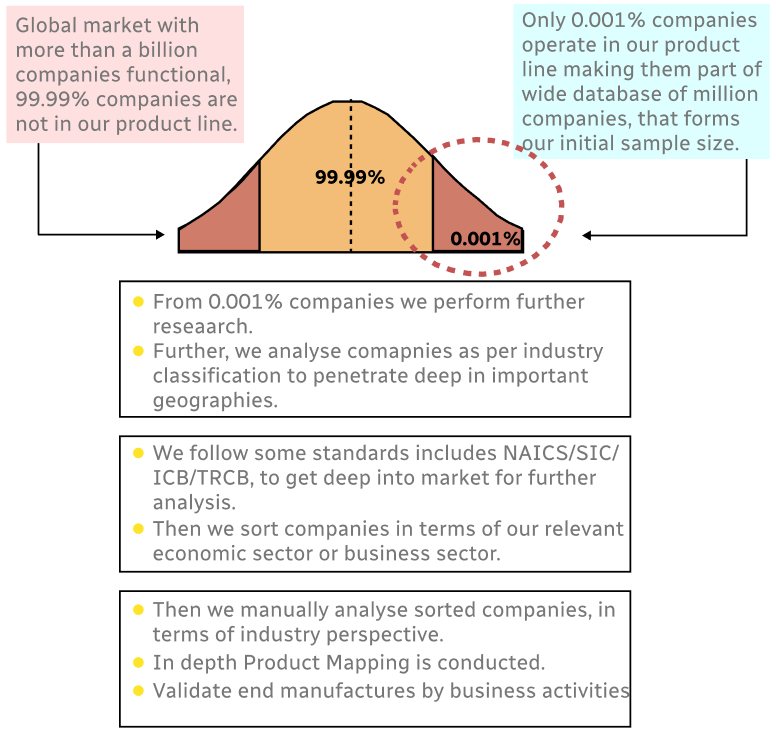
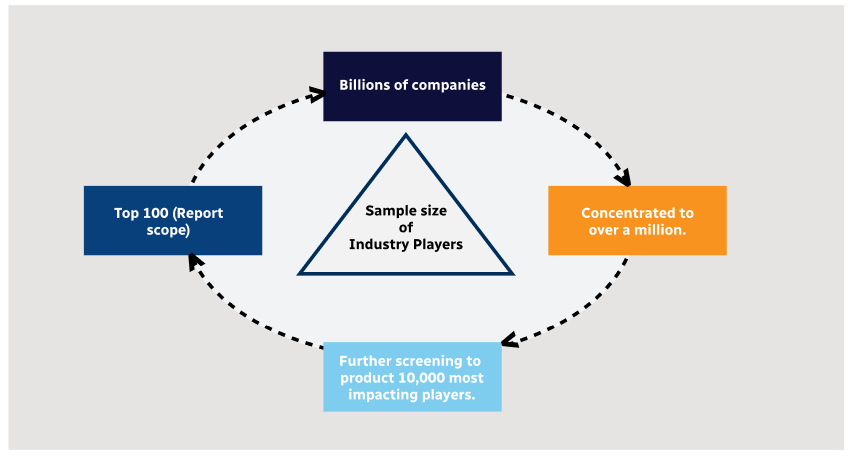
Step 1 - Identification of Relevant Samples Size from Population Database
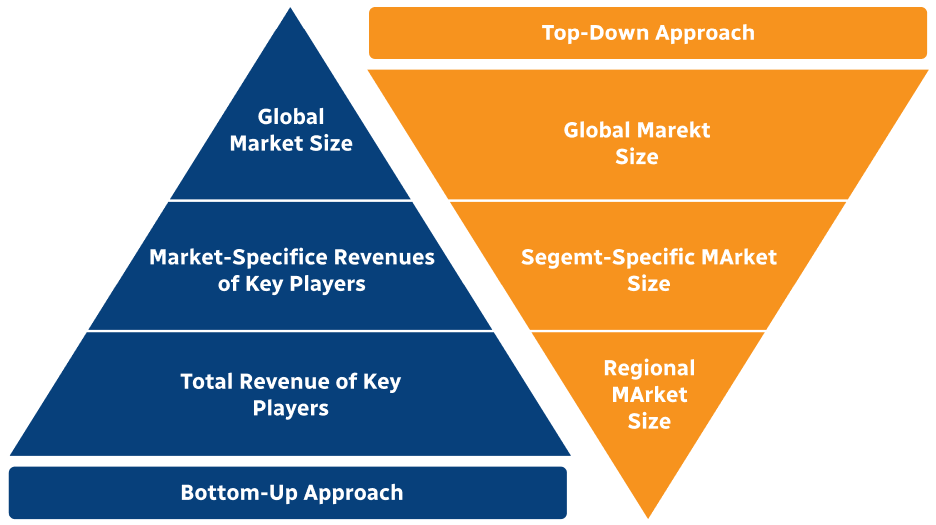
Step 2 - Approaches for Defining Global Market Size (Value, Volume* & Price*)
Note*: In applicable scenarios
Step 3 - Data Sources
Primary Research
- Web Analytics
- Survey Reports
- Research Institute
- Latest Research Reports
- Opinion Leaders
Secondary Research
- Annual Reports
- White Paper
- Latest Press Release
- Industry Association
- Paid Database
- Investor Presentations
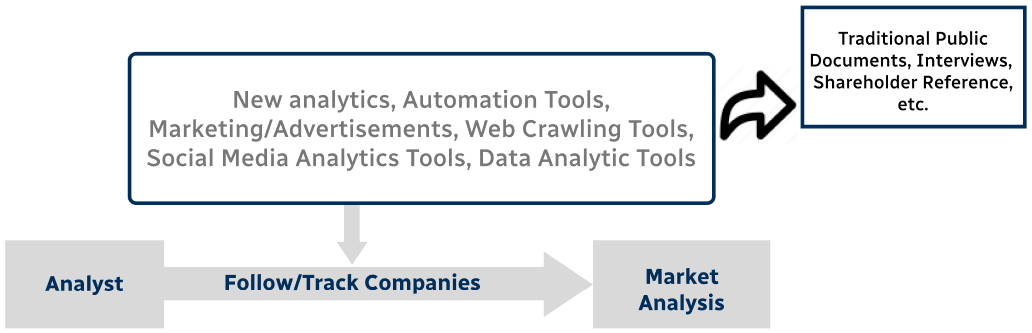
Step 4 - Data Triangulation
Involves using different sources of information in order to increase the validity of a study
These sources are likely to be stakeholders in a program - participants, other researchers, program staff, other community members, and so on.
Then we put all data in single framework & apply various statistical tools to find out the dynamic on the market.
During the analysis stage, feedback from the stakeholder groups would be compared to determine areas of agreement as well as areas of divergence


