


Key Insights
The European Industrial and Institutional Cleaning Chemicals market is poised for significant expansion, projected to reach 18.48 billion by 2033, driven by a robust Compound Annual Growth Rate (CAGR) of 5% from a base year of 2024. This growth is underpinned by stringent hygiene mandates across healthcare, hospitality, and manufacturing sectors, alongside heightened awareness of infection control and the growing demand for sustainable, eco-friendly cleaning formulations. Key markets include Germany, the United Kingdom, and France, with segmentation by product type and raw material revealing diverse opportunities. Leading players such as Henkel, Reckitt Benckiser, Unilever, and Solvay dominate the consolidated landscape, while emerging niche and sustainable solution providers contribute to market dynamism.
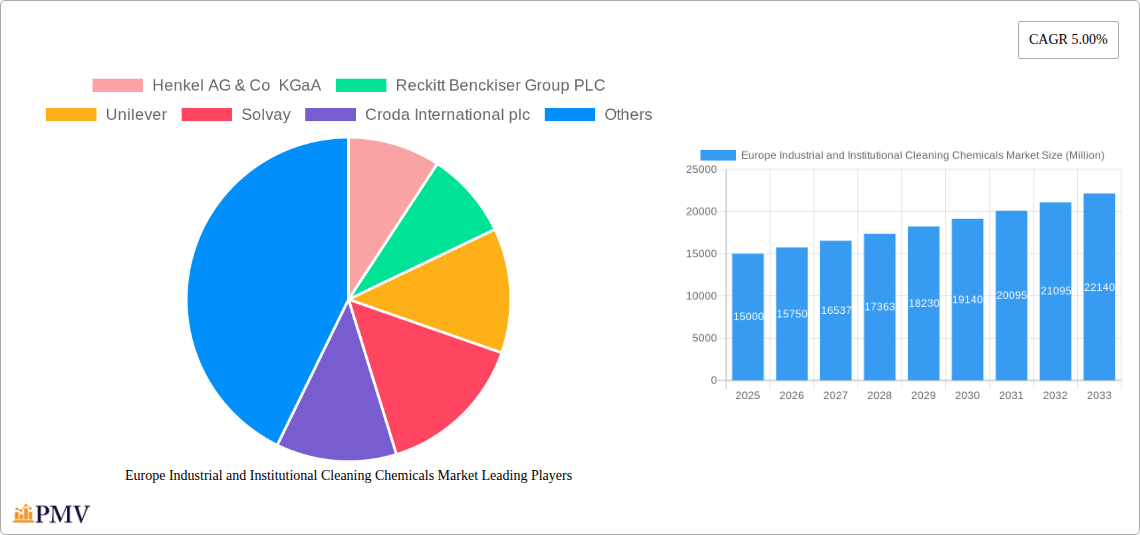
Europe Industrial and Institutional Cleaning Chemicals Market Market Size (In Billion)

Future market growth will be influenced by supportive government initiatives, technological advancements in high-efficacy, low-environmental impact formulations, and strategic adaptation to evolving consumer preferences and regulatory landscapes. Manufacturers focusing on sustainable sourcing, innovative product development, and efficient supply chains will be well-positioned to capitalize on emerging opportunities within this competitive market.
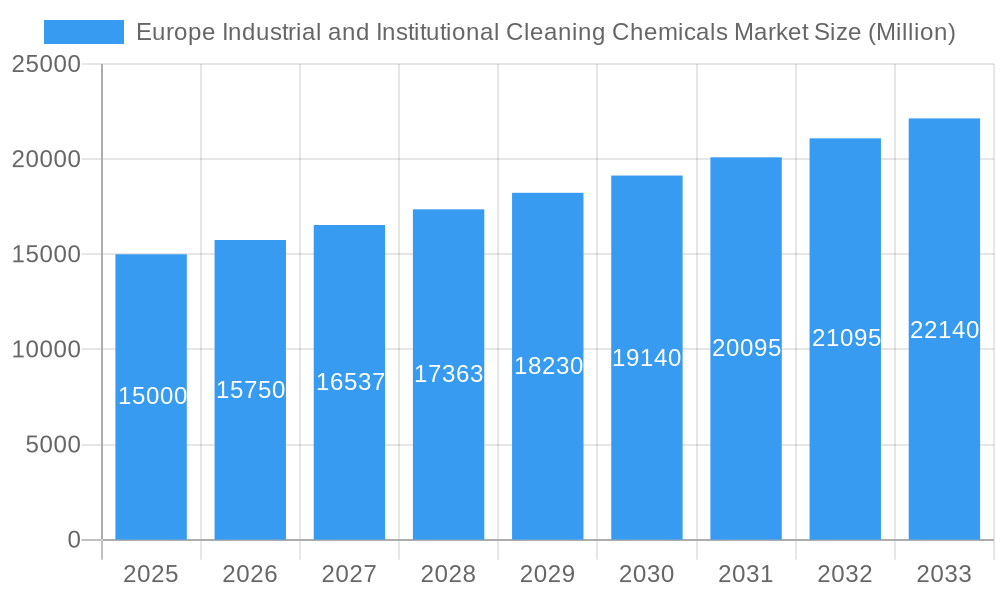
Europe Industrial and Institutional Cleaning Chemicals Market Company Market Share
Europe Industrial and Institutional Cleaning Chemicals Market: A Comprehensive Report (2019-2033)
This comprehensive report provides a detailed analysis of the Europe Industrial and Institutional Cleaning Chemicals market, offering invaluable insights for businesses, investors, and stakeholders. Covering the period from 2019 to 2033, with a base year of 2025 and a forecast period of 2025-2033, this report unveils the market's structure, competitive dynamics, dominant segments, and future growth prospects. The study encompasses key regions including Germany, United Kingdom, France, Italy, Spain, Russia, Nordic Countries, and the Rest of Europe. Key product types analyzed include General Purpose Cleaners, Disinfectants and Sanitizers, Laundry Care Products, and Vehicle Wash Products. Raw material analysis includes Chlor-alkali, Chlorine, Surfactants, Amphoteric, Solvents, Ethers, Phosphates, Biocides, and Other Raw Materials. The report also profiles leading players such as Henkel AG & Co KGaA, Reckitt Benckiser Group PLC, Unilever, Solvay, Croda International plc, Westlake Chemical Corporation, Procter & Gamble, 3M, Stepan Company, BASF SE, Huntsman International LLC, Akzo Nobel N V, Eastman Chemical Company, S C Johnson & Son Inc, and CLARIANT.
Europe Industrial and Institutional Cleaning Chemicals Market Structure & Competitive Dynamics
The European Industrial and Institutional Cleaning Chemicals market exhibits a moderately consolidated structure, with a few large multinational corporations holding significant market share. Market concentration is influenced by factors such as economies of scale in production and distribution, strong brand recognition, and extensive R&D capabilities. The competitive landscape is characterized by intense rivalry, driven by price competition, product innovation, and mergers and acquisitions (M&A) activities. Innovation ecosystems are dynamic, with ongoing development of eco-friendly and sustainable cleaning solutions. Regulatory frameworks, including REACH regulations, significantly impact the market, driving the adoption of safer and more environmentally friendly chemicals. Product substitutes, such as alternative cleaning technologies, pose a moderate competitive threat. End-user trends, including increasing demand for hygiene and sanitation, particularly following recent global events, fuel market growth.
- Market Share: The top five players hold an estimated xx% of the market share in 2025.
- M&A Activities: The past five years have witnessed xx M&A deals valued at approximately €xx Million, primarily focused on expanding product portfolios and geographic reach. These transactions indicate a trend of consolidation within the sector.
Europe Industrial and Institutional Cleaning Chemicals Market Industry Trends & Insights
The European Industrial and Institutional Cleaning Chemicals market is experiencing steady growth, driven by several key factors. Increasing concerns about hygiene and sanitation across various sectors, including healthcare, hospitality, and manufacturing, are a major catalyst for growth. Technological advancements, such as the development of advanced cleaning formulations and automated cleaning systems, are further enhancing market expansion. Changing consumer preferences, particularly a rising demand for eco-friendly and sustainable cleaning products, are shaping market dynamics. The market exhibits a strong focus on sustainability, with manufacturers increasingly adopting bio-based and biodegradable ingredients to reduce environmental impact. The CAGR for the forecast period (2025-2033) is estimated at xx%, with market penetration expected to reach xx% by 2033. Competitive dynamics remain intense, pushing companies to invest in innovation and strategic partnerships. Price fluctuations in raw materials, particularly surfactants and solvents, present a challenge to profitability.
Dominant Markets & Segments in Europe Industrial and Institutional Cleaning Chemicals Market
Germany holds the largest market share in Europe, driven by strong industrial activity and a robust economy. The Commercial segment (including offices, hotels, and lodging) dominates the market type classification due to high demand for cleaning services in these sectors. Within the product type segment, Disinfectants and Sanitizers experienced significant growth spurred by heightened hygiene concerns. Surfactants are the leading raw material segment due to their critical role in cleaning effectiveness.
- Key Drivers for Germany: Strong industrial base, stringent hygiene regulations, and high disposable incomes.
- Key Drivers for Disinfectants and Sanitizers: Growing awareness of hygiene, increased prevalence of infectious diseases, and government regulations promoting sanitation.
- Key Drivers for Surfactants: Essential component in most cleaning products, offering diverse functionalities (wetting, emulsification, foaming).
Europe Industrial and Institutional Cleaning Chemicals Market Product Innovations
Recent product innovations focus on eco-friendly formulations, incorporating biodegradable ingredients and minimizing environmental impact. There is a growing trend towards multi-functional products that offer enhanced cleaning power and versatility. Technological advancements are leading to the development of products with improved efficacy, safety, and ease of use. Market fit is determined by factors such as regulatory compliance, cost-effectiveness, and end-user preference for environmentally conscious options.
Report Segmentation & Scope
This report segments the market by Market Type (Commercial, Offices, Hotels and Lodging, Manufacturing), Country (Germany, UK, France, Italy, Spain, Russia, Nordic Countries, Rest of Europe), Raw Material (Chlor-alkali, Chlorine, Surfactants, Amphoteric, Solvents, Ethers, Phosphates, Biocides, Other Raw materials), and Product Type (General Purpose Cleaners, Disinfectants and Sanitizers, Laundry Care Products, Vehicle Wash Products). Each segment provides insights into market size, growth projections, and competitive dynamics. For instance, the growth in the Disinfectant segment is expected to outpace other product types in the forecast period, while Germany is predicted to maintain its dominant position among the countries.
Key Drivers of Europe Industrial and Institutional Cleaning Chemicals Market Growth
Several factors contribute to the market's growth. Stringent hygiene regulations across various sectors necessitate the use of cleaning chemicals. The increasing focus on sustainability is driving the demand for eco-friendly products. Technological advancements continuously improve cleaning efficacy and efficiency. Economic growth in several European countries supports increased spending on cleaning and sanitation.
Challenges in the Europe Industrial and Institutional Cleaning Chemicals Market Sector
The market faces several challenges. Fluctuating raw material prices impact profitability. Stringent environmental regulations impose compliance costs. Competition from both established players and new entrants intensifies. Supply chain disruptions can lead to production delays and increased costs.
Leading Players in the Europe Industrial and Institutional Cleaning Chemicals Market Market
- Henkel AG & Co KGaA
- Reckitt Benckiser Group PLC
- Unilever
- Solvay
- Croda International plc
- Westlake Chemical Corporation
- Procter & Gamble
- 3M
- Stepan Company
- BASF SE
- Huntsman International LLC
- Akzo Nobel N V
- Eastman Chemical Company
- S C Johnson & Son Inc
- CLARIANT
Key Developments in Europe Industrial and Institutional Cleaning Chemicals Market Sector
- January 2023: Unilever launches a new range of sustainable cleaning products.
- March 2022: Henkel acquires a smaller cleaning chemical manufacturer, expanding its product portfolio.
- October 2021: New EU regulations on biocides come into effect, impacting product formulations.
Strategic Europe Industrial and Institutional Cleaning Chemicals Market Outlook
The European Industrial and Institutional Cleaning Chemicals market presents significant growth potential. Continued investment in R&D, focusing on sustainable and innovative cleaning solutions, is crucial. Strategic partnerships and collaborations can enhance market reach and competitiveness. Expansion into emerging market segments and regions offers further growth opportunities. Companies that can successfully navigate regulatory challenges and adapt to evolving consumer preferences are best positioned for success.
Europe Industrial and Institutional Cleaning Chemicals Market Segmentation
-
1. Raw Material
-
1.1. Chlor-alkali
- 1.1.1. Caustic Soda
- 1.1.2. Soda Ash
- 1.1.3. Chlorine
-
1.2. Surfactants
- 1.2.1. Non-ionic
- 1.2.2. Anionic
- 1.2.3. Cationic
- 1.2.4. Amphoteric
-
1.3. Sovents
- 1.3.1. Alcohols
- 1.3.2. Hydrocarbons
- 1.3.3. Chlorinated
- 1.3.4. Ethers
- 1.4. Phosphates
- 1.5. Biocides
- 1.6. Other Raw materials
-
1.1. Chlor-alkali
-
2. Product Type
- 2.1. General Purpose Cleaners
- 2.2. Disinfectants and Sanitizers
- 2.3. Laundry Care Products
- 2.4. Vehicle Wash Products
-
3. Market Type
-
3.1. Commercial
- 3.1.1. Food Service
- 3.1.2. Retail
- 3.1.3. Laundry Dry Cleaning
- 3.1.4. Health Care
- 3.1.5. Car Washes
- 3.1.6. Offices, Hotels, and Lodging
-
3.2. Manufacturing
- 3.2.1. Food and Beverage Processing
- 3.2.2. Fabricated Metal Products
- 3.2.3. Electronic Components
- 3.2.4. Other Manufacturing Types
-
3.1. Commercial
Europe Industrial and Institutional Cleaning Chemicals Market Segmentation By Geography
-
1. Europe
- 1.1. United Kingdom
- 1.2. Germany
- 1.3. France
- 1.4. Italy
- 1.5. Spain
- 1.6. Netherlands
- 1.7. Belgium
- 1.8. Sweden
- 1.9. Norway
- 1.10. Poland
- 1.11. Denmark
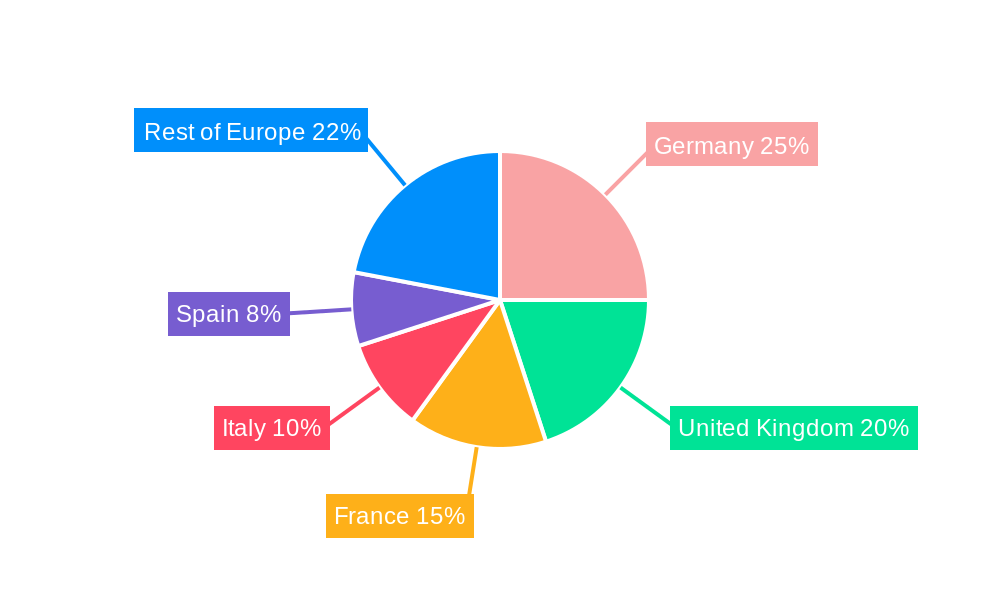
Europe Industrial and Institutional Cleaning Chemicals Market Regional Market Share
Geographic Coverage of Europe Industrial and Institutional Cleaning Chemicals Market
Europe Industrial and Institutional Cleaning Chemicals Market REPORT HIGHLIGHTS
| Aspects | Details |
|---|---|
| Study Period | 2020-2034 |
| Base Year | 2025 |
| Estimated Year | 2026 |
| Forecast Period | 2026-2034 |
| Historical Period | 2020-2025 |
| Growth Rate | CAGR of 5% from 2020-2034 |
| Segmentation |
|
Table of Contents
- 1. Introduction
- 1.1. Research Scope
- 1.2. Market Segmentation
- 1.3. Research Methodology
- 1.4. Definitions and Assumptions
- 2. Executive Summary
- 2.1. Introduction
- 3. Market Dynamics
- 3.1. Introduction
- 3.2. Market Drivers
- 3.2.1. Accelerating Demand from the Healthcare Industry; Rising Demand from the Food Industry; Other Drivers
- 3.3. Market Restrains
- 3.3.1. Health Hazards Caused by Cleaning Chemicals; Governmant and Enviromental Regilations; Other Restraints
- 3.4. Market Trends
- 3.4.1. Increasing Demand from Food and Beverage Processing
- 4. Market Factor Analysis
- 4.1. Porters Five Forces
- 4.2. Supply/Value Chain
- 4.3. PESTEL analysis
- 4.4. Market Entropy
- 4.5. Patent/Trademark Analysis
- 5. Europe Industrial and Institutional Cleaning Chemicals Market Analysis, Insights and Forecast, 2020-2032
- 5.1. Market Analysis, Insights and Forecast - by Raw Material
- 5.1.1. Chlor-alkali
- 5.1.1.1. Caustic Soda
- 5.1.1.2. Soda Ash
- 5.1.1.3. Chlorine
- 5.1.2. Surfactants
- 5.1.2.1. Non-ionic
- 5.1.2.2. Anionic
- 5.1.2.3. Cationic
- 5.1.2.4. Amphoteric
- 5.1.3. Sovents
- 5.1.3.1. Alcohols
- 5.1.3.2. Hydrocarbons
- 5.1.3.3. Chlorinated
- 5.1.3.4. Ethers
- 5.1.4. Phosphates
- 5.1.5. Biocides
- 5.1.6. Other Raw materials
- 5.1.1. Chlor-alkali
- 5.2. Market Analysis, Insights and Forecast - by Product Type
- 5.2.1. General Purpose Cleaners
- 5.2.2. Disinfectants and Sanitizers
- 5.2.3. Laundry Care Products
- 5.2.4. Vehicle Wash Products
- 5.3. Market Analysis, Insights and Forecast - by Market Type
- 5.3.1. Commercial
- 5.3.1.1. Food Service
- 5.3.1.2. Retail
- 5.3.1.3. Laundry Dry Cleaning
- 5.3.1.4. Health Care
- 5.3.1.5. Car Washes
- 5.3.1.6. Offices, Hotels, and Lodging
- 5.3.2. Manufacturing
- 5.3.2.1. Food and Beverage Processing
- 5.3.2.2. Fabricated Metal Products
- 5.3.2.3. Electronic Components
- 5.3.2.4. Other Manufacturing Types
- 5.3.1. Commercial
- 5.4. Market Analysis, Insights and Forecast - by Region
- 5.4.1. Europe
- 5.1. Market Analysis, Insights and Forecast - by Raw Material
- 6. Competitive Analysis
- 6.1. Market Share Analysis 2025
- 6.2. Company Profiles
- 6.2.1 Henkel AG & Co KGaA
- 6.2.1.1. Overview
- 6.2.1.2. Products
- 6.2.1.3. SWOT Analysis
- 6.2.1.4. Recent Developments
- 6.2.1.5. Financials (Based on Availability)
- 6.2.2 Reckitt Benckiser Group PLC
- 6.2.2.1. Overview
- 6.2.2.2. Products
- 6.2.2.3. SWOT Analysis
- 6.2.2.4. Recent Developments
- 6.2.2.5. Financials (Based on Availability)
- 6.2.3 Unilever
- 6.2.3.1. Overview
- 6.2.3.2. Products
- 6.2.3.3. SWOT Analysis
- 6.2.3.4. Recent Developments
- 6.2.3.5. Financials (Based on Availability)
- 6.2.4 Solvay
- 6.2.4.1. Overview
- 6.2.4.2. Products
- 6.2.4.3. SWOT Analysis
- 6.2.4.4. Recent Developments
- 6.2.4.5. Financials (Based on Availability)
- 6.2.5 Croda International plc
- 6.2.5.1. Overview
- 6.2.5.2. Products
- 6.2.5.3. SWOT Analysis
- 6.2.5.4. Recent Developments
- 6.2.5.5. Financials (Based on Availability)
- 6.2.6 Westlake Chemical Corporation*List Not Exhaustive
- 6.2.6.1. Overview
- 6.2.6.2. Products
- 6.2.6.3. SWOT Analysis
- 6.2.6.4. Recent Developments
- 6.2.6.5. Financials (Based on Availability)
- 6.2.7 Procter & Gamble
- 6.2.7.1. Overview
- 6.2.7.2. Products
- 6.2.7.3. SWOT Analysis
- 6.2.7.4. Recent Developments
- 6.2.7.5. Financials (Based on Availability)
- 6.2.8 3M
- 6.2.8.1. Overview
- 6.2.8.2. Products
- 6.2.8.3. SWOT Analysis
- 6.2.8.4. Recent Developments
- 6.2.8.5. Financials (Based on Availability)
- 6.2.9 Stepan Company
- 6.2.9.1. Overview
- 6.2.9.2. Products
- 6.2.9.3. SWOT Analysis
- 6.2.9.4. Recent Developments
- 6.2.9.5. Financials (Based on Availability)
- 6.2.10 BASF SE
- 6.2.10.1. Overview
- 6.2.10.2. Products
- 6.2.10.3. SWOT Analysis
- 6.2.10.4. Recent Developments
- 6.2.10.5. Financials (Based on Availability)
- 6.2.11 Huntsman International LLC
- 6.2.11.1. Overview
- 6.2.11.2. Products
- 6.2.11.3. SWOT Analysis
- 6.2.11.4. Recent Developments
- 6.2.11.5. Financials (Based on Availability)
- 6.2.12 Akzo Nobel N V
- 6.2.12.1. Overview
- 6.2.12.2. Products
- 6.2.12.3. SWOT Analysis
- 6.2.12.4. Recent Developments
- 6.2.12.5. Financials (Based on Availability)
- 6.2.13 Eastman Chemical Company
- 6.2.13.1. Overview
- 6.2.13.2. Products
- 6.2.13.3. SWOT Analysis
- 6.2.13.4. Recent Developments
- 6.2.13.5. Financials (Based on Availability)
- 6.2.14 S C Johnson & Son Inc
- 6.2.14.1. Overview
- 6.2.14.2. Products
- 6.2.14.3. SWOT Analysis
- 6.2.14.4. Recent Developments
- 6.2.14.5. Financials (Based on Availability)
- 6.2.15 CLARIANT
- 6.2.15.1. Overview
- 6.2.15.2. Products
- 6.2.15.3. SWOT Analysis
- 6.2.15.4. Recent Developments
- 6.2.15.5. Financials (Based on Availability)
- 6.2.1 Henkel AG & Co KGaA
List of Figures
- Figure 1: Europe Industrial and Institutional Cleaning Chemicals Market Revenue Breakdown (billion, %) by Product 2025 & 2033
- Figure 2: Europe Industrial and Institutional Cleaning Chemicals Market Share (%) by Company 2025
List of Tables
- Table 1: Europe Industrial and Institutional Cleaning Chemicals Market Revenue billion Forecast, by Raw Material 2020 & 2033
- Table 2: Europe Industrial and Institutional Cleaning Chemicals Market Revenue billion Forecast, by Product Type 2020 & 2033
- Table 3: Europe Industrial and Institutional Cleaning Chemicals Market Revenue billion Forecast, by Market Type 2020 & 2033
- Table 4: Europe Industrial and Institutional Cleaning Chemicals Market Revenue billion Forecast, by Region 2020 & 2033
- Table 5: Europe Industrial and Institutional Cleaning Chemicals Market Revenue billion Forecast, by Raw Material 2020 & 2033
- Table 6: Europe Industrial and Institutional Cleaning Chemicals Market Revenue billion Forecast, by Product Type 2020 & 2033
- Table 7: Europe Industrial and Institutional Cleaning Chemicals Market Revenue billion Forecast, by Market Type 2020 & 2033
- Table 8: Europe Industrial and Institutional Cleaning Chemicals Market Revenue billion Forecast, by Country 2020 & 2033
- Table 9: United Kingdom Europe Industrial and Institutional Cleaning Chemicals Market Revenue (billion) Forecast, by Application 2020 & 2033
- Table 10: Germany Europe Industrial and Institutional Cleaning Chemicals Market Revenue (billion) Forecast, by Application 2020 & 2033
- Table 11: France Europe Industrial and Institutional Cleaning Chemicals Market Revenue (billion) Forecast, by Application 2020 & 2033
- Table 12: Italy Europe Industrial and Institutional Cleaning Chemicals Market Revenue (billion) Forecast, by Application 2020 & 2033
- Table 13: Spain Europe Industrial and Institutional Cleaning Chemicals Market Revenue (billion) Forecast, by Application 2020 & 2033
- Table 14: Netherlands Europe Industrial and Institutional Cleaning Chemicals Market Revenue (billion) Forecast, by Application 2020 & 2033
- Table 15: Belgium Europe Industrial and Institutional Cleaning Chemicals Market Revenue (billion) Forecast, by Application 2020 & 2033
- Table 16: Sweden Europe Industrial and Institutional Cleaning Chemicals Market Revenue (billion) Forecast, by Application 2020 & 2033
- Table 17: Norway Europe Industrial and Institutional Cleaning Chemicals Market Revenue (billion) Forecast, by Application 2020 & 2033
- Table 18: Poland Europe Industrial and Institutional Cleaning Chemicals Market Revenue (billion) Forecast, by Application 2020 & 2033
- Table 19: Denmark Europe Industrial and Institutional Cleaning Chemicals Market Revenue (billion) Forecast, by Application 2020 & 2033
Frequently Asked Questions
1. What is the projected Compound Annual Growth Rate (CAGR) of the Europe Industrial and Institutional Cleaning Chemicals Market?
The projected CAGR is approximately 5%.
2. Which companies are prominent players in the Europe Industrial and Institutional Cleaning Chemicals Market?
Key companies in the market include Henkel AG & Co KGaA, Reckitt Benckiser Group PLC, Unilever, Solvay, Croda International plc, Westlake Chemical Corporation*List Not Exhaustive, Procter & Gamble, 3M, Stepan Company, BASF SE, Huntsman International LLC, Akzo Nobel N V, Eastman Chemical Company, S C Johnson & Son Inc, CLARIANT.
3. What are the main segments of the Europe Industrial and Institutional Cleaning Chemicals Market?
The market segments include Raw Material, Product Type, Market Type.
4. Can you provide details about the market size?
The market size is estimated to be USD 18.48 billion as of 2022.
5. What are some drivers contributing to market growth?
Accelerating Demand from the Healthcare Industry; Rising Demand from the Food Industry; Other Drivers.
6. What are the notable trends driving market growth?
Increasing Demand from Food and Beverage Processing.
7. Are there any restraints impacting market growth?
Health Hazards Caused by Cleaning Chemicals; Governmant and Enviromental Regilations; Other Restraints.
8. Can you provide examples of recent developments in the market?
N/A
9. What pricing options are available for accessing the report?
Pricing options include single-user, multi-user, and enterprise licenses priced at USD 4750, USD 4950, and USD 6800 respectively.
10. Is the market size provided in terms of value or volume?
The market size is provided in terms of value, measured in billion.
11. Are there any specific market keywords associated with the report?
Yes, the market keyword associated with the report is "Europe Industrial and Institutional Cleaning Chemicals Market," which aids in identifying and referencing the specific market segment covered.
12. How do I determine which pricing option suits my needs best?
The pricing options vary based on user requirements and access needs. Individual users may opt for single-user licenses, while businesses requiring broader access may choose multi-user or enterprise licenses for cost-effective access to the report.
13. Are there any additional resources or data provided in the Europe Industrial and Institutional Cleaning Chemicals Market report?
While the report offers comprehensive insights, it's advisable to review the specific contents or supplementary materials provided to ascertain if additional resources or data are available.
14. How can I stay updated on further developments or reports in the Europe Industrial and Institutional Cleaning Chemicals Market?
To stay informed about further developments, trends, and reports in the Europe Industrial and Institutional Cleaning Chemicals Market, consider subscribing to industry newsletters, following relevant companies and organizations, or regularly checking reputable industry news sources and publications.
Methodology
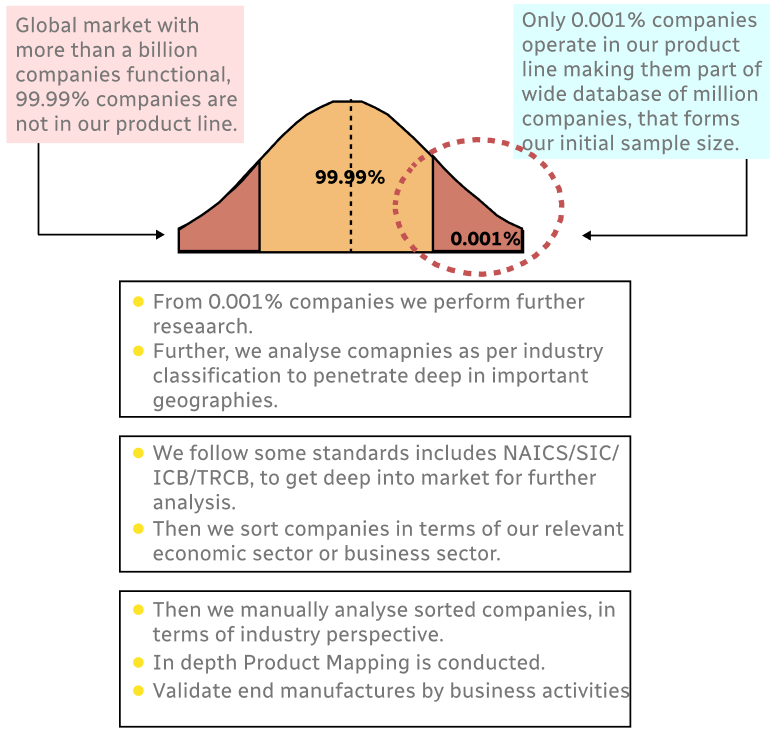
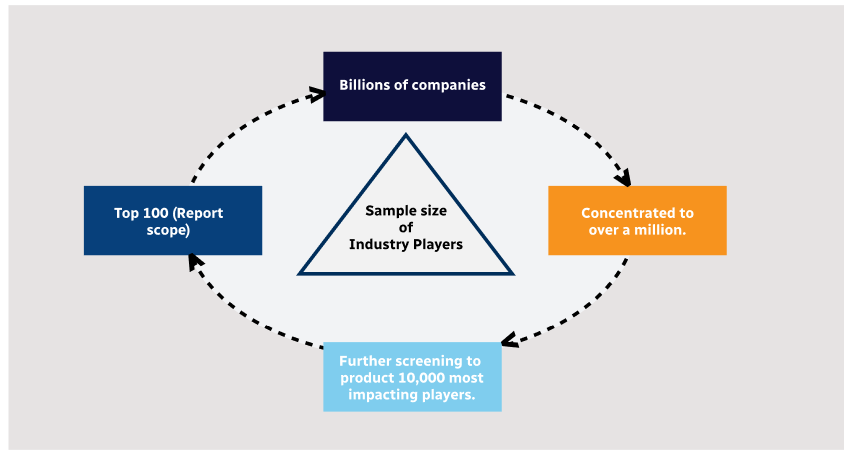
Step 1 - Identification of Relevant Samples Size from Population Database
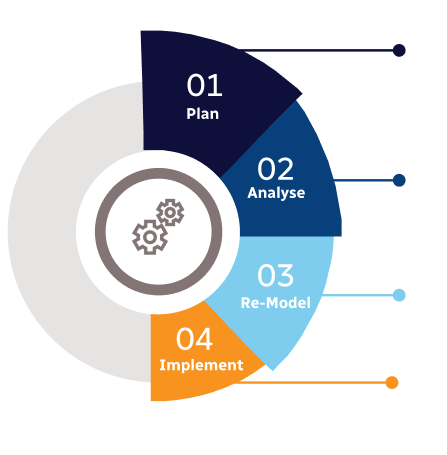
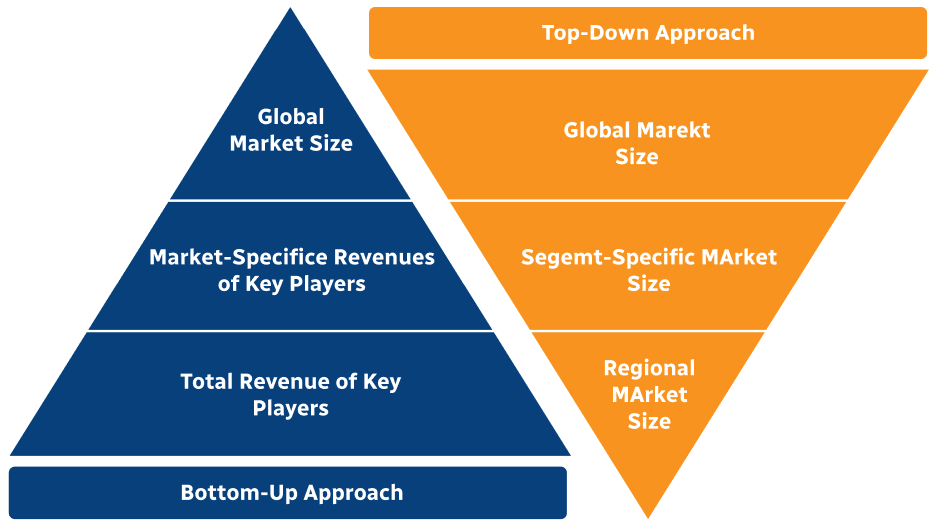
Step 2 - Approaches for Defining Global Market Size (Value, Volume* & Price*)
Note*: In applicable scenarios
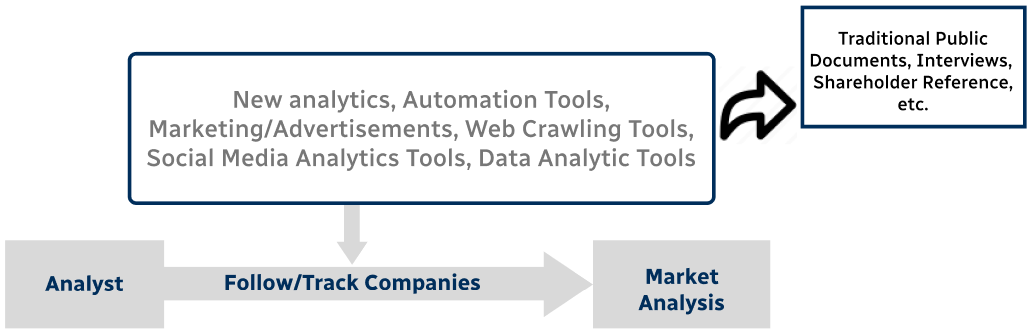
Step 3 - Data Sources
Primary Research
- Web Analytics
- Survey Reports
- Research Institute
- Latest Research Reports
- Opinion Leaders
Secondary Research
- Annual Reports
- White Paper
- Latest Press Release
- Industry Association
- Paid Database
- Investor Presentations
Step 4 - Data Triangulation
Involves using different sources of information in order to increase the validity of a study
These sources are likely to be stakeholders in a program - participants, other researchers, program staff, other community members, and so on.
Then we put all data in single framework & apply various statistical tools to find out the dynamic on the market.
During the analysis stage, feedback from the stakeholder groups would be compared to determine areas of agreement as well as areas of divergence