



Key Insights
The Europe Energy Management Systems (EMS) market is poised for significant expansion, driven by a growing imperative for energy efficiency and sustainability across diverse sectors. With a current estimated market size of $17.14 million and a projected Compound Annual Growth Rate (CAGR) of 14.57% over the forecast period of 2025-2033, this market represents a substantial opportunity for innovation and investment. The primary drivers for this growth include stringent government regulations aimed at reducing carbon emissions, increasing energy costs that necessitate smarter consumption, and a heightened consumer and corporate awareness of environmental impact. The adoption of Building Energy Management Systems (BEMS) is particularly robust, encompassing hardware, software, and services that optimize energy usage in commercial, healthcare, educational, and industrial facilities. Home Energy Management Systems (HEMS) are also gaining traction as smart home technologies become more mainstream, empowering individuals to monitor and control their household energy consumption effectively. The market's dynamism is further fueled by evolving distribution channels, with a growing reliance on value-added resellers, system integrators, and utilities playing a crucial role in deploying and managing these sophisticated solutions.

Europe Energy Management Systems Market Market Size (In Million)

The strategic importance of EMS in achieving energy independence and mitigating climate change is underscored by the market's robust growth trajectory. Key trends influencing this expansion include the integration of Artificial Intelligence (AI) and the Internet of Things (IoT) into EMS platforms, enabling predictive analytics and real-time optimization. The increasing penetration of renewable energy sources also necessitates advanced management systems to balance grid stability and energy supply. However, the market faces certain restraints, such as the initial high cost of implementation for some advanced EMS solutions and the need for greater standardization across different platforms to ensure interoperability. Despite these challenges, the proactive engagement of prominent companies like Honeywell International Inc., Schneider Electric SE, and Siemens AG, along with a surge in demand from key European nations such as the United Kingdom, Germany, and France, indicates a strong and sustained upward trend. The market's segmentation by end-user and solution type, coupled with a diverse range of distribution channels, points to a complex yet highly adaptable ecosystem ready to meet the evolving energy management needs of the European continent.

Europe Energy Management Systems Market Company Market Share

Unlock actionable insights and strategic intelligence for the booming Europe Energy Management Systems market. This in-depth report provides a granular analysis of market dynamics, key trends, and competitive landscapes across the European continent. Designed for industry leaders, strategic planners, and market analysts, this report delivers precise data and forward-looking perspectives to inform critical business decisions.
Study Period: 2019–2033 | Base Year: 2025 | Estimated Year: 2025 | Forecast Period: 2025–2033 | Historical Period: 2019–2024
Europe Energy Management Systems Market Market Structure & Competitive Dynamics
The Europe Energy Management Systems (EMS) market is characterized by a moderately concentrated structure, with key players investing heavily in R&D and strategic partnerships to secure market share. The innovation ecosystem thrives on the integration of IoT, AI, and cloud computing, enabling advanced functionalities in Building Energy Management Systems (BEMS) and Home Energy Management Systems (HEMS). Regulatory frameworks, such as the EU's Energy Efficiency Directive and the push for smart grids, are significant growth drivers, creating a favorable environment for EMS adoption. Product substitutes exist, including standalone energy monitoring devices and manual energy-saving practices, but the integrated and intelligent capabilities of comprehensive EMS solutions offer superior value. End-user trends lean towards increased demand for energy efficiency, sustainability, and occupant comfort, particularly within the commercial and industrial sectors. Merger and acquisition (M&A) activities are on the rise as larger entities seek to consolidate their market position and expand their offerings. For instance, the acquisition of innovative startups specializing in AI-driven energy analytics by established players signifies a strategic move to enhance product portfolios and capture emerging market segments. The market's competitive intensity is driven by technological advancements, pricing strategies, and the ability to offer end-to-end solutions, from hardware to software and comprehensive services.
- Market Concentration: Moderately concentrated, with key global and regional players.
- Innovation Ecosystem: Fueled by IoT, AI, cloud computing, and data analytics.
- Regulatory Frameworks: EU directives promoting energy efficiency and smart grid integration.
- Product Substitutes: Standalone devices, manual conservation methods; largely outcompeted by integrated EMS.
- End-User Trends: Prioritization of energy savings, sustainability, and enhanced occupant experience.
- M&A Activities: Increasing, driven by market consolidation and portfolio expansion.
Europe Energy Management Systems Market Industry Trends & Insights
The Europe Energy Management Systems (EMS) market is experiencing robust growth, driven by a confluence of compelling industry trends and evolving consumer preferences. A primary growth driver is the escalating global focus on sustainability and climate change mitigation, compelling governments and corporations across Europe to prioritize energy efficiency and carbon footprint reduction. This imperative is translated into stringent regulatory mandates and attractive financial incentives for adopting advanced EMS solutions. The rapid digitalization of infrastructure and the proliferation of the Internet of Things (IoT) are fundamentally transforming the EMS landscape. IoT-enabled devices, sensors, and smart meters facilitate real-time data collection and analysis, enabling sophisticated energy monitoring, control, and optimization. Artificial intelligence (AI) and machine learning (ML) algorithms are being integrated to predict energy consumption patterns, identify anomalies, and automate energy-saving measures, thereby enhancing operational efficiency and reducing costs for end-users.
Consumer preferences are shifting towards greater control over energy usage and a desire for personalized energy management solutions. Homeowners are increasingly seeking HEMS to monitor their electricity consumption, optimize appliance usage, and integrate renewable energy sources like solar power, contributing to lower utility bills and a smaller environmental impact. In the commercial and industrial sectors, the demand for BEMS is surging as businesses recognize the significant cost savings and operational benefits derived from optimized energy consumption. These systems not only reduce energy expenditure but also improve building performance, enhance occupant comfort, and contribute to corporate social responsibility goals.
Technological disruptions are continually reshaping the market. The development of advanced analytics platforms, cloud-based EMS, and interoperable hardware and software solutions are enabling seamless integration and scalability. The cybersecurity of EMS is also becoming a critical consideration, with providers investing in robust security measures to protect sensitive energy data. The competitive dynamics within the market are intensifying, with established technology giants, specialized EMS providers, and utility companies vying for market share. Strategic partnerships, mergers, and acquisitions are common as companies seek to expand their product portfolios, geographical reach, and technological capabilities. The market penetration of EMS is expected to grow significantly as the technology becomes more accessible and the benefits of energy efficiency become more evident across all sectors. The projected Compound Annual Growth Rate (CAGR) for the Europe EMS market is xx%, indicating a strong upward trajectory fueled by these evolving trends and sustained technological advancements. The ongoing energy transition in Europe, with its emphasis on renewable energy integration and grid modernization, further amplifies the demand for intelligent EMS solutions capable of managing complex energy flows and ensuring grid stability.
Dominant Markets & Segments in Europe Energy Management Systems Market
The Europe Energy Management Systems (EMS) market exhibits significant dominance in specific regions and segments, driven by a combination of economic policies, infrastructure development, and regulatory frameworks.
Leading Region & Countries:
- Germany: Consistently leads the market due to its strong commitment to energy efficiency, ambitious renewable energy targets (Energiewende), and robust industrial base. Government incentives and stringent building codes for energy performance are key drivers.
- United Kingdom: Demonstrates significant adoption of EMS, particularly in the commercial sector, driven by its focus on carbon reduction targets and the presence of a mature market for energy services.
- France: Benefits from government initiatives promoting energy efficiency in buildings and a growing interest in smart home technologies.
Dominant Segments:
- Type of Solution: Building Energy Management System (BEMS): This segment holds the largest market share due to the extensive energy consumption in commercial and industrial buildings.
- Hardware: Essential for data collection and control, including smart meters, sensors, and actuators. Growth is propelled by the need for real-time monitoring and granular control.
- Software: The intelligence behind EMS, encompassing analytics platforms, energy reporting tools, and AI-driven optimization algorithms. This segment is experiencing rapid innovation and adoption.
- Services: Includes installation, maintenance, consulting, and energy audits. The demand for expert services is high as organizations seek to maximize their EMS investment.
- By End-User: Commercial: This segment is the primary revenue generator, driven by corporate sustainability goals, operational cost reduction imperatives, and the need to comply with increasingly stringent energy performance regulations for office buildings, retail spaces, and hospitality venues.
- Key Drivers: Rising energy costs, corporate social responsibility (CSR) initiatives, demand for improved occupant comfort, and regulatory compliance.
- Distribution Channel: Value-added Resellers/System Integrators: These channels play a crucial role in delivering complex EMS solutions, offering tailored integration, implementation, and ongoing support services to diverse end-users. Their expertise in combining hardware, software, and specialized knowledge makes them indispensable in bridging the gap between technology providers and end-customers.
- Key Drivers: Need for customized solutions, complexity of system integration, and demand for specialized technical expertise.
The dominance of these segments is underpinned by several factors:
- Economic Policies: Government incentives, tax credits, and subsidies for energy-efficient technologies directly influence adoption rates.
- Infrastructure: The development of smart grids and the increasing penetration of digital communication networks are foundational for effective EMS deployment.
- Regulatory Frameworks: EU directives on energy efficiency, building performance standards, and carbon emission reduction targets create a compelling business case for EMS investment.
- Technological Advancements: The continuous innovation in IoT, AI, and data analytics enhances the capabilities and attractiveness of EMS solutions across all segments.
Europe Energy Management Systems Market Product Innovations
Product innovations in the Europe Energy Management Systems market are focused on enhancing intelligence, connectivity, and user experience. Companies are developing integrated platforms that leverage AI and machine learning for predictive analytics, enabling proactive energy management and cost optimization. IoT integration is paramount, allowing for seamless data flow from a multitude of sensors and devices, providing granular insights into energy consumption patterns across buildings and homes. These innovations offer competitive advantages by delivering greater accuracy in energy forecasting, automated fault detection, and optimized control of HVAC and lighting systems. The emphasis is on creating scalable, user-friendly solutions that cater to both large-scale commercial deployments and individual homeowner needs, ultimately driving greater energy efficiency and sustainability.
Report Segmentation & Scope
This comprehensive report segments the Europe Energy Management Systems market to provide a granular understanding of its diverse landscape. The market is meticulously analyzed by Type of Solution, encompassing Building Energy Management Systems (BEMS) which are further broken down into Hardware, Software, and Services, and also covering Home Energy Management Systems (HEMS). The analysis extends to End-User segmentation, identifying key verticals such as Commercial, Healthcare, Education, Industrial, and Other End-Users, each with its unique adoption drivers and challenges. Furthermore, the report dissects the market by Distribution Channel, detailing the influence of Direct/Partner Sales/Retail, Value-added Resellers/System Integrators, and Consultants/Utilities. Each segment's growth projections, market sizes, and competitive dynamics are thoroughly examined, offering insights into their current standing and future potential within the broader European market.
Key Drivers of Europe Energy Management Systems Market Growth
The Europe Energy Management Systems market growth is primarily propelled by a strong commitment to sustainability and aggressive energy efficiency targets mandated by European Union policies and individual member states. The escalating costs of energy across the continent further incentivize businesses and households to adopt EMS for cost savings and operational efficiency. Technological advancements, particularly in the areas of IoT, AI, and cloud computing, are crucial enablers, facilitating more sophisticated data analysis, real-time monitoring, and automated energy optimization. The increasing focus on smart grid integration and the growing adoption of renewable energy sources necessitate intelligent EMS to manage fluctuating supply and demand, ensuring grid stability. Government incentives, subsidies, and favorable regulations play a pivotal role in driving market penetration by reducing the upfront investment burden and enhancing the return on investment for EMS solutions.
Challenges in the Europe Energy Management Systems Market Sector
Despite the robust growth, the Europe Energy Management Systems market faces several challenges. The high initial investment cost for sophisticated EMS solutions remains a significant barrier for some small and medium-sized enterprises (SMEs) and individual consumers, particularly in price-sensitive markets. Interoperability issues between different hardware and software systems from various manufacturers can hinder seamless integration and data exchange, leading to fragmented solutions. Data security and privacy concerns are also paramount, as EMS systems handle sensitive energy consumption data, requiring robust cybersecurity measures. The lack of skilled personnel to install, operate, and maintain complex EMS can also impede widespread adoption. Furthermore, evolving regulatory landscapes and the need for continuous adaptation to new standards can create compliance challenges for both providers and users.
Leading Players in the Europe Energy Management Systems Market Market
- Honeywell International Inc
- Efergy Technologies SL
- Uplight Inc
- British Gas Services Limited (Centrica PLC)
- Schneider Electric SE
- Fibar Group SA (Nice SpA)
- Green Energy Options Limited
- SAP SE
- Panasonic Corporation
- Enel X S R L (Enel SpA)
Key Developments in Europe Energy Management Systems Market Sector
- April 2023: Honeywell announced that Globalwort chose its connected technology to improve operational efficiency, support sustainability efforts, and enhance the occupant experience across the Globalworth portfolio of commercial office buildings in Romania and Poland. Globalworth is likely to use Honeywell Forge for Buildings solutions, a comprehensive approach to building system operations and management, to improve performance and reduce energy consumption across its facilities from a single control point.
- March 2023: Schneider Electric began constructing its new smart factory in Dunavecse, Hungary. The new site will span 25,000 m2 and employ 500 people, with a EUR 40 million (USD 44.13 million) investment planned. As Europe accelerates through the energy transition and strengthens its energy independence, this new smart factory is expected to increase capacity to meet increased demand.
Strategic Europe Energy Management Systems Market Market Outlook
The strategic outlook for the Europe Energy Management Systems market is exceptionally positive, driven by sustained government support for energy transition and digitalization initiatives. The increasing demand for smart buildings, energy independence, and reduced carbon emissions will continue to fuel market expansion. Investments in AI and IoT technologies will lead to more intelligent and autonomous EMS, further enhancing their value proposition. The market will witness a growing emphasis on integrated solutions that combine energy management with other smart building functionalities, such as security and occupant comfort. Strategic partnerships and collaborations between technology providers, utility companies, and building management firms will be crucial for market players to offer comprehensive, end-to-end solutions and capture new growth opportunities, especially in sectors with high energy consumption like industrial and commercial real estate.
Europe Energy Management Systems Market Segmentation
-
1. Type of Solution
-
1.1. Building Energy Management System
- 1.1.1. Hardware
- 1.1.2. Software and Services
-
1.2. By End-User
- 1.2.1. Commercial
- 1.2.2. Healthcare
- 1.2.3. Education
- 1.2.4. Industrial
- 1.2.5. Other End-Users
- 1.3. Home Energy Management System
-
1.1. Building Energy Management System
-
2. Distribution Channel
- 2.1. Direct/Partner Sales/Retail
- 2.2. Value-added Resellers/System Integrators
- 2.3. Consultants/Utilities
Europe Energy Management Systems Market Segmentation By Geography
-
1. Europe
- 1.1. United Kingdom
- 1.2. Germany
- 1.3. France
- 1.4. Italy
- 1.5. Spain
- 1.6. Netherlands
- 1.7. Belgium
- 1.8. Sweden
- 1.9. Norway
- 1.10. Poland
- 1.11. Denmark

Europe Energy Management Systems Market Regional Market Share

Geographic Coverage of Europe Energy Management Systems Market
Europe Energy Management Systems Market REPORT HIGHLIGHTS
| Aspects | Details |
|---|---|
| Study Period | 2020-2034 |
| Base Year | 2025 |
| Estimated Year | 2026 |
| Forecast Period | 2026-2034 |
| Historical Period | 2020-2025 |
| Growth Rate | CAGR of 14.57% from 2020-2034 |
| Segmentation |
|
Table of Contents
- 1. Introduction
- 1.1. Research Scope
- 1.2. Market Segmentation
- 1.3. Research Methodology
- 1.4. Definitions and Assumptions
- 2. Executive Summary
- 2.1. Introduction
- 3. Market Dynamics
- 3.1. Introduction
- 3.2. Market Drivers
- 3.2.1. Increasing Usage of Smart Grids and Smart Meters; Rising Investments in Energy Efficiency; Surge in Demand for HVAC Housing Owing to Rapid Population Growth
- 3.3. Market Restrains
- 3.3.1. High Initial Installation Costs Coupled With Maintenance Costs; Lack of Awareness in Small and Medium-sized Businesses
- 3.4. Market Trends
- 3.4.1. Healthcare Segment is Expected to Drive the Market Growth
- 4. Market Factor Analysis
- 4.1. Porters Five Forces
- 4.2. Supply/Value Chain
- 4.3. PESTEL analysis
- 4.4. Market Entropy
- 4.5. Patent/Trademark Analysis
- 5. Europe Energy Management Systems Market Analysis, Insights and Forecast, 2020-2032
- 5.1. Market Analysis, Insights and Forecast - by Type of Solution
- 5.1.1. Building Energy Management System
- 5.1.1.1. Hardware
- 5.1.1.2. Software and Services
- 5.1.2. By End-User
- 5.1.2.1. Commercial
- 5.1.2.2. Healthcare
- 5.1.2.3. Education
- 5.1.2.4. Industrial
- 5.1.2.5. Other End-Users
- 5.1.3. Home Energy Management System
- 5.1.1. Building Energy Management System
- 5.2. Market Analysis, Insights and Forecast - by Distribution Channel
- 5.2.1. Direct/Partner Sales/Retail
- 5.2.2. Value-added Resellers/System Integrators
- 5.2.3. Consultants/Utilities
- 5.3. Market Analysis, Insights and Forecast - by Region
- 5.3.1. Europe
- 5.1. Market Analysis, Insights and Forecast - by Type of Solution
- 6. Competitive Analysis
- 6.1. Market Share Analysis 2025
- 6.2. Company Profiles
- 6.2.1 Honeywell International Inc
- 6.2.1.1. Overview
- 6.2.1.2. Products
- 6.2.1.3. SWOT Analysis
- 6.2.1.4. Recent Developments
- 6.2.1.5. Financials (Based on Availability)
- 6.2.2 Efergy Technologies SL*List Not Exhaustive
- 6.2.2.1. Overview
- 6.2.2.2. Products
- 6.2.2.3. SWOT Analysis
- 6.2.2.4. Recent Developments
- 6.2.2.5. Financials (Based on Availability)
- 6.2.3 Uplight Inc
- 6.2.3.1. Overview
- 6.2.3.2. Products
- 6.2.3.3. SWOT Analysis
- 6.2.3.4. Recent Developments
- 6.2.3.5. Financials (Based on Availability)
- 6.2.4 British Gas Services Limited (Centrica PLC)
- 6.2.4.1. Overview
- 6.2.4.2. Products
- 6.2.4.3. SWOT Analysis
- 6.2.4.4. Recent Developments
- 6.2.4.5. Financials (Based on Availability)
- 6.2.5 Schneider Electric SE
- 6.2.5.1. Overview
- 6.2.5.2. Products
- 6.2.5.3. SWOT Analysis
- 6.2.5.4. Recent Developments
- 6.2.5.5. Financials (Based on Availability)
- 6.2.6 Fibar Group SA (Nice SpA)
- 6.2.6.1. Overview
- 6.2.6.2. Products
- 6.2.6.3. SWOT Analysis
- 6.2.6.4. Recent Developments
- 6.2.6.5. Financials (Based on Availability)
- 6.2.7 Green Energy Options Limited
- 6.2.7.1. Overview
- 6.2.7.2. Products
- 6.2.7.3. SWOT Analysis
- 6.2.7.4. Recent Developments
- 6.2.7.5. Financials (Based on Availability)
- 6.2.8 SAP SE
- 6.2.8.1. Overview
- 6.2.8.2. Products
- 6.2.8.3. SWOT Analysis
- 6.2.8.4. Recent Developments
- 6.2.8.5. Financials (Based on Availability)
- 6.2.9 Panasonic Corporation
- 6.2.9.1. Overview
- 6.2.9.2. Products
- 6.2.9.3. SWOT Analysis
- 6.2.9.4. Recent Developments
- 6.2.9.5. Financials (Based on Availability)
- 6.2.10 Enel X S R L (Enel SpA)
- 6.2.10.1. Overview
- 6.2.10.2. Products
- 6.2.10.3. SWOT Analysis
- 6.2.10.4. Recent Developments
- 6.2.10.5. Financials (Based on Availability)
- 6.2.1 Honeywell International Inc
List of Figures
- Figure 1: Europe Energy Management Systems Market Revenue Breakdown (Million, %) by Product 2025 & 2033
- Figure 2: Europe Energy Management Systems Market Share (%) by Company 2025
List of Tables
- Table 1: Europe Energy Management Systems Market Revenue Million Forecast, by Type of Solution 2020 & 2033
- Table 2: Europe Energy Management Systems Market Revenue Million Forecast, by Distribution Channel 2020 & 2033
- Table 3: Europe Energy Management Systems Market Revenue Million Forecast, by Region 2020 & 2033
- Table 4: Europe Energy Management Systems Market Revenue Million Forecast, by Type of Solution 2020 & 2033
- Table 5: Europe Energy Management Systems Market Revenue Million Forecast, by Distribution Channel 2020 & 2033
- Table 6: Europe Energy Management Systems Market Revenue Million Forecast, by Country 2020 & 2033
- Table 7: United Kingdom Europe Energy Management Systems Market Revenue (Million) Forecast, by Application 2020 & 2033
- Table 8: Germany Europe Energy Management Systems Market Revenue (Million) Forecast, by Application 2020 & 2033
- Table 9: France Europe Energy Management Systems Market Revenue (Million) Forecast, by Application 2020 & 2033
- Table 10: Italy Europe Energy Management Systems Market Revenue (Million) Forecast, by Application 2020 & 2033
- Table 11: Spain Europe Energy Management Systems Market Revenue (Million) Forecast, by Application 2020 & 2033
- Table 12: Netherlands Europe Energy Management Systems Market Revenue (Million) Forecast, by Application 2020 & 2033
- Table 13: Belgium Europe Energy Management Systems Market Revenue (Million) Forecast, by Application 2020 & 2033
- Table 14: Sweden Europe Energy Management Systems Market Revenue (Million) Forecast, by Application 2020 & 2033
- Table 15: Norway Europe Energy Management Systems Market Revenue (Million) Forecast, by Application 2020 & 2033
- Table 16: Poland Europe Energy Management Systems Market Revenue (Million) Forecast, by Application 2020 & 2033
- Table 17: Denmark Europe Energy Management Systems Market Revenue (Million) Forecast, by Application 2020 & 2033
Frequently Asked Questions
1. What is the projected Compound Annual Growth Rate (CAGR) of the Europe Energy Management Systems Market?
The projected CAGR is approximately 14.57%.
2. Which companies are prominent players in the Europe Energy Management Systems Market?
Key companies in the market include Honeywell International Inc, Efergy Technologies SL*List Not Exhaustive, Uplight Inc, British Gas Services Limited (Centrica PLC), Schneider Electric SE, Fibar Group SA (Nice SpA), Green Energy Options Limited, SAP SE, Panasonic Corporation, Enel X S R L (Enel SpA).
3. What are the main segments of the Europe Energy Management Systems Market?
The market segments include Type of Solution, Distribution Channel.
4. Can you provide details about the market size?
The market size is estimated to be USD 17.14 Million as of 2022.
5. What are some drivers contributing to market growth?
Increasing Usage of Smart Grids and Smart Meters; Rising Investments in Energy Efficiency; Surge in Demand for HVAC Housing Owing to Rapid Population Growth.
6. What are the notable trends driving market growth?
Healthcare Segment is Expected to Drive the Market Growth.
7. Are there any restraints impacting market growth?
High Initial Installation Costs Coupled With Maintenance Costs; Lack of Awareness in Small and Medium-sized Businesses.
8. Can you provide examples of recent developments in the market?
April 2023: Honeywell announced that Globalwort chose its connected technology to improve operational efficiency, support sustainability efforts, and enhance the occupant experience across the Globalworth portfolio of commercial office buildings in Romania and Poland. Globalworth is likely to use Honeywell Forge for Buildings solutions, a comprehensive approach to building system operations and management, to improve performance and reduce energy consumption across its facilities from a single control point.
9. What pricing options are available for accessing the report?
Pricing options include single-user, multi-user, and enterprise licenses priced at USD 4750, USD 4950, and USD 6800 respectively.
10. Is the market size provided in terms of value or volume?
The market size is provided in terms of value, measured in Million.
11. Are there any specific market keywords associated with the report?
Yes, the market keyword associated with the report is "Europe Energy Management Systems Market," which aids in identifying and referencing the specific market segment covered.
12. How do I determine which pricing option suits my needs best?
The pricing options vary based on user requirements and access needs. Individual users may opt for single-user licenses, while businesses requiring broader access may choose multi-user or enterprise licenses for cost-effective access to the report.
13. Are there any additional resources or data provided in the Europe Energy Management Systems Market report?
While the report offers comprehensive insights, it's advisable to review the specific contents or supplementary materials provided to ascertain if additional resources or data are available.
14. How can I stay updated on further developments or reports in the Europe Energy Management Systems Market?
To stay informed about further developments, trends, and reports in the Europe Energy Management Systems Market, consider subscribing to industry newsletters, following relevant companies and organizations, or regularly checking reputable industry news sources and publications.
Methodology
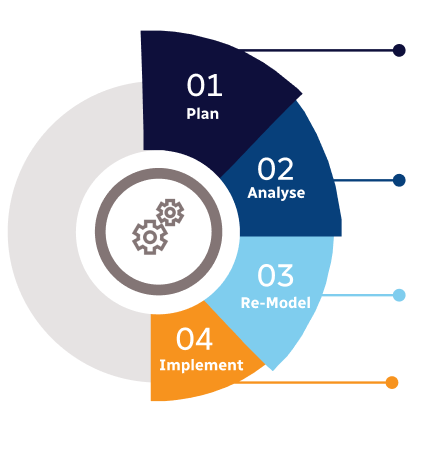
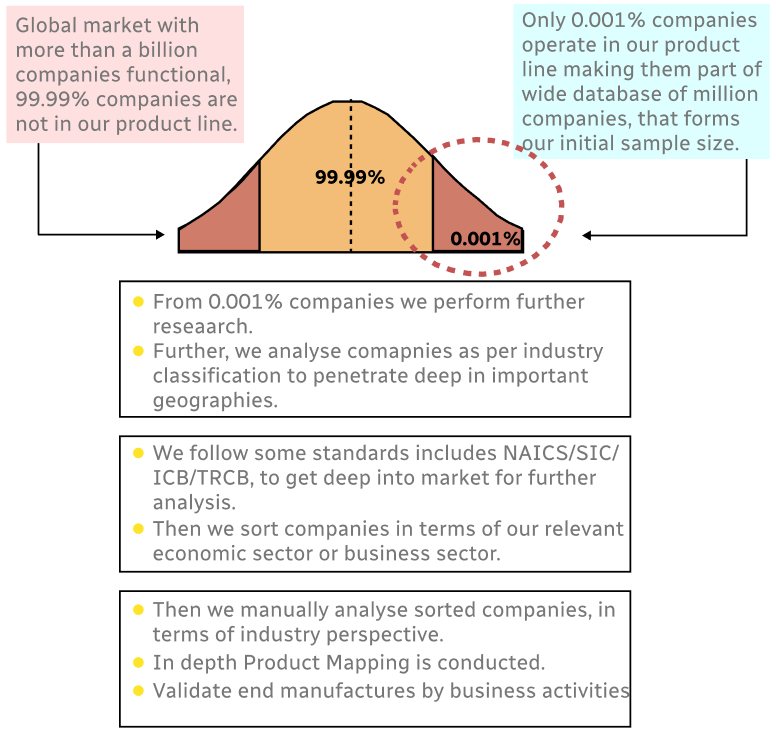
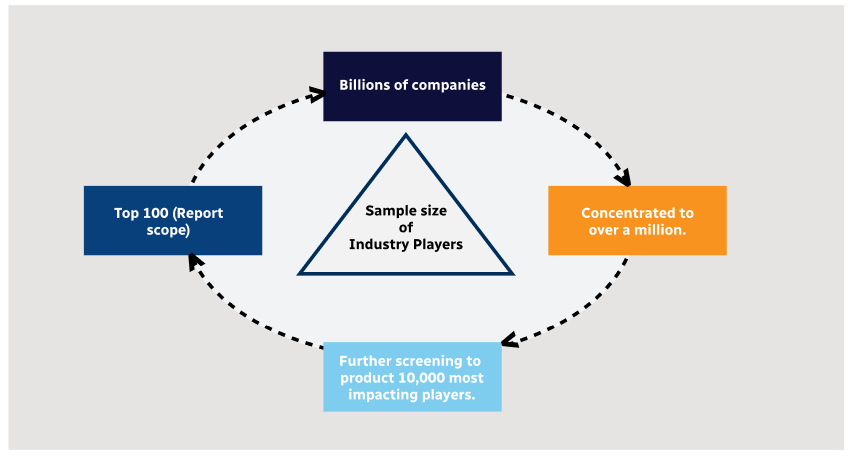
Step 1 - Identification of Relevant Samples Size from Population Database
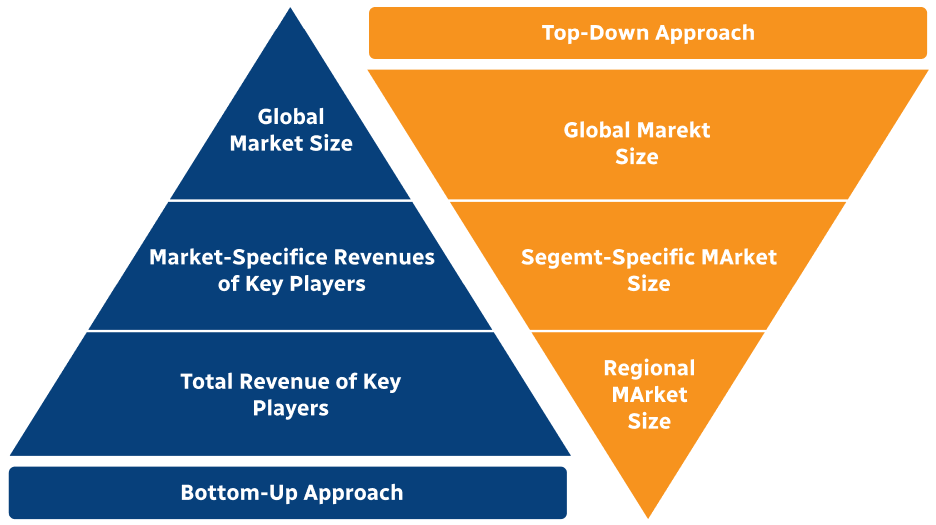
Step 2 - Approaches for Defining Global Market Size (Value, Volume* & Price*)
Note*: In applicable scenarios
Step 3 - Data Sources
Primary Research
- Web Analytics
- Survey Reports
- Research Institute
- Latest Research Reports
- Opinion Leaders
Secondary Research
- Annual Reports
- White Paper
- Latest Press Release
- Industry Association
- Paid Database
- Investor Presentations
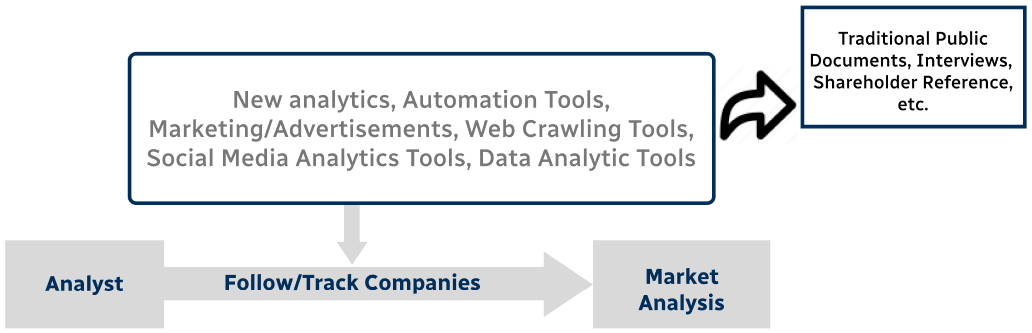
Step 4 - Data Triangulation
Involves using different sources of information in order to increase the validity of a study
These sources are likely to be stakeholders in a program - participants, other researchers, program staff, other community members, and so on.
Then we put all data in single framework & apply various statistical tools to find out the dynamic on the market.
During the analysis stage, feedback from the stakeholder groups would be compared to determine areas of agreement as well as areas of divergence


