



Key Insights
The Europe Data Center Interconnect (DCI) industry is poised for substantial growth, with the market size projected to reach approximately 1.87 billion USD in 2025. This expansion is driven by an impressive Compound Annual Growth Rate (CAGR) of 12.83%, indicating a dynamic and rapidly evolving landscape. Key growth drivers include the escalating demand for cloud services, the proliferation of big data analytics, and the increasing need for seamless, high-bandwidth connectivity between data centers to support disaster recovery, business continuity, and efficient resource allocation. The surge in 5G deployment and the burgeoning Internet of Things (IoT) ecosystem further necessitate robust DCI solutions to handle the massive influx of data. Leading players like Huawei Technologies, Cisco Systems Inc., and Nokia Corporation are at the forefront of innovation, investing heavily in advanced technologies such as coherent optics and software-defined networking (SDN) to meet these burgeoning demands. Emerging trends also point towards the adoption of AI-driven network management for optimized performance and the growing importance of edge computing, which will require localized DCI solutions.

Europe Data Center Interconnect Industry Market Size (In Billion)

Despite the optimistic outlook, certain factors could present challenges. The significant upfront investment required for advanced DCI infrastructure, coupled with the complexities of network integration and management, may act as restraints for some organizations. Furthermore, evolving cybersecurity threats necessitate continuous investment in secure DCI solutions, adding to operational costs. However, the inherent benefits of enhanced data transfer speeds, reduced latency, and improved operational efficiency are expected to outweigh these challenges. Europe, with its robust digital infrastructure and strong regulatory framework supporting data privacy and security, is a prime market for DCI advancements. The region's key markets, including the United Kingdom, Germany, and France, are actively embracing digital transformation, fueling the demand for sophisticated DCI capabilities to support their expanding data center footprints and digital service offerings. The competitive landscape is characterized by innovation and strategic partnerships among established players and emerging technology providers, all vying to capture a share of this high-growth market.

Europe Data Center Interconnect Industry Company Market Share

Europe Data Center Interconnect Industry Market Report: Detailed Analysis and Future Outlook (2019–2033)
This comprehensive report offers an in-depth analysis of the Europe Data Center Interconnect Industry, covering market structure, trends, dominant segments, product innovations, key drivers, challenges, leading players, and future outlook. With a study period spanning from 2019 to 2033, a base year of 2025, and a forecast period of 2025–2033, this report provides actionable insights for stakeholders navigating this dynamic market. We delve into Production Analysis, Consumption Analysis, Import/Export Market Analysis (Value & Volume), and Price Trend Analysis, offering a granular view of the European interconnection landscape. Keywords: Europe Data Center Interconnect, Data Center Connectivity, Network Infrastructure Europe, Cloud Interconnect, Colocation Europe, DE-CIX, Interxion, Nokia, ZTE, Infinera, Cisco, Huawei, Ciena, Iberian Peninsula, Mediterranean Data Centers, 100G IP Transport.
Europe Data Center Interconnect Industry Market Structure & Competitive Dynamics
The Europe Data Center Interconnect Industry is characterized by a moderately concentrated market with a few key players dominating, including ZTE Corporation, Infinera Corporation, Cisco Systems Inc, Nokia Corporation, Huawei Technologies, and Ciena Corporation. Innovation is a significant driver, with companies continually investing in advanced networking solutions to support the escalating demand for higher bandwidth and lower latency. Regulatory frameworks, particularly around data privacy and infrastructure development, play a crucial role in shaping market entry and operational strategies. While direct product substitutes are limited due to the specialized nature of data center interconnectivity, the availability of different connectivity technologies and service providers offers a degree of choice for end-users. End-user trends are heavily influenced by the growth of cloud computing, digital transformation initiatives across industries, and the proliferation of edge computing. Mergers and acquisitions (M&A) activities are ongoing, reflecting the industry's consolidation and strategic expansion efforts. For instance, recent M&A deal values indicate significant investments in bolstering network capacities and geographical reach. The market exhibits a trend towards strategic partnerships to expand Points of Presence (PoPs) and enhance interconnection capabilities, fostering a competitive yet collaborative ecosystem.
Europe Data Center Interconnect Industry Industry Trends & Insights
The Europe Data Center Interconnect Industry is experiencing robust growth, driven by several key factors. The escalating demand for high-speed data transmission, fueled by the exponential growth of cloud services, big data analytics, Artificial Intelligence (AI), and the Internet of Things (IoT), is a primary catalyst. Enterprises are increasingly adopting hybrid and multi-cloud strategies, necessitating seamless and secure connectivity between on-premises data centers and public cloud providers. This trend is projected to sustain a Compound Annual Growth Rate (CAGR) of approximately 12-15% over the forecast period. Technological disruptions, such as the advancement of optical networking technologies and the deployment of 400GbE and 800GbE interfaces, are enhancing network capabilities and reducing latency, thereby enabling new applications and services. Consumer preferences are shifting towards enhanced digital experiences, demanding lower latency for gaming, streaming, and real-time collaboration. Competitive dynamics are intensifying, with established players and emerging providers vying for market share through service innovation, geographical expansion, and strategic partnerships. The increasing adoption of Software-Defined Networking (SDN) and Network Functions Virtualization (NFV) is also transforming how data center interconnectivity is managed and delivered, offering greater flexibility and efficiency. Market penetration of advanced interconnect solutions is steadily increasing as businesses recognize the critical role of robust network infrastructure in their digital transformation journeys. The ongoing digital transformation across various sectors, including finance, healthcare, and manufacturing, further propels the demand for high-performance data center interconnectivity.
Dominant Markets & Segments in Europe Data Center Interconnect Industry
The Europe Data Center Interconnect Industry presents a multifaceted landscape with distinct dominant markets and segments.
Consumption Analysis: Western European countries, particularly Germany, the UK, France, and the Netherlands, represent the largest consumers of data center interconnect solutions. This dominance is attributed to their mature economies, substantial digital infrastructure, and high concentration of enterprises driving digital transformation. The increasing adoption of cloud services and the presence of major hyperscale data center operators in these regions are key economic policies supporting this trend.
Production Analysis: While production capabilities are distributed, key manufacturing hubs for networking equipment are located in countries with strong technological ecosystems, such as Germany, Sweden, and some Eastern European nations with developing manufacturing sectors. The presence of research and development centers for companies like Nokia Corporation and Ciena Corporation significantly influences production innovation.
Import Market Analysis (Value & Volume): The import market is significant across all of Europe, with countries heavily reliant on specialized networking hardware and software produced elsewhere. The Iberian Peninsula, for instance, is increasingly importing advanced interconnect solutions to bolster its growing data center capacity, as evidenced by recent developments in Portugal and Spain. Interxion's expansion in Barcelona highlights this growing import demand for colocation and connectivity hubs. The value of imports is projected to grow at a CAGR of approximately 10-13%, driven by the need for cutting-edge technology.
Export Market Analysis (Value & Volume): Countries with established networking equipment manufacturing capabilities, like Sweden and Germany, are key exporters. However, the primary "export" in this context is often in the form of services and integrated solutions, where European companies offer expertise in designing and managing data center interconnect networks globally. The focus remains on exporting technology and intellectual property rather than just physical hardware.
Price Trend Analysis: Price trends are influenced by factors such as technological advancements, component costs, market competition, and the specific bandwidth and service level agreements (SLAs) required. The introduction of higher-speed interfaces (e.g., 400GbE, 800GbE) typically commands premium pricing initially, but economies of scale and increased competition drive down per-gigabit costs over time. Fluctuations in raw material prices and global supply chain dynamics also impact pricing strategies. The trend is towards more cost-effective solutions per unit of bandwidth as technology matures.
Europe Data Center Interconnect Industry Product Innovations
Product innovations in the Europe Data Center Interconnect Industry are heavily focused on enhancing bandwidth, reducing latency, and improving network agility. Advancements in optical transmission technologies, such as coherent optics and wavelength division multiplexing (WDM), are enabling higher data rates over existing fiber infrastructure. The development of intelligent network management software and AI-driven analytics is crucial for optimizing traffic flow and ensuring network resilience. Companies are also innovating in the realm of software-defined interconnectivity, offering greater flexibility and automation for data center networks. These innovations are critical for supporting the growing demands of cloud computing, edge deployments, and emerging applications like 5G services and virtual reality. The competitive advantage lies in offering highly scalable, secure, and cost-effective interconnection solutions that meet evolving business needs.
Report Segmentation & Scope
This report segments the Europe Data Center Interconnect Industry across key analytical dimensions. Our Production Analysis examines the manufacturing landscape of interconnect hardware and software. The Consumption Analysis focuses on the demand for these solutions by end-users across various industries and geographical regions within Europe. The Import Market Analysis (Value & Volume) details the inbound flow of data center interconnect products and their monetary worth, identifying key sourcing regions. Conversely, the Export Market Analysis (Value & Volume) scrutinizes the outbound movement of these solutions, highlighting European export strengths. The Price Trend Analysis provides insights into the historical and projected pricing dynamics of interconnect services and equipment. Each segment's analysis includes projected market sizes and insights into competitive dynamics within that specific area, contributing to a holistic view of the industry's trajectory through the forecast period.
Key Drivers of Europe Data Center Interconnect Industry Growth
The Europe Data Center Interconnect Industry's growth is propelled by a confluence of powerful drivers. The relentless expansion of cloud computing, with enterprises increasingly migrating workloads and data to cloud environments, necessitates robust and scalable interconnectivity. Digital transformation initiatives across all sectors, from finance to healthcare, are accelerating the need for faster and more reliable data exchange. The proliferation of data-intensive applications like AI, machine learning, and big data analytics further fuels this demand. Furthermore, the growing adoption of edge computing, bringing processing closer to data sources, creates new requirements for localized and low-latency interconnectivity. Regulatory initiatives encouraging digital innovation and the development of high-speed broadband infrastructure across the EU also provide a supportive environment for market expansion.
Challenges in the Europe Data Center Interconnect Industry Sector
Despite significant growth, the Europe Data Center Interconnect Industry faces several challenges. Regulatory hurdles, particularly concerning data localization laws and cross-border data flow complexities, can impede seamless interconnection. Supply chain disruptions, exacerbated by geopolitical events and component shortages, pose a risk to timely deployment and cost management. Intense competition among a growing number of providers can lead to pricing pressures and impact profitability margins. The ongoing need for substantial capital investment to upgrade and expand network infrastructure to meet ever-increasing bandwidth demands presents a continuous financial challenge. Furthermore, the cybersecurity landscape's evolving threats require constant vigilance and investment in advanced security measures to protect critical data center interconnect links.
Leading Players in the Europe Data Center Interconnect Industry Market
- ZTE Corporation
- Infinera Corporation
- Cisco Systems Inc
- Nokia Corporation
- Huawei Technologies
- Ciena Corporation
Key Developments in Europe Data Center Interconnect Industry Sector
September 2023: Start Campus announced that DE-CIX, an internet exchange (IX) operator, will establish a new Point of Presence (PoP) at its SINES Project in SINES, Portugal. This move marked DE-CIX's expansion in the internet exchange market in southern Europe. Situated around 120 km from Lisbon, Portugal, Start Campus's sustainable data center campus will be the location for DE-CIX Lisbon's future access point. It is expected to enable direct connectivity to other DE-CIX IXs in Southern Europe, including Madrid, Barcelona, and Marseille. The data center campus is powered by 24x7 renewable energy facilities, emphasizing its commitment to sustainability. This development is crucial for enhancing interconnection within the Iberian Peninsula and Southern Europe.
May 2022: Interxion expanded its Mediterranean presence by developing a new colocation and connectivity hub in Barcelona. The company is the largest global provider of cloud- and carrier-neutral data centers, colocation, and interconnection solutions, and it announced its entry into the Barcelona market by acquiring a land parcel that it intends to develop into a data center campus. This new location is expected to enhance Interxion's position as the top provider of digital infrastructure capacity in the Mediterranean region and the Iberian Peninsula, including its presence in Marseille, Athens, Zagreb, and Madrid. This signifies a strategic investment in expanding connectivity infrastructure in a key European market.
May 2022: Nokia announced the deployment of its 7750 Service Routers (SR) for team.blue Denmark, a subsidiary of team.blue Group, one of the leading suppliers of hosting and cloud services to small and medium companies (SMEs) across Europe. The implementation will enable team.blue to increase its network infrastructure to support its 250,000 Danish clients' fast-growing services. The Nokia 7750 SR-1s edge routers are anticipated to provide high-capacity, reliable 100G IP transport lines for data center interconnection across team.blue Denmark's data center sites, thereby providing scalable and secure data center gateway and peering services for internet and cloud access. Team.blue Denmark could scale its future offerings by expanding the speed and capacity of its network infrastructure as it grows. This development highlights the increasing need for high-capacity 100G IP transport for data center interconnection to support growing SME cloud services.
Strategic Europe Data Center Interconnect Industry Market Outlook
The strategic outlook for the Europe Data Center Interconnect Industry remains exceptionally positive, driven by sustained demand for digital infrastructure and connectivity. Future market potential will be unlocked by the continued growth of cloud computing, the burgeoning adoption of AI and IoT technologies, and the expansion of edge data centers. Strategic opportunities lie in offering highly scalable, secure, and energy-efficient interconnection solutions. Investments in next-generation optical networking and software-defined interconnectivity will be crucial for gaining a competitive edge. Furthermore, strategic partnerships and collaborations aimed at expanding network reach and enhancing service portfolios will be key to capturing market share. The industry is poised for continued innovation and expansion, playing a pivotal role in Europe's digital economy.
Europe Data Center Interconnect Industry Segmentation
- 1. Production Analysis
- 2. Consumption Analysis
- 3. Import Market Analysis (Value & Volume)
- 4. Export Market Analysis (Value & Volume)
- 5. Price Trend Analysis
Europe Data Center Interconnect Industry Segmentation By Geography
-
1. Europe
- 1.1. United Kingdom
- 1.2. Germany
- 1.3. France
- 1.4. Italy
- 1.5. Spain
- 1.6. Netherlands
- 1.7. Belgium
- 1.8. Sweden
- 1.9. Norway
- 1.10. Poland
- 1.11. Denmark

Europe Data Center Interconnect Industry Regional Market Share

Geographic Coverage of Europe Data Center Interconnect Industry
Europe Data Center Interconnect Industry REPORT HIGHLIGHTS
| Aspects | Details |
|---|---|
| Study Period | 2020-2034 |
| Base Year | 2025 |
| Estimated Year | 2026 |
| Forecast Period | 2026-2034 |
| Historical Period | 2020-2025 |
| Growth Rate | CAGR of 12.83% from 2020-2034 |
| Segmentation |
|
Table of Contents
- 1. Introduction
- 1.1. Research Scope
- 1.2. Market Segmentation
- 1.3. Research Methodology
- 1.4. Definitions and Assumptions
- 2. Executive Summary
- 2.1. Introduction
- 3. Market Dynamics
- 3.1. Introduction
- 3.2. Market Drivers
- 3.2.1 Increased Adoption of Public Safety LTE.; Growing Demand For High Speed BroadBand In Rural Areas; Positive Outlook of Fixed LTE Compared to DSL
- 3.2.2 Fiber and Cable
- 3.3. Market Restrains
- 3.3.1. Network Performance Concerns
- 3.4. Market Trends
- 3.4.1. Ongoing Trend Toward Cloud Migration is Expected to Drive the Market
- 4. Market Factor Analysis
- 4.1. Porters Five Forces
- 4.2. Supply/Value Chain
- 4.3. PESTEL analysis
- 4.4. Market Entropy
- 4.5. Patent/Trademark Analysis
- 5. Europe Data Center Interconnect Industry Analysis, Insights and Forecast, 2020-2032
- 5.1. Market Analysis, Insights and Forecast - by Production Analysis
- 5.2. Market Analysis, Insights and Forecast - by Consumption Analysis
- 5.3. Market Analysis, Insights and Forecast - by Import Market Analysis (Value & Volume)
- 5.4. Market Analysis, Insights and Forecast - by Export Market Analysis (Value & Volume)
- 5.5. Market Analysis, Insights and Forecast - by Price Trend Analysis
- 5.6. Market Analysis, Insights and Forecast - by Region
- 5.6.1. Europe
- 5.1. Market Analysis, Insights and Forecast - by Production Analysis
- 6. Competitive Analysis
- 6.1. Market Share Analysis 2025
- 6.2. Company Profiles
- 6.2.1 ZTE Corporatio
- 6.2.1.1. Overview
- 6.2.1.2. Products
- 6.2.1.3. SWOT Analysis
- 6.2.1.4. Recent Developments
- 6.2.1.5. Financials (Based on Availability)
- 6.2.2 Infinera Corporation
- 6.2.2.1. Overview
- 6.2.2.2. Products
- 6.2.2.3. SWOT Analysis
- 6.2.2.4. Recent Developments
- 6.2.2.5. Financials (Based on Availability)
- 6.2.3 Cisco Systems Inc
- 6.2.3.1. Overview
- 6.2.3.2. Products
- 6.2.3.3. SWOT Analysis
- 6.2.3.4. Recent Developments
- 6.2.3.5. Financials (Based on Availability)
- 6.2.4 Nokia Corporation
- 6.2.4.1. Overview
- 6.2.4.2. Products
- 6.2.4.3. SWOT Analysis
- 6.2.4.4. Recent Developments
- 6.2.4.5. Financials (Based on Availability)
- 6.2.5 Huawei Technologies
- 6.2.5.1. Overview
- 6.2.5.2. Products
- 6.2.5.3. SWOT Analysis
- 6.2.5.4. Recent Developments
- 6.2.5.5. Financials (Based on Availability)
- 6.2.6 Ciena Corporation
- 6.2.6.1. Overview
- 6.2.6.2. Products
- 6.2.6.3. SWOT Analysis
- 6.2.6.4. Recent Developments
- 6.2.6.5. Financials (Based on Availability)
- 6.2.1 ZTE Corporatio
List of Figures
- Figure 1: Europe Data Center Interconnect Industry Revenue Breakdown (Million, %) by Product 2025 & 2033
- Figure 2: Europe Data Center Interconnect Industry Share (%) by Company 2025
List of Tables
- Table 1: Europe Data Center Interconnect Industry Revenue Million Forecast, by Production Analysis 2020 & 2033
- Table 2: Europe Data Center Interconnect Industry Revenue Million Forecast, by Consumption Analysis 2020 & 2033
- Table 3: Europe Data Center Interconnect Industry Revenue Million Forecast, by Import Market Analysis (Value & Volume) 2020 & 2033
- Table 4: Europe Data Center Interconnect Industry Revenue Million Forecast, by Export Market Analysis (Value & Volume) 2020 & 2033
- Table 5: Europe Data Center Interconnect Industry Revenue Million Forecast, by Price Trend Analysis 2020 & 2033
- Table 6: Europe Data Center Interconnect Industry Revenue Million Forecast, by Region 2020 & 2033
- Table 7: Europe Data Center Interconnect Industry Revenue Million Forecast, by Production Analysis 2020 & 2033
- Table 8: Europe Data Center Interconnect Industry Revenue Million Forecast, by Consumption Analysis 2020 & 2033
- Table 9: Europe Data Center Interconnect Industry Revenue Million Forecast, by Import Market Analysis (Value & Volume) 2020 & 2033
- Table 10: Europe Data Center Interconnect Industry Revenue Million Forecast, by Export Market Analysis (Value & Volume) 2020 & 2033
- Table 11: Europe Data Center Interconnect Industry Revenue Million Forecast, by Price Trend Analysis 2020 & 2033
- Table 12: Europe Data Center Interconnect Industry Revenue Million Forecast, by Country 2020 & 2033
- Table 13: United Kingdom Europe Data Center Interconnect Industry Revenue (Million) Forecast, by Application 2020 & 2033
- Table 14: Germany Europe Data Center Interconnect Industry Revenue (Million) Forecast, by Application 2020 & 2033
- Table 15: France Europe Data Center Interconnect Industry Revenue (Million) Forecast, by Application 2020 & 2033
- Table 16: Italy Europe Data Center Interconnect Industry Revenue (Million) Forecast, by Application 2020 & 2033
- Table 17: Spain Europe Data Center Interconnect Industry Revenue (Million) Forecast, by Application 2020 & 2033
- Table 18: Netherlands Europe Data Center Interconnect Industry Revenue (Million) Forecast, by Application 2020 & 2033
- Table 19: Belgium Europe Data Center Interconnect Industry Revenue (Million) Forecast, by Application 2020 & 2033
- Table 20: Sweden Europe Data Center Interconnect Industry Revenue (Million) Forecast, by Application 2020 & 2033
- Table 21: Norway Europe Data Center Interconnect Industry Revenue (Million) Forecast, by Application 2020 & 2033
- Table 22: Poland Europe Data Center Interconnect Industry Revenue (Million) Forecast, by Application 2020 & 2033
- Table 23: Denmark Europe Data Center Interconnect Industry Revenue (Million) Forecast, by Application 2020 & 2033
Frequently Asked Questions
1. What is the projected Compound Annual Growth Rate (CAGR) of the Europe Data Center Interconnect Industry?
The projected CAGR is approximately 12.83%.
2. Which companies are prominent players in the Europe Data Center Interconnect Industry?
Key companies in the market include ZTE Corporatio, Infinera Corporation, Cisco Systems Inc, Nokia Corporation, Huawei Technologies, Ciena Corporation.
3. What are the main segments of the Europe Data Center Interconnect Industry?
The market segments include Production Analysis, Consumption Analysis, Import Market Analysis (Value & Volume), Export Market Analysis (Value & Volume), Price Trend Analysis.
4. Can you provide details about the market size?
The market size is estimated to be USD 1.87 Million as of 2022.
5. What are some drivers contributing to market growth?
Increased Adoption of Public Safety LTE.; Growing Demand For High Speed BroadBand In Rural Areas; Positive Outlook of Fixed LTE Compared to DSL. Fiber and Cable.
6. What are the notable trends driving market growth?
Ongoing Trend Toward Cloud Migration is Expected to Drive the Market.
7. Are there any restraints impacting market growth?
Network Performance Concerns.
8. Can you provide examples of recent developments in the market?
September 2023: Start Campus announced that DE-CIX, an internet exchange (IX) operator, will establish a new Point of Presence (PoP) at its SINES Project in SINES, Portugal. This move marked DE-CIX's expansion in the internet exchange market in southern Europe. Situated around 120 km from Lisbon, Portugal, Start Campus's sustainable data center campus will be the location for DE-CIX Lisbon's future access point. It is expected to enable direct connectivity to other DE-CIX IXs in Southern Europe, including Madrid, Barcelona, and Marseille. The data center campus is powered by 24x7 renewable energy facilities, emphasizing its commitment to sustainability.
9. What pricing options are available for accessing the report?
Pricing options include single-user, multi-user, and enterprise licenses priced at USD 3800, USD 4500, and USD 5800 respectively.
10. Is the market size provided in terms of value or volume?
The market size is provided in terms of value, measured in Million.
11. Are there any specific market keywords associated with the report?
Yes, the market keyword associated with the report is "Europe Data Center Interconnect Industry," which aids in identifying and referencing the specific market segment covered.
12. How do I determine which pricing option suits my needs best?
The pricing options vary based on user requirements and access needs. Individual users may opt for single-user licenses, while businesses requiring broader access may choose multi-user or enterprise licenses for cost-effective access to the report.
13. Are there any additional resources or data provided in the Europe Data Center Interconnect Industry report?
While the report offers comprehensive insights, it's advisable to review the specific contents or supplementary materials provided to ascertain if additional resources or data are available.
14. How can I stay updated on further developments or reports in the Europe Data Center Interconnect Industry?
To stay informed about further developments, trends, and reports in the Europe Data Center Interconnect Industry, consider subscribing to industry newsletters, following relevant companies and organizations, or regularly checking reputable industry news sources and publications.
Methodology
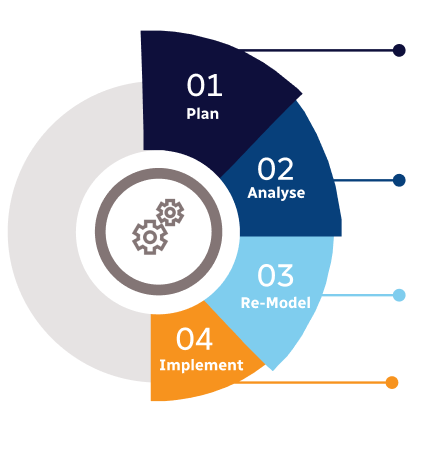
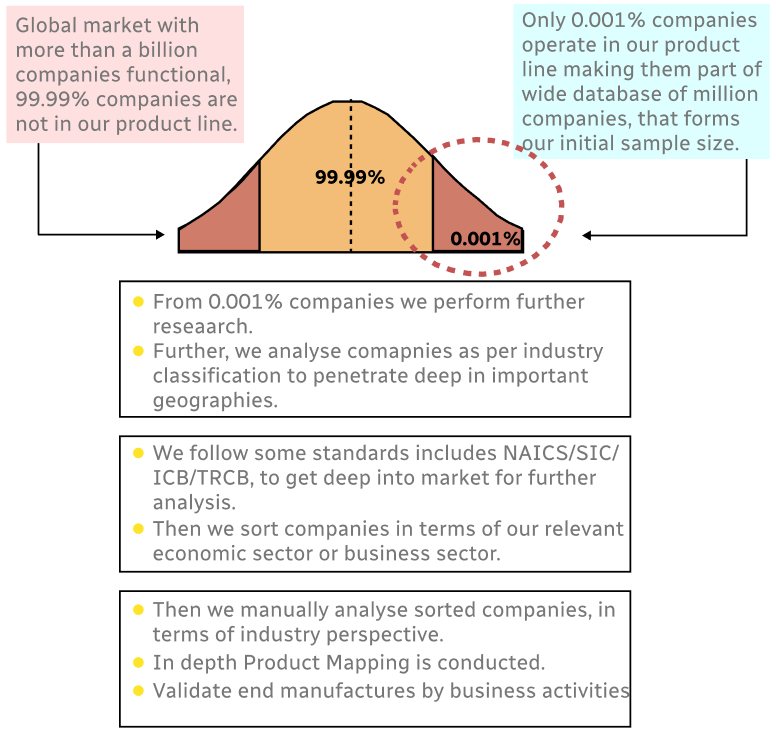
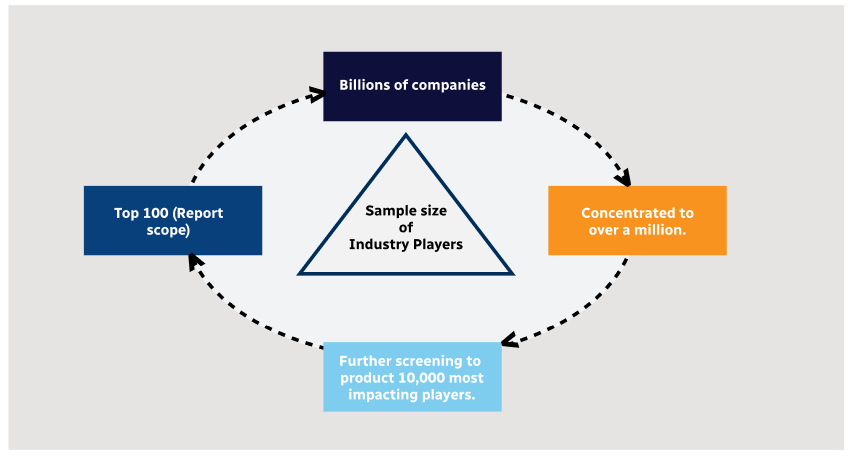
Step 1 - Identification of Relevant Samples Size from Population Database
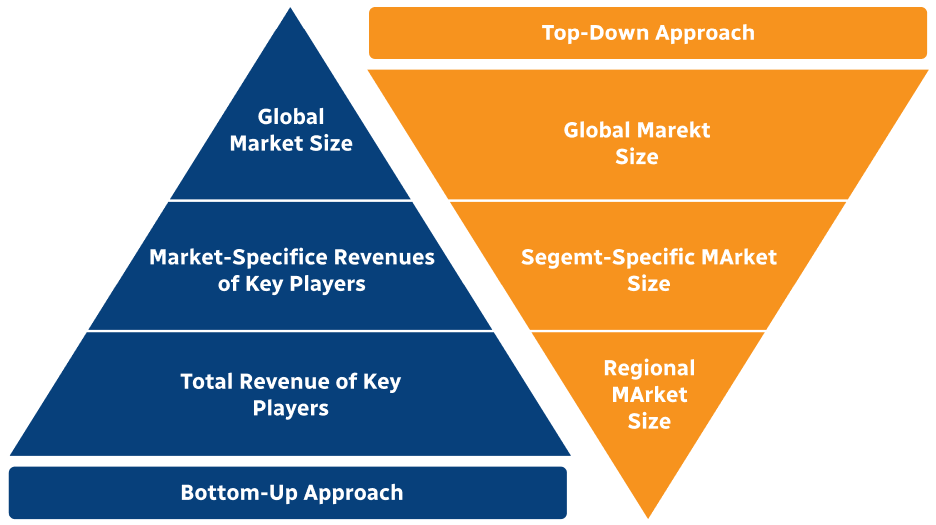
Step 2 - Approaches for Defining Global Market Size (Value, Volume* & Price*)
Note*: In applicable scenarios
Step 3 - Data Sources
Primary Research
- Web Analytics
- Survey Reports
- Research Institute
- Latest Research Reports
- Opinion Leaders
Secondary Research
- Annual Reports
- White Paper
- Latest Press Release
- Industry Association
- Paid Database
- Investor Presentations
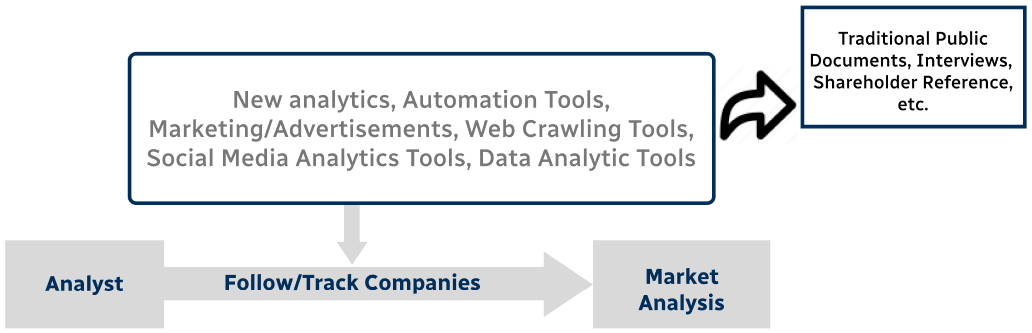
Step 4 - Data Triangulation
Involves using different sources of information in order to increase the validity of a study
These sources are likely to be stakeholders in a program - participants, other researchers, program staff, other community members, and so on.
Then we put all data in single framework & apply various statistical tools to find out the dynamic on the market.
During the analysis stage, feedback from the stakeholder groups would be compared to determine areas of agreement as well as areas of divergence


