



Key Insights
The Europe Commercial Aircraft Cabin Seating Market is poised for significant expansion, projected to reach $7.1 billion in 2025 and grow at a robust Compound Annual Growth Rate (CAGR) of 7.8% through 2033. This growth is primarily fueled by a confluence of factors, including the increasing demand for air travel across the continent, driving fleet expansion and the need for cabin modernization. Airlines are actively investing in upgrading their seating to enhance passenger comfort, improve fuel efficiency through lighter materials, and incorporate advanced features that differentiate their offerings in a competitive landscape. The rise in narrowbody aircraft, favored for their efficiency on short-to-medium haul routes, is a key driver, necessitating a substantial volume of seating solutions. Furthermore, the continuous development of innovative and ergonomic seating designs, coupled with advancements in manufacturing technologies, contributes to this upward trajectory.

Europe Commercial Aircraft Cabin Seating Market Market Size (In Billion)

The market dynamics are further shaped by key trends such as the growing emphasis on sustainability and lightweight materials, pushing manufacturers to explore eco-friendly options without compromising durability or passenger experience. The integration of smart technologies and connectivity within seating is also becoming a prominent trend, aligning with evolving passenger expectations. While the market demonstrates strong growth potential, it faces certain restraints. These include stringent regulatory requirements for aircraft safety and certification, which can increase development timelines and costs. Additionally, fluctuations in raw material prices and global economic uncertainties can impact airline capital expenditures, potentially influencing seating order volumes. Despite these challenges, the relentless demand for enhanced passenger comfort, coupled with the continuous refresh cycle of aircraft cabins, ensures a promising outlook for the European commercial aircraft cabin seating sector.

Europe Commercial Aircraft Cabin Seating Market Company Market Share

This in-depth report provides a detailed analysis of the Europe commercial aircraft cabin seating market, encompassing a comprehensive forecast period from 2025 to 2033, with historical data from 2019 to 2024 and a base year of 2025. Delve into market structure, growth drivers, competitive landscape, and future outlook for this vital aviation sector. The report covers key segments including Narrowbody aircraft seating and Widebody aircraft seating, and features insights from leading companies such as Expliseat, Safran, Recaro Group, STELIA Aerospace (Airbus Atlantic Merginac), Thompson Aero Seating, Jamco Corporation, Adient Aerospace, Collins Aerospace, and ZIM Aircraft Seating GmbH.
Europe Commercial Aircraft Cabin Seating Market Market Structure & Competitive Dynamics
The Europe commercial aircraft cabin seating market exhibits a moderately concentrated structure, with a few dominant players holding significant market share, alongside a growing number of specialized manufacturers. Innovation ecosystems are robust, driven by an intense focus on passenger comfort, weight reduction, and enhanced passenger experience. Regulatory frameworks, primarily dictated by EASA (European Union Aviation Safety Agency), ensure stringent safety and performance standards for all aircraft cabin components, including seating. Product substitutes, while limited within the core seating function, emerge in the form of different material compositions, modular designs, and integrated technologies that enhance the overall cabin offering. End-user trends are strongly influenced by airline operational efficiency goals and passenger expectations for personalized comfort and connectivity. Mergers and acquisitions (M&A) activities, while not rampant, are strategic, aiming to consolidate market presence, acquire new technologies, or expand product portfolios. For instance, the integration of STELIA Aerospace into Airbus Atlantic signals a trend towards larger, more integrated aerospace entities. The market share distribution sees major players like Collins Aerospace and Safran leading, with others like Recaro Group and Thompson Aero Seating commanding substantial portions, particularly in premium and niche segments. M&A deal values are typically in the hundreds of millions of dollars, reflecting the strategic importance of acquiring specialized cabin interior capabilities.
- Market Concentration: Moderately concentrated with key players and emerging niche manufacturers.
- Innovation Ecosystems: Driven by comfort, weight reduction, and passenger experience technologies.
- Regulatory Frameworks: Governed by EASA for safety and performance.
- Product Substitutes: Primarily in material innovation, modularity, and integrated cabin solutions.
- End-User Trends: Focus on airline economics, passenger comfort, and connectivity.
- M&A Activities: Strategic consolidations for technology acquisition and portfolio expansion.
Europe Commercial Aircraft Cabin Seating Market Industry Trends & Insights
The Europe commercial aircraft cabin seating market is poised for significant expansion, projected to grow at a Compound Annual Growth Rate (CAGR) of approximately 4.5% over the forecast period. This growth is primarily propelled by the sustained recovery and expansion of the European aviation industry, coupled with fleet modernization initiatives by airlines. The increasing demand for narrowbody aircraft, driven by their operational efficiency and suitability for short-to-medium haul routes, directly fuels the market for corresponding cabin seating solutions. Furthermore, advancements in lightweight materials, such as advanced composites and recycled plastics, are revolutionizing seat design, leading to substantial fuel savings for airlines and a reduced environmental footprint. The integration of smart technologies, including in-seat power, personalized entertainment systems, and connectivity solutions, is becoming a standard expectation for passengers, compelling manufacturers to innovate beyond traditional seating functionalities. The competitive dynamics are characterized by a strong emphasis on research and development, with companies investing heavily in next-generation seating concepts that offer superior ergonomics, modularity for easier maintenance and reconfiguration, and enhanced passenger well-being. The resurgence of air travel post-pandemic, coupled with the introduction of new aircraft models by major manufacturers like Airbus and Boeing, presents substantial opportunities for seating suppliers. Consumer preferences are increasingly leaning towards customizable seating options and a more premium experience, even in economy class, pushing manufacturers to offer a wider range of configurations and amenities. The penetration of advanced seating technologies is accelerating, with airlines prioritizing investments that enhance passenger satisfaction and operational cost-effectiveness.
Dominant Markets & Segments in Europe Commercial Aircraft Cabin Seating Market
The Narrowbody aircraft segment is projected to be the dominant force within the Europe commercial aircraft cabin seating market throughout the forecast period. This dominance is underpinned by several critical factors. Firstly, the significant proportion of narrowbody aircraft in the fleets of European carriers, driven by their cost-effectiveness for high-frequency, short-to-medium haul routes that form the backbone of intra-European travel. Airlines are continuously modernizing their narrowbody fleets to improve fuel efficiency and passenger capacity, leading to a consistent demand for new seating solutions. The economic policies supporting budget airlines and the continued growth of low-cost carrier (LCC) models in Europe further amplify the demand for narrowbody seating. Infrastructure development, including the expansion of regional airports and the increased connectivity between secondary cities, also favors the operational profile of narrowbody aircraft.
- Key Drivers for Narrowbody Dominance:
- Fleet Modernization: Airlines replacing older narrowbody aircraft with newer, more fuel-efficient models.
- Low-Cost Carrier Growth: The sustained popularity of LCCs, which predominantly operate narrowbody fleets.
- Operational Efficiency: Narrowbody aircraft offer superior fuel efficiency and flexibility for short-haul routes.
- Intra-European Travel Demand: The high volume of passenger traffic within Europe, largely served by narrowbody aircraft.
- Economic Policies: Favorable policies for aviation and tourism supporting the growth of short-haul travel.
While the Widebody aircraft segment represents a smaller portion of the overall market volume, it remains critically important, particularly for long-haul international routes that are vital for Europe's global connectivity. The demand for widebody seating is influenced by the growth in premium travel, the introduction of new widebody aircraft models with advanced cabin configurations, and the need for enhanced passenger comfort on extended journeys. Airlines investing in widebody fleets are seeking innovative seating solutions that differentiate their premium cabins and improve the overall passenger experience, driving demand for higher-value, more sophisticated seating products. The economic policies related to international trade and tourism also play a role in the demand for widebody travel.
- Key Drivers for Widebody Significance:
- Long-Haul Route Demand: Essential for intercontinental connectivity and global tourism.
- Premium Cabin Growth: Increasing demand for enhanced comfort and amenities in business and first-class.
- New Aircraft Introductions: The deployment of next-generation widebody aircraft with advanced cabin designs.
- Passenger Experience Focus: Airlines prioritizing passenger comfort and in-flight services for long-duration flights.
Europe Commercial Aircraft Cabin Seating Market Product Innovations
The Europe commercial aircraft cabin seating market is witnessing a surge in product innovations focused on enhancing passenger comfort, reducing weight, and improving operational efficiency. Manufacturers are increasingly leveraging advanced composite materials to create lighter yet more durable seats, directly contributing to fuel savings for airlines. The trend towards modular seat designs allows for easier customization and rapid reconfiguration of cabin layouts, adapting to evolving airline needs and passenger demands. Integration of smart technologies, such as personalized in-flight entertainment systems, ubiquitous charging ports, and ambient lighting, is becoming a standard offering, elevating the passenger experience. These innovations provide a significant competitive advantage by offering airlines differentiated cabin interiors that attract and retain passengers, while simultaneously optimizing operational costs. The market fit for these innovations is strong, driven by the airline industry's continuous pursuit of improved passenger satisfaction and economic viability.
Report Segmentation & Scope
This report meticulously segments the Europe commercial aircraft cabin seating market by Aircraft Type, specifically focusing on the Narrowbody and Widebody segments. The Narrowbody segment is expected to experience robust growth, driven by the high volume of short-to-medium haul flights in Europe and ongoing fleet modernization efforts by airlines. Market sizes within this segment are substantial due to the sheer number of narrowbody aircraft operated. The Widebody segment, while representing a smaller volume, is characterized by a higher average selling price per seat, driven by the demand for premium cabin features and enhanced comfort on long-haul international routes. Growth projections for both segments are analyzed within the context of evolving airline strategies and passenger preferences.
Key Drivers of Europe Commercial Aircraft Cabin Seating Market Growth
Several key drivers are propelling the growth of the Europe commercial aircraft cabin seating market.
- Fleet Modernization & Expansion: European airlines are continuously investing in new, more fuel-efficient aircraft, driving demand for the latest seating technologies. The expansion of fleets to meet recovering air travel demand further fuels this growth.
- Passenger Experience Enhancement: Airlines are increasingly differentiating themselves through superior passenger comfort and in-cabin amenities, pushing manufacturers to innovate with lighter, more ergonomic, and feature-rich seating solutions.
- Technological Advancements: Innovations in lightweight materials, such as advanced composites, and the integration of in-flight entertainment, power, and connectivity systems are key growth accelerators.
- Regulatory Compliance and Safety Standards: Stringent safety regulations necessitate continuous upgrades and adherence to the highest standards, creating a stable demand for compliant seating.
- Growth of Low-Cost Carriers (LCCs): The expanding LCC sector in Europe, with its focus on high-density seating configurations, is a significant driver for narrowbody seating solutions.
Challenges in the Europe Commercial Aircraft Cabin Seating Market Sector
Despite the positive growth outlook, the Europe commercial aircraft cabin seating market faces several challenges.
- Supply Chain Volatility: Disruptions in global supply chains for raw materials and components can lead to production delays and increased costs.
- Intense Competition and Price Pressures: The highly competitive landscape often leads to significant price pressures, impacting profit margins for manufacturers.
- Economic Downturns and Geopolitical Instability: Global economic slowdowns or geopolitical events can negatively impact air travel demand, thereby affecting seating orders.
- Evolving Environmental Regulations: Increasingly stringent environmental regulations may require significant investment in research and development for sustainable seating materials and manufacturing processes.
- Lead Times and Customization Demands: Long lead times for aircraft manufacturing and the diverse customization requirements from airlines can pose logistical and operational challenges.
Leading Players in the Europe Commercial Aircraft Cabin Seating Market Market
- Expliseat
- Safran
- Recaro Group
- STELIA Aerospace (Airbus Atlantic Merginac)
- Thompson Aero Seating
- Jamco Corporation
- Adient Aerospace
- Collins Aerospace
- ZIM Aircraft Seating GmbH
Key Developments in Europe Commercial Aircraft Cabin Seating Market Sector
- June 2022: Recaro Aircraft Seating was selected by KLM Royal Dutch Airlines (KLM), Transavia France, and Netherlands-based Transavia Airlines to outfit new Airbus aircraft with economy class seats.
- June 2022: STELIA Aerospace and AERQ collaborated on Cabin Digital Signage integration of OPERA seats for the A320neo family.
- May 2022: Thompson Aero Seating launched its next-generation VantageXL.
Strategic Europe Commercial Aircraft Cabin Seating Market Market Outlook
The strategic outlook for the Europe commercial aircraft cabin seating market remains exceptionally strong, driven by a confluence of factors including post-pandemic air travel recovery, ongoing fleet modernization, and an unwavering focus on passenger experience. Growth accelerators lie in the continued innovation of lightweight, sustainable, and technologically integrated seating solutions that cater to both the efficiency demands of airlines and the evolving expectations of travelers. The increasing adoption of advanced materials and modular designs will enable airlines to optimize cabin configurations and reduce operational costs. Furthermore, the growing demand for premium cabin experiences on long-haul flights presents significant opportunities for manufacturers specializing in high-end seating. Strategic partnerships and collaborations between seating suppliers, aircraft manufacturers, and airlines will be crucial for staying ahead of market trends and co-developing next-generation cabin interiors. The market is well-positioned for sustained growth as the aviation industry continues to prioritize comfort, efficiency, and passenger satisfaction.
Europe Commercial Aircraft Cabin Seating Market Segmentation
-
1. Aircraft Type
- 1.1. Narrowbody
- 1.2. Widebody
Europe Commercial Aircraft Cabin Seating Market Segmentation By Geography
-
1. Europe
- 1.1. United Kingdom
- 1.2. Germany
- 1.3. France
- 1.4. Italy
- 1.5. Spain
- 1.6. Netherlands
- 1.7. Belgium
- 1.8. Sweden
- 1.9. Norway
- 1.10. Poland
- 1.11. Denmark

Europe Commercial Aircraft Cabin Seating Market Regional Market Share

Geographic Coverage of Europe Commercial Aircraft Cabin Seating Market
Europe Commercial Aircraft Cabin Seating Market REPORT HIGHLIGHTS
| Aspects | Details |
|---|---|
| Study Period | 2020-2034 |
| Base Year | 2025 |
| Estimated Year | 2026 |
| Forecast Period | 2026-2034 |
| Historical Period | 2020-2025 |
| Growth Rate | CAGR of 7.8% from 2020-2034 |
| Segmentation |
|
Table of Contents
- 1. Introduction
- 1.1. Research Scope
- 1.2. Market Segmentation
- 1.3. Research Methodology
- 1.4. Definitions and Assumptions
- 2. Executive Summary
- 2.1. Introduction
- 3. Market Dynamics
- 3.1. Introduction
- 3.2. Market Drivers
- 3.3. Market Restrains
- 3.4. Market Trends
- 3.4.1. OTHER KEY INDUSTRY TRENDS COVERED IN THE REPORT
- 4. Market Factor Analysis
- 4.1. Porters Five Forces
- 4.2. Supply/Value Chain
- 4.3. PESTEL analysis
- 4.4. Market Entropy
- 4.5. Patent/Trademark Analysis
- 5. Europe Commercial Aircraft Cabin Seating Market Analysis, Insights and Forecast, 2020-2032
- 5.1. Market Analysis, Insights and Forecast - by Aircraft Type
- 5.1.1. Narrowbody
- 5.1.2. Widebody
- 5.2. Market Analysis, Insights and Forecast - by Region
- 5.2.1. Europe
- 5.1. Market Analysis, Insights and Forecast - by Aircraft Type
- 6. Competitive Analysis
- 6.1. Market Share Analysis 2025
- 6.2. Company Profiles
- 6.2.1 Expliseat
- 6.2.1.1. Overview
- 6.2.1.2. Products
- 6.2.1.3. SWOT Analysis
- 6.2.1.4. Recent Developments
- 6.2.1.5. Financials (Based on Availability)
- 6.2.2 Safran
- 6.2.2.1. Overview
- 6.2.2.2. Products
- 6.2.2.3. SWOT Analysis
- 6.2.2.4. Recent Developments
- 6.2.2.5. Financials (Based on Availability)
- 6.2.3 Recaro Group
- 6.2.3.1. Overview
- 6.2.3.2. Products
- 6.2.3.3. SWOT Analysis
- 6.2.3.4. Recent Developments
- 6.2.3.5. Financials (Based on Availability)
- 6.2.4 STELIA Aerospace (Airbus Atlantic Merginac)
- 6.2.4.1. Overview
- 6.2.4.2. Products
- 6.2.4.3. SWOT Analysis
- 6.2.4.4. Recent Developments
- 6.2.4.5. Financials (Based on Availability)
- 6.2.5 Thompson Aero Seating
- 6.2.5.1. Overview
- 6.2.5.2. Products
- 6.2.5.3. SWOT Analysis
- 6.2.5.4. Recent Developments
- 6.2.5.5. Financials (Based on Availability)
- 6.2.6 Jamco Corporation
- 6.2.6.1. Overview
- 6.2.6.2. Products
- 6.2.6.3. SWOT Analysis
- 6.2.6.4. Recent Developments
- 6.2.6.5. Financials (Based on Availability)
- 6.2.7 Adient Aerospace
- 6.2.7.1. Overview
- 6.2.7.2. Products
- 6.2.7.3. SWOT Analysis
- 6.2.7.4. Recent Developments
- 6.2.7.5. Financials (Based on Availability)
- 6.2.8 Collins Aerospace
- 6.2.8.1. Overview
- 6.2.8.2. Products
- 6.2.8.3. SWOT Analysis
- 6.2.8.4. Recent Developments
- 6.2.8.5. Financials (Based on Availability)
- 6.2.9 ZIM Aircraft Seating Gmb
- 6.2.9.1. Overview
- 6.2.9.2. Products
- 6.2.9.3. SWOT Analysis
- 6.2.9.4. Recent Developments
- 6.2.9.5. Financials (Based on Availability)
- 6.2.1 Expliseat
List of Figures
- Figure 1: Europe Commercial Aircraft Cabin Seating Market Revenue Breakdown (billion, %) by Product 2025 & 2033
- Figure 2: Europe Commercial Aircraft Cabin Seating Market Share (%) by Company 2025
List of Tables
- Table 1: Europe Commercial Aircraft Cabin Seating Market Revenue billion Forecast, by Aircraft Type 2020 & 2033
- Table 2: Europe Commercial Aircraft Cabin Seating Market Revenue billion Forecast, by Region 2020 & 2033
- Table 3: Europe Commercial Aircraft Cabin Seating Market Revenue billion Forecast, by Aircraft Type 2020 & 2033
- Table 4: Europe Commercial Aircraft Cabin Seating Market Revenue billion Forecast, by Country 2020 & 2033
- Table 5: United Kingdom Europe Commercial Aircraft Cabin Seating Market Revenue (billion) Forecast, by Application 2020 & 2033
- Table 6: Germany Europe Commercial Aircraft Cabin Seating Market Revenue (billion) Forecast, by Application 2020 & 2033
- Table 7: France Europe Commercial Aircraft Cabin Seating Market Revenue (billion) Forecast, by Application 2020 & 2033
- Table 8: Italy Europe Commercial Aircraft Cabin Seating Market Revenue (billion) Forecast, by Application 2020 & 2033
- Table 9: Spain Europe Commercial Aircraft Cabin Seating Market Revenue (billion) Forecast, by Application 2020 & 2033
- Table 10: Netherlands Europe Commercial Aircraft Cabin Seating Market Revenue (billion) Forecast, by Application 2020 & 2033
- Table 11: Belgium Europe Commercial Aircraft Cabin Seating Market Revenue (billion) Forecast, by Application 2020 & 2033
- Table 12: Sweden Europe Commercial Aircraft Cabin Seating Market Revenue (billion) Forecast, by Application 2020 & 2033
- Table 13: Norway Europe Commercial Aircraft Cabin Seating Market Revenue (billion) Forecast, by Application 2020 & 2033
- Table 14: Poland Europe Commercial Aircraft Cabin Seating Market Revenue (billion) Forecast, by Application 2020 & 2033
- Table 15: Denmark Europe Commercial Aircraft Cabin Seating Market Revenue (billion) Forecast, by Application 2020 & 2033
Frequently Asked Questions
1. What is the projected Compound Annual Growth Rate (CAGR) of the Europe Commercial Aircraft Cabin Seating Market?
The projected CAGR is approximately 7.8%.
2. Which companies are prominent players in the Europe Commercial Aircraft Cabin Seating Market?
Key companies in the market include Expliseat, Safran, Recaro Group, STELIA Aerospace (Airbus Atlantic Merginac), Thompson Aero Seating, Jamco Corporation, Adient Aerospace, Collins Aerospace, ZIM Aircraft Seating Gmb.
3. What are the main segments of the Europe Commercial Aircraft Cabin Seating Market?
The market segments include Aircraft Type.
4. Can you provide details about the market size?
The market size is estimated to be USD 7.1 billion as of 2022.
5. What are some drivers contributing to market growth?
N/A
6. What are the notable trends driving market growth?
OTHER KEY INDUSTRY TRENDS COVERED IN THE REPORT.
7. Are there any restraints impacting market growth?
N/A
8. Can you provide examples of recent developments in the market?
June 2022: Recaro Aircraft Seating was selected by KLM Royal Dutch Airlines (KLM), Transavia France, and Netherlands-based Transavia Airlines to outfit new Airbus aircraft with economy class seats.June 2022: STELIA Aerospace and AERQ to collaborate on Cabin Digital Signage integration of OPERA seats for the A320neo family.May 2022: Thompson Aero Seating launches next generation VantageXL.
9. What pricing options are available for accessing the report?
Pricing options include single-user, multi-user, and enterprise licenses priced at USD 3800, USD 4500, and USD 5800 respectively.
10. Is the market size provided in terms of value or volume?
The market size is provided in terms of value, measured in billion.
11. Are there any specific market keywords associated with the report?
Yes, the market keyword associated with the report is "Europe Commercial Aircraft Cabin Seating Market," which aids in identifying and referencing the specific market segment covered.
12. How do I determine which pricing option suits my needs best?
The pricing options vary based on user requirements and access needs. Individual users may opt for single-user licenses, while businesses requiring broader access may choose multi-user or enterprise licenses for cost-effective access to the report.
13. Are there any additional resources or data provided in the Europe Commercial Aircraft Cabin Seating Market report?
While the report offers comprehensive insights, it's advisable to review the specific contents or supplementary materials provided to ascertain if additional resources or data are available.
14. How can I stay updated on further developments or reports in the Europe Commercial Aircraft Cabin Seating Market?
To stay informed about further developments, trends, and reports in the Europe Commercial Aircraft Cabin Seating Market, consider subscribing to industry newsletters, following relevant companies and organizations, or regularly checking reputable industry news sources and publications.
Methodology
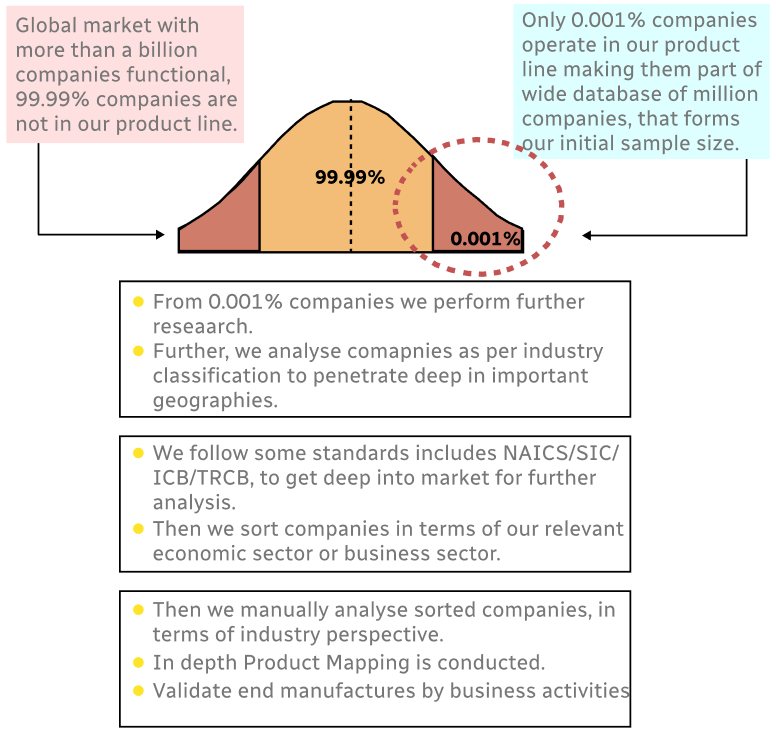
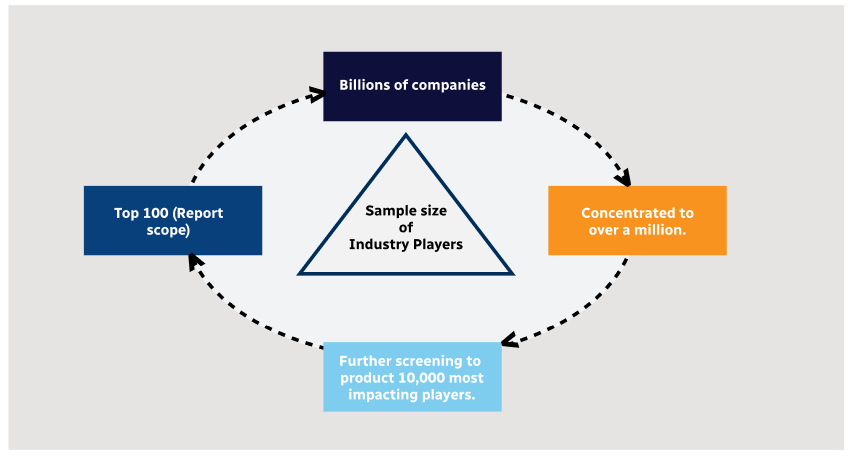
Step 1 - Identification of Relevant Samples Size from Population Database
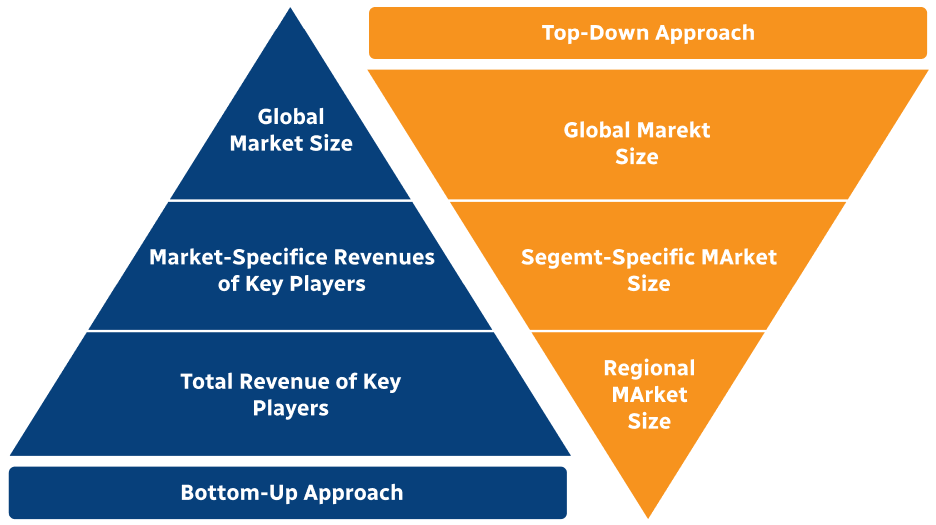
Step 2 - Approaches for Defining Global Market Size (Value, Volume* & Price*)
Note*: In applicable scenarios
Step 3 - Data Sources
Primary Research
- Web Analytics
- Survey Reports
- Research Institute
- Latest Research Reports
- Opinion Leaders
Secondary Research
- Annual Reports
- White Paper
- Latest Press Release
- Industry Association
- Paid Database
- Investor Presentations
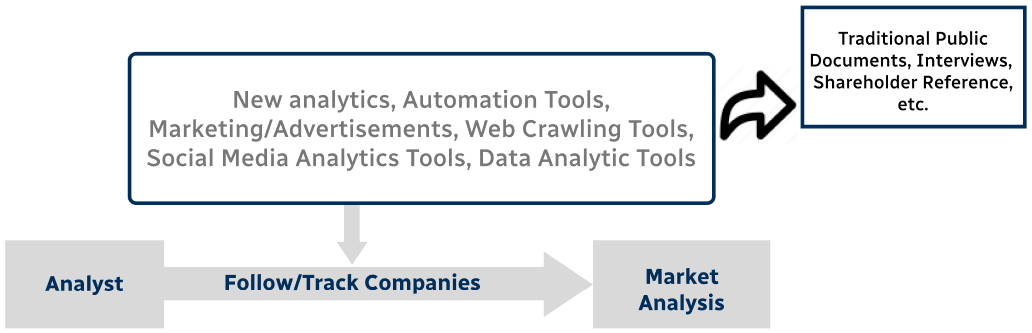
Step 4 - Data Triangulation
Involves using different sources of information in order to increase the validity of a study
These sources are likely to be stakeholders in a program - participants, other researchers, program staff, other community members, and so on.
Then we put all data in single framework & apply various statistical tools to find out the dynamic on the market.
During the analysis stage, feedback from the stakeholder groups would be compared to determine areas of agreement as well as areas of divergence


