



Key Insights
The global Ethanolamines market is poised for robust expansion, projected to reach approximately $3.1 billion in 2024, driven by a 5% CAGR through 2033. This growth trajectory is underpinned by the indispensable role of ethanolamines across a diverse spectrum of industries, including agriculture, construction, personal care, and oil and gas. In agriculture, these versatile compounds serve as crucial intermediates in the synthesis of herbicides and pesticides, contributing to enhanced crop yields and food security. The construction sector leverages ethanolamines in cement grinding aids and concrete admixtures, improving performance and durability. Furthermore, their applications in personal care products as emulsifiers and pH adjusters, and in the oil and gas industry for gas sweetening and corrosion inhibition, underscore their broad utility. Emerging economies, particularly in Asia Pacific, are expected to be significant contributors to this market expansion due to rapid industrialization and increasing demand for downstream products.
The market's dynamism is further shaped by key trends such as the growing preference for bio-based ethanolamines, driven by sustainability initiatives and environmental regulations. Innovations in production processes are also contributing to market growth by enhancing efficiency and reducing environmental impact. However, the market faces certain restraints, including the volatile pricing of raw materials, primarily ethylene oxide, and stringent environmental regulations concerning production and handling. Despite these challenges, the persistent demand from established end-user industries and the continuous exploration of new applications are expected to propel the ethanolamines market forward. Key players are actively investing in research and development to create innovative solutions and expand their global footprint, anticipating sustained demand and capitalizing on emerging opportunities.
Unlock critical insights into the global Ethanolamines market with our in-depth report. Spanning the historical period of 2019–2024 and projecting growth through 2033, with a base and estimated year of 2025, this comprehensive analysis delves into market dynamics, segmentation, key players, and future outlook. Discover the burgeoning opportunities within Monoethanolamine (MEA), Diethanolamine (DEA), and Triethanolamine (TEA) across vital end-user industries including Agriculture, Construction, Personal Care, Oil and Gas, Metallurgy and Metalworking, and Textiles. With an estimated market size projected to reach hundreds of billions of dollars, this report is essential for stakeholders seeking to navigate and capitalize on the evolving Ethanolamines industry landscape.
Ethanolamines Industry Market Structure & Competitive Dynamics
The global Ethanolamines industry is characterized by a moderately concentrated market structure, with key players like Sintez OKA Group of Companies, Indorama Ventures Limited, China Petrochemical Corporation, Nouryon, INEOS, OUCC, BASF SE, LyondellBasell Industries Holdings B V, SABIC, Dow, and Jiaxing Jinyan Chemical Co Ltd holding significant market shares. Innovation ecosystems are driven by continuous research and development focused on optimizing production processes, enhancing product purity, and exploring new applications for MEA, DEA, and TEA. Regulatory frameworks primarily revolve around environmental compliance, safety standards, and chemical handling regulations across different regions, influencing production costs and market entry barriers. Product substitutes, while present in certain niche applications, are generally less cost-effective or performance-driven compared to ethanolamines, especially in core applications like gas treating and surfactants. End-user trends are predominantly shaped by the growth of downstream industries. For instance, increasing demand for personal care products fuels growth in the TEA segment, while the oil and gas sector's need for efficient gas sweetening solutions bolsters MEA and DEA consumption. Mergers and acquisitions (M&A) activities are strategic moves by leading companies to consolidate market presence, acquire advanced technologies, and expand geographic reach. For example, recent M&A deals in the chemical sector, with values often in the billions, underscore the strategic importance of inorganic growth for major ethanolamine producers.
Ethanolamines Industry Industry Trends & Insights
The Ethanolamines industry is poised for robust growth, driven by several key factors. The increasing global population and urbanization are spurring demand for products in end-user industries such as construction and personal care, directly translating to higher consumption of ethanolamines. For instance, the construction sector's reliance on cement additives, where TEA acts as a grinding aid, is a significant growth driver. Similarly, the expanding personal care market, with its demand for surfactants and emulsifiers derived from ethanolamines, is a substantial contributor. The oil and gas industry's ongoing need for effective gas sweetening solutions, primarily utilizing MEA and DEA to remove acidic gases like H2S and CO2, continues to be a cornerstone of market demand, particularly as exploration and production activities persist globally.
Technological disruptions are playing a crucial role in shaping the industry. Advancements in production technologies are leading to more efficient and cost-effective manufacturing of MEA, DEA, and TEA, with a focus on reducing energy consumption and environmental impact. Furthermore, research into novel applications for ethanolamines, such as their use in advanced materials, pharmaceuticals, and as intermediates in the synthesis of other chemicals, is opening up new market avenues.
Consumer preferences are increasingly leaning towards sustainable and eco-friendly products. This trend is influencing manufacturers to explore bio-based ethanolamines and greener production processes, creating opportunities for companies that can offer sustainable solutions. The growing awareness of health and safety also drives demand for high-purity ethanolamines, particularly in the personal care and pharmaceutical sectors.
Competitive dynamics are characterized by a blend of established global players and emerging regional manufacturers. Strategic partnerships, capacity expansions, and vertical integration are key strategies employed by companies to maintain and enhance their market positions. The global CAGR for the ethanolamines market is projected to be robust, driven by these evolving trends and the inherent utility of these versatile chemicals. Market penetration is deepening across various end-user segments, indicating a steady and sustained demand across diverse economic activities.
Dominant Markets & Segments in Ethanolamines Industry
The global Ethanolamines market exhibits strong regional dominance, with Asia-Pacific currently leading in terms of market size and growth potential. This leadership is attributed to rapid industrialization, significant manufacturing capabilities, and a burgeoning consumer base within countries like China and India. Economic policies that support industrial growth, coupled with substantial investments in infrastructure development, particularly in construction and manufacturing, directly fuel the demand for ethanolamines.
Dominant Segments by Product Type:
- Monoethanolamine (MEA): MEA is a dominant product due to its extensive use in gas treating within the oil and gas industry, a sector with significant global presence and continuous demand. Its application in the production of detergents and as a precursor for other chemicals also contributes to its leading position. The economic policies supporting energy production and refining directly impact MEA demand.
- Diethanolamine (DEA): DEA holds a significant market share, primarily driven by its applications in herbicides, pharmaceuticals, and as a corrosion inhibitor. The growth in the agriculture sector, especially in emerging economies, and the continuous need for pharmaceutical ingredients bolster DEA consumption. Regulatory support for agricultural productivity enhances its market penetration.
- Triethanolamine (TEA): TEA is a crucial component in the construction industry as a cement grinding additive, enhancing its performance and workability. Its widespread use in personal care products as an emulsifier, pH adjuster, and surfactant further solidifies its position. The global expansion of the construction sector and the ever-growing personal care market are key drivers for TEA dominance.
Dominant Segments by End-User Industry:
- Oil and Gas: This sector is a powerhouse for ethanolamines, particularly MEA and DEA, for gas sweetening processes. The sustained global demand for energy, coupled with advancements in extraction technologies, ensures a consistent and growing market for ethanolamines. Government policies supporting energy independence and exploration activities significantly influence this segment.
- Personal Care: The increasing disposable incomes and evolving consumer preferences for cosmetics, toiletries, and personal hygiene products drive the demand for TEA and, to some extent, MEA and DEA as key ingredients. The growing middle class in developing nations is a major catalyst for this segment's expansion.
- Construction: The global surge in infrastructure development and residential construction projects worldwide makes the construction industry a significant consumer of ethanolamines, especially TEA, for cement production. Emerging economies are witnessing substantial investments in this sector, leading to increased demand.
- Agriculture: The need for effective crop protection chemicals, including herbicides and pesticides, where DEA serves as a key intermediate, propels growth in the agricultural segment. Global food security initiatives and advancements in agricultural practices contribute to sustained demand.
Ethanolamines Industry Product Innovations
Product innovations in the Ethanolamines industry are primarily focused on enhancing product purity, developing more sustainable production methods, and expanding application frontiers. Manufacturers are investing in R&D to create higher-grade ethanolamines with fewer impurities, crucial for sensitive applications in pharmaceuticals and personal care. Furthermore, there's a growing emphasis on developing bio-based ethanolamines and optimizing existing processes to reduce energy consumption and greenhouse gas emissions, aligning with global sustainability goals. These innovations aim to offer competitive advantages by meeting stringent regulatory requirements and catering to the increasing demand for eco-friendly chemical solutions in diverse end-user markets.
Report Segmentation & Scope
This comprehensive report segments the Ethanolamines market by Product Type and End-User Industry, providing granular insights into each category.
- Product Type: The market is analyzed across Monoethanolamine (MEA), Diethanolamine (DEA), and Triethanolamine (TEA). MEA is projected to hold a significant market share due to its extensive use in gas treatment. DEA is driven by its applications in agriculture and pharmaceuticals, while TEA's dominance is fueled by its utility in construction and personal care. Growth projections for each product type reflect their respective application drivers and market penetration strategies.
- End-User Industry: The report examines the Ethanolamines market across Agriculture, Construction, Personal Care, Oil and Gas, Metallurgy and Metalworking, Textile, and Other End-user Industries. The Oil and Gas segment is expected to remain a leading revenue generator due to essential gas sweetening applications. The Personal Care and Construction sectors are poised for substantial growth, driven by consumer demand and infrastructure development, respectively. Competitive dynamics within each segment are analyzed to understand market share and growth potential.
Key Drivers of Ethanolamines Industry Growth
The Ethanolamines industry is propelled by several interconnected drivers. The sustained growth in the oil and gas sector for natural gas processing and refining is a primary driver, especially for MEA and DEA applications in gas sweetening. The burgeoning personal care and cosmetics industry, fueled by increasing disposable incomes and evolving consumer preferences, drives demand for TEA as an emulsifier and surfactant. The construction sector's continuous expansion, particularly in emerging economies, creates substantial demand for TEA as a cement grinding additive. Furthermore, the agriculture industry's need for herbicides and other agrochemicals, where DEA is a key intermediate, contributes significantly. Technological advancements in production efficiency and the development of novel applications for ethanolamines in areas like pharmaceuticals and advanced materials also act as crucial growth accelerators.
Challenges in the Ethanolamines Industry Sector
Despite its robust growth, the Ethanolamines industry faces several challenges. Regulatory hurdles concerning environmental impact, chemical safety, and waste disposal can increase compliance costs and influence market access. Volatility in raw material prices, particularly ethylene oxide and ammonia, can impact production costs and profit margins for manufacturers. Intense competition from both established global players and emerging regional manufacturers can lead to price pressures and the need for continuous innovation to maintain market share. Supply chain disruptions, as witnessed in recent global events, can affect the availability and timely delivery of raw materials and finished products. Furthermore, the development of viable substitutes in niche applications, though currently limited, remains a potential long-term challenge.
Leading Players in the Ethanolamines Industry Market
- Sintez OKA Group of Companies
- Indorama Ventures Limited
- China Petrochemical Corporation
- Nouryon
- INEOS
- OUCC
- BASF SE
- LyondellBasell Industries Holdings B V
- SABIC
- Dow
- Jiaxing Jinyan Chemical Co Ltd
Key Developments in Ethanolamines Industry Sector
- April 2022: BASF and SINOPEC announced the expansion of the Verbund site run by BASF-YPC Co., Ltd. (BASF-YPC), a 50-50 joint venture of both firms in Nanjing. The joint venture partners will increase the capacity for producing ethanolamines and other chemicals. This expansion is significant as it bolsters production capabilities in a key Asian market, addressing growing regional demand.
- March 2022: BASF builds a new plant for alkyl ethanolamines at the Antwerp site to increase its global alkyl ethanolamine capacity to 140,000 metric tons per year. This strategic investment enhances BASF's global supply chain resilience and its ability to cater to the increasing demand for alkyl ethanolamines across various industries.
Strategic Ethanolamines Industry Market Outlook
- April 2022: BASF and SINOPEC announced the expansion of the Verbund site run by BASF-YPC Co., Ltd. (BASF-YPC), a 50-50 joint venture of both firms in Nanjing. The joint venture partners will increase the capacity for producing ethanolamines and other chemicals. This expansion is significant as it bolsters production capabilities in a key Asian market, addressing growing regional demand.
- March 2022: BASF builds a new plant for alkyl ethanolamines at the Antwerp site to increase its global alkyl ethanolamine capacity to 140,000 metric tons per year. This strategic investment enhances BASF's global supply chain resilience and its ability to cater to the increasing demand for alkyl ethanolamines across various industries.
Strategic Ethanolamines Industry Market Outlook
The strategic outlook for the Ethanolamines industry is exceptionally promising, characterized by sustained demand from its core applications and emerging opportunities. Growth accelerators include the increasing global focus on cleaner energy, which will continue to drive demand for gas sweetening solutions utilizing MEA and DEA. The booming personal care and construction sectors, particularly in developing economies, will ensure robust consumption of TEA. Furthermore, ongoing research into novel applications, such as in pharmaceuticals, advanced materials, and as intermediates for specialty chemicals, presents significant potential for market diversification and value addition. Companies that invest in sustainable production practices, high-purity product development, and strategic capacity expansions in high-growth regions will be well-positioned to capitalize on the evolving market landscape and achieve substantial market share gains. The industry is set for continued expansion, driven by innovation and the indispensable nature of ethanolamines across a multitude of essential global industries.
Ethanolamines Industry Segmentation
-
1. Product Type
- 1.1. Monoethanolamine (MEA)
- 1.2. Diethanolamine (DEA)
- 1.3. Triethanolamine (TEA)
-
2. End-user Industry
- 2.1. Agriculture
- 2.2. Construction
- 2.3. Personal Care
- 2.4. Oil and Gas
- 2.5. Metallurgy and Metalworking
- 2.6. Textile
- 2.7. Other End-user Industries
Ethanolamines Industry Segmentation By Geography
-
1. Asia Pacific
- 1.1. China
- 1.2. India
- 1.3. Japan
- 1.4. South Korea
- 1.5. Rest of Asia Pacific
-
2. North America
- 2.1. United States
- 2.2. Canada
- 2.3. Mexico
-
3. Europe
- 3.1. Germany
- 3.2. United Kingdom
- 3.3. Italy
- 3.4. France
- 3.5. Rest of Europe
-
4. South America
- 4.1. Brazil
- 4.2. Argentina
- 4.3. Rest of South America
-
5. Middle East and Africa
- 5.1. Saudi Arabia
- 5.2. South Africa
- 5.3. Rest of Middle East and Africa
Ethanolamines Industry REPORT HIGHLIGHTS
| Aspects | Details |
|---|---|
| Study Period | 2019-2033 |
| Base Year | 2024 |
| Estimated Year | 2025 |
| Forecast Period | 2025-2033 |
| Historical Period | 2019-2024 |
| Growth Rate | CAGR of 5% from 2019-2033 |
| Segmentation |
|
Table of Contents
- 1. Introduction
- 1.1. Research Scope
- 1.2. Market Segmentation
- 1.3. Research Methodology
- 1.4. Definitions and Assumptions
- 2. Executive Summary
- 2.1. Introduction
- 3. Market Dynamics
- 3.1. Introduction
- 3.2. Market Drivers
- 3.2.1. Rapid Industrialization Across the Globe; Growing Construction Activities in the Asia-Pacific Region
- 3.3. Market Restrains
- 3.3.1. Increasing Weed Resistance to Weaken the Demand for Glyphosate
- 3.4. Market Trends
- 3.4.1. Expanding Metallurgy and Metalworking Sector
- 4. Market Factor Analysis
- 4.1. Porters Five Forces
- 4.2. Supply/Value Chain
- 4.3. PESTEL analysis
- 4.4. Market Entropy
- 4.5. Patent/Trademark Analysis
- 5. Global Ethanolamines Industry Analysis, Insights and Forecast, 2019-2031
- 5.1. Market Analysis, Insights and Forecast - by Product Type
- 5.1.1. Monoethanolamine (MEA)
- 5.1.2. Diethanolamine (DEA)
- 5.1.3. Triethanolamine (TEA)
- 5.2. Market Analysis, Insights and Forecast - by End-user Industry
- 5.2.1. Agriculture
- 5.2.2. Construction
- 5.2.3. Personal Care
- 5.2.4. Oil and Gas
- 5.2.5. Metallurgy and Metalworking
- 5.2.6. Textile
- 5.2.7. Other End-user Industries
- 5.3. Market Analysis, Insights and Forecast - by Region
- 5.3.1. Asia Pacific
- 5.3.2. North America
- 5.3.3. Europe
- 5.3.4. South America
- 5.3.5. Middle East and Africa
- 5.1. Market Analysis, Insights and Forecast - by Product Type
- 6. Asia Pacific Ethanolamines Industry Analysis, Insights and Forecast, 2019-2031
- 6.1. Market Analysis, Insights and Forecast - by Product Type
- 6.1.1. Monoethanolamine (MEA)
- 6.1.2. Diethanolamine (DEA)
- 6.1.3. Triethanolamine (TEA)
- 6.2. Market Analysis, Insights and Forecast - by End-user Industry
- 6.2.1. Agriculture
- 6.2.2. Construction
- 6.2.3. Personal Care
- 6.2.4. Oil and Gas
- 6.2.5. Metallurgy and Metalworking
- 6.2.6. Textile
- 6.2.7. Other End-user Industries
- 6.1. Market Analysis, Insights and Forecast - by Product Type
- 7. North America Ethanolamines Industry Analysis, Insights and Forecast, 2019-2031
- 7.1. Market Analysis, Insights and Forecast - by Product Type
- 7.1.1. Monoethanolamine (MEA)
- 7.1.2. Diethanolamine (DEA)
- 7.1.3. Triethanolamine (TEA)
- 7.2. Market Analysis, Insights and Forecast - by End-user Industry
- 7.2.1. Agriculture
- 7.2.2. Construction
- 7.2.3. Personal Care
- 7.2.4. Oil and Gas
- 7.2.5. Metallurgy and Metalworking
- 7.2.6. Textile
- 7.2.7. Other End-user Industries
- 7.1. Market Analysis, Insights and Forecast - by Product Type
- 8. Europe Ethanolamines Industry Analysis, Insights and Forecast, 2019-2031
- 8.1. Market Analysis, Insights and Forecast - by Product Type
- 8.1.1. Monoethanolamine (MEA)
- 8.1.2. Diethanolamine (DEA)
- 8.1.3. Triethanolamine (TEA)
- 8.2. Market Analysis, Insights and Forecast - by End-user Industry
- 8.2.1. Agriculture
- 8.2.2. Construction
- 8.2.3. Personal Care
- 8.2.4. Oil and Gas
- 8.2.5. Metallurgy and Metalworking
- 8.2.6. Textile
- 8.2.7. Other End-user Industries
- 8.1. Market Analysis, Insights and Forecast - by Product Type
- 9. South America Ethanolamines Industry Analysis, Insights and Forecast, 2019-2031
- 9.1. Market Analysis, Insights and Forecast - by Product Type
- 9.1.1. Monoethanolamine (MEA)
- 9.1.2. Diethanolamine (DEA)
- 9.1.3. Triethanolamine (TEA)
- 9.2. Market Analysis, Insights and Forecast - by End-user Industry
- 9.2.1. Agriculture
- 9.2.2. Construction
- 9.2.3. Personal Care
- 9.2.4. Oil and Gas
- 9.2.5. Metallurgy and Metalworking
- 9.2.6. Textile
- 9.2.7. Other End-user Industries
- 9.1. Market Analysis, Insights and Forecast - by Product Type
- 10. Middle East and Africa Ethanolamines Industry Analysis, Insights and Forecast, 2019-2031
- 10.1. Market Analysis, Insights and Forecast - by Product Type
- 10.1.1. Monoethanolamine (MEA)
- 10.1.2. Diethanolamine (DEA)
- 10.1.3. Triethanolamine (TEA)
- 10.2. Market Analysis, Insights and Forecast - by End-user Industry
- 10.2.1. Agriculture
- 10.2.2. Construction
- 10.2.3. Personal Care
- 10.2.4. Oil and Gas
- 10.2.5. Metallurgy and Metalworking
- 10.2.6. Textile
- 10.2.7. Other End-user Industries
- 10.1. Market Analysis, Insights and Forecast - by Product Type
- 11. Asia Pacific Ethanolamines Industry Analysis, Insights and Forecast, 2019-2031
- 11.1. Market Analysis, Insights and Forecast - By Country/Sub-region
- 11.1.1 China
- 11.1.2 India
- 11.1.3 Japan
- 11.1.4 South Korea
- 11.1.5 Rest of Asia Pacific
- 12. North America Ethanolamines Industry Analysis, Insights and Forecast, 2019-2031
- 12.1. Market Analysis, Insights and Forecast - By Country/Sub-region
- 12.1.1 United States
- 12.1.2 Canada
- 12.1.3 Mexico
- 13. Europe Ethanolamines Industry Analysis, Insights and Forecast, 2019-2031
- 13.1. Market Analysis, Insights and Forecast - By Country/Sub-region
- 13.1.1 Germany
- 13.1.2 United Kingdom
- 13.1.3 Italy
- 13.1.4 France
- 13.1.5 Rest of Europe
- 14. South America Ethanolamines Industry Analysis, Insights and Forecast, 2019-2031
- 14.1. Market Analysis, Insights and Forecast - By Country/Sub-region
- 14.1.1 Brazil
- 14.1.2 Argentina
- 14.1.3 Rest of South America
- 15. Middle East and Africa Ethanolamines Industry Analysis, Insights and Forecast, 2019-2031
- 15.1. Market Analysis, Insights and Forecast - By Country/Sub-region
- 15.1.1 Saudi Arabia
- 15.1.2 South Africa
- 15.1.3 Rest of Middle East and Africa
- 16. Competitive Analysis
- 16.1. Global Market Share Analysis 2024
- 16.2. Company Profiles
- 16.2.1 Sintez OKA Group of Companies
- 16.2.1.1. Overview
- 16.2.1.2. Products
- 16.2.1.3. SWOT Analysis
- 16.2.1.4. Recent Developments
- 16.2.1.5. Financials (Based on Availability)
- 16.2.2 Indorama Ventures Limited
- 16.2.2.1. Overview
- 16.2.2.2. Products
- 16.2.2.3. SWOT Analysis
- 16.2.2.4. Recent Developments
- 16.2.2.5. Financials (Based on Availability)
- 16.2.3 China Petrochemical Corporation
- 16.2.3.1. Overview
- 16.2.3.2. Products
- 16.2.3.3. SWOT Analysis
- 16.2.3.4. Recent Developments
- 16.2.3.5. Financials (Based on Availability)
- 16.2.4 Nouryon
- 16.2.4.1. Overview
- 16.2.4.2. Products
- 16.2.4.3. SWOT Analysis
- 16.2.4.4. Recent Developments
- 16.2.4.5. Financials (Based on Availability)
- 16.2.5 INEOS
- 16.2.5.1. Overview
- 16.2.5.2. Products
- 16.2.5.3. SWOT Analysis
- 16.2.5.4. Recent Developments
- 16.2.5.5. Financials (Based on Availability)
- 16.2.6 OUCC
- 16.2.6.1. Overview
- 16.2.6.2. Products
- 16.2.6.3. SWOT Analysis
- 16.2.6.4. Recent Developments
- 16.2.6.5. Financials (Based on Availability)
- 16.2.7 BASF SE
- 16.2.7.1. Overview
- 16.2.7.2. Products
- 16.2.7.3. SWOT Analysis
- 16.2.7.4. Recent Developments
- 16.2.7.5. Financials (Based on Availability)
- 16.2.8 LyondellBasell Industries Holdings B V
- 16.2.8.1. Overview
- 16.2.8.2. Products
- 16.2.8.3. SWOT Analysis
- 16.2.8.4. Recent Developments
- 16.2.8.5. Financials (Based on Availability)
- 16.2.9 SABIC
- 16.2.9.1. Overview
- 16.2.9.2. Products
- 16.2.9.3. SWOT Analysis
- 16.2.9.4. Recent Developments
- 16.2.9.5. Financials (Based on Availability)
- 16.2.10 Dow
- 16.2.10.1. Overview
- 16.2.10.2. Products
- 16.2.10.3. SWOT Analysis
- 16.2.10.4. Recent Developments
- 16.2.10.5. Financials (Based on Availability)
- 16.2.11 Jiaxing Jinyan Chemical Co Ltd
- 16.2.11.1. Overview
- 16.2.11.2. Products
- 16.2.11.3. SWOT Analysis
- 16.2.11.4. Recent Developments
- 16.2.11.5. Financials (Based on Availability)
- 16.2.1 Sintez OKA Group of Companies
List of Figures
- Figure 1: Global Ethanolamines Industry Revenue Breakdown (undefined, %) by Region 2024 & 2032
- Figure 2: Asia Pacific Ethanolamines Industry Revenue (undefined), by Country 2024 & 2032
- Figure 3: Asia Pacific Ethanolamines Industry Revenue Share (%), by Country 2024 & 2032
- Figure 4: North America Ethanolamines Industry Revenue (undefined), by Country 2024 & 2032
- Figure 5: North America Ethanolamines Industry Revenue Share (%), by Country 2024 & 2032
- Figure 6: Europe Ethanolamines Industry Revenue (undefined), by Country 2024 & 2032
- Figure 7: Europe Ethanolamines Industry Revenue Share (%), by Country 2024 & 2032
- Figure 8: South America Ethanolamines Industry Revenue (undefined), by Country 2024 & 2032
- Figure 9: South America Ethanolamines Industry Revenue Share (%), by Country 2024 & 2032
- Figure 10: Middle East and Africa Ethanolamines Industry Revenue (undefined), by Country 2024 & 2032
- Figure 11: Middle East and Africa Ethanolamines Industry Revenue Share (%), by Country 2024 & 2032
- Figure 12: Asia Pacific Ethanolamines Industry Revenue (undefined), by Product Type 2024 & 2032
- Figure 13: Asia Pacific Ethanolamines Industry Revenue Share (%), by Product Type 2024 & 2032
- Figure 14: Asia Pacific Ethanolamines Industry Revenue (undefined), by End-user Industry 2024 & 2032
- Figure 15: Asia Pacific Ethanolamines Industry Revenue Share (%), by End-user Industry 2024 & 2032
- Figure 16: Asia Pacific Ethanolamines Industry Revenue (undefined), by Country 2024 & 2032
- Figure 17: Asia Pacific Ethanolamines Industry Revenue Share (%), by Country 2024 & 2032
- Figure 18: North America Ethanolamines Industry Revenue (undefined), by Product Type 2024 & 2032
- Figure 19: North America Ethanolamines Industry Revenue Share (%), by Product Type 2024 & 2032
- Figure 20: North America Ethanolamines Industry Revenue (undefined), by End-user Industry 2024 & 2032
- Figure 21: North America Ethanolamines Industry Revenue Share (%), by End-user Industry 2024 & 2032
- Figure 22: North America Ethanolamines Industry Revenue (undefined), by Country 2024 & 2032
- Figure 23: North America Ethanolamines Industry Revenue Share (%), by Country 2024 & 2032
- Figure 24: Europe Ethanolamines Industry Revenue (undefined), by Product Type 2024 & 2032
- Figure 25: Europe Ethanolamines Industry Revenue Share (%), by Product Type 2024 & 2032
- Figure 26: Europe Ethanolamines Industry Revenue (undefined), by End-user Industry 2024 & 2032
- Figure 27: Europe Ethanolamines Industry Revenue Share (%), by End-user Industry 2024 & 2032
- Figure 28: Europe Ethanolamines Industry Revenue (undefined), by Country 2024 & 2032
- Figure 29: Europe Ethanolamines Industry Revenue Share (%), by Country 2024 & 2032
- Figure 30: South America Ethanolamines Industry Revenue (undefined), by Product Type 2024 & 2032
- Figure 31: South America Ethanolamines Industry Revenue Share (%), by Product Type 2024 & 2032
- Figure 32: South America Ethanolamines Industry Revenue (undefined), by End-user Industry 2024 & 2032
- Figure 33: South America Ethanolamines Industry Revenue Share (%), by End-user Industry 2024 & 2032
- Figure 34: South America Ethanolamines Industry Revenue (undefined), by Country 2024 & 2032
- Figure 35: South America Ethanolamines Industry Revenue Share (%), by Country 2024 & 2032
- Figure 36: Middle East and Africa Ethanolamines Industry Revenue (undefined), by Product Type 2024 & 2032
- Figure 37: Middle East and Africa Ethanolamines Industry Revenue Share (%), by Product Type 2024 & 2032
- Figure 38: Middle East and Africa Ethanolamines Industry Revenue (undefined), by End-user Industry 2024 & 2032
- Figure 39: Middle East and Africa Ethanolamines Industry Revenue Share (%), by End-user Industry 2024 & 2032
- Figure 40: Middle East and Africa Ethanolamines Industry Revenue (undefined), by Country 2024 & 2032
- Figure 41: Middle East and Africa Ethanolamines Industry Revenue Share (%), by Country 2024 & 2032
List of Tables
- Table 1: Global Ethanolamines Industry Revenue undefined Forecast, by Region 2019 & 2032
- Table 2: Global Ethanolamines Industry Revenue undefined Forecast, by Product Type 2019 & 2032
- Table 3: Global Ethanolamines Industry Revenue undefined Forecast, by End-user Industry 2019 & 2032
- Table 4: Global Ethanolamines Industry Revenue undefined Forecast, by Region 2019 & 2032
- Table 5: Global Ethanolamines Industry Revenue undefined Forecast, by Country 2019 & 2032
- Table 6: China Ethanolamines Industry Revenue (undefined) Forecast, by Application 2019 & 2032
- Table 7: India Ethanolamines Industry Revenue (undefined) Forecast, by Application 2019 & 2032
- Table 8: Japan Ethanolamines Industry Revenue (undefined) Forecast, by Application 2019 & 2032
- Table 9: South Korea Ethanolamines Industry Revenue (undefined) Forecast, by Application 2019 & 2032
- Table 10: Rest of Asia Pacific Ethanolamines Industry Revenue (undefined) Forecast, by Application 2019 & 2032
- Table 11: Global Ethanolamines Industry Revenue undefined Forecast, by Country 2019 & 2032
- Table 12: United States Ethanolamines Industry Revenue (undefined) Forecast, by Application 2019 & 2032
- Table 13: Canada Ethanolamines Industry Revenue (undefined) Forecast, by Application 2019 & 2032
- Table 14: Mexico Ethanolamines Industry Revenue (undefined) Forecast, by Application 2019 & 2032
- Table 15: Global Ethanolamines Industry Revenue undefined Forecast, by Country 2019 & 2032
- Table 16: Germany Ethanolamines Industry Revenue (undefined) Forecast, by Application 2019 & 2032
- Table 17: United Kingdom Ethanolamines Industry Revenue (undefined) Forecast, by Application 2019 & 2032
- Table 18: Italy Ethanolamines Industry Revenue (undefined) Forecast, by Application 2019 & 2032
- Table 19: France Ethanolamines Industry Revenue (undefined) Forecast, by Application 2019 & 2032
- Table 20: Rest of Europe Ethanolamines Industry Revenue (undefined) Forecast, by Application 2019 & 2032
- Table 21: Global Ethanolamines Industry Revenue undefined Forecast, by Country 2019 & 2032
- Table 22: Brazil Ethanolamines Industry Revenue (undefined) Forecast, by Application 2019 & 2032
- Table 23: Argentina Ethanolamines Industry Revenue (undefined) Forecast, by Application 2019 & 2032
- Table 24: Rest of South America Ethanolamines Industry Revenue (undefined) Forecast, by Application 2019 & 2032
- Table 25: Global Ethanolamines Industry Revenue undefined Forecast, by Country 2019 & 2032
- Table 26: Saudi Arabia Ethanolamines Industry Revenue (undefined) Forecast, by Application 2019 & 2032
- Table 27: South Africa Ethanolamines Industry Revenue (undefined) Forecast, by Application 2019 & 2032
- Table 28: Rest of Middle East and Africa Ethanolamines Industry Revenue (undefined) Forecast, by Application 2019 & 2032
- Table 29: Global Ethanolamines Industry Revenue undefined Forecast, by Product Type 2019 & 2032
- Table 30: Global Ethanolamines Industry Revenue undefined Forecast, by End-user Industry 2019 & 2032
- Table 31: Global Ethanolamines Industry Revenue undefined Forecast, by Country 2019 & 2032
- Table 32: China Ethanolamines Industry Revenue (undefined) Forecast, by Application 2019 & 2032
- Table 33: India Ethanolamines Industry Revenue (undefined) Forecast, by Application 2019 & 2032
- Table 34: Japan Ethanolamines Industry Revenue (undefined) Forecast, by Application 2019 & 2032
- Table 35: South Korea Ethanolamines Industry Revenue (undefined) Forecast, by Application 2019 & 2032
- Table 36: Rest of Asia Pacific Ethanolamines Industry Revenue (undefined) Forecast, by Application 2019 & 2032
- Table 37: Global Ethanolamines Industry Revenue undefined Forecast, by Product Type 2019 & 2032
- Table 38: Global Ethanolamines Industry Revenue undefined Forecast, by End-user Industry 2019 & 2032
- Table 39: Global Ethanolamines Industry Revenue undefined Forecast, by Country 2019 & 2032
- Table 40: United States Ethanolamines Industry Revenue (undefined) Forecast, by Application 2019 & 2032
- Table 41: Canada Ethanolamines Industry Revenue (undefined) Forecast, by Application 2019 & 2032
- Table 42: Mexico Ethanolamines Industry Revenue (undefined) Forecast, by Application 2019 & 2032
- Table 43: Global Ethanolamines Industry Revenue undefined Forecast, by Product Type 2019 & 2032
- Table 44: Global Ethanolamines Industry Revenue undefined Forecast, by End-user Industry 2019 & 2032
- Table 45: Global Ethanolamines Industry Revenue undefined Forecast, by Country 2019 & 2032
- Table 46: Germany Ethanolamines Industry Revenue (undefined) Forecast, by Application 2019 & 2032
- Table 47: United Kingdom Ethanolamines Industry Revenue (undefined) Forecast, by Application 2019 & 2032
- Table 48: Italy Ethanolamines Industry Revenue (undefined) Forecast, by Application 2019 & 2032
- Table 49: France Ethanolamines Industry Revenue (undefined) Forecast, by Application 2019 & 2032
- Table 50: Rest of Europe Ethanolamines Industry Revenue (undefined) Forecast, by Application 2019 & 2032
- Table 51: Global Ethanolamines Industry Revenue undefined Forecast, by Product Type 2019 & 2032
- Table 52: Global Ethanolamines Industry Revenue undefined Forecast, by End-user Industry 2019 & 2032
- Table 53: Global Ethanolamines Industry Revenue undefined Forecast, by Country 2019 & 2032
- Table 54: Brazil Ethanolamines Industry Revenue (undefined) Forecast, by Application 2019 & 2032
- Table 55: Argentina Ethanolamines Industry Revenue (undefined) Forecast, by Application 2019 & 2032
- Table 56: Rest of South America Ethanolamines Industry Revenue (undefined) Forecast, by Application 2019 & 2032
- Table 57: Global Ethanolamines Industry Revenue undefined Forecast, by Product Type 2019 & 2032
- Table 58: Global Ethanolamines Industry Revenue undefined Forecast, by End-user Industry 2019 & 2032
- Table 59: Global Ethanolamines Industry Revenue undefined Forecast, by Country 2019 & 2032
- Table 60: Saudi Arabia Ethanolamines Industry Revenue (undefined) Forecast, by Application 2019 & 2032
- Table 61: South Africa Ethanolamines Industry Revenue (undefined) Forecast, by Application 2019 & 2032
- Table 62: Rest of Middle East and Africa Ethanolamines Industry Revenue (undefined) Forecast, by Application 2019 & 2032
Frequently Asked Questions
1. What is the projected Compound Annual Growth Rate (CAGR) of the Ethanolamines Industry?
The projected CAGR is approximately 5%.
2. Which companies are prominent players in the Ethanolamines Industry?
Key companies in the market include Sintez OKA Group of Companies, Indorama Ventures Limited, China Petrochemical Corporation, Nouryon, INEOS, OUCC, BASF SE, LyondellBasell Industries Holdings B V, SABIC, Dow, Jiaxing Jinyan Chemical Co Ltd.
3. What are the main segments of the Ethanolamines Industry?
The market segments include Product Type, End-user Industry.
4. Can you provide details about the market size?
The market size is estimated to be USD XXX N/A as of 2022.
5. What are some drivers contributing to market growth?
Rapid Industrialization Across the Globe; Growing Construction Activities in the Asia-Pacific Region.
6. What are the notable trends driving market growth?
Expanding Metallurgy and Metalworking Sector.
7. Are there any restraints impacting market growth?
Increasing Weed Resistance to Weaken the Demand for Glyphosate.
8. Can you provide examples of recent developments in the market?
April 2022: BASF and SINOPEC announced the expansion of the Verbund site run by BASF-YPC Co., Ltd. (BASF-YPC), a 50-50 joint venture of both firms in Nanjing. The joint venture partners will increase the capacity for producing ethanolamines and other chemicals.
9. What pricing options are available for accessing the report?
Pricing options include single-user, multi-user, and enterprise licenses priced at USD 4750, USD 5250, and USD 8750 respectively.
10. Is the market size provided in terms of value or volume?
The market size is provided in terms of value, measured in N/A.
11. Are there any specific market keywords associated with the report?
Yes, the market keyword associated with the report is "Ethanolamines Industry," which aids in identifying and referencing the specific market segment covered.
12. How do I determine which pricing option suits my needs best?
The pricing options vary based on user requirements and access needs. Individual users may opt for single-user licenses, while businesses requiring broader access may choose multi-user or enterprise licenses for cost-effective access to the report.
13. Are there any additional resources or data provided in the Ethanolamines Industry report?
While the report offers comprehensive insights, it's advisable to review the specific contents or supplementary materials provided to ascertain if additional resources or data are available.
14. How can I stay updated on further developments or reports in the Ethanolamines Industry?
To stay informed about further developments, trends, and reports in the Ethanolamines Industry, consider subscribing to industry newsletters, following relevant companies and organizations, or regularly checking reputable industry news sources and publications.
Methodology
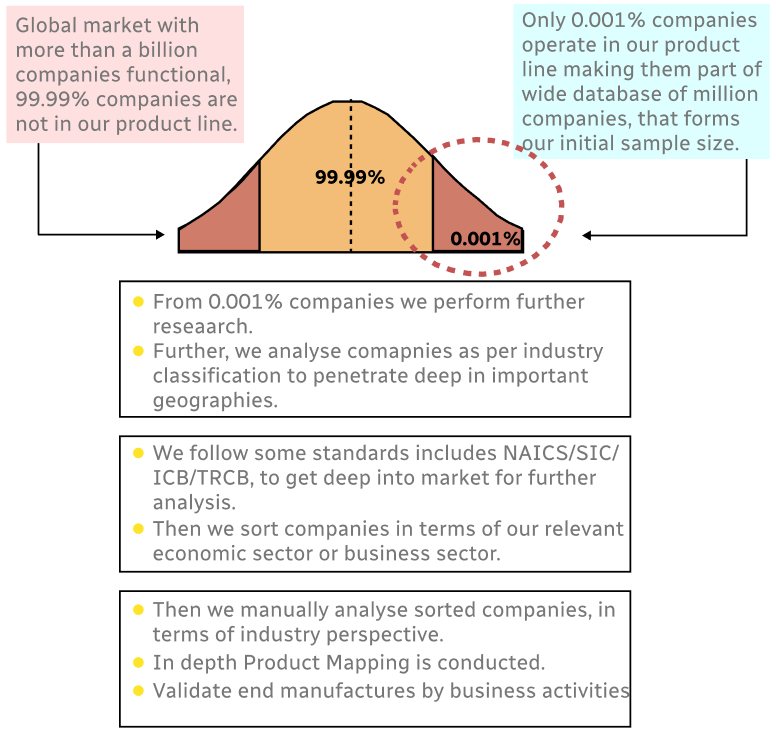
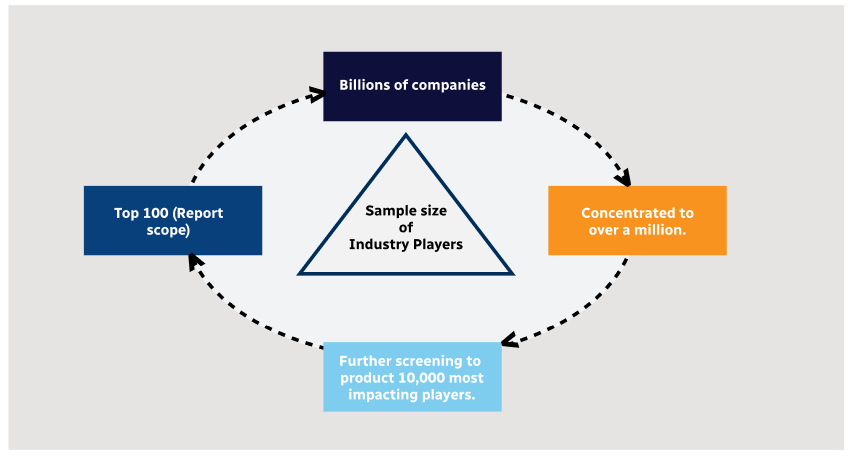
Step 1 - Identification of Relevant Samples Size from Population Database

Step 2 - Approaches for Defining Global Market Size (Value, Volume* & Price*)
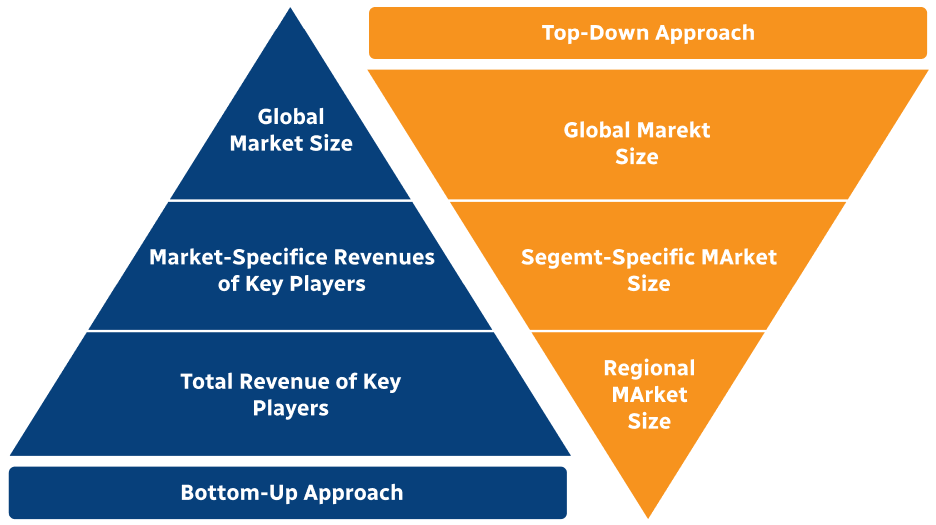
Note*: In applicable scenarios
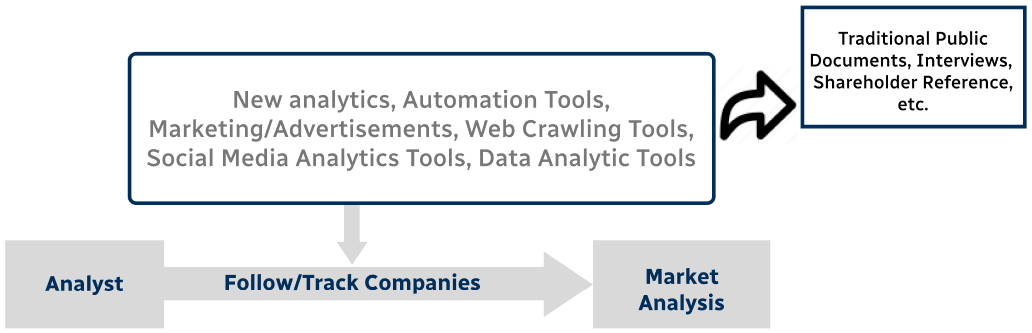
Step 3 - Data Sources
Primary Research
- Web Analytics
- Survey Reports
- Research Institute
- Latest Research Reports
- Opinion Leaders
Secondary Research
- Annual Reports
- White Paper
- Latest Press Release
- Industry Association
- Paid Database
- Investor Presentations
Step 4 - Data Triangulation
Involves using different sources of information in order to increase the validity of a study
These sources are likely to be stakeholders in a program - participants, other researchers, program staff, other community members, and so on.
Then we put all data in single framework & apply various statistical tools to find out the dynamic on the market.
During the analysis stage, feedback from the stakeholder groups would be compared to determine areas of agreement as well as areas of divergence


