
Key Insights
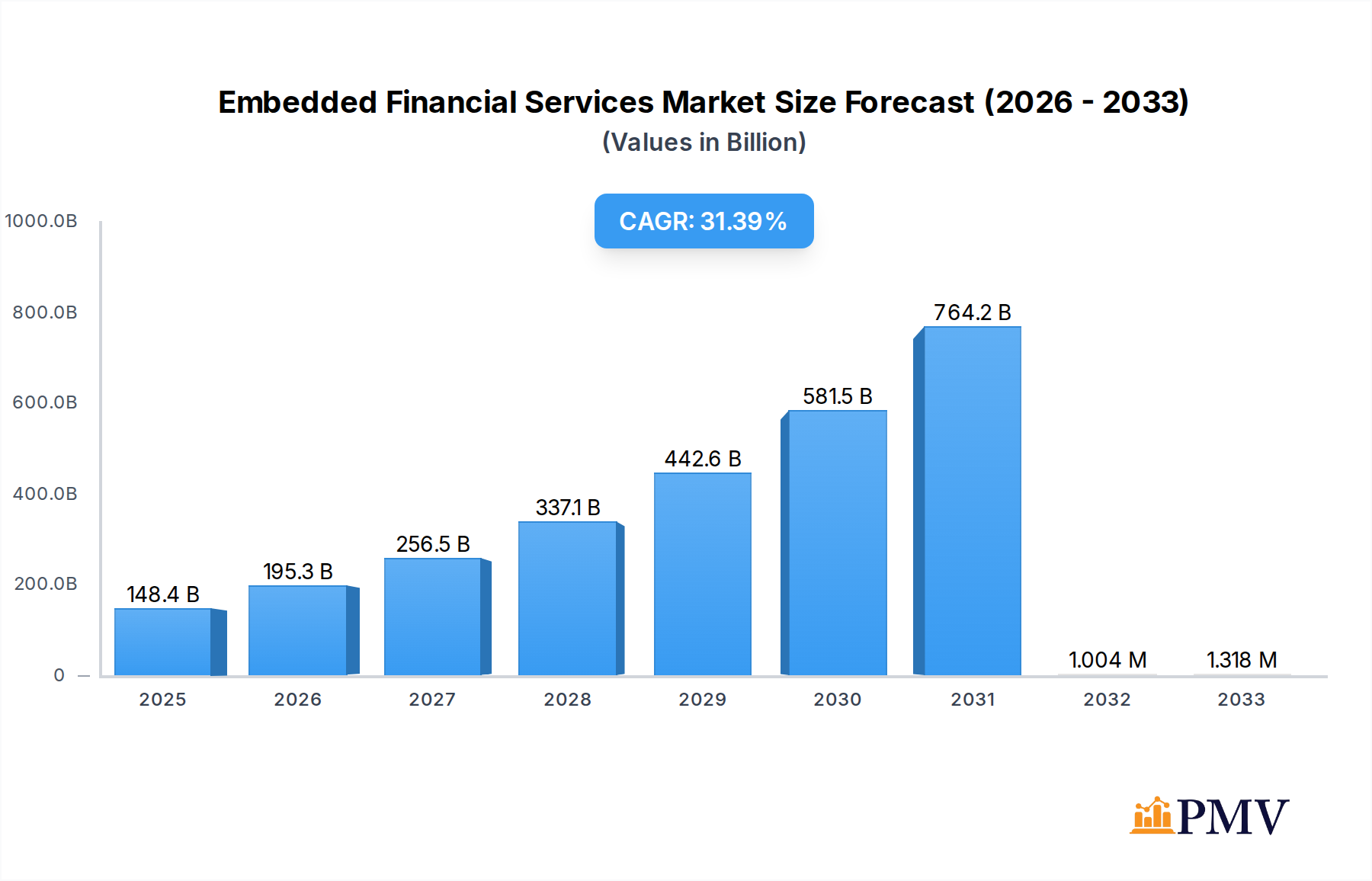
The Embedded Financial Services market is poised for explosive growth, projected to reach an impressive $148.38 billion by 2025. This remarkable surge is driven by a substantial CAGR of 31.53%, underscoring a transformative shift in how financial services are integrated into non-financial platforms. Key growth drivers include the increasing demand for seamless customer experiences, the rise of digital transformation across industries, and the growing adoption of Banking-as-a-Service (BaaS) models. Businesses are increasingly recognizing the value of offering financial products directly within their existing ecosystems, enhancing customer loyalty and unlocking new revenue streams. The market's expansion is further fueled by innovations in payment processing, lending solutions, and the simplification of complex financial transactions through embedded technologies. This evolution is creating a more accessible and integrated financial landscape for both businesses and consumers alike.
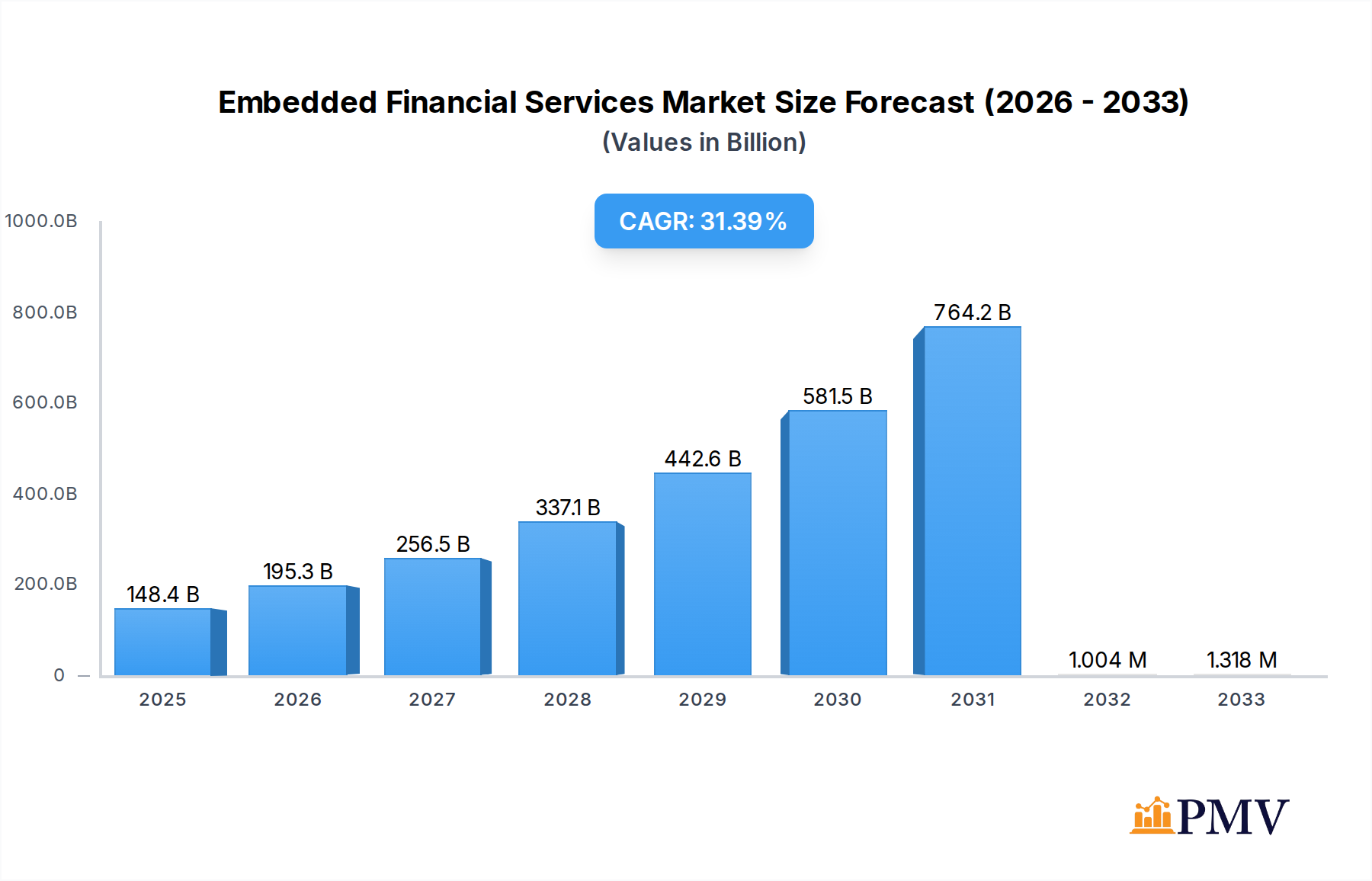
Embedded Financial Services Market Size (In Billion)

The Embedded Financial Services market is segmented by application into solutions for Small Enterprises and Large and Medium Enterprises, with Payment Services and Lending Services being the dominant types. Geographically, North America, Europe, and Asia Pacific are expected to lead the market, driven by early adoption of fintech innovations and a mature digital infrastructure. The competitive landscape is dynamic, featuring prominent players like Plaid, Marqeta, and Tink, who are continuously innovating and expanding their offerings. Emerging trends like the rise of embedded insurance and the further development of BaaS platforms will continue to shape the market's trajectory. While significant opportunities exist, challenges such as regulatory complexities and data security concerns will need to be navigated by stakeholders to fully capitalize on this rapidly evolving market.
Embedded Financial Services Company Market Share
Embedded Financial Services Market Report Description
This comprehensive report delves into the dynamic landscape of embedded financial services, providing in-depth analysis, strategic insights, and actionable intelligence for industry stakeholders. Covering a study period from 2019 to 2033, with a base year of 2025 and a forecast period extending to 2033, this report offers a definitive view of market evolution, competitive dynamics, and future growth trajectories. We examine key players like Bankable, Banxware, Bond, Cross River, Finix, Flywire, Marqeta, MX, OpenPayd, Plaid, Q2, Railsbank, Synapse, Tink, and UNIPaaS Payments Technologies, analyzing their strategies and market positioning. The report focuses on crucial segments including Small Enterprise and Large and Medium Enterprise applications, and vital service types such as Payment Services and Lending Services.
Embedded Financial Services Market Structure & Competitive Dynamics
The embedded financial services market is characterized by a burgeoning innovation ecosystem and evolving regulatory frameworks. Market concentration is influenced by significant investments in embedded finance platforms and a growing number of fintech partnerships. Innovation is driven by API-first strategies and the demand for seamless, integrated financial experiences across various non-financial applications. Regulatory developments are paramount, shaping compliance requirements and influencing market access. Product substitutes, while emerging, are largely outpaced by the speed and convenience offered by integrated solutions. End-user trends clearly favor embedded payment processing and lending solutions that enhance customer journey and operational efficiency for businesses of all sizes. Mergers and acquisitions (M&A) activity is a significant indicator of market maturation and consolidation, with deal values in the billions underscoring the strategic importance of this sector. For instance, recent M&A activities have seen combined deal values exceeding $5 billion, indicating robust investor confidence. Key metrics like market share are constantly shifting as new entrants and established players vie for dominance.
Embedded Financial Services Industry Trends & Insights
The embedded financial services industry is experiencing unprecedented growth, projected to continue its upward trajectory with a Compound Annual Growth Rate (CAGR) of xx% from 2025 to 2033. This expansion is fueled by a confluence of factors, including increasing digital transformation across industries, the proliferation of APIs, and a growing consumer and business demand for integrated financial solutions. Technological disruptions, such as the advancement of AI and machine learning, are enabling more sophisticated and personalized embedded offerings, from contextual lending to real-time payment facilitation. Consumer preferences are increasingly leaning towards frictionless experiences, where financial services are seamlessly embedded within their existing digital touchpoints, be it e-commerce platforms, SaaS applications, or enterprise resource planning (ERP) systems. This shift has led to a significant increase in market penetration, with an estimated xx% of businesses now utilizing at least one embedded financial service by 2025. The competitive dynamics are intensifying, with both fintech disruptors and traditional financial institutions actively developing and deploying embedded finance strategies. Companies are investing billions in platform development and partnerships to capture market share. The rise of Banking-as-a-Service (BaaS) is a cornerstone trend, empowering non-financial companies to offer financial products and services under their own brand. This trend is driving innovation in areas like embedded insurance, embedded investments, and embedded payroll, further broadening the scope and impact of embedded financial services. The focus on customer experience and the ability to monetize financial services within non-financial workflows are key growth drivers. The global market size for embedded financial services is expected to reach over $500 billion by 2027.
Dominant Markets & Segments in Embedded Financial Services
The embedded financial services market demonstrates robust dominance in key regions and segments.
- Leading Region/Country: North America currently leads the embedded financial services market, driven by its advanced digital infrastructure, high adoption of fintech solutions, and supportive regulatory environment. The United States, in particular, accounts for a significant portion of the market share, with ongoing investment in embedded finance platforms and a strong appetite for digital innovation. Economic policies that encourage fintech development and investment, coupled with a mature digital payment ecosystem, are significant drivers of this dominance.
- Dominant Application Segment: The Small Enterprise segment exhibits particularly strong growth and adoption in embedded financial services. Small businesses are increasingly leveraging embedded solutions for their payment processing, lending needs, and expense management, often integrating these services directly into their point-of-sale (POS) systems, accounting software, or e-commerce platforms. The ease of integration, reduced operational overhead, and access to capital through embedded lending products are critical factors driving adoption. These businesses benefit from streamlined operations and improved cash flow management, often facilitated by platforms that simplify complex financial processes. The market for embedded financial services targeting small enterprises is projected to grow at a CAGR of xx% through 2033, reaching an estimated market size of $150 billion.
- Dominant Type Segment: Within the Payment Services type, embedded payment processing solutions are experiencing the most significant market penetration and growth. This includes solutions that enable businesses to accept payments directly within their applications or websites, often powered by APIs from companies like Plaid and Finix. The seamless integration of payment gateways into customer journeys reduces friction, boosts conversion rates, and enhances customer satisfaction. The convenience and efficiency offered by embedded payment solutions are a primary driver for their widespread adoption across various industries. The global market for embedded payment services is anticipated to exceed $300 billion by 2028, with a substantial contribution from both the small enterprise and large/medium enterprise segments.
Embedded Financial Services Product Innovations
Product innovation in embedded financial services is rapidly advancing, focusing on creating seamless, integrated experiences. Key developments include the expansion of API-driven payment gateways that offer real-time transaction processing and fraud detection, and embedded lending platforms providing instant working capital to businesses at the point of need. Competitive advantages are derived from deep integration into non-financial workflows, offering contextual financial solutions that are highly relevant to the user's immediate activity. Technological trends like open banking and BaaS are central to these innovations, enabling a wider range of financial functionalities to be embedded, from simplified onboarding for loans to integrated insurance offerings. Market fit is achieved by tailoring these solutions to specific industry needs, such as embedded financing for supply chain partners or embedded payment solutions for subscription-based services.
Report Segmentation & Scope
This report provides a granular analysis of the embedded financial services market segmented by application and service type.
- Application: Small Enterprise: This segment focuses on how small businesses leverage embedded financial services, including payment processing, lending, and other financial tools integrated into their operational software. Growth projections for this segment are robust, with an estimated market size of $150 billion by 2028, driven by increased digital adoption and the need for accessible financial solutions. Competitive dynamics are characterized by platform providers offering user-friendly, cost-effective solutions tailored to the specific needs of small businesses.
- Application: Large and Medium Enterprise: This segment examines the adoption of embedded financial services by larger organizations, focusing on enterprise-grade solutions for payment management, treasury services, and corporate lending. The market size for this segment is projected to reach $350 billion by 2028, driven by the demand for sophisticated integration, enhanced operational efficiency, and advanced analytics. Competitive dynamics involve complex API integrations, customized solutions, and robust security features.
- Types: Payment Services: This segmentation delves into the various embedded payment solutions, including payment gateways, processing, and money movement. The market for embedded payment services is expected to exceed $300 billion by 2028, fueled by the growth of e-commerce and the increasing demand for frictionless payment experiences. Competitive dynamics revolve around processing speed, security, and breadth of payment method support.
- Types: Lending Services: This segmentation analyzes embedded lending products, such as working capital loans, invoice financing, and buy-now-pay-later (BNPL) options integrated within non-financial platforms. The market for embedded lending is projected to grow significantly, reaching $100 billion by 2028, driven by the accessibility and convenience of obtaining financing at the point of need. Competitive dynamics are focused on speed of approval, flexible repayment terms, and integration with customer lifecycle management.
Key Drivers of Embedded Financial Services Growth
The growth of the embedded financial services sector is propelled by several interconnected factors. Technologically, the widespread adoption of Application Programming Interfaces (APIs) and the maturity of Banking-as-a-Service (BaaS) platforms are foundational, enabling seamless integration of financial functionalities into non-financial applications. Economically, the increasing digitization of businesses and consumer demand for convenient, integrated experiences are creating a fertile ground for embedded solutions. Regulatory developments, such as open banking initiatives, are further fostering innovation and competition by promoting data sharing and the development of new financial products. For instance, the increasing adoption of embedded payment processing in e-commerce platforms directly contributes to revenue growth for online retailers and expands the market for payment service providers.
Challenges in the Embedded Financial Services Sector
Despite its rapid growth, the embedded financial services sector faces several significant challenges. Regulatory hurdles, particularly concerning data privacy, compliance, and anti-money laundering (AML) procedures, can slow down integration and product development. Supply chain issues, while less prominent than in physical goods, can arise from dependencies on third-party infrastructure providers or potential disruptions in payment networks. Competitive pressures are intense, with a crowded market of fintechs and incumbent financial institutions vying for market share, leading to price wars and the need for continuous innovation. For example, the cost of compliance in certain jurisdictions can add an estimated 5-10% to operational expenses for embedded finance providers.
Leading Players in the Embedded Financial Services Market
- Bankable
- Banxware
- Bond
- Cross River
- Finix
- Flywire
- Marqeta
- MX
- OpenPayd
- Plaid
- Q2
- Railsbank
- Synapse
- Tink
- UNIPaaS Payments Technologies
Key Developments in Embedded Financial Services Sector
- 2023: Major FinTechs secure billions in funding to accelerate the development of Banking-as-a-Service (BaaS) platforms, enhancing API capabilities.
- 2023: Increased regulatory focus on embedded finance compliance and consumer protection, prompting enhanced security protocols from key players.
- 2024: Launch of new embedded lending solutions by several providers, offering instant working capital and invoice financing directly within business software, exceeding $10 billion in new loan origination volume.
- 2024: Significant strategic partnerships formed between neo-banks and non-financial technology companies to co-develop and launch embedded payment and banking products.
- 2024: Expansion of embedded insurance offerings within e-commerce and travel platforms, demonstrating a growing trend towards comprehensive embedded financial ecosystems.
Strategic Embedded Financial Services Market Outlook
The strategic outlook for the embedded financial services market is exceptionally promising, driven by continued technological innovation and evolving consumer and business expectations. Growth accelerators include the increasing demand for seamless, integrated customer journeys and the ability for non-financial companies to monetize financial services. Opportunities abound in expanding into new verticals, such as healthcare, education, and the gig economy, and in leveraging AI and machine learning to offer hyper-personalized financial products. Strategic focus on robust API infrastructure, strong compliance frameworks, and data analytics will be crucial for sustained success and market leadership in the coming years. The market is poised for further consolidation and strategic alliances as companies seek to expand their offerings and reach.
Embedded Financial Services Segmentation
-
1. Application
- 1.1. Small Enterprise
- 1.2. Large and Medium Enterprise
-
2. Types
- 2.1. Payment Services
- 2.2. Lending Services
Embedded Financial Services Segmentation By Geography
-
1. North America
- 1.1. United States
- 1.2. Canada
- 1.3. Mexico
-
2. South America
- 2.1. Brazil
- 2.2. Argentina
- 2.3. Rest of South America
-
3. Europe
- 3.1. United Kingdom
- 3.2. Germany
- 3.3. France
- 3.4. Italy
- 3.5. Spain
- 3.6. Russia
- 3.7. Benelux
- 3.8. Nordics
- 3.9. Rest of Europe
-
4. Middle East & Africa
- 4.1. Turkey
- 4.2. Israel
- 4.3. GCC
- 4.4. North Africa
- 4.5. South Africa
- 4.6. Rest of Middle East & Africa
-
5. Asia Pacific
- 5.1. China
- 5.2. India
- 5.3. Japan
- 5.4. South Korea
- 5.5. ASEAN
- 5.6. Oceania
- 5.7. Rest of Asia Pacific
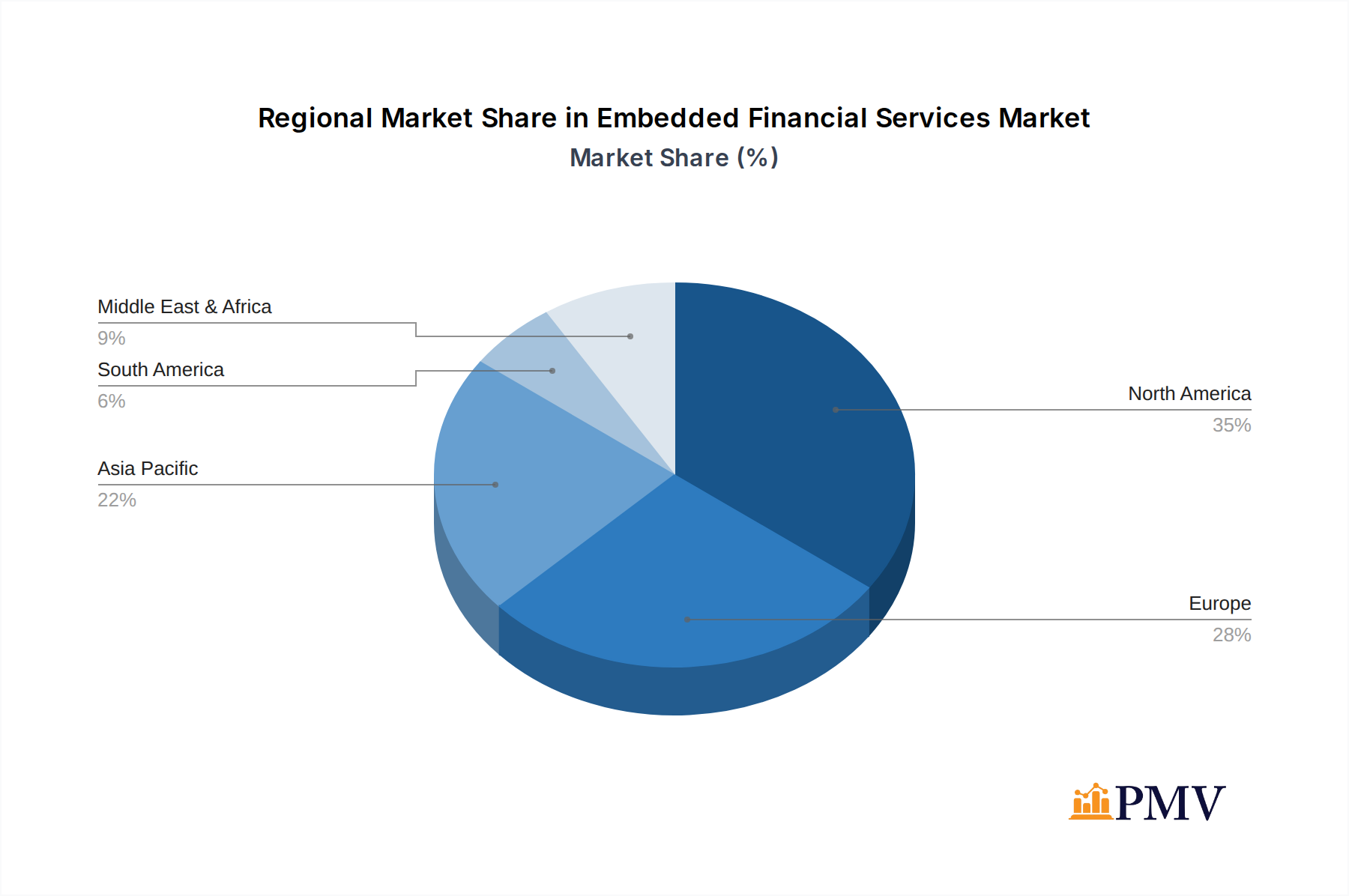
Embedded Financial Services Regional Market Share
Geographic Coverage of Embedded Financial Services
Embedded Financial Services REPORT HIGHLIGHTS
| Aspects | Details |
|---|---|
| Study Period | 2020-2034 |
| Base Year | 2025 |
| Estimated Year | 2026 |
| Forecast Period | 2026-2034 |
| Historical Period | 2020-2025 |
| Growth Rate | CAGR of 31.53% from 2020-2034 |
| Segmentation |
|
Table of Contents
- 1. Introduction
- 1.1. Research Scope
- 1.2. Market Segmentation
- 1.3. Research Methodology
- 1.4. Definitions and Assumptions
- 2. Executive Summary
- 2.1. Introduction
- 3. Market Dynamics
- 3.1. Introduction
- 3.2. Market Drivers
- 3.3. Market Restrains
- 3.4. Market Trends
- 4. Market Factor Analysis
- 4.1. Porters Five Forces
- 4.2. Supply/Value Chain
- 4.3. PESTEL analysis
- 4.4. Market Entropy
- 4.5. Patent/Trademark Analysis
- 5. Global Embedded Financial Services Analysis, Insights and Forecast, 2020-2032
- 5.1. Market Analysis, Insights and Forecast - by Application
- 5.1.1. Small Enterprise
- 5.1.2. Large and Medium Enterprise
- 5.2. Market Analysis, Insights and Forecast - by Types
- 5.2.1. Payment Services
- 5.2.2. Lending Services
- 5.3. Market Analysis, Insights and Forecast - by Region
- 5.3.1. North America
- 5.3.2. South America
- 5.3.3. Europe
- 5.3.4. Middle East & Africa
- 5.3.5. Asia Pacific
- 5.1. Market Analysis, Insights and Forecast - by Application
- 6. North America Embedded Financial Services Analysis, Insights and Forecast, 2020-2032
- 6.1. Market Analysis, Insights and Forecast - by Application
- 6.1.1. Small Enterprise
- 6.1.2. Large and Medium Enterprise
- 6.2. Market Analysis, Insights and Forecast - by Types
- 6.2.1. Payment Services
- 6.2.2. Lending Services
- 6.1. Market Analysis, Insights and Forecast - by Application
- 7. South America Embedded Financial Services Analysis, Insights and Forecast, 2020-2032
- 7.1. Market Analysis, Insights and Forecast - by Application
- 7.1.1. Small Enterprise
- 7.1.2. Large and Medium Enterprise
- 7.2. Market Analysis, Insights and Forecast - by Types
- 7.2.1. Payment Services
- 7.2.2. Lending Services
- 7.1. Market Analysis, Insights and Forecast - by Application
- 8. Europe Embedded Financial Services Analysis, Insights and Forecast, 2020-2032
- 8.1. Market Analysis, Insights and Forecast - by Application
- 8.1.1. Small Enterprise
- 8.1.2. Large and Medium Enterprise
- 8.2. Market Analysis, Insights and Forecast - by Types
- 8.2.1. Payment Services
- 8.2.2. Lending Services
- 8.1. Market Analysis, Insights and Forecast - by Application
- 9. Middle East & Africa Embedded Financial Services Analysis, Insights and Forecast, 2020-2032
- 9.1. Market Analysis, Insights and Forecast - by Application
- 9.1.1. Small Enterprise
- 9.1.2. Large and Medium Enterprise
- 9.2. Market Analysis, Insights and Forecast - by Types
- 9.2.1. Payment Services
- 9.2.2. Lending Services
- 9.1. Market Analysis, Insights and Forecast - by Application
- 10. Asia Pacific Embedded Financial Services Analysis, Insights and Forecast, 2020-2032
- 10.1. Market Analysis, Insights and Forecast - by Application
- 10.1.1. Small Enterprise
- 10.1.2. Large and Medium Enterprise
- 10.2. Market Analysis, Insights and Forecast - by Types
- 10.2.1. Payment Services
- 10.2.2. Lending Services
- 10.1. Market Analysis, Insights and Forecast - by Application
- 11. Competitive Analysis
- 11.1. Global Market Share Analysis 2025
- 11.2. Company Profiles
- 11.2.1 Bankable
- 11.2.1.1. Overview
- 11.2.1.2. Products
- 11.2.1.3. SWOT Analysis
- 11.2.1.4. Recent Developments
- 11.2.1.5. Financials (Based on Availability)
- 11.2.2 Banxware
- 11.2.2.1. Overview
- 11.2.2.2. Products
- 11.2.2.3. SWOT Analysis
- 11.2.2.4. Recent Developments
- 11.2.2.5. Financials (Based on Availability)
- 11.2.3 Bond
- 11.2.3.1. Overview
- 11.2.3.2. Products
- 11.2.3.3. SWOT Analysis
- 11.2.3.4. Recent Developments
- 11.2.3.5. Financials (Based on Availability)
- 11.2.4 Cross River
- 11.2.4.1. Overview
- 11.2.4.2. Products
- 11.2.4.3. SWOT Analysis
- 11.2.4.4. Recent Developments
- 11.2.4.5. Financials (Based on Availability)
- 11.2.5 Finix
- 11.2.5.1. Overview
- 11.2.5.2. Products
- 11.2.5.3. SWOT Analysis
- 11.2.5.4. Recent Developments
- 11.2.5.5. Financials (Based on Availability)
- 11.2.6 Flywire
- 11.2.6.1. Overview
- 11.2.6.2. Products
- 11.2.6.3. SWOT Analysis
- 11.2.6.4. Recent Developments
- 11.2.6.5. Financials (Based on Availability)
- 11.2.7 Marqeta
- 11.2.7.1. Overview
- 11.2.7.2. Products
- 11.2.7.3. SWOT Analysis
- 11.2.7.4. Recent Developments
- 11.2.7.5. Financials (Based on Availability)
- 11.2.8 MX
- 11.2.8.1. Overview
- 11.2.8.2. Products
- 11.2.8.3. SWOT Analysis
- 11.2.8.4. Recent Developments
- 11.2.8.5. Financials (Based on Availability)
- 11.2.9 OpenPayd
- 11.2.9.1. Overview
- 11.2.9.2. Products
- 11.2.9.3. SWOT Analysis
- 11.2.9.4. Recent Developments
- 11.2.9.5. Financials (Based on Availability)
- 11.2.10 Plaid
- 11.2.10.1. Overview
- 11.2.10.2. Products
- 11.2.10.3. SWOT Analysis
- 11.2.10.4. Recent Developments
- 11.2.10.5. Financials (Based on Availability)
- 11.2.11 Q2
- 11.2.11.1. Overview
- 11.2.11.2. Products
- 11.2.11.3. SWOT Analysis
- 11.2.11.4. Recent Developments
- 11.2.11.5. Financials (Based on Availability)
- 11.2.12 Railsbank
- 11.2.12.1. Overview
- 11.2.12.2. Products
- 11.2.12.3. SWOT Analysis
- 11.2.12.4. Recent Developments
- 11.2.12.5. Financials (Based on Availability)
- 11.2.13 Synapse
- 11.2.13.1. Overview
- 11.2.13.2. Products
- 11.2.13.3. SWOT Analysis
- 11.2.13.4. Recent Developments
- 11.2.13.5. Financials (Based on Availability)
- 11.2.14 Tink
- 11.2.14.1. Overview
- 11.2.14.2. Products
- 11.2.14.3. SWOT Analysis
- 11.2.14.4. Recent Developments
- 11.2.14.5. Financials (Based on Availability)
- 11.2.15 UNIPaaS Payments Technologies
- 11.2.15.1. Overview
- 11.2.15.2. Products
- 11.2.15.3. SWOT Analysis
- 11.2.15.4. Recent Developments
- 11.2.15.5. Financials (Based on Availability)
- 11.2.1 Bankable
List of Figures
- Figure 1: Global Embedded Financial Services Revenue Breakdown (billion, %) by Region 2025 & 2033
- Figure 2: North America Embedded Financial Services Revenue (billion), by Application 2025 & 2033
- Figure 3: North America Embedded Financial Services Revenue Share (%), by Application 2025 & 2033
- Figure 4: North America Embedded Financial Services Revenue (billion), by Types 2025 & 2033
- Figure 5: North America Embedded Financial Services Revenue Share (%), by Types 2025 & 2033
- Figure 6: North America Embedded Financial Services Revenue (billion), by Country 2025 & 2033
- Figure 7: North America Embedded Financial Services Revenue Share (%), by Country 2025 & 2033
- Figure 8: South America Embedded Financial Services Revenue (billion), by Application 2025 & 2033
- Figure 9: South America Embedded Financial Services Revenue Share (%), by Application 2025 & 2033
- Figure 10: South America Embedded Financial Services Revenue (billion), by Types 2025 & 2033
- Figure 11: South America Embedded Financial Services Revenue Share (%), by Types 2025 & 2033
- Figure 12: South America Embedded Financial Services Revenue (billion), by Country 2025 & 2033
- Figure 13: South America Embedded Financial Services Revenue Share (%), by Country 2025 & 2033
- Figure 14: Europe Embedded Financial Services Revenue (billion), by Application 2025 & 2033
- Figure 15: Europe Embedded Financial Services Revenue Share (%), by Application 2025 & 2033
- Figure 16: Europe Embedded Financial Services Revenue (billion), by Types 2025 & 2033
- Figure 17: Europe Embedded Financial Services Revenue Share (%), by Types 2025 & 2033
- Figure 18: Europe Embedded Financial Services Revenue (billion), by Country 2025 & 2033
- Figure 19: Europe Embedded Financial Services Revenue Share (%), by Country 2025 & 2033
- Figure 20: Middle East & Africa Embedded Financial Services Revenue (billion), by Application 2025 & 2033
- Figure 21: Middle East & Africa Embedded Financial Services Revenue Share (%), by Application 2025 & 2033
- Figure 22: Middle East & Africa Embedded Financial Services Revenue (billion), by Types 2025 & 2033
- Figure 23: Middle East & Africa Embedded Financial Services Revenue Share (%), by Types 2025 & 2033
- Figure 24: Middle East & Africa Embedded Financial Services Revenue (billion), by Country 2025 & 2033
- Figure 25: Middle East & Africa Embedded Financial Services Revenue Share (%), by Country 2025 & 2033
- Figure 26: Asia Pacific Embedded Financial Services Revenue (billion), by Application 2025 & 2033
- Figure 27: Asia Pacific Embedded Financial Services Revenue Share (%), by Application 2025 & 2033
- Figure 28: Asia Pacific Embedded Financial Services Revenue (billion), by Types 2025 & 2033
- Figure 29: Asia Pacific Embedded Financial Services Revenue Share (%), by Types 2025 & 2033
- Figure 30: Asia Pacific Embedded Financial Services Revenue (billion), by Country 2025 & 2033
- Figure 31: Asia Pacific Embedded Financial Services Revenue Share (%), by Country 2025 & 2033
List of Tables
- Table 1: Global Embedded Financial Services Revenue billion Forecast, by Application 2020 & 2033
- Table 2: Global Embedded Financial Services Revenue billion Forecast, by Types 2020 & 2033
- Table 3: Global Embedded Financial Services Revenue billion Forecast, by Region 2020 & 2033
- Table 4: Global Embedded Financial Services Revenue billion Forecast, by Application 2020 & 2033
- Table 5: Global Embedded Financial Services Revenue billion Forecast, by Types 2020 & 2033
- Table 6: Global Embedded Financial Services Revenue billion Forecast, by Country 2020 & 2033
- Table 7: United States Embedded Financial Services Revenue (billion) Forecast, by Application 2020 & 2033
- Table 8: Canada Embedded Financial Services Revenue (billion) Forecast, by Application 2020 & 2033
- Table 9: Mexico Embedded Financial Services Revenue (billion) Forecast, by Application 2020 & 2033
- Table 10: Global Embedded Financial Services Revenue billion Forecast, by Application 2020 & 2033
- Table 11: Global Embedded Financial Services Revenue billion Forecast, by Types 2020 & 2033
- Table 12: Global Embedded Financial Services Revenue billion Forecast, by Country 2020 & 2033
- Table 13: Brazil Embedded Financial Services Revenue (billion) Forecast, by Application 2020 & 2033
- Table 14: Argentina Embedded Financial Services Revenue (billion) Forecast, by Application 2020 & 2033
- Table 15: Rest of South America Embedded Financial Services Revenue (billion) Forecast, by Application 2020 & 2033
- Table 16: Global Embedded Financial Services Revenue billion Forecast, by Application 2020 & 2033
- Table 17: Global Embedded Financial Services Revenue billion Forecast, by Types 2020 & 2033
- Table 18: Global Embedded Financial Services Revenue billion Forecast, by Country 2020 & 2033
- Table 19: United Kingdom Embedded Financial Services Revenue (billion) Forecast, by Application 2020 & 2033
- Table 20: Germany Embedded Financial Services Revenue (billion) Forecast, by Application 2020 & 2033
- Table 21: France Embedded Financial Services Revenue (billion) Forecast, by Application 2020 & 2033
- Table 22: Italy Embedded Financial Services Revenue (billion) Forecast, by Application 2020 & 2033
- Table 23: Spain Embedded Financial Services Revenue (billion) Forecast, by Application 2020 & 2033
- Table 24: Russia Embedded Financial Services Revenue (billion) Forecast, by Application 2020 & 2033
- Table 25: Benelux Embedded Financial Services Revenue (billion) Forecast, by Application 2020 & 2033
- Table 26: Nordics Embedded Financial Services Revenue (billion) Forecast, by Application 2020 & 2033
- Table 27: Rest of Europe Embedded Financial Services Revenue (billion) Forecast, by Application 2020 & 2033
- Table 28: Global Embedded Financial Services Revenue billion Forecast, by Application 2020 & 2033
- Table 29: Global Embedded Financial Services Revenue billion Forecast, by Types 2020 & 2033
- Table 30: Global Embedded Financial Services Revenue billion Forecast, by Country 2020 & 2033
- Table 31: Turkey Embedded Financial Services Revenue (billion) Forecast, by Application 2020 & 2033
- Table 32: Israel Embedded Financial Services Revenue (billion) Forecast, by Application 2020 & 2033
- Table 33: GCC Embedded Financial Services Revenue (billion) Forecast, by Application 2020 & 2033
- Table 34: North Africa Embedded Financial Services Revenue (billion) Forecast, by Application 2020 & 2033
- Table 35: South Africa Embedded Financial Services Revenue (billion) Forecast, by Application 2020 & 2033
- Table 36: Rest of Middle East & Africa Embedded Financial Services Revenue (billion) Forecast, by Application 2020 & 2033
- Table 37: Global Embedded Financial Services Revenue billion Forecast, by Application 2020 & 2033
- Table 38: Global Embedded Financial Services Revenue billion Forecast, by Types 2020 & 2033
- Table 39: Global Embedded Financial Services Revenue billion Forecast, by Country 2020 & 2033
- Table 40: China Embedded Financial Services Revenue (billion) Forecast, by Application 2020 & 2033
- Table 41: India Embedded Financial Services Revenue (billion) Forecast, by Application 2020 & 2033
- Table 42: Japan Embedded Financial Services Revenue (billion) Forecast, by Application 2020 & 2033
- Table 43: South Korea Embedded Financial Services Revenue (billion) Forecast, by Application 2020 & 2033
- Table 44: ASEAN Embedded Financial Services Revenue (billion) Forecast, by Application 2020 & 2033
- Table 45: Oceania Embedded Financial Services Revenue (billion) Forecast, by Application 2020 & 2033
- Table 46: Rest of Asia Pacific Embedded Financial Services Revenue (billion) Forecast, by Application 2020 & 2033
Frequently Asked Questions
1. What is the projected Compound Annual Growth Rate (CAGR) of the Embedded Financial Services?
The projected CAGR is approximately 31.53%.
2. Which companies are prominent players in the Embedded Financial Services?
Key companies in the market include Bankable, Banxware, Bond, Cross River, Finix, Flywire, Marqeta, MX, OpenPayd, Plaid, Q2, Railsbank, Synapse, Tink, UNIPaaS Payments Technologies.
3. What are the main segments of the Embedded Financial Services?
The market segments include Application, Types.
4. Can you provide details about the market size?
The market size is estimated to be USD 148.38 billion as of 2022.
5. What are some drivers contributing to market growth?
N/A
6. What are the notable trends driving market growth?
N/A
7. Are there any restraints impacting market growth?
N/A
8. Can you provide examples of recent developments in the market?
N/A
9. What pricing options are available for accessing the report?
Pricing options include single-user, multi-user, and enterprise licenses priced at USD 3350.00, USD 5025.00, and USD 6700.00 respectively.
10. Is the market size provided in terms of value or volume?
The market size is provided in terms of value, measured in billion.
11. Are there any specific market keywords associated with the report?
Yes, the market keyword associated with the report is "Embedded Financial Services," which aids in identifying and referencing the specific market segment covered.
12. How do I determine which pricing option suits my needs best?
The pricing options vary based on user requirements and access needs. Individual users may opt for single-user licenses, while businesses requiring broader access may choose multi-user or enterprise licenses for cost-effective access to the report.
13. Are there any additional resources or data provided in the Embedded Financial Services report?
While the report offers comprehensive insights, it's advisable to review the specific contents or supplementary materials provided to ascertain if additional resources or data are available.
14. How can I stay updated on further developments or reports in the Embedded Financial Services?
To stay informed about further developments, trends, and reports in the Embedded Financial Services, consider subscribing to industry newsletters, following relevant companies and organizations, or regularly checking reputable industry news sources and publications.
Methodology
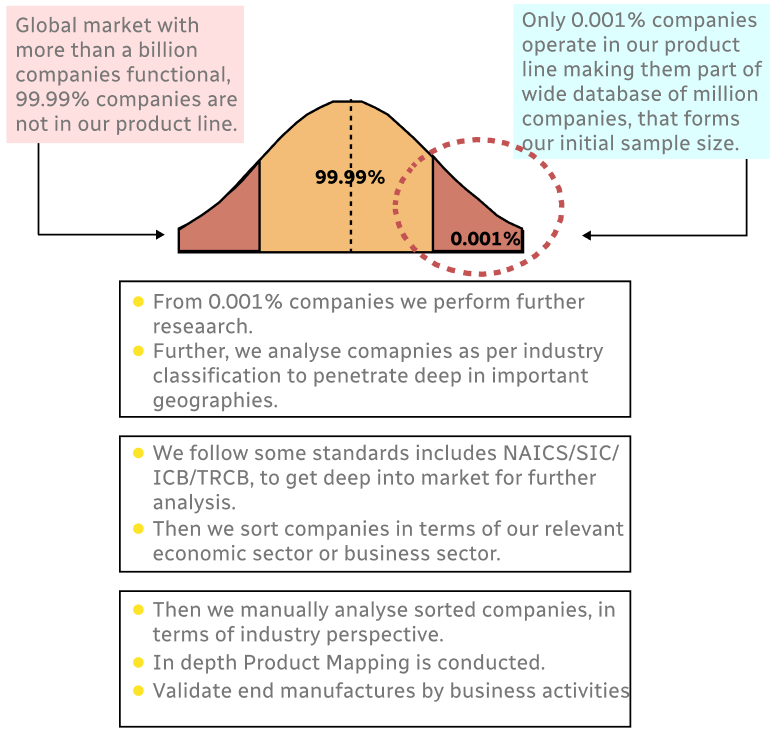
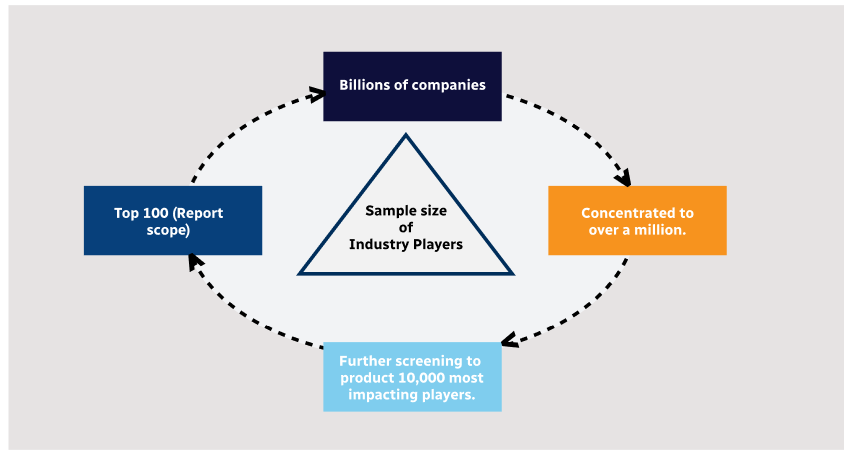
Step 1 - Identification of Relevant Samples Size from Population Database
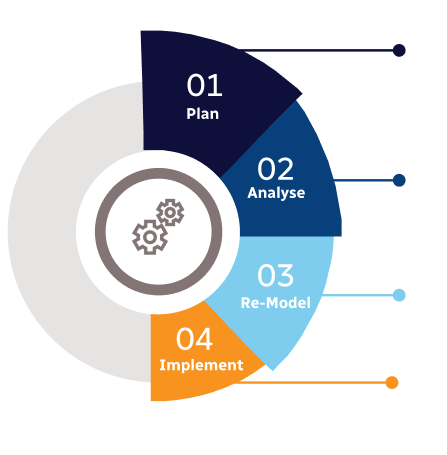
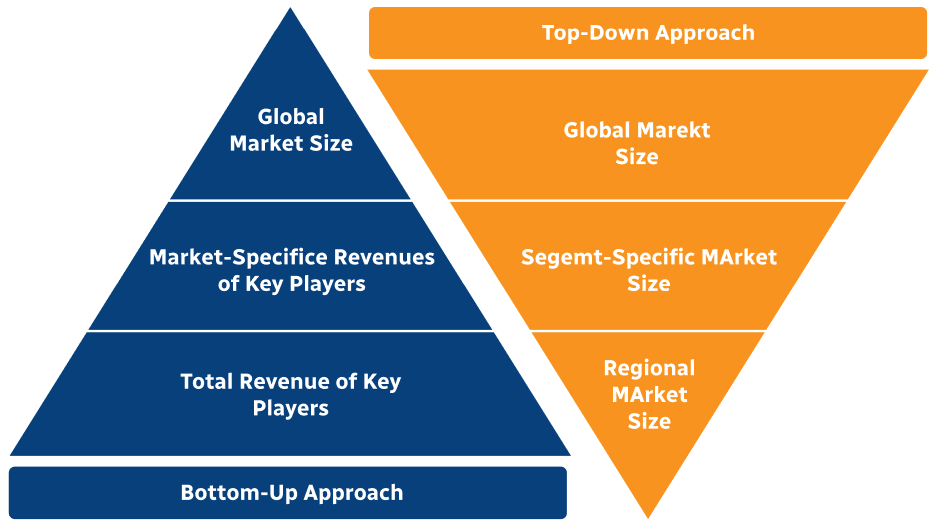
Step 2 - Approaches for Defining Global Market Size (Value, Volume* & Price*)
Note*: In applicable scenarios
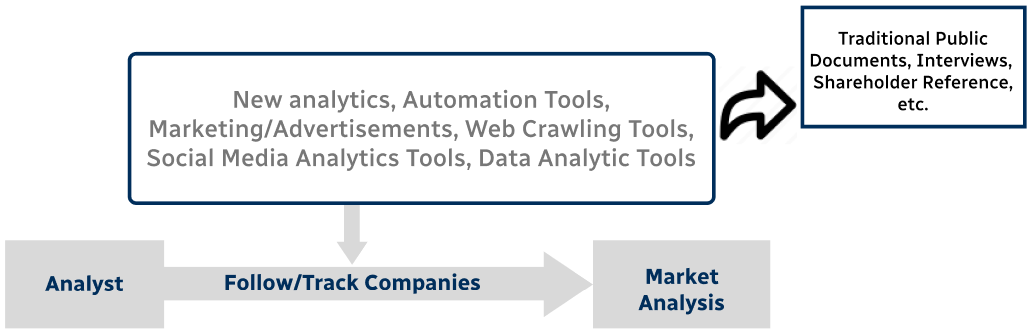
Step 3 - Data Sources
Primary Research
- Web Analytics
- Survey Reports
- Research Institute
- Latest Research Reports
- Opinion Leaders
Secondary Research
- Annual Reports
- White Paper
- Latest Press Release
- Industry Association
- Paid Database
- Investor Presentations
Step 4 - Data Triangulation
Involves using different sources of information in order to increase the validity of a study
These sources are likely to be stakeholders in a program - participants, other researchers, program staff, other community members, and so on.
Then we put all data in single framework & apply various statistical tools to find out the dynamic on the market.
During the analysis stage, feedback from the stakeholder groups would be compared to determine areas of agreement as well as areas of divergence