
Key Insights
The global E-ink screens market is projected for substantial growth, expected to reach USD 8.7 billion by 2025, driven by a Compound Annual Growth Rate (CAGR) of 15%. This expansion is attributed to the increasing demand for energy-efficient and eye-friendly display solutions. E-ink's inherent benefits, including paper-like readability, low power consumption, and excellent visibility in bright light, are propelling its adoption beyond e-readers. Key growth drivers include the rise of smart retail solutions, such as electronic shelf labels and dynamic in-store signage, alongside the proliferation of wireless devices, smart home automation systems, and mobile point-of-sale units. The market’s segmentation by display size, particularly small to medium-sized screens, aligns with miniaturization trends in consumer electronics.
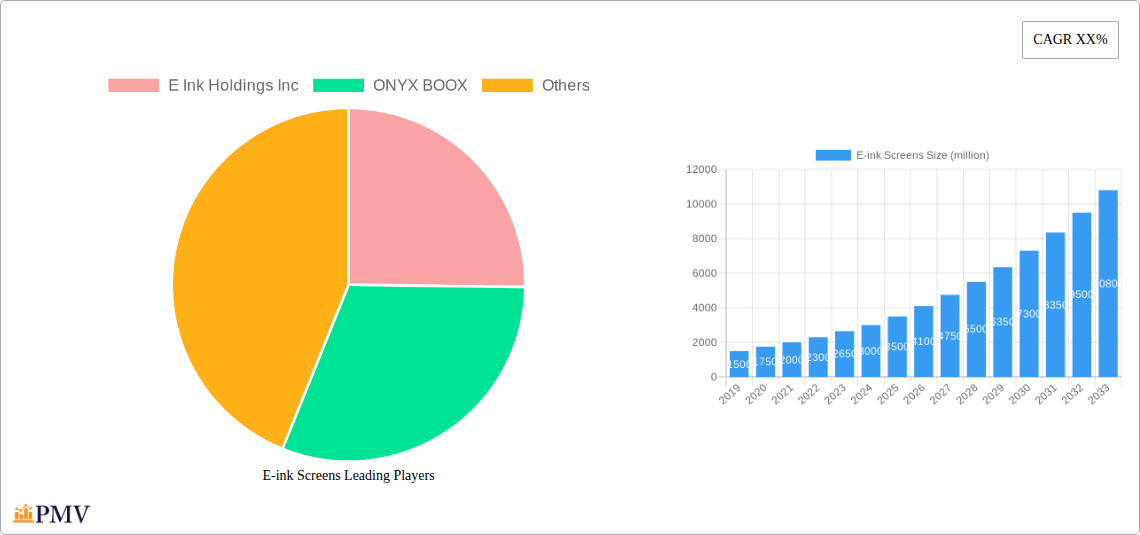
E-ink Screens Market Size (In Billion)

Sustained market growth is anticipated throughout the forecast period (2025-2033). While E Ink Holdings Inc. and ONYX BOOX are dominant players, ongoing innovation in emerging technologies and novel applications continues to drive the market. Research and development efforts are actively addressing limitations such as slower refresh rates compared to LCD/OLED and the monochromatic nature of traditional E-ink displays. Advancements in color E-ink and faster refresh rates are expanding potential applications. Geographically, the Asia Pacific region, particularly China and Japan, is expected to lead, supported by robust manufacturing and a large consumer base. North America and Europe will also see significant growth driven by adoption in industrial, retail, and smart home sectors. The versatility of E-ink technology is underscored by its expansion into industrial displays and digital signage.
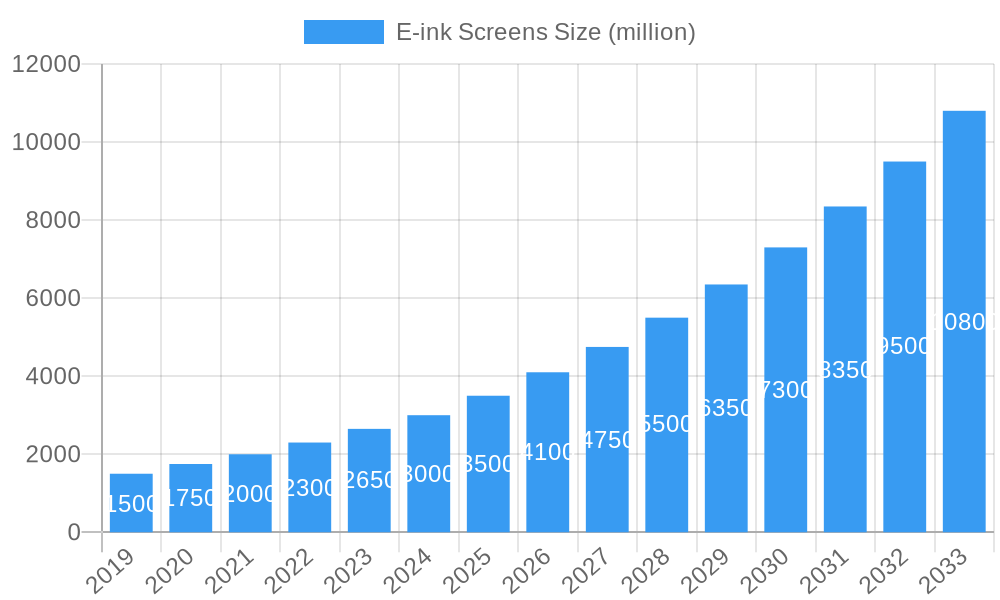
E-ink Screens Company Market Share
This comprehensive market research report offers an in-depth analysis of the global E-ink screens market, providing historical data, current trends, and future projections. Explore market structure, competitive landscapes, and the impact of E-ink technology across diverse applications. Our study covers the period from 2019 to 2033, with 2025 as the base and estimated year, delivering valuable insights for industry stakeholders, investors, and innovators. Understand the market dynamics, growth drivers, and challenges shaping the future of E-ink displays.
E-ink Screens Market Structure & Competitive Dynamics
The E-ink Screens market exhibits a moderate level of concentration, with E Ink Holdings Inc. holding a significant market share, estimated to be over 50% of the total market value. This dominance is attributed to its proprietary technology and extensive patent portfolio. Other key players, including ONYX BOOX and numerous emerging manufacturers, contribute to a dynamic competitive environment characterized by innovation and strategic partnerships. The innovation ecosystem is robust, driven by continuous advancements in display performance, power efficiency, and color saturation. Regulatory frameworks, while generally supportive of technological innovation, primarily focus on environmental standards and product safety. Product substitutes, such as traditional LCD and OLED displays, pose a competitive threat, particularly in applications where color reproduction and refresh rates are paramount. However, E-ink's unique advantages in sunlight readability and ultra-low power consumption continue to drive its adoption in specific segments. End-user trends highlight a growing demand for sustainable and energy-efficient display solutions, bolstering the market for E-ink. Mergers and acquisitions (M&A) activities are limited but strategic, aimed at consolidating market presence or acquiring specialized technologies. The total M&A deal value in the historical period (2019-2024) is estimated at over 500 million. The market is projected to grow, with key players focusing on expanding their product portfolios and geographic reach.
E-ink Screens Industry Trends & Insights
The E-ink Screens industry is experiencing significant growth, propelled by a confluence of technological advancements and evolving consumer preferences. The projected Compound Annual Growth Rate (CAGR) for the forecast period (2025–2033) is approximately 18.5%, indicating a robust expansion trajectory. This growth is primarily driven by the insatiable demand for electronic readers (e-readers) and the increasing integration of E-ink displays in wireless devices. The inherent advantages of E-ink technology – its paper-like readability in direct sunlight, minimal power consumption, and ability to retain images without power – are becoming increasingly valuable in a world seeking sustainable and user-friendly electronic solutions.
Technological disruptions are at the forefront of industry evolution. Innovations in color E-ink technology, such as E Ink Gallery™ and Kaleido™ series, are expanding the application spectrum beyond monochrome text, enabling richer visual experiences for electronic shelf labels (ESLs), signage, and even wearable devices. Furthermore, advancements in refresh rates and touch capabilities are enhancing the responsiveness and interactivity of E-ink displays. The development of larger format E-ink screens is also a significant trend, opening up new possibilities for industrial displays, smart city applications, and public information systems.
Consumer preferences are shifting towards devices that offer longer battery life and reduced eye strain. E-ink perfectly aligns with these demands, making it the preferred choice for dedicated reading devices and applications where static or infrequently updated information is displayed. The growing awareness of environmental sustainability also favors E-ink, given its significantly lower energy footprint compared to traditional backlit displays. This is particularly relevant for applications like thermostats and industrial sensors where continuous power is a concern.
Competitive dynamics are characterized by intense R&D efforts to enhance performance and reduce manufacturing costs. Companies are focusing on developing advanced driver ICs, improving encapsulation techniques, and optimizing material formulations to achieve higher resolutions, faster response times, and improved durability. The market penetration of E-ink technology is steadily increasing across various segments, driven by a growing ecosystem of device manufacturers and software developers leveraging its unique capabilities.
Dominant Markets & Segments in E-ink Screens
The E-ink Screens market demonstrates significant regional and segmental dominance, driven by specific application needs and technological adoption rates. Asia-Pacific currently holds the largest market share, estimated at over 45% of the global market value in 2025. This dominance is fueled by the strong manufacturing capabilities of countries like Taiwan and China, home to E Ink Holdings Inc., and the burgeoning demand for electronic devices across the region. Within Asia-Pacific, China is the leading country, accounting for over 30% of the regional market.
Application Segments Dominance:
- Readers: This segment continues to be the cornerstone of the E-ink market, driven by dedicated e-readers and tablets. The demand for paper-like reading experiences and extended battery life makes this segment indispensable. Key drivers include the growth of the digital publishing industry, government initiatives promoting digital literacy, and the increasing affordability of e-readers. The market size for readers is projected to reach over 3,500 million by 2025.
- Wireless devices: This encompasses smartwatches, fitness trackers, and other portable electronics where low power consumption and sunlight readability are crucial. The expanding wearable technology market and the need for efficient displays in battery-constrained devices are key growth catalysts.
- Thermostats and Industrial Displays: E-ink's ability to retain information without power makes it ideal for smart home devices like thermostats and for industrial applications such as inventory management systems, electronic shelf labels (ESLs), and digital signage in environments with variable lighting. Growing adoption of smart home technology and the need for energy-efficient industrial solutions are significant drivers.
- Mobile point of sale (POS) units: E-ink displays offer a cost-effective and power-efficient solution for mobile POS devices, particularly in retail environments where clear pricing and transaction details are essential.
- In-store signage: The deployment of E-ink for dynamic pricing, promotional displays, and product information in retail stores is on the rise. This is driven by the ease of updating content remotely and the significant energy savings compared to traditional digital signage.
Types Segments Dominance:
- Medium Size (typically 6-10 inches): This size segment is dominant due to its prevalence in e-readers and smaller tablets, offering a balance between portability and readability.
- Large Size (typically above 10 inches): This segment is experiencing rapid growth, driven by applications in digital signage, industrial displays, and larger educational tablets. The development of larger E-ink panels is unlocking new market opportunities.
- Small Size (typically below 6 inches): While smaller, this segment is crucial for wearables and other compact electronic devices, offering a unique combination of low power and visual clarity.
E-ink Screens Product Innovations
Recent product innovations in the E-ink Screens market are significantly expanding their application scope and competitive advantage. The development of advanced color E-ink technologies, such as E Ink Kaleido™ 3 and Gallery™ 3, offers vibrant and richer color reproduction, moving beyond monochrome limitations. This allows for more engaging content on e-readers, educational devices, and digital signage. Innovations in refresh rates and touch response times are enhancing interactivity, making E-ink displays more suitable for dynamic applications. Furthermore, the miniaturization of E-ink displays is enabling their integration into smaller wearables and smart tags, while advancements in larger format panels cater to the growing demand for electronic shelf labels and industrial signage. These innovations are solidifying E-ink's position as a sustainable and power-efficient display solution.
Report Segmentation & Scope
This report meticulously segments the E-ink Screens market across key dimensions to provide granular insights.
Application Segmentation:
- Readers: This segment includes dedicated e-readers and e-notes. The market size for readers is projected to be over 3,500 million in 2025, with a CAGR of 16% during the forecast period. Competitive dynamics are characterized by established players and new entrants focusing on feature enhancements.
- Wireless devices: This segment encompasses smartwatches, fitness trackers, and other portable electronics. The market size is estimated at over 800 million in 2025, with a CAGR of 20%. Growth is driven by the expanding wearable market and demand for power-efficient displays.
- Thermostats and Industrial Displays: This includes smart home devices and various industrial applications. The market size is projected at over 700 million in 2025, with a CAGR of 19%. Key drivers are the growth of IoT and the need for energy savings.
- Mobile point of sale units: This segment focuses on E-ink displays for portable transaction devices. The market size is estimated at over 300 million in 2025, with a CAGR of 17%.
- In-store signage: This includes electronic shelf labels and digital signage for retail. The market size is projected at over 600 million in 2025, with a CAGR of 22%. This segment is experiencing rapid growth due to its cost-effectiveness and energy efficiency.
Type Segmentation:
- Small Size: Market size estimated at over 900 million in 2025, with a CAGR of 18%. Dominant in wearables and compact devices.
- Medium Size: Market size estimated at over 3,600 million in 2025, with a CAGR of 17%. The largest segment, driven by e-readers and tablets.
- Large Size: Market size estimated at over 1,500 million in 2025, with a CAGR of 21%. Experiencing rapid growth in digital signage and industrial applications.
Key Drivers of E-ink Screens Growth
The E-ink Screens market growth is propelled by several key factors. Technological advancements in color E-ink, faster refresh rates, and improved touch capabilities are expanding application possibilities. The increasing focus on sustainability and energy efficiency in electronic devices is a major driver, aligning perfectly with E-ink's ultra-low power consumption. The expanding adoption in the Internet of Things (IoT), particularly for smart home devices and industrial sensors, further fuels demand. The growth of the digital publishing and e-reading market continues to be a strong foundational driver. Additionally, government initiatives promoting digital transformation and smart city development are creating new opportunities for E-ink deployments. The overall market is projected to reach over 6,000 million by 2025, demonstrating a robust growth trajectory.
Challenges in the E-ink Screens Sector
Despite its promising growth, the E-ink Screens sector faces several challenges. Higher manufacturing costs compared to traditional LCD panels can be a barrier to widespread adoption in price-sensitive markets. The limited color gamut and slower refresh rates for certain E-ink technologies can still be a constraint for applications requiring vibrant, high-motion visuals. Supply chain disruptions and raw material availability, though improving, can impact production volumes and lead times. Intense competition from alternative display technologies like AMOLED and Mini-LED, especially in premium consumer electronics, necessitates continuous innovation and cost reduction. Furthermore, perceived complexity in integrating E-ink displays into existing product designs can sometimes slow down adoption. The overall impact of these challenges can lead to an estimated market growth moderation of 2-3% in specific segments if not effectively addressed.
Leading Players in the E-ink Screens Market
- E Ink Holdings Inc.
- ONYX BOOX
- Good Display
- Dasung Technology
- Yota Devices
- Sony Corporation
- Qualcomm Technologies, Inc.
- PocketBook
- ReMarkable AS
- BOOX Technology
Key Developments in E-ink Screens Sector
- 2023: E Ink Holdings launches Gallery™ 3, enabling full-color EPDs with significantly improved color performance and ink flow.
- 2022: ONYX BOOX releases new e-readers featuring advanced E Ink Carta™ 1200 series displays for enhanced reading experience.
- 2021: The adoption of E Ink Prism™ technology for architectural applications and smart building facades gains traction.
- 2020: Introduction of E Ink Kaleido™ Plus, offering improved color saturation and readability for color e-readers and signage.
- 2019: Significant investments in R&D for faster refresh rates and reduced power consumption across the industry.
Strategic E-ink Screens Market Outlook
The strategic outlook for the E-ink Screens market is exceptionally positive, driven by its inherent advantages in power efficiency, readability, and sustainability. Key growth accelerators include the expanding Internet of Things (IoT) ecosystem, the continuous evolution of smart home and industrial automation technologies, and the increasing demand for eco-friendly electronic devices. Strategic opportunities lie in further developing color E-ink technologies for broader consumer applications, enhancing interactive capabilities, and exploring new markets such as automotive displays and smart packaging. Partnerships between E-ink manufacturers and device OEMs will be crucial for co-innovation and market penetration. The market is poised for sustained growth, offering significant potential for stakeholders investing in this transformative display technology.
E-ink Screens Segmentation
-
1. Application
- 1.1. Readers
- 1.2. Wireless devices
- 1.3. Thermostats and Industrial Displays
- 1.4. Mobile point of sale units
- 1.5. In-store signage
-
2. Types
- 2.1. Small Size
- 2.2. Medium Size
- 2.3. Large Size
E-ink Screens Segmentation By Geography
-
1. North America
- 1.1. United States
- 1.2. Canada
- 1.3. Mexico
-
2. South America
- 2.1. Brazil
- 2.2. Argentina
- 2.3. Rest of South America
-
3. Europe
- 3.1. United Kingdom
- 3.2. Germany
- 3.3. France
- 3.4. Italy
- 3.5. Spain
- 3.6. Russia
- 3.7. Benelux
- 3.8. Nordics
- 3.9. Rest of Europe
-
4. Middle East & Africa
- 4.1. Turkey
- 4.2. Israel
- 4.3. GCC
- 4.4. North Africa
- 4.5. South Africa
- 4.6. Rest of Middle East & Africa
-
5. Asia Pacific
- 5.1. China
- 5.2. India
- 5.3. Japan
- 5.4. South Korea
- 5.5. ASEAN
- 5.6. Oceania
- 5.7. Rest of Asia Pacific
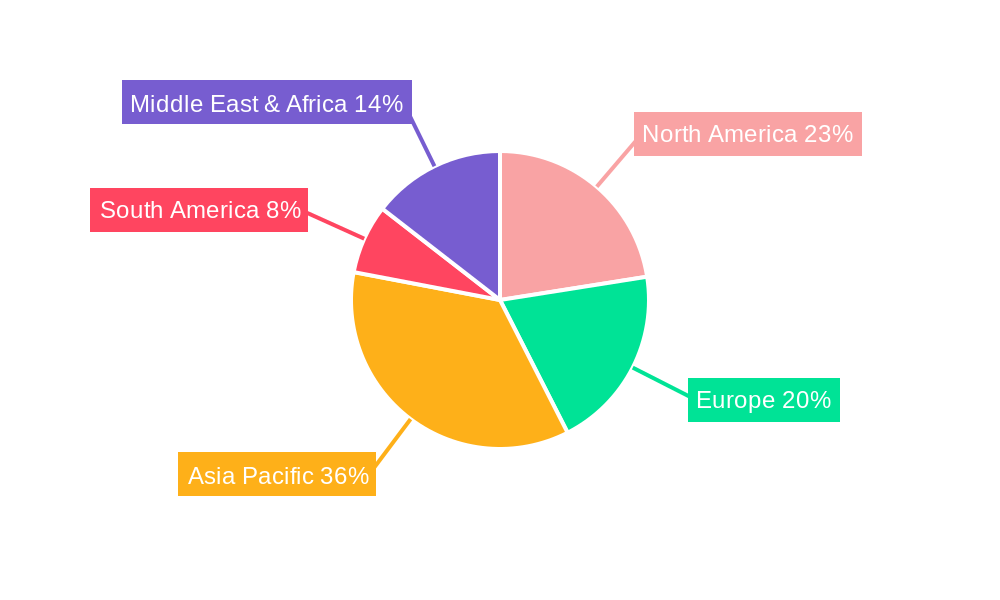
E-ink Screens Regional Market Share
Geographic Coverage of E-ink Screens
E-ink Screens REPORT HIGHLIGHTS
| Aspects | Details |
|---|---|
| Study Period | 2020-2034 |
| Base Year | 2025 |
| Estimated Year | 2026 |
| Forecast Period | 2026-2034 |
| Historical Period | 2020-2025 |
| Growth Rate | CAGR of 15% from 2020-2034 |
| Segmentation |
|
Table of Contents
- 1. Introduction
- 1.1. Research Scope
- 1.2. Market Segmentation
- 1.3. Research Methodology
- 1.4. Definitions and Assumptions
- 2. Executive Summary
- 2.1. Introduction
- 3. Market Dynamics
- 3.1. Introduction
- 3.2. Market Drivers
- 3.3. Market Restrains
- 3.4. Market Trends
- 4. Market Factor Analysis
- 4.1. Porters Five Forces
- 4.2. Supply/Value Chain
- 4.3. PESTEL analysis
- 4.4. Market Entropy
- 4.5. Patent/Trademark Analysis
- 5. Global E-ink Screens Analysis, Insights and Forecast, 2020-2032
- 5.1. Market Analysis, Insights and Forecast - by Application
- 5.1.1. Readers
- 5.1.2. Wireless devices
- 5.1.3. Thermostats and Industrial Displays
- 5.1.4. Mobile point of sale units
- 5.1.5. In-store signage
- 5.2. Market Analysis, Insights and Forecast - by Types
- 5.2.1. Small Size
- 5.2.2. Medium Size
- 5.2.3. Large Size
- 5.3. Market Analysis, Insights and Forecast - by Region
- 5.3.1. North America
- 5.3.2. South America
- 5.3.3. Europe
- 5.3.4. Middle East & Africa
- 5.3.5. Asia Pacific
- 5.1. Market Analysis, Insights and Forecast - by Application
- 6. North America E-ink Screens Analysis, Insights and Forecast, 2020-2032
- 6.1. Market Analysis, Insights and Forecast - by Application
- 6.1.1. Readers
- 6.1.2. Wireless devices
- 6.1.3. Thermostats and Industrial Displays
- 6.1.4. Mobile point of sale units
- 6.1.5. In-store signage
- 6.2. Market Analysis, Insights and Forecast - by Types
- 6.2.1. Small Size
- 6.2.2. Medium Size
- 6.2.3. Large Size
- 6.1. Market Analysis, Insights and Forecast - by Application
- 7. South America E-ink Screens Analysis, Insights and Forecast, 2020-2032
- 7.1. Market Analysis, Insights and Forecast - by Application
- 7.1.1. Readers
- 7.1.2. Wireless devices
- 7.1.3. Thermostats and Industrial Displays
- 7.1.4. Mobile point of sale units
- 7.1.5. In-store signage
- 7.2. Market Analysis, Insights and Forecast - by Types
- 7.2.1. Small Size
- 7.2.2. Medium Size
- 7.2.3. Large Size
- 7.1. Market Analysis, Insights and Forecast - by Application
- 8. Europe E-ink Screens Analysis, Insights and Forecast, 2020-2032
- 8.1. Market Analysis, Insights and Forecast - by Application
- 8.1.1. Readers
- 8.1.2. Wireless devices
- 8.1.3. Thermostats and Industrial Displays
- 8.1.4. Mobile point of sale units
- 8.1.5. In-store signage
- 8.2. Market Analysis, Insights and Forecast - by Types
- 8.2.1. Small Size
- 8.2.2. Medium Size
- 8.2.3. Large Size
- 8.1. Market Analysis, Insights and Forecast - by Application
- 9. Middle East & Africa E-ink Screens Analysis, Insights and Forecast, 2020-2032
- 9.1. Market Analysis, Insights and Forecast - by Application
- 9.1.1. Readers
- 9.1.2. Wireless devices
- 9.1.3. Thermostats and Industrial Displays
- 9.1.4. Mobile point of sale units
- 9.1.5. In-store signage
- 9.2. Market Analysis, Insights and Forecast - by Types
- 9.2.1. Small Size
- 9.2.2. Medium Size
- 9.2.3. Large Size
- 9.1. Market Analysis, Insights and Forecast - by Application
- 10. Asia Pacific E-ink Screens Analysis, Insights and Forecast, 2020-2032
- 10.1. Market Analysis, Insights and Forecast - by Application
- 10.1.1. Readers
- 10.1.2. Wireless devices
- 10.1.3. Thermostats and Industrial Displays
- 10.1.4. Mobile point of sale units
- 10.1.5. In-store signage
- 10.2. Market Analysis, Insights and Forecast - by Types
- 10.2.1. Small Size
- 10.2.2. Medium Size
- 10.2.3. Large Size
- 10.1. Market Analysis, Insights and Forecast - by Application
- 11. Competitive Analysis
- 11.1. Global Market Share Analysis 2025
- 11.2. Company Profiles
- 11.2.1 E Ink Holdings Inc
- 11.2.1.1. Overview
- 11.2.1.2. Products
- 11.2.1.3. SWOT Analysis
- 11.2.1.4. Recent Developments
- 11.2.1.5. Financials (Based on Availability)
- 11.2.2 ONYX BOOX
- 11.2.2.1. Overview
- 11.2.2.2. Products
- 11.2.2.3. SWOT Analysis
- 11.2.2.4. Recent Developments
- 11.2.2.5. Financials (Based on Availability)
- 11.2.1 E Ink Holdings Inc
List of Figures
- Figure 1: Global E-ink Screens Revenue Breakdown (billion, %) by Region 2025 & 2033
- Figure 2: North America E-ink Screens Revenue (billion), by Application 2025 & 2033
- Figure 3: North America E-ink Screens Revenue Share (%), by Application 2025 & 2033
- Figure 4: North America E-ink Screens Revenue (billion), by Types 2025 & 2033
- Figure 5: North America E-ink Screens Revenue Share (%), by Types 2025 & 2033
- Figure 6: North America E-ink Screens Revenue (billion), by Country 2025 & 2033
- Figure 7: North America E-ink Screens Revenue Share (%), by Country 2025 & 2033
- Figure 8: South America E-ink Screens Revenue (billion), by Application 2025 & 2033
- Figure 9: South America E-ink Screens Revenue Share (%), by Application 2025 & 2033
- Figure 10: South America E-ink Screens Revenue (billion), by Types 2025 & 2033
- Figure 11: South America E-ink Screens Revenue Share (%), by Types 2025 & 2033
- Figure 12: South America E-ink Screens Revenue (billion), by Country 2025 & 2033
- Figure 13: South America E-ink Screens Revenue Share (%), by Country 2025 & 2033
- Figure 14: Europe E-ink Screens Revenue (billion), by Application 2025 & 2033
- Figure 15: Europe E-ink Screens Revenue Share (%), by Application 2025 & 2033
- Figure 16: Europe E-ink Screens Revenue (billion), by Types 2025 & 2033
- Figure 17: Europe E-ink Screens Revenue Share (%), by Types 2025 & 2033
- Figure 18: Europe E-ink Screens Revenue (billion), by Country 2025 & 2033
- Figure 19: Europe E-ink Screens Revenue Share (%), by Country 2025 & 2033
- Figure 20: Middle East & Africa E-ink Screens Revenue (billion), by Application 2025 & 2033
- Figure 21: Middle East & Africa E-ink Screens Revenue Share (%), by Application 2025 & 2033
- Figure 22: Middle East & Africa E-ink Screens Revenue (billion), by Types 2025 & 2033
- Figure 23: Middle East & Africa E-ink Screens Revenue Share (%), by Types 2025 & 2033
- Figure 24: Middle East & Africa E-ink Screens Revenue (billion), by Country 2025 & 2033
- Figure 25: Middle East & Africa E-ink Screens Revenue Share (%), by Country 2025 & 2033
- Figure 26: Asia Pacific E-ink Screens Revenue (billion), by Application 2025 & 2033
- Figure 27: Asia Pacific E-ink Screens Revenue Share (%), by Application 2025 & 2033
- Figure 28: Asia Pacific E-ink Screens Revenue (billion), by Types 2025 & 2033
- Figure 29: Asia Pacific E-ink Screens Revenue Share (%), by Types 2025 & 2033
- Figure 30: Asia Pacific E-ink Screens Revenue (billion), by Country 2025 & 2033
- Figure 31: Asia Pacific E-ink Screens Revenue Share (%), by Country 2025 & 2033
List of Tables
- Table 1: Global E-ink Screens Revenue billion Forecast, by Application 2020 & 2033
- Table 2: Global E-ink Screens Revenue billion Forecast, by Types 2020 & 2033
- Table 3: Global E-ink Screens Revenue billion Forecast, by Region 2020 & 2033
- Table 4: Global E-ink Screens Revenue billion Forecast, by Application 2020 & 2033
- Table 5: Global E-ink Screens Revenue billion Forecast, by Types 2020 & 2033
- Table 6: Global E-ink Screens Revenue billion Forecast, by Country 2020 & 2033
- Table 7: United States E-ink Screens Revenue (billion) Forecast, by Application 2020 & 2033
- Table 8: Canada E-ink Screens Revenue (billion) Forecast, by Application 2020 & 2033
- Table 9: Mexico E-ink Screens Revenue (billion) Forecast, by Application 2020 & 2033
- Table 10: Global E-ink Screens Revenue billion Forecast, by Application 2020 & 2033
- Table 11: Global E-ink Screens Revenue billion Forecast, by Types 2020 & 2033
- Table 12: Global E-ink Screens Revenue billion Forecast, by Country 2020 & 2033
- Table 13: Brazil E-ink Screens Revenue (billion) Forecast, by Application 2020 & 2033
- Table 14: Argentina E-ink Screens Revenue (billion) Forecast, by Application 2020 & 2033
- Table 15: Rest of South America E-ink Screens Revenue (billion) Forecast, by Application 2020 & 2033
- Table 16: Global E-ink Screens Revenue billion Forecast, by Application 2020 & 2033
- Table 17: Global E-ink Screens Revenue billion Forecast, by Types 2020 & 2033
- Table 18: Global E-ink Screens Revenue billion Forecast, by Country 2020 & 2033
- Table 19: United Kingdom E-ink Screens Revenue (billion) Forecast, by Application 2020 & 2033
- Table 20: Germany E-ink Screens Revenue (billion) Forecast, by Application 2020 & 2033
- Table 21: France E-ink Screens Revenue (billion) Forecast, by Application 2020 & 2033
- Table 22: Italy E-ink Screens Revenue (billion) Forecast, by Application 2020 & 2033
- Table 23: Spain E-ink Screens Revenue (billion) Forecast, by Application 2020 & 2033
- Table 24: Russia E-ink Screens Revenue (billion) Forecast, by Application 2020 & 2033
- Table 25: Benelux E-ink Screens Revenue (billion) Forecast, by Application 2020 & 2033
- Table 26: Nordics E-ink Screens Revenue (billion) Forecast, by Application 2020 & 2033
- Table 27: Rest of Europe E-ink Screens Revenue (billion) Forecast, by Application 2020 & 2033
- Table 28: Global E-ink Screens Revenue billion Forecast, by Application 2020 & 2033
- Table 29: Global E-ink Screens Revenue billion Forecast, by Types 2020 & 2033
- Table 30: Global E-ink Screens Revenue billion Forecast, by Country 2020 & 2033
- Table 31: Turkey E-ink Screens Revenue (billion) Forecast, by Application 2020 & 2033
- Table 32: Israel E-ink Screens Revenue (billion) Forecast, by Application 2020 & 2033
- Table 33: GCC E-ink Screens Revenue (billion) Forecast, by Application 2020 & 2033
- Table 34: North Africa E-ink Screens Revenue (billion) Forecast, by Application 2020 & 2033
- Table 35: South Africa E-ink Screens Revenue (billion) Forecast, by Application 2020 & 2033
- Table 36: Rest of Middle East & Africa E-ink Screens Revenue (billion) Forecast, by Application 2020 & 2033
- Table 37: Global E-ink Screens Revenue billion Forecast, by Application 2020 & 2033
- Table 38: Global E-ink Screens Revenue billion Forecast, by Types 2020 & 2033
- Table 39: Global E-ink Screens Revenue billion Forecast, by Country 2020 & 2033
- Table 40: China E-ink Screens Revenue (billion) Forecast, by Application 2020 & 2033
- Table 41: India E-ink Screens Revenue (billion) Forecast, by Application 2020 & 2033
- Table 42: Japan E-ink Screens Revenue (billion) Forecast, by Application 2020 & 2033
- Table 43: South Korea E-ink Screens Revenue (billion) Forecast, by Application 2020 & 2033
- Table 44: ASEAN E-ink Screens Revenue (billion) Forecast, by Application 2020 & 2033
- Table 45: Oceania E-ink Screens Revenue (billion) Forecast, by Application 2020 & 2033
- Table 46: Rest of Asia Pacific E-ink Screens Revenue (billion) Forecast, by Application 2020 & 2033
Frequently Asked Questions
1. What is the projected Compound Annual Growth Rate (CAGR) of the E-ink Screens?
The projected CAGR is approximately 15%.
2. Which companies are prominent players in the E-ink Screens?
Key companies in the market include E Ink Holdings Inc, ONYX BOOX.
3. What are the main segments of the E-ink Screens?
The market segments include Application, Types.
4. Can you provide details about the market size?
The market size is estimated to be USD 8.7 billion as of 2022.
5. What are some drivers contributing to market growth?
N/A
6. What are the notable trends driving market growth?
N/A
7. Are there any restraints impacting market growth?
N/A
8. Can you provide examples of recent developments in the market?
N/A
9. What pricing options are available for accessing the report?
Pricing options include single-user, multi-user, and enterprise licenses priced at USD 4900.00, USD 7350.00, and USD 9800.00 respectively.
10. Is the market size provided in terms of value or volume?
The market size is provided in terms of value, measured in billion.
11. Are there any specific market keywords associated with the report?
Yes, the market keyword associated with the report is "E-ink Screens," which aids in identifying and referencing the specific market segment covered.
12. How do I determine which pricing option suits my needs best?
The pricing options vary based on user requirements and access needs. Individual users may opt for single-user licenses, while businesses requiring broader access may choose multi-user or enterprise licenses for cost-effective access to the report.
13. Are there any additional resources or data provided in the E-ink Screens report?
While the report offers comprehensive insights, it's advisable to review the specific contents or supplementary materials provided to ascertain if additional resources or data are available.
14. How can I stay updated on further developments or reports in the E-ink Screens?
To stay informed about further developments, trends, and reports in the E-ink Screens, consider subscribing to industry newsletters, following relevant companies and organizations, or regularly checking reputable industry news sources and publications.
Methodology
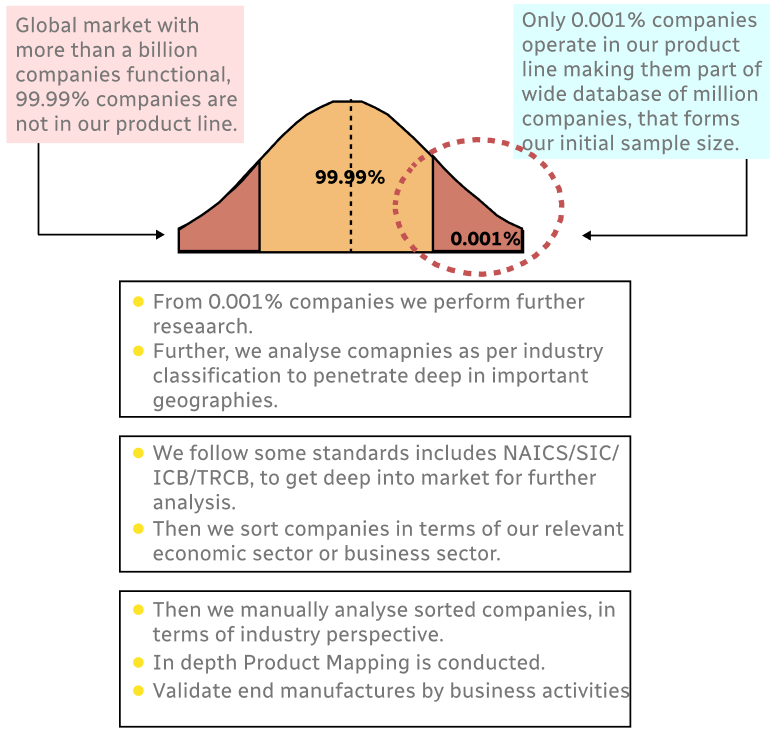
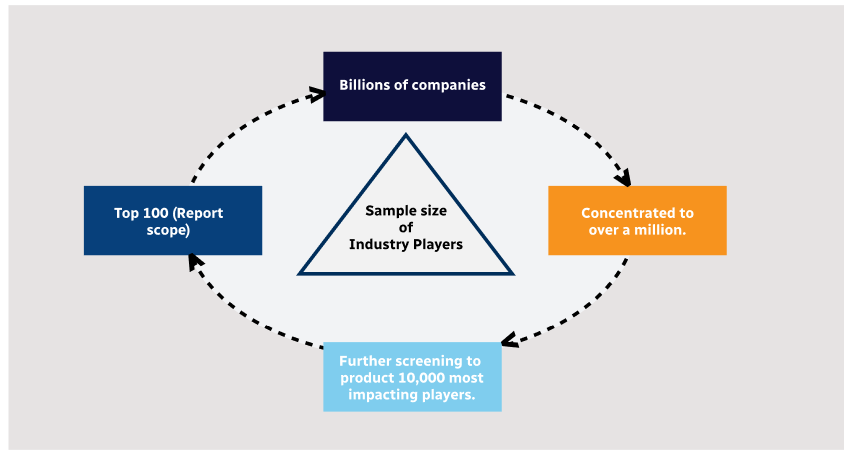
Step 1 - Identification of Relevant Samples Size from Population Database
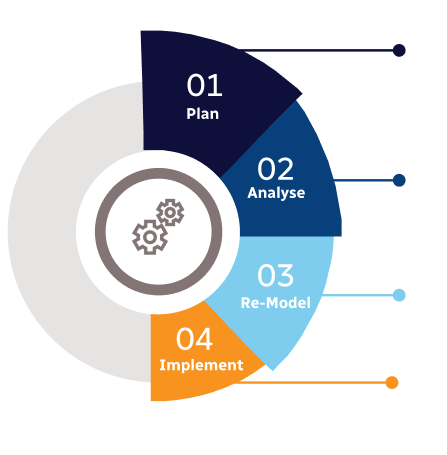
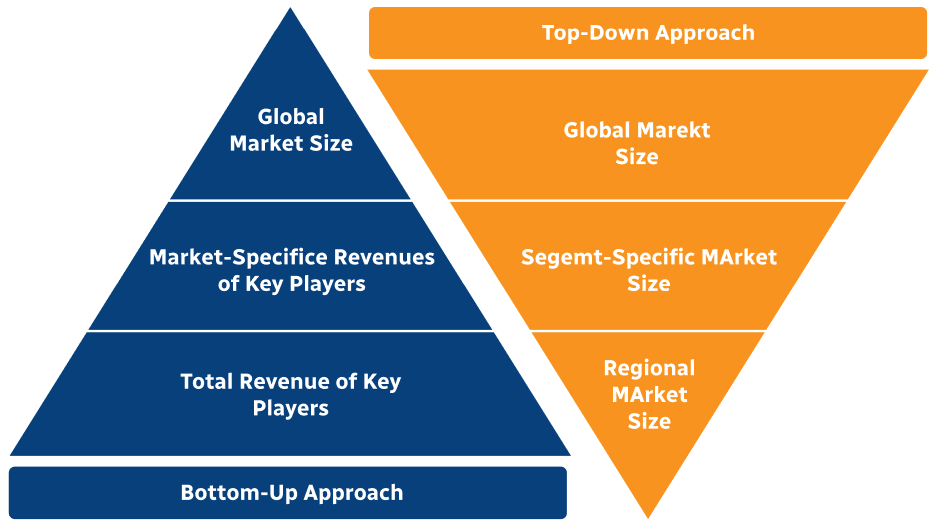
Step 2 - Approaches for Defining Global Market Size (Value, Volume* & Price*)
Note*: In applicable scenarios
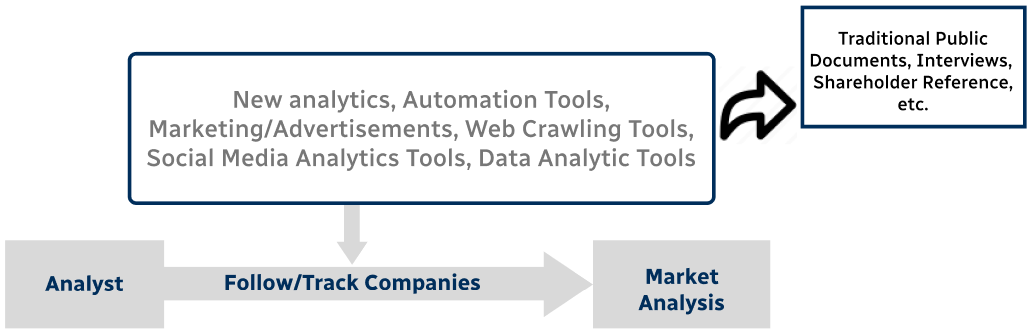
Step 3 - Data Sources
Primary Research
- Web Analytics
- Survey Reports
- Research Institute
- Latest Research Reports
- Opinion Leaders
Secondary Research
- Annual Reports
- White Paper
- Latest Press Release
- Industry Association
- Paid Database
- Investor Presentations
Step 4 - Data Triangulation
Involves using different sources of information in order to increase the validity of a study
These sources are likely to be stakeholders in a program - participants, other researchers, program staff, other community members, and so on.
Then we put all data in single framework & apply various statistical tools to find out the dynamic on the market.
During the analysis stage, feedback from the stakeholder groups would be compared to determine areas of agreement as well as areas of divergence