


Key Insights
The global Deep UV LEDs for Disinfection market is projected to reach $1.23 billion by 2025, with a significant Compound Annual Growth Rate (CAGR) of 11.9% from 2025 to 2033. This expansion is fueled by increasing demand for efficient and sustainable disinfection solutions across critical sectors. Key growth drivers include heightened global awareness of hygiene and public health, amplified by recent pandemic events, which necessitates advanced sterilization technologies. The inherent advantages of Deep UV LEDs, such as energy efficiency, extended lifespan, mercury-free composition, and compact design, make them a compelling alternative to traditional methods like UV lamps and chemical treatments. These benefits are driving adoption in medical equipment sterilization and water treatment, ensuring public safety and access to potable water.
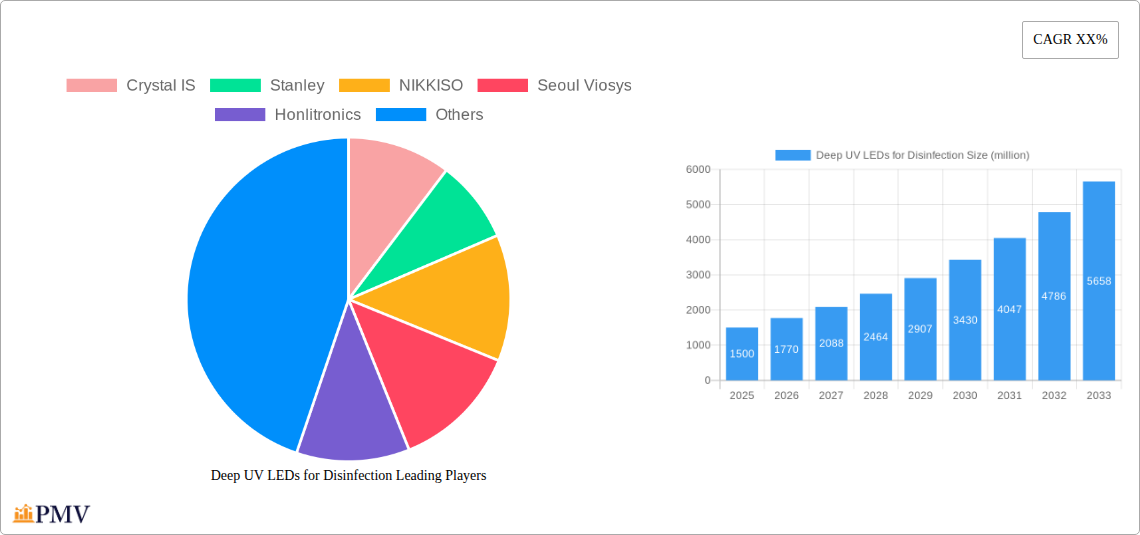
Deep UV LEDs for Disinfection Market Size (In Billion)

Technological advancements in Deep UV LED chip efficiency and manufacturing processes are further enhancing market trajectory, leading to cost reductions and improved performance. Emerging applications in consumer product disinfection, including air purifiers, refrigerators, and personal care devices, are opening new market penetration avenues. While the market outlook is highly optimistic, potential restraints such as the initial high cost of implementation for some advanced systems and the need for standardized regulatory frameworks to ensure product safety and efficacy require attention. However, the pervasive need for germ-free environments and continuous innovation in the semiconductor industry are expected to outweigh these challenges, fostering sustained growth. Prominent market players, including Seoul Viosys, LG Innotek, and Crystal IS, are actively investing in research and development to secure substantial market share.
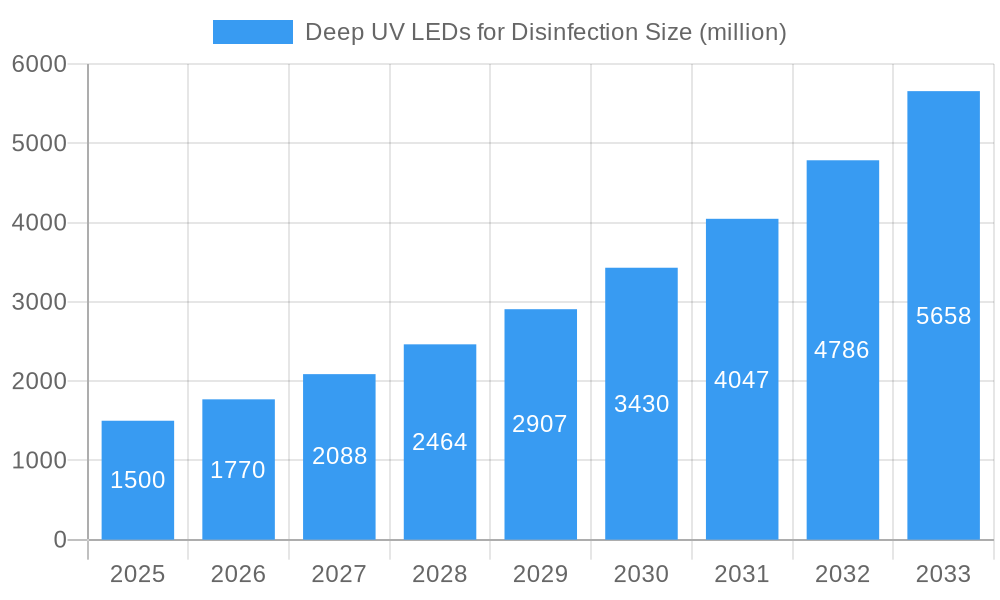
Deep UV LEDs for Disinfection Company Market Share
Deep UV LEDs for Disinfection Market Analysis: Navigating a Growing Sector for Enhanced Sterilization
This comprehensive report offers a deep dive into the Deep UV LEDs for Disinfection market, providing critical insights for manufacturers, suppliers, and end-users. We analyze the market structure, competitive landscape, industry trends, dominant segments, and future outlook from 2019 to 2033, with a base year of 2025. This report is crucial for understanding the evolving demands for advanced sterilization technologies in diverse applications.
Deep UV LEDs for Disinfection Market Structure & Competitive Dynamics
The Deep UV LEDs for Disinfection market is characterized by moderate to high concentration, with leading players investing heavily in research and development to achieve superior efficacy and energy efficiency. Innovation ecosystems are thriving, driven by strategic partnerships between LED manufacturers and equipment providers, fostering rapid product development and application expansion. Regulatory frameworks, particularly concerning public health and safety standards, are evolving to accommodate the growing adoption of UV-C disinfection technologies. Product substitutes, such as mercury lamps and traditional chemical disinfectants, are being gradually displaced by the superior advantages of Deep UV LEDs, including their long lifespan, instant on/off capability, and mercury-free composition. End-user trends are leaning towards automated and integrated disinfection solutions across various sectors. Merger and acquisition activities are observed, with strategic acquisitions aimed at consolidating market share and expanding technological capabilities. For instance, M&A deal values are projected to reach several hundred million dollars annually during the forecast period as companies seek to bolster their portfolios and market reach. Crystal IS, Stanley Electric, and NIKKISO are key contributors to market consolidation and innovation.
Deep UV LEDs for Disinfection Industry Trends & Insights
The Deep UV LEDs for Disinfection industry is experiencing a significant growth trajectory, fueled by an escalating global emphasis on hygiene and public health. Market growth drivers include the increasing prevalence of infectious diseases, demanding more effective and widespread sterilization methods, coupled with growing consumer awareness regarding the health benefits of UV-C disinfection. Technological disruptions are at the forefront, with continuous advancements in AlGaN and InGaN-based Deep UV LED technologies leading to improved power output, wavelength stability, and cost-effectiveness. These advancements are broadening the scope of applications, making UV-C disinfection a viable option for a wider range of products and environments. Consumer preferences are shifting towards non-chemical, residue-free disinfection solutions, directly benefiting the adoption of Deep UV LEDs. Competitive dynamics are intensifying, with established players like Seoul Viosys, Honlitronics, and LG Innotek actively vying for market dominance through product differentiation and strategic collaborations. The projected Compound Annual Growth Rate (CAGR) for this market is estimated to be around 15-20% during the forecast period of 2025-2033. Market penetration is rapidly increasing across medical, consumer, and industrial sectors, driven by the inherent advantages of UV-C light in inactivating a broad spectrum of pathogens, including bacteria, viruses, and fungi.
Dominant Markets & Segments in Deep UV LEDs for Disinfection
The Medical Equipment Disinfection segment is poised to be a dominant force in the Deep UV LEDs for Disinfection market, driven by stringent healthcare regulations and the critical need for sterile environments to combat hospital-acquired infections. Key drivers for this dominance include governmental mandates for infection control, the increasing complexity of medical devices requiring non-intrusive disinfection methods, and significant investments in advanced healthcare infrastructure. Countries with advanced healthcare systems and a strong focus on public health, such as the United States, Germany, Japan, and South Korea, are expected to lead in this segment.
Within the Application segments:
- Medical Equipment Disinfection: Expected to capture a market share of over 30% by 2033, owing to the critical need for sterilization in hospitals, clinics, and laboratories.
- Water Treatment: Significant growth anticipated, with a projected market share of 25%, driven by increasing concerns over waterborne diseases and the demand for safe drinking water.
- Consumer Product Disinfection: Rapid expansion expected, reaching 20% market share, fueled by the growing adoption of UV-C sanitizing devices for everyday items.
- Electromechanical Disinfection: Steady growth anticipated, accounting for 15% market share, particularly in industrial settings for equipment sterilization.
- Other Applications: Encompassing areas like air purification and surface disinfection, projected to hold 10% market share.
Regarding Types:
- AlGaN based LEDs are dominant in applications requiring shorter wavelengths for maximum germicidal efficacy, holding an estimated 55% market share.
- InGaN based LEDs, offering a broader range of wavelengths and better cost-effectiveness, are expected to capture 40% market share, particularly in emerging applications.
- Other types, including experimental materials, are projected to hold a smaller, 5% market share.
Economic policies promoting public health initiatives and investments in advanced manufacturing capabilities further bolster the growth of these dominant segments.
Deep UV LEDs for Disinfection Product Innovations
Product innovations in the Deep UV LEDs for Disinfection market are primarily focused on enhancing germicidal efficacy, improving energy efficiency, and miniaturizing form factors for wider application integration. Manufacturers are developing high-power Deep UV LEDs capable of delivering precise germicidal doses in shorter timeframes, crucial for Medical Equipment Disinfection and Water Treatment. The development of novel chip architectures and packaging technologies is leading to more cost-effective and robust solutions, driving adoption in Consumer Product Disinfection. Competitive advantages are being gained through superior wavelength control, extended lifespan, and reduced thermal management requirements, making these LEDs ideal for integration into a variety of devices.
Report Segmentation & Scope
This report segments the Deep UV LEDs for Disinfection market by Application and Type.
Application Segments:
- Medical Equipment Disinfection: This segment includes the sterilization of surgical instruments, diagnostic equipment, and laboratory apparatus. Growth projections are robust, with market sizes expected to reach several hundred million dollars. Competitive dynamics are driven by performance and regulatory compliance.
- Electromechanical Disinfection: Pertains to the disinfection of industrial machinery, electronics, and components. This segment is projected to exhibit steady growth, with market sizes reaching hundreds of millions of dollars.
- Consumer Product Disinfection: Encompasses UV-C sanitizing devices for personal items, home appliances, and consumer electronics. This segment is expected to witness rapid expansion, with market sizes growing to over a billion dollars.
- Water Treatment: Focuses on UV-C disinfection for drinking water, wastewater, and industrial process water. Market sizes are projected to reach billions of dollars, with strong growth driven by environmental concerns.
- Other Applications: Includes air purification, surface disinfection, and specialized industrial applications. Market sizes are projected to reach hundreds of millions of dollars.
Type Segments:
- AlGaN: LEDs based on Aluminum Gallium Nitride, known for their high germicidal efficacy at shorter wavelengths.
- InGaN: LEDs based on Indium Gallium Nitride, offering a wider range of wavelengths and improved cost-effectiveness.
- Other: Encompasses emerging materials and technologies in the Deep UV LED space.
Key Drivers of Deep UV LEDs for Disinfection Growth
The growth of the Deep UV LEDs for Disinfection market is propelled by several interconnected factors. Technologically, advancements in material science and manufacturing processes are leading to more efficient, powerful, and cost-effective Deep UV LED chips. Economically, the increasing global focus on public health, coupled with a growing understanding of the long-term cost savings associated with UV-C disinfection (reduced chemical usage, lower maintenance), is driving investment. Regulatory drivers, such as stricter guidelines for infection control in healthcare settings and the increasing demand for safe drinking water, are creating a favorable market environment. For instance, government initiatives promoting non-chemical disinfection methods contribute significantly to market expansion, with the market expected to reach several billion dollars by 2033.
Challenges in the Deep UV LEDs for Disinfection Sector
Despite the promising outlook, the Deep UV LEDs for Disinfection sector faces several challenges. Regulatory hurdles can arise from varying international standards and certifications, slowing down market penetration in some regions. Supply chain issues, particularly concerning raw materials and specialized manufacturing equipment, can impact production volumes and lead times. Competitive pressures from established disinfection technologies, while diminishing, still exist, requiring continuous innovation to demonstrate clear advantages. Furthermore, the initial cost of Deep UV LED systems can be a barrier for some smaller businesses and developing economies, although this is being addressed by economies of scale and technological advancements, with the market expected to reach over 500 million units in shipments.
Leading Players in the Deep UV LEDs for Disinfection Market
- Crystal IS
- Stanley Electric
- NIKKISO
- Seoul Viosys
- Honlitronics
- LG Innotek
- DOWA Electronics
- San'an Optoelectronics
- Lite-on
- Lumileds Holding BV
- Nordson Corporation
- Honle UV America Inc.
- Qingdao Jason
- NationStar
- High Power Lighting Corp
- Lextar
- SemiconLight
Key Developments in Deep UV LEDs for Disinfection Sector
- 2023 Q4: Seoul Viosys launches new series of high-power Deep UV LEDs for enhanced water purification systems, projecting a 10% increase in disinfection efficiency.
- 2024 Q1: Crystal IS announces a breakthrough in AlGaN LED technology, achieving 150 milliwatts of output power at 265 nanometers, significantly reducing disinfection times.
- 2024 Q2: LG Innotek showcases an integrated Deep UV LED module for medical equipment sterilization, aiming for a market share of 5% in this niche.
- 2024 Q3: NIKKISO invests heavily in expanding its manufacturing capacity for Deep UV LEDs, anticipating a 20% market growth in the coming years.
- 2025 Q1: Honlitronics introduces a cost-effective InGaN Deep UV LED for consumer-grade air purifiers, targeting a market expansion of 15%.
Strategic Deep UV LEDs for Disinfection Market Outlook
The strategic market outlook for Deep UV LEDs for Disinfection is exceptionally positive, driven by the persistent global demand for effective and sustainable sterilization solutions. Growth accelerators include the continued integration of these LEDs into smart devices and IoT-enabled disinfection systems, offering automated and remote monitoring capabilities. Furthermore, the expanding applications in emerging markets and the development of novel sterilization techniques for sensitive materials will unlock new revenue streams, projecting a market value exceeding several billion dollars by 2033. Strategic collaborations between technology providers and end-users will be crucial for developing tailored disinfection solutions, solidifying the indispensable role of Deep UV LEDs in safeguarding public health and ensuring product integrity across diverse industries.
Deep UV LEDs for Disinfection Segmentation
-
1. Application
- 1.1. Medical Equipment Disinfection
- 1.2. Electromechanical Disinfection
- 1.3. Consumer Product Disinfection
- 1.4. Water Treatment
- 1.5. Other
-
2. Types
- 2.1. AlGaN
- 2.2. InGaN
- 2.3. Other
Deep UV LEDs for Disinfection Segmentation By Geography
-
1. North America
- 1.1. United States
- 1.2. Canada
- 1.3. Mexico
-
2. South America
- 2.1. Brazil
- 2.2. Argentina
- 2.3. Rest of South America
-
3. Europe
- 3.1. United Kingdom
- 3.2. Germany
- 3.3. France
- 3.4. Italy
- 3.5. Spain
- 3.6. Russia
- 3.7. Benelux
- 3.8. Nordics
- 3.9. Rest of Europe
-
4. Middle East & Africa
- 4.1. Turkey
- 4.2. Israel
- 4.3. GCC
- 4.4. North Africa
- 4.5. South Africa
- 4.6. Rest of Middle East & Africa
-
5. Asia Pacific
- 5.1. China
- 5.2. India
- 5.3. Japan
- 5.4. South Korea
- 5.5. ASEAN
- 5.6. Oceania
- 5.7. Rest of Asia Pacific
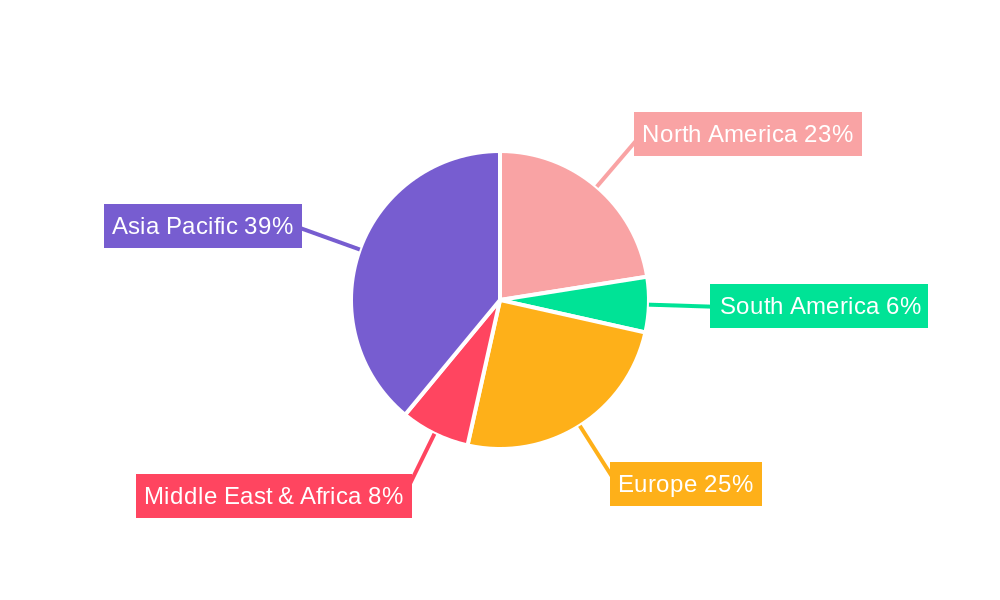
Deep UV LEDs for Disinfection Regional Market Share
Geographic Coverage of Deep UV LEDs for Disinfection
Deep UV LEDs for Disinfection REPORT HIGHLIGHTS
| Aspects | Details |
|---|---|
| Study Period | 2020-2034 |
| Base Year | 2025 |
| Estimated Year | 2026 |
| Forecast Period | 2026-2034 |
| Historical Period | 2020-2025 |
| Growth Rate | CAGR of 11.9% from 2020-2034 |
| Segmentation |
|
Table of Contents
- 1. Introduction
- 1.1. Research Scope
- 1.2. Market Segmentation
- 1.3. Research Methodology
- 1.4. Definitions and Assumptions
- 2. Executive Summary
- 2.1. Introduction
- 3. Market Dynamics
- 3.1. Introduction
- 3.2. Market Drivers
- 3.3. Market Restrains
- 3.4. Market Trends
- 4. Market Factor Analysis
- 4.1. Porters Five Forces
- 4.2. Supply/Value Chain
- 4.3. PESTEL analysis
- 4.4. Market Entropy
- 4.5. Patent/Trademark Analysis
- 5. Global Deep UV LEDs for Disinfection Analysis, Insights and Forecast, 2020-2032
- 5.1. Market Analysis, Insights and Forecast - by Application
- 5.1.1. Medical Equipment Disinfection
- 5.1.2. Electromechanical Disinfection
- 5.1.3. Consumer Product Disinfection
- 5.1.4. Water Treatment
- 5.1.5. Other
- 5.2. Market Analysis, Insights and Forecast - by Types
- 5.2.1. AlGaN
- 5.2.2. InGaN
- 5.2.3. Other
- 5.3. Market Analysis, Insights and Forecast - by Region
- 5.3.1. North America
- 5.3.2. South America
- 5.3.3. Europe
- 5.3.4. Middle East & Africa
- 5.3.5. Asia Pacific
- 5.1. Market Analysis, Insights and Forecast - by Application
- 6. North America Deep UV LEDs for Disinfection Analysis, Insights and Forecast, 2020-2032
- 6.1. Market Analysis, Insights and Forecast - by Application
- 6.1.1. Medical Equipment Disinfection
- 6.1.2. Electromechanical Disinfection
- 6.1.3. Consumer Product Disinfection
- 6.1.4. Water Treatment
- 6.1.5. Other
- 6.2. Market Analysis, Insights and Forecast - by Types
- 6.2.1. AlGaN
- 6.2.2. InGaN
- 6.2.3. Other
- 6.1. Market Analysis, Insights and Forecast - by Application
- 7. South America Deep UV LEDs for Disinfection Analysis, Insights and Forecast, 2020-2032
- 7.1. Market Analysis, Insights and Forecast - by Application
- 7.1.1. Medical Equipment Disinfection
- 7.1.2. Electromechanical Disinfection
- 7.1.3. Consumer Product Disinfection
- 7.1.4. Water Treatment
- 7.1.5. Other
- 7.2. Market Analysis, Insights and Forecast - by Types
- 7.2.1. AlGaN
- 7.2.2. InGaN
- 7.2.3. Other
- 7.1. Market Analysis, Insights and Forecast - by Application
- 8. Europe Deep UV LEDs for Disinfection Analysis, Insights and Forecast, 2020-2032
- 8.1. Market Analysis, Insights and Forecast - by Application
- 8.1.1. Medical Equipment Disinfection
- 8.1.2. Electromechanical Disinfection
- 8.1.3. Consumer Product Disinfection
- 8.1.4. Water Treatment
- 8.1.5. Other
- 8.2. Market Analysis, Insights and Forecast - by Types
- 8.2.1. AlGaN
- 8.2.2. InGaN
- 8.2.3. Other
- 8.1. Market Analysis, Insights and Forecast - by Application
- 9. Middle East & Africa Deep UV LEDs for Disinfection Analysis, Insights and Forecast, 2020-2032
- 9.1. Market Analysis, Insights and Forecast - by Application
- 9.1.1. Medical Equipment Disinfection
- 9.1.2. Electromechanical Disinfection
- 9.1.3. Consumer Product Disinfection
- 9.1.4. Water Treatment
- 9.1.5. Other
- 9.2. Market Analysis, Insights and Forecast - by Types
- 9.2.1. AlGaN
- 9.2.2. InGaN
- 9.2.3. Other
- 9.1. Market Analysis, Insights and Forecast - by Application
- 10. Asia Pacific Deep UV LEDs for Disinfection Analysis, Insights and Forecast, 2020-2032
- 10.1. Market Analysis, Insights and Forecast - by Application
- 10.1.1. Medical Equipment Disinfection
- 10.1.2. Electromechanical Disinfection
- 10.1.3. Consumer Product Disinfection
- 10.1.4. Water Treatment
- 10.1.5. Other
- 10.2. Market Analysis, Insights and Forecast - by Types
- 10.2.1. AlGaN
- 10.2.2. InGaN
- 10.2.3. Other
- 10.1. Market Analysis, Insights and Forecast - by Application
- 11. Competitive Analysis
- 11.1. Global Market Share Analysis 2025
- 11.2. Company Profiles
- 11.2.1 Crystal IS
- 11.2.1.1. Overview
- 11.2.1.2. Products
- 11.2.1.3. SWOT Analysis
- 11.2.1.4. Recent Developments
- 11.2.1.5. Financials (Based on Availability)
- 11.2.2 Stanley
- 11.2.2.1. Overview
- 11.2.2.2. Products
- 11.2.2.3. SWOT Analysis
- 11.2.2.4. Recent Developments
- 11.2.2.5. Financials (Based on Availability)
- 11.2.3 NIKKISO
- 11.2.3.1. Overview
- 11.2.3.2. Products
- 11.2.3.3. SWOT Analysis
- 11.2.3.4. Recent Developments
- 11.2.3.5. Financials (Based on Availability)
- 11.2.4 Seoul Viosys
- 11.2.4.1. Overview
- 11.2.4.2. Products
- 11.2.4.3. SWOT Analysis
- 11.2.4.4. Recent Developments
- 11.2.4.5. Financials (Based on Availability)
- 11.2.5 Honlitronics
- 11.2.5.1. Overview
- 11.2.5.2. Products
- 11.2.5.3. SWOT Analysis
- 11.2.5.4. Recent Developments
- 11.2.5.5. Financials (Based on Availability)
- 11.2.6 LG Innotek
- 11.2.6.1. Overview
- 11.2.6.2. Products
- 11.2.6.3. SWOT Analysis
- 11.2.6.4. Recent Developments
- 11.2.6.5. Financials (Based on Availability)
- 11.2.7 DOWA Electronics
- 11.2.7.1. Overview
- 11.2.7.2. Products
- 11.2.7.3. SWOT Analysis
- 11.2.7.4. Recent Developments
- 11.2.7.5. Financials (Based on Availability)
- 11.2.8 San'an Optoelectronics
- 11.2.8.1. Overview
- 11.2.8.2. Products
- 11.2.8.3. SWOT Analysis
- 11.2.8.4. Recent Developments
- 11.2.8.5. Financials (Based on Availability)
- 11.2.9 Lite-on
- 11.2.9.1. Overview
- 11.2.9.2. Products
- 11.2.9.3. SWOT Analysis
- 11.2.9.4. Recent Developments
- 11.2.9.5. Financials (Based on Availability)
- 11.2.10 Lumileds Holding BV
- 11.2.10.1. Overview
- 11.2.10.2. Products
- 11.2.10.3. SWOT Analysis
- 11.2.10.4. Recent Developments
- 11.2.10.5. Financials (Based on Availability)
- 11.2.11 Nordson Corporation
- 11.2.11.1. Overview
- 11.2.11.2. Products
- 11.2.11.3. SWOT Analysis
- 11.2.11.4. Recent Developments
- 11.2.11.5. Financials (Based on Availability)
- 11.2.12 Honle UV America Inc.
- 11.2.12.1. Overview
- 11.2.12.2. Products
- 11.2.12.3. SWOT Analysis
- 11.2.12.4. Recent Developments
- 11.2.12.5. Financials (Based on Availability)
- 11.2.13 Qingdao Jason
- 11.2.13.1. Overview
- 11.2.13.2. Products
- 11.2.13.3. SWOT Analysis
- 11.2.13.4. Recent Developments
- 11.2.13.5. Financials (Based on Availability)
- 11.2.14 NationStar
- 11.2.14.1. Overview
- 11.2.14.2. Products
- 11.2.14.3. SWOT Analysis
- 11.2.14.4. Recent Developments
- 11.2.14.5. Financials (Based on Availability)
- 11.2.15 High Power Lighting Corp
- 11.2.15.1. Overview
- 11.2.15.2. Products
- 11.2.15.3. SWOT Analysis
- 11.2.15.4. Recent Developments
- 11.2.15.5. Financials (Based on Availability)
- 11.2.16 Lextar
- 11.2.16.1. Overview
- 11.2.16.2. Products
- 11.2.16.3. SWOT Analysis
- 11.2.16.4. Recent Developments
- 11.2.16.5. Financials (Based on Availability)
- 11.2.1 Crystal IS
List of Figures
- Figure 1: Global Deep UV LEDs for Disinfection Revenue Breakdown (billion, %) by Region 2025 & 2033
- Figure 2: North America Deep UV LEDs for Disinfection Revenue (billion), by Application 2025 & 2033
- Figure 3: North America Deep UV LEDs for Disinfection Revenue Share (%), by Application 2025 & 2033
- Figure 4: North America Deep UV LEDs for Disinfection Revenue (billion), by Types 2025 & 2033
- Figure 5: North America Deep UV LEDs for Disinfection Revenue Share (%), by Types 2025 & 2033
- Figure 6: North America Deep UV LEDs for Disinfection Revenue (billion), by Country 2025 & 2033
- Figure 7: North America Deep UV LEDs for Disinfection Revenue Share (%), by Country 2025 & 2033
- Figure 8: South America Deep UV LEDs for Disinfection Revenue (billion), by Application 2025 & 2033
- Figure 9: South America Deep UV LEDs for Disinfection Revenue Share (%), by Application 2025 & 2033
- Figure 10: South America Deep UV LEDs for Disinfection Revenue (billion), by Types 2025 & 2033
- Figure 11: South America Deep UV LEDs for Disinfection Revenue Share (%), by Types 2025 & 2033
- Figure 12: South America Deep UV LEDs for Disinfection Revenue (billion), by Country 2025 & 2033
- Figure 13: South America Deep UV LEDs for Disinfection Revenue Share (%), by Country 2025 & 2033
- Figure 14: Europe Deep UV LEDs for Disinfection Revenue (billion), by Application 2025 & 2033
- Figure 15: Europe Deep UV LEDs for Disinfection Revenue Share (%), by Application 2025 & 2033
- Figure 16: Europe Deep UV LEDs for Disinfection Revenue (billion), by Types 2025 & 2033
- Figure 17: Europe Deep UV LEDs for Disinfection Revenue Share (%), by Types 2025 & 2033
- Figure 18: Europe Deep UV LEDs for Disinfection Revenue (billion), by Country 2025 & 2033
- Figure 19: Europe Deep UV LEDs for Disinfection Revenue Share (%), by Country 2025 & 2033
- Figure 20: Middle East & Africa Deep UV LEDs for Disinfection Revenue (billion), by Application 2025 & 2033
- Figure 21: Middle East & Africa Deep UV LEDs for Disinfection Revenue Share (%), by Application 2025 & 2033
- Figure 22: Middle East & Africa Deep UV LEDs for Disinfection Revenue (billion), by Types 2025 & 2033
- Figure 23: Middle East & Africa Deep UV LEDs for Disinfection Revenue Share (%), by Types 2025 & 2033
- Figure 24: Middle East & Africa Deep UV LEDs for Disinfection Revenue (billion), by Country 2025 & 2033
- Figure 25: Middle East & Africa Deep UV LEDs for Disinfection Revenue Share (%), by Country 2025 & 2033
- Figure 26: Asia Pacific Deep UV LEDs for Disinfection Revenue (billion), by Application 2025 & 2033
- Figure 27: Asia Pacific Deep UV LEDs for Disinfection Revenue Share (%), by Application 2025 & 2033
- Figure 28: Asia Pacific Deep UV LEDs for Disinfection Revenue (billion), by Types 2025 & 2033
- Figure 29: Asia Pacific Deep UV LEDs for Disinfection Revenue Share (%), by Types 2025 & 2033
- Figure 30: Asia Pacific Deep UV LEDs for Disinfection Revenue (billion), by Country 2025 & 2033
- Figure 31: Asia Pacific Deep UV LEDs for Disinfection Revenue Share (%), by Country 2025 & 2033
List of Tables
- Table 1: Global Deep UV LEDs for Disinfection Revenue billion Forecast, by Application 2020 & 2033
- Table 2: Global Deep UV LEDs for Disinfection Revenue billion Forecast, by Types 2020 & 2033
- Table 3: Global Deep UV LEDs for Disinfection Revenue billion Forecast, by Region 2020 & 2033
- Table 4: Global Deep UV LEDs for Disinfection Revenue billion Forecast, by Application 2020 & 2033
- Table 5: Global Deep UV LEDs for Disinfection Revenue billion Forecast, by Types 2020 & 2033
- Table 6: Global Deep UV LEDs for Disinfection Revenue billion Forecast, by Country 2020 & 2033
- Table 7: United States Deep UV LEDs for Disinfection Revenue (billion) Forecast, by Application 2020 & 2033
- Table 8: Canada Deep UV LEDs for Disinfection Revenue (billion) Forecast, by Application 2020 & 2033
- Table 9: Mexico Deep UV LEDs for Disinfection Revenue (billion) Forecast, by Application 2020 & 2033
- Table 10: Global Deep UV LEDs for Disinfection Revenue billion Forecast, by Application 2020 & 2033
- Table 11: Global Deep UV LEDs for Disinfection Revenue billion Forecast, by Types 2020 & 2033
- Table 12: Global Deep UV LEDs for Disinfection Revenue billion Forecast, by Country 2020 & 2033
- Table 13: Brazil Deep UV LEDs for Disinfection Revenue (billion) Forecast, by Application 2020 & 2033
- Table 14: Argentina Deep UV LEDs for Disinfection Revenue (billion) Forecast, by Application 2020 & 2033
- Table 15: Rest of South America Deep UV LEDs for Disinfection Revenue (billion) Forecast, by Application 2020 & 2033
- Table 16: Global Deep UV LEDs for Disinfection Revenue billion Forecast, by Application 2020 & 2033
- Table 17: Global Deep UV LEDs for Disinfection Revenue billion Forecast, by Types 2020 & 2033
- Table 18: Global Deep UV LEDs for Disinfection Revenue billion Forecast, by Country 2020 & 2033
- Table 19: United Kingdom Deep UV LEDs for Disinfection Revenue (billion) Forecast, by Application 2020 & 2033
- Table 20: Germany Deep UV LEDs for Disinfection Revenue (billion) Forecast, by Application 2020 & 2033
- Table 21: France Deep UV LEDs for Disinfection Revenue (billion) Forecast, by Application 2020 & 2033
- Table 22: Italy Deep UV LEDs for Disinfection Revenue (billion) Forecast, by Application 2020 & 2033
- Table 23: Spain Deep UV LEDs for Disinfection Revenue (billion) Forecast, by Application 2020 & 2033
- Table 24: Russia Deep UV LEDs for Disinfection Revenue (billion) Forecast, by Application 2020 & 2033
- Table 25: Benelux Deep UV LEDs for Disinfection Revenue (billion) Forecast, by Application 2020 & 2033
- Table 26: Nordics Deep UV LEDs for Disinfection Revenue (billion) Forecast, by Application 2020 & 2033
- Table 27: Rest of Europe Deep UV LEDs for Disinfection Revenue (billion) Forecast, by Application 2020 & 2033
- Table 28: Global Deep UV LEDs for Disinfection Revenue billion Forecast, by Application 2020 & 2033
- Table 29: Global Deep UV LEDs for Disinfection Revenue billion Forecast, by Types 2020 & 2033
- Table 30: Global Deep UV LEDs for Disinfection Revenue billion Forecast, by Country 2020 & 2033
- Table 31: Turkey Deep UV LEDs for Disinfection Revenue (billion) Forecast, by Application 2020 & 2033
- Table 32: Israel Deep UV LEDs for Disinfection Revenue (billion) Forecast, by Application 2020 & 2033
- Table 33: GCC Deep UV LEDs for Disinfection Revenue (billion) Forecast, by Application 2020 & 2033
- Table 34: North Africa Deep UV LEDs for Disinfection Revenue (billion) Forecast, by Application 2020 & 2033
- Table 35: South Africa Deep UV LEDs for Disinfection Revenue (billion) Forecast, by Application 2020 & 2033
- Table 36: Rest of Middle East & Africa Deep UV LEDs for Disinfection Revenue (billion) Forecast, by Application 2020 & 2033
- Table 37: Global Deep UV LEDs for Disinfection Revenue billion Forecast, by Application 2020 & 2033
- Table 38: Global Deep UV LEDs for Disinfection Revenue billion Forecast, by Types 2020 & 2033
- Table 39: Global Deep UV LEDs for Disinfection Revenue billion Forecast, by Country 2020 & 2033
- Table 40: China Deep UV LEDs for Disinfection Revenue (billion) Forecast, by Application 2020 & 2033
- Table 41: India Deep UV LEDs for Disinfection Revenue (billion) Forecast, by Application 2020 & 2033
- Table 42: Japan Deep UV LEDs for Disinfection Revenue (billion) Forecast, by Application 2020 & 2033
- Table 43: South Korea Deep UV LEDs for Disinfection Revenue (billion) Forecast, by Application 2020 & 2033
- Table 44: ASEAN Deep UV LEDs for Disinfection Revenue (billion) Forecast, by Application 2020 & 2033
- Table 45: Oceania Deep UV LEDs for Disinfection Revenue (billion) Forecast, by Application 2020 & 2033
- Table 46: Rest of Asia Pacific Deep UV LEDs for Disinfection Revenue (billion) Forecast, by Application 2020 & 2033
Frequently Asked Questions
1. What is the projected Compound Annual Growth Rate (CAGR) of the Deep UV LEDs for Disinfection?
The projected CAGR is approximately 11.9%.
2. Which companies are prominent players in the Deep UV LEDs for Disinfection?
Key companies in the market include Crystal IS, Stanley, NIKKISO, Seoul Viosys, Honlitronics, LG Innotek, DOWA Electronics, San'an Optoelectronics, Lite-on, Lumileds Holding BV, Nordson Corporation, Honle UV America Inc., Qingdao Jason, NationStar, High Power Lighting Corp, Lextar.
3. What are the main segments of the Deep UV LEDs for Disinfection?
The market segments include Application, Types.
4. Can you provide details about the market size?
The market size is estimated to be USD 1.23 billion as of 2022.
5. What are some drivers contributing to market growth?
N/A
6. What are the notable trends driving market growth?
N/A
7. Are there any restraints impacting market growth?
N/A
8. Can you provide examples of recent developments in the market?
N/A
9. What pricing options are available for accessing the report?
Pricing options include single-user, multi-user, and enterprise licenses priced at USD 2900.00, USD 4350.00, and USD 5800.00 respectively.
10. Is the market size provided in terms of value or volume?
The market size is provided in terms of value, measured in billion.
11. Are there any specific market keywords associated with the report?
Yes, the market keyword associated with the report is "Deep UV LEDs for Disinfection," which aids in identifying and referencing the specific market segment covered.
12. How do I determine which pricing option suits my needs best?
The pricing options vary based on user requirements and access needs. Individual users may opt for single-user licenses, while businesses requiring broader access may choose multi-user or enterprise licenses for cost-effective access to the report.
13. Are there any additional resources or data provided in the Deep UV LEDs for Disinfection report?
While the report offers comprehensive insights, it's advisable to review the specific contents or supplementary materials provided to ascertain if additional resources or data are available.
14. How can I stay updated on further developments or reports in the Deep UV LEDs for Disinfection?
To stay informed about further developments, trends, and reports in the Deep UV LEDs for Disinfection, consider subscribing to industry newsletters, following relevant companies and organizations, or regularly checking reputable industry news sources and publications.
Methodology
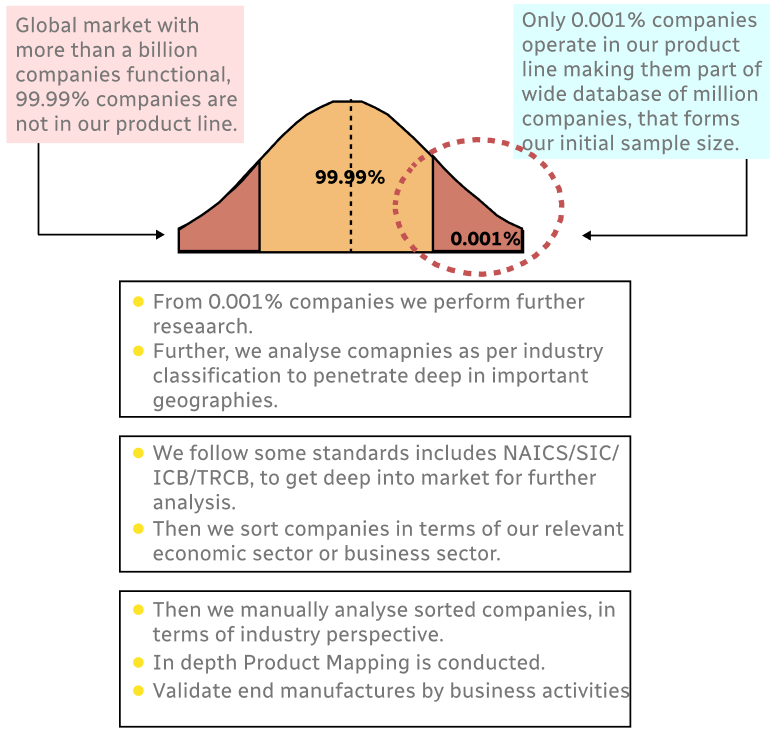
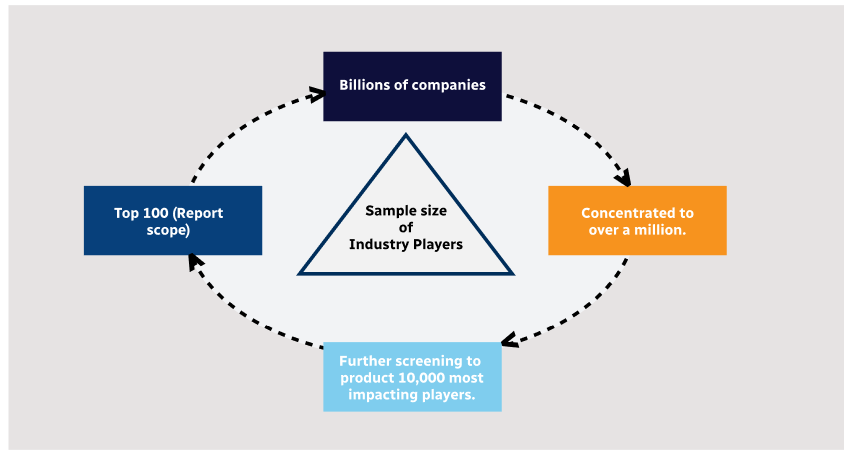
Step 1 - Identification of Relevant Samples Size from Population Database
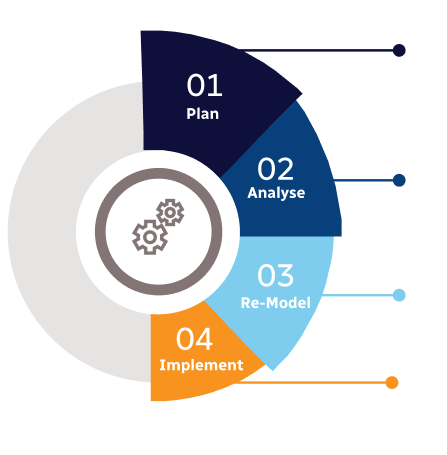
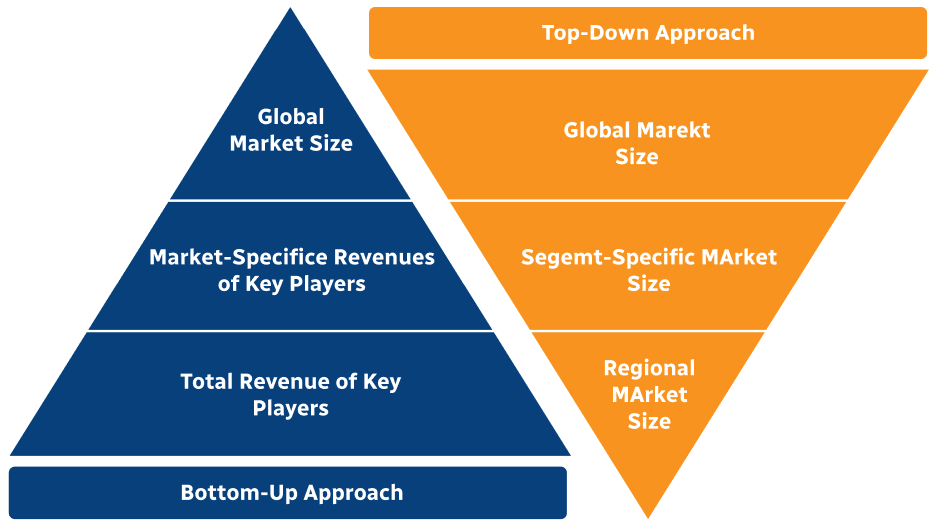
Step 2 - Approaches for Defining Global Market Size (Value, Volume* & Price*)
Note*: In applicable scenarios
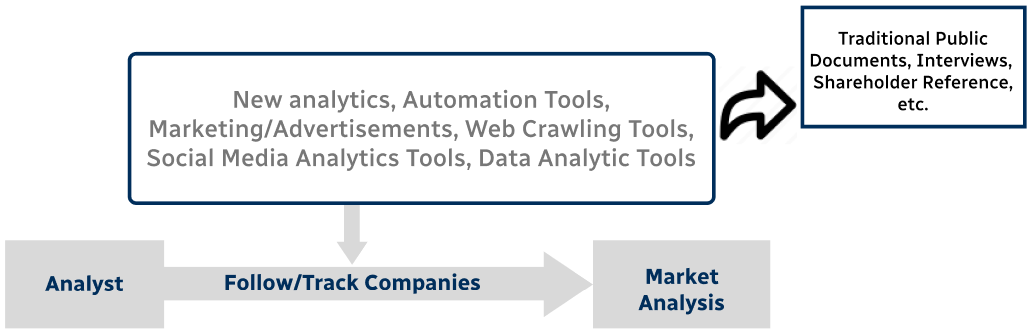
Step 3 - Data Sources
Primary Research
- Web Analytics
- Survey Reports
- Research Institute
- Latest Research Reports
- Opinion Leaders
Secondary Research
- Annual Reports
- White Paper
- Latest Press Release
- Industry Association
- Paid Database
- Investor Presentations
Step 4 - Data Triangulation
Involves using different sources of information in order to increase the validity of a study
These sources are likely to be stakeholders in a program - participants, other researchers, program staff, other community members, and so on.
Then we put all data in single framework & apply various statistical tools to find out the dynamic on the market.
During the analysis stage, feedback from the stakeholder groups would be compared to determine areas of agreement as well as areas of divergence