
Key Insights
The global clothing yarns market is projected to reach a substantial size of approximately $58,330 million in 2025, demonstrating a steady growth trajectory with a Compound Annual Growth Rate (CAGR) of 2.5% anticipated from 2025 to 2033. This growth is underpinned by several key drivers, including the increasing demand for premium and performance-oriented apparel across various applications such as sports/outdoor clothing and high-end fashion. The versatility and aesthetic appeal of different yarn types, from natural fibers like cashmere and wool to synthetics such as polyester and nylon, coupled with innovative blended yarns, are vital in catering to evolving consumer preferences and fashion trends. The market is also influenced by technological advancements in yarn production and processing, leading to enhanced durability, comfort, and sustainability features.
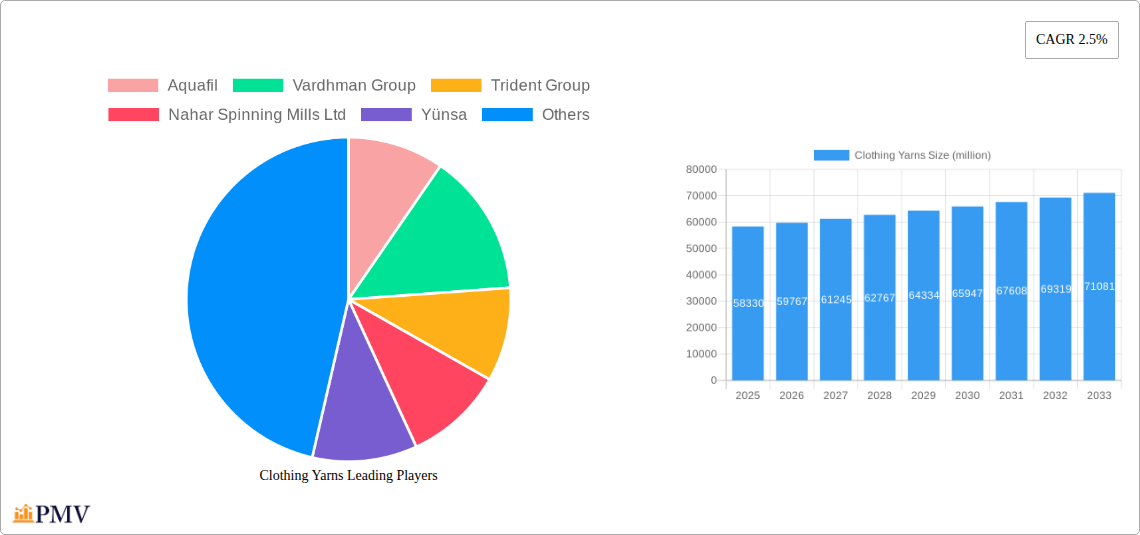
Clothing Yarns Market Size (In Billion)

However, the market faces certain restraints that necessitate strategic adaptation. These likely include fluctuating raw material prices, particularly for natural fibers, and the increasing cost of sustainable production practices, which can impact overall pricing and consumer accessibility. The competitive landscape is robust, featuring a diverse range of companies from established textile giants to specialized yarn manufacturers. Key regions driving this market include Asia Pacific, with its significant manufacturing capabilities and growing consumer base, followed by Europe and North America, where demand for high-quality and specialized yarns remains strong. The market's future development will depend on the industry's ability to innovate in sustainable materials, efficient production, and by effectively addressing the price sensitivity of the ordinary clothing segment.
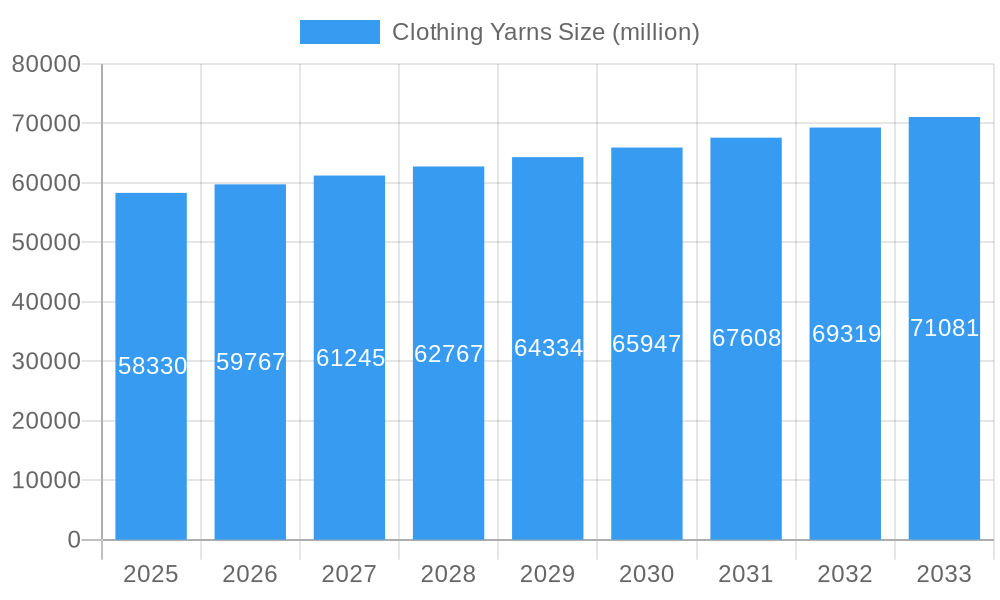
Clothing Yarns Company Market Share
This in-depth report delivers critical insights into the global Clothing Yarns market, offering a detailed analysis of market dynamics, segmentation, key players, and future trajectories. Covering the period from 2019 to 2033, with a base year of 2025, this report is an essential resource for stakeholders seeking to understand current trends and anticipate future opportunities in the textile fiber industry. We explore the intricate landscape of yarn production, from raw material sourcing to end-use applications, providing actionable intelligence for manufacturers, suppliers, investors, and brands.
Clothing Yarns Market Structure & Competitive Dynamics
The global clothing yarns market exhibits a moderately fragmented structure, with a blend of large, integrated players and numerous regional manufacturers contributing to the competitive milieu. Innovation ecosystems are thriving, driven by increasing demand for sustainable and performance-oriented textiles. Regulatory frameworks, particularly concerning environmental impact and labor practices, are evolving, influencing production processes and market entry barriers. The threat of product substitutes is moderate, primarily stemming from advancements in synthetic fibers and the growing adoption of textile recycling technologies. End-user trends are leaning towards eco-friendly materials, enhanced durability, and functional properties in apparel. Mergers and acquisitions (M&A) activities are sporadic but significant, aimed at consolidating market share, expanding product portfolios, and gaining access to new technologies. Estimated M&A deal values are projected to reach hundreds of million, reflecting strategic consolidations within the industry. Key metrics like market share for leading players are dynamic, with top contenders holding significant portions of specific segment revenues.
- Market Concentration: Moderate, with a mix of large multinational corporations and specialized regional players.
- Innovation Ecosystems: Driven by sustainability, performance enhancements, and digital integration in textile manufacturing.
- Regulatory Frameworks: Increasing focus on environmental compliance (e.g., water usage, chemical discharge) and ethical sourcing.
- Product Substitutes: Emerging from advanced synthetic fibers, recycled materials, and innovative fabric constructions.
- End-User Trends: Growing preference for natural, recycled, and performance-enhancing yarns, with a strong emphasis on transparency and traceability.
- M&A Activities: Strategic acquisitions to enhance product offerings, geographical reach, and technological capabilities. Estimated M&A deal values are in the range of 500 million to 1,000 million.
Clothing Yarns Industry Trends & Insights
The clothing yarns industry is experiencing robust growth, fueled by a confluence of escalating global apparel demand, rising disposable incomes, and an increasing consumer consciousness towards sustainable fashion. The Compound Annual Growth Rate (CAGR) for the forecast period is estimated to be around 4.5%, indicating a steady expansion. Technological disruptions are at the forefront, with advancements in spinning technologies, digital printing on yarns, and the development of smart textiles significantly reshaping production capabilities and product offerings. The integration of artificial intelligence (AI) and machine learning (ML) in manufacturing processes is optimizing efficiency and quality control. Consumer preferences are increasingly shifting towards yarns that offer enhanced functionality, such as moisture-wicking, UV protection, and anti-microbial properties, alongside a pronounced demand for eco-friendly and ethically produced materials. The rise of direct-to-consumer (DTC) brands also influences yarn choices, with a focus on unique textures, vibrant colors, and story-driven materials. Competitive dynamics are intensifying, leading to price pressures in certain segments and a premium on innovation and value-added products. Market penetration of sustainable yarns, such as organic cotton and recycled polyester, is projected to exceed 30% by 2030. The industry is also witnessing a growing emphasis on traceability throughout the supply chain, from raw material origin to the finished garment.
- Market Growth Drivers: Rising global population, increasing fashion consciousness, economic development in emerging markets, and a strong push for sustainable and circular economy models in textiles.
- Technological Disruptions: Automation in spinning, 3D printing of yarn structures, advanced dyeing techniques reducing water consumption, and the development of bio-based and biodegradable yarns.
- Consumer Preferences: Demand for comfort, durability, performance features (e.g., breathability, stretch), natural and recycled fibers, and ethically sourced materials.
- Competitive Dynamics: Intense competition leading to consolidation, strategic partnerships, and a focus on niche markets and high-value products.
- Market Penetration: Significant growth anticipated for sustainable yarns (organic, recycled, biodegradable) and functional yarns. Estimated market penetration of sustainable yarns to reach 35% by 2030.
- CAGR: Estimated at 4.5% over the forecast period.
Dominant Markets & Segments in Clothing Yarns
The global clothing yarns market showcases distinct regional dominance and segment leadership. Asia-Pacific, particularly China and India, continues to be the manufacturing powerhouse, driven by cost-effectiveness, skilled labor, and a massive domestic demand. North America and Europe are leading in innovation and high-end segments, with a strong consumer base willing to pay a premium for sustainable and performance-driven yarns. In terms of applications, Ordinary Clothing represents the largest segment due to sheer volume, accounting for an estimated 60% of the market share. However, Sports/Outdoor Clothing is the fastest-growing application, projected to witness a CAGR of 5.2% as active lifestyles and athleisure trends continue to gain momentum. The High-end Clothing segment, while smaller in volume, commands higher margins due to the use of premium fibers like cashmere and merino wool.
When examining yarn types, Cotton Yarn remains a dominant segment, comprising approximately 40% of the market, owing to its versatility and widespread use. However, Polyester Yarn is steadily gaining ground, especially in performance wear and blended fabrics, due to its durability, wrinkle resistance, and cost-effectiveness. Blended Yarns are witnessing significant growth as manufacturers combine natural and synthetic fibers to achieve desired properties and cost efficiencies. Cashmere & Wool Yarn, though a niche segment, holds substantial value due to its luxury appeal and superior thermal properties. The growth in this segment is driven by increasing demand for premium knitwear.
- Dominant Region: Asia-Pacific, with China and India as key production and consumption hubs.
- Leading Application Segment: Ordinary Clothing (approximately 60% market share).
- Fastest-Growing Application: Sports/Outdoor Clothing (estimated CAGR of 5.2%).
- Dominant Yarn Type: Cotton Yarn (approximately 40% market share).
- Growing Yarn Type: Polyester Yarn, driven by performance wear and blended fabric demand.
- High-Value Niche Segment: Cashmere & Wool Yarn, driven by luxury apparel.
- Key Drivers for Cotton Yarn Dominance: Versatility, affordability, and widespread consumer preference.
- Key Drivers for Sports/Outdoor Clothing Growth: Increasing participation in sports, athleisure trends, and demand for functional apparel.
- Key Drivers for Blended Yarn Growth: Customization of properties, cost optimization, and enhanced performance.
Clothing Yarns Product Innovations
Product innovations in the clothing yarns sector are primarily focused on sustainability, enhanced performance, and novel aesthetics. The development of recycled polyester and nylon yarns from post-consumer waste is a significant trend, reducing environmental impact and supporting circular economy principles. Bio-based yarns derived from sources like corn, wood pulp, and algae are gaining traction as eco-friendly alternatives. Furthermore, innovations in yarn spinning technology are enabling the creation of yarns with superior strength, elasticity, and breathability, catering to the growing demand for high-performance activewear. Digital printing techniques for yarns are also emerging, allowing for intricate patterns and designs without traditional dyeing processes, thereby reducing water and chemical usage. Competitive advantages are being derived from the ability to offer traceable, certified sustainable yarns and those with specialized functional properties, such as thermoregulation or antimicrobial resistance.
Report Segmentation & Scope
This comprehensive report segments the clothing yarns market based on a granular classification of applications and yarn types. The Application segments include Sports/Outdoor Clothing, High-end Clothing, Ordinary Clothing, and Others, each analyzed for market size, growth projections, and competitive dynamics. The Types segmentation covers Cashmere & Wool Yarn, Cotton Yarn, Polyester Yarn, Nylon Yarn, Fancy Yarn, Blended Yarn, and Others. Each segment is meticulously analyzed to provide detailed market sizes, projected growth rates, and the competitive landscape, offering a nuanced view of the industry's diverse components and their individual market potentials.
- Application Segmentation: Sports/Outdoor Clothing, High-end Clothing, Ordinary Clothing, Others.
- Type Segmentation: Cashmere & Wool Yarn, Cotton Yarn, Polyester Yarn, Nylon Yarn, Fancy Yarn, Blended Yarn, Others.
- Growth Projections: Detailed forecasts for each segment.
- Market Sizes: Estimated current and future market values for all segments.
- Competitive Dynamics: Analysis of market share and competitive strategies within each segment.
Key Drivers of Clothing Yarns Growth
The growth of the clothing yarns market is propelled by several interconnected factors. Technological advancements in spinning and fiber processing are enabling the creation of yarns with superior properties, catering to evolving consumer demands for comfort, durability, and performance. The escalating global population and rising disposable incomes, particularly in emerging economies, are fueling the demand for apparel, and consequently, for clothing yarns. Furthermore, a strong and growing global trend towards sustainable fashion and ethical sourcing is a significant growth accelerator, driving demand for recycled, organic, and biodegradable yarns. Government initiatives promoting the textile industry and sustainable manufacturing practices also contribute to market expansion.
- Technological Advancements: Innovations in spinning, dyeing, and finishing technologies.
- Economic Growth: Rising disposable incomes and increasing apparel consumption globally.
- Sustainability Trends: Growing consumer and brand demand for eco-friendly and ethically produced yarns.
- Regulatory Support: Government policies encouraging sustainable manufacturing and textile innovation.
- Fashion Industry Evolution: Demand for new textures, functionalities, and aesthetics in apparel.
Challenges in the Clothing Yarns Sector
Despite the positive growth trajectory, the clothing yarns sector faces several challenges. Volatility in raw material prices, such as cotton and crude oil (for synthetics), can significantly impact production costs and profit margins. Stringent environmental regulations related to water usage, chemical discharge, and waste management necessitate substantial investment in compliance and advanced technologies. Supply chain disruptions, amplified by geopolitical events and global logistics complexities, can lead to production delays and increased costs. Intense competition, both domestically and internationally, often leads to price wars, especially in commoditized segments. Moreover, the need to constantly innovate and adapt to rapidly changing fashion trends and consumer preferences requires significant R&D investment.
- Raw Material Price Volatility: Fluctuations in the prices of cotton, wool, and petrochemicals.
- Environmental Regulations: Strict compliance requirements for water, energy, and chemical usage.
- Supply Chain Disruptions: Geopolitical risks, trade disputes, and logistical challenges.
- Intense Competition: Price pressures and market saturation in certain segments.
- Innovation Demands: Continuous need for new fibers, functionalities, and sustainable solutions.
- Skilled Labor Shortages: Difficulty in finding and retaining skilled workers for specialized manufacturing processes.
Leading Players in the Clothing Yarns Market
- Aquafil
- Vardhman Group
- Trident Group
- Nahar Spinning Mills Ltd
- Yünsa
- Sateri
- Hi-tech Fiber Group
- Huafu Fashion Co.,Ltd
- Ningxia Zhongyin Cashmere
- Zhejiang Xinao Textiles Inc
- Zegna Baruffa Lane Borgosesia
- Südwolle Group
- Jiangsu lugangwool
- Shandong RuYi
- Inner Mongolia Erdos Group Company Limited
- Weiqiao Textile Co.,Ltd
- Bros Eastern Co.,Ltd
- Anhui Huamao Group
- Wuxi Yiman Textile Group
- Fujian Xinhuayuan Technology Group
- Wuhu Fuchun Dye and Weave Co.,Ltd
- Jiangxi Jinyuan
- Texhong International Group Limited
- Square Textiles Ltd
- Lu Thai Textile Co.,Ltd
- Guanxing
- Hengfeng
- Huafang
- Zhejiang Haili Environmental Technology
- KPR Mill Limited
- Nitin Spinners
- Aarti International
- Spentex
- Daewoo
- Bitratex Industries
- Nishat Mills
- Fortex
- Parkdale
- Aditya Birla Yarn
- LIBOLON
- Revalyu Recycling
- ALLIANCE FIBRES LTD
- Novita
- Boyner Sanayi
- Kuraray
- Shikibo Co.,Ltd
- Asahi Kasei Advance Corporation
- HYOSUNG
- Radici Group
- Toray Industries
- Ascend Performance Materials
- AYM Syntex Limited
- Indorama Ventures
- Sanathan
- Huvis Corp
- Coats Group PLC
Key Developments in Clothing Yarns Sector
- 2024: Launch of advanced biodegradable polyester yarns with enhanced strength and reduced environmental impact.
- 2023: Major players invest heavily in R&D for closed-loop recycling of textile waste into high-quality yarns.
- 2023: Increased adoption of blockchain technology for supply chain transparency and traceability of yarns.
- 2022: Significant expansion of production capacities for recycled cotton and nylon yarns to meet growing demand.
- 2022: Introduction of innovativefancy yarns with unique textures and functionalities for high-fashion applications.
- 2021: Increased strategic partnerships between yarn manufacturers and apparel brands focusing on sustainable collections.
- 2020: Enhanced focus on antimicrobial and moisture-wicking yarns for performance and athleisure wear.
- 2019: Growth in blended yarns incorporating Tencel™ Lyocell and Modal fibers for enhanced comfort and sustainability.
Strategic Clothing Yarns Market Outlook
The strategic outlook for the clothing yarns market is overwhelmingly positive, driven by the persistent global demand for textiles and the accelerating shift towards sustainable and performance-driven products. Future growth will be significantly shaped by ongoing innovations in material science, particularly in the development of bio-based, recycled, and biodegradable fibers. The integration of digital technologies, from AI-driven manufacturing to blockchain-enabled traceability, will further optimize operations and enhance consumer trust. Strategic opportunities lie in capturing the expanding market for activewear, loungewear, and ethically produced apparel. Companies that can effectively navigate regulatory landscapes, embrace circular economy principles, and invest in cutting-edge R&D will be best positioned to capitalize on the evolving market dynamics and achieve sustained growth in the coming years. The focus on value-added yarns with specific functional attributes and traceable origins will be paramount for market leadership.
Clothing Yarns Segmentation
-
1. Application
- 1.1. Sports/Outdoor Clothing
- 1.2. High-end Clothing
- 1.3. Ordinary Clothing
- 1.4. Others
-
2. Types
- 2.1. Cashmere & Wool Yarn
- 2.2. Cotton Yarn
- 2.3. Polyester Yarn
- 2.4. Nylon Yarn
- 2.5. Fancy Yarn
- 2.6. Blended Yarn
- 2.7. Others
Clothing Yarns Segmentation By Geography
-
1. North America
- 1.1. United States
- 1.2. Canada
- 1.3. Mexico
-
2. South America
- 2.1. Brazil
- 2.2. Argentina
- 2.3. Rest of South America
-
3. Europe
- 3.1. United Kingdom
- 3.2. Germany
- 3.3. France
- 3.4. Italy
- 3.5. Spain
- 3.6. Russia
- 3.7. Benelux
- 3.8. Nordics
- 3.9. Rest of Europe
-
4. Middle East & Africa
- 4.1. Turkey
- 4.2. Israel
- 4.3. GCC
- 4.4. North Africa
- 4.5. South Africa
- 4.6. Rest of Middle East & Africa
-
5. Asia Pacific
- 5.1. China
- 5.2. India
- 5.3. Japan
- 5.4. South Korea
- 5.5. ASEAN
- 5.6. Oceania
- 5.7. Rest of Asia Pacific
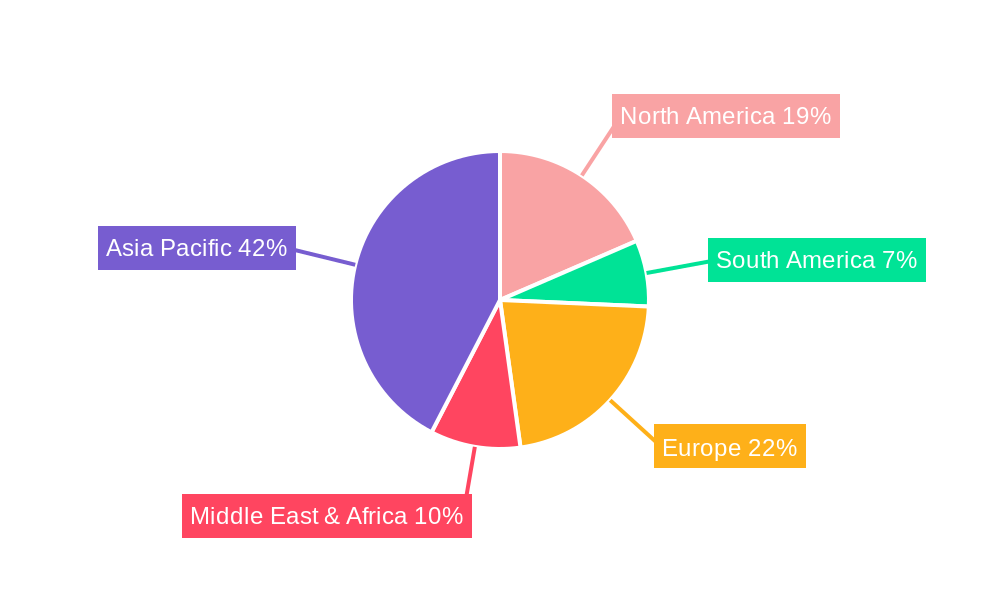
Clothing Yarns Regional Market Share
Geographic Coverage of Clothing Yarns
Clothing Yarns REPORT HIGHLIGHTS
| Aspects | Details |
|---|---|
| Study Period | 2020-2034 |
| Base Year | 2025 |
| Estimated Year | 2026 |
| Forecast Period | 2026-2034 |
| Historical Period | 2020-2025 |
| Growth Rate | CAGR of 2.5% from 2020-2034 |
| Segmentation |
|
Table of Contents
- 1. Introduction
- 1.1. Research Scope
- 1.2. Market Segmentation
- 1.3. Research Methodology
- 1.4. Definitions and Assumptions
- 2. Executive Summary
- 2.1. Introduction
- 3. Market Dynamics
- 3.1. Introduction
- 3.2. Market Drivers
- 3.3. Market Restrains
- 3.4. Market Trends
- 4. Market Factor Analysis
- 4.1. Porters Five Forces
- 4.2. Supply/Value Chain
- 4.3. PESTEL analysis
- 4.4. Market Entropy
- 4.5. Patent/Trademark Analysis
- 5. Global Clothing Yarns Analysis, Insights and Forecast, 2020-2032
- 5.1. Market Analysis, Insights and Forecast - by Application
- 5.1.1. Sports/Outdoor Clothing
- 5.1.2. High-end Clothing
- 5.1.3. Ordinary Clothing
- 5.1.4. Others
- 5.2. Market Analysis, Insights and Forecast - by Types
- 5.2.1. Cashmere & Wool Yarn
- 5.2.2. Cotton Yarn
- 5.2.3. Polyester Yarn
- 5.2.4. Nylon Yarn
- 5.2.5. Fancy Yarn
- 5.2.6. Blended Yarn
- 5.2.7. Others
- 5.3. Market Analysis, Insights and Forecast - by Region
- 5.3.1. North America
- 5.3.2. South America
- 5.3.3. Europe
- 5.3.4. Middle East & Africa
- 5.3.5. Asia Pacific
- 5.1. Market Analysis, Insights and Forecast - by Application
- 6. North America Clothing Yarns Analysis, Insights and Forecast, 2020-2032
- 6.1. Market Analysis, Insights and Forecast - by Application
- 6.1.1. Sports/Outdoor Clothing
- 6.1.2. High-end Clothing
- 6.1.3. Ordinary Clothing
- 6.1.4. Others
- 6.2. Market Analysis, Insights and Forecast - by Types
- 6.2.1. Cashmere & Wool Yarn
- 6.2.2. Cotton Yarn
- 6.2.3. Polyester Yarn
- 6.2.4. Nylon Yarn
- 6.2.5. Fancy Yarn
- 6.2.6. Blended Yarn
- 6.2.7. Others
- 6.1. Market Analysis, Insights and Forecast - by Application
- 7. South America Clothing Yarns Analysis, Insights and Forecast, 2020-2032
- 7.1. Market Analysis, Insights and Forecast - by Application
- 7.1.1. Sports/Outdoor Clothing
- 7.1.2. High-end Clothing
- 7.1.3. Ordinary Clothing
- 7.1.4. Others
- 7.2. Market Analysis, Insights and Forecast - by Types
- 7.2.1. Cashmere & Wool Yarn
- 7.2.2. Cotton Yarn
- 7.2.3. Polyester Yarn
- 7.2.4. Nylon Yarn
- 7.2.5. Fancy Yarn
- 7.2.6. Blended Yarn
- 7.2.7. Others
- 7.1. Market Analysis, Insights and Forecast - by Application
- 8. Europe Clothing Yarns Analysis, Insights and Forecast, 2020-2032
- 8.1. Market Analysis, Insights and Forecast - by Application
- 8.1.1. Sports/Outdoor Clothing
- 8.1.2. High-end Clothing
- 8.1.3. Ordinary Clothing
- 8.1.4. Others
- 8.2. Market Analysis, Insights and Forecast - by Types
- 8.2.1. Cashmere & Wool Yarn
- 8.2.2. Cotton Yarn
- 8.2.3. Polyester Yarn
- 8.2.4. Nylon Yarn
- 8.2.5. Fancy Yarn
- 8.2.6. Blended Yarn
- 8.2.7. Others
- 8.1. Market Analysis, Insights and Forecast - by Application
- 9. Middle East & Africa Clothing Yarns Analysis, Insights and Forecast, 2020-2032
- 9.1. Market Analysis, Insights and Forecast - by Application
- 9.1.1. Sports/Outdoor Clothing
- 9.1.2. High-end Clothing
- 9.1.3. Ordinary Clothing
- 9.1.4. Others
- 9.2. Market Analysis, Insights and Forecast - by Types
- 9.2.1. Cashmere & Wool Yarn
- 9.2.2. Cotton Yarn
- 9.2.3. Polyester Yarn
- 9.2.4. Nylon Yarn
- 9.2.5. Fancy Yarn
- 9.2.6. Blended Yarn
- 9.2.7. Others
- 9.1. Market Analysis, Insights and Forecast - by Application
- 10. Asia Pacific Clothing Yarns Analysis, Insights and Forecast, 2020-2032
- 10.1. Market Analysis, Insights and Forecast - by Application
- 10.1.1. Sports/Outdoor Clothing
- 10.1.2. High-end Clothing
- 10.1.3. Ordinary Clothing
- 10.1.4. Others
- 10.2. Market Analysis, Insights and Forecast - by Types
- 10.2.1. Cashmere & Wool Yarn
- 10.2.2. Cotton Yarn
- 10.2.3. Polyester Yarn
- 10.2.4. Nylon Yarn
- 10.2.5. Fancy Yarn
- 10.2.6. Blended Yarn
- 10.2.7. Others
- 10.1. Market Analysis, Insights and Forecast - by Application
- 11. Competitive Analysis
- 11.1. Global Market Share Analysis 2025
- 11.2. Company Profiles
- 11.2.1 Aquafil
- 11.2.1.1. Overview
- 11.2.1.2. Products
- 11.2.1.3. SWOT Analysis
- 11.2.1.4. Recent Developments
- 11.2.1.5. Financials (Based on Availability)
- 11.2.2 Vardhman Group
- 11.2.2.1. Overview
- 11.2.2.2. Products
- 11.2.2.3. SWOT Analysis
- 11.2.2.4. Recent Developments
- 11.2.2.5. Financials (Based on Availability)
- 11.2.3 Trident Group
- 11.2.3.1. Overview
- 11.2.3.2. Products
- 11.2.3.3. SWOT Analysis
- 11.2.3.4. Recent Developments
- 11.2.3.5. Financials (Based on Availability)
- 11.2.4 Nahar Spinning Mills Ltd
- 11.2.4.1. Overview
- 11.2.4.2. Products
- 11.2.4.3. SWOT Analysis
- 11.2.4.4. Recent Developments
- 11.2.4.5. Financials (Based on Availability)
- 11.2.5 Yünsa
- 11.2.5.1. Overview
- 11.2.5.2. Products
- 11.2.5.3. SWOT Analysis
- 11.2.5.4. Recent Developments
- 11.2.5.5. Financials (Based on Availability)
- 11.2.6 Sateri
- 11.2.6.1. Overview
- 11.2.6.2. Products
- 11.2.6.3. SWOT Analysis
- 11.2.6.4. Recent Developments
- 11.2.6.5. Financials (Based on Availability)
- 11.2.7 Hi-tech Fiber Group
- 11.2.7.1. Overview
- 11.2.7.2. Products
- 11.2.7.3. SWOT Analysis
- 11.2.7.4. Recent Developments
- 11.2.7.5. Financials (Based on Availability)
- 11.2.8 Huafu Fashion Co.
- 11.2.8.1. Overview
- 11.2.8.2. Products
- 11.2.8.3. SWOT Analysis
- 11.2.8.4. Recent Developments
- 11.2.8.5. Financials (Based on Availability)
- 11.2.9 Ltd
- 11.2.9.1. Overview
- 11.2.9.2. Products
- 11.2.9.3. SWOT Analysis
- 11.2.9.4. Recent Developments
- 11.2.9.5. Financials (Based on Availability)
- 11.2.10 Ningxia Zhongyin Cashmere
- 11.2.10.1. Overview
- 11.2.10.2. Products
- 11.2.10.3. SWOT Analysis
- 11.2.10.4. Recent Developments
- 11.2.10.5. Financials (Based on Availability)
- 11.2.11 Zhejiang Xinao Textiles Inc
- 11.2.11.1. Overview
- 11.2.11.2. Products
- 11.2.11.3. SWOT Analysis
- 11.2.11.4. Recent Developments
- 11.2.11.5. Financials (Based on Availability)
- 11.2.12 Zegna Baruffa Lane Borgosesia
- 11.2.12.1. Overview
- 11.2.12.2. Products
- 11.2.12.3. SWOT Analysis
- 11.2.12.4. Recent Developments
- 11.2.12.5. Financials (Based on Availability)
- 11.2.13 Südwolle Group
- 11.2.13.1. Overview
- 11.2.13.2. Products
- 11.2.13.3. SWOT Analysis
- 11.2.13.4. Recent Developments
- 11.2.13.5. Financials (Based on Availability)
- 11.2.14 Jiangsu lugangwool
- 11.2.14.1. Overview
- 11.2.14.2. Products
- 11.2.14.3. SWOT Analysis
- 11.2.14.4. Recent Developments
- 11.2.14.5. Financials (Based on Availability)
- 11.2.15 Shandong RuYi
- 11.2.15.1. Overview
- 11.2.15.2. Products
- 11.2.15.3. SWOT Analysis
- 11.2.15.4. Recent Developments
- 11.2.15.5. Financials (Based on Availability)
- 11.2.16 Inner Mongolia Erdos Group Company Limited
- 11.2.16.1. Overview
- 11.2.16.2. Products
- 11.2.16.3. SWOT Analysis
- 11.2.16.4. Recent Developments
- 11.2.16.5. Financials (Based on Availability)
- 11.2.17 Weiqiao Textile Co.
- 11.2.17.1. Overview
- 11.2.17.2. Products
- 11.2.17.3. SWOT Analysis
- 11.2.17.4. Recent Developments
- 11.2.17.5. Financials (Based on Availability)
- 11.2.18 Ltd
- 11.2.18.1. Overview
- 11.2.18.2. Products
- 11.2.18.3. SWOT Analysis
- 11.2.18.4. Recent Developments
- 11.2.18.5. Financials (Based on Availability)
- 11.2.19 Bros Eastern Co.
- 11.2.19.1. Overview
- 11.2.19.2. Products
- 11.2.19.3. SWOT Analysis
- 11.2.19.4. Recent Developments
- 11.2.19.5. Financials (Based on Availability)
- 11.2.20 Ltd
- 11.2.20.1. Overview
- 11.2.20.2. Products
- 11.2.20.3. SWOT Analysis
- 11.2.20.4. Recent Developments
- 11.2.20.5. Financials (Based on Availability)
- 11.2.21 Anhui Huamao Group
- 11.2.21.1. Overview
- 11.2.21.2. Products
- 11.2.21.3. SWOT Analysis
- 11.2.21.4. Recent Developments
- 11.2.21.5. Financials (Based on Availability)
- 11.2.22 Wuxi Yiman Textile Group
- 11.2.22.1. Overview
- 11.2.22.2. Products
- 11.2.22.3. SWOT Analysis
- 11.2.22.4. Recent Developments
- 11.2.22.5. Financials (Based on Availability)
- 11.2.23 Fujian Xinhuayuan Technology Group
- 11.2.23.1. Overview
- 11.2.23.2. Products
- 11.2.23.3. SWOT Analysis
- 11.2.23.4. Recent Developments
- 11.2.23.5. Financials (Based on Availability)
- 11.2.24 Wuhu Fuchun Dye and Weave Co.
- 11.2.24.1. Overview
- 11.2.24.2. Products
- 11.2.24.3. SWOT Analysis
- 11.2.24.4. Recent Developments
- 11.2.24.5. Financials (Based on Availability)
- 11.2.25 Ltd
- 11.2.25.1. Overview
- 11.2.25.2. Products
- 11.2.25.3. SWOT Analysis
- 11.2.25.4. Recent Developments
- 11.2.25.5. Financials (Based on Availability)
- 11.2.26 Jiangxi Jinyuan
- 11.2.26.1. Overview
- 11.2.26.2. Products
- 11.2.26.3. SWOT Analysis
- 11.2.26.4. Recent Developments
- 11.2.26.5. Financials (Based on Availability)
- 11.2.27 Texhong International Group Limited
- 11.2.27.1. Overview
- 11.2.27.2. Products
- 11.2.27.3. SWOT Analysis
- 11.2.27.4. Recent Developments
- 11.2.27.5. Financials (Based on Availability)
- 11.2.28 Square Textiles Ltd
- 11.2.28.1. Overview
- 11.2.28.2. Products
- 11.2.28.3. SWOT Analysis
- 11.2.28.4. Recent Developments
- 11.2.28.5. Financials (Based on Availability)
- 11.2.29 Lu Thai Textile Co.
- 11.2.29.1. Overview
- 11.2.29.2. Products
- 11.2.29.3. SWOT Analysis
- 11.2.29.4. Recent Developments
- 11.2.29.5. Financials (Based on Availability)
- 11.2.30 Ltd
- 11.2.30.1. Overview
- 11.2.30.2. Products
- 11.2.30.3. SWOT Analysis
- 11.2.30.4. Recent Developments
- 11.2.30.5. Financials (Based on Availability)
- 11.2.31 Guanxing
- 11.2.31.1. Overview
- 11.2.31.2. Products
- 11.2.31.3. SWOT Analysis
- 11.2.31.4. Recent Developments
- 11.2.31.5. Financials (Based on Availability)
- 11.2.32 Hengfeng
- 11.2.32.1. Overview
- 11.2.32.2. Products
- 11.2.32.3. SWOT Analysis
- 11.2.32.4. Recent Developments
- 11.2.32.5. Financials (Based on Availability)
- 11.2.33 Huafang
- 11.2.33.1. Overview
- 11.2.33.2. Products
- 11.2.33.3. SWOT Analysis
- 11.2.33.4. Recent Developments
- 11.2.33.5. Financials (Based on Availability)
- 11.2.34 Zhejiang Haili Environmental Technology
- 11.2.34.1. Overview
- 11.2.34.2. Products
- 11.2.34.3. SWOT Analysis
- 11.2.34.4. Recent Developments
- 11.2.34.5. Financials (Based on Availability)
- 11.2.35 KPR Mill Limited
- 11.2.35.1. Overview
- 11.2.35.2. Products
- 11.2.35.3. SWOT Analysis
- 11.2.35.4. Recent Developments
- 11.2.35.5. Financials (Based on Availability)
- 11.2.36 Nitin Spinners
- 11.2.36.1. Overview
- 11.2.36.2. Products
- 11.2.36.3. SWOT Analysis
- 11.2.36.4. Recent Developments
- 11.2.36.5. Financials (Based on Availability)
- 11.2.37 Aarti International
- 11.2.37.1. Overview
- 11.2.37.2. Products
- 11.2.37.3. SWOT Analysis
- 11.2.37.4. Recent Developments
- 11.2.37.5. Financials (Based on Availability)
- 11.2.38 Spentex
- 11.2.38.1. Overview
- 11.2.38.2. Products
- 11.2.38.3. SWOT Analysis
- 11.2.38.4. Recent Developments
- 11.2.38.5. Financials (Based on Availability)
- 11.2.39 Daewoo
- 11.2.39.1. Overview
- 11.2.39.2. Products
- 11.2.39.3. SWOT Analysis
- 11.2.39.4. Recent Developments
- 11.2.39.5. Financials (Based on Availability)
- 11.2.40 Bitratex Industries
- 11.2.40.1. Overview
- 11.2.40.2. Products
- 11.2.40.3. SWOT Analysis
- 11.2.40.4. Recent Developments
- 11.2.40.5. Financials (Based on Availability)
- 11.2.41 Nishat Mills
- 11.2.41.1. Overview
- 11.2.41.2. Products
- 11.2.41.3. SWOT Analysis
- 11.2.41.4. Recent Developments
- 11.2.41.5. Financials (Based on Availability)
- 11.2.42 Fortex
- 11.2.42.1. Overview
- 11.2.42.2. Products
- 11.2.42.3. SWOT Analysis
- 11.2.42.4. Recent Developments
- 11.2.42.5. Financials (Based on Availability)
- 11.2.43 Parkdale
- 11.2.43.1. Overview
- 11.2.43.2. Products
- 11.2.43.3. SWOT Analysis
- 11.2.43.4. Recent Developments
- 11.2.43.5. Financials (Based on Availability)
- 11.2.44 Aditya Birla Yarn
- 11.2.44.1. Overview
- 11.2.44.2. Products
- 11.2.44.3. SWOT Analysis
- 11.2.44.4. Recent Developments
- 11.2.44.5. Financials (Based on Availability)
- 11.2.45 LIBOLON
- 11.2.45.1. Overview
- 11.2.45.2. Products
- 11.2.45.3. SWOT Analysis
- 11.2.45.4. Recent Developments
- 11.2.45.5. Financials (Based on Availability)
- 11.2.46 Revalyu Recycling
- 11.2.46.1. Overview
- 11.2.46.2. Products
- 11.2.46.3. SWOT Analysis
- 11.2.46.4. Recent Developments
- 11.2.46.5. Financials (Based on Availability)
- 11.2.47 ALLIANCE FIBRES LTD
- 11.2.47.1. Overview
- 11.2.47.2. Products
- 11.2.47.3. SWOT Analysis
- 11.2.47.4. Recent Developments
- 11.2.47.5. Financials (Based on Availability)
- 11.2.48 Novita
- 11.2.48.1. Overview
- 11.2.48.2. Products
- 11.2.48.3. SWOT Analysis
- 11.2.48.4. Recent Developments
- 11.2.48.5. Financials (Based on Availability)
- 11.2.49 Boyner Sanayi
- 11.2.49.1. Overview
- 11.2.49.2. Products
- 11.2.49.3. SWOT Analysis
- 11.2.49.4. Recent Developments
- 11.2.49.5. Financials (Based on Availability)
- 11.2.50 Kuraray
- 11.2.50.1. Overview
- 11.2.50.2. Products
- 11.2.50.3. SWOT Analysis
- 11.2.50.4. Recent Developments
- 11.2.50.5. Financials (Based on Availability)
- 11.2.51 Shikibo Co.
- 11.2.51.1. Overview
- 11.2.51.2. Products
- 11.2.51.3. SWOT Analysis
- 11.2.51.4. Recent Developments
- 11.2.51.5. Financials (Based on Availability)
- 11.2.52 Ltd
- 11.2.52.1. Overview
- 11.2.52.2. Products
- 11.2.52.3. SWOT Analysis
- 11.2.52.4. Recent Developments
- 11.2.52.5. Financials (Based on Availability)
- 11.2.53 Asahi Kasei Advance Corporation
- 11.2.53.1. Overview
- 11.2.53.2. Products
- 11.2.53.3. SWOT Analysis
- 11.2.53.4. Recent Developments
- 11.2.53.5. Financials (Based on Availability)
- 11.2.54 HYOSUNG
- 11.2.54.1. Overview
- 11.2.54.2. Products
- 11.2.54.3. SWOT Analysis
- 11.2.54.4. Recent Developments
- 11.2.54.5. Financials (Based on Availability)
- 11.2.55 Radici Group
- 11.2.55.1. Overview
- 11.2.55.2. Products
- 11.2.55.3. SWOT Analysis
- 11.2.55.4. Recent Developments
- 11.2.55.5. Financials (Based on Availability)
- 11.2.56 Toray Industries
- 11.2.56.1. Overview
- 11.2.56.2. Products
- 11.2.56.3. SWOT Analysis
- 11.2.56.4. Recent Developments
- 11.2.56.5. Financials (Based on Availability)
- 11.2.57 Ascend Performance Materials
- 11.2.57.1. Overview
- 11.2.57.2. Products
- 11.2.57.3. SWOT Analysis
- 11.2.57.4. Recent Developments
- 11.2.57.5. Financials (Based on Availability)
- 11.2.58 AYM Syntex Limited
- 11.2.58.1. Overview
- 11.2.58.2. Products
- 11.2.58.3. SWOT Analysis
- 11.2.58.4. Recent Developments
- 11.2.58.5. Financials (Based on Availability)
- 11.2.59 Indorama Ventures
- 11.2.59.1. Overview
- 11.2.59.2. Products
- 11.2.59.3. SWOT Analysis
- 11.2.59.4. Recent Developments
- 11.2.59.5. Financials (Based on Availability)
- 11.2.60 Sanathan
- 11.2.60.1. Overview
- 11.2.60.2. Products
- 11.2.60.3. SWOT Analysis
- 11.2.60.4. Recent Developments
- 11.2.60.5. Financials (Based on Availability)
- 11.2.61 Huvis Corp
- 11.2.61.1. Overview
- 11.2.61.2. Products
- 11.2.61.3. SWOT Analysis
- 11.2.61.4. Recent Developments
- 11.2.61.5. Financials (Based on Availability)
- 11.2.62 Coats Group PLC
- 11.2.62.1. Overview
- 11.2.62.2. Products
- 11.2.62.3. SWOT Analysis
- 11.2.62.4. Recent Developments
- 11.2.62.5. Financials (Based on Availability)
- 11.2.1 Aquafil
List of Figures
- Figure 1: Global Clothing Yarns Revenue Breakdown (million, %) by Region 2025 & 2033
- Figure 2: North America Clothing Yarns Revenue (million), by Application 2025 & 2033
- Figure 3: North America Clothing Yarns Revenue Share (%), by Application 2025 & 2033
- Figure 4: North America Clothing Yarns Revenue (million), by Types 2025 & 2033
- Figure 5: North America Clothing Yarns Revenue Share (%), by Types 2025 & 2033
- Figure 6: North America Clothing Yarns Revenue (million), by Country 2025 & 2033
- Figure 7: North America Clothing Yarns Revenue Share (%), by Country 2025 & 2033
- Figure 8: South America Clothing Yarns Revenue (million), by Application 2025 & 2033
- Figure 9: South America Clothing Yarns Revenue Share (%), by Application 2025 & 2033
- Figure 10: South America Clothing Yarns Revenue (million), by Types 2025 & 2033
- Figure 11: South America Clothing Yarns Revenue Share (%), by Types 2025 & 2033
- Figure 12: South America Clothing Yarns Revenue (million), by Country 2025 & 2033
- Figure 13: South America Clothing Yarns Revenue Share (%), by Country 2025 & 2033
- Figure 14: Europe Clothing Yarns Revenue (million), by Application 2025 & 2033
- Figure 15: Europe Clothing Yarns Revenue Share (%), by Application 2025 & 2033
- Figure 16: Europe Clothing Yarns Revenue (million), by Types 2025 & 2033
- Figure 17: Europe Clothing Yarns Revenue Share (%), by Types 2025 & 2033
- Figure 18: Europe Clothing Yarns Revenue (million), by Country 2025 & 2033
- Figure 19: Europe Clothing Yarns Revenue Share (%), by Country 2025 & 2033
- Figure 20: Middle East & Africa Clothing Yarns Revenue (million), by Application 2025 & 2033
- Figure 21: Middle East & Africa Clothing Yarns Revenue Share (%), by Application 2025 & 2033
- Figure 22: Middle East & Africa Clothing Yarns Revenue (million), by Types 2025 & 2033
- Figure 23: Middle East & Africa Clothing Yarns Revenue Share (%), by Types 2025 & 2033
- Figure 24: Middle East & Africa Clothing Yarns Revenue (million), by Country 2025 & 2033
- Figure 25: Middle East & Africa Clothing Yarns Revenue Share (%), by Country 2025 & 2033
- Figure 26: Asia Pacific Clothing Yarns Revenue (million), by Application 2025 & 2033
- Figure 27: Asia Pacific Clothing Yarns Revenue Share (%), by Application 2025 & 2033
- Figure 28: Asia Pacific Clothing Yarns Revenue (million), by Types 2025 & 2033
- Figure 29: Asia Pacific Clothing Yarns Revenue Share (%), by Types 2025 & 2033
- Figure 30: Asia Pacific Clothing Yarns Revenue (million), by Country 2025 & 2033
- Figure 31: Asia Pacific Clothing Yarns Revenue Share (%), by Country 2025 & 2033
List of Tables
- Table 1: Global Clothing Yarns Revenue million Forecast, by Application 2020 & 2033
- Table 2: Global Clothing Yarns Revenue million Forecast, by Types 2020 & 2033
- Table 3: Global Clothing Yarns Revenue million Forecast, by Region 2020 & 2033
- Table 4: Global Clothing Yarns Revenue million Forecast, by Application 2020 & 2033
- Table 5: Global Clothing Yarns Revenue million Forecast, by Types 2020 & 2033
- Table 6: Global Clothing Yarns Revenue million Forecast, by Country 2020 & 2033
- Table 7: United States Clothing Yarns Revenue (million) Forecast, by Application 2020 & 2033
- Table 8: Canada Clothing Yarns Revenue (million) Forecast, by Application 2020 & 2033
- Table 9: Mexico Clothing Yarns Revenue (million) Forecast, by Application 2020 & 2033
- Table 10: Global Clothing Yarns Revenue million Forecast, by Application 2020 & 2033
- Table 11: Global Clothing Yarns Revenue million Forecast, by Types 2020 & 2033
- Table 12: Global Clothing Yarns Revenue million Forecast, by Country 2020 & 2033
- Table 13: Brazil Clothing Yarns Revenue (million) Forecast, by Application 2020 & 2033
- Table 14: Argentina Clothing Yarns Revenue (million) Forecast, by Application 2020 & 2033
- Table 15: Rest of South America Clothing Yarns Revenue (million) Forecast, by Application 2020 & 2033
- Table 16: Global Clothing Yarns Revenue million Forecast, by Application 2020 & 2033
- Table 17: Global Clothing Yarns Revenue million Forecast, by Types 2020 & 2033
- Table 18: Global Clothing Yarns Revenue million Forecast, by Country 2020 & 2033
- Table 19: United Kingdom Clothing Yarns Revenue (million) Forecast, by Application 2020 & 2033
- Table 20: Germany Clothing Yarns Revenue (million) Forecast, by Application 2020 & 2033
- Table 21: France Clothing Yarns Revenue (million) Forecast, by Application 2020 & 2033
- Table 22: Italy Clothing Yarns Revenue (million) Forecast, by Application 2020 & 2033
- Table 23: Spain Clothing Yarns Revenue (million) Forecast, by Application 2020 & 2033
- Table 24: Russia Clothing Yarns Revenue (million) Forecast, by Application 2020 & 2033
- Table 25: Benelux Clothing Yarns Revenue (million) Forecast, by Application 2020 & 2033
- Table 26: Nordics Clothing Yarns Revenue (million) Forecast, by Application 2020 & 2033
- Table 27: Rest of Europe Clothing Yarns Revenue (million) Forecast, by Application 2020 & 2033
- Table 28: Global Clothing Yarns Revenue million Forecast, by Application 2020 & 2033
- Table 29: Global Clothing Yarns Revenue million Forecast, by Types 2020 & 2033
- Table 30: Global Clothing Yarns Revenue million Forecast, by Country 2020 & 2033
- Table 31: Turkey Clothing Yarns Revenue (million) Forecast, by Application 2020 & 2033
- Table 32: Israel Clothing Yarns Revenue (million) Forecast, by Application 2020 & 2033
- Table 33: GCC Clothing Yarns Revenue (million) Forecast, by Application 2020 & 2033
- Table 34: North Africa Clothing Yarns Revenue (million) Forecast, by Application 2020 & 2033
- Table 35: South Africa Clothing Yarns Revenue (million) Forecast, by Application 2020 & 2033
- Table 36: Rest of Middle East & Africa Clothing Yarns Revenue (million) Forecast, by Application 2020 & 2033
- Table 37: Global Clothing Yarns Revenue million Forecast, by Application 2020 & 2033
- Table 38: Global Clothing Yarns Revenue million Forecast, by Types 2020 & 2033
- Table 39: Global Clothing Yarns Revenue million Forecast, by Country 2020 & 2033
- Table 40: China Clothing Yarns Revenue (million) Forecast, by Application 2020 & 2033
- Table 41: India Clothing Yarns Revenue (million) Forecast, by Application 2020 & 2033
- Table 42: Japan Clothing Yarns Revenue (million) Forecast, by Application 2020 & 2033
- Table 43: South Korea Clothing Yarns Revenue (million) Forecast, by Application 2020 & 2033
- Table 44: ASEAN Clothing Yarns Revenue (million) Forecast, by Application 2020 & 2033
- Table 45: Oceania Clothing Yarns Revenue (million) Forecast, by Application 2020 & 2033
- Table 46: Rest of Asia Pacific Clothing Yarns Revenue (million) Forecast, by Application 2020 & 2033
Frequently Asked Questions
1. What is the projected Compound Annual Growth Rate (CAGR) of the Clothing Yarns?
The projected CAGR is approximately 2.5%.
2. Which companies are prominent players in the Clothing Yarns?
Key companies in the market include Aquafil, Vardhman Group, Trident Group, Nahar Spinning Mills Ltd, Yünsa, Sateri, Hi-tech Fiber Group, Huafu Fashion Co., Ltd, Ningxia Zhongyin Cashmere, Zhejiang Xinao Textiles Inc, Zegna Baruffa Lane Borgosesia, Südwolle Group, Jiangsu lugangwool, Shandong RuYi, Inner Mongolia Erdos Group Company Limited, Weiqiao Textile Co., Ltd, Bros Eastern Co., Ltd, Anhui Huamao Group, Wuxi Yiman Textile Group, Fujian Xinhuayuan Technology Group, Wuhu Fuchun Dye and Weave Co., Ltd, Jiangxi Jinyuan, Texhong International Group Limited, Square Textiles Ltd, Lu Thai Textile Co., Ltd, Guanxing, Hengfeng, Huafang, Zhejiang Haili Environmental Technology, KPR Mill Limited, Nitin Spinners, Aarti International, Spentex, Daewoo, Bitratex Industries, Nishat Mills, Fortex, Parkdale, Aditya Birla Yarn, LIBOLON, Revalyu Recycling, ALLIANCE FIBRES LTD, Novita, Boyner Sanayi, Kuraray, Shikibo Co., Ltd, Asahi Kasei Advance Corporation, HYOSUNG, Radici Group, Toray Industries, Ascend Performance Materials, AYM Syntex Limited, Indorama Ventures, Sanathan, Huvis Corp, Coats Group PLC.
3. What are the main segments of the Clothing Yarns?
The market segments include Application, Types.
4. Can you provide details about the market size?
The market size is estimated to be USD 58330 million as of 2022.
5. What are some drivers contributing to market growth?
N/A
6. What are the notable trends driving market growth?
N/A
7. Are there any restraints impacting market growth?
N/A
8. Can you provide examples of recent developments in the market?
N/A
9. What pricing options are available for accessing the report?
Pricing options include single-user, multi-user, and enterprise licenses priced at USD 2900.00, USD 4350.00, and USD 5800.00 respectively.
10. Is the market size provided in terms of value or volume?
The market size is provided in terms of value, measured in million.
11. Are there any specific market keywords associated with the report?
Yes, the market keyword associated with the report is "Clothing Yarns," which aids in identifying and referencing the specific market segment covered.
12. How do I determine which pricing option suits my needs best?
The pricing options vary based on user requirements and access needs. Individual users may opt for single-user licenses, while businesses requiring broader access may choose multi-user or enterprise licenses for cost-effective access to the report.
13. Are there any additional resources or data provided in the Clothing Yarns report?
While the report offers comprehensive insights, it's advisable to review the specific contents or supplementary materials provided to ascertain if additional resources or data are available.
14. How can I stay updated on further developments or reports in the Clothing Yarns?
To stay informed about further developments, trends, and reports in the Clothing Yarns, consider subscribing to industry newsletters, following relevant companies and organizations, or regularly checking reputable industry news sources and publications.
Methodology
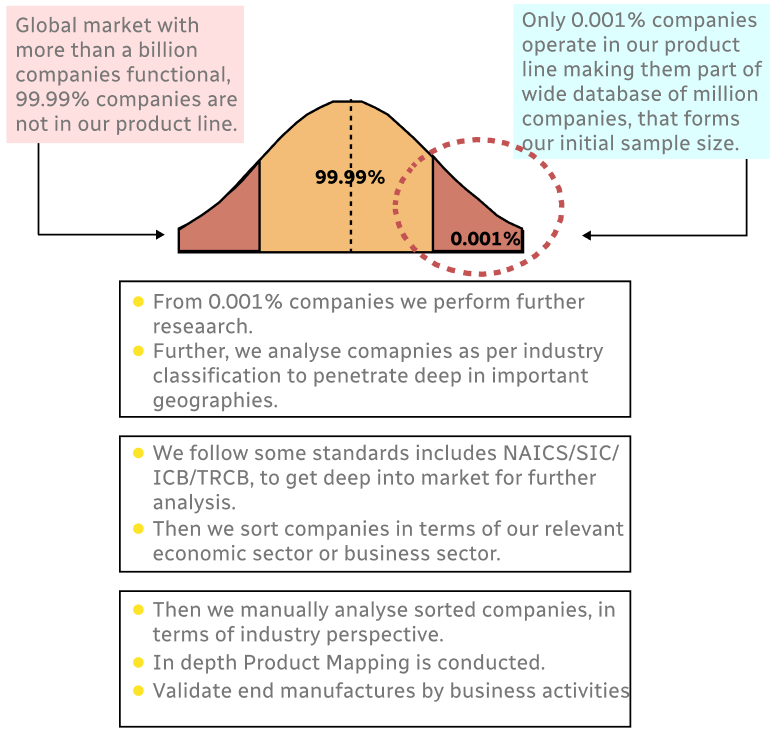
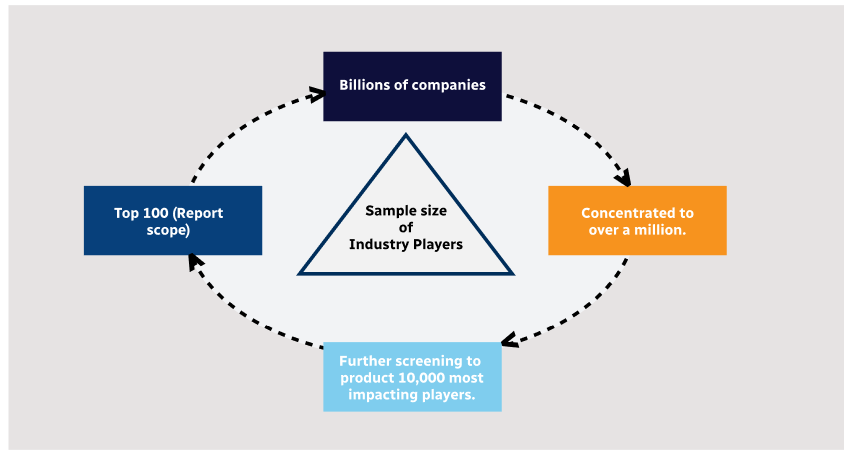
Step 1 - Identification of Relevant Samples Size from Population Database
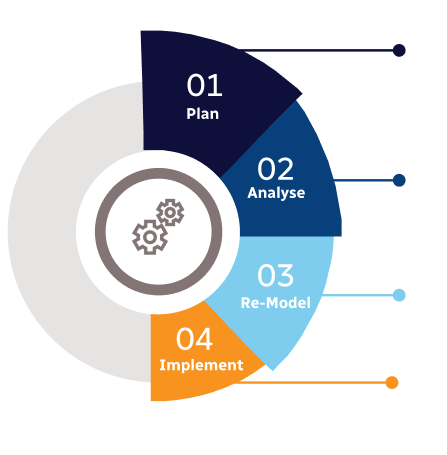
Step 2 - Approaches for Defining Global Market Size (Value, Volume* & Price*)
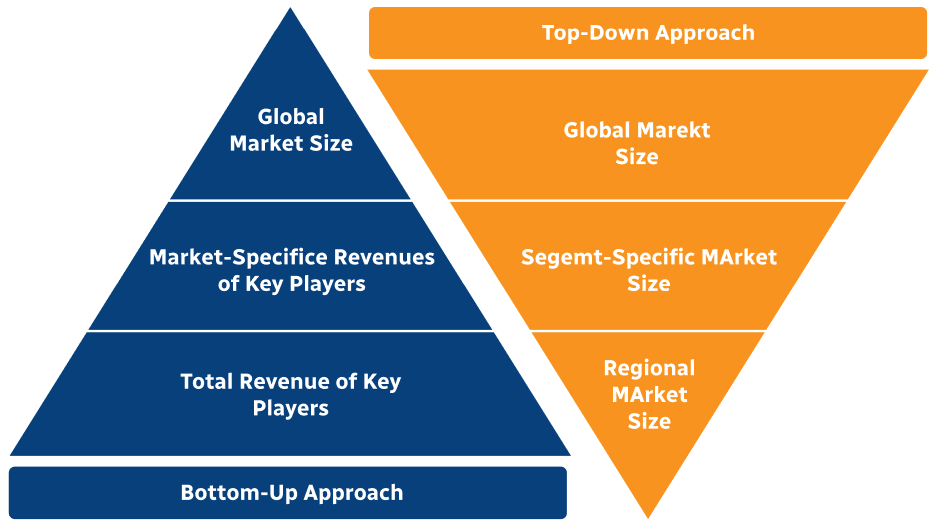
Note*: In applicable scenarios
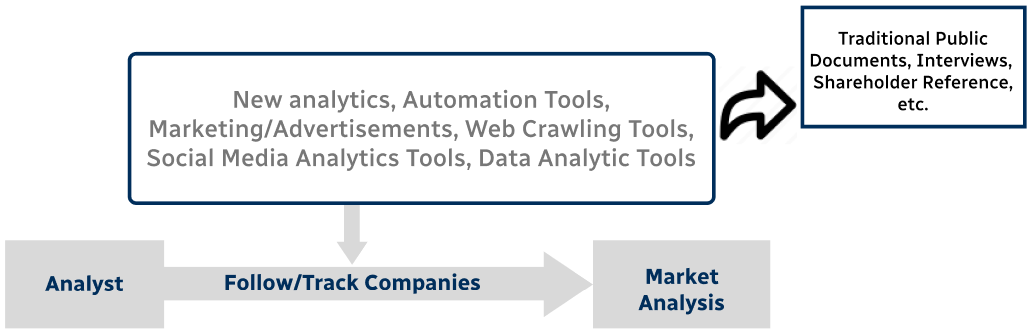
Step 3 - Data Sources
Primary Research
- Web Analytics
- Survey Reports
- Research Institute
- Latest Research Reports
- Opinion Leaders
Secondary Research
- Annual Reports
- White Paper
- Latest Press Release
- Industry Association
- Paid Database
- Investor Presentations
Step 4 - Data Triangulation
Involves using different sources of information in order to increase the validity of a study
These sources are likely to be stakeholders in a program - participants, other researchers, program staff, other community members, and so on.
Then we put all data in single framework & apply various statistical tools to find out the dynamic on the market.
During the analysis stage, feedback from the stakeholder groups would be compared to determine areas of agreement as well as areas of divergence