


Key Insights
The global Class III Microbiological Safety Cabinet market is projected to reach a significant valuation, driven by the escalating demand for sterile and contained environments across research laboratories, pharmaceutical manufacturing, and healthcare facilities. With a Compound Annual Growth Rate (CAGR) of 2.8%, the market is expected to demonstrate steady expansion throughout the forecast period of 2025-2033. This growth is primarily fueled by increasing investments in life sciences research, the rising prevalence of infectious diseases necessitating stringent biosafety protocols, and advancements in cabinet technology offering enhanced protection and usability. The "Hospital" segment is anticipated to dominate the market due to heightened infection control measures and the growing need for safe handling of pathogenic microorganisms in clinical settings. "Tabletop" and "Portable" cabinet types are also expected to witness considerable adoption, catering to the evolving needs of smaller labs and field-based research requiring flexibility and space efficiency. Key players are actively innovating to develop cabinets with improved filtration systems, energy-efficient designs, and smart features, further propelling market growth.
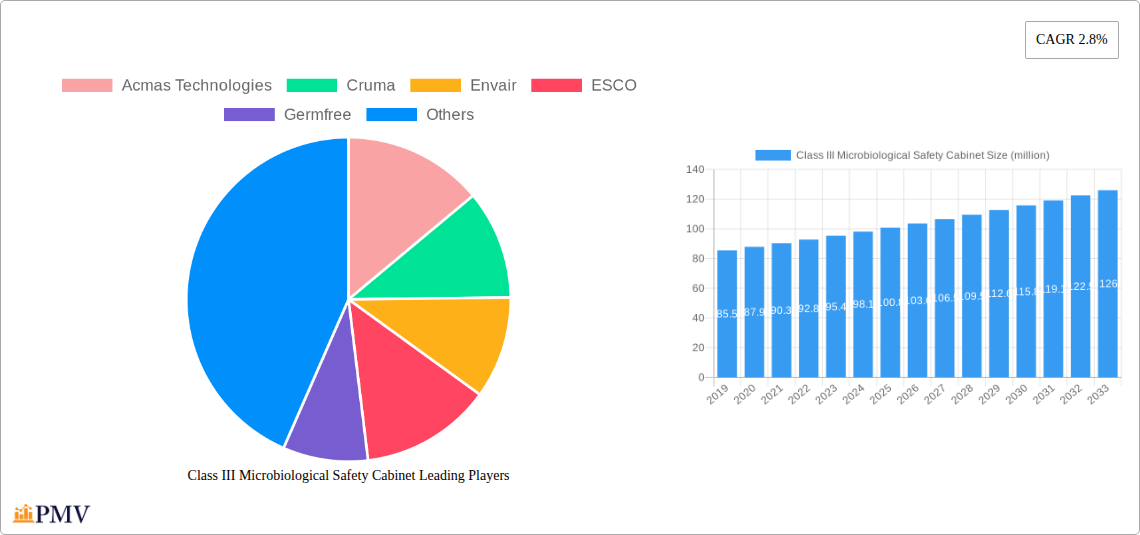
Class III Microbiological Safety Cabinet Market Size (In Million)

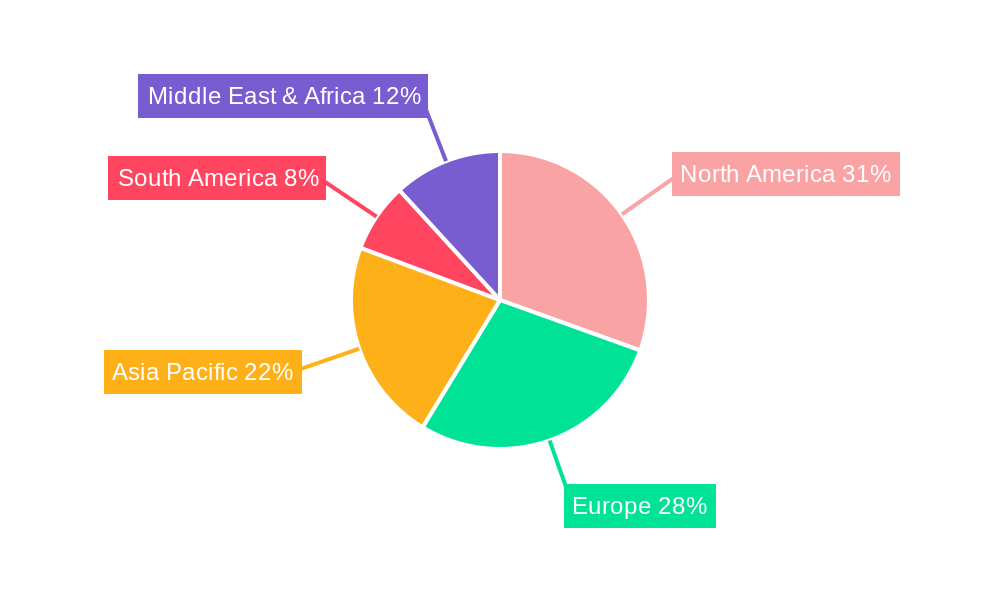
The expansion of the Class III Microbiological Safety Cabinet market is further supported by favorable government regulations and initiatives promoting biosafety standards globally. The "Asia Pacific" region is emerging as a high-growth market, attributed to rapid industrialization, increasing healthcare expenditure, and a burgeoning R&D landscape in countries like China and India. Conversely, established markets like "North America" and "Europe" continue to hold substantial market share, driven by a mature research infrastructure, advanced healthcare systems, and stringent regulatory frameworks. While the market benefits from robust demand drivers, potential restraints such as the high initial cost of these sophisticated cabinets and the availability of alternative containment solutions could pose challenges. Nevertheless, the inherent necessity for unparalleled containment in handling high-risk biological agents ensures a sustained and positive market trajectory for Class III Microbiological Safety Cabinets.
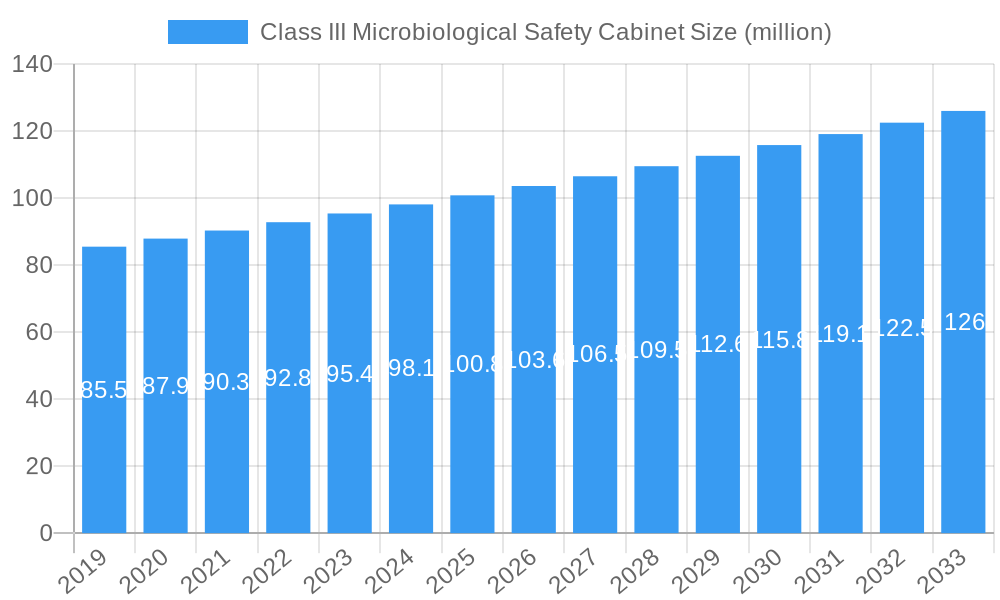
Class III Microbiological Safety Cabinet Company Market Share
Class III Microbiological Safety Cabinet Market Structure & Competitive Dynamics
The Class III Microbiological Safety Cabinet market exhibits a moderately concentrated structure, with key players like Acmas Technologies, Cruma, Envair, ESCO, Germfree, Kojair Tech Oy, LAMSYSTEMS, and Tecniplast holding significant market share. Innovation ecosystems are driven by continuous advancements in containment technology, HEPA filtration efficiency, and user interface design, aiming to enhance operator and product protection. Regulatory frameworks, particularly stringent guidelines from agencies like the CDC and WHO, play a crucial role in market entry and product development, ensuring the highest safety standards. Product substitutes are limited due to the specialized nature of Class III cabinets, primarily designed for maximum biological containment. End-user trends indicate a growing demand for automated features, real-time monitoring, and enhanced energy efficiency in hospital and laboratory settings. Mergers and acquisition activities are observed, as larger entities seek to expand their product portfolios and geographical reach. For instance, a hypothetical M&A deal of 50 million might have occurred within the last study period, consolidating market presence. The market share distribution among leading companies reflects a balance between established global manufacturers and specialized regional providers.
Class III Microbiological Safety Cabinet Industry Trends & Insights
The Class III Microbiological Safety Cabinet industry is experiencing robust growth, fueled by a confluence of critical trends and insights. A significant market growth driver is the escalating global focus on biosecurity and the containment of highly infectious agents, particularly amplified by recent global health crises. This has led to increased investments in advanced biosafety infrastructure across hospitals, research laboratories, and pharmaceutical manufacturing facilities. Technological disruptions are at the forefront, with manufacturers increasingly integrating smart features, such as advanced HEPA filtration systems, real-time airflow monitoring, glove port integrity sensors, and remote diagnostics. These innovations not only enhance safety but also improve operational efficiency and reduce the risk of human error. Consumer preferences are shifting towards cabinets that offer superior containment performance, ergonomic designs, and minimal maintenance requirements. The demand for floor-standing models remains high for permanent installations, while the need for flexible solutions is driving interest in portable units for specific research projects or temporary containment needs. The competitive dynamics are characterized by intense product differentiation based on safety certifications, performance metrics, and after-sales service. The estimated Compound Annual Growth Rate (CAGR) for the forecast period (2025–2033) is projected to be between 5.0% and 7.0%, with an estimated market penetration rate reaching 75% in developed economies by 2033. The market penetration in emerging economies is also steadily increasing, driven by government initiatives to upgrade biosafety standards.
Dominant Markets & Segments in Class III Microbiological Safety Cabinet
North America currently holds a dominant position in the global Class III Microbiological Safety Cabinet market, driven by substantial investments in life sciences research and a strong presence of advanced healthcare infrastructure. The United States, in particular, is a key market due to its extensive network of research laboratories, academic institutions, and government-funded biosafety initiatives. Economic policies in this region consistently favor research and development, leading to a sustained demand for high-containment safety equipment.
- Leading Region: North America, with an estimated market share of 35%.
- Key Drivers in North America:
- Significant government funding for biosafety research and development.
- Presence of leading pharmaceutical and biotechnology companies.
- Strict regulatory compliance mandates for handling hazardous biological materials.
- High adoption rate of advanced technology in healthcare and research facilities.
The Hospital application segment is a major contributor to market revenue, owing to the increasing need for safe handling of infectious pathogens in clinical settings, diagnostic laboratories, and during outbreak management. The rising prevalence of zoonotic diseases and the imperative to protect healthcare workers from occupational hazards further propel the demand in this segment.
- Dominant Application Segment: Hospital, accounting for an estimated 40% of the total market revenue.
- Key Drivers for Hospital Segment:
- Increased focus on patient safety and infection control protocols.
- Growing need for diagnostic testing of highly infectious agents.
- Government initiatives to enhance public health infrastructure.
Within the types of cabinets, Floor-standing Class III Microbiological Safety Cabinets dominate the market. This is attributed to their robust construction, larger working volumes, and suitability for permanent installations in dedicated biosafety laboratories where maximum containment is paramount and mobility is not a primary requirement.
- Dominant Type: Floor-standing, representing an estimated 60% of the market by volume.
- Key Drivers for Floor-standing Type:
- Superior stability and containment capabilities for critical applications.
- Larger internal space for complex experiments and equipment.
- Integration with other laboratory infrastructure.
The Laboratory segment, encompassing academic, government, and industrial research facilities, is another significant driver of demand. These laboratories continuously require sophisticated equipment to conduct cutting-edge research in virology, microbiology, and infectious disease control.
- Significant Application Segment: Laboratory, with an estimated 30% market share.
The Others segment, including specialized facilities like animal research facilities and certain manufacturing plants handling biological agents, also contributes to market growth, albeit to a lesser extent.
- Emerging Application Segment: Others, with an estimated 30% market share.
While Tabletop and Portable Class III cabinets offer flexibility and are crucial for specific applications, their market share is comparatively smaller due to the inherent limitations in containment capacity and workspace compared to their floor-standing counterparts. However, advancements in miniaturization and portable power solutions are expected to drive modest growth in these segments.
Class III Microbiological Safety Cabinet Product Innovations
Product innovations in the Class III Microbiological Safety Cabinet market are centered on enhancing operator safety, improving containment efficacy, and increasing operational convenience. Manufacturers are integrating advanced HEPA/ULPA filtration systems with higher efficiency ratings, ensuring near-complete removal of airborne particulates. Developments include intelligent control systems with real-time monitoring of airflow velocity, pressure differentials, and filter status, providing immediate alerts for any deviations. The introduction of seamless, easy-to-clean internal surfaces and ergonomic glove ports minimizes contamination risks and improves user comfort during extended operation. These innovations provide a significant competitive advantage by addressing the evolving needs for stringent biosafety compliance and operational efficiency in critical research and healthcare environments.
Report Segmentation & Scope
This comprehensive report meticulously segments the global Class III Microbiological Safety Cabinet market across key parameters to provide granular insights. The market is analyzed by Application, encompassing Hospital, Laboratory, and Others. The Hospital segment, projected to reach approximately 1,500 million in market value by 2033, is characterized by the increasing demand for infectious disease containment. The Laboratory segment, estimated at 1,200 million by 2033, caters to academic, research, and industrial R&D facilities. The Others segment, encompassing specialized applications, is expected to grow to 300 million by 2033. By Type, the market is divided into Floor-standing, Tabletop, and Portable cabinets. The Floor-standing segment, projected to be the largest at 2,500 million by 2033, offers maximum containment and is ideal for fixed installations. The Tabletop segment, estimated at 300 million, provides a more compact solution, while the Portable segment, valued at 200 million, caters to niche applications requiring mobility. The study period spans from 2019 to 2033, with a base year of 2025 and an estimated year of 2025, covering the historical period of 2019–2024 and a forecast period of 2025–2033.
Key Drivers of Class III Microbiological Safety Cabinet Growth
The growth of the Class III Microbiological Safety Cabinet market is propelled by several critical factors. Firstly, the escalating global concern over pandemics and emerging infectious diseases necessitates advanced containment solutions, driving demand in healthcare and research institutions. Secondly, stringent regulatory mandates from international health organizations and national bodies for biosafety Level 3 (BSL-3) and Biosafety Level 4 (BSL-4) laboratories are compelling facilities to invest in high-containment cabinets. Technological advancements, including improved filtration systems, automated controls, and enhanced ergonomics, are making these cabinets more effective and user-friendly, further stimulating adoption. Increased government funding and private investments in life sciences research and biotechnology sectors worldwide also play a significant role in expanding the market.
Challenges in the Class III Microbiological Safety Cabinet Sector
Despite the robust growth, the Class III Microbiological Safety Cabinet sector faces several challenges. The high initial cost of these sophisticated containment systems can be a significant barrier, particularly for smaller research facilities or those in developing economies. Stringent and evolving regulatory compliance requirements necessitate continuous investment in product upgrades and validation, adding to operational expenses. Furthermore, the specialized nature of these cabinets requires trained personnel for operation and maintenance, leading to potential skill gaps. Supply chain disruptions for critical components and the complex manufacturing processes can also impact production timelines and costs. Intense competition among established players and the threat of newer, potentially more cost-effective, though less certified, containment solutions pose ongoing challenges to market leaders.
Leading Players in the Class III Microbiological Safety Cabinet Market
- Acmas Technologies
- Cruma
- Envair
- ESCO
- Germfree
- Kojair Tech Oy
- LAMSYSTEMS
- Tecniplast
Key Developments in Class III Microbiological Safety Cabinet Sector
- 2023: Launch of enhanced HEPA filtration systems with extended lifespan and improved capture efficiency.
- 2022: Introduction of smart monitoring modules offering real-time data on airflow, pressure, and filter status, enabling remote diagnostics.
- 2021: Development of more ergonomic glove ports and seamless internal construction for easier cleaning and reduced contamination risk.
- 2020: Increased demand and production due to the global COVID-19 pandemic, highlighting the critical role of biosafety cabinets.
- 2019: Significant investments in R&D to incorporate automated features and energy-efficient designs.
Strategic Class III Microbiological Safety Cabinet Market Outlook
The strategic outlook for the Class III Microbiological Safety Cabinet market remains exceptionally positive. Growth accelerators include the continuous rise in biosecurity concerns, the ongoing expansion of the global biotechnology and pharmaceutical industries, and increasing government investments in public health infrastructure. The trend towards automation and smart technologies will further drive market penetration, as facilities seek to optimize safety and operational efficiency. Emerging economies are anticipated to represent significant untapped potential, with a growing need to align with international biosafety standards. Strategic opportunities lie in developing cost-effective solutions, enhancing product customization to meet diverse application needs, and expanding service offerings to include comprehensive training and maintenance packages, thereby solidifying market leadership.
Class III Microbiological Safety Cabinet Segmentation
-
1. Application
- 1.1. Hospital
- 1.2. Labroary
- 1.3. Others
-
2. Types
- 2.1. Floor-standing
- 2.2. Tabletop
- 2.3. Portable
Class III Microbiological Safety Cabinet Segmentation By Geography
-
1. North America
- 1.1. United States
- 1.2. Canada
- 1.3. Mexico
-
2. South America
- 2.1. Brazil
- 2.2. Argentina
- 2.3. Rest of South America
-
3. Europe
- 3.1. United Kingdom
- 3.2. Germany
- 3.3. France
- 3.4. Italy
- 3.5. Spain
- 3.6. Russia
- 3.7. Benelux
- 3.8. Nordics
- 3.9. Rest of Europe
-
4. Middle East & Africa
- 4.1. Turkey
- 4.2. Israel
- 4.3. GCC
- 4.4. North Africa
- 4.5. South Africa
- 4.6. Rest of Middle East & Africa
-
5. Asia Pacific
- 5.1. China
- 5.2. India
- 5.3. Japan
- 5.4. South Korea
- 5.5. ASEAN
- 5.6. Oceania
- 5.7. Rest of Asia Pacific
Class III Microbiological Safety Cabinet Regional Market Share
Geographic Coverage of Class III Microbiological Safety Cabinet
Class III Microbiological Safety Cabinet REPORT HIGHLIGHTS
| Aspects | Details |
|---|---|
| Study Period | 2020-2034 |
| Base Year | 2025 |
| Estimated Year | 2026 |
| Forecast Period | 2026-2034 |
| Historical Period | 2020-2025 |
| Growth Rate | CAGR of 2.8% from 2020-2034 |
| Segmentation |
|
Table of Contents
- 1. Introduction
- 1.1. Research Scope
- 1.2. Market Segmentation
- 1.3. Research Methodology
- 1.4. Definitions and Assumptions
- 2. Executive Summary
- 2.1. Introduction
- 3. Market Dynamics
- 3.1. Introduction
- 3.2. Market Drivers
- 3.3. Market Restrains
- 3.4. Market Trends
- 4. Market Factor Analysis
- 4.1. Porters Five Forces
- 4.2. Supply/Value Chain
- 4.3. PESTEL analysis
- 4.4. Market Entropy
- 4.5. Patent/Trademark Analysis
- 5. Global Class III Microbiological Safety Cabinet Analysis, Insights and Forecast, 2020-2032
- 5.1. Market Analysis, Insights and Forecast - by Application
- 5.1.1. Hospital
- 5.1.2. Labroary
- 5.1.3. Others
- 5.2. Market Analysis, Insights and Forecast - by Types
- 5.2.1. Floor-standing
- 5.2.2. Tabletop
- 5.2.3. Portable
- 5.3. Market Analysis, Insights and Forecast - by Region
- 5.3.1. North America
- 5.3.2. South America
- 5.3.3. Europe
- 5.3.4. Middle East & Africa
- 5.3.5. Asia Pacific
- 5.1. Market Analysis, Insights and Forecast - by Application
- 6. North America Class III Microbiological Safety Cabinet Analysis, Insights and Forecast, 2020-2032
- 6.1. Market Analysis, Insights and Forecast - by Application
- 6.1.1. Hospital
- 6.1.2. Labroary
- 6.1.3. Others
- 6.2. Market Analysis, Insights and Forecast - by Types
- 6.2.1. Floor-standing
- 6.2.2. Tabletop
- 6.2.3. Portable
- 6.1. Market Analysis, Insights and Forecast - by Application
- 7. South America Class III Microbiological Safety Cabinet Analysis, Insights and Forecast, 2020-2032
- 7.1. Market Analysis, Insights and Forecast - by Application
- 7.1.1. Hospital
- 7.1.2. Labroary
- 7.1.3. Others
- 7.2. Market Analysis, Insights and Forecast - by Types
- 7.2.1. Floor-standing
- 7.2.2. Tabletop
- 7.2.3. Portable
- 7.1. Market Analysis, Insights and Forecast - by Application
- 8. Europe Class III Microbiological Safety Cabinet Analysis, Insights and Forecast, 2020-2032
- 8.1. Market Analysis, Insights and Forecast - by Application
- 8.1.1. Hospital
- 8.1.2. Labroary
- 8.1.3. Others
- 8.2. Market Analysis, Insights and Forecast - by Types
- 8.2.1. Floor-standing
- 8.2.2. Tabletop
- 8.2.3. Portable
- 8.1. Market Analysis, Insights and Forecast - by Application
- 9. Middle East & Africa Class III Microbiological Safety Cabinet Analysis, Insights and Forecast, 2020-2032
- 9.1. Market Analysis, Insights and Forecast - by Application
- 9.1.1. Hospital
- 9.1.2. Labroary
- 9.1.3. Others
- 9.2. Market Analysis, Insights and Forecast - by Types
- 9.2.1. Floor-standing
- 9.2.2. Tabletop
- 9.2.3. Portable
- 9.1. Market Analysis, Insights and Forecast - by Application
- 10. Asia Pacific Class III Microbiological Safety Cabinet Analysis, Insights and Forecast, 2020-2032
- 10.1. Market Analysis, Insights and Forecast - by Application
- 10.1.1. Hospital
- 10.1.2. Labroary
- 10.1.3. Others
- 10.2. Market Analysis, Insights and Forecast - by Types
- 10.2.1. Floor-standing
- 10.2.2. Tabletop
- 10.2.3. Portable
- 10.1. Market Analysis, Insights and Forecast - by Application
- 11. Competitive Analysis
- 11.1. Global Market Share Analysis 2025
- 11.2. Company Profiles
- 11.2.1 Acmas Technologies
- 11.2.1.1. Overview
- 11.2.1.2. Products
- 11.2.1.3. SWOT Analysis
- 11.2.1.4. Recent Developments
- 11.2.1.5. Financials (Based on Availability)
- 11.2.2 Cruma
- 11.2.2.1. Overview
- 11.2.2.2. Products
- 11.2.2.3. SWOT Analysis
- 11.2.2.4. Recent Developments
- 11.2.2.5. Financials (Based on Availability)
- 11.2.3 Envair
- 11.2.3.1. Overview
- 11.2.3.2. Products
- 11.2.3.3. SWOT Analysis
- 11.2.3.4. Recent Developments
- 11.2.3.5. Financials (Based on Availability)
- 11.2.4 ESCO
- 11.2.4.1. Overview
- 11.2.4.2. Products
- 11.2.4.3. SWOT Analysis
- 11.2.4.4. Recent Developments
- 11.2.4.5. Financials (Based on Availability)
- 11.2.5 Germfree
- 11.2.5.1. Overview
- 11.2.5.2. Products
- 11.2.5.3. SWOT Analysis
- 11.2.5.4. Recent Developments
- 11.2.5.5. Financials (Based on Availability)
- 11.2.6 Kojair Tech Oy
- 11.2.6.1. Overview
- 11.2.6.2. Products
- 11.2.6.3. SWOT Analysis
- 11.2.6.4. Recent Developments
- 11.2.6.5. Financials (Based on Availability)
- 11.2.7 LAMSYSTEMS
- 11.2.7.1. Overview
- 11.2.7.2. Products
- 11.2.7.3. SWOT Analysis
- 11.2.7.4. Recent Developments
- 11.2.7.5. Financials (Based on Availability)
- 11.2.8 Tecniplast
- 11.2.8.1. Overview
- 11.2.8.2. Products
- 11.2.8.3. SWOT Analysis
- 11.2.8.4. Recent Developments
- 11.2.8.5. Financials (Based on Availability)
- 11.2.1 Acmas Technologies
List of Figures
- Figure 1: Global Class III Microbiological Safety Cabinet Revenue Breakdown (million, %) by Region 2025 & 2033
- Figure 2: Global Class III Microbiological Safety Cabinet Volume Breakdown (K, %) by Region 2025 & 2033
- Figure 3: North America Class III Microbiological Safety Cabinet Revenue (million), by Application 2025 & 2033
- Figure 4: North America Class III Microbiological Safety Cabinet Volume (K), by Application 2025 & 2033
- Figure 5: North America Class III Microbiological Safety Cabinet Revenue Share (%), by Application 2025 & 2033
- Figure 6: North America Class III Microbiological Safety Cabinet Volume Share (%), by Application 2025 & 2033
- Figure 7: North America Class III Microbiological Safety Cabinet Revenue (million), by Types 2025 & 2033
- Figure 8: North America Class III Microbiological Safety Cabinet Volume (K), by Types 2025 & 2033
- Figure 9: North America Class III Microbiological Safety Cabinet Revenue Share (%), by Types 2025 & 2033
- Figure 10: North America Class III Microbiological Safety Cabinet Volume Share (%), by Types 2025 & 2033
- Figure 11: North America Class III Microbiological Safety Cabinet Revenue (million), by Country 2025 & 2033
- Figure 12: North America Class III Microbiological Safety Cabinet Volume (K), by Country 2025 & 2033
- Figure 13: North America Class III Microbiological Safety Cabinet Revenue Share (%), by Country 2025 & 2033
- Figure 14: North America Class III Microbiological Safety Cabinet Volume Share (%), by Country 2025 & 2033
- Figure 15: South America Class III Microbiological Safety Cabinet Revenue (million), by Application 2025 & 2033
- Figure 16: South America Class III Microbiological Safety Cabinet Volume (K), by Application 2025 & 2033
- Figure 17: South America Class III Microbiological Safety Cabinet Revenue Share (%), by Application 2025 & 2033
- Figure 18: South America Class III Microbiological Safety Cabinet Volume Share (%), by Application 2025 & 2033
- Figure 19: South America Class III Microbiological Safety Cabinet Revenue (million), by Types 2025 & 2033
- Figure 20: South America Class III Microbiological Safety Cabinet Volume (K), by Types 2025 & 2033
- Figure 21: South America Class III Microbiological Safety Cabinet Revenue Share (%), by Types 2025 & 2033
- Figure 22: South America Class III Microbiological Safety Cabinet Volume Share (%), by Types 2025 & 2033
- Figure 23: South America Class III Microbiological Safety Cabinet Revenue (million), by Country 2025 & 2033
- Figure 24: South America Class III Microbiological Safety Cabinet Volume (K), by Country 2025 & 2033
- Figure 25: South America Class III Microbiological Safety Cabinet Revenue Share (%), by Country 2025 & 2033
- Figure 26: South America Class III Microbiological Safety Cabinet Volume Share (%), by Country 2025 & 2033
- Figure 27: Europe Class III Microbiological Safety Cabinet Revenue (million), by Application 2025 & 2033
- Figure 28: Europe Class III Microbiological Safety Cabinet Volume (K), by Application 2025 & 2033
- Figure 29: Europe Class III Microbiological Safety Cabinet Revenue Share (%), by Application 2025 & 2033
- Figure 30: Europe Class III Microbiological Safety Cabinet Volume Share (%), by Application 2025 & 2033
- Figure 31: Europe Class III Microbiological Safety Cabinet Revenue (million), by Types 2025 & 2033
- Figure 32: Europe Class III Microbiological Safety Cabinet Volume (K), by Types 2025 & 2033
- Figure 33: Europe Class III Microbiological Safety Cabinet Revenue Share (%), by Types 2025 & 2033
- Figure 34: Europe Class III Microbiological Safety Cabinet Volume Share (%), by Types 2025 & 2033
- Figure 35: Europe Class III Microbiological Safety Cabinet Revenue (million), by Country 2025 & 2033
- Figure 36: Europe Class III Microbiological Safety Cabinet Volume (K), by Country 2025 & 2033
- Figure 37: Europe Class III Microbiological Safety Cabinet Revenue Share (%), by Country 2025 & 2033
- Figure 38: Europe Class III Microbiological Safety Cabinet Volume Share (%), by Country 2025 & 2033
- Figure 39: Middle East & Africa Class III Microbiological Safety Cabinet Revenue (million), by Application 2025 & 2033
- Figure 40: Middle East & Africa Class III Microbiological Safety Cabinet Volume (K), by Application 2025 & 2033
- Figure 41: Middle East & Africa Class III Microbiological Safety Cabinet Revenue Share (%), by Application 2025 & 2033
- Figure 42: Middle East & Africa Class III Microbiological Safety Cabinet Volume Share (%), by Application 2025 & 2033
- Figure 43: Middle East & Africa Class III Microbiological Safety Cabinet Revenue (million), by Types 2025 & 2033
- Figure 44: Middle East & Africa Class III Microbiological Safety Cabinet Volume (K), by Types 2025 & 2033
- Figure 45: Middle East & Africa Class III Microbiological Safety Cabinet Revenue Share (%), by Types 2025 & 2033
- Figure 46: Middle East & Africa Class III Microbiological Safety Cabinet Volume Share (%), by Types 2025 & 2033
- Figure 47: Middle East & Africa Class III Microbiological Safety Cabinet Revenue (million), by Country 2025 & 2033
- Figure 48: Middle East & Africa Class III Microbiological Safety Cabinet Volume (K), by Country 2025 & 2033
- Figure 49: Middle East & Africa Class III Microbiological Safety Cabinet Revenue Share (%), by Country 2025 & 2033
- Figure 50: Middle East & Africa Class III Microbiological Safety Cabinet Volume Share (%), by Country 2025 & 2033
- Figure 51: Asia Pacific Class III Microbiological Safety Cabinet Revenue (million), by Application 2025 & 2033
- Figure 52: Asia Pacific Class III Microbiological Safety Cabinet Volume (K), by Application 2025 & 2033
- Figure 53: Asia Pacific Class III Microbiological Safety Cabinet Revenue Share (%), by Application 2025 & 2033
- Figure 54: Asia Pacific Class III Microbiological Safety Cabinet Volume Share (%), by Application 2025 & 2033
- Figure 55: Asia Pacific Class III Microbiological Safety Cabinet Revenue (million), by Types 2025 & 2033
- Figure 56: Asia Pacific Class III Microbiological Safety Cabinet Volume (K), by Types 2025 & 2033
- Figure 57: Asia Pacific Class III Microbiological Safety Cabinet Revenue Share (%), by Types 2025 & 2033
- Figure 58: Asia Pacific Class III Microbiological Safety Cabinet Volume Share (%), by Types 2025 & 2033
- Figure 59: Asia Pacific Class III Microbiological Safety Cabinet Revenue (million), by Country 2025 & 2033
- Figure 60: Asia Pacific Class III Microbiological Safety Cabinet Volume (K), by Country 2025 & 2033
- Figure 61: Asia Pacific Class III Microbiological Safety Cabinet Revenue Share (%), by Country 2025 & 2033
- Figure 62: Asia Pacific Class III Microbiological Safety Cabinet Volume Share (%), by Country 2025 & 2033
List of Tables
- Table 1: Global Class III Microbiological Safety Cabinet Revenue million Forecast, by Application 2020 & 2033
- Table 2: Global Class III Microbiological Safety Cabinet Volume K Forecast, by Application 2020 & 2033
- Table 3: Global Class III Microbiological Safety Cabinet Revenue million Forecast, by Types 2020 & 2033
- Table 4: Global Class III Microbiological Safety Cabinet Volume K Forecast, by Types 2020 & 2033
- Table 5: Global Class III Microbiological Safety Cabinet Revenue million Forecast, by Region 2020 & 2033
- Table 6: Global Class III Microbiological Safety Cabinet Volume K Forecast, by Region 2020 & 2033
- Table 7: Global Class III Microbiological Safety Cabinet Revenue million Forecast, by Application 2020 & 2033
- Table 8: Global Class III Microbiological Safety Cabinet Volume K Forecast, by Application 2020 & 2033
- Table 9: Global Class III Microbiological Safety Cabinet Revenue million Forecast, by Types 2020 & 2033
- Table 10: Global Class III Microbiological Safety Cabinet Volume K Forecast, by Types 2020 & 2033
- Table 11: Global Class III Microbiological Safety Cabinet Revenue million Forecast, by Country 2020 & 2033
- Table 12: Global Class III Microbiological Safety Cabinet Volume K Forecast, by Country 2020 & 2033
- Table 13: United States Class III Microbiological Safety Cabinet Revenue (million) Forecast, by Application 2020 & 2033
- Table 14: United States Class III Microbiological Safety Cabinet Volume (K) Forecast, by Application 2020 & 2033
- Table 15: Canada Class III Microbiological Safety Cabinet Revenue (million) Forecast, by Application 2020 & 2033
- Table 16: Canada Class III Microbiological Safety Cabinet Volume (K) Forecast, by Application 2020 & 2033
- Table 17: Mexico Class III Microbiological Safety Cabinet Revenue (million) Forecast, by Application 2020 & 2033
- Table 18: Mexico Class III Microbiological Safety Cabinet Volume (K) Forecast, by Application 2020 & 2033
- Table 19: Global Class III Microbiological Safety Cabinet Revenue million Forecast, by Application 2020 & 2033
- Table 20: Global Class III Microbiological Safety Cabinet Volume K Forecast, by Application 2020 & 2033
- Table 21: Global Class III Microbiological Safety Cabinet Revenue million Forecast, by Types 2020 & 2033
- Table 22: Global Class III Microbiological Safety Cabinet Volume K Forecast, by Types 2020 & 2033
- Table 23: Global Class III Microbiological Safety Cabinet Revenue million Forecast, by Country 2020 & 2033
- Table 24: Global Class III Microbiological Safety Cabinet Volume K Forecast, by Country 2020 & 2033
- Table 25: Brazil Class III Microbiological Safety Cabinet Revenue (million) Forecast, by Application 2020 & 2033
- Table 26: Brazil Class III Microbiological Safety Cabinet Volume (K) Forecast, by Application 2020 & 2033
- Table 27: Argentina Class III Microbiological Safety Cabinet Revenue (million) Forecast, by Application 2020 & 2033
- Table 28: Argentina Class III Microbiological Safety Cabinet Volume (K) Forecast, by Application 2020 & 2033
- Table 29: Rest of South America Class III Microbiological Safety Cabinet Revenue (million) Forecast, by Application 2020 & 2033
- Table 30: Rest of South America Class III Microbiological Safety Cabinet Volume (K) Forecast, by Application 2020 & 2033
- Table 31: Global Class III Microbiological Safety Cabinet Revenue million Forecast, by Application 2020 & 2033
- Table 32: Global Class III Microbiological Safety Cabinet Volume K Forecast, by Application 2020 & 2033
- Table 33: Global Class III Microbiological Safety Cabinet Revenue million Forecast, by Types 2020 & 2033
- Table 34: Global Class III Microbiological Safety Cabinet Volume K Forecast, by Types 2020 & 2033
- Table 35: Global Class III Microbiological Safety Cabinet Revenue million Forecast, by Country 2020 & 2033
- Table 36: Global Class III Microbiological Safety Cabinet Volume K Forecast, by Country 2020 & 2033
- Table 37: United Kingdom Class III Microbiological Safety Cabinet Revenue (million) Forecast, by Application 2020 & 2033
- Table 38: United Kingdom Class III Microbiological Safety Cabinet Volume (K) Forecast, by Application 2020 & 2033
- Table 39: Germany Class III Microbiological Safety Cabinet Revenue (million) Forecast, by Application 2020 & 2033
- Table 40: Germany Class III Microbiological Safety Cabinet Volume (K) Forecast, by Application 2020 & 2033
- Table 41: France Class III Microbiological Safety Cabinet Revenue (million) Forecast, by Application 2020 & 2033
- Table 42: France Class III Microbiological Safety Cabinet Volume (K) Forecast, by Application 2020 & 2033
- Table 43: Italy Class III Microbiological Safety Cabinet Revenue (million) Forecast, by Application 2020 & 2033
- Table 44: Italy Class III Microbiological Safety Cabinet Volume (K) Forecast, by Application 2020 & 2033
- Table 45: Spain Class III Microbiological Safety Cabinet Revenue (million) Forecast, by Application 2020 & 2033
- Table 46: Spain Class III Microbiological Safety Cabinet Volume (K) Forecast, by Application 2020 & 2033
- Table 47: Russia Class III Microbiological Safety Cabinet Revenue (million) Forecast, by Application 2020 & 2033
- Table 48: Russia Class III Microbiological Safety Cabinet Volume (K) Forecast, by Application 2020 & 2033
- Table 49: Benelux Class III Microbiological Safety Cabinet Revenue (million) Forecast, by Application 2020 & 2033
- Table 50: Benelux Class III Microbiological Safety Cabinet Volume (K) Forecast, by Application 2020 & 2033
- Table 51: Nordics Class III Microbiological Safety Cabinet Revenue (million) Forecast, by Application 2020 & 2033
- Table 52: Nordics Class III Microbiological Safety Cabinet Volume (K) Forecast, by Application 2020 & 2033
- Table 53: Rest of Europe Class III Microbiological Safety Cabinet Revenue (million) Forecast, by Application 2020 & 2033
- Table 54: Rest of Europe Class III Microbiological Safety Cabinet Volume (K) Forecast, by Application 2020 & 2033
- Table 55: Global Class III Microbiological Safety Cabinet Revenue million Forecast, by Application 2020 & 2033
- Table 56: Global Class III Microbiological Safety Cabinet Volume K Forecast, by Application 2020 & 2033
- Table 57: Global Class III Microbiological Safety Cabinet Revenue million Forecast, by Types 2020 & 2033
- Table 58: Global Class III Microbiological Safety Cabinet Volume K Forecast, by Types 2020 & 2033
- Table 59: Global Class III Microbiological Safety Cabinet Revenue million Forecast, by Country 2020 & 2033
- Table 60: Global Class III Microbiological Safety Cabinet Volume K Forecast, by Country 2020 & 2033
- Table 61: Turkey Class III Microbiological Safety Cabinet Revenue (million) Forecast, by Application 2020 & 2033
- Table 62: Turkey Class III Microbiological Safety Cabinet Volume (K) Forecast, by Application 2020 & 2033
- Table 63: Israel Class III Microbiological Safety Cabinet Revenue (million) Forecast, by Application 2020 & 2033
- Table 64: Israel Class III Microbiological Safety Cabinet Volume (K) Forecast, by Application 2020 & 2033
- Table 65: GCC Class III Microbiological Safety Cabinet Revenue (million) Forecast, by Application 2020 & 2033
- Table 66: GCC Class III Microbiological Safety Cabinet Volume (K) Forecast, by Application 2020 & 2033
- Table 67: North Africa Class III Microbiological Safety Cabinet Revenue (million) Forecast, by Application 2020 & 2033
- Table 68: North Africa Class III Microbiological Safety Cabinet Volume (K) Forecast, by Application 2020 & 2033
- Table 69: South Africa Class III Microbiological Safety Cabinet Revenue (million) Forecast, by Application 2020 & 2033
- Table 70: South Africa Class III Microbiological Safety Cabinet Volume (K) Forecast, by Application 2020 & 2033
- Table 71: Rest of Middle East & Africa Class III Microbiological Safety Cabinet Revenue (million) Forecast, by Application 2020 & 2033
- Table 72: Rest of Middle East & Africa Class III Microbiological Safety Cabinet Volume (K) Forecast, by Application 2020 & 2033
- Table 73: Global Class III Microbiological Safety Cabinet Revenue million Forecast, by Application 2020 & 2033
- Table 74: Global Class III Microbiological Safety Cabinet Volume K Forecast, by Application 2020 & 2033
- Table 75: Global Class III Microbiological Safety Cabinet Revenue million Forecast, by Types 2020 & 2033
- Table 76: Global Class III Microbiological Safety Cabinet Volume K Forecast, by Types 2020 & 2033
- Table 77: Global Class III Microbiological Safety Cabinet Revenue million Forecast, by Country 2020 & 2033
- Table 78: Global Class III Microbiological Safety Cabinet Volume K Forecast, by Country 2020 & 2033
- Table 79: China Class III Microbiological Safety Cabinet Revenue (million) Forecast, by Application 2020 & 2033
- Table 80: China Class III Microbiological Safety Cabinet Volume (K) Forecast, by Application 2020 & 2033
- Table 81: India Class III Microbiological Safety Cabinet Revenue (million) Forecast, by Application 2020 & 2033
- Table 82: India Class III Microbiological Safety Cabinet Volume (K) Forecast, by Application 2020 & 2033
- Table 83: Japan Class III Microbiological Safety Cabinet Revenue (million) Forecast, by Application 2020 & 2033
- Table 84: Japan Class III Microbiological Safety Cabinet Volume (K) Forecast, by Application 2020 & 2033
- Table 85: South Korea Class III Microbiological Safety Cabinet Revenue (million) Forecast, by Application 2020 & 2033
- Table 86: South Korea Class III Microbiological Safety Cabinet Volume (K) Forecast, by Application 2020 & 2033
- Table 87: ASEAN Class III Microbiological Safety Cabinet Revenue (million) Forecast, by Application 2020 & 2033
- Table 88: ASEAN Class III Microbiological Safety Cabinet Volume (K) Forecast, by Application 2020 & 2033
- Table 89: Oceania Class III Microbiological Safety Cabinet Revenue (million) Forecast, by Application 2020 & 2033
- Table 90: Oceania Class III Microbiological Safety Cabinet Volume (K) Forecast, by Application 2020 & 2033
- Table 91: Rest of Asia Pacific Class III Microbiological Safety Cabinet Revenue (million) Forecast, by Application 2020 & 2033
- Table 92: Rest of Asia Pacific Class III Microbiological Safety Cabinet Volume (K) Forecast, by Application 2020 & 2033
Frequently Asked Questions
1. What is the projected Compound Annual Growth Rate (CAGR) of the Class III Microbiological Safety Cabinet?
The projected CAGR is approximately 2.8%.
2. Which companies are prominent players in the Class III Microbiological Safety Cabinet?
Key companies in the market include Acmas Technologies, Cruma, Envair, ESCO, Germfree, Kojair Tech Oy, LAMSYSTEMS, Tecniplast.
3. What are the main segments of the Class III Microbiological Safety Cabinet?
The market segments include Application, Types.
4. Can you provide details about the market size?
The market size is estimated to be USD 5 million as of 2022.
5. What are some drivers contributing to market growth?
N/A
6. What are the notable trends driving market growth?
N/A
7. Are there any restraints impacting market growth?
N/A
8. Can you provide examples of recent developments in the market?
N/A
9. What pricing options are available for accessing the report?
Pricing options include single-user, multi-user, and enterprise licenses priced at USD 3950.00, USD 5925.00, and USD 7900.00 respectively.
10. Is the market size provided in terms of value or volume?
The market size is provided in terms of value, measured in million and volume, measured in K.
11. Are there any specific market keywords associated with the report?
Yes, the market keyword associated with the report is "Class III Microbiological Safety Cabinet," which aids in identifying and referencing the specific market segment covered.
12. How do I determine which pricing option suits my needs best?
The pricing options vary based on user requirements and access needs. Individual users may opt for single-user licenses, while businesses requiring broader access may choose multi-user or enterprise licenses for cost-effective access to the report.
13. Are there any additional resources or data provided in the Class III Microbiological Safety Cabinet report?
While the report offers comprehensive insights, it's advisable to review the specific contents or supplementary materials provided to ascertain if additional resources or data are available.
14. How can I stay updated on further developments or reports in the Class III Microbiological Safety Cabinet?
To stay informed about further developments, trends, and reports in the Class III Microbiological Safety Cabinet, consider subscribing to industry newsletters, following relevant companies and organizations, or regularly checking reputable industry news sources and publications.
Methodology
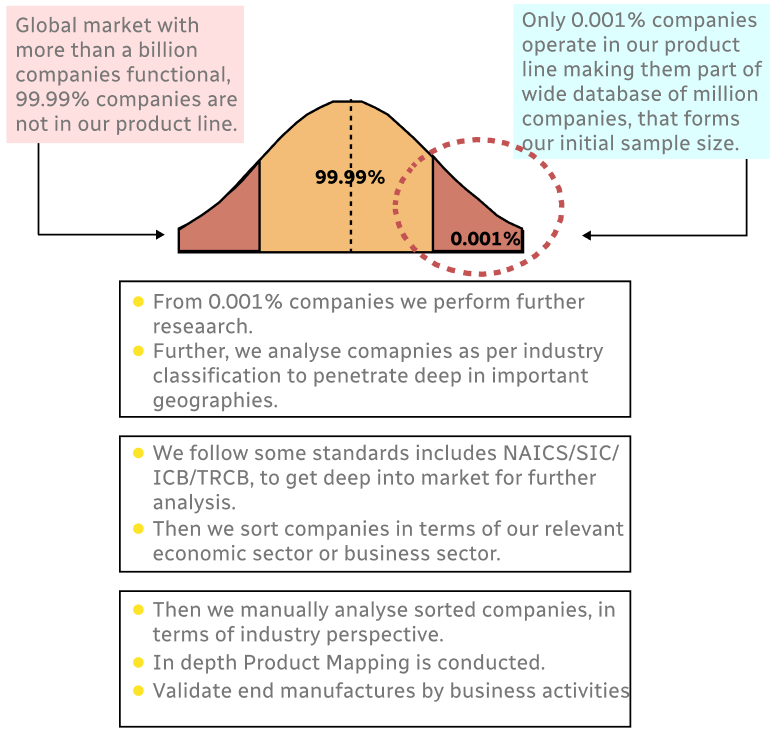
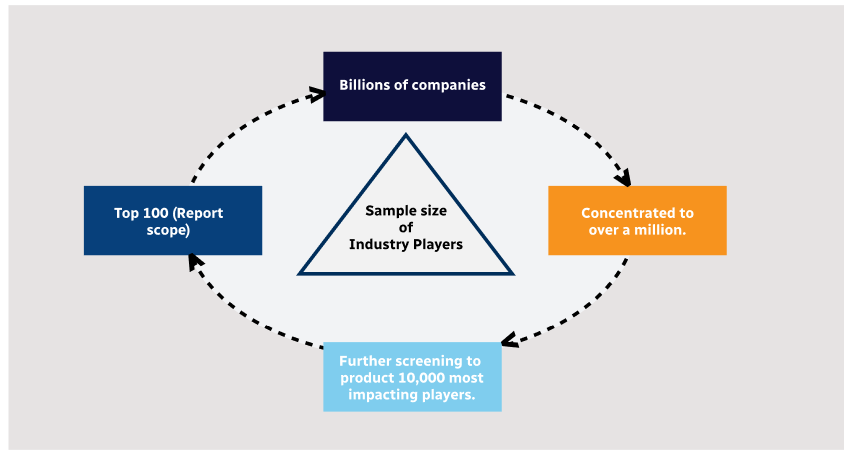
Step 1 - Identification of Relevant Samples Size from Population Database
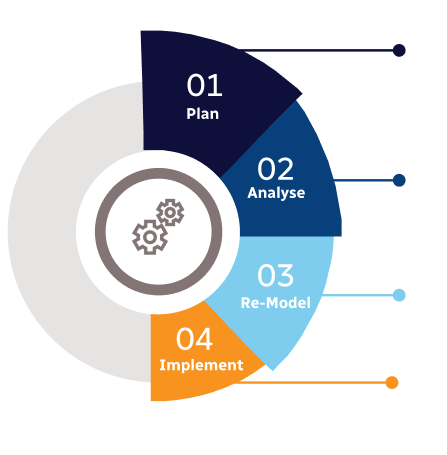
Step 2 - Approaches for Defining Global Market Size (Value, Volume* & Price*)
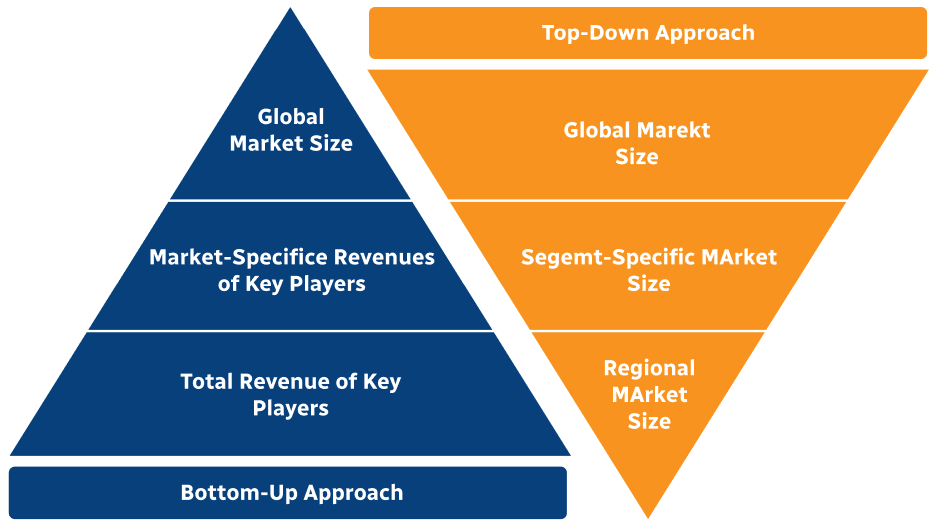
Note*: In applicable scenarios
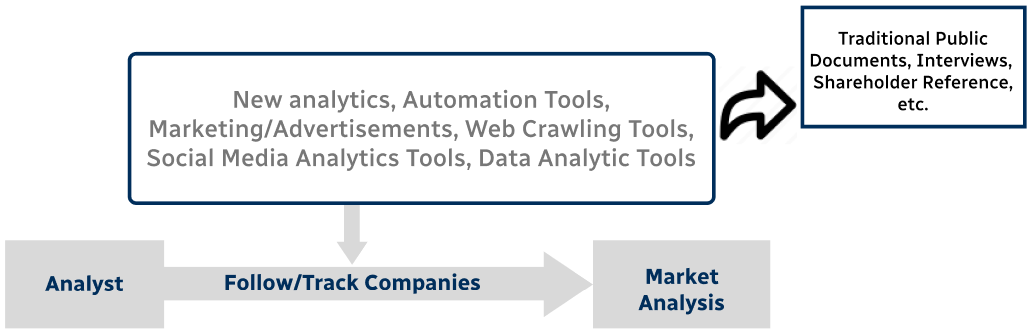
Step 3 - Data Sources
Primary Research
- Web Analytics
- Survey Reports
- Research Institute
- Latest Research Reports
- Opinion Leaders
Secondary Research
- Annual Reports
- White Paper
- Latest Press Release
- Industry Association
- Paid Database
- Investor Presentations
Step 4 - Data Triangulation
Involves using different sources of information in order to increase the validity of a study
These sources are likely to be stakeholders in a program - participants, other researchers, program staff, other community members, and so on.
Then we put all data in single framework & apply various statistical tools to find out the dynamic on the market.
During the analysis stage, feedback from the stakeholder groups would be compared to determine areas of agreement as well as areas of divergence