



Key Insights
The China Agricultural Irrigation Machinery Market is poised for robust expansion, projected to reach an estimated market size of $5,400 million by 2025, driven by a compound annual growth rate (CAGR) of 7.80% over the forecast period of 2025-2033. This significant growth is underpinned by increasing government support for agricultural modernization, a growing awareness of water scarcity challenges, and the imperative to enhance crop yields to meet the demands of a burgeoning population. The market is witnessing a strong push towards the adoption of advanced irrigation technologies, including drip irrigation, sprinkler systems, and smart irrigation solutions that integrate sensors and automation. These innovations not only optimize water usage but also improve nutrient delivery and reduce labor costs, making them increasingly attractive to Chinese farmers. Furthermore, the ongoing agricultural reforms aimed at improving efficiency and sustainability are creating fertile ground for the uptake of sophisticated irrigation equipment.
The competitive landscape is characterized by the presence of both domestic and international players, with companies like The Toro Company, Lindsay Corporation, Rain Bird Corporation, and Netafim vying for market share. The market's expansion is further fueled by increasing investment in research and development by these companies, leading to the introduction of more efficient, durable, and cost-effective irrigation solutions. While the market is experiencing substantial growth, certain restraints such as the initial capital investment required for advanced systems and the need for technical expertise among some farmer segments, will need to be addressed. However, the overarching trends of water conservation, precision agriculture, and the drive for higher agricultural productivity in China are expected to outweigh these challenges, ensuring a dynamic and expanding market for agricultural irrigation machinery. China's own production capabilities are also a significant factor, alongside its substantial consumption and active import and export markets, contributing to the overall market value and volume.
Comprehensive China Agricultural Irrigation Machinery Market Report: 2019-2033
Unlock the Future of Chinese Agriculture with Unparalleled Market Insights. This in-depth report provides a definitive analysis of the China Agricultural Irrigation Machinery Market, offering critical data and strategic foresight for stakeholders navigating this dynamic sector. Covering the historical period of 2019–2024, base and estimated year 2025, and a robust forecast period of 2025–2033, this report is your essential guide to understanding production analysis, consumption analysis, import/export dynamics, and pricing trends for agricultural irrigation machinery in China. Gain a competitive edge by leveraging comprehensive market segmentation, detailed competitive landscapes, and actionable insights into industry developments and growth drivers.
China Agricultural Irrigation Machinery Market Market Structure & Competitive Dynamics
The China Agricultural Irrigation Machinery Market is characterized by a moderate to high concentration, with key players actively investing in innovation and strategic expansion. The competitive landscape is shaped by a blend of domestic and international manufacturers, each vying for market share through product differentiation, technological advancement, and distribution network expansion. Regulatory frameworks, particularly those promoting water conservation and modern agricultural practices, play a significant role in shaping market entry and operational strategies. Product substitutes, ranging from traditional irrigation methods to advanced smart irrigation systems, influence consumer choices and drive innovation. End-user trends are increasingly leaning towards precision agriculture, automation, and water-efficient solutions, influenced by government initiatives and the growing demand for sustainable food production. Mergers and acquisitions (M&A) activities, with recent deal values estimated in the tens of millions of dollars, indicate strategic consolidation and a drive for market leadership. The market share distribution reveals a significant presence of both large-scale manufacturers and specialized solution providers, highlighting the segment's complexity.
- Key Competitive Factors: Product quality, technological innovation, after-sales service, price competitiveness, and distribution reach.
- M&A Trends: Focus on acquiring advanced technologies, expanding product portfolios, and gaining market access in key agricultural regions.
- Market Concentration: Dominated by a few large players with significant market share, alongside a growing number of niche and emerging companies.
China Agricultural Irrigation Machinery Market Industry Trends & Insights
The China Agricultural Irrigation Machinery Market is experiencing robust growth, driven by escalating government support for agricultural modernization, increasing awareness of water scarcity, and the imperative for enhanced crop yields. The market is projected to grow at a Compound Annual Growth Rate (CAGR) of approximately XX% during the forecast period. Technological disruptions are at the forefront of this expansion, with the adoption of smart irrigation systems, IoT-enabled sensors, automated control, and data analytics becoming increasingly prevalent. These advancements enable farmers to optimize water usage, reduce labor costs, and improve crop health and productivity, leading to higher profitability. Consumer preferences are shifting towards durable, efficient, and user-friendly irrigation solutions that offer real-time monitoring and remote control capabilities. The growing emphasis on precision agriculture, aimed at minimizing resource wastage and maximizing output, further fuels the demand for sophisticated irrigation machinery. Competitive dynamics are intensifying, with companies investing heavily in research and development to introduce innovative products that address the specific needs of China's diverse agricultural landscape. The market penetration of advanced irrigation technologies is steadily increasing, especially in regions with significant agricultural activity and government incentives for adopting modern farming practices. The ongoing urbanization and migration of rural populations present both challenges and opportunities, as labor shortages in agriculture drive the demand for automated and labor-saving irrigation equipment. Furthermore, the increasing focus on food security and the need to improve the efficiency of existing arable land are significant tailwinds for the agricultural irrigation machinery sector. The integration of artificial intelligence (AI) in irrigation management is an emerging trend that promises to revolutionize water allocation and crop management.
- Market Growth Drivers: Government policies promoting water conservation, technological advancements, increasing demand for higher crop yields, and rising labor costs in agriculture.
- Technological Advancements: IoT, AI, automation, sensor technology, data analytics for precision irrigation.
- Consumer Preferences: Water efficiency, automation, ease of use, real-time monitoring, remote control, durability.
- Market Penetration: Growing adoption of smart and automated irrigation systems in major agricultural provinces.
Dominant Markets & Segments in China Agricultural Irrigation Machinery Market
The China Agricultural Irrigation Machinery Market exhibits significant dominance within specific regions and segments, driven by a confluence of economic policies, infrastructure development, and agricultural necessity.
Production Analysis: The northern and northeastern regions of China, including provinces like Heilongjiang, Jilin, and Inner Mongolia, are dominant in the production of agricultural irrigation machinery. These areas benefit from a strong industrial base, skilled labor, and proximity to raw material suppliers. The mechanical pump segment holds a substantial share in production, catering to a wide range of agricultural needs.
- Key Production Drivers: Government support for manufacturing, availability of skilled labor, established industrial infrastructure, and proximity to agricultural hubs.
Consumption Analysis: The provinces with intensive agricultural activity and significant water management challenges, such as Shandong, Henan, and Xinjiang, are the leading consumers of agricultural irrigation machinery. The adoption of drip irrigation systems is particularly high in these regions due to their water-saving capabilities and effectiveness in various crop types. The demand for sprinkler irrigation systems also remains robust for larger-scale farming operations.
- Key Consumption Drivers: Water scarcity, need for increased crop yields, government subsidies for water-efficient technologies, and the prevalence of cash crops.
Import Market Analysis (Value & Volume): While China is a significant producer, it also imports specialized and high-end agricultural irrigation machinery, particularly from developed countries. The import market is valued at approximately $XXX Million and involves around XX Million units annually. The pivot irrigation systems and advanced smart irrigation controllers are key imported products, driven by their technological superiority and specific application needs not fully met by domestic production.
- Key Import Drivers: Demand for advanced technology, higher efficiency requirements, brand reputation of international players, and specialized agricultural practices.
Export Market Analysis (Value & Volume): China is a major exporter of agricultural irrigation machinery, with an export value estimated at $XXX Million and a volume of XX Million units. Developing countries in Southeast Asia, Africa, and Latin America are primary export destinations for sprinkler systems and PVC pipes due to their affordability and suitability for diverse agricultural conditions.
- Key Export Drivers: Competitive pricing, large-scale production capacity, government export incentives, and growing agricultural mechanization in emerging economies.
Price Trend Analysis: The price trend analysis indicates a gradual upward trajectory for advanced and smart irrigation systems, driven by innovation and rising component costs. Conversely, prices for basic mechanical pumps and conventional sprinkler systems remain relatively stable, influenced by intense competition and economies of scale. The average price for a complete smart irrigation system can range from $XXXX to $XXXX, while basic sprinkler heads are available for as low as $X.
- Key Price Influencers: Technological complexity, material costs, brand premium, economies of scale in production, and government subsidies.
China Agricultural Irrigation Machinery Market Product Innovations
Product innovations in the China Agricultural Irrigation Machinery Market are increasingly focused on enhancing water efficiency, automation, and data-driven management. Key developments include the introduction of IoT-enabled sensors for real-time soil moisture and weather monitoring, AI-powered irrigation scheduling platforms, and modular drip irrigation systems adaptable to various crop types and field configurations. Companies are also developing more durable and energy-efficient pumps and sprinklers. These innovations offer competitive advantages by reducing water consumption, optimizing fertilizer application, minimizing labor, and ultimately increasing crop yields and profitability for farmers. The market fit for these products is strong, aligning with China's national strategies for sustainable agriculture and food security.
Report Segmentation & Scope
This report meticulously segments the China Agricultural Irrigation Machinery Market across several key dimensions. The Production Analysis segment examines the manufacturing landscape by machinery type and regional output. The Consumption Analysis segment delves into the adoption patterns of various irrigation technologies by crop type and geographical location. The Import Market Analysis (Value & Volume) focuses on the inflow of agricultural irrigation machinery, identifying key product categories and source countries. The Export Market Analysis (Value & Volume) scrutinizes the outflow of these products, detailing destination markets and dominant machinery types. Finally, the Price Trend Analysis provides insights into the pricing dynamics of different irrigation machinery categories. Each segment offers detailed growth projections, market sizes, and competitive dynamics, providing a holistic view of the market.
Key Drivers of China Agricultural Irrigation Machinery Market Growth
Several factors are propelling the growth of the China Agricultural Irrigation Machinery Market. Government initiatives like the "Rural Revitalization Strategy" and emphasis on water conservation policies are a significant impetus. The increasing adoption of precision agriculture and smart farming technologies, driven by the need for higher crop yields and efficient resource management, is another major driver. Furthermore, the rising cost of agricultural labor necessitates the adoption of automated and labor-saving irrigation solutions. The growing awareness among farmers about the benefits of modern irrigation systems in terms of water savings and improved crop quality also contributes significantly to market expansion.
- Technological Adoption: Precision agriculture, IoT, AI, automation.
- Economic Factors: Rising labor costs, government subsidies, increasing farm profitability.
- Regulatory Support: Water conservation policies, agricultural modernization strategies.
Challenges in the China Agricultural Irrigation Machinery Market Sector
Despite its promising growth trajectory, the China Agricultural Irrigation Machinery Market faces several challenges. High initial investment costs for advanced smart irrigation systems can be a barrier for small-holder farmers. Inadequate infrastructure and limited access to technical expertise in some rural areas also hinder the widespread adoption of sophisticated machinery. Intense competition among manufacturers can lead to price wars, impacting profit margins. Furthermore, the diversity of agricultural practices and crop types across China necessitates a wide range of customized solutions, adding complexity to product development and distribution. Supply chain disruptions and the availability of spare parts in remote regions can also pose logistical challenges.
- Financial Barriers: High upfront costs for advanced systems.
- Infrastructure & Expertise: Limited access to technical support and training in rural areas.
- Competitive Pressures: Price sensitivity and intense market competition.
- Logistical Hurdles: Supply chain complexities and after-sales service in vast geographies.
Leading Players in the China Agricultural Irrigation Machinery Market Market
- The Toro Company
- Lindsay Corporation
- T-L Irrigation Co
- Rain Bird Corporation
- Dayu Irrigation Group Co Lt
- Rivulis Irrigation Ltd
- NELSON IRRIGATION
- Netafim
- Valmont Industries
Key Developments in China Agricultural Irrigation Machinery Market Sector
- 2023/Q4: Launch of a new AI-powered smart irrigation platform by Dayu Irrigation Group, enabling predictive water management.
- 2023/Q3: Valmont Industries expands its manufacturing facility in China to meet growing domestic demand for center pivot systems.
- 2023/Q2: Netafim introduces a new range of water-efficient drip irrigation solutions tailored for high-value crops in China.
- 2023/Q1: The Toro Company acquires a stake in a Chinese precision agriculture technology firm to bolster its smart irrigation offerings.
- 2022/Q4: Lindsay Corporation partners with a major Chinese agricultural cooperative to pilot advanced irrigation management systems.
Strategic China Agricultural Irrigation Machinery Market Market Outlook
The strategic outlook for the China Agricultural Irrigation Machinery Market remains exceptionally positive, driven by a confluence of supportive government policies, technological advancements, and the persistent need for agricultural efficiency and sustainability. The market is poised for continued growth as farmers increasingly recognize the long-term benefits of investing in modern irrigation technologies that optimize water usage and enhance crop yields. Key growth accelerators include the expanding adoption of smart irrigation, the integration of AI and big data in farm management, and the ongoing development of customized solutions for diverse agricultural needs. Strategic opportunities lie in further penetrating underserved rural markets, developing cost-effective and user-friendly technologies, and fostering robust after-sales service networks to build lasting customer relationships. The market's trajectory will be significantly shaped by innovation, strategic partnerships, and a continued commitment to sustainable agricultural practices.
China Agricultural Irrigation Machinery Market Segmentation
- 1. Production Analysis
- 2. Consumption Analysis
- 3. Import Market Analysis (Value & Volume)
- 4. Export Market Analysis (Value & Volume)
- 5. Price Trend Analysis
China Agricultural Irrigation Machinery Market Segmentation By Geography
- 1. China
China Agricultural Irrigation Machinery Market REPORT HIGHLIGHTS
| Aspects | Details |
|---|---|
| Study Period | 2019-2033 |
| Base Year | 2024 |
| Estimated Year | 2025 |
| Forecast Period | 2025-2033 |
| Historical Period | 2019-2024 |
| Growth Rate | CAGR of 7.80% from 2019-2033 |
| Segmentation |
|
Table of Contents
- 1. Introduction
- 1.1. Research Scope
- 1.2. Market Segmentation
- 1.3. Research Methodology
- 1.4. Definitions and Assumptions
- 2. Executive Summary
- 2.1. Introduction
- 3. Market Dynamics
- 3.1. Introduction
- 3.2. Market Drivers
- 3.2.1. Skilled Labor Shortage; Favorable Government Policies
- 3.3. Market Restrains
- 3.3.1. Fragmentation of Land Holdings; Increasing Interest of Farmers Toward Custom Hiring Center
- 3.4. Market Trends
- 3.4.1. Increasing Awareness of Drip Irrigation System
- 4. Market Factor Analysis
- 4.1. Porters Five Forces
- 4.2. Supply/Value Chain
- 4.3. PESTEL analysis
- 4.4. Market Entropy
- 4.5. Patent/Trademark Analysis
- 5. China Agricultural Irrigation Machinery Market Analysis, Insights and Forecast, 2019-2031
- 5.1. Market Analysis, Insights and Forecast - by Production Analysis
- 5.2. Market Analysis, Insights and Forecast - by Consumption Analysis
- 5.3. Market Analysis, Insights and Forecast - by Import Market Analysis (Value & Volume)
- 5.4. Market Analysis, Insights and Forecast - by Export Market Analysis (Value & Volume)
- 5.5. Market Analysis, Insights and Forecast - by Price Trend Analysis
- 5.6. Market Analysis, Insights and Forecast - by Region
- 5.6.1. China
- 5.1. Market Analysis, Insights and Forecast - by Production Analysis
- 6. Competitive Analysis
- 6.1. Market Share Analysis 2024
- 6.2. Company Profiles
- 6.2.1 The Toro Company
- 6.2.1.1. Overview
- 6.2.1.2. Products
- 6.2.1.3. SWOT Analysis
- 6.2.1.4. Recent Developments
- 6.2.1.5. Financials (Based on Availability)
- 6.2.2 Lindsay Corporation
- 6.2.2.1. Overview
- 6.2.2.2. Products
- 6.2.2.3. SWOT Analysis
- 6.2.2.4. Recent Developments
- 6.2.2.5. Financials (Based on Availability)
- 6.2.3 T-L Irrigation Co
- 6.2.3.1. Overview
- 6.2.3.2. Products
- 6.2.3.3. SWOT Analysis
- 6.2.3.4. Recent Developments
- 6.2.3.5. Financials (Based on Availability)
- 6.2.4 Rain Bird Corporation
- 6.2.4.1. Overview
- 6.2.4.2. Products
- 6.2.4.3. SWOT Analysis
- 6.2.4.4. Recent Developments
- 6.2.4.5. Financials (Based on Availability)
- 6.2.5 Dayu Irrigation Group Co Lt
- 6.2.5.1. Overview
- 6.2.5.2. Products
- 6.2.5.3. SWOT Analysis
- 6.2.5.4. Recent Developments
- 6.2.5.5. Financials (Based on Availability)
- 6.2.6 Rivulis Irrigation Ltd
- 6.2.6.1. Overview
- 6.2.6.2. Products
- 6.2.6.3. SWOT Analysis
- 6.2.6.4. Recent Developments
- 6.2.6.5. Financials (Based on Availability)
- 6.2.7 NELSON IRRIGATION
- 6.2.7.1. Overview
- 6.2.7.2. Products
- 6.2.7.3. SWOT Analysis
- 6.2.7.4. Recent Developments
- 6.2.7.5. Financials (Based on Availability)
- 6.2.8 Netafim
- 6.2.8.1. Overview
- 6.2.8.2. Products
- 6.2.8.3. SWOT Analysis
- 6.2.8.4. Recent Developments
- 6.2.8.5. Financials (Based on Availability)
- 6.2.9 Valmont Industries
- 6.2.9.1. Overview
- 6.2.9.2. Products
- 6.2.9.3. SWOT Analysis
- 6.2.9.4. Recent Developments
- 6.2.9.5. Financials (Based on Availability)
- 6.2.1 The Toro Company
List of Figures
- Figure 1: China Agricultural Irrigation Machinery Market Revenue Breakdown (Million, %) by Product 2024 & 2032
- Figure 2: China Agricultural Irrigation Machinery Market Share (%) by Company 2024
List of Tables
- Table 1: China Agricultural Irrigation Machinery Market Revenue Million Forecast, by Region 2019 & 2032
- Table 2: China Agricultural Irrigation Machinery Market Revenue Million Forecast, by Production Analysis 2019 & 2032
- Table 3: China Agricultural Irrigation Machinery Market Revenue Million Forecast, by Consumption Analysis 2019 & 2032
- Table 4: China Agricultural Irrigation Machinery Market Revenue Million Forecast, by Import Market Analysis (Value & Volume) 2019 & 2032
- Table 5: China Agricultural Irrigation Machinery Market Revenue Million Forecast, by Export Market Analysis (Value & Volume) 2019 & 2032
- Table 6: China Agricultural Irrigation Machinery Market Revenue Million Forecast, by Price Trend Analysis 2019 & 2032
- Table 7: China Agricultural Irrigation Machinery Market Revenue Million Forecast, by Region 2019 & 2032
- Table 8: China Agricultural Irrigation Machinery Market Revenue Million Forecast, by Country 2019 & 2032
- Table 9: China Agricultural Irrigation Machinery Market Revenue Million Forecast, by Production Analysis 2019 & 2032
- Table 10: China Agricultural Irrigation Machinery Market Revenue Million Forecast, by Consumption Analysis 2019 & 2032
- Table 11: China Agricultural Irrigation Machinery Market Revenue Million Forecast, by Import Market Analysis (Value & Volume) 2019 & 2032
- Table 12: China Agricultural Irrigation Machinery Market Revenue Million Forecast, by Export Market Analysis (Value & Volume) 2019 & 2032
- Table 13: China Agricultural Irrigation Machinery Market Revenue Million Forecast, by Price Trend Analysis 2019 & 2032
- Table 14: China Agricultural Irrigation Machinery Market Revenue Million Forecast, by Country 2019 & 2032
Frequently Asked Questions
1. What is the projected Compound Annual Growth Rate (CAGR) of the China Agricultural Irrigation Machinery Market?
The projected CAGR is approximately 7.80%.
2. Which companies are prominent players in the China Agricultural Irrigation Machinery Market?
Key companies in the market include The Toro Company, Lindsay Corporation, T-L Irrigation Co, Rain Bird Corporation, Dayu Irrigation Group Co Lt, Rivulis Irrigation Ltd, NELSON IRRIGATION, Netafim, Valmont Industries.
3. What are the main segments of the China Agricultural Irrigation Machinery Market?
The market segments include Production Analysis, Consumption Analysis, Import Market Analysis (Value & Volume), Export Market Analysis (Value & Volume), Price Trend Analysis.
4. Can you provide details about the market size?
The market size is estimated to be USD XX Million as of 2022.
5. What are some drivers contributing to market growth?
Skilled Labor Shortage; Favorable Government Policies.
6. What are the notable trends driving market growth?
Increasing Awareness of Drip Irrigation System.
7. Are there any restraints impacting market growth?
Fragmentation of Land Holdings; Increasing Interest of Farmers Toward Custom Hiring Center.
8. Can you provide examples of recent developments in the market?
N/A
9. What pricing options are available for accessing the report?
Pricing options include single-user, multi-user, and enterprise licenses priced at USD 3800, USD 4500, and USD 5800 respectively.
10. Is the market size provided in terms of value or volume?
The market size is provided in terms of value, measured in Million.
11. Are there any specific market keywords associated with the report?
Yes, the market keyword associated with the report is "China Agricultural Irrigation Machinery Market," which aids in identifying and referencing the specific market segment covered.
12. How do I determine which pricing option suits my needs best?
The pricing options vary based on user requirements and access needs. Individual users may opt for single-user licenses, while businesses requiring broader access may choose multi-user or enterprise licenses for cost-effective access to the report.
13. Are there any additional resources or data provided in the China Agricultural Irrigation Machinery Market report?
While the report offers comprehensive insights, it's advisable to review the specific contents or supplementary materials provided to ascertain if additional resources or data are available.
14. How can I stay updated on further developments or reports in the China Agricultural Irrigation Machinery Market?
To stay informed about further developments, trends, and reports in the China Agricultural Irrigation Machinery Market, consider subscribing to industry newsletters, following relevant companies and organizations, or regularly checking reputable industry news sources and publications.
Methodology
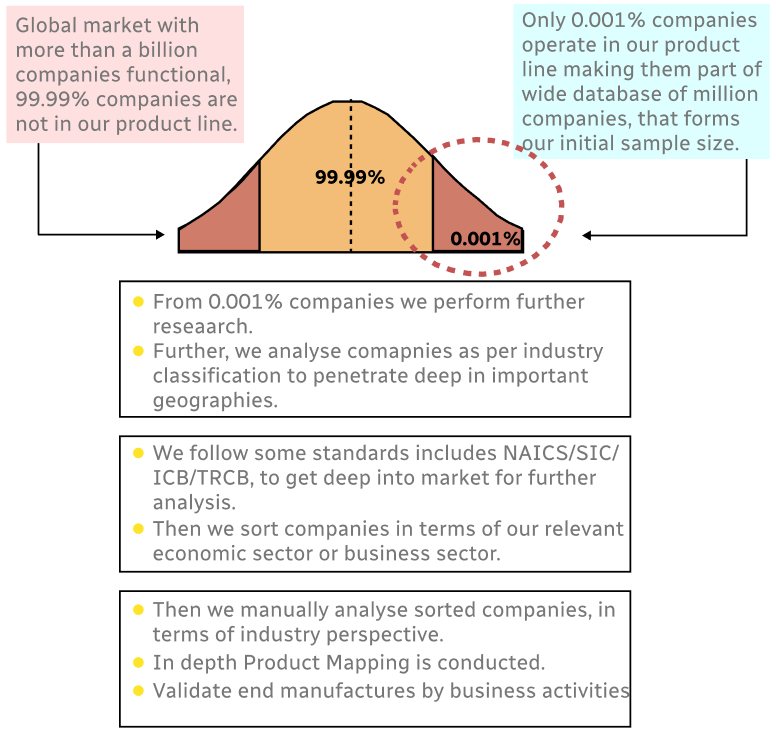
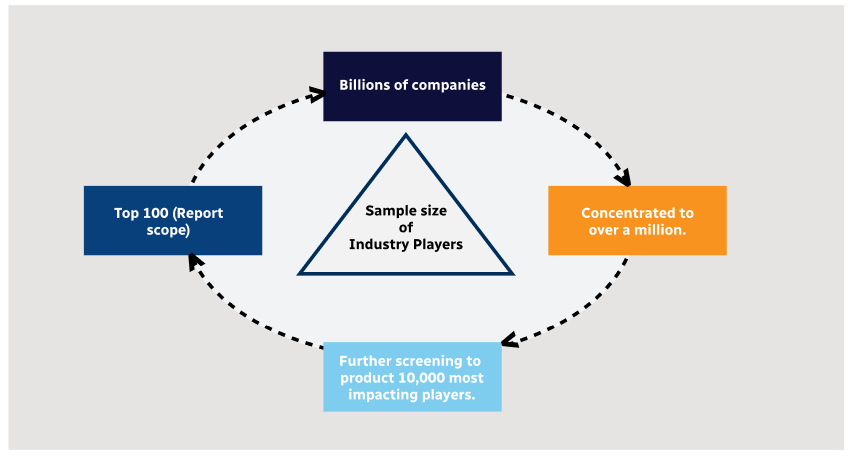
Step 1 - Identification of Relevant Samples Size from Population Database
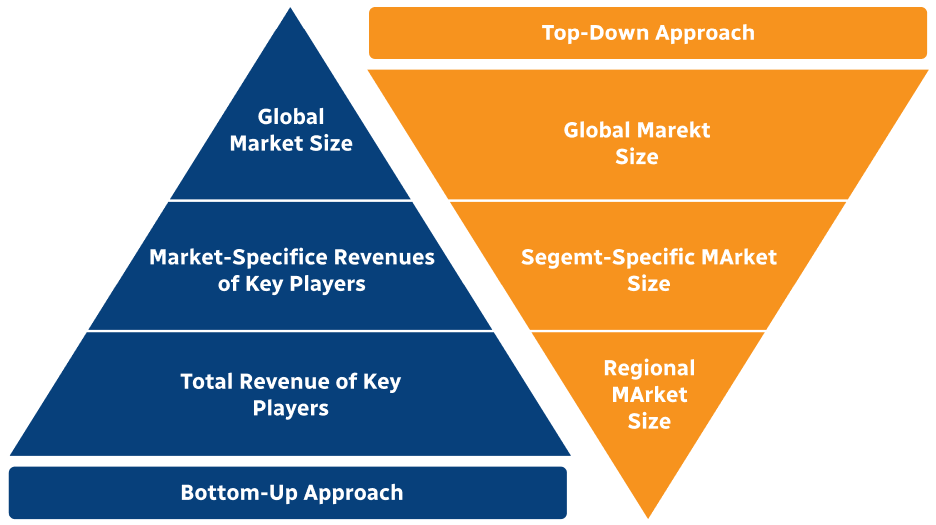
Step 2 - Approaches for Defining Global Market Size (Value, Volume* & Price*)
Note*: In applicable scenarios
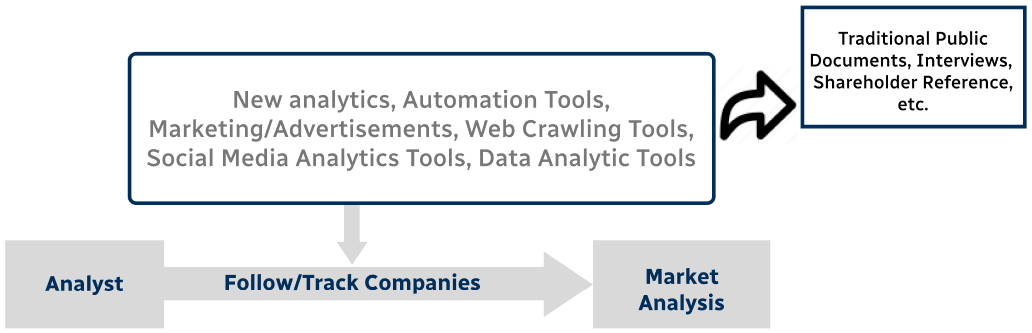
Step 3 - Data Sources
Primary Research
- Web Analytics
- Survey Reports
- Research Institute
- Latest Research Reports
- Opinion Leaders
Secondary Research
- Annual Reports
- White Paper
- Latest Press Release
- Industry Association
- Paid Database
- Investor Presentations
Step 4 - Data Triangulation
Involves using different sources of information in order to increase the validity of a study
These sources are likely to be stakeholders in a program - participants, other researchers, program staff, other community members, and so on.
Then we put all data in single framework & apply various statistical tools to find out the dynamic on the market.
During the analysis stage, feedback from the stakeholder groups would be compared to determine areas of agreement as well as areas of divergence


