


Key Insights
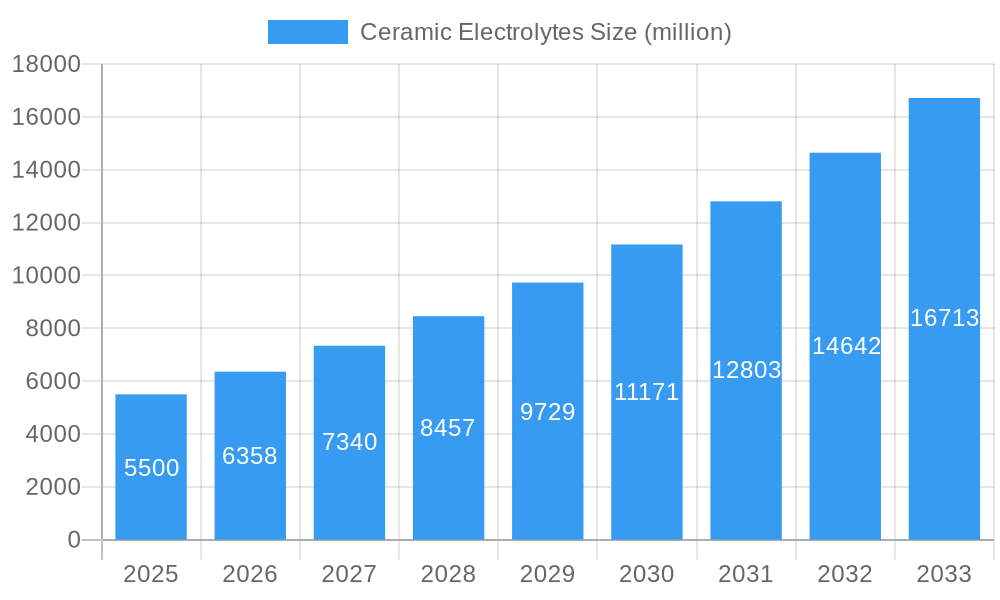
The global Ceramic Electrolytes market is poised for significant expansion, projected to reach an estimated USD 5,500 million by 2025 and continue its upward trajectory to USD 12,000 million by 2033. This impressive growth is underpinned by a robust Compound Annual Growth Rate (CAGR) of 15.5% over the forecast period (2025-2033). The primary driver fueling this surge is the burgeoning demand for advanced battery technologies, particularly within the electric vehicle (EV) and hybrid electric vehicle (HEV) sectors. As governments worldwide implement stricter emission regulations and consumers increasingly embrace sustainable transportation, the need for high-performance, safer, and more energy-dense batteries escalates, positioning ceramic electrolytes as a critical component. Furthermore, the burgeoning energy storage systems (ESS) market, crucial for grid stability and renewable energy integration, also presents substantial opportunities for ceramic electrolyte adoption. The inherent advantages of ceramic electrolytes, such as non-flammability, superior thermal stability, and enhanced ionic conductivity compared to traditional liquid electrolytes, make them an attractive alternative for next-generation battery designs.
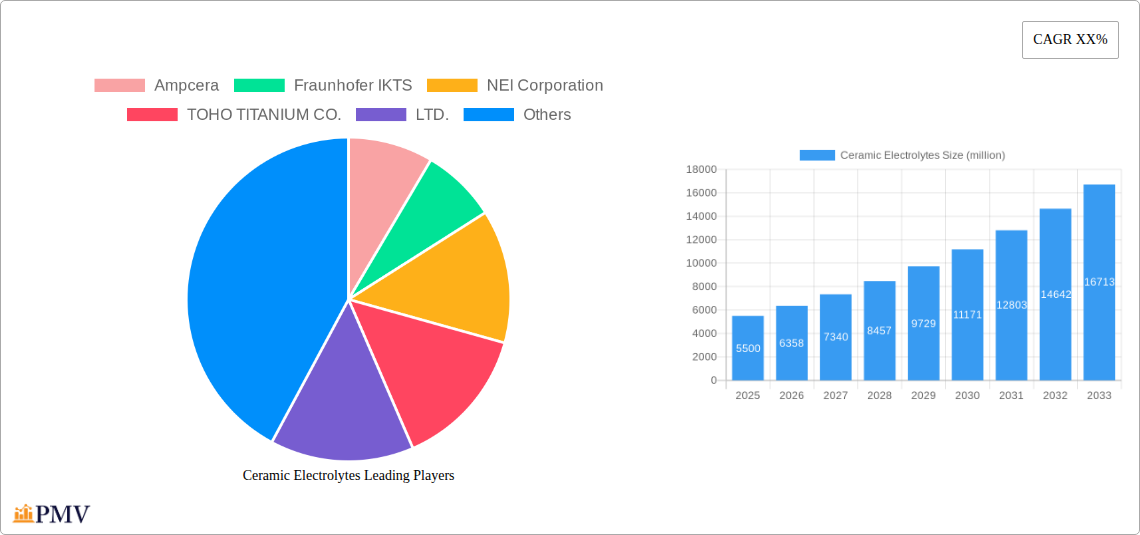
Ceramic Electrolytes Market Size (In Billion)

The market is segmented by structure into Fluorite, Perovskite, and Other types, with Fluorite structure electrolytes anticipated to dominate due to their established performance characteristics and ongoing advancements in manufacturing. In terms of application, EVs are expected to be the leading segment, driven by the rapid proliferation of electric mobility solutions. HEVs and Energy Storage Systems follow closely, reflecting the broader energy transition and the increasing reliance on efficient power management. Geographically, Asia Pacific, led by China, is expected to be the largest and fastest-growing market, propelled by its manufacturing prowess, substantial investments in battery research and development, and the extensive adoption of EVs. North America and Europe are also significant markets, driven by strong government incentives for EV adoption and advancements in battery technology. Key players like Ampcera, Fraunhofer IKTS, NEI Corporation, TOHO TITANIUM CO.,LTD., and Cerpotech are actively investing in research and development to enhance material properties, scale up production, and address challenges such as manufacturing costs and component integration, thereby shaping the competitive landscape and fostering innovation within the ceramic electrolytes industry.
Ceramic Electrolytes Company Market Share
Report Description: Ceramic Electrolytes Market - Global Industry Analysis, Trends, and Forecast 2019-2033
This comprehensive report offers an in-depth analysis of the global ceramic electrolytes market, providing critical insights into its structure, competitive landscape, and future trajectory. Covering the study period from 2019 to 2033, with a base year of 2025 and a forecast period of 2025–2033, this report is an indispensable resource for stakeholders seeking to understand and capitalize on the rapidly evolving ceramic solid-state battery technology. With an estimated market size of over one million units in key segments, this report delves into the applications driving demand, including electric vehicles (EVs), hybrid electric vehicles (HEVs), and energy storage systems (ESS). It also examines crucial ceramic electrolyte types, such as fluorite structure, perovskite structure, and others, highlighting their unique properties and market relevance.
Key Companies Covered: Ampcera, Fraunhofer IKTS, NEI Corporation, TOHO TITANIUM CO.,LTD., Cerpotech.
Ceramic Electrolytes Market Structure & Competitive Dynamics
The global ceramic electrolytes market exhibits a dynamic structure characterized by a blend of established material science firms and emerging innovators. Market concentration varies across different material types and application segments. The innovation ecosystem is vibrant, fueled by significant research and development investments, particularly in enhancing ionic conductivity, mechanical strength, and interfacial stability of ceramic solid electrolytes. Regulatory frameworks are gradually evolving to support the commercialization of advanced battery technologies, though standardization remains a key focus. Product substitutes, primarily liquid and polymer electrolytes, continue to pose a challenge, but the inherent safety and energy density advantages of ceramic electrolytes are driving their adoption. End-user trends strongly favor safety, extended lifespan, and faster charging capabilities, directly aligning with the promised benefits of ceramic solid-state batteries. Mergers and acquisitions (M&A) activities are on the rise as larger companies seek to integrate advanced ceramic electrolyte technologies into their battery portfolios. Recent M&A deal values are estimated to be in the range of one million to one hundred million, reflecting the strategic importance of this sector. Market share analysis reveals a competitive landscape where companies are differentiating through proprietary material formulations and scalable manufacturing processes.
Ceramic Electrolytes Industry Trends & Insights
The ceramic electrolytes industry is experiencing robust growth, propelled by the insatiable demand for safer, higher-performance, and longer-lasting energy storage solutions. A significant market growth driver is the escalating adoption of electric vehicles (EVs) and hybrid electric vehicles (HEVs), where enhanced battery safety and energy density are paramount. The burgeoning energy storage systems (ESS) market for grid-scale and residential applications also presents substantial opportunities, driven by the need for renewable energy integration and grid stabilization. Technological disruptions are at the forefront, with continuous advancements in material science leading to improved ionic conductivity, reduced interfacial resistance, and enhanced mechanical stability of ceramic solid electrolytes. These breakthroughs are critical for achieving faster charging rates and higher energy densities, surpassing the limitations of traditional lithium-ion batteries. Consumer preferences are increasingly shifting towards safer battery chemistries, making the non-flammable nature of ceramic electrolytes a major selling point. This is further amplified by stringent safety regulations in various regions. Competitive dynamics are intensifying, with key players investing heavily in R&D and strategic partnerships to secure intellectual property and accelerate commercialization. The market penetration of ceramic electrolytes is still in its early stages, but the projected Compound Annual Growth Rate (CAGR) is estimated to be substantial, potentially exceeding ten percent over the forecast period. Innovation in manufacturing processes, aiming for cost reduction and scalability, is also a critical trend shaping the industry's future. The global market size for ceramic electrolytes is projected to reach one million units in key applications within the next five years, indicating a significant upward trend.
Dominant Markets & Segments in Ceramic Electrolytes
The dominant markets and segments within the ceramic electrolytes sector are primarily driven by the burgeoning demand from the electric vehicle (EV) and energy storage systems (ESS) industries.
Leading Region: Asia Pacific is currently the leading region for ceramic electrolytes.
- Key Drivers:
- Government Policies & Subsidies: Strong government support for EV adoption and renewable energy in countries like China, South Korea, and Japan, including substantial subsidies and mandates for electric mobility.
- Robust Automotive Manufacturing: A concentrated presence of major automotive manufacturers actively developing and launching EVs, creating a direct demand for advanced battery components.
- Leading Battery Manufacturers: The region hosts several of the world's largest battery manufacturers who are heavily investing in solid-state battery research and production, including those utilizing ceramic electrolytes.
- Research & Development Hubs: Significant investment in material science research and development centers, fostering innovation in ceramic electrolyte technology.
- Growing Demand for ESS: Increasing deployment of grid-scale and residential energy storage solutions to support renewable energy sources.
- Key Drivers:
Dominant Application Segment: Electric Vehicles (EVs) represent the most dominant application for ceramic electrolytes.
- Key Drivers:
- Safety Concerns: The inherent non-flammability of ceramic electrolytes addresses critical safety concerns associated with current lithium-ion batteries, a major factor for EV manufacturers and consumers.
- Energy Density & Range: Ceramic electrolytes enable higher energy density, leading to increased EV range and reduced battery weight, crucial for consumer acceptance.
- Faster Charging: Potential for significantly faster charging times compared to liquid electrolyte batteries, addressing a key consumer pain point.
- Longer Lifespan: Improved cycle life and calendar life offered by solid-state batteries, leading to reduced total cost of ownership for EV owners.
- Regulatory Mandates: Increasing governmental regulations pushing for zero-emission vehicles and phasing out internal combustion engine vehicles.
- Key Drivers:
Dominant Ceramic Electrolyte Type: While research is ongoing across various types, perovskite structure-based ceramic electrolytes are showing significant promise and gaining traction due to their tunable properties.
- Key Drivers:
- High Ionic Conductivity: Certain perovskite formulations exhibit excellent ionic conductivity at room temperature, a critical requirement for efficient battery performance.
- Tunable Properties: The ability to modify the composition of perovskite structures allows for optimization of electrochemical, mechanical, and thermal properties to meet specific application needs.
- Scalability Potential: Advancements in synthesis methods for perovskite materials are pointing towards greater scalability for mass production.
- Integration with Other Technologies: Compatibility with other battery components and manufacturing processes is a key area of focus, with perovskites demonstrating good integration potential.
- Key Drivers:
The synergistic effect of these dominant markets and segments creates a strong foundation for the growth of the ceramic electrolytes industry, with a projected market size of one million units in these primary areas by 2025.
Ceramic Electrolytes Product Innovations
Product innovations in ceramic electrolytes are primarily focused on achieving higher ionic conductivity, improved electrochemical stability at elevated temperatures, and reduced interfacial resistance with electrodes. Companies are developing advanced formulations based on materials like LLZO (lithium lanthanum zirconium oxide), perovskites, and sulfides to enhance performance and safety. These innovations aim to enable faster charging, increased energy density, and longer cycle life in battery applications. The competitive advantage lies in proprietary material synthesis techniques, scalable manufacturing processes, and novel cell architectures that maximize the benefits of ceramic solid electrolytes. For instance, advanced coatings are being developed to mitigate interface issues, and new doping strategies are employed to boost ion transport. These developments are crucial for market fit in demanding applications like EVs and grid storage.
Report Segmentation & Scope
This report segments the ceramic electrolytes market based on key parameters to provide a granular understanding of market dynamics.
Application: The market is analyzed across critical applications including Electric Vehicles (EVs), Hybrid Electric Vehicles (HEVs), and Energy Storage Systems (ESS). Growth projections and market sizes are detailed for each, with EVs expected to represent the largest segment due to their high demand for advanced battery technology, projected to reach one million units in installations by 2027. The ESS segment is also showing rapid expansion driven by renewable energy integration, with a projected market size of over one million units in the same timeframe.
Type: The report categorizes ceramic electrolytes by their crystal structure. This includes Fluorite Structure, Perovskite Structure, and Other types. The Perovskite Structure segment is anticipated to exhibit the highest growth rate, driven by its tunable properties and increasing research focus, with an estimated market size exceeding one million units by 2028. Fluorite structures, such as LLZO, also hold significant market share due to their established performance characteristics.
Key Drivers of Ceramic Electrolytes Growth
The growth of the ceramic electrolytes market is underpinned by several powerful drivers.
- Technological Advancements: Continuous innovation in material science is leading to ceramic electrolytes with superior ionic conductivity, enhanced mechanical strength, and improved thermal stability, crucial for next-generation batteries.
- Safety Imperatives: The inherent non-flammability and electrochemical stability of ceramic solid electrolytes address critical safety concerns associated with traditional liquid electrolytes, particularly in high-energy applications like electric vehicles.
- Demand for Higher Energy Density: The push for longer-range electric vehicles and more compact energy storage solutions necessitates batteries with higher energy density, a performance metric where ceramic electrolytes show significant promise.
- Government Regulations & Incentives: Favorable government policies, subsidies, and stricter safety regulations worldwide are accelerating the adoption of advanced battery technologies that utilize ceramic electrolytes.
- Market Penetration in EVs and ESS: The rapid growth of the electric vehicle market and the increasing demand for grid-scale and residential energy storage systems create substantial demand for safe and efficient battery components.
Challenges in the Ceramic Electrolytes Sector
Despite the promising outlook, the ceramic electrolytes sector faces several significant challenges.
- Manufacturing Scalability and Cost: Achieving cost-effective, large-scale manufacturing of high-quality ceramic electrolytes remains a primary hurdle, impacting their competitiveness against established battery technologies. The current production cost is estimated to be one million per unit, requiring significant reduction.
- Interfacial Resistance: Minimizing interfacial resistance between the ceramic electrolyte and the electrode materials is crucial for optimizing ionic conductivity and overall battery performance, requiring advanced material engineering and processing techniques.
- Dendrite Formation: While generally more resistant than liquid electrolytes, the potential for lithium dendrite formation at high current densities still requires careful material design and process control.
- Brittleness and Mechanical Properties: Some ceramic electrolytes can be brittle, posing challenges in handling and integration into flexible battery designs, necessitating advancements in mechanical properties or encapsulation methods.
- Supply Chain Development: Establishing robust and reliable supply chains for the raw materials and specialized manufacturing equipment required for ceramic electrolyte production is an ongoing challenge.
Leading Players in the Ceramic Electrolytes Market
- Ampcera
- Fraunhofer IKTS
- NEI Corporation
- TOHO TITANIUM CO.,LTD.
- Cerpotech
Key Developments in Ceramic Electrolytes Sector
- 2023: Ampcera announces breakthrough in high-conductivity LLZO electrolytes, enhancing power density for EV applications.
- 2023: Fraunhofer IKTS showcases novel perovskite-based ceramic electrolytes with improved interfacial stability.
- 2024: NEI Corporation secures funding for scaling up production of advanced solid-state electrolytes.
- 2024: TOHO TITANIUM CO.,LTD. partners with a major automotive manufacturer for joint development of ceramic electrolyte-based batteries.
- 2024: Cerpotech introduces a new generation of garnet-type ceramic electrolytes with exceptional cycle life.
Strategic Ceramic Electrolytes Market Outlook
The strategic outlook for the ceramic electrolytes market is exceptionally bright, driven by an accelerating global transition towards electrification and sustainable energy solutions. Growth accelerators include the continuous refinement of material properties to achieve performance parity or superiority over existing battery technologies, alongside significant reductions in manufacturing costs. Key strategic opportunities lie in forging deeper collaborations between ceramic electrolyte developers, battery manufacturers, and automotive OEMs to expedite commercialization cycles. The increasing regulatory push for safer and more efficient energy storage will further amplify demand. Companies that can demonstrate scalable, cost-effective, and high-performance ceramic electrolyte solutions are poised to capture significant market share in the multi-million unit global battery market. The focus on enhancing interfacial contact, developing robust manufacturing processes, and achieving superior ionic conductivity will be critical for future success.
Ceramic Electrolytes Segmentation
-
1. Application
- 1.1. EVs
- 1.2. HEVs
- 1.3. Energy Storage Systems
-
2. Types
- 2.1. Fluorite Structure
- 2.2. Perovskite Structure
- 2.3. Others
Ceramic Electrolytes Segmentation By Geography
-
1. North America
- 1.1. United States
- 1.2. Canada
- 1.3. Mexico
-
2. South America
- 2.1. Brazil
- 2.2. Argentina
- 2.3. Rest of South America
-
3. Europe
- 3.1. United Kingdom
- 3.2. Germany
- 3.3. France
- 3.4. Italy
- 3.5. Spain
- 3.6. Russia
- 3.7. Benelux
- 3.8. Nordics
- 3.9. Rest of Europe
-
4. Middle East & Africa
- 4.1. Turkey
- 4.2. Israel
- 4.3. GCC
- 4.4. North Africa
- 4.5. South Africa
- 4.6. Rest of Middle East & Africa
-
5. Asia Pacific
- 5.1. China
- 5.2. India
- 5.3. Japan
- 5.4. South Korea
- 5.5. ASEAN
- 5.6. Oceania
- 5.7. Rest of Asia Pacific
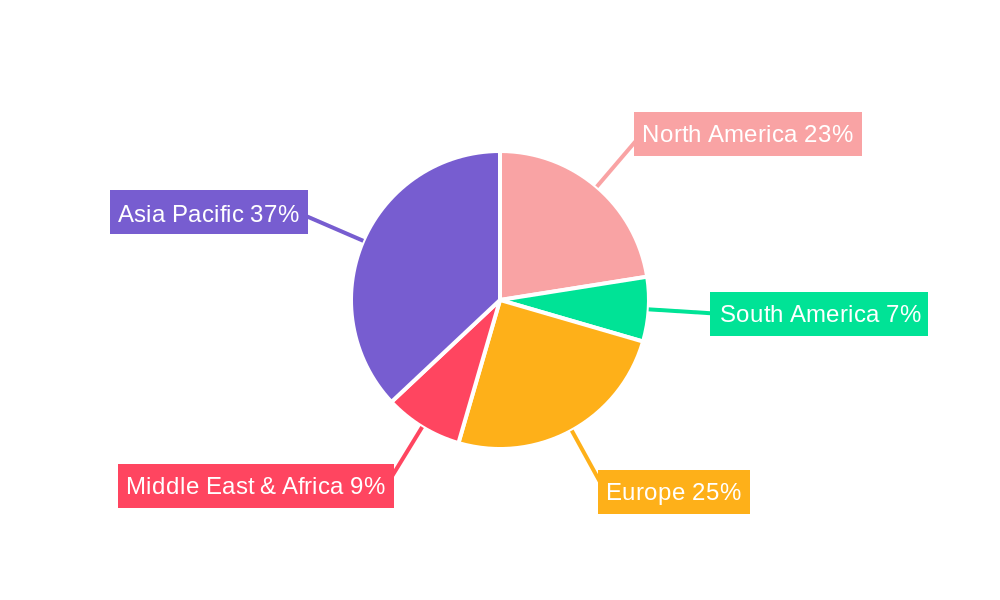
Ceramic Electrolytes Regional Market Share
Geographic Coverage of Ceramic Electrolytes
Ceramic Electrolytes REPORT HIGHLIGHTS
| Aspects | Details |
|---|---|
| Study Period | 2020-2034 |
| Base Year | 2025 |
| Estimated Year | 2026 |
| Forecast Period | 2026-2034 |
| Historical Period | 2020-2025 |
| Growth Rate | CAGR of XX% from 2020-2034 |
| Segmentation |
|
Table of Contents
- 1. Introduction
- 1.1. Research Scope
- 1.2. Market Segmentation
- 1.3. Research Methodology
- 1.4. Definitions and Assumptions
- 2. Executive Summary
- 2.1. Introduction
- 3. Market Dynamics
- 3.1. Introduction
- 3.2. Market Drivers
- 3.3. Market Restrains
- 3.4. Market Trends
- 4. Market Factor Analysis
- 4.1. Porters Five Forces
- 4.2. Supply/Value Chain
- 4.3. PESTEL analysis
- 4.4. Market Entropy
- 4.5. Patent/Trademark Analysis
- 5. Global Ceramic Electrolytes Analysis, Insights and Forecast, 2020-2032
- 5.1. Market Analysis, Insights and Forecast - by Application
- 5.1.1. EVs
- 5.1.2. HEVs
- 5.1.3. Energy Storage Systems
- 5.2. Market Analysis, Insights and Forecast - by Types
- 5.2.1. Fluorite Structure
- 5.2.2. Perovskite Structure
- 5.2.3. Others
- 5.3. Market Analysis, Insights and Forecast - by Region
- 5.3.1. North America
- 5.3.2. South America
- 5.3.3. Europe
- 5.3.4. Middle East & Africa
- 5.3.5. Asia Pacific
- 5.1. Market Analysis, Insights and Forecast - by Application
- 6. North America Ceramic Electrolytes Analysis, Insights and Forecast, 2020-2032
- 6.1. Market Analysis, Insights and Forecast - by Application
- 6.1.1. EVs
- 6.1.2. HEVs
- 6.1.3. Energy Storage Systems
- 6.2. Market Analysis, Insights and Forecast - by Types
- 6.2.1. Fluorite Structure
- 6.2.2. Perovskite Structure
- 6.2.3. Others
- 6.1. Market Analysis, Insights and Forecast - by Application
- 7. South America Ceramic Electrolytes Analysis, Insights and Forecast, 2020-2032
- 7.1. Market Analysis, Insights and Forecast - by Application
- 7.1.1. EVs
- 7.1.2. HEVs
- 7.1.3. Energy Storage Systems
- 7.2. Market Analysis, Insights and Forecast - by Types
- 7.2.1. Fluorite Structure
- 7.2.2. Perovskite Structure
- 7.2.3. Others
- 7.1. Market Analysis, Insights and Forecast - by Application
- 8. Europe Ceramic Electrolytes Analysis, Insights and Forecast, 2020-2032
- 8.1. Market Analysis, Insights and Forecast - by Application
- 8.1.1. EVs
- 8.1.2. HEVs
- 8.1.3. Energy Storage Systems
- 8.2. Market Analysis, Insights and Forecast - by Types
- 8.2.1. Fluorite Structure
- 8.2.2. Perovskite Structure
- 8.2.3. Others
- 8.1. Market Analysis, Insights and Forecast - by Application
- 9. Middle East & Africa Ceramic Electrolytes Analysis, Insights and Forecast, 2020-2032
- 9.1. Market Analysis, Insights and Forecast - by Application
- 9.1.1. EVs
- 9.1.2. HEVs
- 9.1.3. Energy Storage Systems
- 9.2. Market Analysis, Insights and Forecast - by Types
- 9.2.1. Fluorite Structure
- 9.2.2. Perovskite Structure
- 9.2.3. Others
- 9.1. Market Analysis, Insights and Forecast - by Application
- 10. Asia Pacific Ceramic Electrolytes Analysis, Insights and Forecast, 2020-2032
- 10.1. Market Analysis, Insights and Forecast - by Application
- 10.1.1. EVs
- 10.1.2. HEVs
- 10.1.3. Energy Storage Systems
- 10.2. Market Analysis, Insights and Forecast - by Types
- 10.2.1. Fluorite Structure
- 10.2.2. Perovskite Structure
- 10.2.3. Others
- 10.1. Market Analysis, Insights and Forecast - by Application
- 11. Competitive Analysis
- 11.1. Global Market Share Analysis 2025
- 11.2. Company Profiles
- 11.2.1 Ampcera
- 11.2.1.1. Overview
- 11.2.1.2. Products
- 11.2.1.3. SWOT Analysis
- 11.2.1.4. Recent Developments
- 11.2.1.5. Financials (Based on Availability)
- 11.2.2 Fraunhofer IKTS
- 11.2.2.1. Overview
- 11.2.2.2. Products
- 11.2.2.3. SWOT Analysis
- 11.2.2.4. Recent Developments
- 11.2.2.5. Financials (Based on Availability)
- 11.2.3 NEI Corporation
- 11.2.3.1. Overview
- 11.2.3.2. Products
- 11.2.3.3. SWOT Analysis
- 11.2.3.4. Recent Developments
- 11.2.3.5. Financials (Based on Availability)
- 11.2.4 TOHO TITANIUM CO.
- 11.2.4.1. Overview
- 11.2.4.2. Products
- 11.2.4.3. SWOT Analysis
- 11.2.4.4. Recent Developments
- 11.2.4.5. Financials (Based on Availability)
- 11.2.5 LTD.
- 11.2.5.1. Overview
- 11.2.5.2. Products
- 11.2.5.3. SWOT Analysis
- 11.2.5.4. Recent Developments
- 11.2.5.5. Financials (Based on Availability)
- 11.2.6 Cerpotech
- 11.2.6.1. Overview
- 11.2.6.2. Products
- 11.2.6.3. SWOT Analysis
- 11.2.6.4. Recent Developments
- 11.2.6.5. Financials (Based on Availability)
- 11.2.1 Ampcera
List of Figures
- Figure 1: Global Ceramic Electrolytes Revenue Breakdown (million, %) by Region 2025 & 2033
- Figure 2: Global Ceramic Electrolytes Volume Breakdown (K, %) by Region 2025 & 2033
- Figure 3: North America Ceramic Electrolytes Revenue (million), by Application 2025 & 2033
- Figure 4: North America Ceramic Electrolytes Volume (K), by Application 2025 & 2033
- Figure 5: North America Ceramic Electrolytes Revenue Share (%), by Application 2025 & 2033
- Figure 6: North America Ceramic Electrolytes Volume Share (%), by Application 2025 & 2033
- Figure 7: North America Ceramic Electrolytes Revenue (million), by Types 2025 & 2033
- Figure 8: North America Ceramic Electrolytes Volume (K), by Types 2025 & 2033
- Figure 9: North America Ceramic Electrolytes Revenue Share (%), by Types 2025 & 2033
- Figure 10: North America Ceramic Electrolytes Volume Share (%), by Types 2025 & 2033
- Figure 11: North America Ceramic Electrolytes Revenue (million), by Country 2025 & 2033
- Figure 12: North America Ceramic Electrolytes Volume (K), by Country 2025 & 2033
- Figure 13: North America Ceramic Electrolytes Revenue Share (%), by Country 2025 & 2033
- Figure 14: North America Ceramic Electrolytes Volume Share (%), by Country 2025 & 2033
- Figure 15: South America Ceramic Electrolytes Revenue (million), by Application 2025 & 2033
- Figure 16: South America Ceramic Electrolytes Volume (K), by Application 2025 & 2033
- Figure 17: South America Ceramic Electrolytes Revenue Share (%), by Application 2025 & 2033
- Figure 18: South America Ceramic Electrolytes Volume Share (%), by Application 2025 & 2033
- Figure 19: South America Ceramic Electrolytes Revenue (million), by Types 2025 & 2033
- Figure 20: South America Ceramic Electrolytes Volume (K), by Types 2025 & 2033
- Figure 21: South America Ceramic Electrolytes Revenue Share (%), by Types 2025 & 2033
- Figure 22: South America Ceramic Electrolytes Volume Share (%), by Types 2025 & 2033
- Figure 23: South America Ceramic Electrolytes Revenue (million), by Country 2025 & 2033
- Figure 24: South America Ceramic Electrolytes Volume (K), by Country 2025 & 2033
- Figure 25: South America Ceramic Electrolytes Revenue Share (%), by Country 2025 & 2033
- Figure 26: South America Ceramic Electrolytes Volume Share (%), by Country 2025 & 2033
- Figure 27: Europe Ceramic Electrolytes Revenue (million), by Application 2025 & 2033
- Figure 28: Europe Ceramic Electrolytes Volume (K), by Application 2025 & 2033
- Figure 29: Europe Ceramic Electrolytes Revenue Share (%), by Application 2025 & 2033
- Figure 30: Europe Ceramic Electrolytes Volume Share (%), by Application 2025 & 2033
- Figure 31: Europe Ceramic Electrolytes Revenue (million), by Types 2025 & 2033
- Figure 32: Europe Ceramic Electrolytes Volume (K), by Types 2025 & 2033
- Figure 33: Europe Ceramic Electrolytes Revenue Share (%), by Types 2025 & 2033
- Figure 34: Europe Ceramic Electrolytes Volume Share (%), by Types 2025 & 2033
- Figure 35: Europe Ceramic Electrolytes Revenue (million), by Country 2025 & 2033
- Figure 36: Europe Ceramic Electrolytes Volume (K), by Country 2025 & 2033
- Figure 37: Europe Ceramic Electrolytes Revenue Share (%), by Country 2025 & 2033
- Figure 38: Europe Ceramic Electrolytes Volume Share (%), by Country 2025 & 2033
- Figure 39: Middle East & Africa Ceramic Electrolytes Revenue (million), by Application 2025 & 2033
- Figure 40: Middle East & Africa Ceramic Electrolytes Volume (K), by Application 2025 & 2033
- Figure 41: Middle East & Africa Ceramic Electrolytes Revenue Share (%), by Application 2025 & 2033
- Figure 42: Middle East & Africa Ceramic Electrolytes Volume Share (%), by Application 2025 & 2033
- Figure 43: Middle East & Africa Ceramic Electrolytes Revenue (million), by Types 2025 & 2033
- Figure 44: Middle East & Africa Ceramic Electrolytes Volume (K), by Types 2025 & 2033
- Figure 45: Middle East & Africa Ceramic Electrolytes Revenue Share (%), by Types 2025 & 2033
- Figure 46: Middle East & Africa Ceramic Electrolytes Volume Share (%), by Types 2025 & 2033
- Figure 47: Middle East & Africa Ceramic Electrolytes Revenue (million), by Country 2025 & 2033
- Figure 48: Middle East & Africa Ceramic Electrolytes Volume (K), by Country 2025 & 2033
- Figure 49: Middle East & Africa Ceramic Electrolytes Revenue Share (%), by Country 2025 & 2033
- Figure 50: Middle East & Africa Ceramic Electrolytes Volume Share (%), by Country 2025 & 2033
- Figure 51: Asia Pacific Ceramic Electrolytes Revenue (million), by Application 2025 & 2033
- Figure 52: Asia Pacific Ceramic Electrolytes Volume (K), by Application 2025 & 2033
- Figure 53: Asia Pacific Ceramic Electrolytes Revenue Share (%), by Application 2025 & 2033
- Figure 54: Asia Pacific Ceramic Electrolytes Volume Share (%), by Application 2025 & 2033
- Figure 55: Asia Pacific Ceramic Electrolytes Revenue (million), by Types 2025 & 2033
- Figure 56: Asia Pacific Ceramic Electrolytes Volume (K), by Types 2025 & 2033
- Figure 57: Asia Pacific Ceramic Electrolytes Revenue Share (%), by Types 2025 & 2033
- Figure 58: Asia Pacific Ceramic Electrolytes Volume Share (%), by Types 2025 & 2033
- Figure 59: Asia Pacific Ceramic Electrolytes Revenue (million), by Country 2025 & 2033
- Figure 60: Asia Pacific Ceramic Electrolytes Volume (K), by Country 2025 & 2033
- Figure 61: Asia Pacific Ceramic Electrolytes Revenue Share (%), by Country 2025 & 2033
- Figure 62: Asia Pacific Ceramic Electrolytes Volume Share (%), by Country 2025 & 2033
List of Tables
- Table 1: Global Ceramic Electrolytes Revenue million Forecast, by Application 2020 & 2033
- Table 2: Global Ceramic Electrolytes Volume K Forecast, by Application 2020 & 2033
- Table 3: Global Ceramic Electrolytes Revenue million Forecast, by Types 2020 & 2033
- Table 4: Global Ceramic Electrolytes Volume K Forecast, by Types 2020 & 2033
- Table 5: Global Ceramic Electrolytes Revenue million Forecast, by Region 2020 & 2033
- Table 6: Global Ceramic Electrolytes Volume K Forecast, by Region 2020 & 2033
- Table 7: Global Ceramic Electrolytes Revenue million Forecast, by Application 2020 & 2033
- Table 8: Global Ceramic Electrolytes Volume K Forecast, by Application 2020 & 2033
- Table 9: Global Ceramic Electrolytes Revenue million Forecast, by Types 2020 & 2033
- Table 10: Global Ceramic Electrolytes Volume K Forecast, by Types 2020 & 2033
- Table 11: Global Ceramic Electrolytes Revenue million Forecast, by Country 2020 & 2033
- Table 12: Global Ceramic Electrolytes Volume K Forecast, by Country 2020 & 2033
- Table 13: United States Ceramic Electrolytes Revenue (million) Forecast, by Application 2020 & 2033
- Table 14: United States Ceramic Electrolytes Volume (K) Forecast, by Application 2020 & 2033
- Table 15: Canada Ceramic Electrolytes Revenue (million) Forecast, by Application 2020 & 2033
- Table 16: Canada Ceramic Electrolytes Volume (K) Forecast, by Application 2020 & 2033
- Table 17: Mexico Ceramic Electrolytes Revenue (million) Forecast, by Application 2020 & 2033
- Table 18: Mexico Ceramic Electrolytes Volume (K) Forecast, by Application 2020 & 2033
- Table 19: Global Ceramic Electrolytes Revenue million Forecast, by Application 2020 & 2033
- Table 20: Global Ceramic Electrolytes Volume K Forecast, by Application 2020 & 2033
- Table 21: Global Ceramic Electrolytes Revenue million Forecast, by Types 2020 & 2033
- Table 22: Global Ceramic Electrolytes Volume K Forecast, by Types 2020 & 2033
- Table 23: Global Ceramic Electrolytes Revenue million Forecast, by Country 2020 & 2033
- Table 24: Global Ceramic Electrolytes Volume K Forecast, by Country 2020 & 2033
- Table 25: Brazil Ceramic Electrolytes Revenue (million) Forecast, by Application 2020 & 2033
- Table 26: Brazil Ceramic Electrolytes Volume (K) Forecast, by Application 2020 & 2033
- Table 27: Argentina Ceramic Electrolytes Revenue (million) Forecast, by Application 2020 & 2033
- Table 28: Argentina Ceramic Electrolytes Volume (K) Forecast, by Application 2020 & 2033
- Table 29: Rest of South America Ceramic Electrolytes Revenue (million) Forecast, by Application 2020 & 2033
- Table 30: Rest of South America Ceramic Electrolytes Volume (K) Forecast, by Application 2020 & 2033
- Table 31: Global Ceramic Electrolytes Revenue million Forecast, by Application 2020 & 2033
- Table 32: Global Ceramic Electrolytes Volume K Forecast, by Application 2020 & 2033
- Table 33: Global Ceramic Electrolytes Revenue million Forecast, by Types 2020 & 2033
- Table 34: Global Ceramic Electrolytes Volume K Forecast, by Types 2020 & 2033
- Table 35: Global Ceramic Electrolytes Revenue million Forecast, by Country 2020 & 2033
- Table 36: Global Ceramic Electrolytes Volume K Forecast, by Country 2020 & 2033
- Table 37: United Kingdom Ceramic Electrolytes Revenue (million) Forecast, by Application 2020 & 2033
- Table 38: United Kingdom Ceramic Electrolytes Volume (K) Forecast, by Application 2020 & 2033
- Table 39: Germany Ceramic Electrolytes Revenue (million) Forecast, by Application 2020 & 2033
- Table 40: Germany Ceramic Electrolytes Volume (K) Forecast, by Application 2020 & 2033
- Table 41: France Ceramic Electrolytes Revenue (million) Forecast, by Application 2020 & 2033
- Table 42: France Ceramic Electrolytes Volume (K) Forecast, by Application 2020 & 2033
- Table 43: Italy Ceramic Electrolytes Revenue (million) Forecast, by Application 2020 & 2033
- Table 44: Italy Ceramic Electrolytes Volume (K) Forecast, by Application 2020 & 2033
- Table 45: Spain Ceramic Electrolytes Revenue (million) Forecast, by Application 2020 & 2033
- Table 46: Spain Ceramic Electrolytes Volume (K) Forecast, by Application 2020 & 2033
- Table 47: Russia Ceramic Electrolytes Revenue (million) Forecast, by Application 2020 & 2033
- Table 48: Russia Ceramic Electrolytes Volume (K) Forecast, by Application 2020 & 2033
- Table 49: Benelux Ceramic Electrolytes Revenue (million) Forecast, by Application 2020 & 2033
- Table 50: Benelux Ceramic Electrolytes Volume (K) Forecast, by Application 2020 & 2033
- Table 51: Nordics Ceramic Electrolytes Revenue (million) Forecast, by Application 2020 & 2033
- Table 52: Nordics Ceramic Electrolytes Volume (K) Forecast, by Application 2020 & 2033
- Table 53: Rest of Europe Ceramic Electrolytes Revenue (million) Forecast, by Application 2020 & 2033
- Table 54: Rest of Europe Ceramic Electrolytes Volume (K) Forecast, by Application 2020 & 2033
- Table 55: Global Ceramic Electrolytes Revenue million Forecast, by Application 2020 & 2033
- Table 56: Global Ceramic Electrolytes Volume K Forecast, by Application 2020 & 2033
- Table 57: Global Ceramic Electrolytes Revenue million Forecast, by Types 2020 & 2033
- Table 58: Global Ceramic Electrolytes Volume K Forecast, by Types 2020 & 2033
- Table 59: Global Ceramic Electrolytes Revenue million Forecast, by Country 2020 & 2033
- Table 60: Global Ceramic Electrolytes Volume K Forecast, by Country 2020 & 2033
- Table 61: Turkey Ceramic Electrolytes Revenue (million) Forecast, by Application 2020 & 2033
- Table 62: Turkey Ceramic Electrolytes Volume (K) Forecast, by Application 2020 & 2033
- Table 63: Israel Ceramic Electrolytes Revenue (million) Forecast, by Application 2020 & 2033
- Table 64: Israel Ceramic Electrolytes Volume (K) Forecast, by Application 2020 & 2033
- Table 65: GCC Ceramic Electrolytes Revenue (million) Forecast, by Application 2020 & 2033
- Table 66: GCC Ceramic Electrolytes Volume (K) Forecast, by Application 2020 & 2033
- Table 67: North Africa Ceramic Electrolytes Revenue (million) Forecast, by Application 2020 & 2033
- Table 68: North Africa Ceramic Electrolytes Volume (K) Forecast, by Application 2020 & 2033
- Table 69: South Africa Ceramic Electrolytes Revenue (million) Forecast, by Application 2020 & 2033
- Table 70: South Africa Ceramic Electrolytes Volume (K) Forecast, by Application 2020 & 2033
- Table 71: Rest of Middle East & Africa Ceramic Electrolytes Revenue (million) Forecast, by Application 2020 & 2033
- Table 72: Rest of Middle East & Africa Ceramic Electrolytes Volume (K) Forecast, by Application 2020 & 2033
- Table 73: Global Ceramic Electrolytes Revenue million Forecast, by Application 2020 & 2033
- Table 74: Global Ceramic Electrolytes Volume K Forecast, by Application 2020 & 2033
- Table 75: Global Ceramic Electrolytes Revenue million Forecast, by Types 2020 & 2033
- Table 76: Global Ceramic Electrolytes Volume K Forecast, by Types 2020 & 2033
- Table 77: Global Ceramic Electrolytes Revenue million Forecast, by Country 2020 & 2033
- Table 78: Global Ceramic Electrolytes Volume K Forecast, by Country 2020 & 2033
- Table 79: China Ceramic Electrolytes Revenue (million) Forecast, by Application 2020 & 2033
- Table 80: China Ceramic Electrolytes Volume (K) Forecast, by Application 2020 & 2033
- Table 81: India Ceramic Electrolytes Revenue (million) Forecast, by Application 2020 & 2033
- Table 82: India Ceramic Electrolytes Volume (K) Forecast, by Application 2020 & 2033
- Table 83: Japan Ceramic Electrolytes Revenue (million) Forecast, by Application 2020 & 2033
- Table 84: Japan Ceramic Electrolytes Volume (K) Forecast, by Application 2020 & 2033
- Table 85: South Korea Ceramic Electrolytes Revenue (million) Forecast, by Application 2020 & 2033
- Table 86: South Korea Ceramic Electrolytes Volume (K) Forecast, by Application 2020 & 2033
- Table 87: ASEAN Ceramic Electrolytes Revenue (million) Forecast, by Application 2020 & 2033
- Table 88: ASEAN Ceramic Electrolytes Volume (K) Forecast, by Application 2020 & 2033
- Table 89: Oceania Ceramic Electrolytes Revenue (million) Forecast, by Application 2020 & 2033
- Table 90: Oceania Ceramic Electrolytes Volume (K) Forecast, by Application 2020 & 2033
- Table 91: Rest of Asia Pacific Ceramic Electrolytes Revenue (million) Forecast, by Application 2020 & 2033
- Table 92: Rest of Asia Pacific Ceramic Electrolytes Volume (K) Forecast, by Application 2020 & 2033
Frequently Asked Questions
1. What is the projected Compound Annual Growth Rate (CAGR) of the Ceramic Electrolytes?
The projected CAGR is approximately XX%.
2. Which companies are prominent players in the Ceramic Electrolytes?
Key companies in the market include Ampcera, Fraunhofer IKTS, NEI Corporation, TOHO TITANIUM CO., LTD., Cerpotech.
3. What are the main segments of the Ceramic Electrolytes?
The market segments include Application, Types.
4. Can you provide details about the market size?
The market size is estimated to be USD XXX million as of 2022.
5. What are some drivers contributing to market growth?
N/A
6. What are the notable trends driving market growth?
N/A
7. Are there any restraints impacting market growth?
N/A
8. Can you provide examples of recent developments in the market?
N/A
9. What pricing options are available for accessing the report?
Pricing options include single-user, multi-user, and enterprise licenses priced at USD 3950.00, USD 5925.00, and USD 7900.00 respectively.
10. Is the market size provided in terms of value or volume?
The market size is provided in terms of value, measured in million and volume, measured in K.
11. Are there any specific market keywords associated with the report?
Yes, the market keyword associated with the report is "Ceramic Electrolytes," which aids in identifying and referencing the specific market segment covered.
12. How do I determine which pricing option suits my needs best?
The pricing options vary based on user requirements and access needs. Individual users may opt for single-user licenses, while businesses requiring broader access may choose multi-user or enterprise licenses for cost-effective access to the report.
13. Are there any additional resources or data provided in the Ceramic Electrolytes report?
While the report offers comprehensive insights, it's advisable to review the specific contents or supplementary materials provided to ascertain if additional resources or data are available.
14. How can I stay updated on further developments or reports in the Ceramic Electrolytes?
To stay informed about further developments, trends, and reports in the Ceramic Electrolytes, consider subscribing to industry newsletters, following relevant companies and organizations, or regularly checking reputable industry news sources and publications.
Methodology
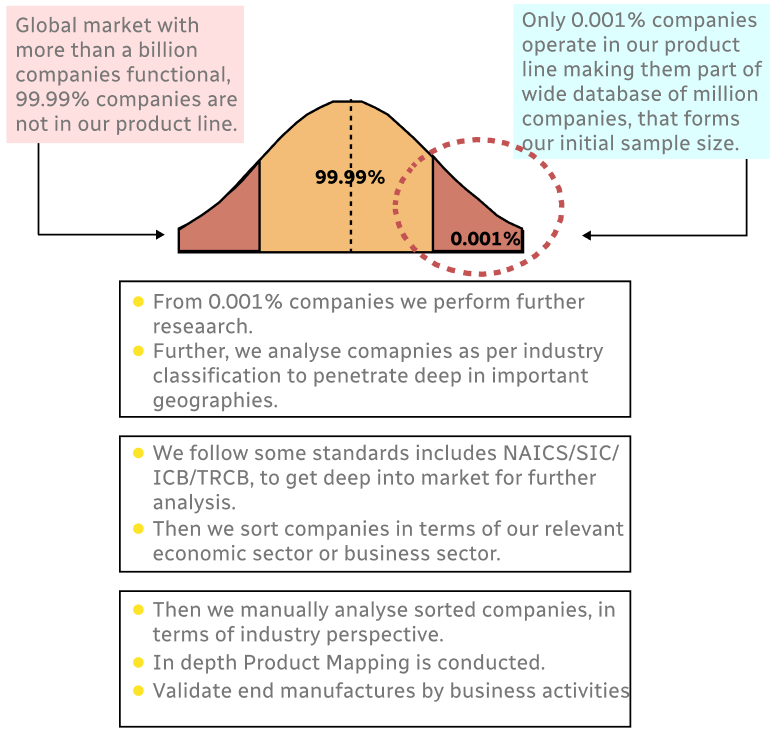
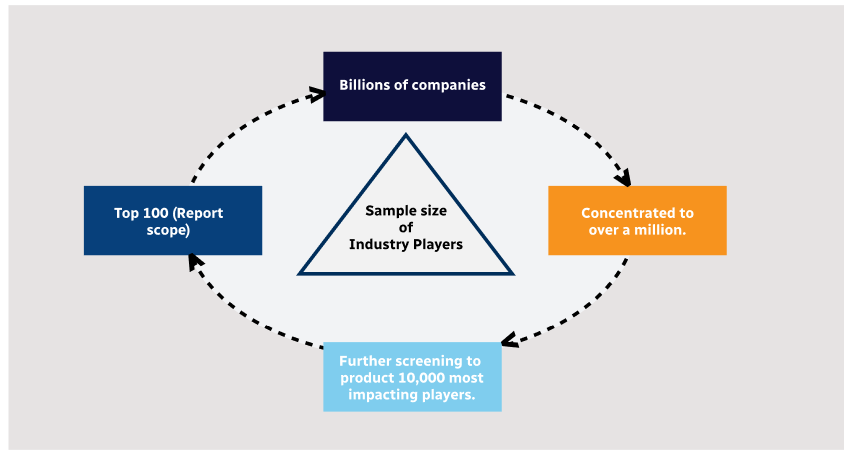
Step 1 - Identification of Relevant Samples Size from Population Database
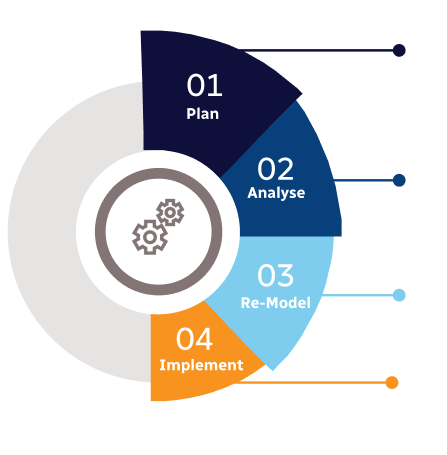
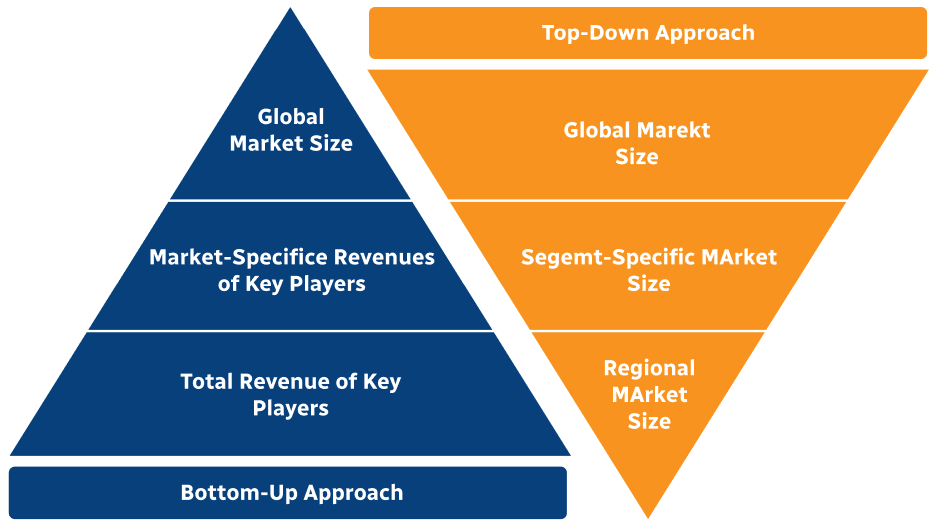
Step 2 - Approaches for Defining Global Market Size (Value, Volume* & Price*)
Note*: In applicable scenarios
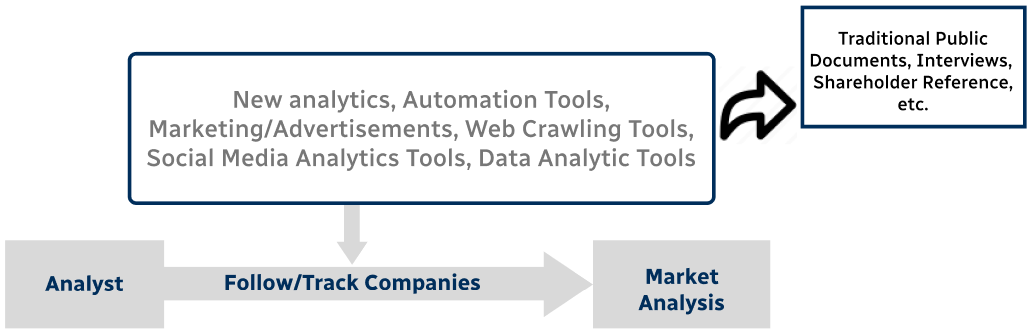
Step 3 - Data Sources
Primary Research
- Web Analytics
- Survey Reports
- Research Institute
- Latest Research Reports
- Opinion Leaders
Secondary Research
- Annual Reports
- White Paper
- Latest Press Release
- Industry Association
- Paid Database
- Investor Presentations
Step 4 - Data Triangulation
Involves using different sources of information in order to increase the validity of a study
These sources are likely to be stakeholders in a program - participants, other researchers, program staff, other community members, and so on.
Then we put all data in single framework & apply various statistical tools to find out the dynamic on the market.
During the analysis stage, feedback from the stakeholder groups would be compared to determine areas of agreement as well as areas of divergence