


Key Insights
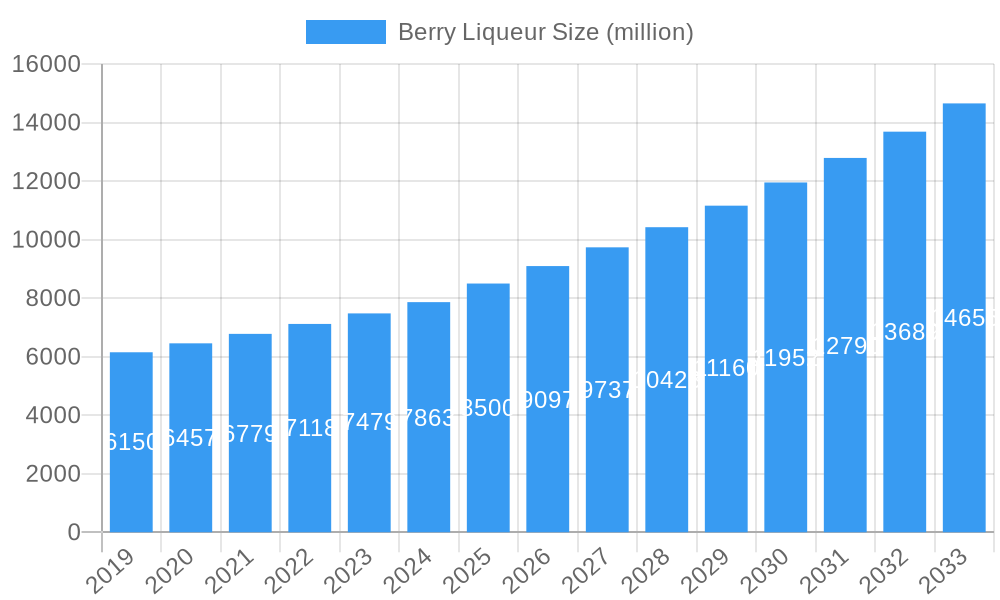
The global Berry Liqueur market is poised for robust growth, with an estimated market size of approximately $8,500 million in 2025, projected to expand at a Compound Annual Growth Rate (CAGR) of around 6.5% through 2033. This upward trajectory is primarily fueled by evolving consumer preferences for unique and sophisticated beverage options, coupled with the increasing popularity of craft spirits and premiumization trends. The versatility of berry liqueurs, lending themselves to both classic cocktail applications and innovative culinary creations, is a significant driver. Furthermore, the expanding distribution networks in emerging economies and a growing emphasis on attractive packaging and branding by key players are contributing to market expansion. The rising disposable incomes in developing regions are also enabling greater consumer spending on premium alcoholic beverages, including specialty liqueurs.
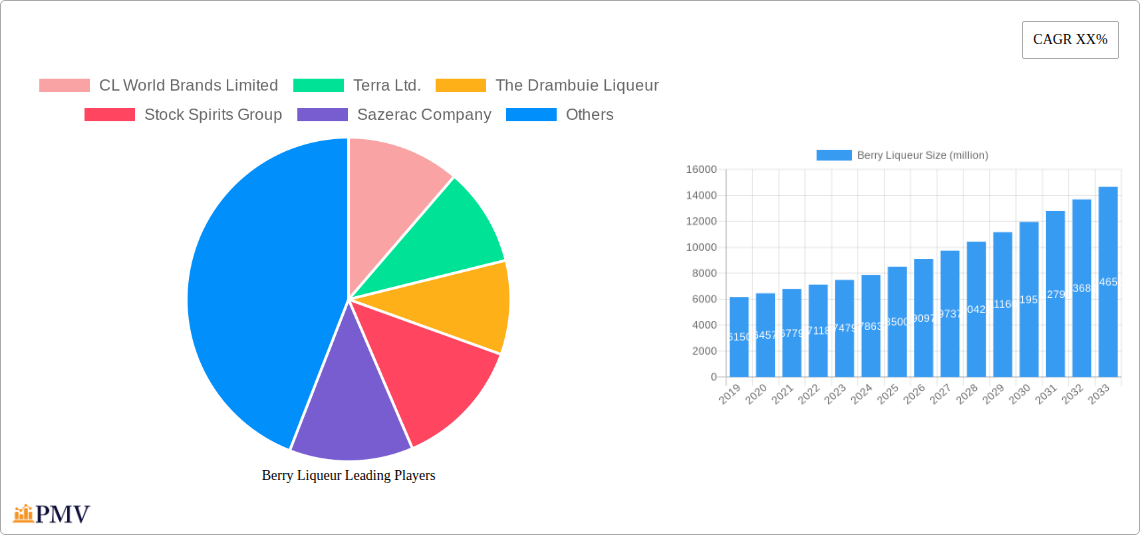
Berry Liqueur Market Size (In Billion)

Key market restraints include fluctuating raw material costs, particularly for berries, and the impact of stringent regulatory frameworks surrounding alcohol production and distribution in various countries. However, the market's resilience is evident in the continuous innovation by leading companies in product development, such as the introduction of low-sugar or organic variants, and the exploration of novel berry flavor combinations. The market segmentation reveals a strong presence in on-premise channels like bars, restaurants, and hotels, indicating their role as a key ingredient in hospitality. While glass bottles remain a dominant packaging type, the PET bottle segment is expected to witness steady growth due to its convenience and cost-effectiveness. Major players like Diageo Plc., Pernod Ricard SA, and Bacardi Limited are actively shaping market dynamics through strategic investments in product innovation, marketing, and global expansion efforts.
Berry Liqueur Company Market Share
This in-depth market research report provides a meticulous analysis of the global berry liqueur market, offering valuable insights for industry stakeholders, investors, and strategic planners. Spanning a study period from 2019 to 2033, with a base year of 2025 and a forecast period of 2025–2033, this report details historical trends and future projections. The berry liqueur industry is experiencing robust growth driven by evolving consumer preferences for premium and flavored spirits, alongside innovative product development. This report leverages cutting-edge analytics to dissect market dynamics, identify key growth drivers, and assess challenges, providing a holistic view of this dynamic sector.
Berry Liqueur Market Structure & Competitive Dynamics
The global berry liqueur market exhibits a moderately consolidated structure, characterized by a mix of established multinational corporations and emerging regional players. Leading companies such as Diageo Plc., Pernod Ricard SA, and Beam Suntory Inc. hold significant market share, driven by strong brand portfolios and extensive distribution networks. Innovation ecosystems are thriving, with companies investing heavily in research and development to introduce novel flavors and sustainable packaging solutions. The regulatory frameworks governing alcoholic beverage production and distribution vary significantly across regions, impacting market entry and operational strategies. Product substitutes, including other flavored spirits and non-alcoholic beverages, pose a constant challenge, necessitating continuous product differentiation and marketing efforts. End-user trends indicate a growing demand for artisanal and craft berry liqueurs, particularly among younger demographics seeking unique taste experiences. Mergers and acquisitions (M&A) activities are a prominent feature of the berry liqueur market, with significant deal values often exceeding one million dollars as companies seek to expand their product offerings, geographical reach, and market dominance. For instance, recent M&A activities have seen major players acquire smaller, innovative brands to tap into niche consumer segments. The overall market concentration, while influenced by these strategic consolidations, remains competitive.
Berry Liqueur Industry Trends & Insights
The berry liqueur industry is poised for substantial growth, with a projected Compound Annual Growth Rate (CAGR) of approximately 6.5% during the forecast period. This upward trajectory is primarily fueled by several key market growth drivers. Firstly, the increasing disposable income in emerging economies translates into greater consumer spending on premium alcoholic beverages, including flavored liqueurs. Secondly, the growing trend of home bartending and cocktail culture has elevated the demand for diverse and high-quality spirits, with berry liqueurs playing a pivotal role in a wide array of popular cocktails. Technological disruptions are also reshaping the landscape. advancements in distillation and flavoring techniques allow for the creation of more nuanced and authentic berry profiles, enhancing product appeal. Furthermore, the rise of e-commerce platforms has expanded market access for berry liqueur producers, enabling them to reach a wider consumer base globally. Consumer preferences are evolving towards more natural ingredients and healthier options, pushing manufacturers to incorporate real fruit extracts and minimize artificial additives in their berry liqueurs. This shift also extends to a demand for sustainable production practices and eco-friendly packaging. Competitive dynamics are intensifying, with established players facing pressure from agile craft distilleries that often focus on unique local berry varieties and artisanal production methods. The market penetration of berry liqueurs is steadily increasing as awareness of their versatility and appeal grows across different demographic segments.
Dominant Markets & Segments in Berry Liqueur
The berry liqueur market demonstrates distinct regional dominance and segment preference.
Leading Region: Europe
- Europe currently leads the global berry liqueur market, driven by its long-standing tradition of liqueur production and a sophisticated consumer base with a high propensity to consume premium alcoholic beverages. Countries like the UK, France, and Germany are significant contributors, boasting established brands and a strong appreciation for quality and flavor.
- Key Drivers in Europe:
- Economic Policies: Favorable trade agreements and economic stability within the EU facilitate smooth market operations and cross-border trade.
- Infrastructure: Robust distribution networks and a well-developed hospitality sector, including bars, restaurants, and hotels, ensure widespread availability and accessibility of berry liqueurs.
- Consumer Culture: A deeply ingrained culture of enjoying aperitifs, digestifs, and cocktails, often featuring fruit-based liqueurs, provides a consistent demand.
Dominant Application Segment: Bars
- The Bar segment stands out as the most dominant application for berry liqueurs. Bartenders worldwide increasingly utilize berry liqueurs as versatile ingredients for crafting innovative cocktails, from classic recipes to signature creations. The visual appeal and flavor complexity that berry liqueurs impart make them indispensable for mixologists seeking to differentiate their offerings.
- Detailed Dominance Analysis: The high footfall in bars, coupled with the trend of patrons seeking novel and exciting drink experiences, directly translates into substantial sales volumes for berry liqueurs. The consistent demand for mixed drinks, especially during social gatherings and evening entertainment, solidifies the bar as a prime consumption channel.
Dominant Type Segment: Glass Bottle
- The Glass Bottle remains the predominant packaging type for berry liqueurs. This preference is driven by several factors including its perceived premium quality, excellent barrier properties that preserve flavor and aroma, and its contribution to brand image and shelf appeal. Consumers often associate glass packaging with higher quality and a more traditional spirit experience.
- Detailed Dominance Analysis: While alternative packaging like metal cans and PET bottles are gaining traction for convenience and sustainability in certain markets, the established reputation and aesthetic advantages of glass bottles continue to secure its dominance. The visual appeal of richly colored berry liqueurs showcased in clear glass bottles is a significant marketing advantage.
Berry Liqueur Product Innovations
Product innovations in the berry liqueur market are primarily focused on enhancing natural flavors, introducing unique berry blends, and developing sustainable packaging. Companies are investing in micro-distillation techniques and using a wider variety of berry species, including exotic and less common ones, to create distinct taste profiles. For example, innovations in using blackcurrants, raspberries, and elderberries are leading to liqueurs with more complex and authentic fruit notes. The competitive advantage is being gained through the ability to offer a premium, natural product that appeals to health-conscious consumers. Technological advancements in extraction methods ensure the preservation of delicate berry aromas, contributing to a superior sensory experience. Market fit is being achieved by aligning product development with evolving consumer trends for artisanal, craft, and naturally flavored beverages.
Report Segmentation & Scope
This report meticulously segments the berry liqueur market across key application and packaging types.
Application Segments: The market is analyzed by its primary application channels: Bar, Restaurant, Hotel, and Supermarket. Growth projections and market sizes for each of these segments are detailed, considering their unique consumption patterns and demand drivers. Competitive dynamics within each application are also explored, highlighting the strategies employed by players to capture market share.
Type Segments: The report further segments the market by packaging types: Metal Can, PET Bottle, Glass Bottle, and Others. Detailed analysis includes market size, growth forecasts, and competitive landscapes for each packaging format, taking into account evolving consumer preferences for convenience, sustainability, and premium presentation.
Key Drivers of Berry Liqueur Growth
The berry liqueur market is propelled by a confluence of factors:
- Technological Advancements: Innovations in flavor extraction and distillation techniques are creating more authentic and appealing berry profiles, driving consumer interest.
- Economic Growth & Disposable Income: Rising disposable incomes, particularly in emerging economies, are fueling demand for premium and specialty beverages.
- Evolving Consumer Preferences: A growing consumer desire for unique flavors, natural ingredients, and cocktail-centric experiences directly benefits the berry liqueur sector.
- Global Tourism & Hospitality Growth: The expansion of the global tourism and hospitality industry increases the consumption of liqueurs in bars, restaurants, and hotels.
Challenges in the Berry Liqueur Sector
Despite strong growth prospects, the berry liqueur sector faces several challenges:
- Regulatory Hurdles: Stringent regulations surrounding alcohol production, marketing, and taxation in different regions can impede market expansion.
- Supply Chain Volatility: The availability and cost of fresh berries, as well as packaging materials, can be subject to fluctuations due to weather, agricultural yields, and global logistics.
- Intense Competition: The market is characterized by intense competition from established global brands, craft distilleries, and alternative beverage categories, necessitating continuous innovation and effective marketing strategies.
- Consumer Perception: Overcoming the perception of liqueurs as solely dessert drinks and promoting their versatility in cocktails remains a key challenge.
Leading Players in the Berry Liqueur Market
The berry liqueur market is populated by a diverse range of influential companies, each contributing significantly to market dynamics:
- CL World Brands Limited
- Terra Ltd.
- The Drambuie Liqueur
- Stock Spirits Group
- Sazerac Company
- Peel Liqueur
- E. & J. Gallo Winery
- DeKuyper Royal Distillers
- Mast-Jagermeister SE
- Remy Cointreau
- Pernod Ricard SA
- Lucas Bols B.V.
- Davide Campari-Milano S.p.A.
- Brown-Forman Corporation
- Beam Suntory Inc.
- Bacardu Limited
- Diageo Plc.
Key Developments in Berry Liqueur Sector
- 2023 Q4: Launch of premium organic raspberry liqueur by a leading European distillery, targeting health-conscious consumers.
- 2024 Q1: Major acquisition of a craft berry liqueur producer by a multinational beverage corporation, aiming to expand its flavored spirits portfolio.
- 2024 Q2: Introduction of a new line of low-sugar berry liqueurs by an American company, responding to increasing consumer demand for healthier options.
- 2024 Q3: Expansion of e-commerce distribution for several berry liqueur brands into new Asian markets, leveraging online sales channels.
- 2024 Q4: Focus on sustainable packaging solutions, with increased adoption of recycled glass and biodegradable materials for berry liqueur bottles.
- 2025 Q1: Introduction of unique berry blend liqueurs, combining exotic berries like acai and goji, to offer novel flavor experiences.
- 2025 Q2: Increased marketing spend on digital platforms and social media influencers to promote berry liqueur cocktails and recipes.
- 2025 Q3: Regional expansion of a popular elderflower berry liqueur into North American markets, driven by growing cocktail culture.
- 2025 Q4: Development of ready-to-drink (RTD) berry liqueur cocktails, catering to the convenience trend.
- 2026 Q1: Exploration of innovative aging techniques for berry liqueurs to enhance complexity and depth of flavor.
- 2026 Q2: Increased investment in sustainable sourcing of berries to ensure consistent quality and ethical supply chains.
- 2026 Q3: Introduction of smaller, single-serve packaging formats for berry liqueurs to cater to impulse purchases and trial.
- 2026 Q4: Growing trend of berry liqueur infusions in food and culinary applications, expanding beyond beverage consumption.
- 2027-2033: Continued focus on natural ingredients, flavor innovation, sustainable practices, and targeted marketing to diverse consumer demographics.
Strategic Berry Liqueur Market Outlook
The strategic berry liqueur market outlook is highly optimistic, driven by sustained consumer demand for premium, flavorful, and versatile spirits. Growth accelerators include the continued expansion of the global cocktail culture, rising disposable incomes, and ongoing innovation in product development and packaging. Opportunities lie in tapping into emerging markets with growing middle classes and a burgeoning interest in Western-style consumption habits. Furthermore, the increasing preference for artisanal and craft products presents a significant avenue for smaller producers to carve out niche market segments. The market is expected to witness further consolidation as larger players seek to enhance their portfolios and geographical reach, while also seeing continued growth in specialized, high-quality berry liqueur offerings that cater to discerning consumers. The future of the berry liqueur industry is bright, promising continued growth and evolution.
Berry Liqueur Segmentation
-
1. Application
- 1.1. Bar
- 1.2. Restaurant
- 1.3. Hotel
- 1.4. Supermarket
-
2. Types
- 2.1. Metal Can
- 2.2. PET Bottle
- 2.3. Glass Bottle
- 2.4. Others
Berry Liqueur Segmentation By Geography
-
1. North America
- 1.1. United States
- 1.2. Canada
- 1.3. Mexico
-
2. South America
- 2.1. Brazil
- 2.2. Argentina
- 2.3. Rest of South America
-
3. Europe
- 3.1. United Kingdom
- 3.2. Germany
- 3.3. France
- 3.4. Italy
- 3.5. Spain
- 3.6. Russia
- 3.7. Benelux
- 3.8. Nordics
- 3.9. Rest of Europe
-
4. Middle East & Africa
- 4.1. Turkey
- 4.2. Israel
- 4.3. GCC
- 4.4. North Africa
- 4.5. South Africa
- 4.6. Rest of Middle East & Africa
-
5. Asia Pacific
- 5.1. China
- 5.2. India
- 5.3. Japan
- 5.4. South Korea
- 5.5. ASEAN
- 5.6. Oceania
- 5.7. Rest of Asia Pacific
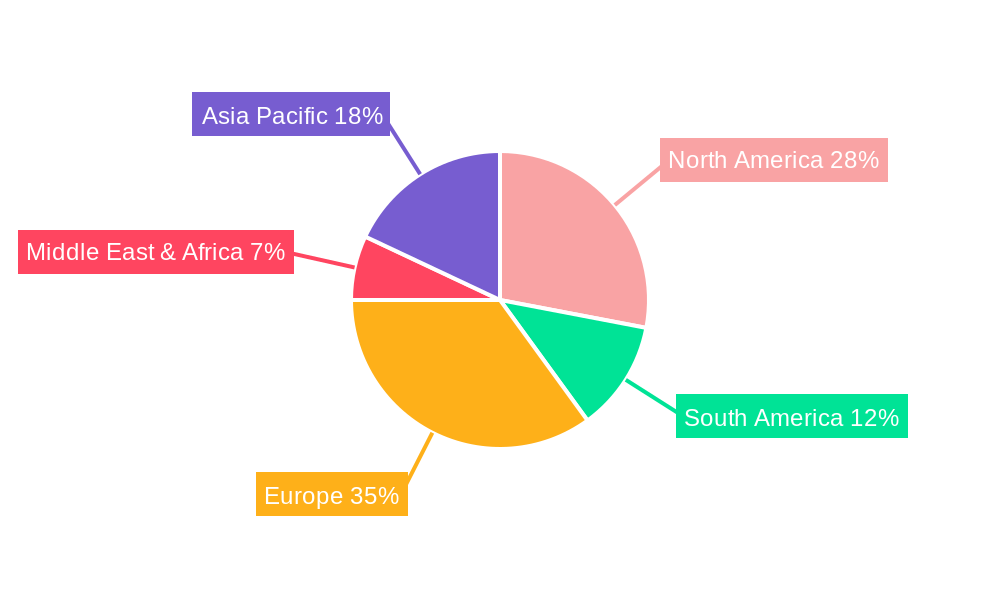
Berry Liqueur Regional Market Share
Geographic Coverage of Berry Liqueur
Berry Liqueur REPORT HIGHLIGHTS
| Aspects | Details |
|---|---|
| Study Period | 2020-2034 |
| Base Year | 2025 |
| Estimated Year | 2026 |
| Forecast Period | 2026-2034 |
| Historical Period | 2020-2025 |
| Growth Rate | CAGR of XX% from 2020-2034 |
| Segmentation |
|
Table of Contents
- 1. Introduction
- 1.1. Research Scope
- 1.2. Market Segmentation
- 1.3. Research Methodology
- 1.4. Definitions and Assumptions
- 2. Executive Summary
- 2.1. Introduction
- 3. Market Dynamics
- 3.1. Introduction
- 3.2. Market Drivers
- 3.3. Market Restrains
- 3.4. Market Trends
- 4. Market Factor Analysis
- 4.1. Porters Five Forces
- 4.2. Supply/Value Chain
- 4.3. PESTEL analysis
- 4.4. Market Entropy
- 4.5. Patent/Trademark Analysis
- 5. Global Berry Liqueur Analysis, Insights and Forecast, 2020-2032
- 5.1. Market Analysis, Insights and Forecast - by Application
- 5.1.1. Bar
- 5.1.2. Restaurant
- 5.1.3. Hotel
- 5.1.4. Supermarket
- 5.2. Market Analysis, Insights and Forecast - by Types
- 5.2.1. Metal Can
- 5.2.2. PET Bottle
- 5.2.3. Glass Bottle
- 5.2.4. Others
- 5.3. Market Analysis, Insights and Forecast - by Region
- 5.3.1. North America
- 5.3.2. South America
- 5.3.3. Europe
- 5.3.4. Middle East & Africa
- 5.3.5. Asia Pacific
- 5.1. Market Analysis, Insights and Forecast - by Application
- 6. North America Berry Liqueur Analysis, Insights and Forecast, 2020-2032
- 6.1. Market Analysis, Insights and Forecast - by Application
- 6.1.1. Bar
- 6.1.2. Restaurant
- 6.1.3. Hotel
- 6.1.4. Supermarket
- 6.2. Market Analysis, Insights and Forecast - by Types
- 6.2.1. Metal Can
- 6.2.2. PET Bottle
- 6.2.3. Glass Bottle
- 6.2.4. Others
- 6.1. Market Analysis, Insights and Forecast - by Application
- 7. South America Berry Liqueur Analysis, Insights and Forecast, 2020-2032
- 7.1. Market Analysis, Insights and Forecast - by Application
- 7.1.1. Bar
- 7.1.2. Restaurant
- 7.1.3. Hotel
- 7.1.4. Supermarket
- 7.2. Market Analysis, Insights and Forecast - by Types
- 7.2.1. Metal Can
- 7.2.2. PET Bottle
- 7.2.3. Glass Bottle
- 7.2.4. Others
- 7.1. Market Analysis, Insights and Forecast - by Application
- 8. Europe Berry Liqueur Analysis, Insights and Forecast, 2020-2032
- 8.1. Market Analysis, Insights and Forecast - by Application
- 8.1.1. Bar
- 8.1.2. Restaurant
- 8.1.3. Hotel
- 8.1.4. Supermarket
- 8.2. Market Analysis, Insights and Forecast - by Types
- 8.2.1. Metal Can
- 8.2.2. PET Bottle
- 8.2.3. Glass Bottle
- 8.2.4. Others
- 8.1. Market Analysis, Insights and Forecast - by Application
- 9. Middle East & Africa Berry Liqueur Analysis, Insights and Forecast, 2020-2032
- 9.1. Market Analysis, Insights and Forecast - by Application
- 9.1.1. Bar
- 9.1.2. Restaurant
- 9.1.3. Hotel
- 9.1.4. Supermarket
- 9.2. Market Analysis, Insights and Forecast - by Types
- 9.2.1. Metal Can
- 9.2.2. PET Bottle
- 9.2.3. Glass Bottle
- 9.2.4. Others
- 9.1. Market Analysis, Insights and Forecast - by Application
- 10. Asia Pacific Berry Liqueur Analysis, Insights and Forecast, 2020-2032
- 10.1. Market Analysis, Insights and Forecast - by Application
- 10.1.1. Bar
- 10.1.2. Restaurant
- 10.1.3. Hotel
- 10.1.4. Supermarket
- 10.2. Market Analysis, Insights and Forecast - by Types
- 10.2.1. Metal Can
- 10.2.2. PET Bottle
- 10.2.3. Glass Bottle
- 10.2.4. Others
- 10.1. Market Analysis, Insights and Forecast - by Application
- 11. Competitive Analysis
- 11.1. Global Market Share Analysis 2025
- 11.2. Company Profiles
- 11.2.1 CL World Brands Limited
- 11.2.1.1. Overview
- 11.2.1.2. Products
- 11.2.1.3. SWOT Analysis
- 11.2.1.4. Recent Developments
- 11.2.1.5. Financials (Based on Availability)
- 11.2.2 Terra Ltd.
- 11.2.2.1. Overview
- 11.2.2.2. Products
- 11.2.2.3. SWOT Analysis
- 11.2.2.4. Recent Developments
- 11.2.2.5. Financials (Based on Availability)
- 11.2.3 The Drambuie Liqueur
- 11.2.3.1. Overview
- 11.2.3.2. Products
- 11.2.3.3. SWOT Analysis
- 11.2.3.4. Recent Developments
- 11.2.3.5. Financials (Based on Availability)
- 11.2.4 Stock Spirits Group
- 11.2.4.1. Overview
- 11.2.4.2. Products
- 11.2.4.3. SWOT Analysis
- 11.2.4.4. Recent Developments
- 11.2.4.5. Financials (Based on Availability)
- 11.2.5 Sazerac Company
- 11.2.5.1. Overview
- 11.2.5.2. Products
- 11.2.5.3. SWOT Analysis
- 11.2.5.4. Recent Developments
- 11.2.5.5. Financials (Based on Availability)
- 11.2.6 Peel Liqueur
- 11.2.6.1. Overview
- 11.2.6.2. Products
- 11.2.6.3. SWOT Analysis
- 11.2.6.4. Recent Developments
- 11.2.6.5. Financials (Based on Availability)
- 11.2.7 E. & J. Gallo Winery
- 11.2.7.1. Overview
- 11.2.7.2. Products
- 11.2.7.3. SWOT Analysis
- 11.2.7.4. Recent Developments
- 11.2.7.5. Financials (Based on Availability)
- 11.2.8 DeKuyper Royal Distillers
- 11.2.8.1. Overview
- 11.2.8.2. Products
- 11.2.8.3. SWOT Analysis
- 11.2.8.4. Recent Developments
- 11.2.8.5. Financials (Based on Availability)
- 11.2.9 Mast-Jagermeister SE
- 11.2.9.1. Overview
- 11.2.9.2. Products
- 11.2.9.3. SWOT Analysis
- 11.2.9.4. Recent Developments
- 11.2.9.5. Financials (Based on Availability)
- 11.2.10 Remy Cointreau
- 11.2.10.1. Overview
- 11.2.10.2. Products
- 11.2.10.3. SWOT Analysis
- 11.2.10.4. Recent Developments
- 11.2.10.5. Financials (Based on Availability)
- 11.2.11 PernodRicard SA
- 11.2.11.1. Overview
- 11.2.11.2. Products
- 11.2.11.3. SWOT Analysis
- 11.2.11.4. Recent Developments
- 11.2.11.5. Financials (Based on Availability)
- 11.2.12 Lucas Bols B.V.
- 11.2.12.1. Overview
- 11.2.12.2. Products
- 11.2.12.3. SWOT Analysis
- 11.2.12.4. Recent Developments
- 11.2.12.5. Financials (Based on Availability)
- 11.2.13 Davide Campari-Milano S.p.A.
- 11.2.13.1. Overview
- 11.2.13.2. Products
- 11.2.13.3. SWOT Analysis
- 11.2.13.4. Recent Developments
- 11.2.13.5. Financials (Based on Availability)
- 11.2.14 Brown-Forman Corporation
- 11.2.14.1. Overview
- 11.2.14.2. Products
- 11.2.14.3. SWOT Analysis
- 11.2.14.4. Recent Developments
- 11.2.14.5. Financials (Based on Availability)
- 11.2.15 Beam Suntory Inc.
- 11.2.15.1. Overview
- 11.2.15.2. Products
- 11.2.15.3. SWOT Analysis
- 11.2.15.4. Recent Developments
- 11.2.15.5. Financials (Based on Availability)
- 11.2.16 Bacardu Limited
- 11.2.16.1. Overview
- 11.2.16.2. Products
- 11.2.16.3. SWOT Analysis
- 11.2.16.4. Recent Developments
- 11.2.16.5. Financials (Based on Availability)
- 11.2.17 Diageo Plc.
- 11.2.17.1. Overview
- 11.2.17.2. Products
- 11.2.17.3. SWOT Analysis
- 11.2.17.4. Recent Developments
- 11.2.17.5. Financials (Based on Availability)
- 11.2.1 CL World Brands Limited
List of Figures
- Figure 1: Global Berry Liqueur Revenue Breakdown (million, %) by Region 2025 & 2033
- Figure 2: North America Berry Liqueur Revenue (million), by Application 2025 & 2033
- Figure 3: North America Berry Liqueur Revenue Share (%), by Application 2025 & 2033
- Figure 4: North America Berry Liqueur Revenue (million), by Types 2025 & 2033
- Figure 5: North America Berry Liqueur Revenue Share (%), by Types 2025 & 2033
- Figure 6: North America Berry Liqueur Revenue (million), by Country 2025 & 2033
- Figure 7: North America Berry Liqueur Revenue Share (%), by Country 2025 & 2033
- Figure 8: South America Berry Liqueur Revenue (million), by Application 2025 & 2033
- Figure 9: South America Berry Liqueur Revenue Share (%), by Application 2025 & 2033
- Figure 10: South America Berry Liqueur Revenue (million), by Types 2025 & 2033
- Figure 11: South America Berry Liqueur Revenue Share (%), by Types 2025 & 2033
- Figure 12: South America Berry Liqueur Revenue (million), by Country 2025 & 2033
- Figure 13: South America Berry Liqueur Revenue Share (%), by Country 2025 & 2033
- Figure 14: Europe Berry Liqueur Revenue (million), by Application 2025 & 2033
- Figure 15: Europe Berry Liqueur Revenue Share (%), by Application 2025 & 2033
- Figure 16: Europe Berry Liqueur Revenue (million), by Types 2025 & 2033
- Figure 17: Europe Berry Liqueur Revenue Share (%), by Types 2025 & 2033
- Figure 18: Europe Berry Liqueur Revenue (million), by Country 2025 & 2033
- Figure 19: Europe Berry Liqueur Revenue Share (%), by Country 2025 & 2033
- Figure 20: Middle East & Africa Berry Liqueur Revenue (million), by Application 2025 & 2033
- Figure 21: Middle East & Africa Berry Liqueur Revenue Share (%), by Application 2025 & 2033
- Figure 22: Middle East & Africa Berry Liqueur Revenue (million), by Types 2025 & 2033
- Figure 23: Middle East & Africa Berry Liqueur Revenue Share (%), by Types 2025 & 2033
- Figure 24: Middle East & Africa Berry Liqueur Revenue (million), by Country 2025 & 2033
- Figure 25: Middle East & Africa Berry Liqueur Revenue Share (%), by Country 2025 & 2033
- Figure 26: Asia Pacific Berry Liqueur Revenue (million), by Application 2025 & 2033
- Figure 27: Asia Pacific Berry Liqueur Revenue Share (%), by Application 2025 & 2033
- Figure 28: Asia Pacific Berry Liqueur Revenue (million), by Types 2025 & 2033
- Figure 29: Asia Pacific Berry Liqueur Revenue Share (%), by Types 2025 & 2033
- Figure 30: Asia Pacific Berry Liqueur Revenue (million), by Country 2025 & 2033
- Figure 31: Asia Pacific Berry Liqueur Revenue Share (%), by Country 2025 & 2033
List of Tables
- Table 1: Global Berry Liqueur Revenue million Forecast, by Application 2020 & 2033
- Table 2: Global Berry Liqueur Revenue million Forecast, by Types 2020 & 2033
- Table 3: Global Berry Liqueur Revenue million Forecast, by Region 2020 & 2033
- Table 4: Global Berry Liqueur Revenue million Forecast, by Application 2020 & 2033
- Table 5: Global Berry Liqueur Revenue million Forecast, by Types 2020 & 2033
- Table 6: Global Berry Liqueur Revenue million Forecast, by Country 2020 & 2033
- Table 7: United States Berry Liqueur Revenue (million) Forecast, by Application 2020 & 2033
- Table 8: Canada Berry Liqueur Revenue (million) Forecast, by Application 2020 & 2033
- Table 9: Mexico Berry Liqueur Revenue (million) Forecast, by Application 2020 & 2033
- Table 10: Global Berry Liqueur Revenue million Forecast, by Application 2020 & 2033
- Table 11: Global Berry Liqueur Revenue million Forecast, by Types 2020 & 2033
- Table 12: Global Berry Liqueur Revenue million Forecast, by Country 2020 & 2033
- Table 13: Brazil Berry Liqueur Revenue (million) Forecast, by Application 2020 & 2033
- Table 14: Argentina Berry Liqueur Revenue (million) Forecast, by Application 2020 & 2033
- Table 15: Rest of South America Berry Liqueur Revenue (million) Forecast, by Application 2020 & 2033
- Table 16: Global Berry Liqueur Revenue million Forecast, by Application 2020 & 2033
- Table 17: Global Berry Liqueur Revenue million Forecast, by Types 2020 & 2033
- Table 18: Global Berry Liqueur Revenue million Forecast, by Country 2020 & 2033
- Table 19: United Kingdom Berry Liqueur Revenue (million) Forecast, by Application 2020 & 2033
- Table 20: Germany Berry Liqueur Revenue (million) Forecast, by Application 2020 & 2033
- Table 21: France Berry Liqueur Revenue (million) Forecast, by Application 2020 & 2033
- Table 22: Italy Berry Liqueur Revenue (million) Forecast, by Application 2020 & 2033
- Table 23: Spain Berry Liqueur Revenue (million) Forecast, by Application 2020 & 2033
- Table 24: Russia Berry Liqueur Revenue (million) Forecast, by Application 2020 & 2033
- Table 25: Benelux Berry Liqueur Revenue (million) Forecast, by Application 2020 & 2033
- Table 26: Nordics Berry Liqueur Revenue (million) Forecast, by Application 2020 & 2033
- Table 27: Rest of Europe Berry Liqueur Revenue (million) Forecast, by Application 2020 & 2033
- Table 28: Global Berry Liqueur Revenue million Forecast, by Application 2020 & 2033
- Table 29: Global Berry Liqueur Revenue million Forecast, by Types 2020 & 2033
- Table 30: Global Berry Liqueur Revenue million Forecast, by Country 2020 & 2033
- Table 31: Turkey Berry Liqueur Revenue (million) Forecast, by Application 2020 & 2033
- Table 32: Israel Berry Liqueur Revenue (million) Forecast, by Application 2020 & 2033
- Table 33: GCC Berry Liqueur Revenue (million) Forecast, by Application 2020 & 2033
- Table 34: North Africa Berry Liqueur Revenue (million) Forecast, by Application 2020 & 2033
- Table 35: South Africa Berry Liqueur Revenue (million) Forecast, by Application 2020 & 2033
- Table 36: Rest of Middle East & Africa Berry Liqueur Revenue (million) Forecast, by Application 2020 & 2033
- Table 37: Global Berry Liqueur Revenue million Forecast, by Application 2020 & 2033
- Table 38: Global Berry Liqueur Revenue million Forecast, by Types 2020 & 2033
- Table 39: Global Berry Liqueur Revenue million Forecast, by Country 2020 & 2033
- Table 40: China Berry Liqueur Revenue (million) Forecast, by Application 2020 & 2033
- Table 41: India Berry Liqueur Revenue (million) Forecast, by Application 2020 & 2033
- Table 42: Japan Berry Liqueur Revenue (million) Forecast, by Application 2020 & 2033
- Table 43: South Korea Berry Liqueur Revenue (million) Forecast, by Application 2020 & 2033
- Table 44: ASEAN Berry Liqueur Revenue (million) Forecast, by Application 2020 & 2033
- Table 45: Oceania Berry Liqueur Revenue (million) Forecast, by Application 2020 & 2033
- Table 46: Rest of Asia Pacific Berry Liqueur Revenue (million) Forecast, by Application 2020 & 2033
Frequently Asked Questions
1. What is the projected Compound Annual Growth Rate (CAGR) of the Berry Liqueur?
The projected CAGR is approximately XX%.
2. Which companies are prominent players in the Berry Liqueur?
Key companies in the market include CL World Brands Limited, Terra Ltd., The Drambuie Liqueur, Stock Spirits Group, Sazerac Company, Peel Liqueur, E. & J. Gallo Winery, DeKuyper Royal Distillers, Mast-Jagermeister SE, Remy Cointreau, PernodRicard SA, Lucas Bols B.V., Davide Campari-Milano S.p.A., Brown-Forman Corporation, Beam Suntory Inc., Bacardu Limited, Diageo Plc..
3. What are the main segments of the Berry Liqueur?
The market segments include Application, Types.
4. Can you provide details about the market size?
The market size is estimated to be USD XXX million as of 2022.
5. What are some drivers contributing to market growth?
N/A
6. What are the notable trends driving market growth?
N/A
7. Are there any restraints impacting market growth?
N/A
8. Can you provide examples of recent developments in the market?
N/A
9. What pricing options are available for accessing the report?
Pricing options include single-user, multi-user, and enterprise licenses priced at USD 2900.00, USD 4350.00, and USD 5800.00 respectively.
10. Is the market size provided in terms of value or volume?
The market size is provided in terms of value, measured in million.
11. Are there any specific market keywords associated with the report?
Yes, the market keyword associated with the report is "Berry Liqueur," which aids in identifying and referencing the specific market segment covered.
12. How do I determine which pricing option suits my needs best?
The pricing options vary based on user requirements and access needs. Individual users may opt for single-user licenses, while businesses requiring broader access may choose multi-user or enterprise licenses for cost-effective access to the report.
13. Are there any additional resources or data provided in the Berry Liqueur report?
While the report offers comprehensive insights, it's advisable to review the specific contents or supplementary materials provided to ascertain if additional resources or data are available.
14. How can I stay updated on further developments or reports in the Berry Liqueur?
To stay informed about further developments, trends, and reports in the Berry Liqueur, consider subscribing to industry newsletters, following relevant companies and organizations, or regularly checking reputable industry news sources and publications.
Methodology
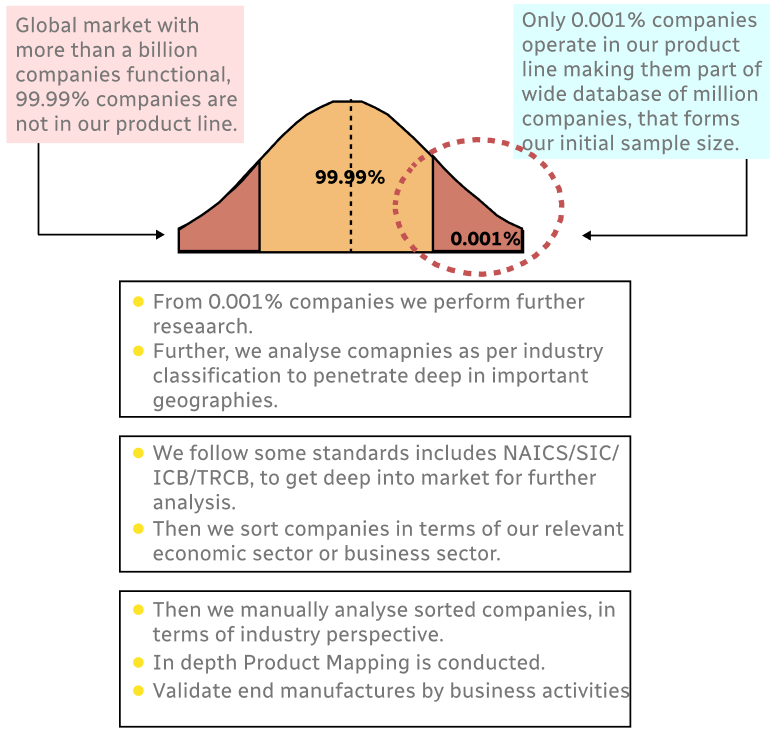
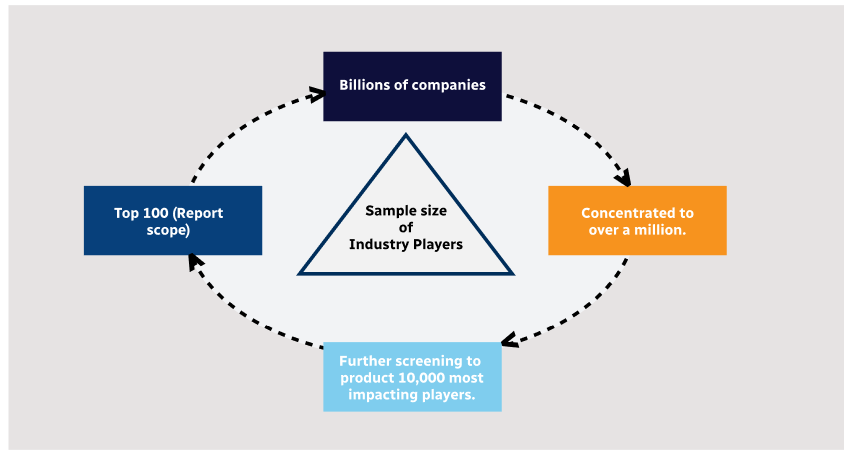
Step 1 - Identification of Relevant Samples Size from Population Database
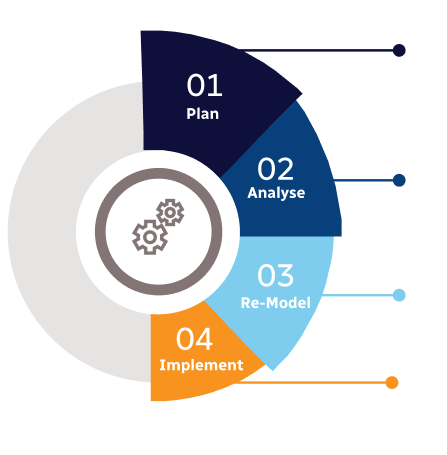
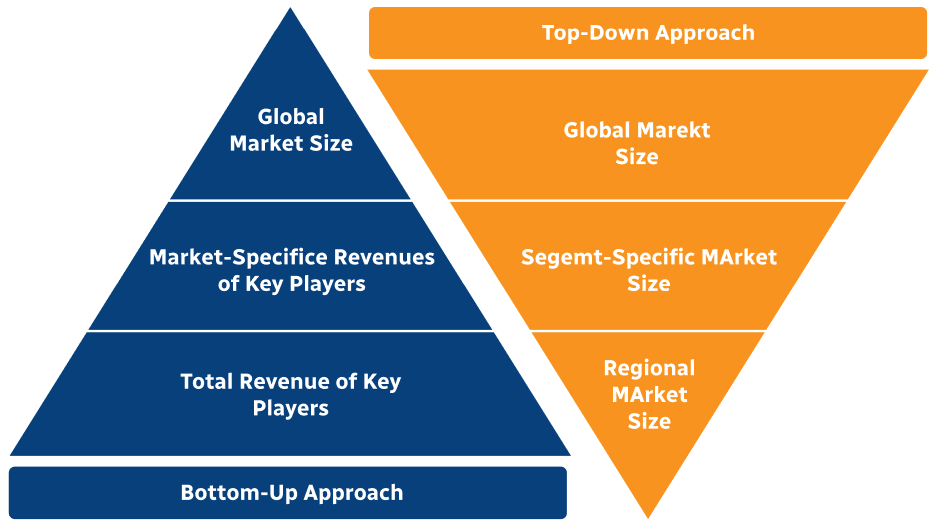
Step 2 - Approaches for Defining Global Market Size (Value, Volume* & Price*)
Note*: In applicable scenarios
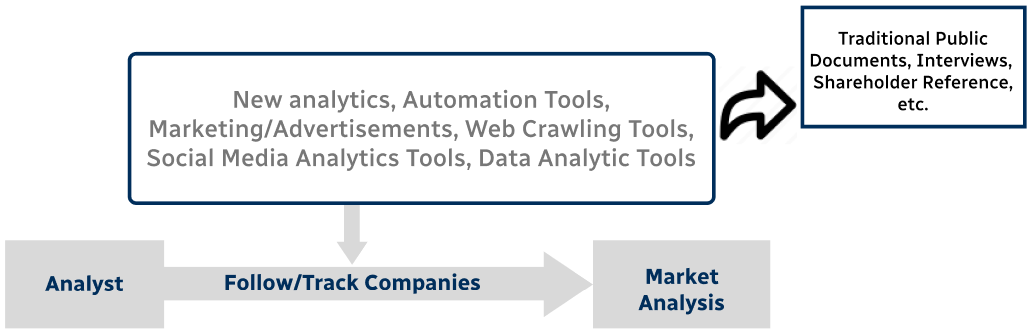
Step 3 - Data Sources
Primary Research
- Web Analytics
- Survey Reports
- Research Institute
- Latest Research Reports
- Opinion Leaders
Secondary Research
- Annual Reports
- White Paper
- Latest Press Release
- Industry Association
- Paid Database
- Investor Presentations
Step 4 - Data Triangulation
Involves using different sources of information in order to increase the validity of a study
These sources are likely to be stakeholders in a program - participants, other researchers, program staff, other community members, and so on.
Then we put all data in single framework & apply various statistical tools to find out the dynamic on the market.
During the analysis stage, feedback from the stakeholder groups would be compared to determine areas of agreement as well as areas of divergence