


Key Insights
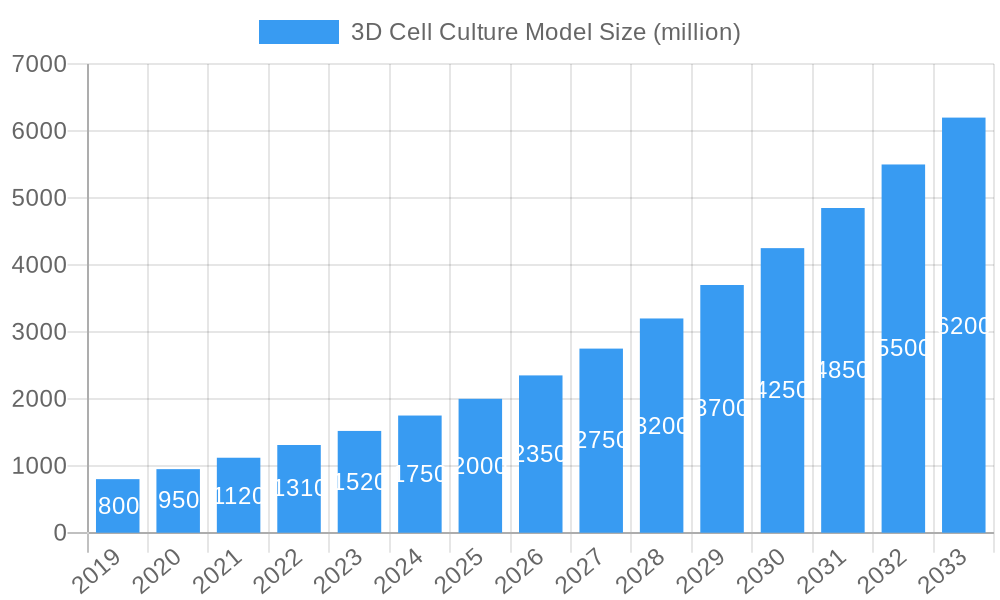
The global 3D cell culture model market is poised for substantial growth, projected to reach $1.29 billion by 2025, driven by a CAGR of 11.7%. This expansion is fueled by the increasing need for more physiologically accurate in vitro models in drug discovery and development. Researchers are adopting 3D cell cultures to replicate native tissue microenvironments, enhancing the predictive power of drug efficacy and toxicity assessments over traditional 2D methods. The pharmaceutical sector is a primary market driver, investing in these advanced models to optimize preclinical research, reduce drug development costs and timelines, and decrease reliance on animal testing. Additionally, scientific research, including cancer biology, regenerative medicine, and disease modeling, contributes significantly to market expansion by providing profound insights into cellular behavior and disease mechanisms.
3D Cell Culture Model Market Size (In Billion)

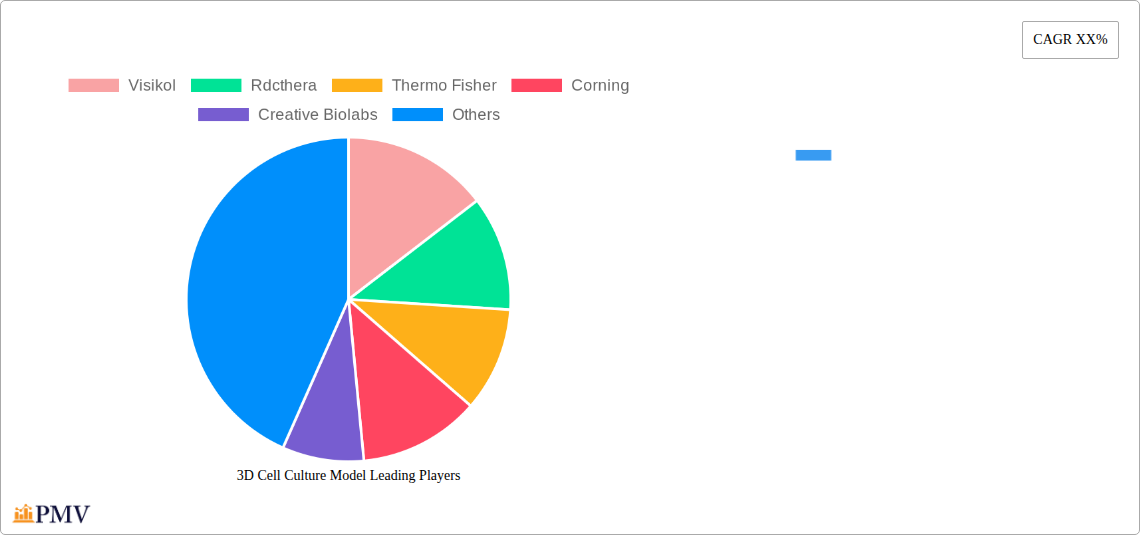
Key market players, such as Thermo Fisher Scientific, Corning, and Visikol, are driving innovation and market penetration through strategic development of advanced 3D cell culture products and comprehensive solutions for diverse applications. While opportunities abound, market adoption may face challenges due to the initial investment in specialized equipment and the requirement for skilled personnel. Nonetheless, ongoing technological advancements, heightened awareness of 3D cell culture benefits, and the rise of personalized medicine are expected to sustain market growth and foster innovation in this vital sector.
3D Cell Culture Model Company Market Share
Detailed Report Description: 3D Cell Culture Model Market Analysis (2019-2033)
This comprehensive market research report offers an in-depth analysis of the global 3D Cell Culture Model market, providing critical insights for stakeholders in the pharmaceutical, biotechnology, and academic research sectors. The report covers the historical period from 2019 to 2024, the base year of 2025, and projects market growth through the forecast period of 2025 to 2033, with an estimated year of 2025. Leveraging advanced analytical tools and expert opinions, this report delves into market structure, competitive dynamics, industry trends, dominant segments, product innovations, and strategic outlooks. The 3D cell culture market size is expected to reach several million dollars, driven by increasing demand for advanced drug discovery platforms and personalized medicine.
3D Cell Culture Model Market Structure & Competitive Dynamics
The global 3D cell culture market is characterized by a dynamic and evolving structure, with a moderate to high level of market concentration. Key players like Thermo Fisher Scientific, Corning, and Visikol are actively involved in innovation and market expansion. The 3D cell culture market share is influenced by the development of novel technologies, strategic partnerships, and acquisitions. Innovation ecosystems are flourishing, fueled by academic research and increasing venture capital investments in biotech startups. Regulatory frameworks, primarily concerning drug development and preclinical testing, play a significant role in shaping market access and product approvals. The availability of 3D cell culture alternatives like 2D cell cultures, while prevalent, faces increasing pressure from the superior physiological relevance offered by 3D models. End-user trends are shifting towards more complex and representative models that mimic in vivo environments, driving demand for advanced 3D cell culture solutions. Mergers and acquisitions (M&A) activities are expected to continue, with deal values potentially reaching hundreds of millions of dollars, as larger companies seek to acquire innovative technologies and expand their portfolios.
3D Cell Culture Model Industry Trends & Insights
The 3D cell culture industry is experiencing robust growth, with a projected Compound Annual Growth Rate (CAGR) of xx% over the forecast period. This expansion is primarily fueled by the growing demand for more physiologically relevant models in drug discovery and development. 3D cell culture applications are expanding beyond traditional pharmaceutical research to areas like toxicology, regenerative medicine, and cosmetics testing. Technological disruptions, including advancements in biofabrication techniques, microfluidics, and organ-on-a-chip technologies, are revolutionizing the field, enabling the creation of increasingly complex and functional 3D cell culture models. Consumer preferences, particularly within the pharmaceutical industry, are leaning towards models that offer higher predictive power for clinical outcomes, reducing the need for expensive and time-consuming animal testing. Competitive dynamics are intense, with companies continuously investing in R&D to develop superior 3D cell culture scaffolds, matrices, and bioreactor systems. Market penetration is steadily increasing as researchers recognize the limitations of 2D models and the advantages of 3D cell culture for cancer research, neurodegenerative diseases, and infectious disease modeling. The increasing prevalence of chronic diseases globally necessitates more effective drug development strategies, further bolstering the demand for these advanced in vitro models. The development of automated 3D cell culture systems and high-throughput screening platforms is also contributing significantly to market expansion by improving efficiency and reducing research costs.
Dominant Markets & Segments in 3D Cell Culture Model
North America is poised to dominate the global 3D cell culture market, driven by substantial investments in pharmaceutical R&D, a well-established biotechnology ecosystem, and the presence of leading research institutions. The United States, in particular, plays a pivotal role due to its advanced healthcare infrastructure and supportive government policies for life sciences innovation.
Application: Scientific Research
- Key drivers include the increasing need for accurate disease modeling, drug screening, and understanding cellular mechanisms. Academic institutions and government research bodies are major adopters, investing heavily in 3D cell culture for drug discovery and basic science. The development of increasingly sophisticated 3D cell culture matrices and protocols enhances their utility in complex research projects.
- 3D cell culture for scientific research is expected to witness substantial growth due to its ability to recapitulate in vivo tissue architecture and cellular interactions, offering unparalleled insights into biological processes.
Application: Pharmaceuticals
- The pharmaceutical industry is a primary driver, utilizing 3D cell culture models for preclinical drug efficacy and toxicity testing, thereby reducing the reliance on animal models and improving the translation of research findings into clinical applications. The development of 3D organoid culture and 3D tissue models is revolutionizing drug development pipelines.
- The significant investment in new drug development, coupled with the high failure rates in clinical trials, propels the demand for more predictive 3D cell culture platforms that can identify potential drug candidates earlier and more reliably.
Types: Without Bracket
- This segment, encompassing self-assembling cell aggregates and spheroid cultures, is experiencing significant traction due to its relative simplicity and cost-effectiveness. These 3D cell culture systems are widely adopted for initial screening and fundamental research.
- The accessibility and ease of use of 3D cell cultures without brackets make them a popular choice for researchers in academic settings and early-stage drug discovery.
Types: Based on Bracket
- This category includes more advanced techniques like 3D cell culture in hydrogels, scaffolds, and bio-printed constructs. These 3D cell culture matrices offer greater control over the microenvironment, enabling the creation of complex, multi-cellular tissues and organs.
- The growing demand for organoids and engineered tissues for personalized medicine and regenerative therapies fuels the growth of 3D cell cultures based on brackets, which provide superior structural support and mimicry of native tissue environments.
3D Cell Culture Model Product Innovations
Recent product innovations in the 3D cell culture market are focused on enhancing physiological relevance and ease of use. Companies are developing advanced 3D cell culture scaffolds and matrices with tunable properties, enabling precise control over cell behavior and tissue formation. Novel bio-inks and printing technologies are enabling the creation of complex, multi-cellular 3D organoids and engineered tissues with specific functionalities. These innovations offer significant competitive advantages by providing more accurate disease models for drug screening, reducing research timelines, and improving the success rates of preclinical studies. The market is witnessing a surge in the development of 3D cell culture media and reagents optimized for specific cell types and applications, further expanding the utility of these advanced models.
Report Segmentation & Scope
This report segments the 3D cell culture model market across key parameters to provide a granular understanding of market dynamics.
Application: Scientific Research This segment is expected to grow at a CAGR of xx% and is projected to account for a market size of several million dollars by 2033. It encompasses fundamental biological research, drug discovery, and toxicology studies, driven by the increasing need for in-depth understanding of cellular processes and disease mechanisms.
Application: Pharmaceuticals Projected to grow at a CAGR of xx%, this segment is a significant revenue generator, with an estimated market size of several million dollars. It focuses on preclinical drug testing, efficacy studies, and personalized medicine applications within the pharmaceutical and biotechnology industries.
Types: Without Bracket This segment, comprising spheroid and organoid cultures without specialized supporting structures, is anticipated to grow at a CAGR of xx%. Its market size is estimated to reach several million dollars, driven by its versatility and cost-effectiveness in various research applications.
Types: Based on Bracket This segment, including scaffold-based and bio-printed constructs, is expected to exhibit a CAGR of xx%, with a projected market size of several million dollars. It caters to applications requiring high structural integrity and complex tissue engineering, such as regenerative medicine and advanced disease modeling.
Key Drivers of 3D Cell Culture Model Growth
The growth of the 3D cell culture model market is propelled by several key factors. The increasing demand for more physiologically relevant in vitro models for drug discovery and development is paramount. Advances in biofabrication technologies, including 3D printing and microfluidics, are enabling the creation of sophisticated 3D tissue models and organoids. Furthermore, a growing emphasis on reducing animal testing and adhering to ethical research practices further fuels the adoption of 3D cell culture solutions. Economic factors, such as increasing healthcare expenditure and R&D investments by pharmaceutical companies, also contribute significantly to market expansion.
Challenges in the 3D Cell Culture Model Sector
Despite its promising growth, the 3D cell culture sector faces several challenges. The complexity and cost associated with developing and maintaining advanced 3D cell culture systems can be a barrier for smaller research labs. Standardization of protocols and reproducibility across different research settings remain ongoing challenges, impacting the widespread adoption of certain 3D cell culture techniques. Regulatory hurdles for novel 3D cell culture-based therapies and the need for robust validation studies also present obstacles. Supply chain issues for specialized reagents and equipment can sometimes hinder research continuity, and the competitive landscape, while driving innovation, also necessitates significant investment to maintain market presence.
Leading Players in the 3D Cell Culture Model Market
- Visikol
- Rdcthera
- Thermo Fisher Scientific
- Corning
- Creative Biolabs
Key Developments in 3D Cell Culture Model Sector
- January 2024: Thermo Fisher Scientific launched a new suite of reagents for enhanced spheroid formation, improving consistency and viability in 3D cell cultures.
- November 2023: Corning unveiled an innovative scaffold technology designed for the development of complex 3D engineered tissues, expanding its portfolio in regenerative medicine applications.
- July 2023: Visikol introduced an advanced imaging system specifically optimized for analyzing 3D cell culture models, offering deeper insights into cellular morphology and behavior.
- March 2023: Rdcthera announced a strategic partnership to accelerate the development of personalized 3D organoid models for oncology drug screening.
- September 2022: Creative Biolabs expanded its service offerings to include custom 3D cell culture model development for various research applications, including neurodegenerative disease research.
Strategic 3D Cell Culture Model Market Outlook
The future outlook for the 3D cell culture model market is exceptionally bright, driven by the continuous innovation in bioengineering and the growing recognition of its utility in advancing healthcare. Strategic opportunities lie in the development of more sophisticated and standardized 3D organ-on-a-chip technologies and the expansion of 3D cell culture applications into personalized medicine and predictive diagnostics. Companies that can offer cost-effective, scalable, and highly predictive 3D cell culture solutions will be well-positioned for success. The increasing collaboration between academia and industry will further accelerate the translation of research breakthroughs into commercial products, driving significant market growth in the coming years. The global demand for more accurate and reliable preclinical models will continue to fuel the adoption of these advanced technologies.
3D Cell Culture Model Segmentation
-
1. Application
- 1.1. Scientific Research
- 1.2. Pharmaceuticals
-
2. Types
- 2.1. Without Bracket
- 2.2. Based on Bracket
3D Cell Culture Model Segmentation By Geography
-
1. North America
- 1.1. United States
- 1.2. Canada
- 1.3. Mexico
-
2. South America
- 2.1. Brazil
- 2.2. Argentina
- 2.3. Rest of South America
-
3. Europe
- 3.1. United Kingdom
- 3.2. Germany
- 3.3. France
- 3.4. Italy
- 3.5. Spain
- 3.6. Russia
- 3.7. Benelux
- 3.8. Nordics
- 3.9. Rest of Europe
-
4. Middle East & Africa
- 4.1. Turkey
- 4.2. Israel
- 4.3. GCC
- 4.4. North Africa
- 4.5. South Africa
- 4.6. Rest of Middle East & Africa
-
5. Asia Pacific
- 5.1. China
- 5.2. India
- 5.3. Japan
- 5.4. South Korea
- 5.5. ASEAN
- 5.6. Oceania
- 5.7. Rest of Asia Pacific
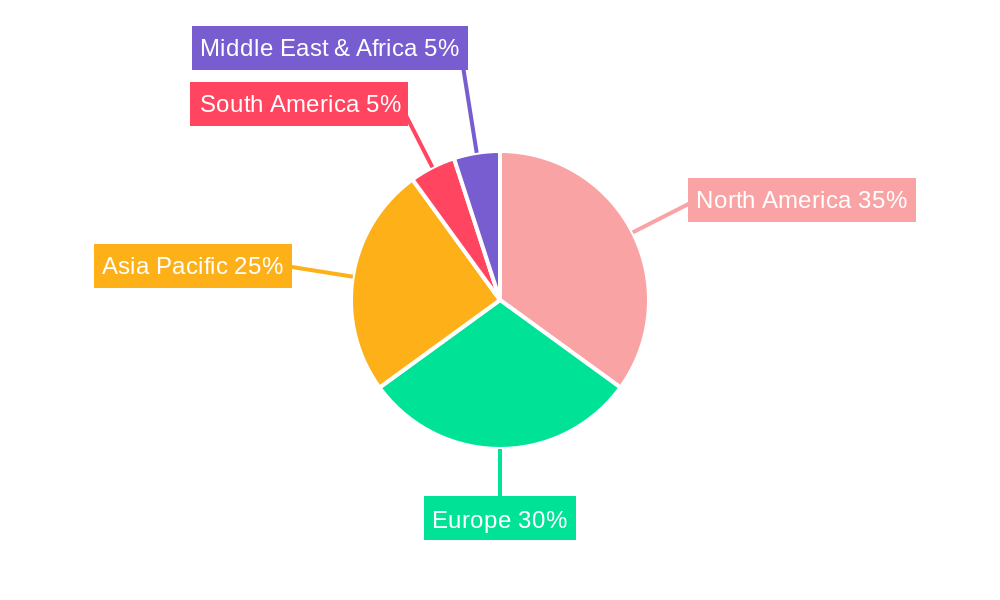
3D Cell Culture Model Regional Market Share
Geographic Coverage of 3D Cell Culture Model
3D Cell Culture Model REPORT HIGHLIGHTS
| Aspects | Details |
|---|---|
| Study Period | 2020-2034 |
| Base Year | 2025 |
| Estimated Year | 2026 |
| Forecast Period | 2026-2034 |
| Historical Period | 2020-2025 |
| Growth Rate | CAGR of 11.7% from 2020-2034 |
| Segmentation |
|
Table of Contents
- 1. Introduction
- 1.1. Research Scope
- 1.2. Market Segmentation
- 1.3. Research Methodology
- 1.4. Definitions and Assumptions
- 2. Executive Summary
- 2.1. Introduction
- 3. Market Dynamics
- 3.1. Introduction
- 3.2. Market Drivers
- 3.3. Market Restrains
- 3.4. Market Trends
- 4. Market Factor Analysis
- 4.1. Porters Five Forces
- 4.2. Supply/Value Chain
- 4.3. PESTEL analysis
- 4.4. Market Entropy
- 4.5. Patent/Trademark Analysis
- 5. Global 3D Cell Culture Model Analysis, Insights and Forecast, 2020-2032
- 5.1. Market Analysis, Insights and Forecast - by Application
- 5.1.1. Scientific Research
- 5.1.2. Pharmaceuticals
- 5.2. Market Analysis, Insights and Forecast - by Types
- 5.2.1. Without Bracket
- 5.2.2. Based on Bracket
- 5.3. Market Analysis, Insights and Forecast - by Region
- 5.3.1. North America
- 5.3.2. South America
- 5.3.3. Europe
- 5.3.4. Middle East & Africa
- 5.3.5. Asia Pacific
- 5.1. Market Analysis, Insights and Forecast - by Application
- 6. North America 3D Cell Culture Model Analysis, Insights and Forecast, 2020-2032
- 6.1. Market Analysis, Insights and Forecast - by Application
- 6.1.1. Scientific Research
- 6.1.2. Pharmaceuticals
- 6.2. Market Analysis, Insights and Forecast - by Types
- 6.2.1. Without Bracket
- 6.2.2. Based on Bracket
- 6.1. Market Analysis, Insights and Forecast - by Application
- 7. South America 3D Cell Culture Model Analysis, Insights and Forecast, 2020-2032
- 7.1. Market Analysis, Insights and Forecast - by Application
- 7.1.1. Scientific Research
- 7.1.2. Pharmaceuticals
- 7.2. Market Analysis, Insights and Forecast - by Types
- 7.2.1. Without Bracket
- 7.2.2. Based on Bracket
- 7.1. Market Analysis, Insights and Forecast - by Application
- 8. Europe 3D Cell Culture Model Analysis, Insights and Forecast, 2020-2032
- 8.1. Market Analysis, Insights and Forecast - by Application
- 8.1.1. Scientific Research
- 8.1.2. Pharmaceuticals
- 8.2. Market Analysis, Insights and Forecast - by Types
- 8.2.1. Without Bracket
- 8.2.2. Based on Bracket
- 8.1. Market Analysis, Insights and Forecast - by Application
- 9. Middle East & Africa 3D Cell Culture Model Analysis, Insights and Forecast, 2020-2032
- 9.1. Market Analysis, Insights and Forecast - by Application
- 9.1.1. Scientific Research
- 9.1.2. Pharmaceuticals
- 9.2. Market Analysis, Insights and Forecast - by Types
- 9.2.1. Without Bracket
- 9.2.2. Based on Bracket
- 9.1. Market Analysis, Insights and Forecast - by Application
- 10. Asia Pacific 3D Cell Culture Model Analysis, Insights and Forecast, 2020-2032
- 10.1. Market Analysis, Insights and Forecast - by Application
- 10.1.1. Scientific Research
- 10.1.2. Pharmaceuticals
- 10.2. Market Analysis, Insights and Forecast - by Types
- 10.2.1. Without Bracket
- 10.2.2. Based on Bracket
- 10.1. Market Analysis, Insights and Forecast - by Application
- 11. Competitive Analysis
- 11.1. Global Market Share Analysis 2025
- 11.2. Company Profiles
- 11.2.1 Visikol
- 11.2.1.1. Overview
- 11.2.1.2. Products
- 11.2.1.3. SWOT Analysis
- 11.2.1.4. Recent Developments
- 11.2.1.5. Financials (Based on Availability)
- 11.2.2 Rdcthera
- 11.2.2.1. Overview
- 11.2.2.2. Products
- 11.2.2.3. SWOT Analysis
- 11.2.2.4. Recent Developments
- 11.2.2.5. Financials (Based on Availability)
- 11.2.3 Thermo Fisher
- 11.2.3.1. Overview
- 11.2.3.2. Products
- 11.2.3.3. SWOT Analysis
- 11.2.3.4. Recent Developments
- 11.2.3.5. Financials (Based on Availability)
- 11.2.4 Corning
- 11.2.4.1. Overview
- 11.2.4.2. Products
- 11.2.4.3. SWOT Analysis
- 11.2.4.4. Recent Developments
- 11.2.4.5. Financials (Based on Availability)
- 11.2.5 Creative Biolabs
- 11.2.5.1. Overview
- 11.2.5.2. Products
- 11.2.5.3. SWOT Analysis
- 11.2.5.4. Recent Developments
- 11.2.5.5. Financials (Based on Availability)
- 11.2.1 Visikol
List of Figures
- Figure 1: Global 3D Cell Culture Model Revenue Breakdown (billion, %) by Region 2025 & 2033
- Figure 2: North America 3D Cell Culture Model Revenue (billion), by Application 2025 & 2033
- Figure 3: North America 3D Cell Culture Model Revenue Share (%), by Application 2025 & 2033
- Figure 4: North America 3D Cell Culture Model Revenue (billion), by Types 2025 & 2033
- Figure 5: North America 3D Cell Culture Model Revenue Share (%), by Types 2025 & 2033
- Figure 6: North America 3D Cell Culture Model Revenue (billion), by Country 2025 & 2033
- Figure 7: North America 3D Cell Culture Model Revenue Share (%), by Country 2025 & 2033
- Figure 8: South America 3D Cell Culture Model Revenue (billion), by Application 2025 & 2033
- Figure 9: South America 3D Cell Culture Model Revenue Share (%), by Application 2025 & 2033
- Figure 10: South America 3D Cell Culture Model Revenue (billion), by Types 2025 & 2033
- Figure 11: South America 3D Cell Culture Model Revenue Share (%), by Types 2025 & 2033
- Figure 12: South America 3D Cell Culture Model Revenue (billion), by Country 2025 & 2033
- Figure 13: South America 3D Cell Culture Model Revenue Share (%), by Country 2025 & 2033
- Figure 14: Europe 3D Cell Culture Model Revenue (billion), by Application 2025 & 2033
- Figure 15: Europe 3D Cell Culture Model Revenue Share (%), by Application 2025 & 2033
- Figure 16: Europe 3D Cell Culture Model Revenue (billion), by Types 2025 & 2033
- Figure 17: Europe 3D Cell Culture Model Revenue Share (%), by Types 2025 & 2033
- Figure 18: Europe 3D Cell Culture Model Revenue (billion), by Country 2025 & 2033
- Figure 19: Europe 3D Cell Culture Model Revenue Share (%), by Country 2025 & 2033
- Figure 20: Middle East & Africa 3D Cell Culture Model Revenue (billion), by Application 2025 & 2033
- Figure 21: Middle East & Africa 3D Cell Culture Model Revenue Share (%), by Application 2025 & 2033
- Figure 22: Middle East & Africa 3D Cell Culture Model Revenue (billion), by Types 2025 & 2033
- Figure 23: Middle East & Africa 3D Cell Culture Model Revenue Share (%), by Types 2025 & 2033
- Figure 24: Middle East & Africa 3D Cell Culture Model Revenue (billion), by Country 2025 & 2033
- Figure 25: Middle East & Africa 3D Cell Culture Model Revenue Share (%), by Country 2025 & 2033
- Figure 26: Asia Pacific 3D Cell Culture Model Revenue (billion), by Application 2025 & 2033
- Figure 27: Asia Pacific 3D Cell Culture Model Revenue Share (%), by Application 2025 & 2033
- Figure 28: Asia Pacific 3D Cell Culture Model Revenue (billion), by Types 2025 & 2033
- Figure 29: Asia Pacific 3D Cell Culture Model Revenue Share (%), by Types 2025 & 2033
- Figure 30: Asia Pacific 3D Cell Culture Model Revenue (billion), by Country 2025 & 2033
- Figure 31: Asia Pacific 3D Cell Culture Model Revenue Share (%), by Country 2025 & 2033
List of Tables
- Table 1: Global 3D Cell Culture Model Revenue billion Forecast, by Application 2020 & 2033
- Table 2: Global 3D Cell Culture Model Revenue billion Forecast, by Types 2020 & 2033
- Table 3: Global 3D Cell Culture Model Revenue billion Forecast, by Region 2020 & 2033
- Table 4: Global 3D Cell Culture Model Revenue billion Forecast, by Application 2020 & 2033
- Table 5: Global 3D Cell Culture Model Revenue billion Forecast, by Types 2020 & 2033
- Table 6: Global 3D Cell Culture Model Revenue billion Forecast, by Country 2020 & 2033
- Table 7: United States 3D Cell Culture Model Revenue (billion) Forecast, by Application 2020 & 2033
- Table 8: Canada 3D Cell Culture Model Revenue (billion) Forecast, by Application 2020 & 2033
- Table 9: Mexico 3D Cell Culture Model Revenue (billion) Forecast, by Application 2020 & 2033
- Table 10: Global 3D Cell Culture Model Revenue billion Forecast, by Application 2020 & 2033
- Table 11: Global 3D Cell Culture Model Revenue billion Forecast, by Types 2020 & 2033
- Table 12: Global 3D Cell Culture Model Revenue billion Forecast, by Country 2020 & 2033
- Table 13: Brazil 3D Cell Culture Model Revenue (billion) Forecast, by Application 2020 & 2033
- Table 14: Argentina 3D Cell Culture Model Revenue (billion) Forecast, by Application 2020 & 2033
- Table 15: Rest of South America 3D Cell Culture Model Revenue (billion) Forecast, by Application 2020 & 2033
- Table 16: Global 3D Cell Culture Model Revenue billion Forecast, by Application 2020 & 2033
- Table 17: Global 3D Cell Culture Model Revenue billion Forecast, by Types 2020 & 2033
- Table 18: Global 3D Cell Culture Model Revenue billion Forecast, by Country 2020 & 2033
- Table 19: United Kingdom 3D Cell Culture Model Revenue (billion) Forecast, by Application 2020 & 2033
- Table 20: Germany 3D Cell Culture Model Revenue (billion) Forecast, by Application 2020 & 2033
- Table 21: France 3D Cell Culture Model Revenue (billion) Forecast, by Application 2020 & 2033
- Table 22: Italy 3D Cell Culture Model Revenue (billion) Forecast, by Application 2020 & 2033
- Table 23: Spain 3D Cell Culture Model Revenue (billion) Forecast, by Application 2020 & 2033
- Table 24: Russia 3D Cell Culture Model Revenue (billion) Forecast, by Application 2020 & 2033
- Table 25: Benelux 3D Cell Culture Model Revenue (billion) Forecast, by Application 2020 & 2033
- Table 26: Nordics 3D Cell Culture Model Revenue (billion) Forecast, by Application 2020 & 2033
- Table 27: Rest of Europe 3D Cell Culture Model Revenue (billion) Forecast, by Application 2020 & 2033
- Table 28: Global 3D Cell Culture Model Revenue billion Forecast, by Application 2020 & 2033
- Table 29: Global 3D Cell Culture Model Revenue billion Forecast, by Types 2020 & 2033
- Table 30: Global 3D Cell Culture Model Revenue billion Forecast, by Country 2020 & 2033
- Table 31: Turkey 3D Cell Culture Model Revenue (billion) Forecast, by Application 2020 & 2033
- Table 32: Israel 3D Cell Culture Model Revenue (billion) Forecast, by Application 2020 & 2033
- Table 33: GCC 3D Cell Culture Model Revenue (billion) Forecast, by Application 2020 & 2033
- Table 34: North Africa 3D Cell Culture Model Revenue (billion) Forecast, by Application 2020 & 2033
- Table 35: South Africa 3D Cell Culture Model Revenue (billion) Forecast, by Application 2020 & 2033
- Table 36: Rest of Middle East & Africa 3D Cell Culture Model Revenue (billion) Forecast, by Application 2020 & 2033
- Table 37: Global 3D Cell Culture Model Revenue billion Forecast, by Application 2020 & 2033
- Table 38: Global 3D Cell Culture Model Revenue billion Forecast, by Types 2020 & 2033
- Table 39: Global 3D Cell Culture Model Revenue billion Forecast, by Country 2020 & 2033
- Table 40: China 3D Cell Culture Model Revenue (billion) Forecast, by Application 2020 & 2033
- Table 41: India 3D Cell Culture Model Revenue (billion) Forecast, by Application 2020 & 2033
- Table 42: Japan 3D Cell Culture Model Revenue (billion) Forecast, by Application 2020 & 2033
- Table 43: South Korea 3D Cell Culture Model Revenue (billion) Forecast, by Application 2020 & 2033
- Table 44: ASEAN 3D Cell Culture Model Revenue (billion) Forecast, by Application 2020 & 2033
- Table 45: Oceania 3D Cell Culture Model Revenue (billion) Forecast, by Application 2020 & 2033
- Table 46: Rest of Asia Pacific 3D Cell Culture Model Revenue (billion) Forecast, by Application 2020 & 2033
Frequently Asked Questions
1. What is the projected Compound Annual Growth Rate (CAGR) of the 3D Cell Culture Model?
The projected CAGR is approximately 11.7%.
2. Which companies are prominent players in the 3D Cell Culture Model?
Key companies in the market include Visikol, Rdcthera, Thermo Fisher, Corning, Creative Biolabs.
3. What are the main segments of the 3D Cell Culture Model?
The market segments include Application, Types.
4. Can you provide details about the market size?
The market size is estimated to be USD 1.29 billion as of 2022.
5. What are some drivers contributing to market growth?
N/A
6. What are the notable trends driving market growth?
N/A
7. Are there any restraints impacting market growth?
N/A
8. Can you provide examples of recent developments in the market?
N/A
9. What pricing options are available for accessing the report?
Pricing options include single-user, multi-user, and enterprise licenses priced at USD 3950.00, USD 5925.00, and USD 7900.00 respectively.
10. Is the market size provided in terms of value or volume?
The market size is provided in terms of value, measured in billion.
11. Are there any specific market keywords associated with the report?
Yes, the market keyword associated with the report is "3D Cell Culture Model," which aids in identifying and referencing the specific market segment covered.
12. How do I determine which pricing option suits my needs best?
The pricing options vary based on user requirements and access needs. Individual users may opt for single-user licenses, while businesses requiring broader access may choose multi-user or enterprise licenses for cost-effective access to the report.
13. Are there any additional resources or data provided in the 3D Cell Culture Model report?
While the report offers comprehensive insights, it's advisable to review the specific contents or supplementary materials provided to ascertain if additional resources or data are available.
14. How can I stay updated on further developments or reports in the 3D Cell Culture Model?
To stay informed about further developments, trends, and reports in the 3D Cell Culture Model, consider subscribing to industry newsletters, following relevant companies and organizations, or regularly checking reputable industry news sources and publications.
Methodology
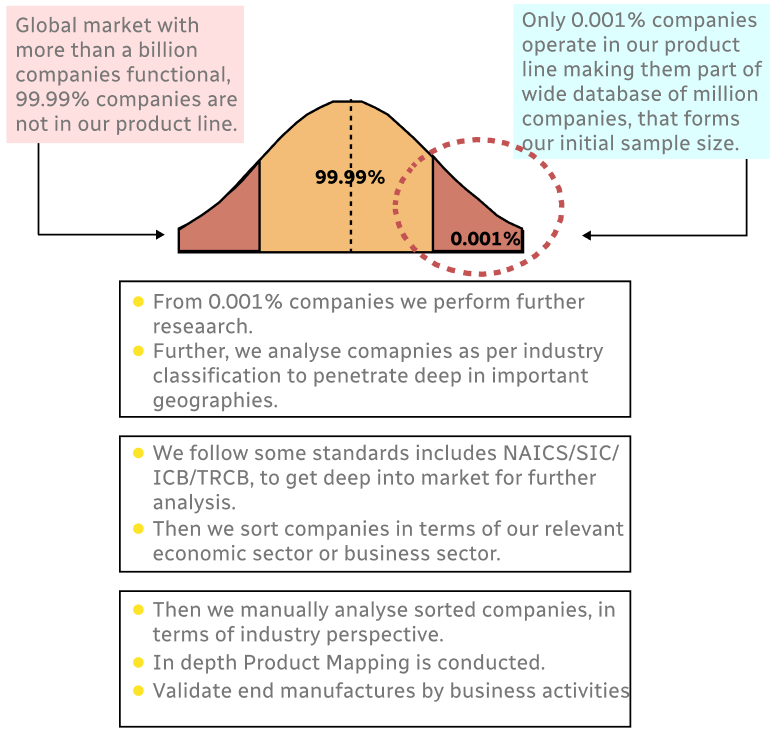
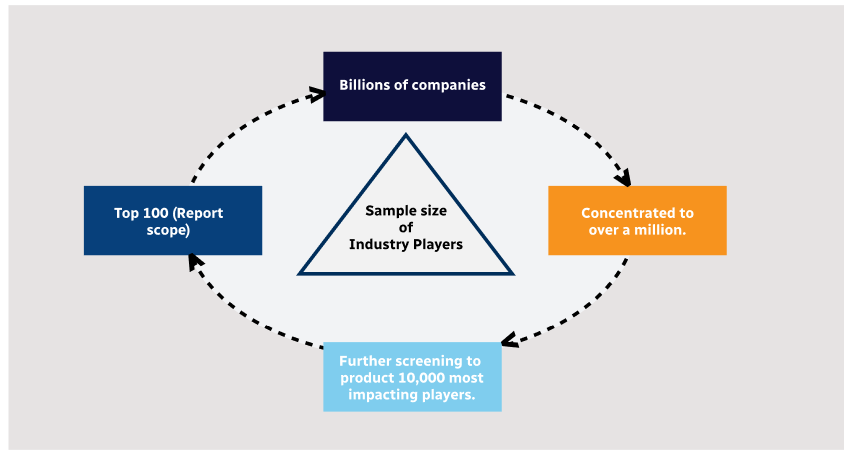
Step 1 - Identification of Relevant Samples Size from Population Database
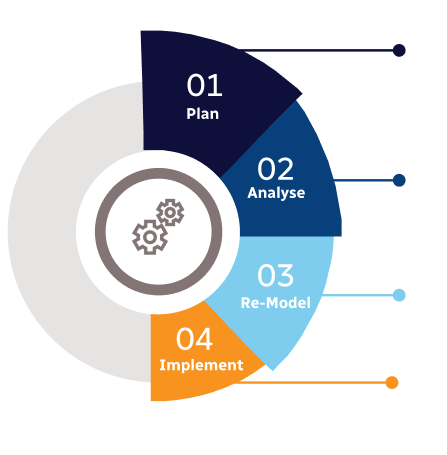
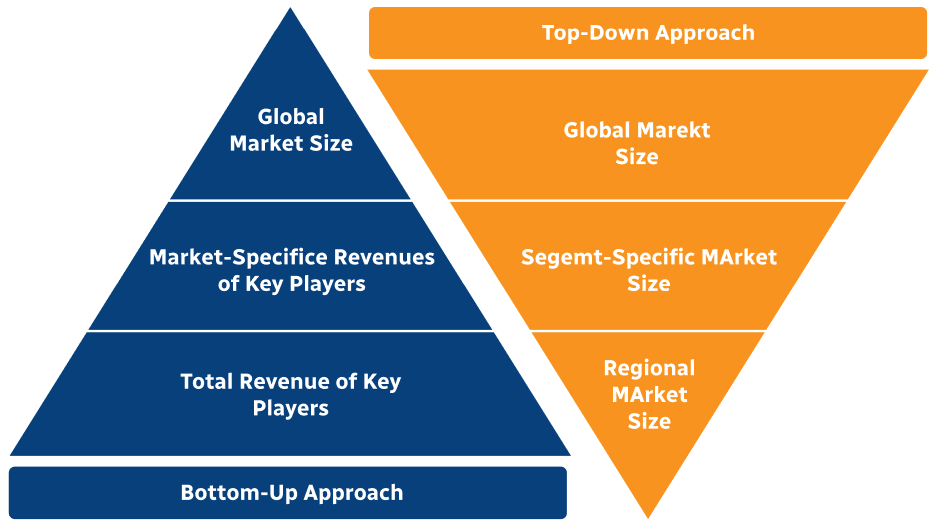
Step 2 - Approaches for Defining Global Market Size (Value, Volume* & Price*)
Note*: In applicable scenarios
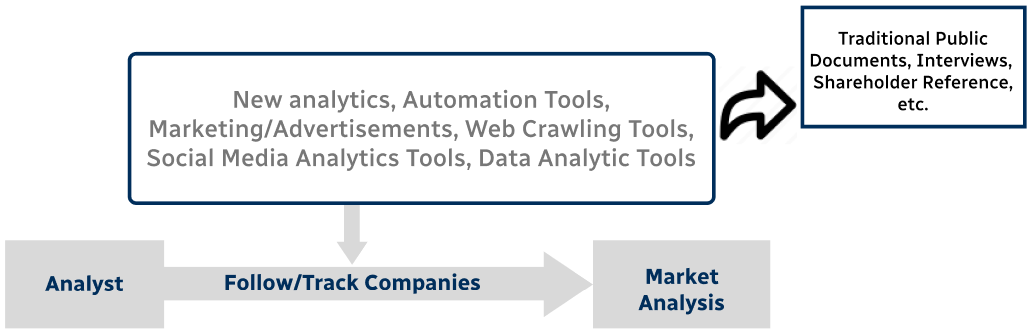
Step 3 - Data Sources
Primary Research
- Web Analytics
- Survey Reports
- Research Institute
- Latest Research Reports
- Opinion Leaders
Secondary Research
- Annual Reports
- White Paper
- Latest Press Release
- Industry Association
- Paid Database
- Investor Presentations
Step 4 - Data Triangulation
Involves using different sources of information in order to increase the validity of a study
These sources are likely to be stakeholders in a program - participants, other researchers, program staff, other community members, and so on.
Then we put all data in single framework & apply various statistical tools to find out the dynamic on the market.
During the analysis stage, feedback from the stakeholder groups would be compared to determine areas of agreement as well as areas of divergence